Why is the “Beauty Community” So Controversial?

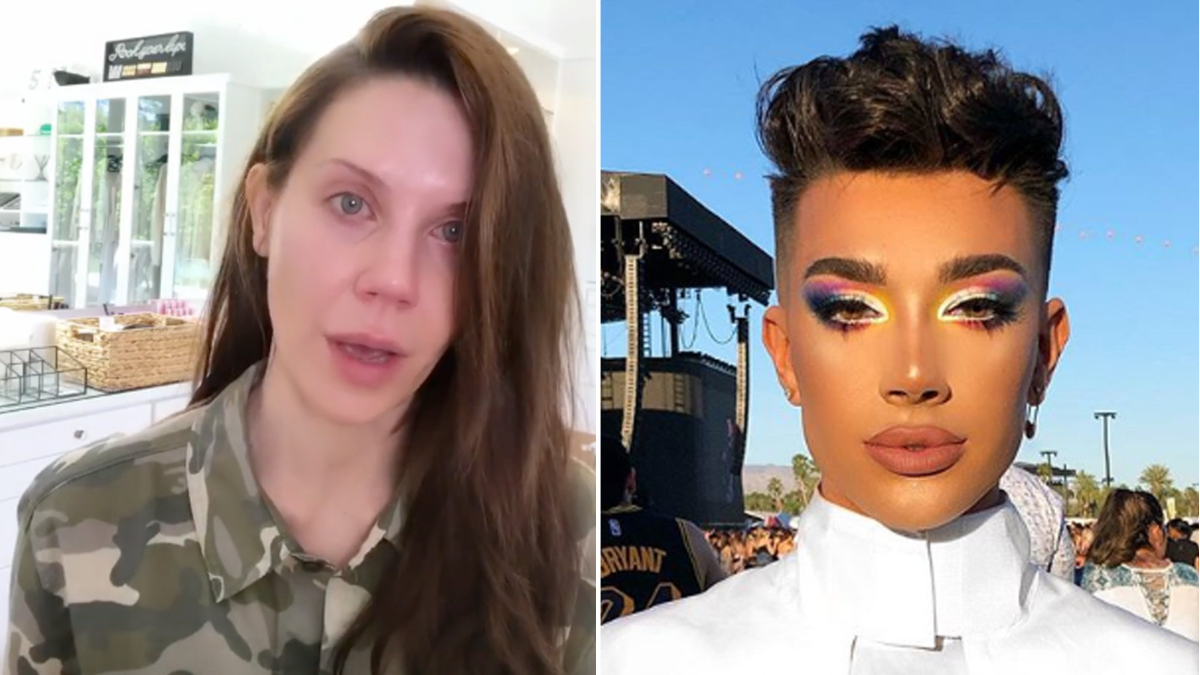
For the past two years, the online Beauty Community has been rocked with wave after wave of new scandals. Racism, petty feuds, scams, and now, sexual predators have torn the community apart, and given it a bad reputation, bringing the community so far from the grace it used to hold. How did this happen? There’s several reasons.

1. Petty Feuds

The Beauty Community has become notorious as-of-late for nasty, and public fights. Beauty gurus will one day decide to air their dirty laundry through passive aggressive, or even outright accusations, against the person they are having problems with on social media, leading to huge dramas and nasty splits. Of the top 11 scandals that happened in the beauty community in 2018, 7 of them were feuds between each other and with makeup brands.

It’s not difficult to tell why these fights suddenly break out on social media. The beauty gurus, in making these posts, are attempting to bring both their fans and other people to their side, against the person they are fighting against. They are attempting to create a mob mentality to worsen the reputation of the person they’re fighting with, possible even ruining their reputation. It just adds to the pettiness.

2. Overload of Sponsored Content

Sponsored content has become a new norm on social media (particularly Youtube following the 2017 “Ad-Pocalypse”), and is often seen in many videos both by big-name Youtubers and small ones. You’ll often find at the mention of a sponsor at the start/end of a video, or even find the video center around the products that the sponsor is trying to promote. The latter has become a problem in the Beauty Community.

Makeup companies and beauty brands have flooded the Beauty Community, asking the gurus to make videos on their products. The amount of sponsored videos has become overwhelming to many viewers, who now complain that most of what the beauty gurus are producing is “unoriginal” and lacks creativity. People have become tired of finding another beauty video just being about a sponsor.

3. Racism and Apology Avoidance

Last year, beauty guru Laura Lee was exposed for having made extremely racist tweets, after she tried calling out Jefree Star for his racist past. The sudden revelation created shock waves throughout both the beauty community and social media, and quickly became one of the top Youtube scandals of 2018.

Lee’s apology video for her racist tweets was short and over-dramatic, drawing even more criticism, and hatred against her. She was not the only beauty guru to have been exposed during the whole ordeal, as others like Nikita Dragon, Manny Mua, James Charles, and others were also exposed for their racist tweets, though they quietly slipped under the rug.

The racism that has become evident in the beauty community has been excused many times by fans wanting to protect their favorite, although this only adds to the resentment against the beauty community. The defense only encourages the gurus to make fake apologies and move on with their lives, especially since their career only seems to get temporarily hurt by it.
James Charles Has Yet Another Controversy

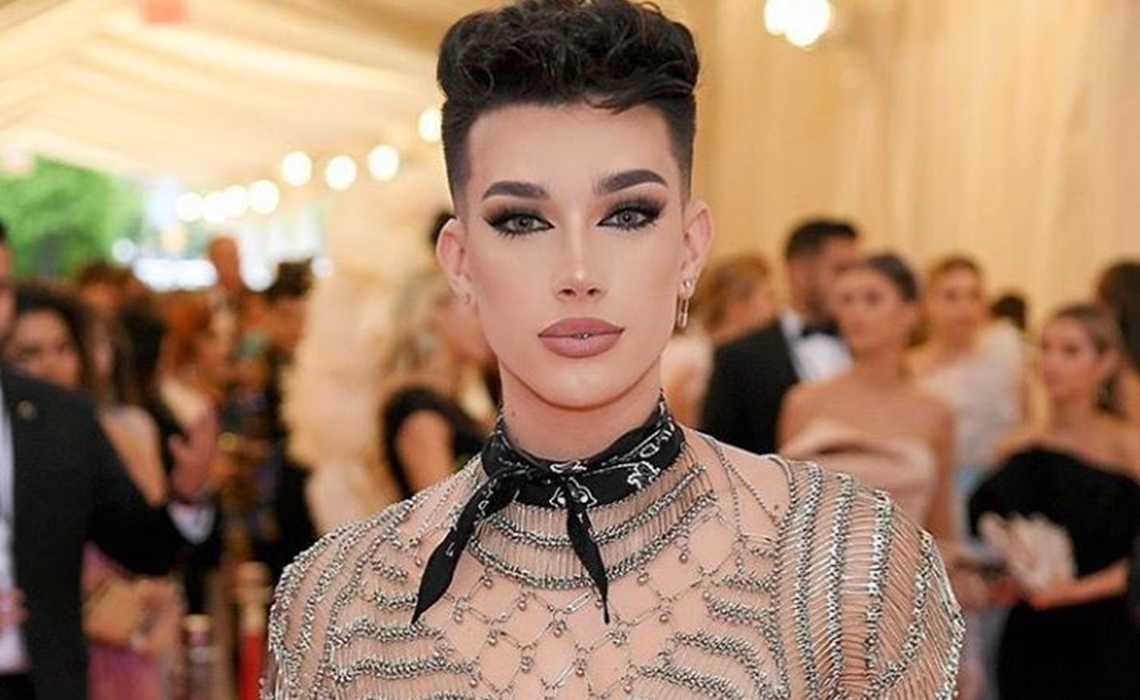
This week has been a big week for Youtube controversies, especially centering around beauty guru James Charles. The 19 year old has come under fire for trying to pressure straight/questioning men into hooking up with him, causing him to lose a record 400,000 subscribers in less than 24 hours- and is still losing more.

The controversy began over a series of caught Coachella pictures of James Charles with aspiring model Gage Gomez, which has led to a fling of odd and “immature” social media behavior by James Charles, and an online battle around the beauty guru community.

The battle has led James Charles’ mentor, Youtuber Tati Westbrook, to come out with a video exposing the 19 year old. She revealed stories of his behavior trying to manipulate straight men, and how she had warned him to get help before such behavior ruined his career.

One story in particular, which took place at Westbrook’s birthday dinner, reveals that James Charles tried manipulating the waiter, and describing the graphically sexual things he wanted to do to the waiter, in front of her friends and family. When she tried to call out his behavior, he simply responded with “I don’t care, I’m a celebrity”.

Westbrook also called out James Charles for trying to manipulate and exploit straight men, then turn around and play himself out to be the victim. She claims that she is fed up with his behavior, after trying to help him “grow out” of his behavior for the last few years.

Reactions from observers are negative, with many saying it’s time to “cancel” James Charles, especially as this controversy isn’t the first for the beauty guru.

Youtube Rewind 2018: For the Corporate

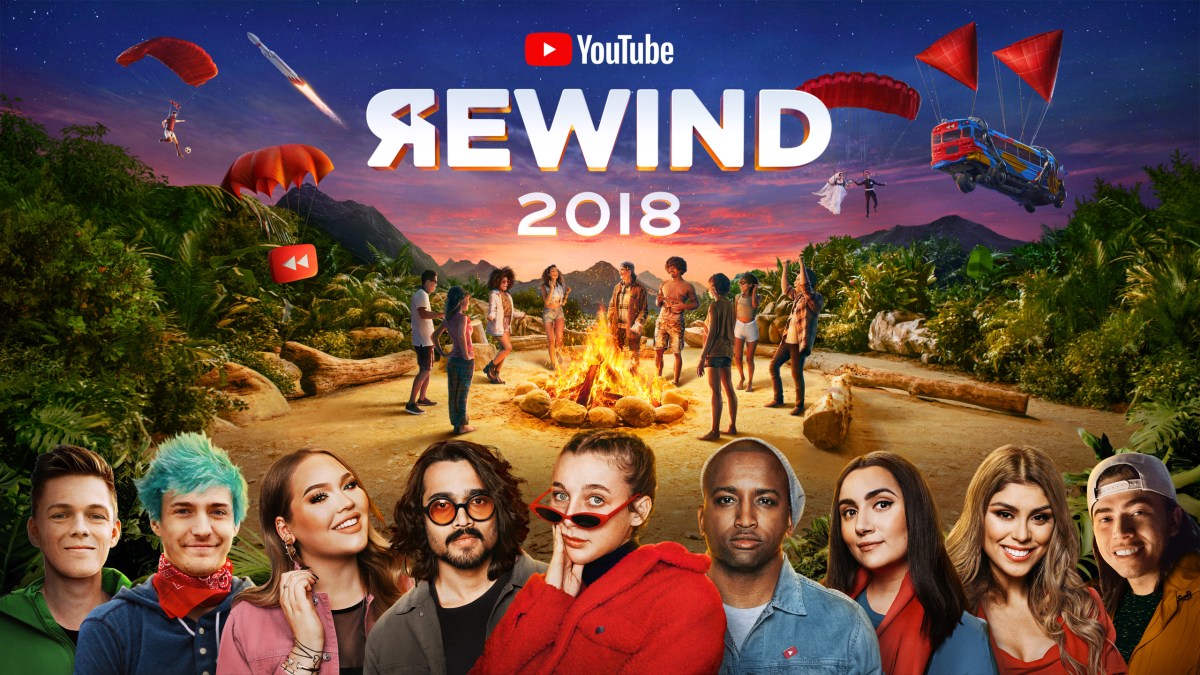
This last week, Youtube Rewind 2018 dropped, receiving not just the most dislikes of any previous rewind, but also the most dislikes of any video on the site ever, getting over 4 million dislikes in 24 hours. Which is ironic, considering that this years rewind was supposed to be “what the people want”.

Youtubers, all over the place jumped on the opportunity to review it. H3H3 even went so far as to compare this year’s rewind to the rewind from 2013, showing how much Youtube has changed to be more about the business than about the creators. This comparison brought to light what Youtube was before the 2016 “Ad-pocalypse”, an event hallmarked by the rush of company ads and investments being removed from Youtube after Pewdiepie’s anti-semitic controversy, and after. It’s a stark difference.

Now, before I go into it, I’m going to put this forward: I’ve seen this year’s rewind, and I hated it. Like, not just in the fact that they had almost no one I could recognize, but the fact that it was just all around cringy. Now, let’s get into details.

The rewind opens up with Will Smith, who not only doesn’t have a Youtube, but also wishes for Fortnite (?). It then leads to showing a Twitch streamer, and a bunch of people I swear I’ve never seen before, before going downhill from there.

I’m not going to do a full breakdown, but the first minute of this rewind should already say enough about how it’s not for the people, even though that was the theme of the video. “Let’s make it about the viewers! Go by the comments!” They said, although no one is really sure how legitimate those comments are. In fact, if you look at the comments below the video, you can see just how upset people are with it. The rewind ignored a lot of big events that happened not just on Youtube, but on social media in general, instead focusing on the…political contributions of some on the platform? It was ridiculous.

The video obviously reflected the Youtube that the company wants to present, which is soft and fun, but more importantly ad-friendly. It’s not accurate, and it avoids any and all “risks”, even though that’s what the platform is known for. The worst part was the Youtubers. A good 90 percent of them I, nor most other people, had ever heard of, and focused on things like mukbangs and ASMR. They had some KPop, copying the new video by BTS (the most widely-known Kpop group right now) without actually mentioning their name. It was just bad.

This video wasn’t for the people, despite what they proclaim. It was just a waste of time and money.

Revisiting Disney Fanaticism

A few months back, I wrote about some of the world of Disney fanaticism. I had kind of forgotten about it for a while, but was reminded of the world when I not only saw lots of people from back home posting about going to Disneyland (all this weekend, mind you), but also stumbled upon Youtube channels dedicated to analyzing different things about Disney, namely DisneyDan.

I decided to watch some of these videos, particularly the evolution of different character portrayals in Disney parks, and felt very strange. Maybe it’s because of the level of detailed analysis that these people go into (these videos could be 30 minutes or longer). Or perhaps it’s from the fact that almost every time, these people will mention seeing all the performances that the character participates in that they could, plus going to multiple meet-and-greets for that character.

The videos surprised me, and spurred me into researching more Disney fanaticism, namely through looking at fan merchandising. It wasn’t hard to stumble upon a treasure trove. Mickey Mouse ears were everywhere, with so many different themes that it was impossible to find an end. There were also limited edition plushies, clothes, posters, art, just about anything that wasn’t a Disney park itself.

I was surprised by the creativity put into making some of the products (namely the Mickey ears-someone made Dolewhip themed ones), but not at all surprised by the quantity of items to get. I know how far fanaticism can go, although even now it’s still hard to comprehend. I’m fine with getting the occasional plush, and going to Disneyland about once a year; when I see these people go all-in I wonder where their supply of spending money comes from. Disney is expensive.

But let’s revisit the videos I watched, for a second. They’re tied to the money thing, as these Disney analysts almost always mention going out to Disney on Ice, or seeing all the different shows within the Disney park-all that adds up. The amount of personal research (plus, all the Disney history they go into to get a fully fleshed-out story line, is honestly quite impressive. I mean, it’s an interesting topic, but I’m not quite sure I’d be willing to go as much into detail as some of these people. It got me wondering what kind of people they were, centered around their intense attachment to Disney. How much merch did they have, did they have annual passes, do they work for Disney. So many questions run through my mind, ones that I don’t really know if I want to find the answer to. For me, it’s better to appreciate from afar in this kind of situation

My Takeaway from the Jake Paul Series

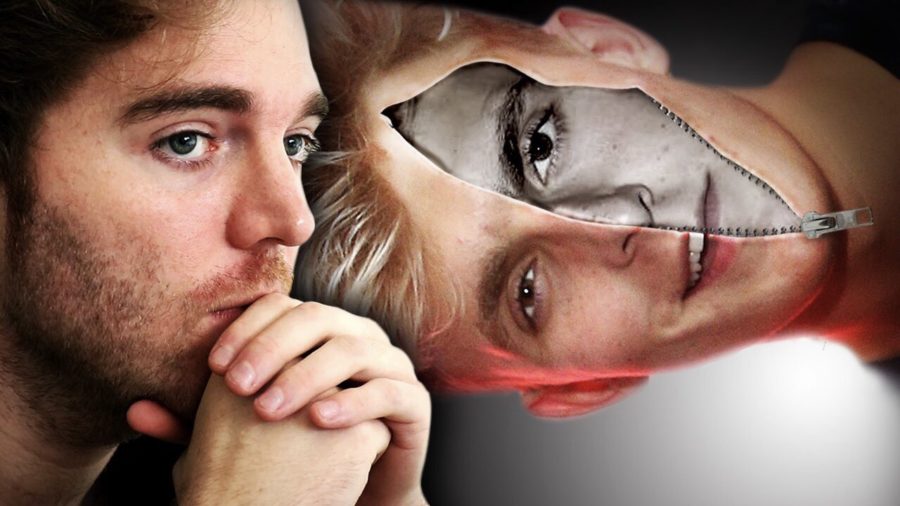
If you’ve been involved in the Youtube world, then you would know that a few days ago, Shane Dawson wrapped up his eight-part series on Jake Paul. The series ended in an almost two-hour long finale, a good 90 percent centered around the final interview that Shane had been building up to throughout the series.

Despite my qualms about the second episode, I watched the series in its entirety. I will say that while I admire the amount of research Shane went through, approaching multiple different people that were involved in Jake Paul’s life in order to get their perspectives, I have to say that in the end, Shane let his bias show a little too brightly.

Not in the sense that he ignored that Jake Paul is a sociopath (which he’s not), but in the sense that in the end he went a little too light on calling out his past. He did ask about the assault case, the cheating situation, and other such things that people had been wondering about. He provided advice on what Jake Paul should do, to which the latter figure seemed enthusiastic to accept. But the interview as a whole was a little underwhelming. Shane promised that the interview would allow no mercy, and spent the whole series making that promise, but when he got to the actual interview, I couldn’t help but be bored. I sat there, constantly checking how much time was left, wondering when the harder questions were going to come in. In the end, I felt that we weren’t given what we were promised, because Shane learned to like Jake Paul.

And, to be honest, I did feel some sympathy towards Jake Paul. Throughout the show, the strained and frayed family dynamic came up, which provides some insight on who Jake Paul is behind the scenes. His Dad raised him to believe it was okay to act like this, and his brother did some awful things that would mess with someone. Working with a father and brother, as well, is also very dangerous, as it blurs the line between work and family. It can destroy families.

There’s also the fact that Jake Paul holds himself in a toxic situation, living in the Team 10 house and almost never taking a break. Even his girlfriend can sense it, and wants them to move away so that they aren’t constantly in the limelight. That kind of situation would mess with anyone.

And yet, at the same time, I hesitate to sympathize. The situation between Alyssa and Jake still makes me wonder, especially as some aspects to each side of their stories holds differences, making it difficult to believe one person or another. Shane never fully fleshed out the situation through third-parties without bias, adding a sense of dissatisfaction and uncertainty. The uncertainty makes me hesitate.

Also, despite him being in a messed up situation, we can’t ignore the fact that Jake Paul has done some crappy things. There were bad choices he made outside of the ones discussed in the series, and they were choices that he made. Of course, college males can act as dumb as him, but being an influential figure, especially with a demographic of kids 8-16, he needs to know better. And I’m glad Shane pointed that out, cause in certain ways Jake didn’t seem to understand the amount of influence he actually had on kids. Constant merch plugging, his music, and pranks, his talk against school, all of that can leave an impact on a kid, shaping their views. He didn’t seem to understand that.

Now, in the end, Jake promised to change things. But words don’t mean anything if no one acts on them. I want to see him act on it, and the best way I can imagine that being is taking an extended break from Youtube-possibly even moving back out to Ohio. To think on himself and his actions, to come back and change his content. I won’t believe the guy until he’s actually presented the social sphere with his change, and possibly moved himself into a situation where he has a break from the chaos. While I do hope that he does improve, I will only believe it when I see it.

The Problem of Shane Dawson’s “The Mind of Jake Paul”

The Internet roared when Shane Dawson announced that he would make an eight-part documentary series on the controversial Youtube star Jake Paul. Dawson had been known for making “DocuYoutube” series on other controversial figures (including Tana Mongeau and Jeffree Star), but this person, known for several strings of awful behavior, was a step too far. Dawson did announce that he would not be lenient or forgiving to this person, and that he was making the series to analyze why the younger Paul brother behaved in such a way.

With the release of the first episode, all seemed well enough. Within the first few days the episode got 15,000,000 views, a viewing higher than some of the most popular TV shows on air. The controversy arises in the second episode however, when discussing the idea of sociopaths, as an attempt to analyze if Jake Paul qualifies as a sociopath. This controversy centers mostly around the psychologist he meets with and the framing of a sociopath.

Now, here’s a few details on a sociopath. A sociopath classifies under antisocial personality disorder, mainly marked by superficial charm and an inability to regard moral or social standards. Sociopaths lack the ability to relate and sympathize with others, and often learn to mimic behavior by studying how other people react. They usually have poor behavioral/impulse control, and often need high amounts of stimulation. Sociopaths, which is the extreme end of antisocial personality disorder, affects about 4% of the population, or 3% of males and 1% of females.

Now, sociopaths aren’t inherently bad people. They often do things that are considered bad or callous because they lack the capability of understanding them. Oftentimes, however, sociopaths are confused with psychopaths, who are dangerous, as they share some similar traits. This creates a massive stigma against sociopaths, a stigma that oftentimes prevents people from getting help or living a relatively normal life.

Now, here’s where the Shane Dawson controversy comes in. He frames the description of a sociopath with scary music and themes, making a sociopath appear more like a serial-killer psychopath. He also makes it seem like a sociopath is some born horrible mental illness, rather than being a personality disorder born out of deep childhood trauma. He reinforces a stigma around mental and personalities disorders, which is ironic, given his history or eating disorders and depression. He has been open about his mental health issues, so to cast a disorder that people can’t help as something scary on such a mainstream platform only boosts the stigma against mental illness and personality disorders.

The second controversy comes in the fact that the psychologist he was talking to began diagnosing people. Any undergrad student who is serious about becoming a psychologist or psychiatrist can tell you that a therapist is not supposed to diagnose people. A therapist’s main job is to help guide someone on their own journey and let the person discover themselves, or have testing done in order to get a definitive answer. They are not supposed to sit there and tell you what they think you have. Any therapist who does so is not a good therapist. The fact that she was labeling Jake Paul as a sociopath without having ever met him is bad practice (also, her implication that all Youtubers are sociopaths with Narcissistic tendencies is kind of ridiculous). She only fueled the fire of placing sociopaths in a bad light.

Although Shane has apologized for this move in subsequent videos, the fact that he even did it in the first place for ambiance was just poor taste.

Youtubers Becoming Authors: The Self-Help Trend

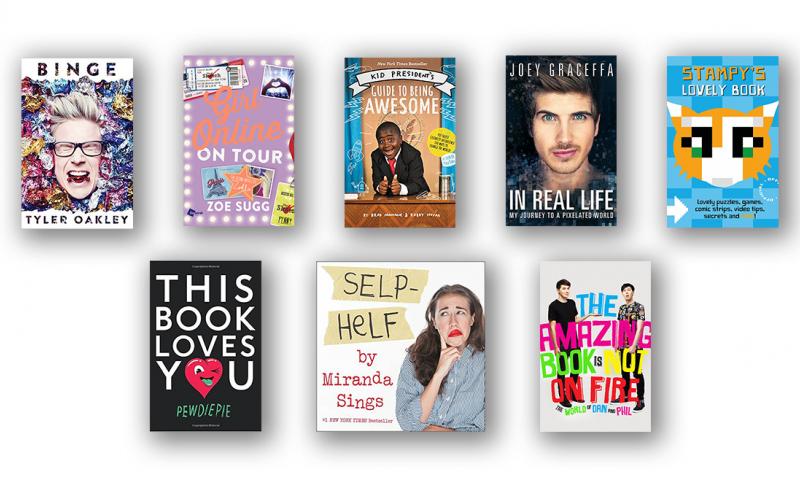
In the last five years, there have been a number of Youtubers releasing books, some fictional (like Joey Graceffa’s Dystopian trilogy), and others non-fictional (like Shane Dawson, Miranda Sings, Tyler Oakley, and so many others). Youtubers, using their influence, often write books of “self-help”, or a series of essays, or something similar to memoirs. They provide advice, despite the fact that they are only in their mid-to-late twenties. It’s a bizarre case, one that I have been feeling the need to unpack for a long time.

Now, while John Green is technically the first youtuber to release a book, he was an author first, so I will just skip him.

The first youtubers to publish a book after gaining their popularity were Blaire and Elle Fowler, publishing the fiction book Beneath the Glitter, in 2012. From then on, Youtubers began publishing their non-fiction books, with books such as I Hate Myself and In Real Life: My Journey to a Pixelated World gaining quite a bit of traction. Most of these centered around Youtubers’ tales of their childhood, functioning as a pseudo-memoir despite the fact that most of the authors were in their early-to-mid twenties.

It wasn’t until 2014 that the first actual “help” books came out from a Youtuber, with Hannah Hart’s My Drunk Kitchen: a Guide to Eating, Drinking and Going with Your Gut. It’s help aspect comes from the fact that this is a recipe book, although within the next three years tons of “self-help” books came out.

Now, while I have no qualms with things such as recipe books and fictional novels, the memoirs and self-help books kind of get to me. And it’s not like it’s business or fashion advice, either (Michelle Phan published Make-up: Your Life Guide to Beauty, Style, and Success- Online and Off in 2014, which offers both business and fashion advice, as well as maintaining a healthy attitude), but rather actual life advice. This isn’t to say that someone who isn’t in their twenties can’t give life advice. It just seems odd that someone who is in their twenties are offering advice books to their audience-most of which are in their early or mid teens.

To me it’s difficult to imagine my teen-self or any of my friends following the advice of someone who, quite often, never got their degree in college, and made their career in a  very competitive environment. It also seems weird to read a memoir about someone who hasn’t even made it to their thirties, yet. Most people don’t write memoirs until they’re almost in their fifties, or even later. It’s usually after they have lived quite a bit. That isn’t to say that a lot hasn’t happened to a young person, but most Youtubers’ memoirs are quite mundane. They have childhoods that may be tough, but are often not unusual.

Of course, some of these Youtubers can provide some insight that their younger audiences can relate to. Things such as mental illness, eating disorders, being a part of the LGBT spectrum, and other such hardships may connect to people who are stuck in similar positions. The only problem is that the writers are so young themselves, still growing and learning, that what they write in one book won’t be how they feel ten years down the line.

Perhaps rather than sticking to full on life advice, they should stick to subcategories that they excel in for now. There are so many ways that you can provide advice to young people without it being how to live. There are also many ways to write personal anecdotes without writing full memoirs. It’s better not to rush into things so young, despite our tendency to do so.

Social Media Bandwagon: The Case of Alex Jones

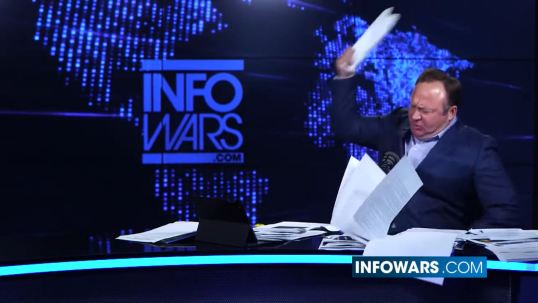
Within the last few days, Spotify, Facebook, Youtube, and Apple all made the move to ban Alex Jones, the runner of the conspiracy theory podcast known as Infowars. Apple was the first to make the move, with two days later the other three platforms following suit. This came as a result of months of complaining from general populace, who wanted Alex Jones banned for promoting false information and dangerous lies. And while this is a step in the right direction, it comes in a way that seems cowardly.

But let’s start at the beginning. Why did people want Infowars banned? Initially seen as a funny meme in the beginning, the podcast was quickly recognized as dangerous, spreading misinformation and promoting distrust in real media, arguing that the conspiracy theories presented are actually true. This grew dangerous under the age of “Fake News”, causing people to follow him and believe him, further dividing people over what is actually happening in the country.

This caused people to start pushing to get him off of mainstream social media platforms. People were tired of Alex Jones and his podcast, and wanted him to stop having open access to unsuspecting audiences. People even cited that he was breaking terms of service on multiple platforms in order to try and get him off the normal way, but none of the social media platforms did anything. Despite constant protest and pushing to get him off, not a single platform did anything.

That was, until Apple finally decided to cut his app off, and to stop streaming his podcast on Apple Music. Then, seemingly out of nowhere, the other three platforms “found’ that Jones was in fact breaking Terms of Service. Now he’s only on Twitter, saying that the other platforms banned him out of cowardice. The real case is, however, that no one wanted to do anything unless someone else did it first.

Think about it. As good a move as it is, why did it take so long for the platforms to act? Then, when Apple finally banned Jones, why did they move so quickly? Because they’re jumping on the bandwagon.

The thing is, companies don’t really care, unless it will hurt their own public image. So when a big company like Apple moves, of course Facebook (who recently took a major hit over selling information and causing a company to make bot accounts), would want to jump at the opportunity to make themselves look better. And of course Youtube and Spotify would want to as well, in order to prevent losing public face. It does make them look kind of weak.

But at least they did something good. I can’t hate on them too hard, because it wasn’t like they banned someone people actually liked. But it does kind of look sad when companies jump on a bandwagon to keep people on their platform.

“Let’s Make a Podcast”: the New “Let’s Start a Band”

In the decades before, particularly in the 1970s through the 1990s, the common movie phrase among young rebellious teenagers is “Let’s start a band.” This phrase even made appearances into the early-to-mid 2000s, when teenagers wanted to become famous and popular, fast. It was inspired by regular young teen’s desires to become famous their own way, but in the case of the movies they were always successful.

But now no one uses that phrase anymore. Now the new in thing is the say “Let’s start a podcast.”

Why a podcast? Beats me. Maybe it’s the idea of people just sitting, relaxing, and talking about a random subject for an hour while making a profit. Maybe, people think it might be an easier and more sociable way of gaining media influence than Youtube. Or perhaps it’s just a creative outlet that some people want to take. Whatever the appeal is, podcasting is attracting a lot of people.

Podcasts are appearing all over the place, on many platforms. Spotify even has a special category just for popular playlists, something that I hadn’t seen two years before. What once was a more niche source of entertainment is now extremely popular. I’ve even been recommended a nice podcast to listen to while driving five hours home. I haven’t tried it yet, but the fact that I was recommended it says something.

No one wants to be in a band anymore (except for the more hipster bands). Most mainstream artists these days are solo, with the occasional band in between. Wanting to start a band has seriously dropped in popularity, especially among the young kids who now dream of becoming Youtubers. Starting a podcast seems much more achievable and appealing. You can talk about seemingly any topic in the world, making itself an auditory form of blogging. I’ve heard podcasts about different serial killers, new movies, or just funny story times and games. They can be quite soothing. There’s a a larger band of creative freedom when it comes to podcasts, although there can be quite a bit of freedom with starting a band in this day and age as well.

There’s nothing wrong with starting a podcast. You certainly don’t need to know how to play an instrument to start one (although showing off your skills on it might be entertaining). But that isn’t to say you can just start out of the blue. It’s recommended that you have at least some tech experience editing audio and video, and dealing with sound recording. Not to say that you need to be an expert, but being a total newbie to it can make it quite confusing.

Lessons Learned from Tanacon: Never Plan a Convention in a Month

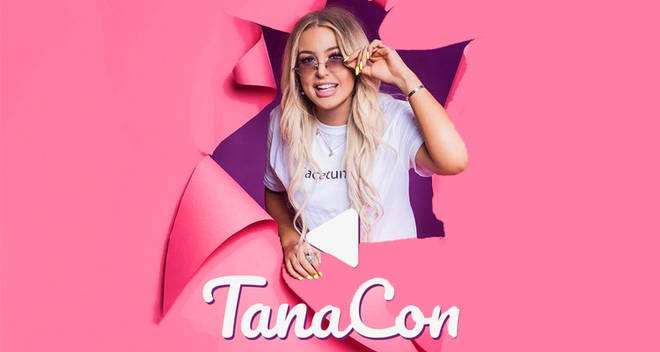
People are still buzzing from the disaster known as Tanacon. It happened over the weekend as a contrarian convention to Vidcon, and quickly gained news for being disorganized, too small for the amount of people that came, and basically a big scam. So what happened?

Well, this all began when popular Youtuber Tana Mongeau felt that she had been snubbed too many times by Vidcon, who wouldn’t give a content creator’s pass, even as she starred in Escape the Night, one of Youtube Red’s larger shows. Finally, she had decided she had had enough, and decided to make a convention of her own, meant to be a fun place for her and her fans. The move was bold and inspiring, but there were a series of missteps that ultimately led it to being considered one of the worst conventions ever.

The first misstep? Trying to plan an entire convention in a month. Such a move is utterly impossible. It takes many years in order to start a convention, and none are ever perfect from the start. The fact that she tried to plan a convention in a month with no previous experience and nothing really planned is bold- too bold for a newbie.

But you know, the result of a month’s planning wouldn’t have been so bad had there not been over 5,000 people in attendance. This came as a result of Tana promising the option of free tickets, wanting it to be open to all. Tanacon gave free tickets to those who reserved online in May. For VIP or FFC (featured fucking creators), you have to pay $65 and $70 (plus $12 tax) respectively, which were supposed to allow you to skip the line and get a guaranteed spot for meet-and-greets. However, when it came down to it, there was no different lines for the VIP and the regular, and it seemed more people had bought the VIP passes than the free ones.

People also flew out from all over the country to come, wanting to see the larger Youtubers such as Shane Dawson, Elijah Daniel, and of course, Tana Mongeau herself. What they got instead was waiting over five hours in a line with no shade, no water, and no food, unable to get into a venue that couldn’t fit anywhere near the number. The line was unmoving, leaving people getting sunburnt and even getting the risk of heat stroke. Some people even went so far as to jump the fence blocking the ticketing booth, throwing passes over to the crowd waiting.

For those who could actually get in the convention, they were sorely disappointed. There was only one hall for people to go around, and the many fun events that had been promised were lacking. Plus, there wasn’t enough space for everyone to attend the meet-and-greets, leaving many people who had reserved tickets left out. Plus, half the people who said they would attend actually couldn’t, having conflicting times for panels at Vidcon. To make matters worse, at the end of the day, security kicked people out, as per order of the fire marshal.

The real cherry on top, however, would have to be the gift bags, which were supposed to have over a $60 value. What people got instead was a bag, stickers, and a condom (this is a kid friendly event). This left people furious. Now there are a few law suits, as people were basically scammed out of around $80+. It’s also a message of how not to run a convention.