The Fun of “Geek” Makeup

Despite the fact that Geek culture has been in the mainstream for nearly a decade, it was only recently that I discovered Geek-inspired makeup. Maybe this is due to the fact that I didn’t like makeup all the much until around two years ago, but it was still strange that I had never heard of it. I’ve been to cons, I’ve involved myself in many fandoms, how did I not hear about it?

Well, this is excluding the main-stream geek culture collections. Of course I’ve seen Star Wars themed lines, and also Hunger Games collections from Cover Girl and L’Oreal. And of course I’ve seen the Disney-inspired makeup. But I had never seen stores purely devoted to producing Geek-inspired makeup.

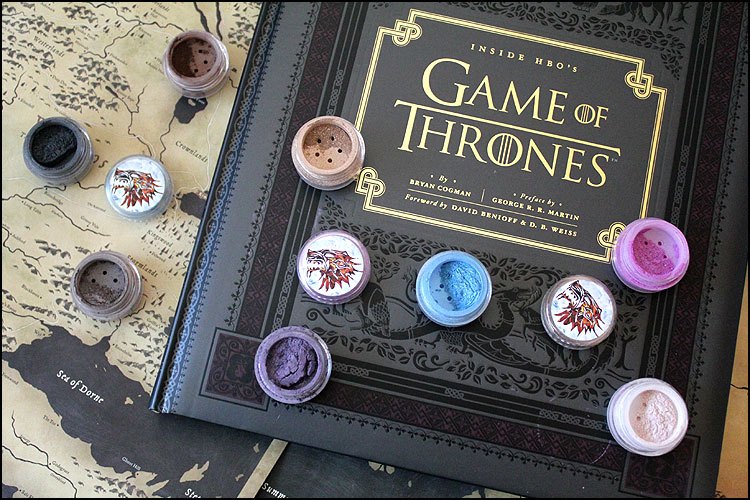
I had only discovered the makeup by chance, stumbling upon Shiro Cosmetics as I was looking for cruelty-free makeup. Looking into their site, I found they had a series of collections based off of popular media and memes, having collections centered around Game of Thrones, Into the Unknown, and Avengers, particularly eye shadows. They have cute little drawings that they come with on top, and lots of funny designs. And the reviews seem to like them.

The discovery of this site led me to start looking around for other Geeky makeup, and I was able to find quite a bit of collections. I found Geek Chic, Espionage Cosmetics, Nerdastic, and Black Pheonix Alchemy Lab, all of which had many items based around pop culture. It was astonishing, especially with the fact that the most of the colors looked so pretty. And most of them were cruelty-free.

The makeup usually has fun names, with fun designs, although if you’re looking for eyeshadow, don’t expect to many pressed palettes. Most of them are loose powder, with a few pressed palettes, which can be a little off-putting for some.

Geek-inspired makeup really started blowing up around 2015, as bigger companies began pushing out lines for the new Star Wars (Force Awakens), inadvertently boosting smaller makeup companies that based their whole existence around Geek culture. While still being considered “underground” and definitely “artisan”, Geek makeup has found its place and audience, and will only continue to grow as more people discover them.

The “Anime Phase”

My friends and I all had one. Some of them still haven’t gotten out of it. It’s that period of time where most, if not all of what you watch is Anime, and you join fandoms centered around your favorite ones. It’s a normal part of nerd development, it seems.

For those of you who seem confused by this “Anime Phase”, let me put it into perspective: imagine you had a show or TV genre that you were absolutely obsessed with. You could have been obsessed with it for weeks, months, even years, but it was the center of your attention in terms of being a fan. They’re one in the same. But rather than having it be an American or British TV show/genre, it’s Japanese.

This phase rose out of the Anime Craze of the 1990’s. It came as a result of kids having greater exposure and access to watching Anime, allowing for the phase to blossom. Kids are going through a period of wanting to watch nothing but Anime, and there’s nothing wrong with that.

The Anime Phase can range anywhere from casual (like mine) to all-consuming. I was one of the ones who would watch Anime casually, but wasn’t too far into it. I could watch other shows, and watching Anime didn’t take up my entire day. But there are others, including people I knew, who would spend their day only watching Anime. These are usually the ones that don’t ever leave the Anime Phase, although there are occasions when they do.

In most cases, those who have an Anime Phase never stop watching anime. I can tell you that most of my friends still watch certain anime (mostly to most popular ones), although I find myself unable to sit down and watch one. The last one I saw was three years ago, and although some anime are enticing, I just can’t sit for that long watching. I’ve developed kind of a strange relationship with anime, probably because of overly casual nature of my Anime Phase.

The Anime Phase has been going strong for over twenty years. It’ll be interesting to see how long it continues for, especially with the rise of other popular phases.

The Genius of Who is America?

Most often the first thing that comes to mind when someone hears the name ‘Sacha Baron Cohen’ is “Oh, the dude from Borat!”. The actor, who has played characters such as Ali G, Bruno, and of course, Borat, gained his permanent recognition after the release of Borat: Cultural Learnings of America for Make Benefit Glorious Nation of Kazakhstan back in 2006. In the film, he duped countless people all across the US, with only a few scenes (such as the kidnapping of Pamela Anderson) being fake. His film gained immense popularity, for both bringing out the honest truth from people, and being hilarious at the same time.

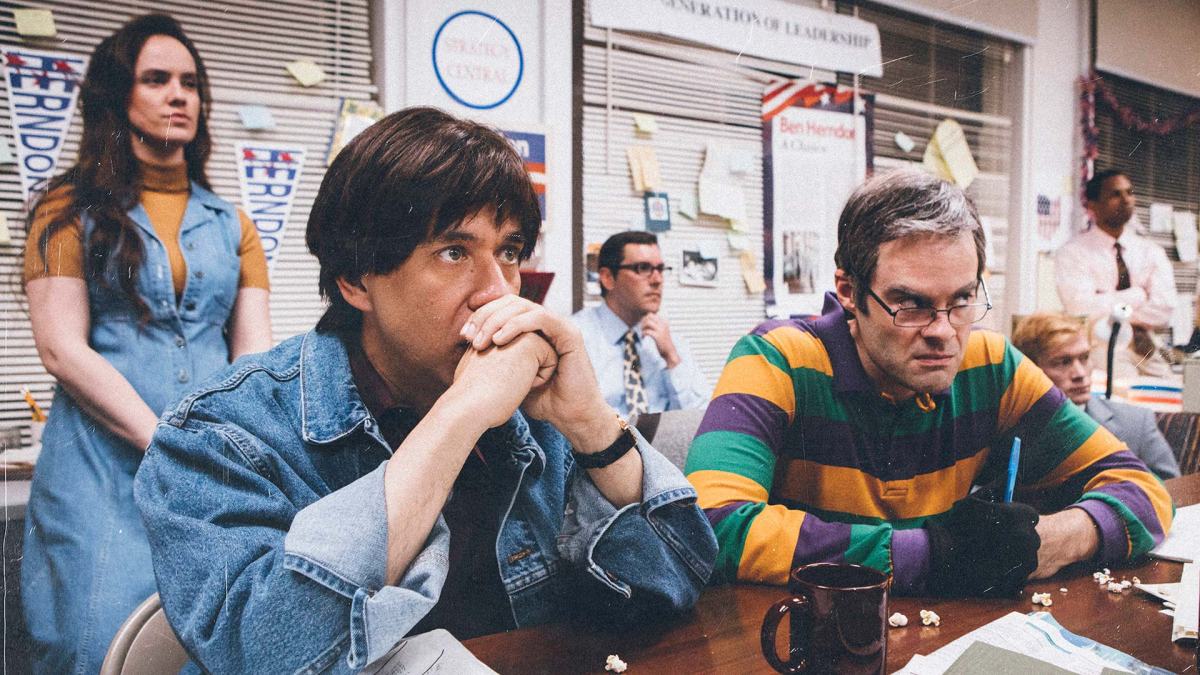
Now he’s back, but this time with a TV show. Taking the role of four different characters (Ricky Sherman, Dr. Nira Cain-N’Degeocello, Billy Wayne Ruddick, and Erran Morad), he goes around to people of a variety of political backgrounds, anywhere from small-town folk to big-time politicians, tricking them into absurd (and sometimes career-ending) situations. This comes into to play when he “teaches” controversial House Rep Jason Spencer Krav Mga, causing the man to shout the N-word and run into him with his bare behind.

Of course, this time it is much harder for Cohen to pull off. With his popularity, more people may recognize him, which has happened in the case of trying to dupe a gun shop owner, who recognized him under all the prosthetic makeup. In another, actually filmed case, part of his prosthetic actually came off, but the couple he was trying to dupe played good sportsmanship and kept running with it. Now that Borat is so recognizable, Cohen needs to use more prosthetics, and be much more careful in how he acts, as to not ruin the joke.

His jokes, however, can be quite brutal, but it’s exactly what the nation needs. He makes fun of both liberals and conservatives, calling out the absurdities on both side, and exaggerating stereotypes in order to confuse and make fun of whomever he’s with. It also shows the audience how absurd people can be, and while some think what he’s doing is too far over the edge, it’s a nice break from the safer political comedy that we’ve seen in the past few years. Everyone else has played it safe, and it’s refreshing to see someone who takes safe and rubs it into the ground.

The best part is, his “offensive humor” is not really all that offensive. It’s how the people take his comments and react that show the ugly side of the comedy. That’s what makes his humor especially genius. He gives people an inch and they take it an run a mile, duping themselves in the process. It leads to some interesting situations (actual police roll up to a ‘staged’ Quinceanera that Cohen had tricked some men into making in order to “trap” illegal immigrants. On a sign out front, he posted their words of what they thought the immigrant would be expecting, and setting up the situation to look like they were trying to lure young girls.

The best part is, he wasn’t the one who came up with the situation: the men were. They thought of what when down at a Quinceanera, and what to do in order to drug and deport any “illegals”. They duped themselves, while he sat on the sidelines. He shows the absurdity of such racism, and how it can easily turn against them.

His form of comedy is, in my opinion, exactly what we need; something brutal and honest, showing the worst sides of everybody in order to get a laugh. And it does, in some cases, show the worst side of everybody (from blatant racists to crazy social justice warriors). No one is safe, and I’m excited to see how the show goes on.

The Adventures of the Bland Male Protagonist

I’ve already written a bit about some of my qualms with tropes and stereotypes of female protagonists in the past. However, I haven’t spent any time to talk about perhaps one of the biggest tropes among male protagonists that irks me: the boring hero.

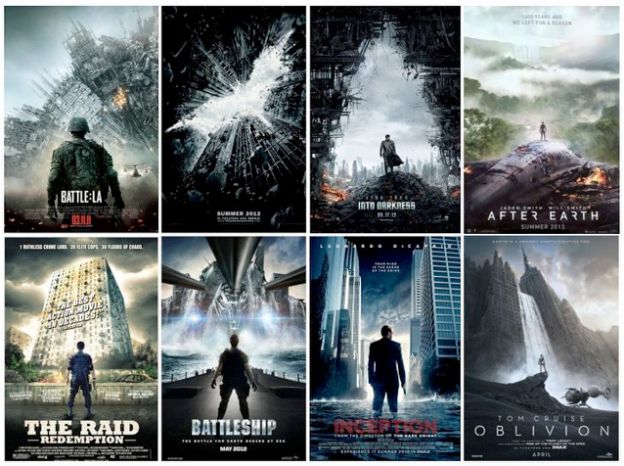
What do I mean by the boring hero? I mean the guy who is in all the action movies and shows that has the same boring and bland personality and backstory, who always becomes the hero and saves the day. He has nothing unique to offer the viewer except that he’s insanely muscular and attractive (but then that becomes a bit unoriginal when that’s how they all look), and is usually just a gritty tough macho guy. He kicks ass and gets the girl, although he doesn’t really provide anything to make the movie or show worth watching.

What makes them stand out to me even more is that usually they are the least interesting thing about the movie. They are the stars of action movies and shows, the ones who keep the story going, and yet everything around them is infinitely more interesting than them. Their personality is like a black hole-they suck the life out of the movie. Literally.

The Boring Hero is seriously one-dimensional; he has no unique background, and he has no character development as the story goes on. Even the female love interest is more interesting, and she has almost the same cookie-cutter personality as the male protagonist. He never gets fleshed out, which drags what might have been an otherwise good movie or TV show down hard.

The Boring Hero doesn’t provide anything of real value to the movie. They seem to stay in place while the story goes around them, despite being the central focus. And they always have that one grand “epiphany” moment, that changes their course and turns them into a hero, with cool music following in the background. But the epiphany is a quick, fleeting moment that almost never appears again. It’s not even a real epiphany, but rather him deciding to act in the typical heroic manner.

The sad part is, this trope even appears in amazing films. Films such as Avatar have been able to hide the fact that the main protagonist is insanely bland and boring through the amazing visuals and characters around them. But that doesn’t change the fact that the main protagonist is so generic that he just becomes another character that the viewer forgets within a week.

Is this trope dying out? No. It’s still strong and present, coming out in films as recent as Solo. Each time the boring hero makes an appearance, there is always something (very, very small) that is supposed to mark them as insanely unique and deep characters, despite them still being bland and generic. A lot of action films and shows want to try and promote themselves as “unique” and “noteworthy”, without putting any effort to actually flesh out their protagonists, particularly the males. It’s a trope that’s gotten old years ago, and definitely needs to kick the bucket.

How to Win Back a Girl’s Heart: “Change”

In almost every romance, there is a portion where the guy must “win” the girl back after betraying her in some way- either acting like his normal playboy self or just doing something stupid. And just about every time, he does get her back, usually by apologizing or doing something to show that he’s “changed”. But has he really changed? In some instances, the previously reckless male character does actually show a change in attitude or behavior that would warrant a yes. But most often, it’s a big fat no.

In order to examine how the guy hasn’t changed, we must first understand how the typical main guy in a romantic movie starts out. He is most often the reckless playboy, who parties and sleeps around with whoever he wants. He goes to parties, maintains a decent job, and usually an apartment to himself. He doesn’t really care about anyone but himself and his best friend, who always tries to get him to “find a girl”-to which the man always shrugs the suggestion off with a playful scoff.

But then he meets the girl of his dreams. She’s a much more lax person, someone who doesn’t really like to party, or sleep around. She’d rather sit at home and watch a movie marathon, or read a book. She isn’t affected by the guy’s flirtation, which immediately peaks the guy’s attention. He has to find a way to impress her.

After the first time he meets her, they start meeting by chance. After a few times, they finally decide to hang out with each other on purpose. Maybe even date. The guy seems to be settling down. After a few months, he seemed to have changed.

But then he does something stupid. Either indirectly, or just a stupid action he decides to do. Girl finds out, and ditches him, heartbroken. Boy does something to make it back up to her, and they end up getting back together at the end.

Now, this isn’t always how the story goes. In The Big Sick, Kumail wasn’t really a partyer, but a nerdy comedian whose parents were trying to marry him off to a Pakistani girl. This is the point of conflict for his relationship, and he remedies it by sticking up for himself and spilling the truth to his parents. In this situation, he does change. However, in most other situations, the guy doesn’t really have a meaningful change. While he does settle and stop sleeping around, that’s not really giving something up. That’s just getting into a monogamous relationship. Usually the partying also dies down as a result, but that’s usually from finding else to pass the time and satisfy the need to do something. The behavioral changes are not because of an actual effort placed in-just the indirect results of deciding to date someone. There is nothing of real value to it.

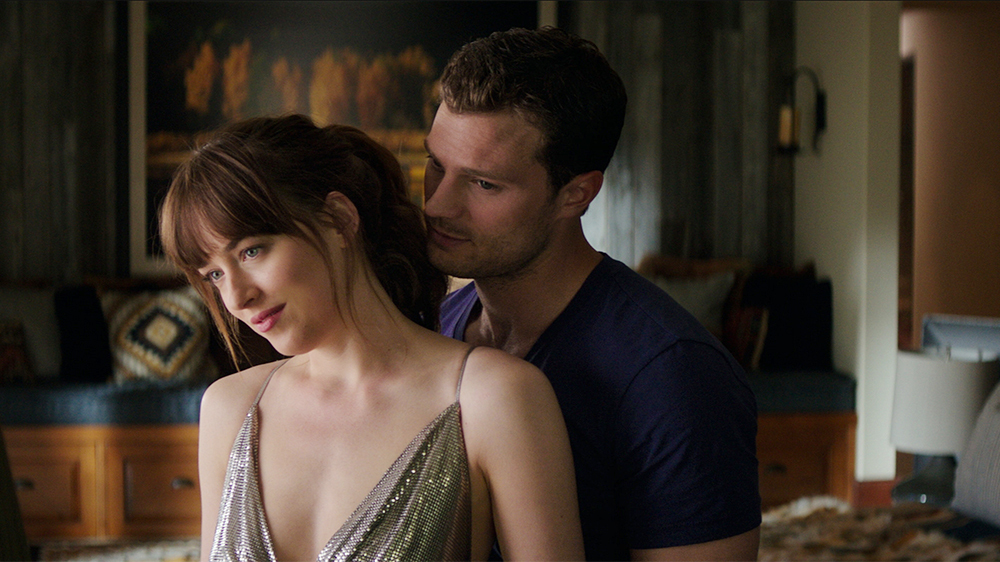
The biggest example of this is the 50 Shades of Grey trilogy. In this case, Christian Grey starts out as a young billionaire who liked to exercise control in everything, rather than the reckless party guy. Anastasia breaks up with him, upset by his violent urges when it comes to BDSM and domination in her life, and he wins her back by promising to change. I’ve only seen the first two, so I will focus on his portrayal in the second film.

To summarize my argument before it starts, let’s just say this; he doesn’t change. His possessive behavior merely shifts, to be controlling in certain ways, but in aspects that almost don’t seem noticeable, who can claim that she has more “freedom”. He buys the publishing company she works for while arguing it’s a business investment, he happens to be in the right places at the right time, and he has the money and power to get people at her work fired. He is a prime example of the faux change that people fall for.

La La Land, and the Harsh Reality of Making it in Show Biz

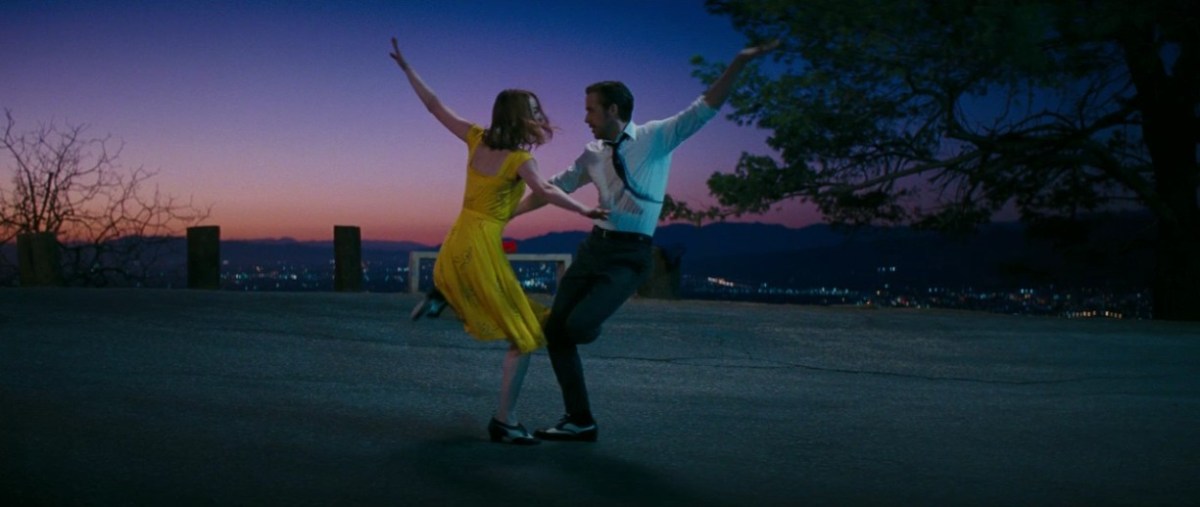
Although La La Land came out a few years ago, and ended up pretty fairly for the main characters (maybe not romantically, but employment-wise), it was a movie that did shed some light on some of the harsher realities of trying to make it in the show business. Whether in music or in acting, show business is a job outlet that attracts many, many more people than it will take in,becoming the golden egg that everyone is searching for. Every one who comes wants to become one of the stars, but not everyone can achieve that-in fact, it’s almost impossible to.

There is a less than one percent chance that people who try to enter show business, as either a musician or an actor, will actually make it to stardom. As La La Land shows, trying to even start in the business if tough. Working minimum wage jobs while trying to apply to as many roles as you can, going to audition after audition, and often being met with rejection. Even if you do get the role, you might run the risk of becoming a “one-hit wonder”, where you get one big role and never appear again. The lucky event that you make it beyond that are slim.

Also in the film is the idea of romance and show business. *Spoilers* Their romance ultimately can’t continue because it would interfere with each other’s dreams. If she became an actress, he would have to give up the dream of running a jazz bar. If he became a famous musician, then she would have to give up on her dream of becoming an actress. Couples trying to achieve different forms of fame ultimately cannot work, without one having to give up their dream to take care of the family. You can’t have both a relationship and reach for fame. This isn’t to say that actors and musicians can’t have relationships-only that to try and both get into the show business while starting a relationship is almost a guaranteed lost cause, unless someone is willing to give up the aim.

Plus, if you get in a relationship after you get famous, you have to be really careful in order to make it last. Usually the relationships that are never broadcasted all over the place seem to go unscathed, although cheating scandals come out all the time. These scandals can be especially prominent if you aim to be in the paparazzi’s light all the time (yes, you choose when you have the paparazzi around; it’s illegal in California to take a photo or record someone without their permission). Those who don’t want paparazzi around never appear in the tabloids for a reason. Even Jay-Z cheated on Beyonce, something many wouldn’t fathom ever doing. And if you were wondering if that album was done as a publicity stunt, it wasn’t; he made an album apologizing for it. Plus, trying to date someone who isn’t famous can be damaging, as you’re not only easily recognizable, but then attention would be brought to them, and not always positive. Like I said before, a relationship in show biz isn’t impossible, but much more difficult than it would be otherwise.

The “Pure Virgin” Trope

For a time not so long ago, there was the common but somehow romantic concept of the “pure” girl who’s never had sex falls in love with the very experienced “bad” boy. Especially in the Young Adult urban fantasy (fantasy meshing with the real world), there was the common trope of the main female protagonist being a tiny but stubborn teenager who butts head with the tall and handsome new kid, eventually falling madly and viciously in love with him (her first love, by the way). Often times as well, girls the same age who have had sex are often placed in the light as pure sluts, with their character being left very one-dimensional. At the same time, the books are promoted as “empowering” to young girls, girls who can be as young as 10 and very impressionable.

Why does this matter? Well, trying to promote this idea (plus promoting romance with male protagonists of questionable choice), this can lead many to be unaware of the toxicity of relationships like that. Let’s break it down a little bit, shall we?

Well first, the fact that the main girl is practically the only one around that is a virgin promotes the idea that she is on a level above every one else, or “pure”. Now this isn’t to say that being a virgin at 16 or 17 is a bad thing- the average age that people lose their virginity at is 17- but having her be the only one that is a virgin is saying something. Plus, these girls usually haven’t even had their first kiss yet, like how much more obvious can you get?

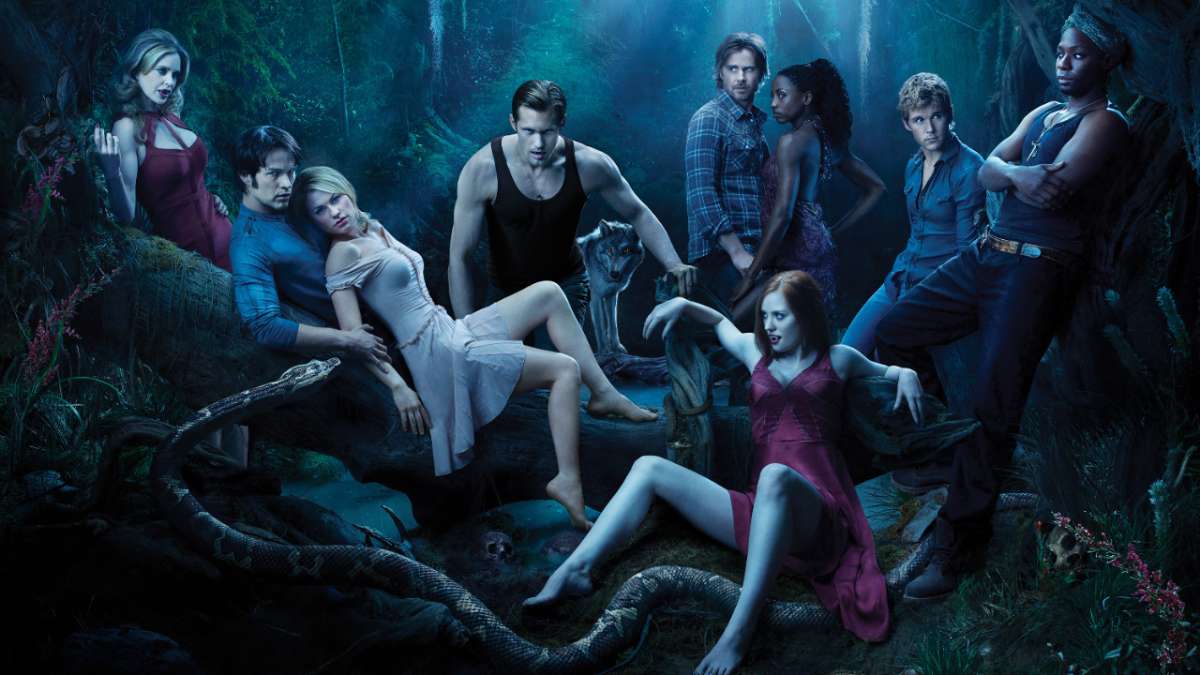
The girl also usually doesn’t have very many friends, being the sort of “loser” in school. She usually has around one or two friends (maybe 3), and there is always a guy that she is closest with, mostly to play the love triangle game. Unless, there is the rare chance that he is gay (True Blood), and then he is just the sassy friend trying to encourage her to get laid. This reinforces another idea-it’s not cool to be “popular”. If you’re “popular”, then you’re just like all the other girls who sleep around and party. You’re not “pure”.

The “pure” aspect contrasts greatly from the main male protagonist, the new bad boy who is always insanely attractive. He usually sleeps around, is sarcastic as all hell, and doesn’t like to follow the rules. He is the kind of guy that’s supposed to be unachievable, but always turns his attention to the nerdy not conventionally pretty female protagonist. He sweeps her off her feet, and rescues her because he knows so much more about the magical world than she does. He becomes the useful one, while she sheepishly has to follow him around for protection, and eventual romance. He takes an interest in her mostly because of her purity (a concept that appears in many different books, TV, and movies), making her all the more desirable. She is the target of his romantic advances because she is “not like other girls”.

Plus, he’s always got a broken, tortured soul for the female protagonist to save. He can have all the problems he desires, but she can’t. She’s supposed to listen to all his problems, without having any actual problems of her own to share. This can be very dangerous for an actual relationship. A girl is not supposed to only be someone’s “savior”, but should also be able to reach out to her partner. If she feels like she can’t, then that’s not a very good relationship.

To make matters worse, the idea of the man acting aggressively protective, and sometimes even controlling, gets romanticized. Any man she hangs out with is a threat (and it’s usually portrayed that way), and she must be “protected” from them. She can’t be friends with male friends either, because it turns out they just want to get in her pants, even though bad boy is the only one for her. And bad boy gets really upset when she talks to other men. Controlling behavior is made to seem romantic here, when it’s really not, which could influence young girls into believing that it is. Her heart and body should only be meant for him, and never any one else ever again, which is also not a healthy thing to romanticize. It’s dangerous and can lead to girls getting trapped in toxic relationships.

The Negative Effects of the “Pure” Trend

I can say that the “pure” trend, a trend where people look for anything and everything to try and argue that some form of media is “problematic” in the efforts of finding the “purest” media, started around 2014. It initially started as a way to avoid promoting people who did shady things, but then evolved and grew much worse, leading to people who follow the trend trying to exaggerate non-real issues in order to say why and otherwise piece of good media was actually awful. The “pure” trend is unnecessarily nasty, attempting to ruin actually good or progressive media.

The most recent case of this was Brooklyn 99Brooklyn 99, which was marked for its genuinely funny humor (and social progressiveness), came under attack for being centered around a police force, which “media purists” argued made the show awful. They discouraged people from watching it, arguing that because it was about cops, it was promoting police brutality (what?). Fortunately, their attempts actually backfired, with people calling them out for trying to ruin a good show.

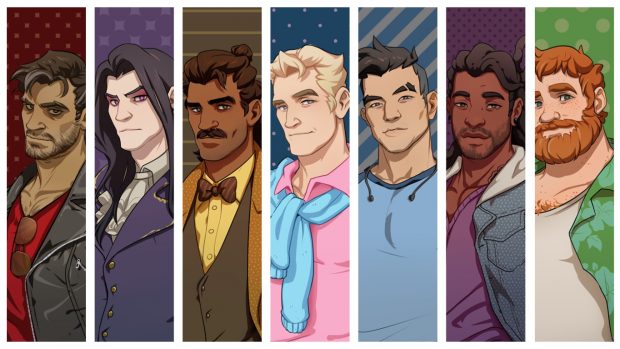
Unfortunately, this wasn’t the case for a few other examples, particularly Dream Daddy. The game, which is a male dating sim where you have the option of dating many fathers. It was diverse and cute, and it was harmless. However, “purists” jumped on the fact that there was an unused ending for one dad, a priest, where he ran a cult, saying that that ending was homophobic. They extended that assumption to say that the whole game was homophobic, and that the creators, a group called Game Grumps (known for their Youtube channel) were terrible people that deserved to be permanently boycotted. While the game’s popularity did resurface quickly, it took an initial hit, fading to the shadows as the “purists” continued to blast the game.

If you couldn’t tell by the examples, the “purity” trend doesn’t center around conservative Christian values. It’s rather based from the social justice warrior values, the radicalized form of progressiveness. In these values they look to ruin everything to find the most perfect media, which assumes that human beings can be perfect, and any flaws they might have ruin their image for life. These people jump on the idea that someone’s problematic past (in the case that they changed and became better people) makes them unable of redemption, which only reinforces the idea that people can’t change. It completely ignores people’s human nature and variance, placing them in an unachievable position of having to be perfect, always. It’s simply unrealistic and damaging.

How Ancient Greece and Rome get Ignored in the World of Pop Culture

I’m going to put this out here before I go into anything else: I love studying ancient Rome. Ancient Greece is interesting, too, but there is just something about Rome’s quirkiness that is a whole other realm of entertaining. Like no Greek has made their horse a senator, and no Greek ruler has ever made all the aristocracy sit during his performances, which went for hours on end. Even if you went into labor during one, you either had to give birth there or wait until the concert was done (good old emperor Nero, right?). The absurdity of ancient Rome is just endlessly entertaining.

This interest, however (plus studying ancient Greek society and politics for classes), has made me a stickler for detail and historical accuracy. Which is something that doesn’t exist in Hollywood. Or really most forms of media. Ever. Ancient Rome and Greece (particularly Sparta) seem to get constantly portrayed as nations completely consumed by war (which isn’t too far off for Rome, but war never actually happened on the peninsula), with soldiers and generals being the stars. How both are portrayed ignores both the complexity of either society, but also greatly sets up the idea that both were only the super-machismo men that we imagine today. Which is expected, as every culture gets simplified to focus on the more “interesting” aspect of warfare. But I thought I would expand other interesting parts about these cultures that are either sorely left out of media, or not elaborated enough.

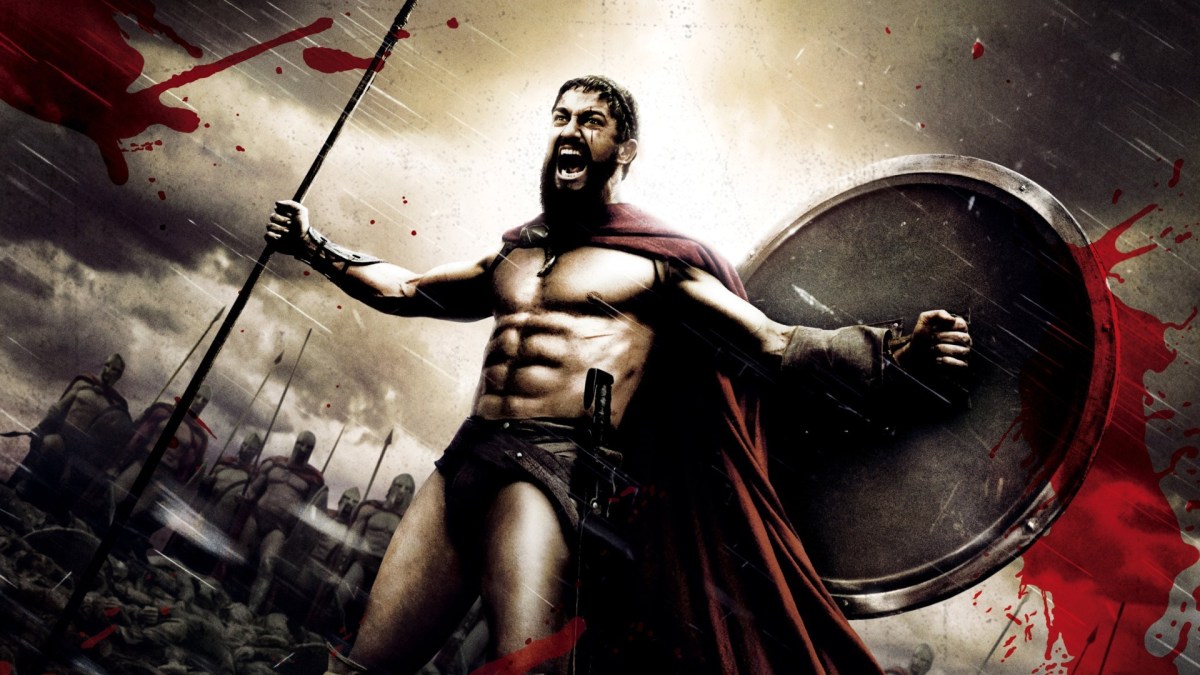
When it comes to Sparta, what you might imagine is the movie 300, or any other films centered around the culture. Sparta is often portrayed as the epitome of super-machismo, with sexy men with ripped bodies in scant uniforms, while the women are often left at home in the traditional Greek tunic. This basis isn’t unfounded. Sparta was known as the “warrior kingdom”, with children training from a young age to be strong warriors and advanced athletes. Yes, I said children. Women were also trained to be fit (although to a lesser extent than guys), and had some of the most rights of all Greek women. Because men had to train to become a “real” Spartan at 30, and people were expected to marry around 18 (late relative to Greece), women had to have quite a bit of freedom, and were expected to maintain athleticism and a healthy diet to raise strong children. They could perform in sporting events, and had the rights to property, making Sparta unlike the rest of ancient Greece.

This difference in culture often attracted criticism by other ancient Greeks, especially by Athenians, who saw Spartan men as “controlled by women”, despite the intense training in athleticism and warfare that Spartan men had to go through. Sparta is often pictured also as an independent piece that focused itself around Persia. This also ignores the massive around of political influence that Sparta had in Greece, with alliances and “sibling-hood” that made up the area called Peloponnese, which would eventually bring the downfall of Athens (no kidding, the Spartans trash the Athenians in the Peloponnesian War). While Persia was an issue, Athens was a bigger issue (but we can’t show them being destroying the birthplace of democracy, can we?).

As for Rome, it often gets shoehorned as purely militaristic, or centered around the time of the rise of Caesar and Cleopatra (one of history’s most famous romances). And for some reason, Rome seems to always be directly under attack, at periods of time when direct invasion of the city just didn’t happen. In fact, most of the peninsula was never invaded until the collapse of Western Rome, brought into the Roman empire through alliances (except for Sicily). The main problems the city of Rome itself faced wasn’t invasion, but fires. Lots of fires.

Plus, after a certain point, Rome stopped trying to spread its empire, and focused on trying to maintain it. At its height, Rome was the largest empire in human history before Britain in the 1800s, extending from the base of Scotland all the way out to Western India. Which also adds another point. The Roman Empire was insanely diverse, with people of many races having the potential to be considered aristocracy (Rome had to maintain hierarchy in the further regions, in order to keep civilizations under control). Others could even rise the rank through military to be considered Roman wealthy, and were allowed to move throughout the empire. It’s important to mention, however, that while there while there was great social mobility, that Rome also brutally suppressed the groups it controlled, wanting to enforce the “Roman way” (another fact left out). There are even artworks in Rome dedicated to various successful suppression campaigns. But who cares about showing how an empire functions? People want to see the expansion and victory.

Also, when the media portrays Rome, it portrays Julius Caesar and Octavian Augustus, the dictator and first emperor, respectively. Their periods were interesting times, however, as it was the change of Rome from a Republic to and Empire, paired alongside the fall of Egypt with the tragedy Cleopatra. However, this ignores some of the biggest military conquests, which happened under emperors like Hadrian, Marcus Aurelius, and others, with the latter being considered one of the “big five” of the best emperors of the empire. The only issue that comes with portraying it is, there’s no easy drama to create with great emperors. There was plenty of drama in Rome’s shift to play off of; Marcus Aurelius and Hadrian didn’t really have that level of drama.

Lastly, the media tends to entirely misconstrue Cleopatra. While she was Egyptian, the story we have of her was documented by the Romans, who changed her image from the powerful and intelligent pharaoh responsible for the prospering of Egypt to a simple seductress that corrupted both Julius Caesar and Mark Anthony. Her love story with them is very commonly known through Western pop culture, with the tragic end of her committing suicide alongside Mark Anthony’s corpse rather than following Octavian Augustus to Rome. But the portrayal often ignores all her achievements, militarily and culturally. Cleopatra is responsible for the revitalization of Egyptian being used in the court, which had fallen out of practice during the Ptolemy period (established under Alexander the Great). She also caused the Egyptian economy to prosper, and revitalize the Egyptian military. She had a major amount of political influence in the Mediterranean, which the Romans vied for, making her a major threat. She spent her reign working towards protecting her empire, causing her to turn to Julius Caesar in the first place, and utilize his growing power to keep Egypt separate. And after his murder, she turned to Mark Anthony.

Her motives are seriously downplayed, as a result of her historical rewrite by the Romans, who didn’t like the fact that a woman had sole power over the empire. No, seriously, Rome was notorious for banning women from even entering the public sphere of influence, especially after getting married. Unlike Sparta, women were unable to own property, divorce their husbands, or even practice sports. The idea of one having such a massive amount of political power was unheard of to them. Cleopatra needed to be knocked down a few pegs in their minds.
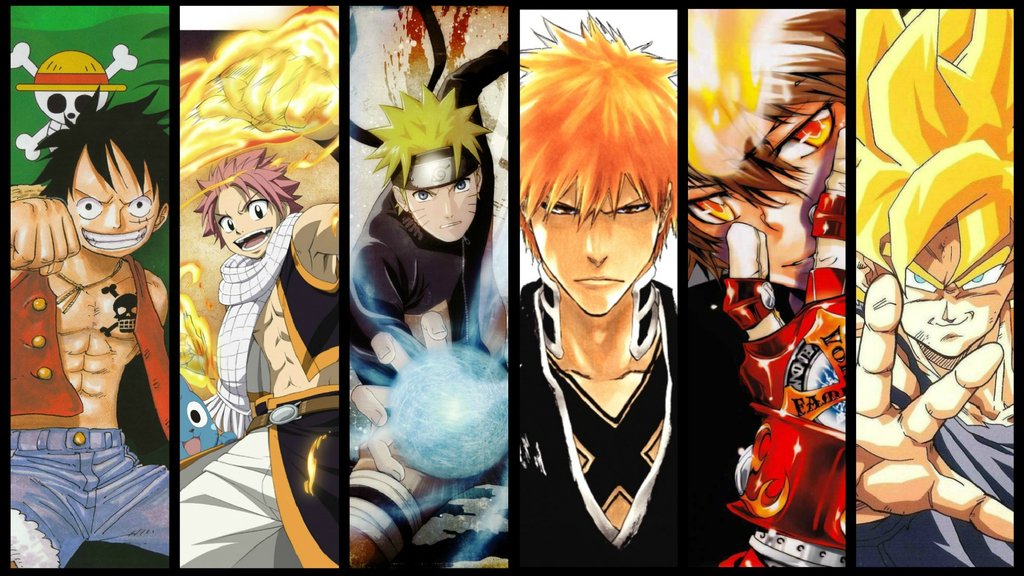
The Gatekeepers of Nerdom: The Small but Obnoxious Minority

It doesn’t take a genius to tell that being nerdy is “cool”. It’s been this way for the last decade, with pop culture trends that were once considered “lame” exploding in popularity, and fandom merch being sold at practically every corner. Conventions are appearing all over the place, and old ones (Comicon, Wondercon, Anime Expo) are growing larger every year. In 2015, more than 150 million people in the United States play video games, with 42 percent of Americans playing video games regularly. The nerd is no longer a joke of a subculture.

But for some reason, the news didn’t seem to have spread to one small group, known as the “Gatekeepers of Nerdom”- a group of nerds who argue that nerds are incredibly oppressed, while at the same time zealously trying to disprove the nerdiness of others, particularly of women. They seem to believe that they’re still stuck in 1980, when nerds were the typical bully subject in films. They also seem to believe that girls won’t date them because they’re nerdy, even though they’re really just not getting dates because they harass every girl who shows signs of nerdiness, trying to disprove them wherever they can.

The Gatekeepers are a small group, but are obnoxiously loud on social media, appearing where no one asked them to. Trying to find the “real” nerds seem to be their righteous mission, making many hate them- making the group in turn see themselves as “greatly oppressed”. Acknowledging the ever-growing diversity of the nerdom in any pop culture media is considered to be “SJW bs” by them.

How do they persist? Well, the Gatekeepers seem to push this continuous cycle where they harass people, get made fun of for it, and imagine they’re oppressed, causing them to continue existing. There is also the issue of the purity complex, where minority groups in fandoms, video games, and other aspects will try and prove that they are the most “pure” of anyone else, who is fake because they aren’t. The purity complex is a toxic form of trying to prove realness, especially in the realm of nerd, where there is no real purity. The nerdom has grown so much that finding a “pure” version of a nerd is utterly impossible.

The fortunate thing is, at least, that no one takes the Gatekeepers seriously. How do you take them seriously, when they are viciously trying to “protect” a subculture like it’s still 1980? And their harassment is kind of hilarious in itself. They appear suddenly in your feed, ask a “trivia question” trying to prove that you’re not a real nerd, and get mad when you either answer it correctly or ignore them. They’re not much of a real foe. It is entertaining to watch someone interact with one of them, though.

What is Anime Expo?

For the first time in six years, I’ll be missing this years Anime Expo, known as AX, in Los Angeles. Though I’d never been all that invested in anime, I made a point to go every year, wanting to see artists I follow on social media or catch up on new and upcoming video games. It has much more to do than that, but that’s what I’ve always gone for.

AX was first inaugurated around 26 years ago, as the United States was diving into the “anime craze”. It was organized by the non-profit Society for the Promotion of Japanese Animation (SJPA), and it appears every year during early July. It is also the largest anime convention in North America, with over 100,000 people attending last year.

So what goes on at AX? Well, lots of things. Because of how large the convention is, AX has the luxury of being able to bring pop culture icons and anime artists out from Japan to visit for panels, or to promote their company on the main floor. The main floor is for “official” companies, ones who can promote new games (Monster Hunter), or promote their anime company (Funimation, Bushiroad), or their culture brand (Rilakkuma). You can also buy cosplay related items such as wigs, weapons, and costumes (although they run a bit pricey).

On the floor below the main floor, there’s what’s known as Artist’s Alley. Formerly in the back of the main floor, the alley has grown so much that they had to move it down to its own space. Here is where you can find artists selling anything from prints to stationery, either original or based off a certain anime/game. Here you can find artists you like or follow, or discover new art. Be prepared to spend a lot.

There is a gaming section too, but on the other side of the convention center. There is both the gaming room and a place to take pictures in cosplay, along with all the panels. In the game room, you can play virtual Japanese games, board games, or card games. There’s plenty to do, the only issue being that playing any popular games requires waiting for an uncertain amount of time.

There’s plenty of things to do at this convention, and its worth buying a four day pass (when its much cheaper, that is). Although I won’t be able to go this year, I know it will be bigger than ever.

Incredibles 2 and Legend of Korra: Shifting with the Times

I got to see the Incredibles 2 last night with my friend, and I have to say it was a very good film. I did notice in watching the film, however, that there was quite a bit of appeal to the people who were kids when the original Incredibles came out. Because of fourteen year gap between the films, most, if not all of the people who got to enjoy the first film are now in college or beyond (myself included), and have the potential to be the biggest source of income for the movie. And while of course there are elements in kids’ movies that appeal more to the adults, Incredibles 2 seemed to appeal to the older kids more than usual.

Which, makes sense. Like I said, there is a fourteen year gap between the release of Incredibles and Incredibles 2, and the people who would want to see the movie the most are in or out of college already. That gives the freedom to add more “adult” elements, while still calling it a kids’ movie.

The same event happened in Legend of Korra. The show, which was a sequel to Avatar the Last Airbender, brought in darker, more adult elements, appealing to the fan base who watched the original show. Although it was only a four year gap between the two shows, the generation who watched the show had grown quite a bit since the first episode. Plus, with Legend of Korra having a total of four seasons, the kids continue to grow into adulthood. If you contrast this from the Last Airbender, you’ll notice the original show was much more lighthearted in nature, and Korra is more gritty (even the styles are different, the original having more roundish characteristics, and the latter having sharper more realistic imagery).

Both the movie and the show hold the task of appealing to their old fan base, while still attracting a new, younger fan base. It’s a balancing act, having the freedom to stretch beyond the traditional limits of kids’ media while at the same time having to maintain some semblance of it. It’s a difficult task, one that these media seem to do well.

Documentary Now!, and the Beauty of Subtle Satire

I had almost forgotten about Documentary Now!, until I found the second season on Netflix last night while looking for something to watch. I had always enjoyed the show, and I thought the first two episodes kept their satirical charm. It was at the same time subtle and obvious, with a real appearance and an unreal story line.

Continue reading “Documentary Now!, and the Beauty of Subtle Satire”

How 13 Reasons Why and Twilight Aren’t so Different

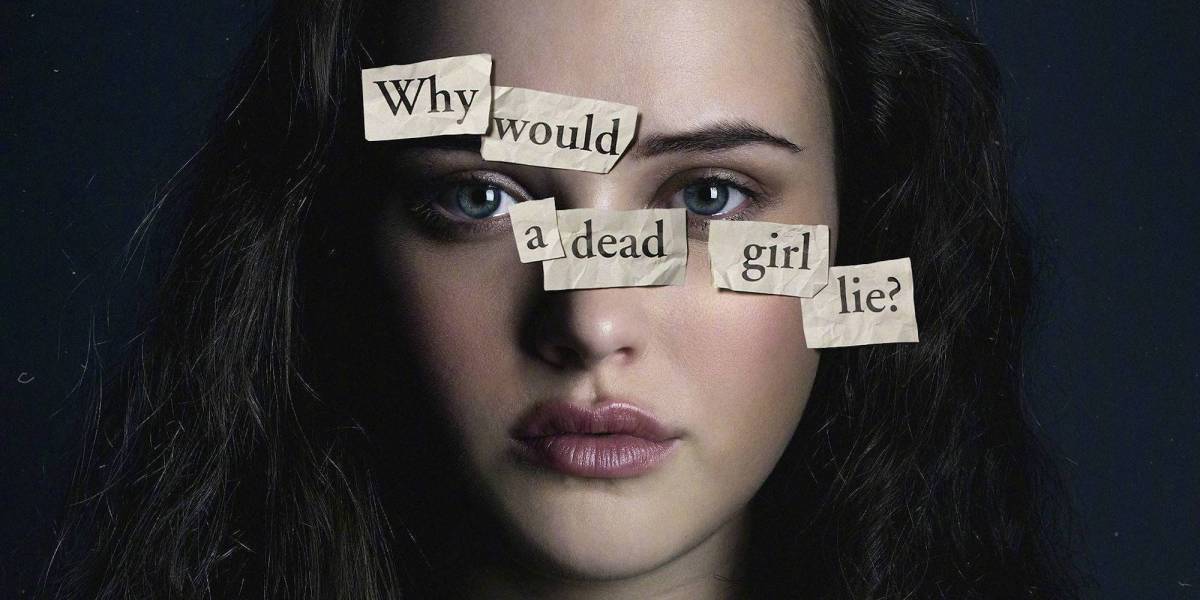
The last thing I wanted to see when I went on Netflix a week ago was a trailer for 13 Reasons Why Season Two. Just by watching the first five seconds of the trailer, I already knew the new season was probably worse than the first one, if that was even possible. But I wasn’t about to waste my time by watching it to find out.

Continue reading “How 13 Reasons Why and Twilight Aren’t so Different”

A Hollywood History of Vampires

With the revival of vampire literature after the release of Twilight back in 2006, vampires, having faded in popularity, suddenly skyrocketed, with shows such as True Blood, Vampire Diaries, and films such as Hotel Transylvania (and of course, the Twilight Saga) pumping out at every turn, amassing massive popularity. But how did the vampire evolve? From the “Golden Age” of Hollywood to now, the vampire has changed quite a bit. But how?

To start, we’ll look at the most famous vampire of all, Dracula (if you thought Edward Cullen, shame on you). The character, having originated in Bram Stoker’s Dracula in 1897, was originally portrayed as a Count from the fictional Eastern European country known as Transylvania. He attempts to move to England and “vampify” the nation, leaving a small team of men and a woman to stop him.

Dracula found his first film appearance as Count Orlok in F.W Murnau’s Nosferatu, which was released in 1922. Although his name was not Dracula, Count Orlok was very similar to Bram Stoker’s character, with the plot closely following the story line of the novel (in fact, it was so similar, Florence Stoker, Bram Stoker’s wife, sued and demanded that every copy of Nosferatu be destroyed). Later, Count Dracula would find himself back on the screen (this time with his namesake) in Universal Studios’ release of Dracula by Tod Browning in 1931. This film, would cause Dracula to become a household name, his character becoming a permanent figure in Hollywood history. This film would gain so much popularity that it would lead to the release of the sequel Dracula’s Daughter in 1936.

In their original forms, vampires represented beings of pure evil, with no remorse over what they were, and nothing to gain sympathy from the audience. However, with the relaxation of Hollywood standards around what could be shown on the screen in the 1960’s and 1970’s, more dimensional elements began creeping into vampire films, in particular, sensuality. These elements would lead to a shift in how the vampire is portrayed, a marker of this being 1983’s “The Hunger”, by Tony Scott. In this film, John, a human lover of the vampire Miriam Blaylock, is hit with “sudden living death”, where he ages rapidly but is still alive. Sexual promiscuity is apparent throughout the film, with Miriam sleeping with both men and women, and trying to tie them to her as lovers to make them “vampire-like”. While still pertaining horror-like qualities, the films adds a new, less horrifying dimension to vampires, setting them up for the eventual “humanization” that would occur in the 1990’s and 2000’s.

Vampires from then on would be defanged-literally. Their fangs would become retractable, and in Buffy the Vampire Slayer they acted just like normal humans. By the release of Twilight in 2008, vampires had become super-sexy almost human beings. During the time period, they were considered the apex of supernatural romance, (although sparkling in the sun rather than burning to death didn’t catch on very well). And it wasn’t just TwilightTrue Blood and Vampire Diaries also boasted super-sexy male vampires, with fans fawning over them at every which way and point.

With Hollywood so drastically changing the vampire from nightmare-inducing to hot and cuddly, it does beg the question- are we stuck with them like this? I don’t think so. While vampires have lost some of their popularity on the big screen, shows like Penny Dreadful and the Strain have portrayed vampires back in their original form-truly terrifying. There is a decent turn away from the romantic protagonist vampire, with vampires once again being seen as the villains, acting sort-of-human but still definitely different. It seems, now, that audiences are getting sick of the “softening” of vampires-which, in my opinion, is probably for the best.