No One Wants to Play with a Sore Loser

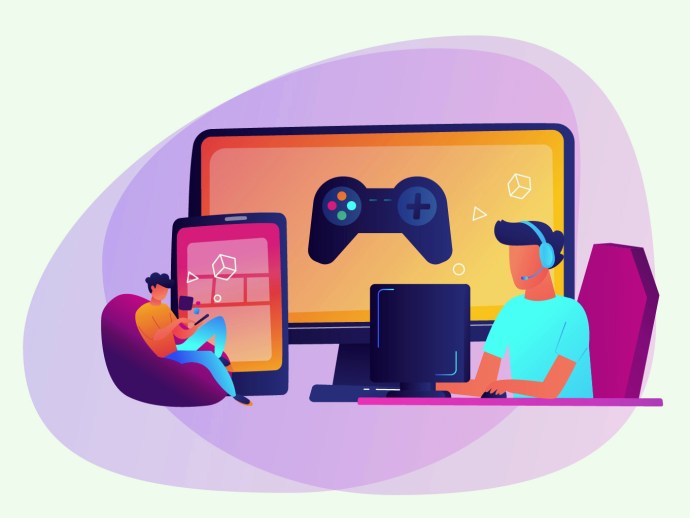
Playing video games, and games in general, can lead to hours of extreme fun. That is, if you’re not playing with a sore loser.

What is a sore loser? A sore loser is someone who has a nasty competitive streak with anything game related. They can’t just relax and have fun, they have to win, or they won’t stop playing until they do. When they don’t win, they throw a fit and ruin the whole atmosphere. And that’s just if there’s only one person with a competitive streak.

The reason I’m talking about this can all be traced to my winter break from school and two of my younger cousins. I had had problems with these cousins before, as they have a tendency to antagonize each other to the point where it gets out of hand. This antagonizing behavior transfers rather miserably over to video games.

You see, the older brother (who is seven years older than his brother, mind you), has a Nintendo switch, with games such as Mario Party and Super Smash Bros. Fun games, right? Not with them. They are incredibly competitive, especially with each other, bickering and making nasty comments towards each other. They can’t play a game for the sake of having fun. It got to the point where I couldn’t play with them all that much, because their behavior dragged down the rest of the group and make the game stressful. They had to win, and when the younger one got second place in something, he would whine about being a loser that no one liked. Just about myself and all older cousins have called the two out for their behavior, but that didn’t seem to change anything.

Anecdote aside, I think it’s safe to say that no one likes playing video games with overly-competitive people. They make the situation tense, and it doesn’t get any better when they win/don’t win. They suck the life out of playing the video game, and then wonder why no one wants to play with them.

Now, let me just say that it doesn’t hurt to be competitive. Just about anyone can be competitive, which can add to the fun (no one wants to play with someone who doesn’t care enough to try, either). But it’s important to understand that the best way to make that competitiveness work is to understand when a game is just a game, and you won’t lose anything from it (unless you’re winning 10,000 dollars). Overly-competitive people just don’t know how to do that.
K-Beauty: A Trend with a Dark Side

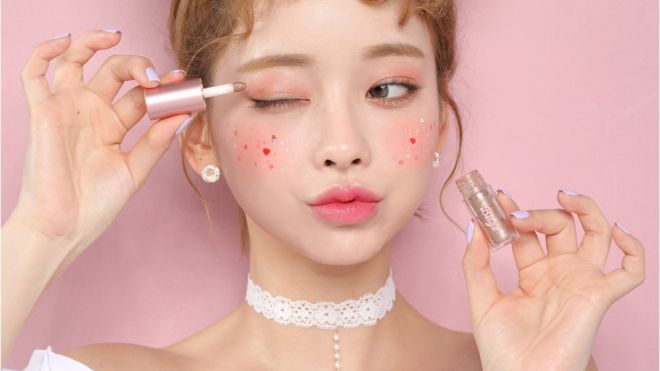
K-Beauty has been the “hot in-thing” on the beauty market for the last few years, each year growing exponentially more popular. People are going crazy for the various face masks, lotions, BB cream, dark spot treatment, CC cream, and many other products that hold a reputation for giving you a “dewy, young-looking face”. Youtubers and beauty bloggers only add to this craze, providing yearly top tens and list of best products. Now, in just about every pharmacy or beauty store, you’ll find a section devoted purely to Korean beauty and Korean companies.

But as with anything, the world of K-beauty has a vicious dark side. But this dark side isn’t an international issue. It only extends to the edges of the South Korean borders.

What do I mean by this? South Korea has interestingly harsh beauty standards, which can range anywhere from having a thin figure to having a certain face shape. Yes, a certain face shape. South Korea is currently known as the “plastic surgery capital of the world”, having the highest rates of plastic surgery per capita of any other country, with over 980,000 operations reported in 2014 (Business Insider, 2015) . The country also attracts hundreds of thousands of “medical tourists”, most of whom come to get cosmetic procedures, according a report by Chang-Won Koh (2017).

No, this isn’t the most alarming thing in the world. Despite the rather high levels of plastic surgery, South Korea ranks third in terms of the total number of plastic surgeries, trailing behind the US and Brazil by over 1,000,000 procedures (WorldAtlas, 2015). But you also have to consider that the population of South Korea ranges just around 55 million people, versus the 325 million in the US and the 209 million in Brazil. But I digress. It’s not so much the plastic surgery itself that’s the issue. It’s the culture surrounding it.

This culture is incredibly strict, and applies much more the girls than boys (although boys are not unaffected). The beauty culture actually even expects people to get plastic surgery to fit an impossible beauty ideal, with the most famous examples of this occurring being the fact that in just about every long-term K-pop idol contract, plastic surgery is one of the requirements.

But the beauty culture doesn’t just stop at plastic surgery. Skin bleaching is also a common problem, with illegal skin bleaching products flooding the beauty market every year in South Korea. There is a harsh expectation to be as white as possible (a result of a long-standing social issue where the nobility were white-skinned while the peasantry were dark-skinned from working in the sun). This expectation doesn’t just exist in South Korea (it exists throughout all of Asia, Africa, and Latin America), but South Korea is known for promoting ads that claim that being dark-skinned is being a failure in life (which has attracted much international backlash). The skin bleaching, which is known to break down melanin and leave skin much more likely to get skin cancer, can be compared to excessive tanning, which also leaves people at risk of the same effects.

But I can’t get on South Korea too harshly. The West also has incredibly high beauty standards, though with slightly less restrictions than South Korea. As I said earlier, the US ranks number one in terms of total amount of plastic surgery per year, having over 4 million procedures in 2015 alone. We also have a problem with tanning products, with products all over the market claiming to let you tan yourself from home, and tanning places existing all over the place. Are we really any better than South Korea?

The Emo Phase: People Still go Through One?

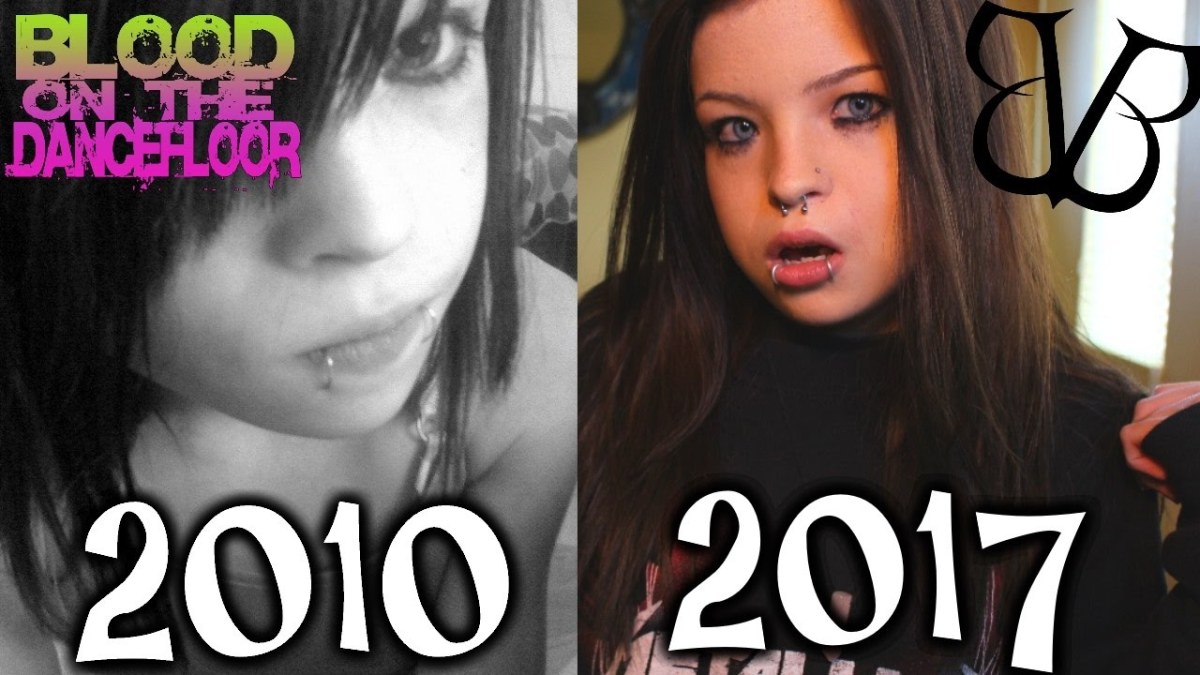
I grew up during the height of the Emo genre. Bands like My Chemical Romance, Evanescence, and the early days of Panic! At the Disco and Fall Out Boy were all hot on the scene, providing plenty of fuel to the Emo genre. Almost everyone had an emo phase; I even had a mild one. Dressing in all black, getting piercings all over and dying your hair funky colors was totally in. It was cool when I was a preteen.

But with the dawn of the 2010’s came the fall of the Emo genre. Rock, especially the hardcore rock, had fallen out of fashion in mainstream music, along with the Emo fashion. The era of the hipster was coming in.

I had thought the era of having an Emo Phase was long gone. But then my friend showed me a video of an Emo makeup tutorial from 2018. This greatly surprised me. There were still people going through Emo Phases in 2018? I had thought the closest people got was punk. I haven’t even seen a goth kid in ten years. So to see that there were still Emo kids was greatly surprising.

The thing is, I don’t even know how the Emo kids survive. I remember Emo phases being greatly tied to the music, but those are out of fashion. My Chemical Romance and Evanescence are disbanded, and Fall Out Boy and Panic! At the Disco have greatly changed their style. When Emo culture was a part of mainstream pop culture, it was easy to find and adopt that culture.

But I don’t find it anywhere, anymore. Not in the music, not in the fashion, not even in the hair. It simply doesn’t exist anymore. You can’t even really find videos online anymore about it, which leads me to wonder how it continues. It’s rather bizarre that the trend still continues on.

The Rise of Drag Culture

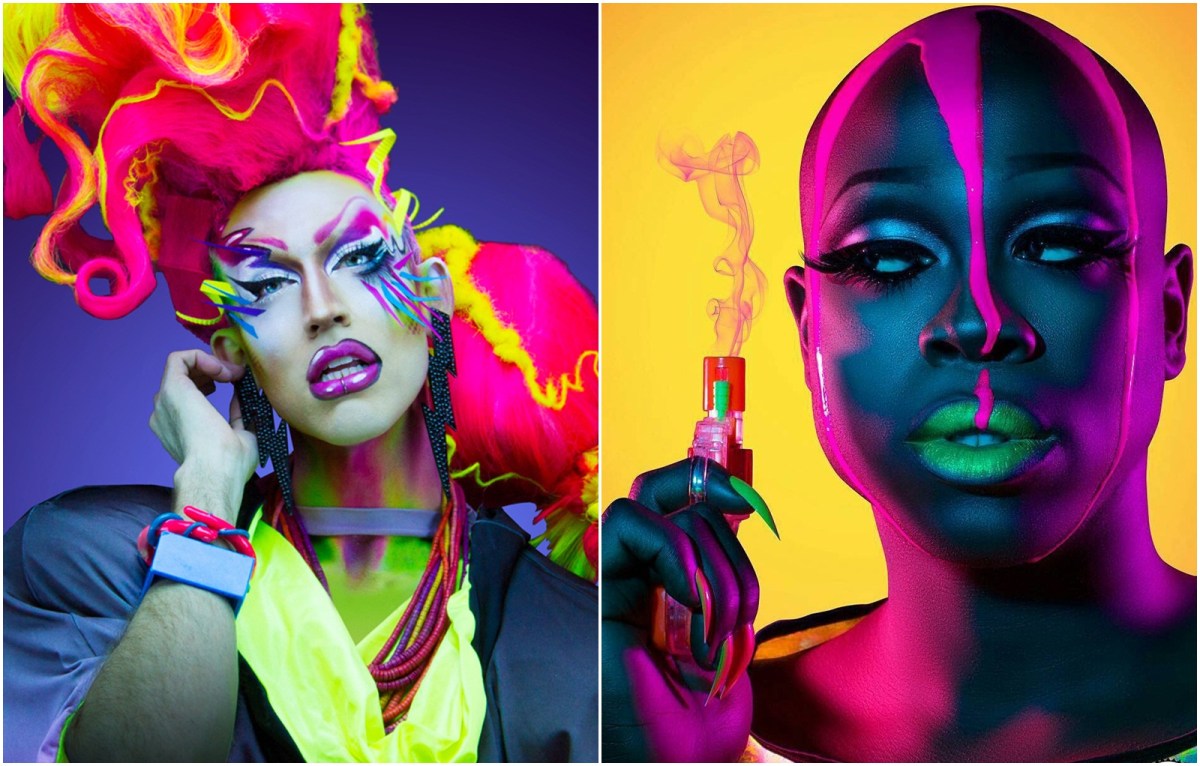
In the US, particularly in major cities, Drag Culture, a subset of the gay culture where (typically) men dress as exaggerated forms of women as a play on gender identity and for entertainment, has grown rapidly in popularity within the last decade. Boosted by the success of Rupaul’s Drag Race, drag culture has faced a resurgence in popularity in pop culture, putting names such as Bianca Del Rio, Chad Michaels, and Latrice Royale alongside Rupaul and Lady Bunny. However, this current rise does not mean that Drag Culture is a new thing. Drag Culture extends far back, much farther than the 1980’s and 1990’s, providing a rich insight into the cultural history of performances.

While the official rise in drag began in the 1870’s, you can look even further back to the times of Greece and Rome, where women were not allowed to act in mainstream performances. Young boys were chosen to play the roles, a factor that continued through the Shakespearean period of performance. This didn’t just exist in Europe, either. In Japan, the famous Kabuki theater historically did not allow women to perform, with the role of those who take the female character being known as the onnagata. They did not have to be young boys, either: they could be all the way into their middle ages, performing the role of a young girl.

The real start for drag culture though did begin, as I said earlier, in the 1870’s. However, they weren’t the iconic LGBT+ performances that we see today. Rather, they were merely men who, wanting to mock women, would dress in exaggerated forms and act as though they were women, representing femininity. The use of drag in LGBT+ communities doesn’t begin until the 1920’s and 1930’s, when the first “gay bars” were established. Members of the queer community could meet there and watch performances, drag included.

Drag Culture would take a hit in the 1950’s and 1960’s, however, as public policy and law began cracking down on the LGBT+ community. In order for a man in drag to not get arrested, he had to wear no less than three articles of male clothing. As a form of protection and activism, the “Imperial Court System” founded by Jose Julio Sarria, came to be. In this system, there was the creation of Drag Balls, a fraternity-type system where “Mother” Drag Queens formed a “house”, taking other drag queens under their wing. These would continue into the modern era, being mentioned by some of the younger queens on Rupaul’s Drag Race.

In the 1980’s, Drag Culture began getting recognized by the general public again (following the LGBT+ Right’s Movement following the events at Stonewall), with prominent queens going on TV shows, movies, and musicals, most notably the role of the Tracy’s Mom in Hairspray being taken by drag queen Divine in the original film. We also start to see the rise of Lady Bunny, being most known for her comedy and DJ skills.

And of course, in the 1990’s, we see the rise of Rupaul. With the release of the hit “Supermodel”, Rupaul changed the Drag game permanently. This would only be added when in 2009 he released the first season of the hit show Rupaul’s Drag Race, which continues to shape the Drag Queen game and allow up-and-coming queens to promote themselves to a massive audience.

YA Novels and the Curse of the “Unconventional” Protagonist

Note: when I say “unconventional”, I don’t mean diverse or unusual protagonists: I mean that they are slightly different variations of the same thing. The “unconventional” protagonist always has a similar appearance and an identical attitude, no matter the genre or book. I call them a curse, because they are usually the markers of a bad book, even for ones that had the potential to be good.

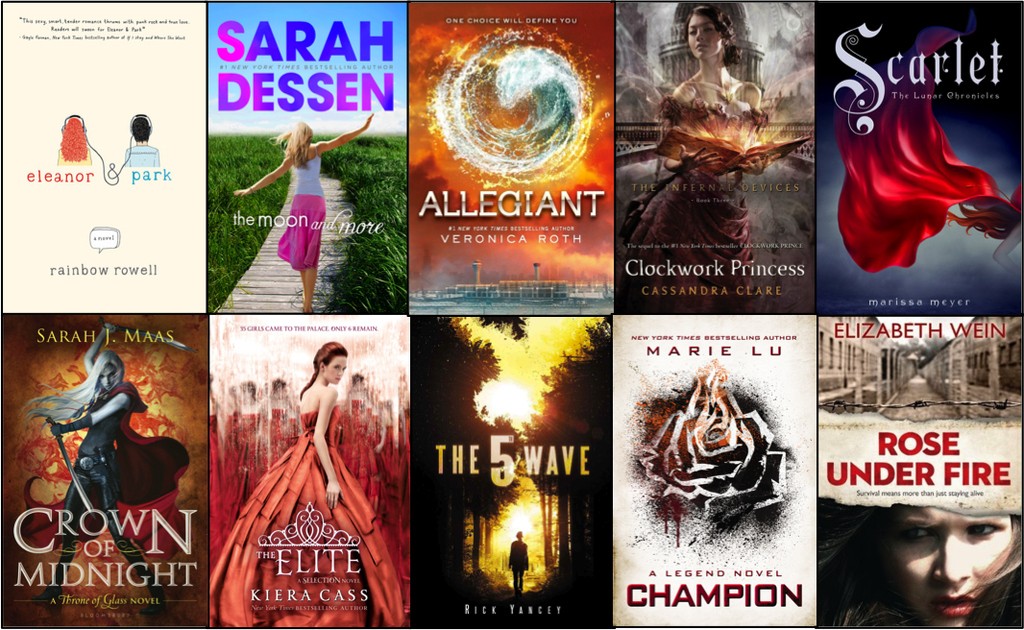
Now, the curse of the “unconventional” protagonist. had been a huge part in the young adults novels of my teenage years. It was practically everywhere; the same pale short girl that’s never a brunette, who isn’t “conventionally beautiful” like their mom.

Their main staple is their lack of curves, making them look like twelve years olds (when they’re adamantly sixteen). They have seemingly messy or bland hair, usually an unusual color, and they are always pale. They’re not conventionally attractive, but they have pleasant features, making them appealing to their main love interest. They look like their mothers, but their mothers, being taller, are somehow much the most gorgeous people to walk the face of the Earth, while they’re “cute”. Dressing nice or scandalous is taboo; modest clothes all around. They’re almost always useless and cause more trouble when they do involve themselves, but they’re stubborn, and never take the blame for anything they’ve done.

Almost every young adult book I read, the protagonist can best be identified by what I said above. It almost never changed (the big exception here is the Hunger Games, which featured a non-white woman who was tall and useful) and always had the same outcomes. It caused a lot of serious issues with how I perceived things during my teenage years.

Of course, I wasn’t about to charge into situations I knew I wasn’t useful in. In fact, the stubborn and useless factor actually got on my nerves. It even got to the point where I’d skip entire portions of books if I knew the protagonist was about to do something insanely stupid because “they’re not a useless child”. What really hurt was my perceptions of myself and romance.

My appearance heavily contrasts from the typical main protagonist; I am tall, I have olive skin that tans really easily, and I have dark brown eyes and hair. I lean more on the conventional side of attractiveness, in that I don’t look like a twelve year old. As a teenager, this made me very insecure about my features. I wanted to be like the main protagonists (before I realized how much of a stupid idea that was). I wanted to be short, and pale, and curve-less. I wanted unusual hair and eye colors. You may think that’s stupid, but when it’s all you see in the books you read, it doesn’t seem so stupid. At least, it didn’t seem so stupid to thirteen year-old me.

Girls that I look like get constantly trashed in comparison to the main protagonist, getting written off as sluts and mean girls who are insanely preppy and stupid. At the same time, the books with the “unconventional” protagonist gets pushed as “beneficial for all girls”, despite the obvious bashing of “conventional” girls. When that idea is getting shoved down your throat all the time, it really starts to affect how you see yourself. They’re extremely damaging, and can psychologically affect girls as young as ten to see themselves in a negative light. Worst part is, most won’t even realize until they’re practically adults, if then.

Now, I have seen improvements in the YA genre. I have noticed a growing diversification in main protagonists, which is quite refreshing. But the curse is still there, and it still maintains a presence. A weakening presence, but a presence. It needs to be targeted, and stopped once and for all.

Is Comic-Con Too Big for San Diego?

Every year in July San Diego is able to boast its position as the host of the world’s largest Comic-Con. Tourism skyrockets as thousands of people come from all over the country (and even the world) in order to attend the convention at the San Diego Convention Center near downtown. Every year more people and businesses come, with the former wanting to see what goes on and the later wanting to show off their newest wares. It is really a sight to behold.

There is one big issue with this situation, however. As more and more people and businesses come, the less space at the convention center there is to fit them. In fact, the convention has long outgrown the capacity of the convention center, with booths and events being lined up along the street, as well as filling up the center itself.

Comic-Con is also notoriously packed, with people I’ve spoken to saying that some aisles are almost impossible to go down. As it is such a famous convention, it would only make sense that thousands of people would attend. With the growing lack of space, however, it becomes almost too pack for its own good. Not that that’s going to stop people from coming, but it will make moving around less enjoyable.

San Diego is very aware of this fact. They want to make sure that they can continue to host Comic-Con and keep the economic boost for the city, even making plans to expand the convention center to better fit the convention. Why haven’t they acted on those plans? Well, the answer is simple: the convention would have to move to another city in order for them to expand the convention center.

In order for the convention to run uninterrupted, it would have to temporarily move to another city while the San Diego hall was getting renovated, for who knows how long. The issue here comes from the fact that the new city that gets to host might not want to give it up. Especially with a convention that provides so many benefits to the city, San Diego might not be able to get its own convention back when the construction is all said and done. Especially when the convention goes to cities like Los Angeles of San Francisco.

As a result, San Diego has been pushing it off. But how much longer can they push off expanding? Eventually, they’ll run out of too much practical space, and they can’t just let the convention branch all over downtown San Diego. They’ll eventually just have to expand the hall, and hope that the city Comic-Con goes to is willing to give the convention back.

The Gatekeepers of Nerdom: The Small but Obnoxious Minority

It doesn’t take a genius to tell that being nerdy is “cool”. It’s been this way for the last decade, with pop culture trends that were once considered “lame” exploding in popularity, and fandom merch being sold at practically every corner. Conventions are appearing all over the place, and old ones (Comicon, Wondercon, Anime Expo) are growing larger every year. In 2015, more than 150 million people in the United States play video games, with 42 percent of Americans playing video games regularly. The nerd is no longer a joke of a subculture.

But for some reason, the news didn’t seem to have spread to one small group, known as the “Gatekeepers of Nerdom”- a group of nerds who argue that nerds are incredibly oppressed, while at the same time zealously trying to disprove the nerdiness of others, particularly of women. They seem to believe that they’re still stuck in 1980, when nerds were the typical bully subject in films. They also seem to believe that girls won’t date them because they’re nerdy, even though they’re really just not getting dates because they harass every girl who shows signs of nerdiness, trying to disprove them wherever they can.

The Gatekeepers are a small group, but are obnoxiously loud on social media, appearing where no one asked them to. Trying to find the “real” nerds seem to be their righteous mission, making many hate them- making the group in turn see themselves as “greatly oppressed”. Acknowledging the ever-growing diversity of the nerdom in any pop culture media is considered to be “SJW bs” by them.

How do they persist? Well, the Gatekeepers seem to push this continuous cycle where they harass people, get made fun of for it, and imagine they’re oppressed, causing them to continue existing. There is also the issue of the purity complex, where minority groups in fandoms, video games, and other aspects will try and prove that they are the most “pure” of anyone else, who is fake because they aren’t. The purity complex is a toxic form of trying to prove realness, especially in the realm of nerd, where there is no real purity. The nerdom has grown so much that finding a “pure” version of a nerd is utterly impossible.

The fortunate thing is, at least, that no one takes the Gatekeepers seriously. How do you take them seriously, when they are viciously trying to “protect” a subculture like it’s still 1980? And their harassment is kind of hilarious in itself. They appear suddenly in your feed, ask a “trivia question” trying to prove that you’re not a real nerd, and get mad when you either answer it correctly or ignore them. They’re not much of a real foe. It is entertaining to watch someone interact with one of them, though.