The Beanie Babies of 2025: Labubus and their Doomed Fate

They’re everywhere. Whether in person or online, you’ve more than likely seen them- fuzzy little monsters with wide toothy grins. They come in a variety of colors and poses, and can be small key chains or large decorative figurines. Everyone is obsessed with them, to the point where fights have broken out in stores just for the chance to get one.

But… what are they?

These fuzzy little monsters are called Labubus. They’re the creation of Kasing Lung, a Hong Kong-born artist living in Belgium. They’re one part of his The Monsters collection, which was highly influenced by Nordic folklore and mythology that Lung grew up learning about during his childhood in the Netherlands.
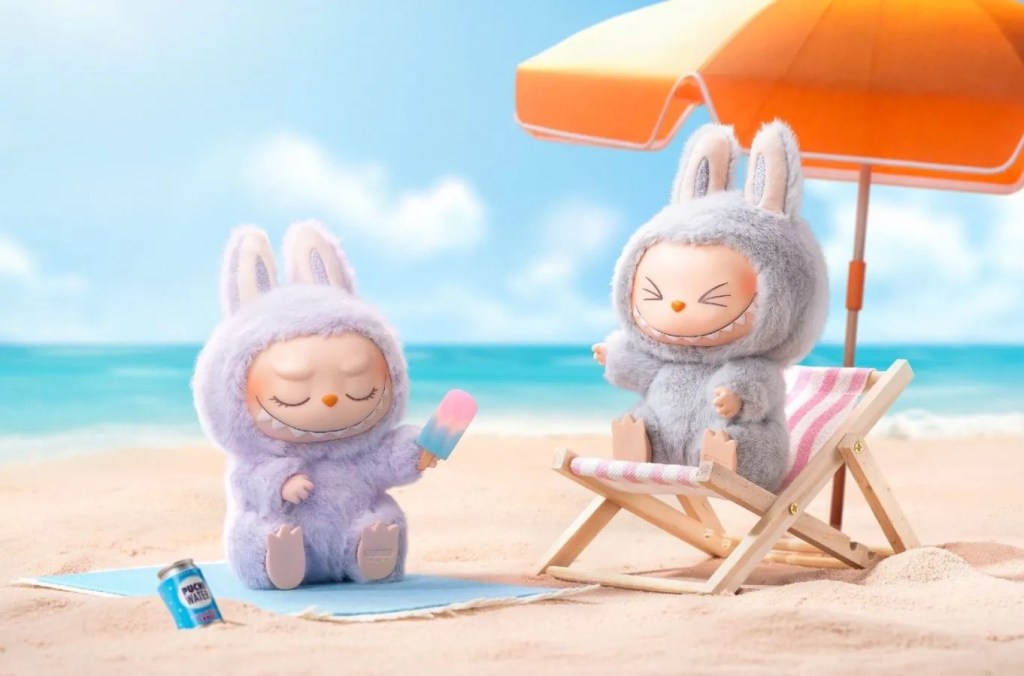
Labubus were actually first introduced ten years back in 2015, the first of their figurines having been produced by How2Work. However, their production and sale shifted over to the Chinese retailer Pop Mart in 2019, where they have been sold from ever since.

While Labubus would start to enjoy wider popularity once they came under Pop Mart, it’s important to note that they didn’t immediately become the overwhelming trend seen currently. In fact, while toy collectors would buy them for collecting purposes, they were a bit reviled by others for being “ugly.”

However, that all changed in April 2025, when the K-Pop idol Lisa from Blackpink posted one attached to her bag on her Instagram story, admitting both that they were her favorite toy and that she loved collecting all of them.
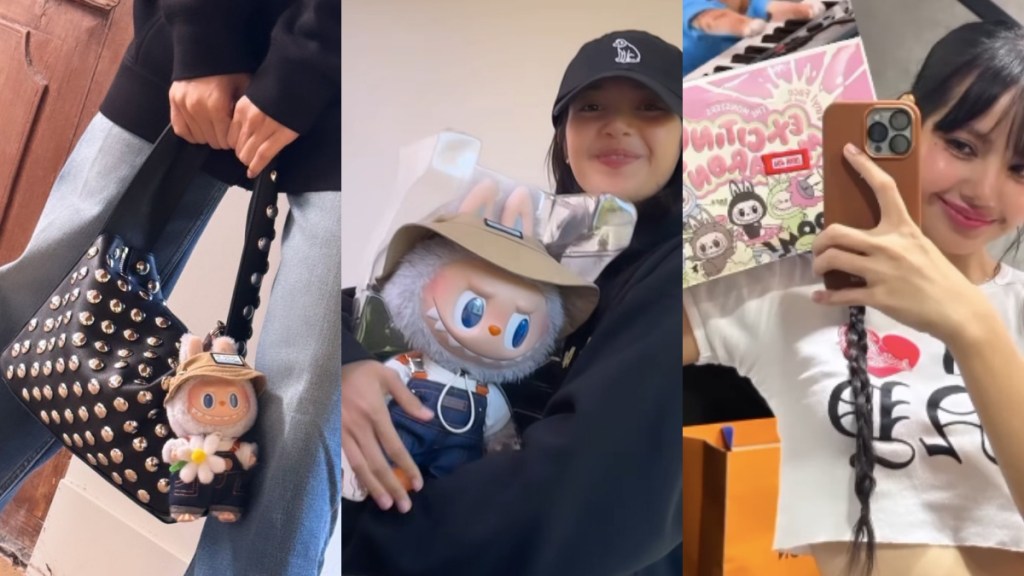
Lisa posting pictures with several of her Labubus

From that point, Labubus became all the rage. Other celebrities have posted showing off their Labubus. They’ve been to Milan fashion week. They’ve been taken on a “tour” of Thailand. They’re going to get an animated series. People have spent hundreds, if not thousands, on the Pop Mart blind boxes trying to collect these little imps, with the rare “mystery color” being the most sought after for each blind box series. They are the “it” thing.

But… if we know anything about trends like this, is that this one is not going to last very long.

Just like Funko Pops and Beanie Babies, Labubus are currently set to follow the same trajectory: a couple of years of excessive hype and popularity, then a sudden market “burst” and devaluation. Then, they’ll appear en masse in thrift stores and land fills, tossed to the wayside by the disinterested masses.

They won’t vanish entirely, of course- just as new funko pops and new beanie babies are released, so too will new Labubus. But they’ll once again return to being a niche toy, mostly forgotten in favor of the next big thing.

This pattern has happened time and time again. Why? Because that is just the nature of trends when it comes to non-essential goods. People don’t exactly need Labubus, or any other type of trending figurine. They don’t even need certain clothing, and clothing technically falls under the category of “essential.” But when something trends, it makes people want the item, out of sense of F.O.M.O., or “fear of missing out.” In our consumer society, people can’t help it.

But never in the history of the world has a trend like this lasted all that long. Especially in the age of social media, when new things are popping up every single day in a relentless wave. It’s simply impossible for the trend to last. Look at Stanley cups, for example: last year people were camping outside of stores and literally rushing to get their hands on the newest color. Now how often do you hear about them?

No matter how overwhelmingly popular Labubus may seem now, it’ll only be a matter of time before something else catches the attention of the general public and they are tossed aside. When or what will that be, is uncertain. But what is certain, is that this trend is doomed to die.
The End of Game of Thrones: How a Good Show Can End Badly

*Warning for major Game of Thrones spoilers down below*

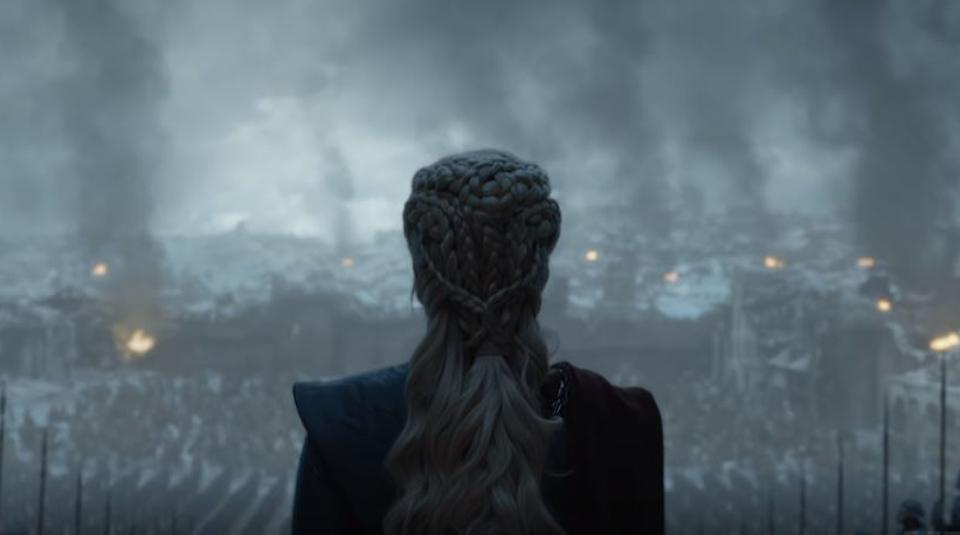
Last night was the series finale of Game of Thrones, which brought the end of both the show and a decade-long era. The eight-season show was both the most expensive ever produced, clocking in at around $10 million an episode, and the most globally popular.

However, even as the show ends with record viewership, the final two seasons left both fans of the books and of the show extremely disappointed. Episode after episode left a stream of complaints and critiques on social media, culminating in an explosion against the final two episodes.

Many fans wonder: what went wrong? It could be argued that the directors and writers of the show gained too much liberty once the show passed the point where the books have (hopefully temporarily) stopped. The writers and directors were only given a vague idea of where the author George R.R. Martin wanted to go, and had to fill in the rest while wrapping everything up by season eight. With such a colossal and complex plot to wrap up with little idea of where to go, it becomes easy to cut too many corners and create a disappointing ending.

Another argument for what went wrong can be timing. As the show progressed, the seasons got shorter, while the episodes stayed the same length. The show was attempting to eliminate major antagonists like Cersei Lannister and the Night King too quickly in order to wrap up on a planned schedule, which left fans feeling disappointed, and with the sense that wins against the villains were undeserved. It took four seasons to kill Tywin Lannister. It took six to uproot the Boltons from power and take back Winterfell. All of the sudden the Night King, who had been an important antagonist since season 2, is defeated in one single battle? And Cersei, who had been a mastermind of manipulation to maintain power, is killed by falling rocks? The wins feel completely undeserved.

Finally, and possibly the most important argument of where the show could have gone wrong, was the progression of character arcs. Before season 6, the show had the complex and already establish character arcs to work with, which allowed for incredibly interesting characters that attracted viewers. They may have diverged at certain major points, but the characters still acted how they most likely would have in the books.

Once they went beyond that point, they progressively lost sight of those character arcs. They held on pretty well for the sixth season, started getting shaky for the seventh season, and completely threw the characters away for the final season. Jaime Lannister, who had grown so much throughout the seasons, all the sudden was back to being a selfish person only interested in Cersei. All character development was thrown out just before his death, causing outrage among viewers.

The more notorious case, however, is Daenerys Targaryen. The beloved Mother of Dragons fell quickly into madness, becoming everything she tried to avoid. Which is all fine and well, if it had been properly fleshed out. Rather, her sudden fall to madness was crammed in two episodes, culminating in the final snap and turn to destruction. It was a slap in the face, both for the character and for the viewers. Perhaps if there had been more episodes the develop the madness arc, then there would not have been such an issue as there was. But because it was shoved in the span of a few episodes, it didn’t feel like a deserved fate for Daenerys.

The show overall left a bitter taste in the mouths of many disappointed fans. There have been petitions to change the final season (which is not going to happen), and constant criticisms flowing through social media. People have likened the show’s end to that of How I Met Your Mother and Lost, both of which had very disappointing endings.

Why is the “Beauty Community” So Controversial?

For the past two years, the online Beauty Community has been rocked with wave after wave of new scandals. Racism, petty feuds, scams, and now, sexual predators have torn the community apart, and given it a bad reputation, bringing the community so far from the grace it used to hold. How did this happen? There’s several reasons.

1. Petty Feuds

The Beauty Community has become notorious as-of-late for nasty, and public fights. Beauty gurus will one day decide to air their dirty laundry through passive aggressive, or even outright accusations, against the person they are having problems with on social media, leading to huge dramas and nasty splits. Of the top 11 scandals that happened in the beauty community in 2018, 7 of them were feuds between each other and with makeup brands.

It’s not difficult to tell why these fights suddenly break out on social media. The beauty gurus, in making these posts, are attempting to bring both their fans and other people to their side, against the person they are fighting against. They are attempting to create a mob mentality to worsen the reputation of the person they’re fighting with, possible even ruining their reputation. It just adds to the pettiness.

2. Overload of Sponsored Content

Sponsored content has become a new norm on social media (particularly Youtube following the 2017 “Ad-Pocalypse”), and is often seen in many videos both by big-name Youtubers and small ones. You’ll often find at the mention of a sponsor at the start/end of a video, or even find the video center around the products that the sponsor is trying to promote. The latter has become a problem in the Beauty Community.

Makeup companies and beauty brands have flooded the Beauty Community, asking the gurus to make videos on their products. The amount of sponsored videos has become overwhelming to many viewers, who now complain that most of what the beauty gurus are producing is “unoriginal” and lacks creativity. People have become tired of finding another beauty video just being about a sponsor.

3. Racism and Apology Avoidance

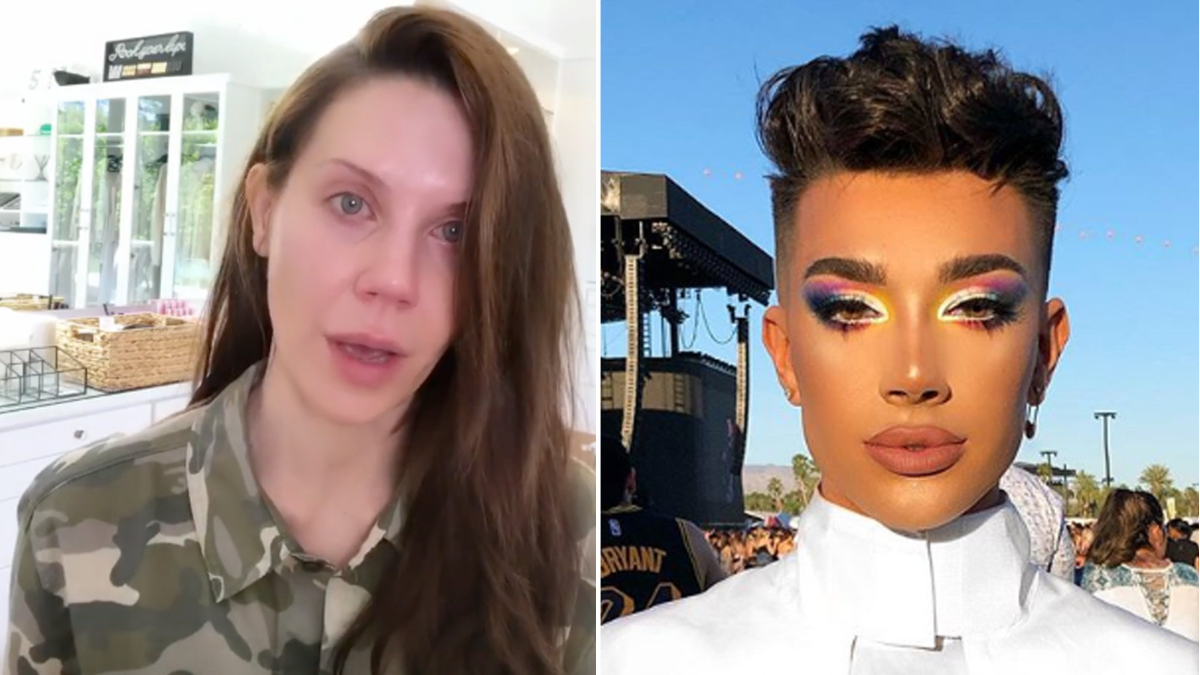
Last year, beauty guru Laura Lee was exposed for having made extremely racist tweets, after she tried calling out Jefree Star for his racist past. The sudden revelation created shock waves throughout both the beauty community and social media, and quickly became one of the top Youtube scandals of 2018.

Lee’s apology video for her racist tweets was short and over-dramatic, drawing even more criticism, and hatred against her. She was not the only beauty guru to have been exposed during the whole ordeal, as others like Nikita Dragon, Manny Mua, James Charles, and others were also exposed for their racist tweets, though they quietly slipped under the rug.

The racism that has become evident in the beauty community has been excused many times by fans wanting to protect their favorite, although this only adds to the resentment against the beauty community. The defense only encourages the gurus to make fake apologies and move on with their lives, especially since their career only seems to get temporarily hurt by it.

James Charles Has Yet Another Controversy

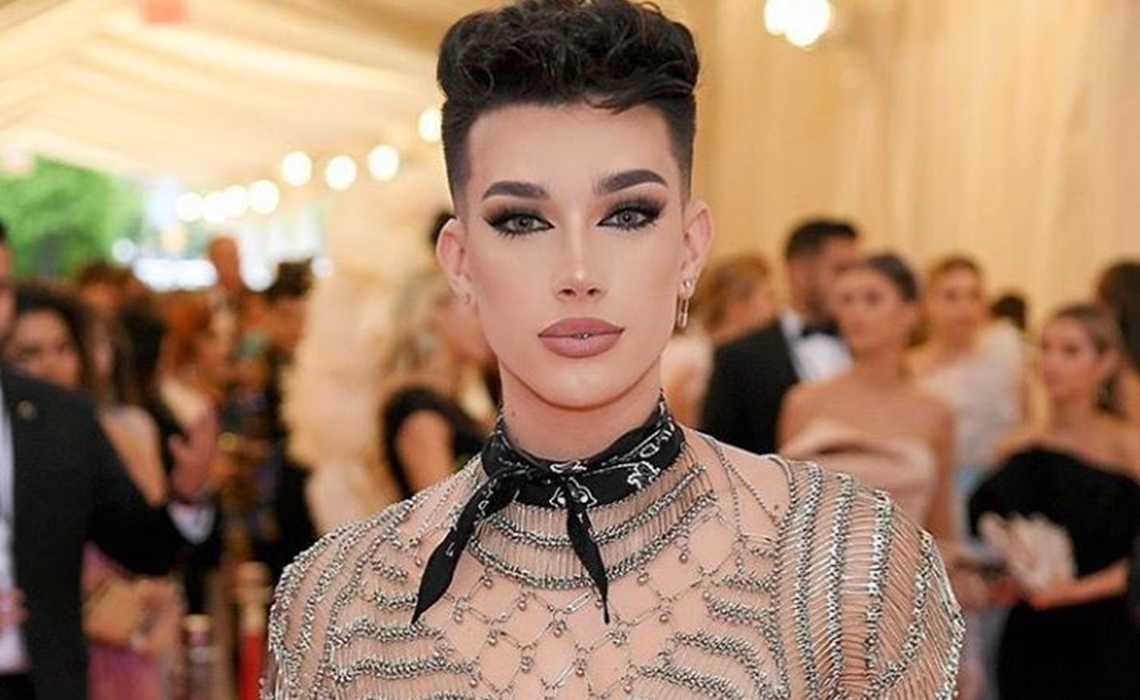
This week has been a big week for Youtube controversies, especially centering around beauty guru James Charles. The 19 year old has come under fire for trying to pressure straight/questioning men into hooking up with him, causing him to lose a record 400,000 subscribers in less than 24 hours- and is still losing more.

The controversy began over a series of caught Coachella pictures of James Charles with aspiring model Gage Gomez, which has led to a fling of odd and “immature” social media behavior by James Charles, and an online battle around the beauty guru community.

The battle has led James Charles’ mentor, Youtuber Tati Westbrook, to come out with a video exposing the 19 year old. She revealed stories of his behavior trying to manipulate straight men, and how she had warned him to get help before such behavior ruined his career.

One story in particular, which took place at Westbrook’s birthday dinner, reveals that James Charles tried manipulating the waiter, and describing the graphically sexual things he wanted to do to the waiter, in front of her friends and family. When she tried to call out his behavior, he simply responded with “I don’t care, I’m a celebrity”.

Westbrook also called out James Charles for trying to manipulate and exploit straight men, then turn around and play himself out to be the victim. She claims that she is fed up with his behavior, after trying to help him “grow out” of his behavior for the last few years.

Reactions from observers are negative, with many saying it’s time to “cancel” James Charles, especially as this controversy isn’t the first for the beauty guru.

‘Sonic’ Director Agrees to Change Design of Sonic

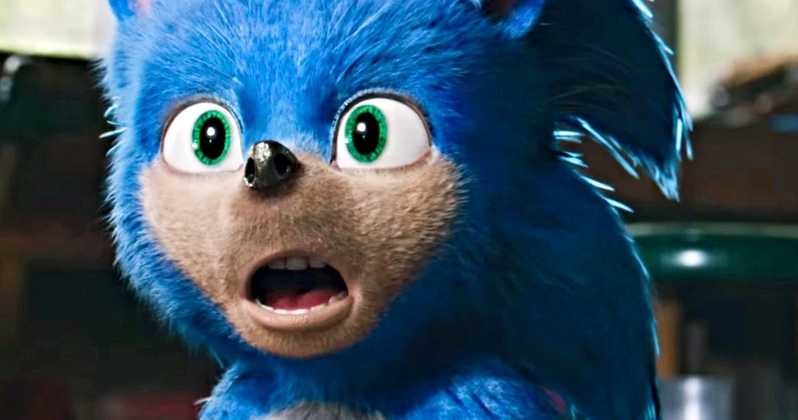
Earlier this week, the first trailer for the new live-action Sonic was released, leading to a wave of criticism from the internet. The model of Sonic that appeared in the trailer was thought to be much worse than what had been seen in teaser posters, with the classic hedgehog looking like a weird fuzzy nightmare with human teeth.

The new trailer led to floods of memes, particularly surrounding the actor Jim Carrey, who is set to play the antagonist Eggman, saying that he will “carry the whole movie”. It also led to many artists editing the Sonic design to appear much more like his classic model from the games, leading to questions of how one artist can make a better design for a character in seemingly a few hours, when a company spent years making a monstrous design.

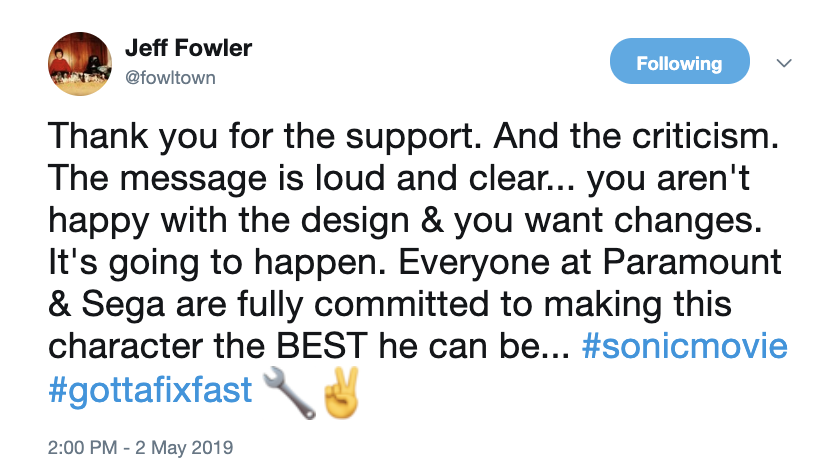
Well, the level of criticism seemed to reach the director, who understood what he needed to do loud and clear. Yesterday via Twitter Jeff Fowler announced that they would be changing the Sonic model to make him appear more like his classic features, which he imagines would appease fans and critics.

The announcement comes just six months before the supposed release date of the film, which excites some, but worries others, particularly artists. The media industry is rife with exploitation for artists, especially as these artists cannot unionize and advocate for themselves. The idea that they would have to change the main character’s model in just six months, with no announced push-back date, leaves the very great and dangerous possibility that these artists will be forced to work overtime for little pay in order to fix the design.

It’s not as though the artists can protest for better work conditions, either. With the media industry being so competitive, these artists can face harsh punishment for pushing back, or even get fired, and be replaced by someone willing to work the hard hours. It leaves the artists in a classic position of either doing what they’re forced to, or find themselves without a job.

The announcement to change the Sonic model comes only a week after developers and artists expose the exploitative work conditions in trying to quickly crunch out new content for the popular game Fortnite.

Why is 4/20 a Thing in North America?

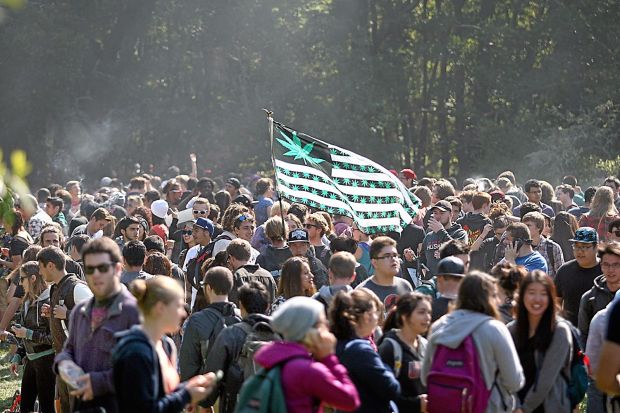
This past saturday, the “unofficial holiday” known as 4/20 occurred, landing on the first day of Passover and the day before Easter Sunday. Events celebrating the “holiday” appeared throughout the US and Canada, with some events even occurring in the UK and New Zealand.

Those in non-cannabis culture countries who see jokes and mentions of the event may be asking “why is this a holiday?” or even “what does 420 even have to do with weed?”. Well, in order to understand the first question, we need to first look at the second.

The association of 420 and marijuana started in the 1970’s in San Rafael, California. A group of high school students and marijuana enthusiasts, going by the name of “Waldos”, met up at 4:20 pm every afternoon by a statue in order to search for that they believed to be a was a pot plot. They never did find the pot plot, but began using the term “420” as a code for anything pot-related.

How did the term expand beyond just the group of Waldos? One of them became involved with the band Grateful Dead, when they worked with said Waldos father on a real estate deal. The bassist of the Grateful Dead became friends with the Waldo, and heard the 420 slang and took a liking to it, kick-starting its spread throughout the United States.

The “holiday” itself came around starting in 1990, and has grown in subsequent years. The event really bloomed internationally in cannabis culture countries in the early 2010’s, when 420 became a popular meme after the legalization of recreational marijuana in the state of Colorado. Recreational marijuana use already existed in Canada, the Netherlands, Luxembourg, Belgium, Portugal, and Chile, although celebration of the 420 event only existed, and only really continues to exist in Canada.

Marijuana remains almost entirely illegal throughout most of the rest of the world, which keeps celebration of the event mostly in North America. Cultural differences and perceptions of marijuana also locks the event within North America for the most part, although the internet has been spreading awareness of the event throughout the West.

BTS Cause an Online Storm with their SNL Performance

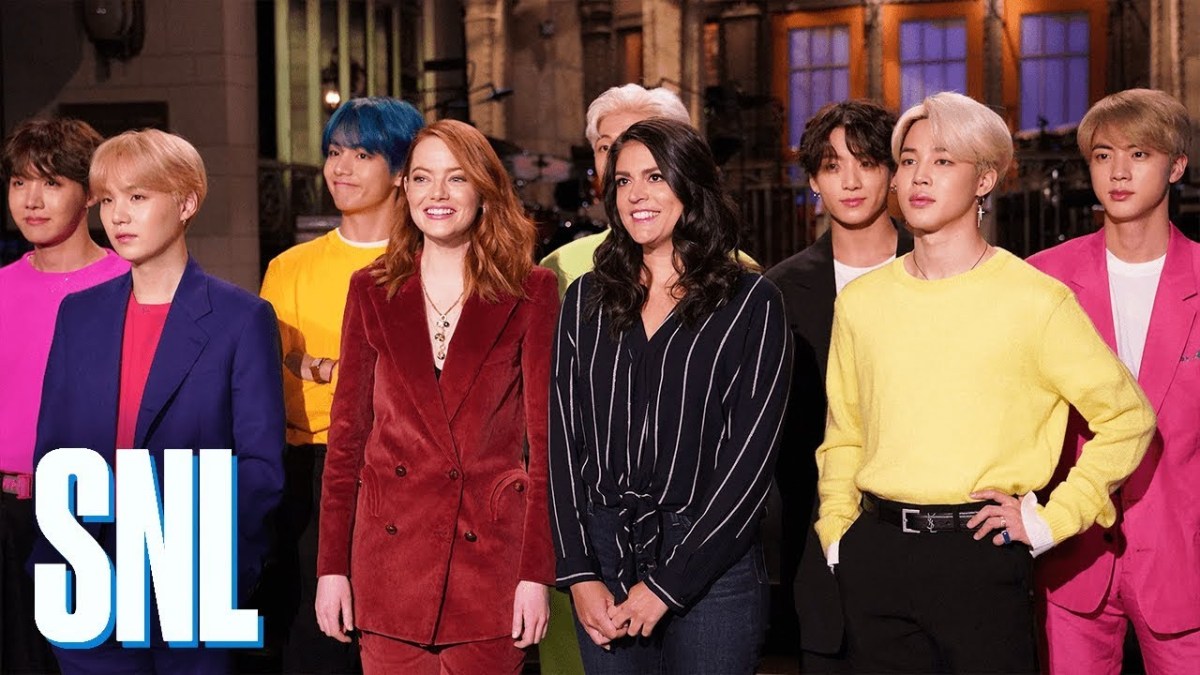
Lat night, Kpop boy band BTS performed on SNL with host Emma Stone, making them the first ever South Korean artists to appear on the show. Their performance was marked by much anticipation, with great excitement from the fans and plenty of advertising from the show itself.

They performed the day after the release of their new album Map of the Soul: Persona, performing their single “Boy with Luv” and their popular “Mic Drop Remix”, causing quite a storm on all social media platforms, namely Twitter. Fans fawned over the perfect choreography and the live singing, and even some mentioned how one of Rm’s outfits was from “Persona: Intro”.

Their performance on the show brought a jump in SNL viewership ratings that hasn’t happened in years. It also put the show as number one on trending lists, another feat for the show.

BTS’s new video for “Boy with Luv”, featuring Halsey, has already broken 116 million views in two days.

KPop is Now in the West, and it’s Here to Stay

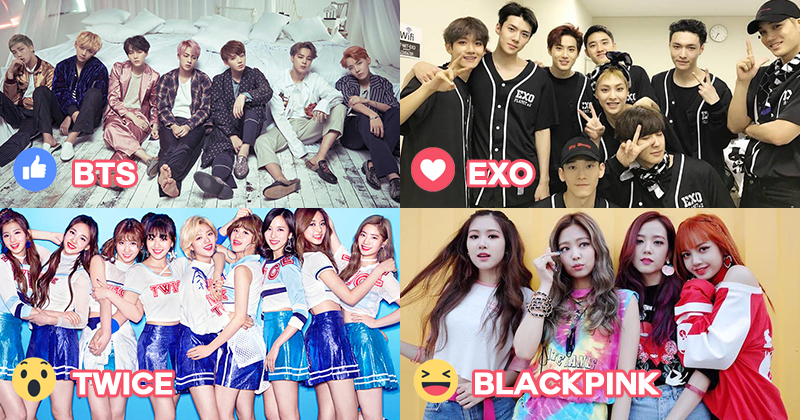
The Western pop culture realm was severely shaken up when in 2017 BTS was nominated for a Billboard Music Award, and won. They were the first Korean artists to get nominated for a Western Music award, and were met with a mix of both excitement from their fans and confusion from the general populace. Social media was flooded with questions about who BTS was, and why/how they got nominated in the first place.

Two years later, and Kpop has not only exploded in popularity, but is slowly melding its way into Western music. Artists such as Steve Aoki, Nicki Minaj, Jason Derulo, and Dua Lipa have collaborated with some of the most popular Kpop groups, mixing both Korean and English in a way that had only previous been done with Latin music. Just last week Jason Derulo came out with a song and music video featuring LAY and NCT 127, the former being a Kpop singer and the latter being a Kpop group, called “Shut Up, Let’s Dance”.

Kpop is working its way into Western music, though at a much slower rate relative to the explosion in popularity among Western audiences. The rapid growth in fans of Kpop is rather astonishing, as in just a few months the rate of Kpop fans have skyrocketed, and social media interactions with Kpop groups. For both BTS’s and EXO’s twitters, the rate of interaction with the accounts by fans beat expected interactions by a longshot in 2018, beating out top western artists such as Beyonce and Justin Bieber.

Kpop groups have even made their way into Western advertisements, as BTS has both been on the cover of Billboard magazine and modeled for Vogue. The most popular female group at the moment, Blackpink, just appeared on the cover of Billboard magazine as well, having some of the highest amount of streams on Spotify. Their latest song “Ddu Du Ddu Du” also has topped 695 million views on Youtube, making it one of the most listened to Kpop songs globally.

Kpop is pushing its way into Western Music, and, at least for the time being, it’s here to stay. It’ll be interesting to see how Western music awards, particularly awards such as the Grammy’s, will adapt to the rising popularity of Kpop. Will it add a category specifically for Kpop, which they did for Latin music? Or will they simply meld it in to the preexisting categories, as what occurred with BTS this february? It’ll be interesting to see where the next few years takes us.

Ariana Grande and the “Tiny BBQ Grill” Incident

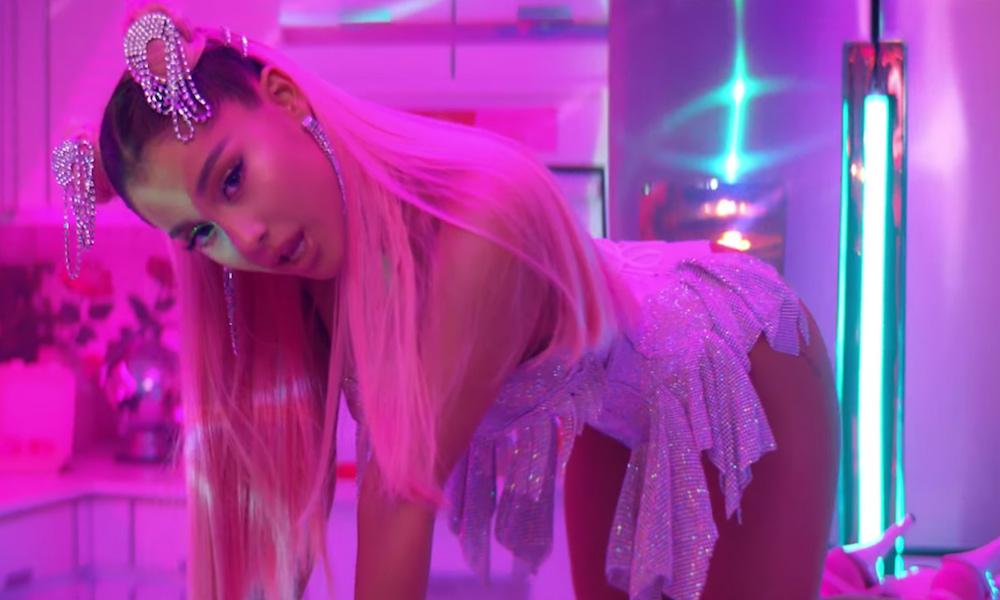
Two days ago, singer Ariana Grande posted a tattoo she had gotten on her hand promoting her new song “7 rings” in Japanese, spelled out 七つの指輪. However, instead of having the whole phrase tattooed onto her hand, she was in too much pain to finish it, and instead shortened it to just read 七
輪. While it technically can also mean “7 rings”, in colloquial Japanese, it really means “small barbecue grill”.

Japanese speakers, and those fluent in Japanese, were quick to notice, and make fun of it. All over twitter people were calling Grande out, and some even went so far as to tattoo dumb phrases onto their hand and say it was something else (my personal favorite is someone who wrote “I wanna die” on their hand).

Grande didn’t seem to take this in offense, however, defending herself by saying she actually enjoys tiny barbecue grills, and that she was aware of the incorrect grammar. She also said that since the area was prone to flaking, if she really missed the tattoo, then she would suffer through the pain and get the correct version the next time around.

However, as of this morning, she had the tattoo altered (with licodaine shots), with a message on instagram saying that she would “miss her tiny grill”. It seems the online mockery did get to her. Japanese twitter is still making fun of the mistake however, most likely a result of being tired of having white celebrities use their language for the sake of “aesthetic”. Which would make sense, since it is kind of strange to use a language for aesthetic.

The American Meme, and Unnecessary Drama

For the past few days, I had been in a funk about writing. I didn’t have any inspiration to write about anything, which was kind of annoying, because I wanted to at least write about something. That was, at least, until I watched the American Meme on Netflix with my friend last night.

God, this documentary was something else. I don’t think I’ve ever rolled my eyes harder than when I watched this. It wasn’t because the documentary was necessarily bad-just filled with whiny, obnoxious people who complained about being social media influencers, while at the same time refusing to leave it.

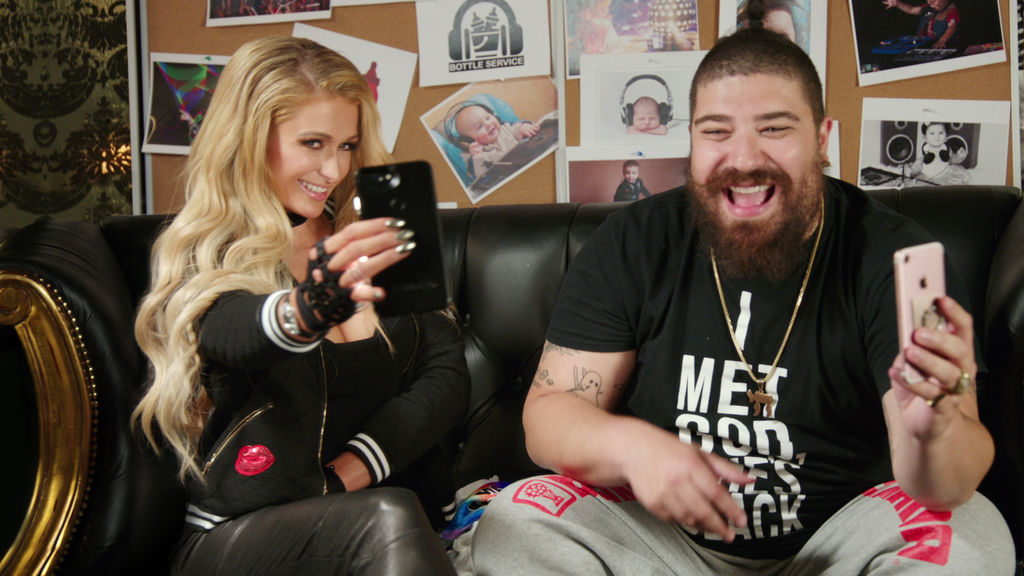
I’m not kidding. Literally ninety percent of the documentary was about these people complaining about being influencers. How they “hate people” or “their life sucks”, but they also continue to do their job because “what else can I do?” The only person I had any real sympathy for was Paris Hilton, who did get chased around by paparazzi, and did have a private sex tape released without her consent. That, I can understand.

But everyone else? I’m sorry, but I have none for them. They’re literally all the same types- kids who move out to LA to make it big, don’t get any parts, and then turn to social media to pay the bills. Then they complain because the pathway they chose sucks and is competitive and fake, but don’t leave or move back home. They claim to be hooked on the attention, which may be true, but seriously, it’s not that hard. Being an influencer is cut-throat. Don’t like it? Leave.

I do realize in writing this that my sympathy may be lessened by the fact that they moved to LA, especially to become actors, which grates on my nerves to no end. I, like most other native Angelinos, hate those kinds of people. The transplants that come here to be in the entertainment industry, then refuse to leave when they get jaded. They increase the traffic, the housing prices, the cost of living. They add to the gentrification of long-standing communities, all the while flaunting how they’re from a small town or some other state. Sorry, but you won’t find sympathy from me.

Another thing that got on my nerves: how these people claimed they had to be crazy to get views, and how everyone in Hollywood dresses up and calls the paparazzi to them now. Which isn’t true in the slightest. Most traditional entertainers (actors, musicians), don’t have the paparazzi coming to them, and don’t get all flashy. They blend into the regular population, eating at restaurants or going to the gym. Most of them stay out of the limelight, going entirely against the claim Mark Henderson made about Hollywood.

And as for social media influencers, I follow plenty of them (and live near a few) that don’t at all do crazy things for the sake of social media. They don’t make fools of themselves, and still get millions of views on a youtube video they release, or an Instagram photo that they send out. This documentary tries to say otherwise, but facts are facts.

This documentary, to a certain extent, was a load of bs. I won’t lie and say that social media is nothing like this (because any creative platform can be pretty cut-throat and strenuous), but the extent to which these people make their claims is so exaggerated. The people interviewed also act like there’s no way out, but then contradict themselves (like Kirill was saying he had ‘no other option’ than to party like crazy for Instagram, and then it goes and talks about how Paris Hilton used her fame to start a bunch of brands), to the point where is just seems ridiculous. To me, the documentary was just a way for people to complain about their lives without actually changing anything about it.

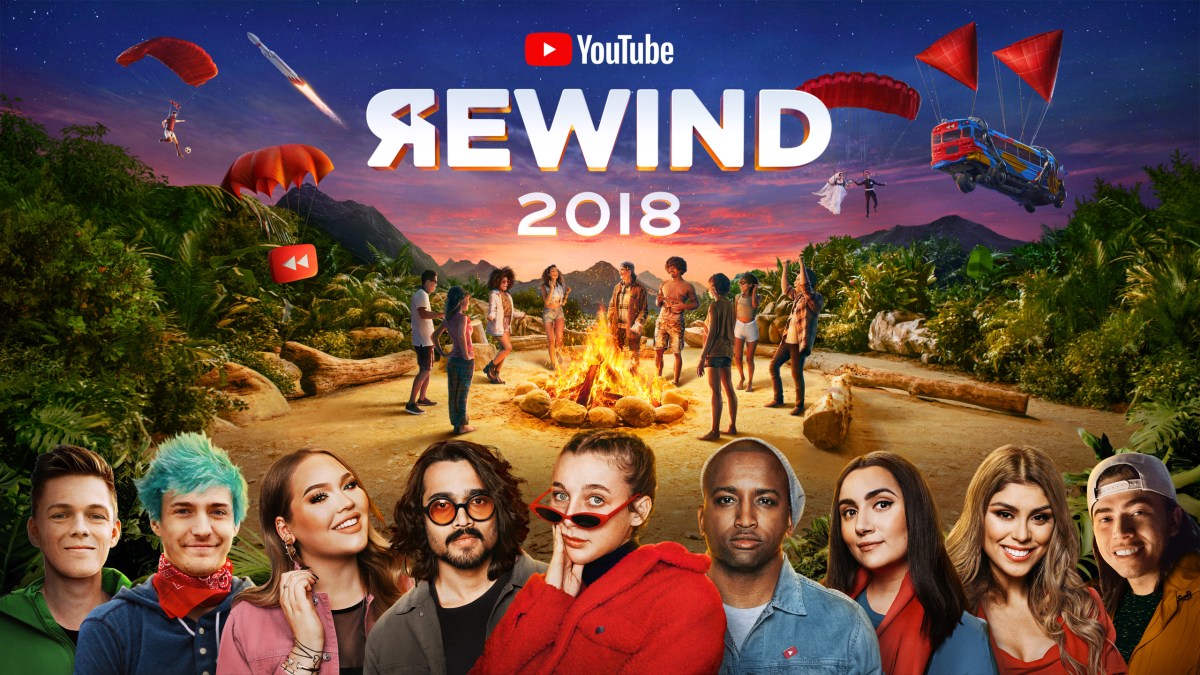
Youtube Rewind 2018: For the Corporate

This last week, Youtube Rewind 2018 dropped, receiving not just the most dislikes of any previous rewind, but also the most dislikes of any video on the site ever, getting over 4 million dislikes in 24 hours. Which is ironic, considering that this years rewind was supposed to be “what the people want”.

Youtubers, all over the place jumped on the opportunity to review it. H3H3 even went so far as to compare this year’s rewind to the rewind from 2013, showing how much Youtube has changed to be more about the business than about the creators. This comparison brought to light what Youtube was before the 2016 “Ad-pocalypse”, an event hallmarked by the rush of company ads and investments being removed from Youtube after Pewdiepie’s anti-semitic controversy, and after. It’s a stark difference.

Now, before I go into it, I’m going to put this forward: I’ve seen this year’s rewind, and I hated it. Like, not just in the fact that they had almost no one I could recognize, but the fact that it was just all around cringy. Now, let’s get into details.

The rewind opens up with Will Smith, who not only doesn’t have a Youtube, but also wishes for Fortnite (?). It then leads to showing a Twitch streamer, and a bunch of people I swear I’ve never seen before, before going downhill from there.

I’m not going to do a full breakdown, but the first minute of this rewind should already say enough about how it’s not for the people, even though that was the theme of the video. “Let’s make it about the viewers! Go by the comments!” They said, although no one is really sure how legitimate those comments are. In fact, if you look at the comments below the video, you can see just how upset people are with it. The rewind ignored a lot of big events that happened not just on Youtube, but on social media in general, instead focusing on the…political contributions of some on the platform? It was ridiculous.

The video obviously reflected the Youtube that the company wants to present, which is soft and fun, but more importantly ad-friendly. It’s not accurate, and it avoids any and all “risks”, even though that’s what the platform is known for. The worst part was the Youtubers. A good 90 percent of them I, nor most other people, had ever heard of, and focused on things like mukbangs and ASMR. They had some KPop, copying the new video by BTS (the most widely-known Kpop group right now) without actually mentioning their name. It was just bad.

This video wasn’t for the people, despite what they proclaim. It was just a waste of time and money.

What is Black Friday Really?

While this event is portrayed most often as being exclusive to the US, there are actually over 20 other nations that participate in this event. Every year, a few more countries seem to jump on the bandwagon, as well, as the idea of making more money through providing massive sales is becoming increasingly more appealing to international businesses, despite declining sales in the US. But the US is the birth-land of this event, so I will be focusing on it for the sake of fully explaining what it is.

Despite what most stories have you believe, Black Friday started around 1960 in Philadelphia, Pennsylvania, as hordes of suburban shoppers and tourists would flood the city the day after Thanksgiving to be prepared for the Army-Navy football game that happened on that Saturday of each year. Cops were overworked trying to deal with all the people, and shoplifters ran free, causing the term “black friday” to be pinned to the day.

Black Friday didn’t really take off as a national commercial event until the late 1980’s, when companies took advantage of the name and decided to try and make the event appear more positive. The only problem was, that developed an entire culture around bombarding stores in order to get that early holiday shopping done.

I’ll give you a hint about how that happened: pop culture and media advertisements. Stores began advertising their “Black Friday” deals, pushing to the public that it would be a one-day only sale of a lifetime deal. This happened on TV, radio, anything they could push it to that would gain an audience. And it did.

By the 1990’s, you start seeing depictions of it in movies and TV shows, with whole episodes or portions being dedicated to people trying to go Black Friday shopping, waiting in line or getting hindered for some reason. Even going as far as the mid-2000’s, shows, particularly comedy shows, would frame at least one episode about trying and failing to go Black Friday shopping, or going Black Friday shopping and basically participating in a Battle Royal-type scenario because of it. It became ingrained in US pop culture for a long while, only fueling the drive for Black Friday shopping.

Even now, there are still adverts for Black Friday sales. It gets mentioned on the news, on social media, on Youtube channels.  People make memes about it, we hear news about it (especially from Walmart, who is notorious for having straight brawls in their store).
It still gets talked about and remembered, meaning it will not be going away for a long while.

Social Media as an Art Form

For some reason, there seems to be a separation between social media and art. Perhaps it’s the connotation that art is in some sense fine, something of both the classics and genius modern artists. Social media, despite its variance, is seen as something that can’t penetrate the realm of art, save for actual digital artists.

I can’t help but argue against that assumption. Well, now I argue against it, but a few months ago I agreed with it. But in taking a class in media forms, a rather interesting and hefty lecture involved social media as art, and how it reaches different audiences. There was so much to say about artistic involvement through social media as a form of unconventional means, and yet there is almost no academic research about it. When you look into it, social media is a form of affecting society on its own, and not through art. To make matters worse, almost all books on the subject are just self-helps on how to use social media wisely. Nothing on the discourse of social media and art.

Why is this the case? Maybe because social media isn’t quite taken seriously as an art form. For marketing, yes, for social movements, possibly. But art? No way.

I think that social media, when used correctly, can be both a bizarre and powerful medium for artwork and social commentary. And I think the most powerful example of that are memes, and the trend known as vapor wave.

How can memes possibly be art? Not conventionally. Modern art is all about the unconventional, challenging the status quo in order to point out the irony and hypocrisy of something going on. Although I heavily question a good portion of modern art and feel that modern artists in themselves are hypocritical/pretentious, I have to admit that there are ones that are insanely clever, particularly ones that are participatory (the audience can interact with the piece). This opens the space for memes to come in.

Memes, despite their apparent stupidity, are participatory forms of art in their essence. They’re images that are edited, via text post or some other form, to whatever the editor dictates. This in turn can cause more people to edit these images, creating a vast network of repetition, solidifying the original image (or figure, artwork, anything really), as a meme. And memes dwell in the world of social media, shared with and by thousands of people. Meme trends are created, and ultimately are archived for anyone who wants to find it.

Memes also, are often very political. They make fun of the current political climate, a particular figure (George Bush, Ted Cruz, etc.), or news that occur. They take the distasteful and turn it on its head for the sake of humor. Memes also can make fun of culture, society, and just about anything, which in itself is a form of art in how creative the variance can get. Memes, despite their ridiculousness, are just pieces of modern art, baby.

Now, what about vapor wave? What is vapor wave? Well, vapor wave was and is a phenomenon where images are layered in a way that appears like a pseudo-meme (the trend did have an origin in memes), attempting to be both aesthetically pleasing and humorous. Vapor wave takes much of its style from the Neo-Expressionist movement, which occurred from the late 1970s to the early 1990s. The Neo-Expressionist Movement attempted to be nonsensical but aesthetically pleasing through layer imaging, but rather than being humorous, it leans towards the more seriously critical. Vapor wave is almost just like that, except digital rather than physical, and funny rather than critical.

Social media is a powerful medium for the production and reproduction of participatory art, all of which goes under the radar of the connotation of “art”. People, without realizing it, are creating forms of art, which is not really considered art by “modern art” standards”, which I find to be an interesting paradox.

My Takeaway from the Jake Paul Series

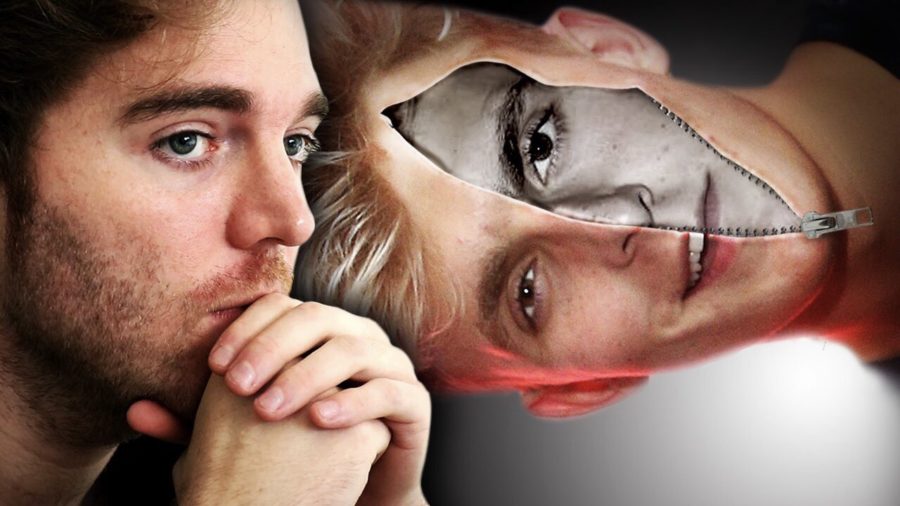
If you’ve been involved in the Youtube world, then you would know that a few days ago, Shane Dawson wrapped up his eight-part series on Jake Paul. The series ended in an almost two-hour long finale, a good 90 percent centered around the final interview that Shane had been building up to throughout the series.

Despite my qualms about the second episode, I watched the series in its entirety. I will say that while I admire the amount of research Shane went through, approaching multiple different people that were involved in Jake Paul’s life in order to get their perspectives, I have to say that in the end, Shane let his bias show a little too brightly.

Not in the sense that he ignored that Jake Paul is a sociopath (which he’s not), but in the sense that in the end he went a little too light on calling out his past. He did ask about the assault case, the cheating situation, and other such things that people had been wondering about. He provided advice on what Jake Paul should do, to which the latter figure seemed enthusiastic to accept. But the interview as a whole was a little underwhelming. Shane promised that the interview would allow no mercy, and spent the whole series making that promise, but when he got to the actual interview, I couldn’t help but be bored. I sat there, constantly checking how much time was left, wondering when the harder questions were going to come in. In the end, I felt that we weren’t given what we were promised, because Shane learned to like Jake Paul.

And, to be honest, I did feel some sympathy towards Jake Paul. Throughout the show, the strained and frayed family dynamic came up, which provides some insight on who Jake Paul is behind the scenes. His Dad raised him to believe it was okay to act like this, and his brother did some awful things that would mess with someone. Working with a father and brother, as well, is also very dangerous, as it blurs the line between work and family. It can destroy families.

There’s also the fact that Jake Paul holds himself in a toxic situation, living in the Team 10 house and almost never taking a break. Even his girlfriend can sense it, and wants them to move away so that they aren’t constantly in the limelight. That kind of situation would mess with anyone.

And yet, at the same time, I hesitate to sympathize. The situation between Alyssa and Jake still makes me wonder, especially as some aspects to each side of their stories holds differences, making it difficult to believe one person or another. Shane never fully fleshed out the situation through third-parties without bias, adding a sense of dissatisfaction and uncertainty. The uncertainty makes me hesitate.

Also, despite him being in a messed up situation, we can’t ignore the fact that Jake Paul has done some crappy things. There were bad choices he made outside of the ones discussed in the series, and they were choices that he made. Of course, college males can act as dumb as him, but being an influential figure, especially with a demographic of kids 8-16, he needs to know better. And I’m glad Shane pointed that out, cause in certain ways Jake didn’t seem to understand the amount of influence he actually had on kids. Constant merch plugging, his music, and pranks, his talk against school, all of that can leave an impact on a kid, shaping their views. He didn’t seem to understand that.

Now, in the end, Jake promised to change things. But words don’t mean anything if no one acts on them. I want to see him act on it, and the best way I can imagine that being is taking an extended break from Youtube-possibly even moving back out to Ohio. To think on himself and his actions, to come back and change his content. I won’t believe the guy until he’s actually presented the social sphere with his change, and possibly moved himself into a situation where he has a break from the chaos. While I do hope that he does improve, I will only believe it when I see it.

Things to Note From Rockstar’s Work Conditions

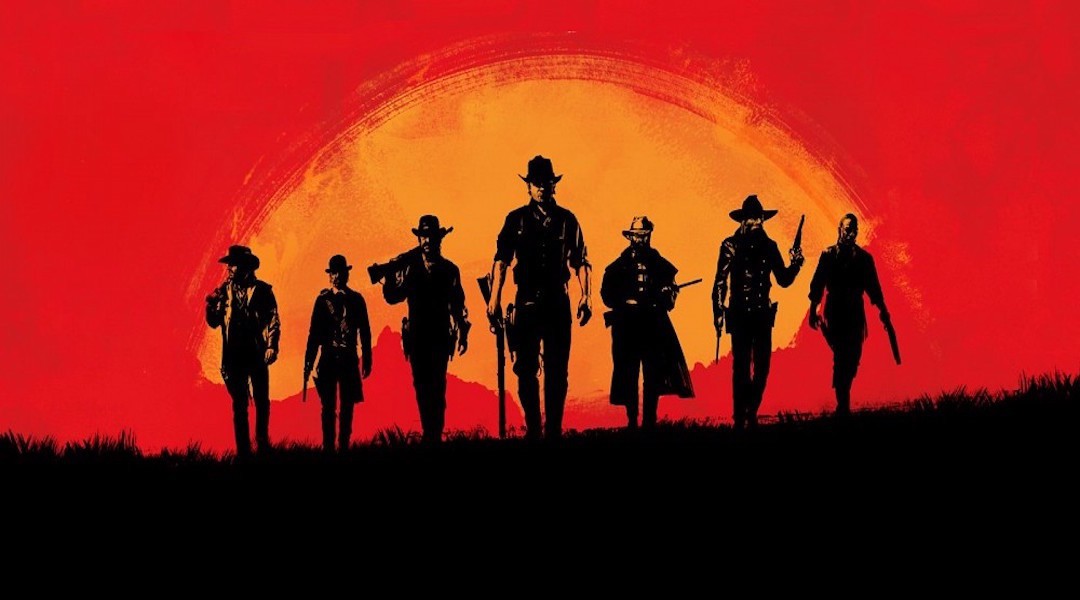
I would have written earlier about this, but was away from my computer and couldn’t get to it. But about a week ago, it was discovered that in order to make Red Dead Redemption 2, programmers and other staff had to work 100 hour weeks over a three week period in order to finish the game. This caused a swift backlash on the Internet about the conditions, with everything from news journals to podcasts criticizing what Rockstar had done. Co-founder and VP Dan Houser argued that these overtime shifts were “optional” to employees in defense of the habits, saying that these people opted-in overtime to finish the newest game.

However, when some employees (granted permission by the company to clear the air) took to Reddit for Q&A, that clearly wasn’t the case. A QA tester from the Rockstar Lincoln studio in the UK clarified that the public doesn’t often hear of the working conditions as a result of employees signing a NDA (non-disclosure agreement), preventing them from taking issues to the public.

He also clarified that the overtime shifts aren’t really optional but expected, as they have to make up an overtime shift if they for whatever reason can’t do an initial one. As for weekends, they have to make it up as a “double” weekend if they miss out on working one. The QA tester does clarify that they are paid for their overtime. He does establish the difference between a typical work shift and an overtime shift, the main difference being about 2 1/2- 3 hours longer. The overtime shifts are usually implemented near the end of the creation of a video game, in order to have it released by the proper date they planned for. While that doesn’t alleviate the issue of exploitation, it does explain that the overtime hours aren’t the norm.

Now, in the midst of this controversy, I noticed that some freelance artists, programmers, ans video game designers took to Twitter and other forums to explain their story. They didn’t center their stories around Rockstar, but rather their experiences as contract workers for other companies. What they explained was rather interesting.

Just about 100% of the time, the people were explaining that they voluntarily took on the hours, for fear of being dropped from their contracts. Despite some being told by their own employers that they don’t need to work so hard, they still overworked, trying to be as productive as possible and thus more valuable. All of these cases end in a nasty case of burn out.

What is burn out? By dictionary terms, it means to completely ruin one’s health or energy through overworking for a long period of time. People will permanently disfigure themselves, or place themselves into life-threatening situations that way, all because they wouldn’t let their body rest. Ever heard of people dying at their desks in Japan from working too much? Yeah, that’s an extreme form of burn out.

As I mentioned earlier, the thing to note in both of these areas is that the overtime is promoted as voluntary or optional in terms of the legal working contract. But workers argue that the “optional” overtime was actually expected, or perceived to be expected, thus feeling the pressure to take up the overtime. It’s a dangerous expectation that can easily result in the damaged health of an employee.