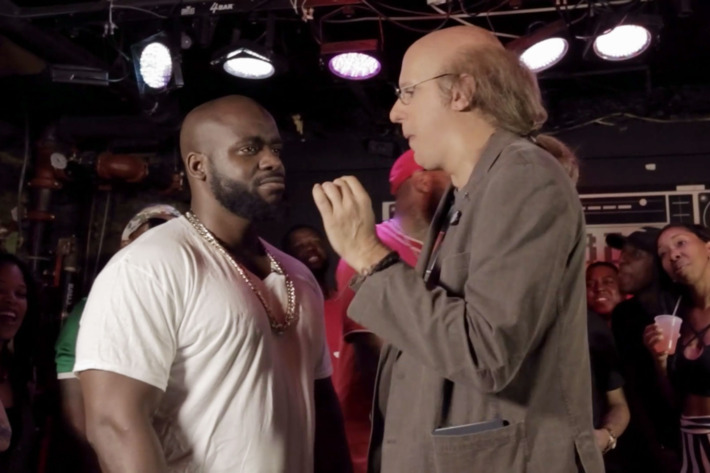
The Genius of Who is America?

Most often the first thing that comes to mind when someone hears the name ‘Sacha Baron Cohen’ is “Oh, the dude from Borat!”. The actor, who has played characters such as Ali G, Bruno, and of course, Borat, gained his permanent recognition after the release of Borat: Cultural Learnings of America for Make Benefit Glorious Nation of Kazakhstan back in 2006. In the film, he duped countless people all across the US, with only a few scenes (such as the kidnapping of Pamela Anderson) being fake. His film gained immense popularity, for both bringing out the honest truth from people, and being hilarious at the same time.

Now he’s back, but this time with a TV show. Taking the role of four different characters (Ricky Sherman, Dr. Nira Cain-N’Degeocello, Billy Wayne Ruddick, and Erran Morad), he goes around to people of a variety of political backgrounds, anywhere from small-town folk to big-time politicians, tricking them into absurd (and sometimes career-ending) situations. This comes into to play when he “teaches” controversial House Rep Jason Spencer Krav Mga, causing the man to shout the N-word and run into him with his bare behind.

Of course, this time it is much harder for Cohen to pull off. With his popularity, more people may recognize him, which has happened in the case of trying to dupe a gun shop owner, who recognized him under all the prosthetic makeup. In another, actually filmed case, part of his prosthetic actually came off, but the couple he was trying to dupe played good sportsmanship and kept running with it. Now that Borat is so recognizable, Cohen needs to use more prosthetics, and be much more careful in how he acts, as to not ruin the joke.

His jokes, however, can be quite brutal, but it’s exactly what the nation needs. He makes fun of both liberals and conservatives, calling out the absurdities on both side, and exaggerating stereotypes in order to confuse and make fun of whomever he’s with. It also shows the audience how absurd people can be, and while some think what he’s doing is too far over the edge, it’s a nice break from the safer political comedy that we’ve seen in the past few years. Everyone else has played it safe, and it’s refreshing to see someone who takes safe and rubs it into the ground.

The best part is, his “offensive humor” is not really all that offensive. It’s how the people take his comments and react that show the ugly side of the comedy. That’s what makes his humor especially genius. He gives people an inch and they take it an run a mile, duping themselves in the process. It leads to some interesting situations (actual police roll up to a ‘staged’ Quinceanera that Cohen had tricked some men into making in order to “trap” illegal immigrants. On a sign out front, he posted their words of what they thought the immigrant would be expecting, and setting up the situation to look like they were trying to lure young girls.

The best part is, he wasn’t the one who came up with the situation: the men were. They thought of what when down at a Quinceanera, and what to do in order to drug and deport any “illegals”. They duped themselves, while he sat on the sidelines. He shows the absurdity of such racism, and how it can easily turn against them.

His form of comedy is, in my opinion, exactly what we need; something brutal and honest, showing the worst sides of everybody in order to get a laugh. And it does, in some cases, show the worst side of everybody (from blatant racists to crazy social justice warriors). No one is safe, and I’m excited to see how the show goes on.
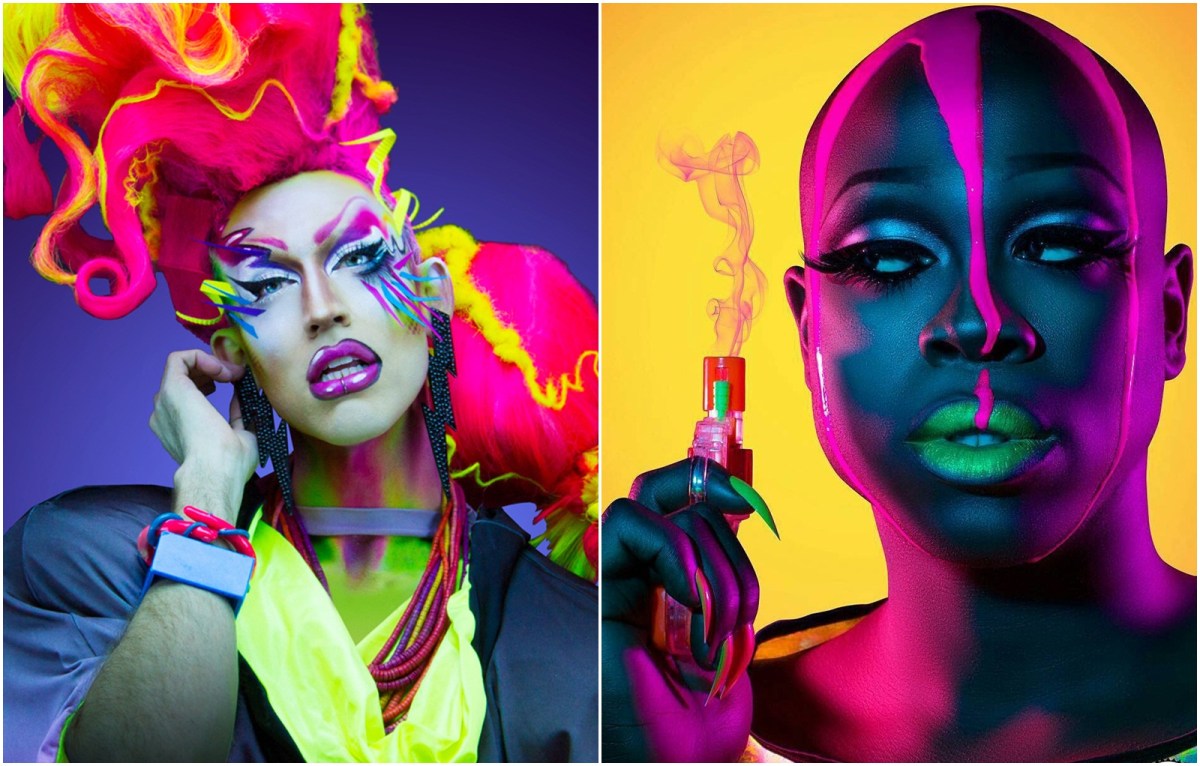
The Rise of Drag Culture

In the US, particularly in major cities, Drag Culture, a subset of the gay culture where (typically) men dress as exaggerated forms of women as a play on gender identity and for entertainment, has grown rapidly in popularity within the last decade. Boosted by the success of Rupaul’s Drag Race, drag culture has faced a resurgence in popularity in pop culture, putting names such as Bianca Del Rio, Chad Michaels, and Latrice Royale alongside Rupaul and Lady Bunny. However, this current rise does not mean that Drag Culture is a new thing. Drag Culture extends far back, much farther than the 1980’s and 1990’s, providing a rich insight into the cultural history of performances.

While the official rise in drag began in the 1870’s, you can look even further back to the times of Greece and Rome, where women were not allowed to act in mainstream performances. Young boys were chosen to play the roles, a factor that continued through the Shakespearean period of performance. This didn’t just exist in Europe, either. In Japan, the famous Kabuki theater historically did not allow women to perform, with the role of those who take the female character being known as the onnagata. They did not have to be young boys, either: they could be all the way into their middle ages, performing the role of a young girl.

The real start for drag culture though did begin, as I said earlier, in the 1870’s. However, they weren’t the iconic LGBT+ performances that we see today. Rather, they were merely men who, wanting to mock women, would dress in exaggerated forms and act as though they were women, representing femininity. The use of drag in LGBT+ communities doesn’t begin until the 1920’s and 1930’s, when the first “gay bars” were established. Members of the queer community could meet there and watch performances, drag included.

Drag Culture would take a hit in the 1950’s and 1960’s, however, as public policy and law began cracking down on the LGBT+ community. In order for a man in drag to not get arrested, he had to wear no less than three articles of male clothing. As a form of protection and activism, the “Imperial Court System” founded by Jose Julio Sarria, came to be. In this system, there was the creation of Drag Balls, a fraternity-type system where “Mother” Drag Queens formed a “house”, taking other drag queens under their wing. These would continue into the modern era, being mentioned by some of the younger queens on Rupaul’s Drag Race.

In the 1980’s, Drag Culture began getting recognized by the general public again (following the LGBT+ Right’s Movement following the events at Stonewall), with prominent queens going on TV shows, movies, and musicals, most notably the role of the Tracy’s Mom in Hairspray being taken by drag queen Divine in the original film. We also start to see the rise of Lady Bunny, being most known for her comedy and DJ skills.

And of course, in the 1990’s, we see the rise of Rupaul. With the release of the hit “Supermodel”, Rupaul changed the Drag game permanently. This would only be added when in 2009 he released the first season of the hit show Rupaul’s Drag Race, which continues to shape the Drag Queen game and allow up-and-coming queens to promote themselves to a massive audience.

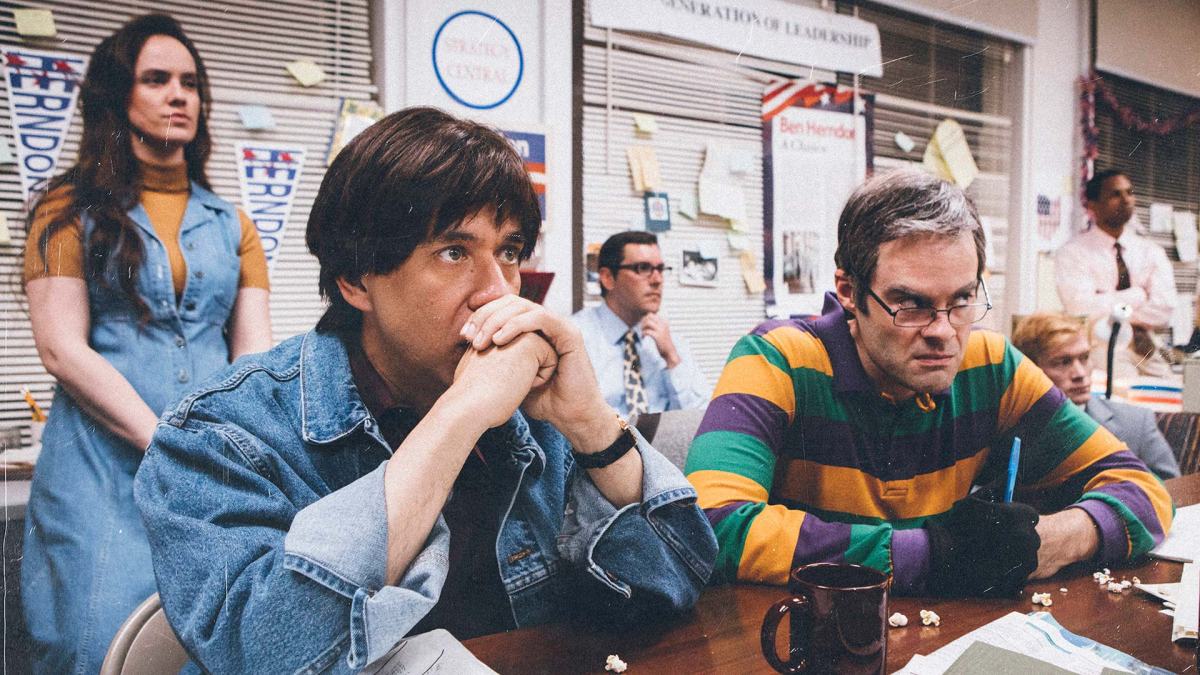
Documentary Now!, and the Beauty of Subtle Satire

I had almost forgotten about Documentary Now!, until I found the second season on Netflix last night while looking for something to watch. I had always enjoyed the show, and I thought the first two episodes kept their satirical charm. It was at the same time subtle and obvious, with a real appearance and an unreal story line.

Continue reading “Documentary Now!, and the Beauty of Subtle Satire”