The Game of Skin Bleaching Roulette in Africa

Skin lightening and bleaching is a multi-billion dollar industry that has been on the rise for the past decade-much to the alarm of medical professionals. Particularly in Asia and Africa, skin bleaching ads and commercials are common, promoting products that will guarantee paler, flawless skin-a factor that is often seen as a key to success. However, these products are almost always unregulated, and include ingredients such as mercury, hydroquinone and derivatives, topical steroids, and resorcinol, all of which can cause irreversible skin damage with constant use. These ingredients are also known to break down melanin in the process of bleaching, leaving people more prone to developing skin cancer, particularly in hotter climates.

Products like these can create serious issues, particularly when considering the fact that 1 in 3 women on the African continent use, or have used skin bleaching products, according to a study by the University of Cape Town. Skin bleaching is especially an issue in South Africa, where black market skin bleaching products proliferate, leaving people at a higher risk of damaging their skin. It doesn’t matter that South Africa is one of the few countries in Africa that implements regulations of skin bleaching products produced within the country; black market imports pop up faster than they can be confiscated.

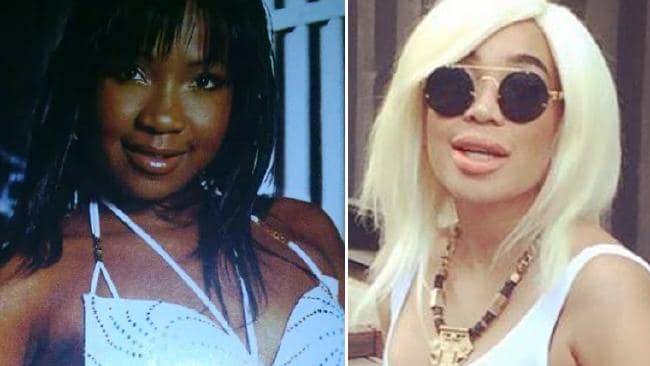
One celebrity in South Africa has gained quite a bit of attention for her skin bleaching, which has drawn harsh criticisms for encouraging young girls to lighten their skin as well. Musician Nomasonto “Mshoza” Mnisi has gained attention for becoming several shades lighter through her skin bleaching treatments, contrasting from her darker appearance from when she first premiered as an artist. She says her new skin makes her feel beautiful and more confident, which can portray badly to darker-skinned South Africans, particularly those already insecure about their appearance.

Mnisi shrugs off criticisms of her appearance, arguing that her choice of skin bleaching is a personal choice, comparing the procedures, which cost around 5,000 rand ($590 USD) each to getting a nose job or breast implants. Unlike much of the rest of the populace both in South Africa and the rest of the continent, the 30-year-old musician uses high-end skin bleaching products, which tend to be much safer than their black market counterparts.

The dangers of using skin bleaching products, particularly non-regulated ones, is that they can cause blood cancers, liver and kidney cancers, and a severe skin condition known as ochronosis, a form of hyper-pigmentation in which the skin turns a dark purple shade, according to a researcher at the University of Cape Town. Few people know of these dangers, however, and the increase in demand is troubling. The World Health Organization has reported that 77% of Nigerian women have used skin bleaching products, the highest of any African country, followed by Togo at 59%, South Africa at 35%, and Mali at 25%. Men are also starting to use skin whitening creams, which is only adding to the increasing demand for the products.

Although it is difficult to pinpoint one sole reason for why people bleach their skin, psychologists say that low self-esteem, and some degree of self-hatred, are common among reasons. Having lighter skin is more desirable throughout the African continent, a result of over 100 years of colonial rule, and with continued discrimination against those with dark skin in terms of education, pop culture, society, and jobs, people desire to lighten their skin and make themselves more “desirable”. The perceptions against darker skin are deeply entrenched into African society and pop culture, which keeps the demand for skin bleaching products alive.
Narcissists: Funny in Pop Culture, Awful in Real Life

There’s nothing like seeing family for the holidays that inspires you to write again. And no, fortunately most of my family are not narcissists (or narcs, as I’ll say throughout the rest of this).

What is a narcissist? There are several definitions. The most common version that we see of narcissism (which is coined from the name “Narcissus”, who was so in love with himself that he slowly starved to death) is narcissistic personality disorder, which can be diagnosed by a therapist. Someone with this disorder is manipulative, self-centered, has a victim complex, and is generally a wretched human being.

NPD is not the only form of narcissism that exists. There is a spectrum for those who have narcissistic tendencies, but generally don’t qualify as narcissists. It’s much more common and obvious to notice by outsiders (people outside the family), and are generally brushed off as negative traits.

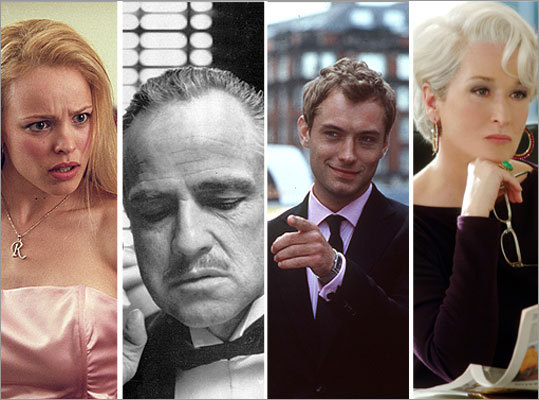
So, I won’t go into any detail, but hanging out with family for the holidays got me thinking about the contrast between how narcs are portrayed in pop culture versus how they are in real life. Narcs in both film and television are often portrayed in a funny light. They’re self-centered, but that in turn makes them the but of the joke as if eventually works out against them. They are obviously bad people, who are bad at getting their way and only put themselves in embarrassing situations because of it. They are a perfect and easy way to add a joke surrounding the rudeness of people.

Narcs in real life, however, are awful and deceptive. They care only about themselves, and not about anyone else, including their own children. A good example of this kind of behavior would be to mention something I’ve witnessed. A kid was asked by an adult what they got for Christmas, to which they responded that they got nothing. Upon the adult investigating further, he found that this was allegedly because money was “tight”, according to one of the kid’s parents. Well, interestingly enough, this person had just come back from not one, but two trips, one on a cruise, and the other to Las Vegas.

The parent in question had also turned down a job offer (that would have offered great pay, great benefits, and a long-term job), in order to go on the cruise. Now that parent complains about not having a job, acting on the permanent victim-complex that narcs seem to have.

That was only a mild example of a narcissist. Scrolling through the subreddit r/raisedbynarcissists, I read about some of the horrors these people faced at the hands of their families, who were narcs. I won’t disclose any of these stories, as I don’t have permission, but I encourage anyone who wants to to view some of the stuff that these people must face.

The point of comparison is that narcs are hardly funny outside of pop culture. Yes, some of their behavior is odd and sparks a good bit of laughter, but for the most part, it is atrocious and scarring. They’re also manipulative, gaining favor and sympathy from others, which in turn turns them against the victims of the narc behavior. They’re not obvious in nature, which also contrasts from their pop culture portrayal, making it much more difficult for people to actually see when someone is a narc.

The Impact of Slasher Films

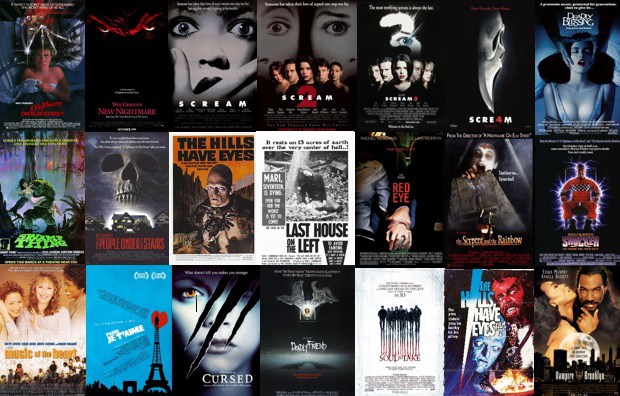
When horror films are analyzed for their greatness, the genre of slasher films is never included in the mix. We always turn to the more complex artistic thrillers such as Dracula, Rosemary’s Baby, the Shining, and An American Werewolf in London in order to present the hallmarks of horror. Some of the very few remarked-on slasher films include Halloween and Psycho, renowned for their complex relationships with their mother, calling homage to Freud’s Oedipus Complex.

But interestingly enough, despite the fact that slasher films are almost never remarked on in film academia (other than to be criticized for their garish nature), they are a major source for parody and imitation. While that may appear counter-intuitive for the genre being taken seriously, the fact that it is so imitated and parodied does say something about where slasher films lie in the horror genre.

Let me explain my argument by first studying the core or slasher films. Slasher films are exactly what the name “slasher” entails- violent murders, heartless serial killers, predatory chases, and other such forms. There is hardly room for the deep psychological thriller aspect, more focused on providing the gore and grotesque. The slasher film’s goals are both to make the audience laugh at the almost cartoonish nature of stable character archetypes and feel uncomfortable by the homage to basic and “savage” animal behavior- not just in the killer, but also among the good guys as well.

What do I mean by that? Well, from what I’ve seen, characters return almost to their basic human instinct-ignoring morals, ignoring civilization, all of that. It becomes merely an act for survival, the play on fight or flight, with airs of sexuality and other such basic functions.

As I’ve also mentioned before, as well, is that the characters in the slasher films have pretty stable archetypes, even as the plots change. They rarely ever change, making it easy to imitate not just for other slasher films, but for parody films as well. It also becomes easier to carry out in sequels and remakes, as expectations for complex characters among the audience is rather low. That’s why you can have a whole series such as Saw or Nightmare on Elm Street.

But where does the impact factor come in, other than imitation? Well, I’ve recently read a piece on slasher films that remarks that students of folklore or mythology will be able to tell you how slasher films are the epitome of oral history. Their archetypes, their diverse and interchangeable story lines, and the accumulation of sequels and imitations all reflect the story patterns of oral history and stories. No telling is exactly the same, and sequels are invited because there is not set story to finish. Because of this, pop culture can take slasher films and go to the moon and back, creatively adding their own takes for the sake of both horror and comedy. This in turn leaves a greater impact on the audience. We start to associate horror with aspects of the slasher, because we see it imitated and extended so much through pop culture, not just in films, but in TV, social media, and other such forms of media. Of course we won’t forget the other types of sub-genre within horror, but we identify and associate more with the slasher.

It’s not just because of their capacity for imitation that we remember the slasher genre so well, however. We also remember it because the genre does get quite creative, without having to be so deep and layered. Chucky and Nightmare on Elm Street are both remembered as horror classics for not just their slasher nature but also their creativeness. Chucky only had two sequels, and yet we remember the first one the most because of it’s take on killer dolls-something that hadn’t really been considered in horror film before. Almost the same goes for Nightmare on Elm Street-despite its numerous sequels, it takes the audience to a place that hadn’t been considered for horror films before- your own dreams.

Slasher films can get just as creative as its other horror counterparts, and leave just as much of an impact. The only thing is, because of their seemingly blunt and gruesome nature, they are sidelined by academics, who either consider the genre beneath them, or just see the genre as part of a “murder fetish”. Slasher is not given the light of day it deserves.

My Takeaway from the Jake Paul Series

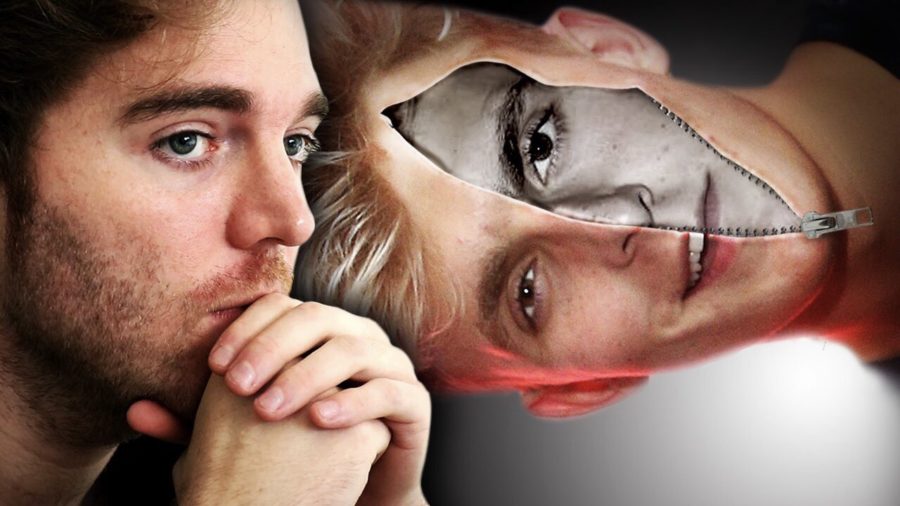
If you’ve been involved in the Youtube world, then you would know that a few days ago, Shane Dawson wrapped up his eight-part series on Jake Paul. The series ended in an almost two-hour long finale, a good 90 percent centered around the final interview that Shane had been building up to throughout the series.

Despite my qualms about the second episode, I watched the series in its entirety. I will say that while I admire the amount of research Shane went through, approaching multiple different people that were involved in Jake Paul’s life in order to get their perspectives, I have to say that in the end, Shane let his bias show a little too brightly.

Not in the sense that he ignored that Jake Paul is a sociopath (which he’s not), but in the sense that in the end he went a little too light on calling out his past. He did ask about the assault case, the cheating situation, and other such things that people had been wondering about. He provided advice on what Jake Paul should do, to which the latter figure seemed enthusiastic to accept. But the interview as a whole was a little underwhelming. Shane promised that the interview would allow no mercy, and spent the whole series making that promise, but when he got to the actual interview, I couldn’t help but be bored. I sat there, constantly checking how much time was left, wondering when the harder questions were going to come in. In the end, I felt that we weren’t given what we were promised, because Shane learned to like Jake Paul.

And, to be honest, I did feel some sympathy towards Jake Paul. Throughout the show, the strained and frayed family dynamic came up, which provides some insight on who Jake Paul is behind the scenes. His Dad raised him to believe it was okay to act like this, and his brother did some awful things that would mess with someone. Working with a father and brother, as well, is also very dangerous, as it blurs the line between work and family. It can destroy families.

There’s also the fact that Jake Paul holds himself in a toxic situation, living in the Team 10 house and almost never taking a break. Even his girlfriend can sense it, and wants them to move away so that they aren’t constantly in the limelight. That kind of situation would mess with anyone.

And yet, at the same time, I hesitate to sympathize. The situation between Alyssa and Jake still makes me wonder, especially as some aspects to each side of their stories holds differences, making it difficult to believe one person or another. Shane never fully fleshed out the situation through third-parties without bias, adding a sense of dissatisfaction and uncertainty. The uncertainty makes me hesitate.

Also, despite him being in a messed up situation, we can’t ignore the fact that Jake Paul has done some crappy things. There were bad choices he made outside of the ones discussed in the series, and they were choices that he made. Of course, college males can act as dumb as him, but being an influential figure, especially with a demographic of kids 8-16, he needs to know better. And I’m glad Shane pointed that out, cause in certain ways Jake didn’t seem to understand the amount of influence he actually had on kids. Constant merch plugging, his music, and pranks, his talk against school, all of that can leave an impact on a kid, shaping their views. He didn’t seem to understand that.

Now, in the end, Jake promised to change things. But words don’t mean anything if no one acts on them. I want to see him act on it, and the best way I can imagine that being is taking an extended break from Youtube-possibly even moving back out to Ohio. To think on himself and his actions, to come back and change his content. I won’t believe the guy until he’s actually presented the social sphere with his change, and possibly moved himself into a situation where he has a break from the chaos. While I do hope that he does improve, I will only believe it when I see it.

The Haunting of Hill House-Paranormal or Just Metaphor?

Beware: Spoilers

Recently, Netflix released a 10-episode series known as The Haunting of Hill House, inspired by the original novel by Shirley Jackson. The show doesn’t center around much of the original plot, however. Rather, it centers around the Crain family (making them the center focus rather than a distant detail), and their troubles in an after the house.

The Crains initially buy the derelict manor in order to flip and sell it, so they could afford to build their own dream home. As time goes on, however, strange things begin to occur around the house, culminating in a “final night” that causes them to leave in a hurry. This night, and life in the house in general, slowly comes together in bits and pieces seen through “character focus” episodes. There is the long-standing mystery of what exactly happened the “final night”, which is solved at the end, but the viewer can’t help but notice that a complex and frayed family dynamic is at the forefront.

Now, throughout the series, there is plenty of the paranormal. There are obvious ghosts, hidden ghosts, even the crazy imagination ghosts. The show lets you know that yes, this is a horror story, making some freaky designs and figures. The ghosts do follow the adult Crain children around, affecting some more than others (Nell and Luke experience the paranormal the most, Steven and Shirley the least). The house has a certain quality about itself as well, seemingly alive and possessive, taking over the minds of Olivia Crain and Nell Crain, and protecting itself against attack. There are multiple levels to the paranormal in this show, providing an especially ghoulish aspect.

In Nell’s episode, however (named the “Bent-Neck Lady”, after the main ghost that haunts her), all this comes into question. Unlike the other siblings, her episode is rife with mental stability issues, as she deals with sleep paralysis, trauma, and anxiety. The youngest Crain’s stable life is ripped out from under her with the death of her husband and a switch to a new therapist. From then her mental health declines rapidly, leading her to enable her twin’s drug addiction and have an argument with her visiting sister. The episode culminates with her returning to the Hill House and committing suicide via dreamlike state , leading to another interesting twist. In the moments before she hung herself, she realized that she had a noose around her neck and she was standing on the edge of a staircase, and got confused and scared. In the moments after, the viewer realizes that she was the “Bent-Neck” Lady, having haunted herself the whole time.

The episode, which works as the halfway point of the series, explains how Nell ended up dying in the house. But it also hints at how the mother, Liv, died in the house as well. Both Luke and the father Hugh blame the house for “killing” Nell and Liv, despite the fact that both were suicides. This could be explained: Nell went into a dreamlike trance, seemingly led by the house into putting the noose around her own neck. As for Liv, she starts seeing ghosts that convince her to kill her family to protect them. From what, is unknown. It’s easy to argue that the house does contain some supernatural capabilities, actively influencing Liv and Nell to their final moments.

However, notice who the house seems to affect. Liv came into the house with an unknown mental illness, marked by migraines that she would get periodically. Her condition was only exaggerated by the fact that Hugh didn’t get the proper help for her, unable to because of stigma against mental illness that plagued the time period. The old house started to get to her, leading her to have sporadic and “possessed” behavior, leading up to her death.

As for Nell, she was also mentally vulnerable, having suffered from trauma and anxiety since she was as young as 6. She was also more prone to being “influenced” by the house, and only was really affected by the house when she was in her most vulnerable state. Luke also, sits in a vulnerable state, and was more prone to being affected by the house due to his struggles with drug addiction.

Also, it can’t help but be noticed that most of the paranormal occurrences occur when the family is divided, following the hill house. Which begs the question-is it really paranormal? Or is it all just a metaphor?

Well, we don’t really know. You could go either way, but you can also say it’s a mix of both. There are shared paranormal experiences among the family, adding a more solid paranormal experience. At the same time, there are individual experiences that are especially tied to mental illness and especially trauma, which solidifies the hypothesis that it’s all a metaphor. All-in-all, it’s never fully explained. Although the cast does like to relate to the metaphor theory, especially as the family is so dysfunctional and traumatized that it would make a great amount of sense.

The Haunting of Hill House is actually a very good show. While it does have its corny shots and moments, it is one that provides multiple layers to its horror, making it perfect to watch in time for Halloween.

The Problem of Shane Dawson’s “The Mind of Jake Paul”

The Internet roared when Shane Dawson announced that he would make an eight-part documentary series on the controversial Youtube star Jake Paul. Dawson had been known for making “DocuYoutube” series on other controversial figures (including Tana Mongeau and Jeffree Star), but this person, known for several strings of awful behavior, was a step too far. Dawson did announce that he would not be lenient or forgiving to this person, and that he was making the series to analyze why the younger Paul brother behaved in such a way.

With the release of the first episode, all seemed well enough. Within the first few days the episode got 15,000,000 views, a viewing higher than some of the most popular TV shows on air. The controversy arises in the second episode however, when discussing the idea of sociopaths, as an attempt to analyze if Jake Paul qualifies as a sociopath. This controversy centers mostly around the psychologist he meets with and the framing of a sociopath.

Now, here’s a few details on a sociopath. A sociopath classifies under antisocial personality disorder, mainly marked by superficial charm and an inability to regard moral or social standards. Sociopaths lack the ability to relate and sympathize with others, and often learn to mimic behavior by studying how other people react. They usually have poor behavioral/impulse control, and often need high amounts of stimulation. Sociopaths, which is the extreme end of antisocial personality disorder, affects about 4% of the population, or 3% of males and 1% of females.

Now, sociopaths aren’t inherently bad people. They often do things that are considered bad or callous because they lack the capability of understanding them. Oftentimes, however, sociopaths are confused with psychopaths, who are dangerous, as they share some similar traits. This creates a massive stigma against sociopaths, a stigma that oftentimes prevents people from getting help or living a relatively normal life.

Now, here’s where the Shane Dawson controversy comes in. He frames the description of a sociopath with scary music and themes, making a sociopath appear more like a serial-killer psychopath. He also makes it seem like a sociopath is some born horrible mental illness, rather than being a personality disorder born out of deep childhood trauma. He reinforces a stigma around mental and personalities disorders, which is ironic, given his history or eating disorders and depression. He has been open about his mental health issues, so to cast a disorder that people can’t help as something scary on such a mainstream platform only boosts the stigma against mental illness and personality disorders.

The second controversy comes in the fact that the psychologist he was talking to began diagnosing people. Any undergrad student who is serious about becoming a psychologist or psychiatrist can tell you that a therapist is not supposed to diagnose people. A therapist’s main job is to help guide someone on their own journey and let the person discover themselves, or have testing done in order to get a definitive answer. They are not supposed to sit there and tell you what they think you have. Any therapist who does so is not a good therapist. The fact that she was labeling Jake Paul as a sociopath without having ever met him is bad practice (also, her implication that all Youtubers are sociopaths with Narcissistic tendencies is kind of ridiculous). She only fueled the fire of placing sociopaths in a bad light.

Although Shane has apologized for this move in subsequent videos, the fact that he even did it in the first place for ambiance was just poor taste.

How I Can’t let some Books go

I read a lot of books. More so when I was younger, and had a lot more time to read around school, but that doesn’t stop me from buying potential books to read.

As a result I’ve invested my time and energy into many books, both good and bad, and even some okay. The good ones I usually keep in my room, and the bad ones usually go to the sad and lonely shelf in the middle of a hallway in my house. Trust me, there’s plenty of bad and okay books on that shelf. But hey, when you read a bunch of YA novels, you’re bound to run into many bad ones before you find a good one.

Most of the bad books I’ve read I’ve already forgotten. However, there are a few series that I just can’t let go. This might be because of the fact that among the bad series, there was a good book that I actually enjoyed. Usually this would be the first or second book, getting ruined by the third or whatever else book (In the Mortal Instruments, it was the opposite: I thought the first three books were decent enough, but liked the fifth book the most). Two series that exemplify the above for me are Hunger Games and A Court of Thorns and Roses. I thought the second books in both series were the best, but I didn’t much appreciate reading the third book, to put it politely.

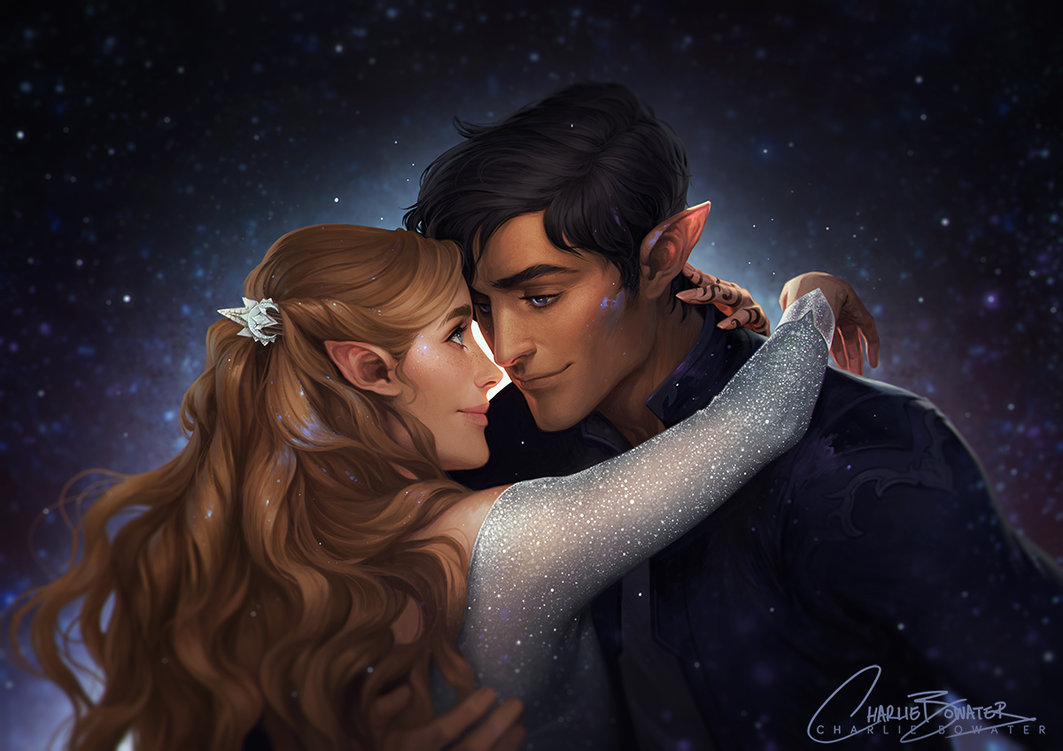
But if only one or two books were really exceptional to me, why do I still cling onto its fandom? Well, I’m usually reminded of the series when I see fan art or something else of the sort. It gives me a sort of nostalgic feeling, and makes me want to re-read my favorite parts of the books I liked. It keeps me hooked onto the fandom, even if merely grabbing the barest shreds so I don’t get too invested in the culture again. Fandom culture has gotten pretty toxic over the years, and I don’t like to involve myself much in them anymore. Discussing their evolution will be saved for a different time, however.

As for the fan art, it’s not just any old fan art. It’s usually drawn by artists I follow, who happen to have read or currently read the same books as me. When I see their interpretation of certain scenes or characters, I am redrawn to those books, even if I haven’t touched them in over two or three years. I blame nostalgia and the familiarity of the characters. My brain recognizes the characters and clicks, triggering a sense of desire to pick up the books.

Art Credit @ Charlie Bowater

How Movies and Memes have made me Connect Art and Music

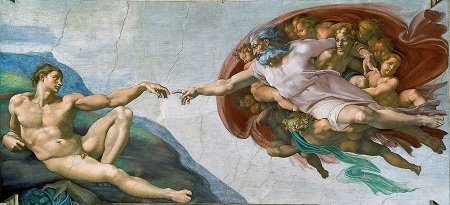
As I was walking through the National Museum of Art in Washington DC, I couldn’t help by hear constant genres of old music (Classical and Medieval), as I walked through the impressively European artwork. While hearing the music for so long (I spent hours in there), I was reminded of the time of when I was in other museums (in Rome, LA, San Francisco), and each time I heard music that I had subconsciously connected the artwork to.

There are only two reasons why this has occurred. The answer: movies and memes. Why these two? Well, I could argue that shows have also helped, but they gained their inspiration from movies and documentaries. Movies and documentaries often connect the old European art to classical music, Native and Polynesian art with traditional flute music, and so on and so forth. Documentaries are really to blame for this, particularly art and culture documentaries, pairing famous artworks alongside music that just gets stuck in your head.

However, it’s not just documentaries, as I mentioned earlier. Movies, too, sometimes only vaguely related to the artwork, can have music that can pop into my head, despite not even being in the same country (in some Roman churches, the soundtrack to Disney’s Hunchback of Notre Dame kept playing in my head). For some reason, my mind connects one to the other, and there’s no way to get out of it. And I’m certainly not the only one.

But where do memes come in? Well memes, the epitome of how people process pop culture and politics in the name of humor. These can take shape in the form of pictures, videos, and just about any other digital medium that you can work with. While sometimes art is used to make clever historical memes (there was a period of Washington painting memes that flooded my dash), the gifs and videos are what really get me.

Oftentimes the gifs are attached to some dumb song or another, and the videos are edited to have music in them. So rather than classy music binding itself to art in my mind, its dumb music that makes me smile or crack up. It’s dumb, but my mind seems keen on connecting my memories to the present, something I’m certain all of our brains do. Brains like to do stuff like that, especially when we get a first glance at famous works via pop culture. Sometimes it’s kind of nice, and other times it’s not.

Awful Teen Romance: How to they Maintain Popularity?

We’ve all at least heard of the genre, whether through the Twilight Saga or some other poorly written teen romance novel/movie. It is the soft-core version of the adult romance novels, whose only big difference is the loads of descriptive sex scenes. The genre is generally known as being poorly written and grossly centered around a most certainly unhealthy romance, and yet it still maintains a decent-sized reader base. How does this happen? Most importantly, who is still reading it, and why? Well, There’s a few different answers to that question.

While the popularity of the teen romance genre has certainly dropped sharply from it’s heyday in the late 2000’s, it still persists in young adult literature. In fact, it not only exists as it’s own genre, it also exists as a sub-genre, and makes an appearance in just about every piece of young adult literature.

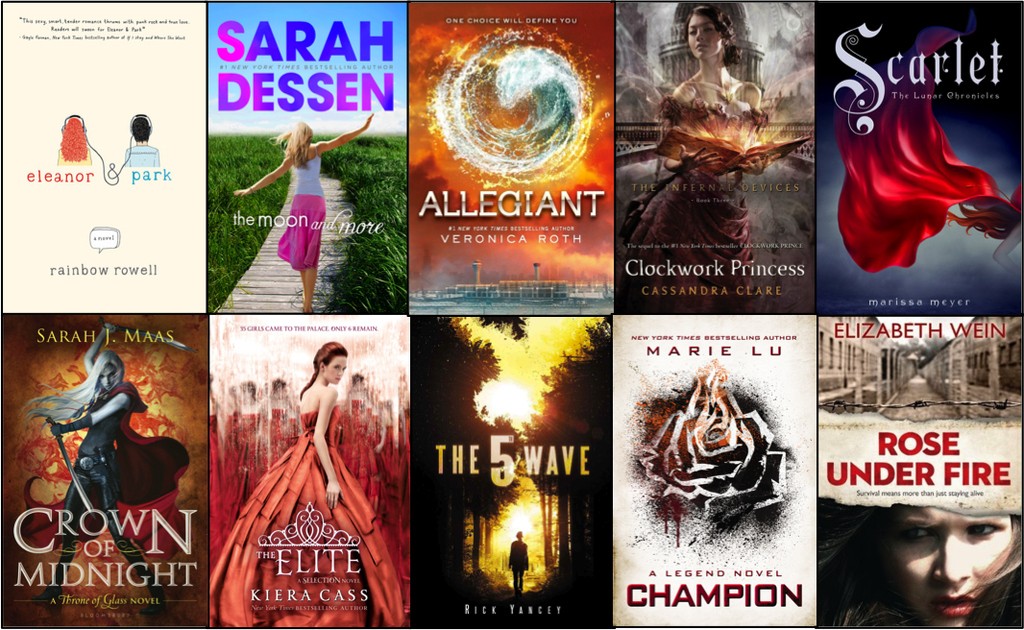
You see, while there are the obvious books where the main plot is very much about romance (like the Iron Fae, Fallen, and Eleanor and Park), I’d have to say around 97-99% of all young adult literature has romance as a major story line, even if it isn’t the main one. Which, isn’t too unusual: plenty of adult books have some form of romance in them. The only issue here is that it’s always the same romance, and it is just like the ones found in purely romance novels. I’ve mentioned in a post before talking about the typical “unusual” female protagonist and her male counterpart. That’s basically the story here. It’s always a modest but stubborn, brash, inexperienced (romantically, sexually) girl that is supposed to be a “feminist symbol”, paired with the sarcastic, arrogant, and experienced guy who represents all the dangers of an abuser. But it’s okay, because the guy is secretly a sweetheart who hides behind a shell because of his “broken” past. Literally, this is almost always how it is. When it’s not, it’s shockingly refreshing.

The only issue is, young girls fall for it every time. I fell for it when I was a young teen, also. Why? Well, everyone wants that romance that’s destined to be. At least, when you’re young. As you get older relationship goals get much more realistic (sometimes). But as a young teen with no experience in dating, I didn’t really know what I wanted. I wanted to be that protagonist who kicked butt and got the guy of her dreams. Which, makes sense. When a romance that would in real life be abusive gets romanticized in the novels, everything about the guy seems angelic. It seems attractive, and it’s fictional, so you can get insanely invested without being classified as a stalker. That’s how they get you.

It’s not just young girls, either. I have an aunt that is way too invested in trashy teen romance novels, and she’s certainly not alone. There are plenty of middle-aged mothers who read these kinds of books. Why? Everyone needs an outlet. Whether it’s watching TV, running, drawing, or reading, everyone has to find something. But what about teen romance novels attracts so many middle-aged mothers? Well, I can’t say for sure. Mostly because there’s several theories, that can’t truly be proven by asking them. One is dissatisfaction in marriage.

Dissatisfaction is probably the biggest theory, because usually it’s the most accurate. Women who find themselves in positions where they’re not happy in their relationship, but not too unhappy where they’ll get a divorce, will turn instead to the cheesy teen romance, wanting to imagine themselves young again, being swept off their feet by a dreamy young man. It seems the most reasonable, and least far-fetched, especially when paired with the fact that in the US, there is a 40-50% divorce rate among first-time marriages.

Another theory is they use it as a form of escape. Not just from an unhappy marriage, but from being a middle-aged adult all together. Why not? Use the main protagonist to see yourself as a teen girl in her action-fighting prime, no kids, no job, no taxes to worry about. You want to escape to a fantasy world, especially one where the guy promises to do all the “hard work” for you. What a bargain, right?

Either way, the trashy teen romance genre maintains a solid base from both middle-aged mothers and young girls, and will continue to, as long as it pervades the young adult genre. Which, doesn’t have to be a bad thing, so long as the toxic depictions of the main protagonists gets wiped out. I’m tired of seeing the same male and female protagonist again and again.

Demi Lovato, and the Trials of Rehabilitation

On Tuesday night, singer and former Disney Star was found and admitted to the hospital on assumed drug overdose, after a night of partying with her friends. Fortunately, she has survived the overdose, unlike so many other recent stars that suffered the same fate. But unfortunately, this surprise overdose has come at a shock to many, who had previously believed Lovato to have been sober for a long time.

Well, that is if you didn’t know about one of her newer songs, titled “Sober”, proclaiming her sorrow over her relapse after six years. It was released a month ago, shocking fans with the line “I’m not Sober Anymore” appearing so prominently in the chorus. Her relapse and hospitalization, and the deaths of so many other celebrities, tell of the struggles of overcoming addiction and staying sober.

So, what happened with Demi Lovato? Well, even before finishing her days with Disney, she had fallen into a cocaine and Xanax addiction, to which she eventually went to her first time for. However, she relapsed not long after, and has said in her documentary Simply Complicated that “I hadn’t been ready to get sober” when talking about her first time out of rehab (2017). Not long after, she went to rehab again, this time with a more committed attitude. By the time she became a judge on X-Factor in 2013, she had started living in a “sober” apartment, one with other recovering addicts as they adjust back to living independent lives.

In 2017, Demi Lovato made the aforementioned documentary Simply Complicated, where she documents her struggle with not only drug addiction, but also her bulimia and bipolar disorder. She opens all to her fans, inspiring millions with her heart-felt truth.

In March of this year, Demi Lovato celebrated her sixth year of being sober with a tweet reading “Just officially turned 6 years sober. So grateful for another year of joy, health and happiness. It IS possible.”

With her openness about her struggle and fight for sobriety, many looked up to her as a role model, seeing the image of successful rehabilitation. But with the release of “Sober”, the image of a sober Demi came to a screeching halt. The song revealed that she had relapsed a few months prior to the song’s release, and that culminated into her hospitalization on Tuesday night. Her story is a classic, but sad one, one that happens all too often.

I understand that the idea that Demi Lovato relapsed after 6 years might seem bizarre. The longer you spend without drugs, the less you’ll want them, right? Well, if that was the case, then how was Carrie Fisher found with substances during her autopsy? She may not have died of overdose, but the fact that she did have drugs in her system after being sober for so long does say something.

You see, trying to stay sober doesn’t work with time. It’s a constant battle, one that continues throughout a former addict’s whole life. You see, when you’re an addict, three major parts of the brain are affected: the basil ganglia (positive forms of motivation), the extended amygdala (deals with stressful emotions and thoughts), and the prefontal cortex (deals with decision making). All of these are the most important for fighting addiction, and are also the most affected.

Particularly with cocaine, this comes as a result of a surge of natural neurotransmitters released as a result, disrupting the normal recycling process for the brain. When it suddenly has to function again, it begins to crave that rush. When a person gets stressed, it begins to crave that rush. The brain is complex but lazy, and when faced with problems, it will immediately want what is easily accessible to it. The person has to have a strong enough will to fight the craving, and is not always able to do so.

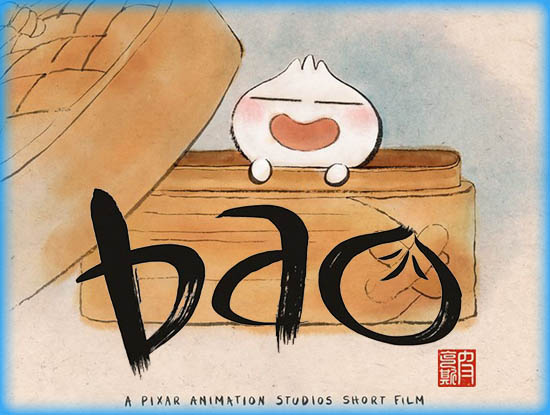
A Month After the Controversy: My Opinion on Pixar’s Bao

Once again coming after all the drama has settled, I have decided to put my two cents in on something. I saw Bao a month ago with my friend, and didn’t think much of it initially. But then all the drama rose and fell surrounding the short, with confusion arising over some aspects of Chinese culture. Is the short worth all the drama? Let’s take a look.

I am going to divide this into three sections: the pros, the cons, and a look at the whole controversy. I’ll try to pinpoint some significant cultural aspects that some people might not understand when looking at this. The analysis here is based off of my opinion, but I’ll try to be factual. This will be spoilery, so if you haven’t seen it and want to, watch out.

The Pros.

What I like the most about the story is the overall message. It was short, and got its story line out without any words. The animation was cohesive and colorful, all the characters being soft lines and not sticking out against the little dumpling child. Everyone was plump and round, and each character was distinctive in characteristic.

I honestly thought the film was a heartwarming tale. I am not quite certain what position the mother is in, but based off of the experiences of my friends’ first generation mothers clashing with them, I imagine there is some influence in there. She clashes with her son, who she sees as acting too far out against her, with the dumpling being a metaphor for her relationship with her son. It really was a powerful portrayal. The short portrays fracturing and reconciliation within a family, with a mother being initially unable to accept her son leaving. It is a story thousands of families face- and it does a decent job at it.

Overall, I thought it was short but had a good story to tell. It was well-animated, and was much better than the last Disney-related short I had to sit through (I’m looking at you, Frozen). I got invested, without needing twenty minutes to do so. It was cohesive and smart, without needing actual dialogue.

The Cons.

I have mentioned that Bao does a decent job at telling it’s story. But it’s not perfect.

The biggest con I can think of for this short is that fact that it relies very heavily on the use of metaphor. Which, works for adults and people who have a concept of metaphor, but not so much for children. In order to explain this, I have to go a little into the plot of the short.

Now, as I mentioned, the dumpling child is a metaphor for the woman’s relationship with her son. She raises the dumpling, but as he grows older he gets more rebellious and distant, eventually trying to leave her. Well, as a resolution, the woman eats the dumpling. Then the son, who looks like the dumpling, steps in from there.

Not bad, right? Well, the problem arises with the fact that most, if not all young children, will not connect the dumpling child as mirroring the son, without really being real. To them, they would see the dumpling child as different, and would think that she actually just murdered a dumpling person. Which, when you think about it, might put kids in distress. And it did-there were reports from audience members of some kids being distressed enough to cry from the scene. The reliance on metaphor is something that most kids-at least the ones that were anything like me-would simply not understand. It’s one flaw, but it’s a big one.

The Controversy.

Now that I’ve given my take, let’s take a look at where the controversy comes from. The short itself was directed by Domee Shi, and was influenced by her experience with Chinese immigrant parents in Canada. And as you can see, you can see the struggles that arise between the mother and the bao as the dumpling grows up and wants to leave and have independence.

How is this a problem? Well, from my friend’s experiences (Korean and Filipino) with their immigrant parents, and from some research, I find that the family and household are very intertwined. The child is not expected to leave the house and suddenly have a career at eighteen-which presents it’s own set of problems in the West-, but are actually expected to stay in the household past eighteen. The family is central, with three or four generations sometimes living in a house together. This idea comes at odds with American culture, especially for the children of immigrants who are surrounded by that culture. It often causes a strain in the relationships (as I’ve seen with some of my best friends and their parents), as the clash in culture causes arguments.

Now, because of my witnessing of these experiences, I am familiar with the cultural clash, especially in Asian immigrant families. However, there were quite a few people (mostly white Americans), who didn’t understand what was happening. This is where the controversy starts. There was an explosion of arguments, as people who didn’t understand the nature and context of the short began social media arguments with people who understood the short all too well. This caused calls of racism and ignorance, when I have to say such sayings might have been a little uncalled for.

Because of social media and the fact that huge portions of the US and Canadian populations live in large, diverse cities, we often forget that there are people who don’t know the experiences of immigrant families, nor understand the context of Asian culture versus Western Culture. When informed, people will grasp it, but when people don’t understand, a pivotal scene like the woman eating the bao would not make much sense. It would just seem like an overreaction to an argument, rather than an important moment that permanently changes the relationship of a family.

Does this mean we should have “dumbed down” the scene for people? No, not at all. While I do think some of the comments I saw were just people who were genuinely confused and not ignorant, I do think some people took advantage to stir up a huge controversy. I don’t think the short should have stirred up that much controversy, but I am not in a position where I understand all sides.

YA Novels and the Curse of the “Unconventional” Protagonist

Note: when I say “unconventional”, I don’t mean diverse or unusual protagonists: I mean that they are slightly different variations of the same thing. The “unconventional” protagonist always has a similar appearance and an identical attitude, no matter the genre or book. I call them a curse, because they are usually the markers of a bad book, even for ones that had the potential to be good.

Now, the curse of the “unconventional” protagonist. had been a huge part in the young adults novels of my teenage years. It was practically everywhere; the same pale short girl that’s never a brunette, who isn’t “conventionally beautiful” like their mom.

Their main staple is their lack of curves, making them look like twelve years olds (when they’re adamantly sixteen). They have seemingly messy or bland hair, usually an unusual color, and they are always pale. They’re not conventionally attractive, but they have pleasant features, making them appealing to their main love interest. They look like their mothers, but their mothers, being taller, are somehow much the most gorgeous people to walk the face of the Earth, while they’re “cute”. Dressing nice or scandalous is taboo; modest clothes all around. They’re almost always useless and cause more trouble when they do involve themselves, but they’re stubborn, and never take the blame for anything they’ve done.

Almost every young adult book I read, the protagonist can best be identified by what I said above. It almost never changed (the big exception here is the Hunger Games, which featured a non-white woman who was tall and useful) and always had the same outcomes. It caused a lot of serious issues with how I perceived things during my teenage years.

Of course, I wasn’t about to charge into situations I knew I wasn’t useful in. In fact, the stubborn and useless factor actually got on my nerves. It even got to the point where I’d skip entire portions of books if I knew the protagonist was about to do something insanely stupid because “they’re not a useless child”. What really hurt was my perceptions of myself and romance.

My appearance heavily contrasts from the typical main protagonist; I am tall, I have olive skin that tans really easily, and I have dark brown eyes and hair. I lean more on the conventional side of attractiveness, in that I don’t look like a twelve year old. As a teenager, this made me very insecure about my features. I wanted to be like the main protagonists (before I realized how much of a stupid idea that was). I wanted to be short, and pale, and curve-less. I wanted unusual hair and eye colors. You may think that’s stupid, but when it’s all you see in the books you read, it doesn’t seem so stupid. At least, it didn’t seem so stupid to thirteen year-old me.

Girls that I look like get constantly trashed in comparison to the main protagonist, getting written off as sluts and mean girls who are insanely preppy and stupid. At the same time, the books with the “unconventional” protagonist gets pushed as “beneficial for all girls”, despite the obvious bashing of “conventional” girls. When that idea is getting shoved down your throat all the time, it really starts to affect how you see yourself. They’re extremely damaging, and can psychologically affect girls as young as ten to see themselves in a negative light. Worst part is, most won’t even realize until they’re practically adults, if then.

Now, I have seen improvements in the YA genre. I have noticed a growing diversification in main protagonists, which is quite refreshing. But the curse is still there, and it still maintains a presence. A weakening presence, but a presence. It needs to be targeted, and stopped once and for all.

The Negative Effects of the “Pure” Trend

I can say that the “pure” trend, a trend where people look for anything and everything to try and argue that some form of media is “problematic” in the efforts of finding the “purest” media, started around 2014. It initially started as a way to avoid promoting people who did shady things, but then evolved and grew much worse, leading to people who follow the trend trying to exaggerate non-real issues in order to say why and otherwise piece of good media was actually awful. The “pure” trend is unnecessarily nasty, attempting to ruin actually good or progressive media.

The most recent case of this was Brooklyn 99Brooklyn 99, which was marked for its genuinely funny humor (and social progressiveness), came under attack for being centered around a police force, which “media purists” argued made the show awful. They discouraged people from watching it, arguing that because it was about cops, it was promoting police brutality (what?). Fortunately, their attempts actually backfired, with people calling them out for trying to ruin a good show.

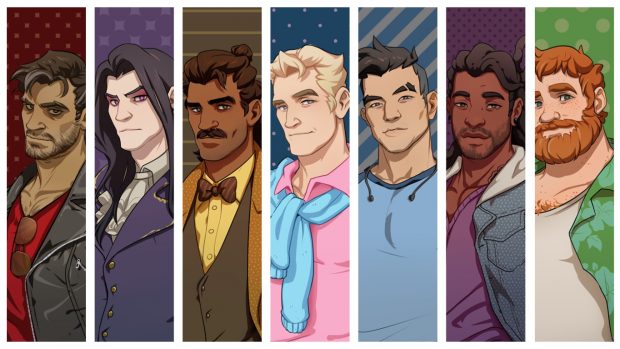
Unfortunately, this wasn’t the case for a few other examples, particularly Dream Daddy. The game, which is a male dating sim where you have the option of dating many fathers. It was diverse and cute, and it was harmless. However, “purists” jumped on the fact that there was an unused ending for one dad, a priest, where he ran a cult, saying that that ending was homophobic. They extended that assumption to say that the whole game was homophobic, and that the creators, a group called Game Grumps (known for their Youtube channel) were terrible people that deserved to be permanently boycotted. While the game’s popularity did resurface quickly, it took an initial hit, fading to the shadows as the “purists” continued to blast the game.

If you couldn’t tell by the examples, the “purity” trend doesn’t center around conservative Christian values. It’s rather based from the social justice warrior values, the radicalized form of progressiveness. In these values they look to ruin everything to find the most perfect media, which assumes that human beings can be perfect, and any flaws they might have ruin their image for life. These people jump on the idea that someone’s problematic past (in the case that they changed and became better people) makes them unable of redemption, which only reinforces the idea that people can’t change. It completely ignores people’s human nature and variance, placing them in an unachievable position of having to be perfect, always. It’s simply unrealistic and damaging.

How 13 Reasons Why and Twilight Aren’t so Different

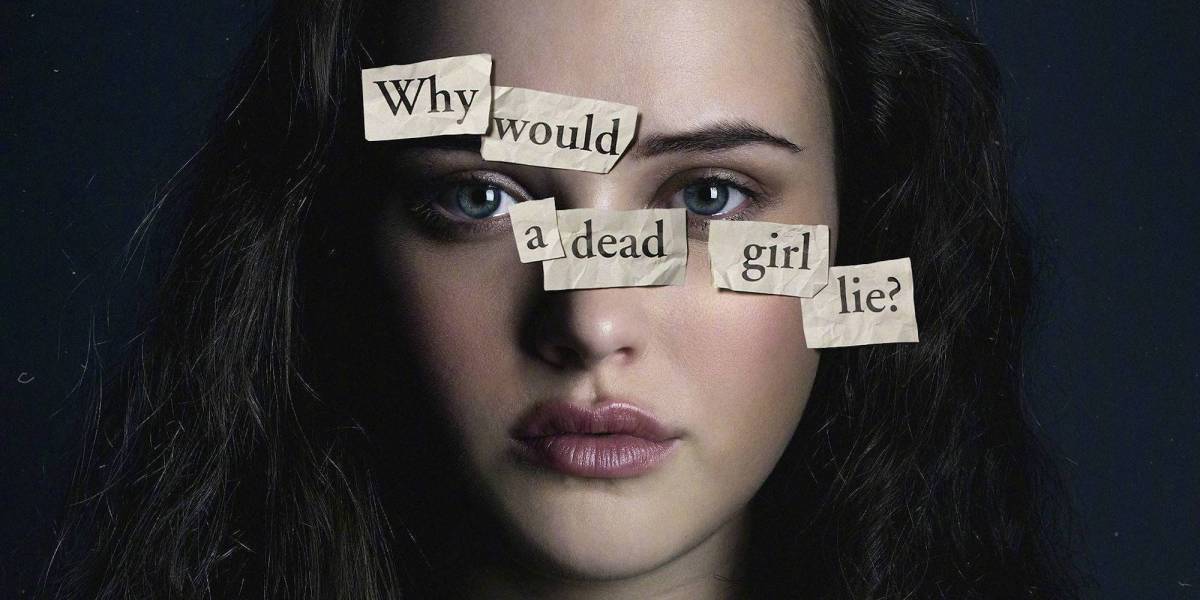
The last thing I wanted to see when I went on Netflix a week ago was a trailer for 13 Reasons Why Season Two. Just by watching the first five seconds of the trailer, I already knew the new season was probably worse than the first one, if that was even possible. But I wasn’t about to waste my time by watching it to find out.

Continue reading “How 13 Reasons Why and Twilight Aren’t so Different”

The “Sick Cute” of Harajuku

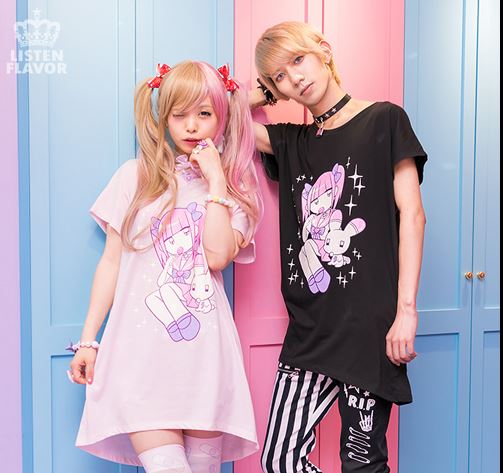
Harajuku is widely renowned for its pastels and vibrant appearance. Started in the town of Harajuku, Japan, the fashion subculture had grown constantly and evolved since the 1970s, becoming the cutesy couture that inspired Gwen Stefani’s Harajuku Lovers perfume, promoting both happy and negative feelings through fashion

Within the last few years, however, a new side to the negative Harajuku has arisen, one that projects a much darker message, despite still being cute. Yami Kawaii (which literally translates to “sick cute”), is a style that on the surface appears cute and mildly sarcastic, but deeper down portrays a more sinister appearance, with violence and gore in pastel colors and cute appearance.

Although it mostly centers around humor, there is another layer to Yami Kawaii that is tied to why it is gaining popularity- menhera, or “mental health”. This side seems to be epitomized by the character “Menhera Chan”, who looks cute and kawaii at a glance, but wears telling bandages on her wrists and a razor blade in her hand. It contrasts itself with cute characters and soft colors against self-harm and medication, drawing attention to variance in mental health and conformity, while still being holding the Harajuku charm.

The menhera side of Yami Kawaii has gained much traction among the youth for its point in tackling the taboo topic of mental health in Japan, where any disorder from depression to schizophrenia is heavily stigmatized. In Japan, mental health is often seen as a sign of a character flaw such as weakness or bad temperament, rather than as a result of biology or genetics. It is seen as the person’s fault for having a mental disorder, and they are often singled out in a crowd. In a 2013 study by Sosei Yamaguchi and Yuta Aoki, it was discovered that a whopping 61% of employers would never hire someone with mental illness, and 75% of respondents answered that it was okay not to rent a room to someone with mental illness.

As a result of this stigma, plus high pressure to do well and succeed, Japan has the sixth highest suicide rate on the planet, and the bizarre phenomenon of people working themselves to death. The nation even has an infamous “suicide forest” (Aokigahara), where a high rate of suicides occur. With all that in mind, it seems odd that Japan is practically silent on the issue. Yami Kawaii aims to break that silence, by pushing discomforting images to the forefront of their fashion. Will it break the silence on mental health? Well, nothing is for certain. But it is gaining greater traction, both in Japan and abroad, drawing attention to Japan’s silence. So we’ll see.