KPop is Now in the West, and it’s Here to Stay

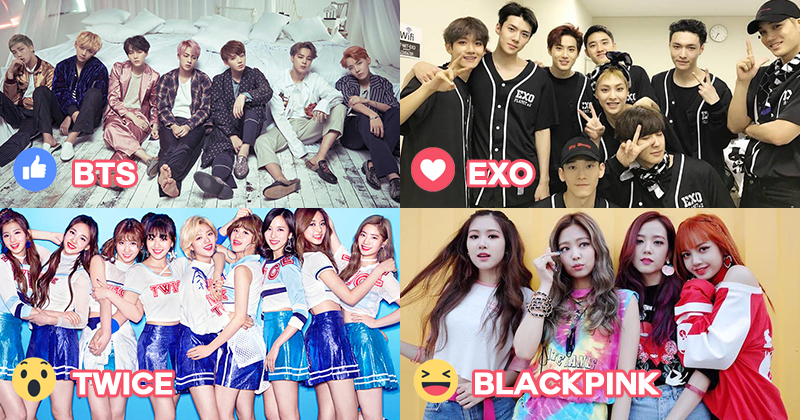
The Western pop culture realm was severely shaken up when in 2017 BTS was nominated for a Billboard Music Award, and won. They were the first Korean artists to get nominated for a Western Music award, and were met with a mix of both excitement from their fans and confusion from the general populace. Social media was flooded with questions about who BTS was, and why/how they got nominated in the first place.

Two years later, and Kpop has not only exploded in popularity, but is slowly melding its way into Western music. Artists such as Steve Aoki, Nicki Minaj, Jason Derulo, and Dua Lipa have collaborated with some of the most popular Kpop groups, mixing both Korean and English in a way that had only previous been done with Latin music. Just last week Jason Derulo came out with a song and music video featuring LAY and NCT 127, the former being a Kpop singer and the latter being a Kpop group, called “Shut Up, Let’s Dance”.

Kpop is working its way into Western music, though at a much slower rate relative to the explosion in popularity among Western audiences. The rapid growth in fans of Kpop is rather astonishing, as in just a few months the rate of Kpop fans have skyrocketed, and social media interactions with Kpop groups. For both BTS’s and EXO’s twitters, the rate of interaction with the accounts by fans beat expected interactions by a longshot in 2018, beating out top western artists such as Beyonce and Justin Bieber.

Kpop groups have even made their way into Western advertisements, as BTS has both been on the cover of Billboard magazine and modeled for Vogue. The most popular female group at the moment, Blackpink, just appeared on the cover of Billboard magazine as well, having some of the highest amount of streams on Spotify. Their latest song “Ddu Du Ddu Du” also has topped 695 million views on Youtube, making it one of the most listened to Kpop songs globally.

Kpop is pushing its way into Western Music, and, at least for the time being, it’s here to stay. It’ll be interesting to see how Western music awards, particularly awards such as the Grammy’s, will adapt to the rising popularity of Kpop. Will it add a category specifically for Kpop, which they did for Latin music? Or will they simply meld it in to the preexisting categories, as what occurred with BTS this february? It’ll be interesting to see where the next few years takes us.
Good Shows Don’t Always Need Multiple Seasons

Everyone would love to see their new favorite shows have multiple seasons. It’s a natural desire: when people become attached to a show and its characters, they want to see more of it, and want the story to continue. Even though I’ve fallen for this trap myself, I can’t help but look at some shows and think “it really would be fine by itself.”

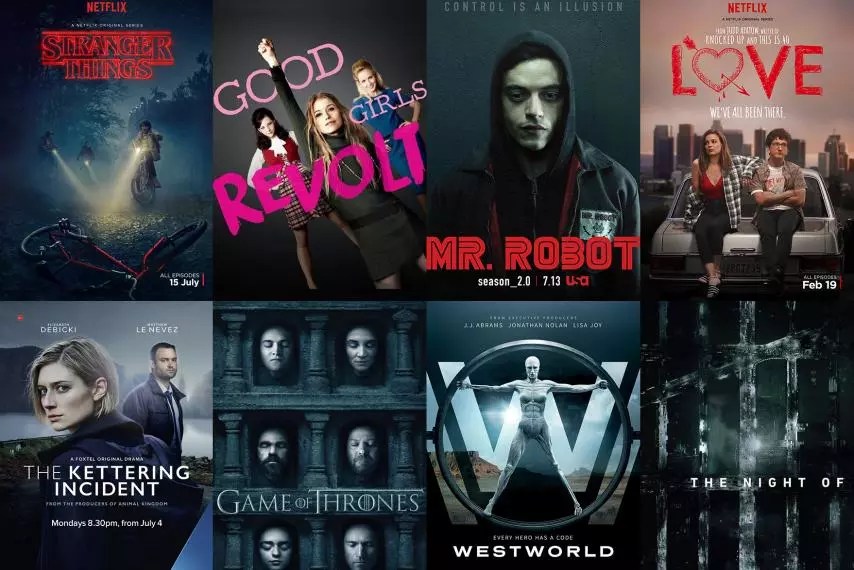
What do I mean? Well, let’s look at Stranger Things. The show, which was a knock-out when the first season came out, had a popular second season, with a third on the way. I have to say that the second season was pretty good. But I, and at the time a lot of other people, thought that Stranger Things would have been perfectly fine as just one season. Why? Well, I thought it wrapped up its arc pretty well. Yeah, there were hints that the show wasn’t over yet, and yeah that there were still things to resolve, but overall I thought it wrapped up pretty well. Honestly, if you had just cut out the Will Byers bit, then you could have ended the show right then and there.

And it’s not just Stranger Things. I’ve seen other shows where I found that the first season wrapped up everything pretty well, and didn’t need anything beyond it. Of course, however, when something is popular enough, the company who made it is going to want to milk the show for all it’s worth. They’ll make season after season, until people lose interest and the show loses money. Which sucks, especially when it was a show you actually liked at the beginning (yes, I liked Supernatural when it was in its prime).

But it’s not only that. Sometimes, when another season is added, it can seem awkward and out of place, especially when it’s working off the old plot. Or directors and writers change, causing characters to change as well, sometimes for the worse. People notice when the character starts acting different, even if it’s a subtle difference. This all sets the second season at a disadvantage, as it not only would have to make the story line from the first season flow, but also maintain what was so great about the first season. It would have to lie up to its predecessor, and when its predecessor was perfect by itself, it’s nearly impossible to.

Now, I’m not saying that just because a show has a good first season that nothing should ever follow. There are plenty of shows that make their following season/seasons just as good as the first, for the most part. As the show starts hitting seasons 9 and 10, then things become tedious. I’m just trying to say that not every show needs a sequel, especially when the first season did such a good job at finishing itself.