The Ironic Existence of Lolis and Shotas

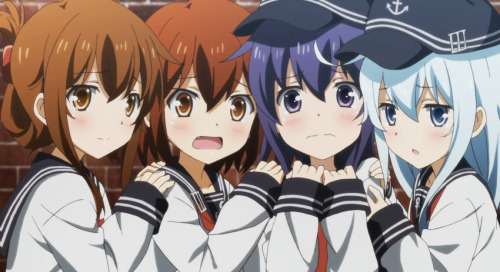
There is a subcategory within anime and manga culture that has an interesting, and even controversial, existence: lolis and shotas. It is a category that pertains to both males and females, portraying either gender as little children, despite them being full-blown adults. Lolis, or girls that have the appearance of being cutesy and prepubescent, are much more common than shotas, which are the male equivalent. They have two aspects of them, one that makes an appearance in normal anime and manga, and the other, which makes an appearance in the genre known as “Not Safe for Work”, or NSFW.

The former aspect, one in which lolis and shotas make appearances in normal anime and manga, are much tamer, but still controversial. They are usually immortal beings, although they can also be eighteen+ year olds, mostly to add comedic humor. Although, it doesn’t help that usually lolis are sexualized, being child-like or innocent in appearance, but scantily clad in small armor. But say they’re a child and they’ll insist that their actually 1000 years old. The biggest example I can think of is the Fire Emblem character Nowi. Nowi is a 1000 year old dragon in scant armor (literal bikini armor with boots and a cape), that looks like she’s 12 years old. It makes romancing her with anyone rather bizarre and kind of uncomfortable, just as it is strange to romance any of the shotas in her game (Ricken and Donnel).

However, this isn’t to say it’s always the case. There are a few lolis that are normally dressed, or dressed in oversized clothes to emphasize their cuteness (the scantily clad nature doesn’t apply to shotas: they are normally dressed from all the cases I’ve seen). Sometimes, the lolis are fully-dressed, making them seem more normal and not sexualized. Usually, though, the loli is dressed in a way that is clearly catering to male fans, and is very much sexualized.

This sexualization plays heavily into the second aspect that lolis and shotas play in: HentaiHentai is the anime equivalent of porn, which I mentioned is the NSFW aspect. In this case, lolis and shotas are sexualized alike (of course with the lolis being more common), sometimes being left alone, and sometimes being altered to be more sexual. The lolis especially, will sometimes be given insanely large breasts (we’re talking the length of their body), in order to add some sexuality, while the rest of the appearance stays the same. Shotas are often feminized, too, making them appear as submissive, while the other partner is much more adult-looking and dominant. In either case, both lolis and shotas are most often set as adults. Not all the time, however.

So, how are lolis and shotas ironic? Well, they’re usually adults, with child-like appearances. They insist that they are older, but promote an almost pedophilic image, without explicitly being pedophilic. They encourage a dangerous sexualization of young, prepubescent children, especially young girls, encouraging creepy men (and some women) to check out and even follow young girls. The sexualization pervades in the anime and manga community, tainting its media.
How “Daddy” got Popular in all the Wrong Ways

It was a mere six years ago when the term “daddy”, which holds it’s place as a part of the Daddy/Little Girl/Boy kink, broke the scene into mainstream Internet media. Once a niche kink that was relatively unknown, the Daddy/Little Girl/Boy kink became widely known, with much criticism following it. The term “daddy” especially gained criticism, while at the same time becoming a meme within social media. Now it is a permanent fixture, although for many it has ruined the original pure meaning of the term.

But first: what is the Daddy/Little Girl/Boy kink? The kink consists of two consenting partners, in which one, the “Daddy” is the dominating male, and the other, the “Little Girl/Boy”, is the submissive type. It is kind of like age play (where one person pretends to be much younger), except more mature, with the submissive figure playing the “cutesy little kitten” type. The submissive will even address the dominant as “Daddy” in a sexual way, trying to get their attention and be used for sexual acts. There are not that many people in this kink, although within recent years it has gained more traction.

When the term “Daddy” broke onto the scene, it permanently changed how many teens and young adults saw the term. People started to use it in a mock sexual and comedic manner, although it’s innocent beginning for most was tarnished. Even I’ve been affected, and every time I hear the word used in a non-mocking manner makes me uncomfortable.

A few years ago, however, the backlash finally arose against the use of “daddy” in a sexual manner. People wanted its innocent meaning to be at the forefront again, and for its use in a sexual manner to sink back out of existence. Anyone who tried to argue in defense of the kink was shot down by the masses, and it was pushed down.

Going into the modern era, the term is much less common, but still tainted. It is still used as a joke, which keeps it’s dirty meaning from fully fading among young adults, although it doesn’t seem to be presenting itself to younger teens, anymore. But it will be a long time before it’s finally gone.

The Downfall of Greek Myths in Movies

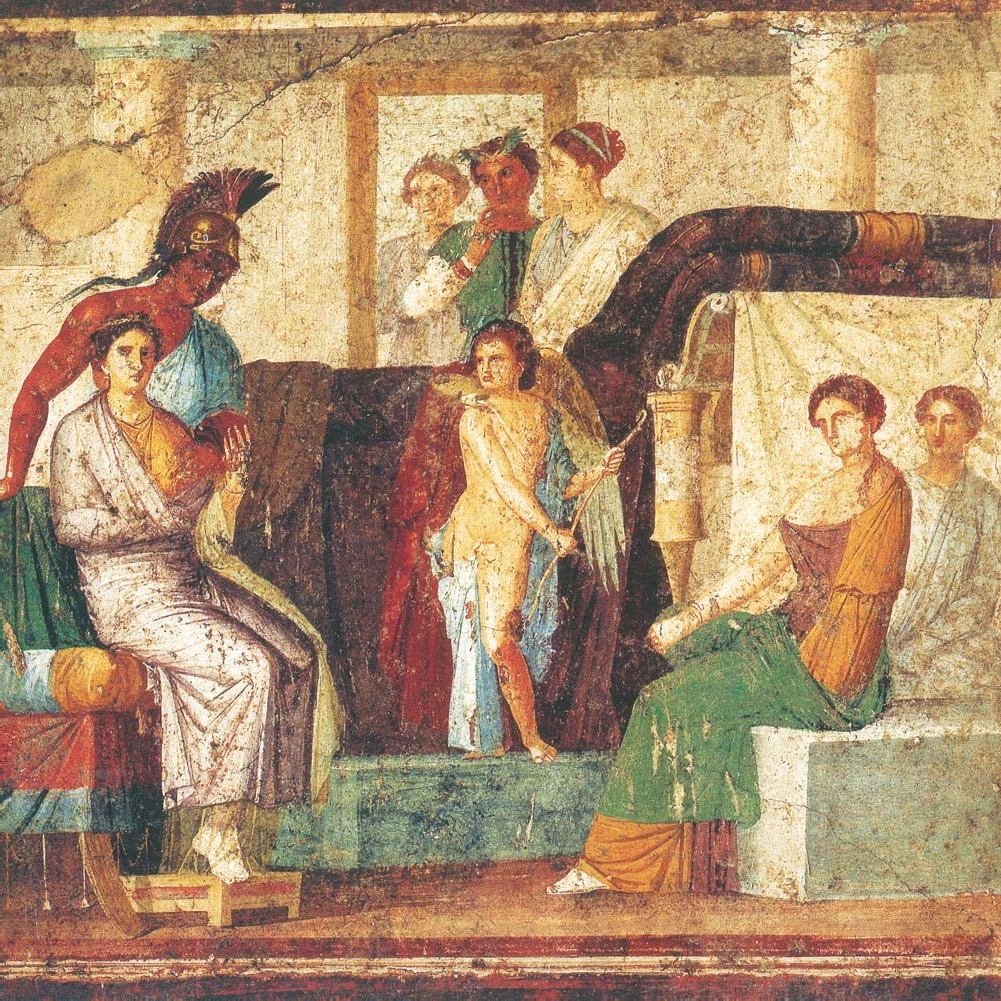
Greek mythology often finds itself in the spotlight of Hollywood films. Usually avoiding the Odyssey, Jason and the Argonauts and Persesus are the most commonly found, although differing interpretations on Greek mythology, like the Percy Jackson movies (although we don’t speak of those), do make appearances.

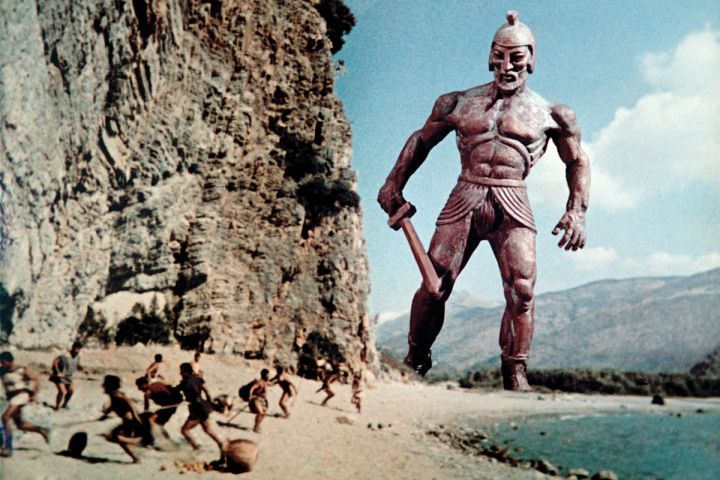
Turning Greek myths into movies found its height from the 1960’s to the 1980’s, when claymation monsters dominated the screen rather than advanced CGI. I can’t knock the use of claymation, however- filmmakers got creative with it, and were able to make it work fairly well. As comical as they look to audiences nowadays, you have to admit that for their time, they were genius moves.

Now, however, Hollywood has lost its way when it comes to showing off the legendary epics. What used to be just portraying the tales as is (with some creative difference, but not much), is now a strange and unsuccessful attempt to make the stories more “original”. They use an excessive amount of CGI, turning the classic mischievous and playful Greek gods into serious and dramatic figures, erasing some of their most bizarre origins and reactions. The myths portray the Greek Gods as divine and powerful but characteristically flawed (they are perfect at something, hence their God status). Movies now simply turn them into perfect but overly angry figures, exaggerating their temperamental behavior.

The legendary figures also find themselves changed, too, turning figures like Jason and Perseus into gritty and dramatic figures, when they show a variety of behavior, portraying a story of morality on a complex hero. In modern movies they are now meant to fight these giant monsters, getting girl while playing a one-note tune of being a one-dimensional hero. The main hero finds himself enveloped under the fold of the typical cliche action hero, completely ruining the point of the original Greek Epic or legend that they appear in.

The aesthetic of the new Greek myth movies also are much darker. Rather than being more realistic of showing an environment like daytime Greece, they show changing skies and darker backgrounds, making the story seem much less real. Of course, they are portraying stories, but compare them to their predecessors; compare the sky, the backdrop, and most importantly, the clothes. The cloths all look Spartan based, rather than showing the diversity of Ancient Greece (which wasn’t a unified country). It all makes seeing the Greek myths on screen that much less popular.

The Genius of Who is America?

Most often the first thing that comes to mind when someone hears the name ‘Sacha Baron Cohen’ is “Oh, the dude from Borat!”. The actor, who has played characters such as Ali G, Bruno, and of course, Borat, gained his permanent recognition after the release of Borat: Cultural Learnings of America for Make Benefit Glorious Nation of Kazakhstan back in 2006. In the film, he duped countless people all across the US, with only a few scenes (such as the kidnapping of Pamela Anderson) being fake. His film gained immense popularity, for both bringing out the honest truth from people, and being hilarious at the same time.

Now he’s back, but this time with a TV show. Taking the role of four different characters (Ricky Sherman, Dr. Nira Cain-N’Degeocello, Billy Wayne Ruddick, and Erran Morad), he goes around to people of a variety of political backgrounds, anywhere from small-town folk to big-time politicians, tricking them into absurd (and sometimes career-ending) situations. This comes into to play when he “teaches” controversial House Rep Jason Spencer Krav Mga, causing the man to shout the N-word and run into him with his bare behind.

Of course, this time it is much harder for Cohen to pull off. With his popularity, more people may recognize him, which has happened in the case of trying to dupe a gun shop owner, who recognized him under all the prosthetic makeup. In another, actually filmed case, part of his prosthetic actually came off, but the couple he was trying to dupe played good sportsmanship and kept running with it. Now that Borat is so recognizable, Cohen needs to use more prosthetics, and be much more careful in how he acts, as to not ruin the joke.

His jokes, however, can be quite brutal, but it’s exactly what the nation needs. He makes fun of both liberals and conservatives, calling out the absurdities on both side, and exaggerating stereotypes in order to confuse and make fun of whomever he’s with. It also shows the audience how absurd people can be, and while some think what he’s doing is too far over the edge, it’s a nice break from the safer political comedy that we’ve seen in the past few years. Everyone else has played it safe, and it’s refreshing to see someone who takes safe and rubs it into the ground.

The best part is, his “offensive humor” is not really all that offensive. It’s how the people take his comments and react that show the ugly side of the comedy. That’s what makes his humor especially genius. He gives people an inch and they take it an run a mile, duping themselves in the process. It leads to some interesting situations (actual police roll up to a ‘staged’ Quinceanera that Cohen had tricked some men into making in order to “trap” illegal immigrants. On a sign out front, he posted their words of what they thought the immigrant would be expecting, and setting up the situation to look like they were trying to lure young girls.

The best part is, he wasn’t the one who came up with the situation: the men were. They thought of what when down at a Quinceanera, and what to do in order to drug and deport any “illegals”. They duped themselves, while he sat on the sidelines. He shows the absurdity of such racism, and how it can easily turn against them.

His form of comedy is, in my opinion, exactly what we need; something brutal and honest, showing the worst sides of everybody in order to get a laugh. And it does, in some cases, show the worst side of everybody (from blatant racists to crazy social justice warriors). No one is safe, and I’m excited to see how the show goes on.

The Popular Myth of July and August

There is a common myth that Julius Caesar and Octavian Augustus added the months of July and August, respectively. But there’s a reason that myth never makes an appearance in any popular culture surrounding the two men: because it’s a myth.

Well, it’s not entirely a myth. But I will get into that later. You see, the months that were added to the calendar that we use today were actually January and February, with February originally being placed at the end of the month. This is thanks to the Roman ruler Numa Pompilius (a Roman king), who decided to make the calendar longer after realizing that the calendar was far too short to make up for the actual year. This comes as a result of the original Roman calendar, which was merely taken from it’s lunar Greek predecessor, was only 304 days long. When Numa added the two months, the calendar got pushed up to 355 days, eliminating the need for adding an extra month(s) just to play catch-up to the rotation of the sun.

So, if January and February were actually the months that were added, where did July and August come from? Well, Before the dictator and emperor came in, the calendar looked like this: January, Martius, Aprilis, Maius, Juniius, Quintilis, Sextilis, September, October, November, December, and February. Can you see which ones were changed? Well, Quintilis wouldn’t be changed until after Julius Caesar’s death. As a part of his divination by the people, Augustus changed the month of Quintilis (which means fifth in Latin) to July, in honor of Caesar’s birth month.

August, however, would be implemented while Augustus was still emperor, with Sextilis being the one that gets renamed. This is in honor of his good emperorship in 8 BC, presented by the Senate. His birth month is not in August, however, but rather September. So why did Sextilis get changed? Possibly to show the sign of lineage. Augustus wanted the month to follow July, as a show of his relation to the popular dictator (he was adopted by Julius Caesar). Plus, since both July and August had 31 days, it would also show his equal greatness to his predecessor.

So, why the popular myth, then? Most likely as a show of the two men’s inflated egos, or even because they were the only two months whose names were changed. No other month would have their name changed (although February would find itself moved to be between January and Martius in the fifth century). Either theory would make sense, although it is difficult to say how inflated the men’s egos were. They were certainly grand, although that might just be because they were Romans (the Romans were quite extravagant and egotistical normally). So, I can’t really say why the myth exists, or why it persists.

Awful Teen Romance: How to they Maintain Popularity?

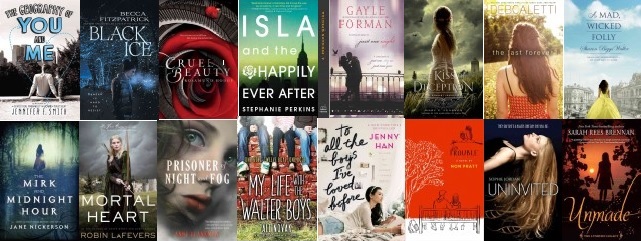
We’ve all at least heard of the genre, whether through the Twilight Saga or some other poorly written teen romance novel/movie. It is the soft-core version of the adult romance novels, whose only big difference is the loads of descriptive sex scenes. The genre is generally known as being poorly written and grossly centered around a most certainly unhealthy romance, and yet it still maintains a decent-sized reader base. How does this happen? Most importantly, who is still reading it, and why? Well, There’s a few different answers to that question.

While the popularity of the teen romance genre has certainly dropped sharply from it’s heyday in the late 2000’s, it still persists in young adult literature. In fact, it not only exists as it’s own genre, it also exists as a sub-genre, and makes an appearance in just about every piece of young adult literature.

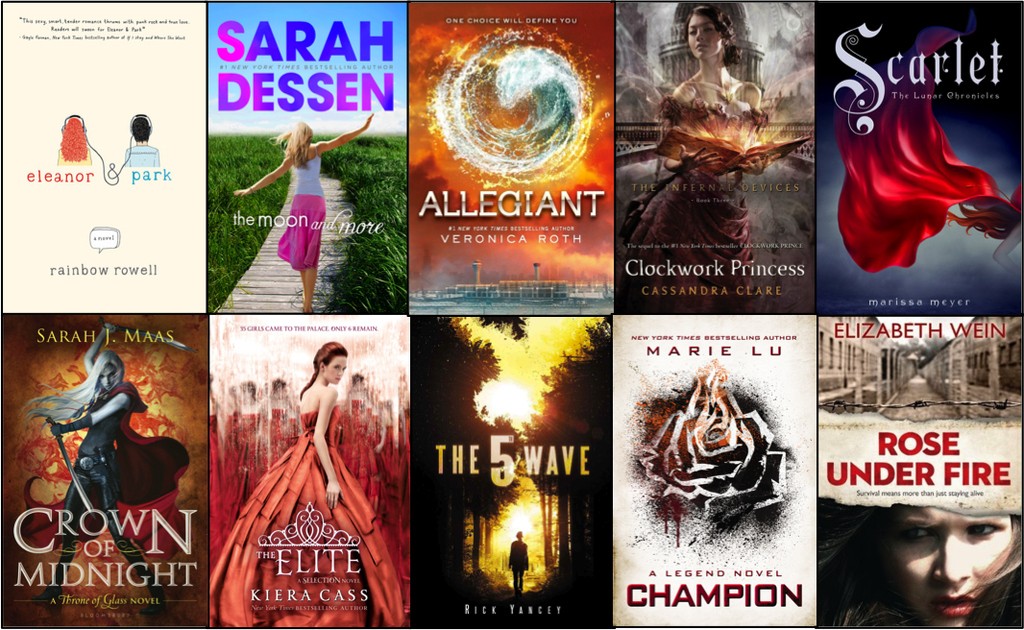
You see, while there are the obvious books where the main plot is very much about romance (like the Iron Fae, Fallen, and Eleanor and Park), I’d have to say around 97-99% of all young adult literature has romance as a major story line, even if it isn’t the main one. Which, isn’t too unusual: plenty of adult books have some form of romance in them. The only issue here is that it’s always the same romance, and it is just like the ones found in purely romance novels. I’ve mentioned in a post before talking about the typical “unusual” female protagonist and her male counterpart. That’s basically the story here. It’s always a modest but stubborn, brash, inexperienced (romantically, sexually) girl that is supposed to be a “feminist symbol”, paired with the sarcastic, arrogant, and experienced guy who represents all the dangers of an abuser. But it’s okay, because the guy is secretly a sweetheart who hides behind a shell because of his “broken” past. Literally, this is almost always how it is. When it’s not, it’s shockingly refreshing.

The only issue is, young girls fall for it every time. I fell for it when I was a young teen, also. Why? Well, everyone wants that romance that’s destined to be. At least, when you’re young. As you get older relationship goals get much more realistic (sometimes). But as a young teen with no experience in dating, I didn’t really know what I wanted. I wanted to be that protagonist who kicked butt and got the guy of her dreams. Which, makes sense. When a romance that would in real life be abusive gets romanticized in the novels, everything about the guy seems angelic. It seems attractive, and it’s fictional, so you can get insanely invested without being classified as a stalker. That’s how they get you.

It’s not just young girls, either. I have an aunt that is way too invested in trashy teen romance novels, and she’s certainly not alone. There are plenty of middle-aged mothers who read these kinds of books. Why? Everyone needs an outlet. Whether it’s watching TV, running, drawing, or reading, everyone has to find something. But what about teen romance novels attracts so many middle-aged mothers? Well, I can’t say for sure. Mostly because there’s several theories, that can’t truly be proven by asking them. One is dissatisfaction in marriage.

Dissatisfaction is probably the biggest theory, because usually it’s the most accurate. Women who find themselves in positions where they’re not happy in their relationship, but not too unhappy where they’ll get a divorce, will turn instead to the cheesy teen romance, wanting to imagine themselves young again, being swept off their feet by a dreamy young man. It seems the most reasonable, and least far-fetched, especially when paired with the fact that in the US, there is a 40-50% divorce rate among first-time marriages.

Another theory is they use it as a form of escape. Not just from an unhappy marriage, but from being a middle-aged adult all together. Why not? Use the main protagonist to see yourself as a teen girl in her action-fighting prime, no kids, no job, no taxes to worry about. You want to escape to a fantasy world, especially one where the guy promises to do all the “hard work” for you. What a bargain, right?

Either way, the trashy teen romance genre maintains a solid base from both middle-aged mothers and young girls, and will continue to, as long as it pervades the young adult genre. Which, doesn’t have to be a bad thing, so long as the toxic depictions of the main protagonists gets wiped out. I’m tired of seeing the same male and female protagonist again and again.

The Rise of Drag Culture

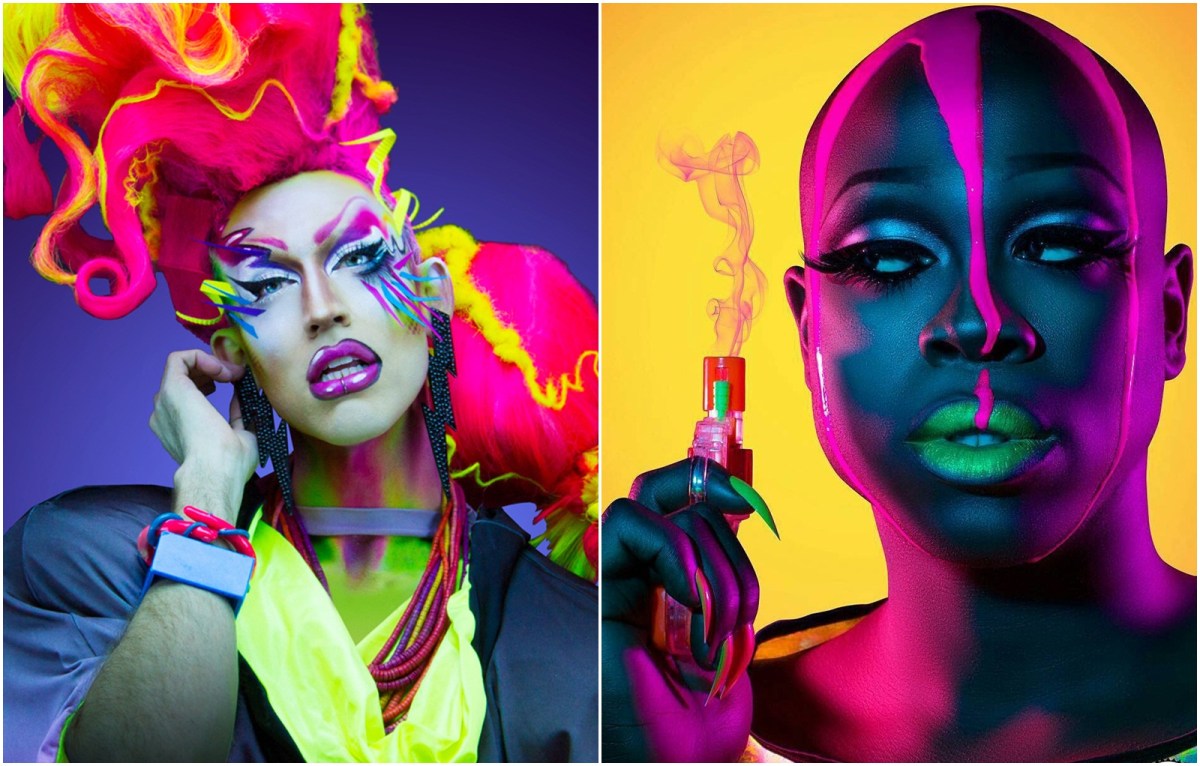
In the US, particularly in major cities, Drag Culture, a subset of the gay culture where (typically) men dress as exaggerated forms of women as a play on gender identity and for entertainment, has grown rapidly in popularity within the last decade. Boosted by the success of Rupaul’s Drag Race, drag culture has faced a resurgence in popularity in pop culture, putting names such as Bianca Del Rio, Chad Michaels, and Latrice Royale alongside Rupaul and Lady Bunny. However, this current rise does not mean that Drag Culture is a new thing. Drag Culture extends far back, much farther than the 1980’s and 1990’s, providing a rich insight into the cultural history of performances.

While the official rise in drag began in the 1870’s, you can look even further back to the times of Greece and Rome, where women were not allowed to act in mainstream performances. Young boys were chosen to play the roles, a factor that continued through the Shakespearean period of performance. This didn’t just exist in Europe, either. In Japan, the famous Kabuki theater historically did not allow women to perform, with the role of those who take the female character being known as the onnagata. They did not have to be young boys, either: they could be all the way into their middle ages, performing the role of a young girl.

The real start for drag culture though did begin, as I said earlier, in the 1870’s. However, they weren’t the iconic LGBT+ performances that we see today. Rather, they were merely men who, wanting to mock women, would dress in exaggerated forms and act as though they were women, representing femininity. The use of drag in LGBT+ communities doesn’t begin until the 1920’s and 1930’s, when the first “gay bars” were established. Members of the queer community could meet there and watch performances, drag included.

Drag Culture would take a hit in the 1950’s and 1960’s, however, as public policy and law began cracking down on the LGBT+ community. In order for a man in drag to not get arrested, he had to wear no less than three articles of male clothing. As a form of protection and activism, the “Imperial Court System” founded by Jose Julio Sarria, came to be. In this system, there was the creation of Drag Balls, a fraternity-type system where “Mother” Drag Queens formed a “house”, taking other drag queens under their wing. These would continue into the modern era, being mentioned by some of the younger queens on Rupaul’s Drag Race.

In the 1980’s, Drag Culture began getting recognized by the general public again (following the LGBT+ Right’s Movement following the events at Stonewall), with prominent queens going on TV shows, movies, and musicals, most notably the role of the Tracy’s Mom in Hairspray being taken by drag queen Divine in the original film. We also start to see the rise of Lady Bunny, being most known for her comedy and DJ skills.

And of course, in the 1990’s, we see the rise of Rupaul. With the release of the hit “Supermodel”, Rupaul changed the Drag game permanently. This would only be added when in 2009 he released the first season of the hit show Rupaul’s Drag Race, which continues to shape the Drag Queen game and allow up-and-coming queens to promote themselves to a massive audience.

Demi Lovato, and the Trials of Rehabilitation

On Tuesday night, singer and former Disney Star was found and admitted to the hospital on assumed drug overdose, after a night of partying with her friends. Fortunately, she has survived the overdose, unlike so many other recent stars that suffered the same fate. But unfortunately, this surprise overdose has come at a shock to many, who had previously believed Lovato to have been sober for a long time.

Well, that is if you didn’t know about one of her newer songs, titled “Sober”, proclaiming her sorrow over her relapse after six years. It was released a month ago, shocking fans with the line “I’m not Sober Anymore” appearing so prominently in the chorus. Her relapse and hospitalization, and the deaths of so many other celebrities, tell of the struggles of overcoming addiction and staying sober.

So, what happened with Demi Lovato? Well, even before finishing her days with Disney, she had fallen into a cocaine and Xanax addiction, to which she eventually went to her first time for. However, she relapsed not long after, and has said in her documentary Simply Complicated that “I hadn’t been ready to get sober” when talking about her first time out of rehab (2017). Not long after, she went to rehab again, this time with a more committed attitude. By the time she became a judge on X-Factor in 2013, she had started living in a “sober” apartment, one with other recovering addicts as they adjust back to living independent lives.

In 2017, Demi Lovato made the aforementioned documentary Simply Complicated, where she documents her struggle with not only drug addiction, but also her bulimia and bipolar disorder. She opens all to her fans, inspiring millions with her heart-felt truth.

In March of this year, Demi Lovato celebrated her sixth year of being sober with a tweet reading “Just officially turned 6 years sober. So grateful for another year of joy, health and happiness. It IS possible.”

With her openness about her struggle and fight for sobriety, many looked up to her as a role model, seeing the image of successful rehabilitation. But with the release of “Sober”, the image of a sober Demi came to a screeching halt. The song revealed that she had relapsed a few months prior to the song’s release, and that culminated into her hospitalization on Tuesday night. Her story is a classic, but sad one, one that happens all too often.

I understand that the idea that Demi Lovato relapsed after 6 years might seem bizarre. The longer you spend without drugs, the less you’ll want them, right? Well, if that was the case, then how was Carrie Fisher found with substances during her autopsy? She may not have died of overdose, but the fact that she did have drugs in her system after being sober for so long does say something.

You see, trying to stay sober doesn’t work with time. It’s a constant battle, one that continues throughout a former addict’s whole life. You see, when you’re an addict, three major parts of the brain are affected: the basil ganglia (positive forms of motivation), the extended amygdala (deals with stressful emotions and thoughts), and the prefontal cortex (deals with decision making). All of these are the most important for fighting addiction, and are also the most affected.

Particularly with cocaine, this comes as a result of a surge of natural neurotransmitters released as a result, disrupting the normal recycling process for the brain. When it suddenly has to function again, it begins to crave that rush. When a person gets stressed, it begins to crave that rush. The brain is complex but lazy, and when faced with problems, it will immediately want what is easily accessible to it. The person has to have a strong enough will to fight the craving, and is not always able to do so.

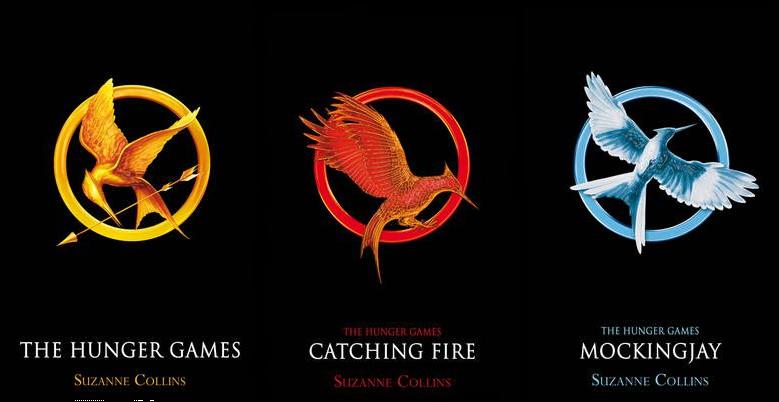
Why the Hunger Games Trilogy Should Have Never Been Movies

I was at the end of middle school when the first movie of the Hunger Games Trilogy was released. At the time, I had thought that the film was a serious let-down, with much of the book’s original purpose ripped out in favor of a “Hollywood-style” interpretation. But that was typical, as most books that were being turned into movies were glamified to fit a dramatic Hollywood action movie. But as the movies continued to come out, I got older, and noticed more issues with the films. By the end of it, I thought the films shouldn’t have existed at all.

Why is this? Well, just the idea of the films existing goes against everything that the books aspired to criticize. The books themselves were about a young woman of color (presumably native, based off her town’s physical characteristics) being inspired by a young black girl’s death to lead a rebellion against the glutinous and overly-extravagant Capitol, the head of Panem (which is the Latin word for “bread”).

Panem is a place where the districts closest to the Capitol are the wealthiest, while the furthest are the poorest (and tend to be people of color). But the Capitol itself benefits off of turning the fight to the death between children into a spectacle, watching their every movement and promoting them as though they were nothing more than TV actors. Katniss and Peeta’s romance gets televised and focused on, and throughout the books you can see they were a point of entertainment and propaganda, working to gain “sympathy” from the viewers. Meanwhile, the families of those that have to fight sit agonizingly, watching their children being brutally murdered for entertainment.

All the while, propaganda in support of the regime was constantly emphasized, with police task forces ensuring the peace. The propaganda is representative of the news media, promoting submission to the regime while broadcasting all the issues with it as a form of “entertainment”.

The Hunger Games criticizes everything that supports the oppressive system, which includes mainstream movie media. This is the biggest kicker for why the movies shouldn’t have existed. It was made by a large company (Lionsgate) which altered the feel of the books in order to show what they wanted with the rebellion, without anyone pinpointing back to the US (or other Western) system as a whole. It degrades the whole point of the books.

Not only that, but their marketing adds insult to injury, by promoting “Capitol-inspired” makeup, merchandise, computer games, all of which trivialize the struggle that book Katniss faces going against. It is using luxury as promotion for something that criticizes this very aspect. This wasn’t just for the first movie either; it popped up again in each of later three films as well.

The original movie made the same mistake the Capitol did: focusing on the romance rather than the violence. It wiped out just about half of the point of the first book, turning instead to make it all about the romance when it should not have been. Of course, this gained massive amounts of criticism by viewers, and Lionsgate made it more subtle in later films.

However, they didn’t change the fact that they completely whitewashed much of District Twelve. Rather than having people with brown skin and hair (as the book describes the majority of the district being), they got “lightly tan” people who had to dye their hair the right colors (for Katniss and Gale). Also, the actress who played Katniss refused to “lose weight” for the part, which also takes out the fact that District Twelve was a heavily impoverished district, and it erases much of the struggle of Katniss’s survival. I don’t mean to say that Jennifer Lawrence should have gotten to an unhealthy weight, but to have someone who didn’t look anywhere close to starving play the part of someone who was supposed to be malnourished is a bit of a stretch. The point of her depiction is to show the horrors that the Capitol caused, not to put the biggest name actress you can as the main role.

As popular as the books got, it would have been much better if they had been left as they were-books. Of course the movies made lots of money, and were insanely popular, but that was because people fell into the trap of the entertainment. As long as it’s not real, it’s okay to see it, right? Well, not if the powerful message of the books just get lost.

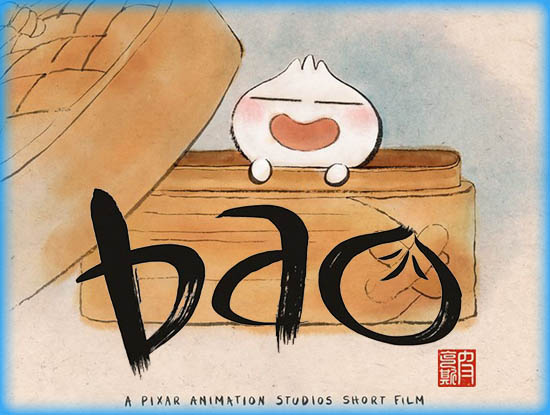
A Month After the Controversy: My Opinion on Pixar’s Bao

Once again coming after all the drama has settled, I have decided to put my two cents in on something. I saw Bao a month ago with my friend, and didn’t think much of it initially. But then all the drama rose and fell surrounding the short, with confusion arising over some aspects of Chinese culture. Is the short worth all the drama? Let’s take a look.

I am going to divide this into three sections: the pros, the cons, and a look at the whole controversy. I’ll try to pinpoint some significant cultural aspects that some people might not understand when looking at this. The analysis here is based off of my opinion, but I’ll try to be factual. This will be spoilery, so if you haven’t seen it and want to, watch out.

The Pros.

What I like the most about the story is the overall message. It was short, and got its story line out without any words. The animation was cohesive and colorful, all the characters being soft lines and not sticking out against the little dumpling child. Everyone was plump and round, and each character was distinctive in characteristic.

I honestly thought the film was a heartwarming tale. I am not quite certain what position the mother is in, but based off of the experiences of my friends’ first generation mothers clashing with them, I imagine there is some influence in there. She clashes with her son, who she sees as acting too far out against her, with the dumpling being a metaphor for her relationship with her son. It really was a powerful portrayal. The short portrays fracturing and reconciliation within a family, with a mother being initially unable to accept her son leaving. It is a story thousands of families face- and it does a decent job at it.

Overall, I thought it was short but had a good story to tell. It was well-animated, and was much better than the last Disney-related short I had to sit through (I’m looking at you, Frozen). I got invested, without needing twenty minutes to do so. It was cohesive and smart, without needing actual dialogue.

The Cons.

I have mentioned that Bao does a decent job at telling it’s story. But it’s not perfect.

The biggest con I can think of for this short is that fact that it relies very heavily on the use of metaphor. Which, works for adults and people who have a concept of metaphor, but not so much for children. In order to explain this, I have to go a little into the plot of the short.

Now, as I mentioned, the dumpling child is a metaphor for the woman’s relationship with her son. She raises the dumpling, but as he grows older he gets more rebellious and distant, eventually trying to leave her. Well, as a resolution, the woman eats the dumpling. Then the son, who looks like the dumpling, steps in from there.

Not bad, right? Well, the problem arises with the fact that most, if not all young children, will not connect the dumpling child as mirroring the son, without really being real. To them, they would see the dumpling child as different, and would think that she actually just murdered a dumpling person. Which, when you think about it, might put kids in distress. And it did-there were reports from audience members of some kids being distressed enough to cry from the scene. The reliance on metaphor is something that most kids-at least the ones that were anything like me-would simply not understand. It’s one flaw, but it’s a big one.

The Controversy.

Now that I’ve given my take, let’s take a look at where the controversy comes from. The short itself was directed by Domee Shi, and was influenced by her experience with Chinese immigrant parents in Canada. And as you can see, you can see the struggles that arise between the mother and the bao as the dumpling grows up and wants to leave and have independence.

How is this a problem? Well, from my friend’s experiences (Korean and Filipino) with their immigrant parents, and from some research, I find that the family and household are very intertwined. The child is not expected to leave the house and suddenly have a career at eighteen-which presents it’s own set of problems in the West-, but are actually expected to stay in the household past eighteen. The family is central, with three or four generations sometimes living in a house together. This idea comes at odds with American culture, especially for the children of immigrants who are surrounded by that culture. It often causes a strain in the relationships (as I’ve seen with some of my best friends and their parents), as the clash in culture causes arguments.

Now, because of my witnessing of these experiences, I am familiar with the cultural clash, especially in Asian immigrant families. However, there were quite a few people (mostly white Americans), who didn’t understand what was happening. This is where the controversy starts. There was an explosion of arguments, as people who didn’t understand the nature and context of the short began social media arguments with people who understood the short all too well. This caused calls of racism and ignorance, when I have to say such sayings might have been a little uncalled for.

Because of social media and the fact that huge portions of the US and Canadian populations live in large, diverse cities, we often forget that there are people who don’t know the experiences of immigrant families, nor understand the context of Asian culture versus Western Culture. When informed, people will grasp it, but when people don’t understand, a pivotal scene like the woman eating the bao would not make much sense. It would just seem like an overreaction to an argument, rather than an important moment that permanently changes the relationship of a family.

Does this mean we should have “dumbed down” the scene for people? No, not at all. While I do think some of the comments I saw were just people who were genuinely confused and not ignorant, I do think some people took advantage to stir up a huge controversy. I don’t think the short should have stirred up that much controversy, but I am not in a position where I understand all sides.

Remakes and Sequels in Hollywood, and How it’s Not a New Thing

The common phrase that pops up when someone mentions Hollywood nowadays is that Hollywood has run out of ideas. This phrase comes up in particular when constant remakes and sequels comes up, mixed with only a sprinkling of original movies. However, the modern situation isn’t new. In fact, it’s not only been an old tradition in Hollywood, but also Nollywood and Bollywood as well.

Ever wonder about all the sequels to Alien, Godzilla, and other films? Not the modern connections, but the ones that go as far back as the 1950’s? The many romantic comedies that came out during the 1950’s and 1960’s? Remakes and sequels have always been a quintessential part of Hollywood, since it’s inception. The sequels in particular, come when a series is popular- Hollywood is a business, and will run with a popular idea until it dries up. Such a tactic is not modern, nor unique. It has been happening.

Remakes, on the other hand, are usually made when a director decides that there is something to be improved upon in the original film, something that can be different. Of course, this choice is not always for the better, as we’ve seen with the remakes of Clash of the Titans and Willy Wonka and the Chocolate Factory. Usually, though, a director or screenwriter wants to improve on the story, and tries to portray their vision of how the film should be. This has worked, even, with the 2015 release of Mad Max: Fury Road. The films were an original series of films in the 1980’s, revamped in order to try an alternative story route, one that actually worked.

On top of the remakes, Hollywood has had a long history of taking from books and myths, despite the modern criticism that Hollywood only does it to get a guaranteed fan base. Characters such as Dracula and Perseus have found themselves on the big screen on multiple occasions in multiple forms, adapting them and re-adapting them to try and make a take on a story or myth unique. Especially from the 1970’s through the 1990’s with movies such as Psycho, the Shining, and Silence of the Lambs, all of which being smash hits, the tradition of bringing books to the big screen is nothing unheard of. Shakespeare has found his most famous play Romeo and Juliet in multiple movie retellings. Hell, just about all of Disney’s 2D animated films are based around different fairy tales (and even some 3D ones, such as Frozen and Tangled). To say that based off the fact that Hollywood makes films from stories and books is the key to showing that it no longer has originality is a farse.

Now, if you’re keen on the international films industries, you might be saying that they’re much more original. Now that may be true in some cases, you will find the retelling of famous stories and legends in Bollywood, Nollywood, and K-dramas. They do the same thing as Hollywood. Plus, they straight up make remakes of Hollywood films as well. Movies such as Resevoir Dogs, the Godfather, Silence of the Lambs, and When Harry Met Sally all have successful Bollywood remakes, and Nollywood is pushing to have a TV show based around Black Panther. To say that they don’t pull the same tactics as Hollywood would be ignoring a portion of their production system.

This isn’t to say that Hollywood is in the clear, however. Large companies often get trapped in the idea of making remakes or sequels, hoping to gain an automatic audience (increasingly without success). They’re trying to play it safe, but that’s clearly not what the audience wants (i.e: the box-office flops of Solo and the Mummy). People want more unique films to come back into Hollywood, and as usual, Hollywood is going slow in its response. Hopefully, however, it does respond soon.

The Art of Time Loop: How a Cliche Genre can be Done Right

We’ve all heard of at least one movie were a guy either is stuck in a time loop of the same day, or decides to mess with time. It’s usually either cause he has to get a certain day perfect, or he wants to meddle with time and then realize he has to fix the mess he’s created. The cliche has appeared at least once every two years, so it’s difficult to say that it isn’t a cliche.

But unlike many other cliches, this one can actually be done right. How is that so? Well, there are unique and creative ways that the main guy can be stuck in the time loop. He usually does it to try and get the girl he’s always wanted, but the re-do doesn’t always have to be about that.

The problem is, Hollywood has never tried to do the re-do as anything beyond romance, which adds to the cliche. You can go so many different routes when it comes to the time loop, even going so far as to main the main character do the re-do to affect someone else’s life, rather than just their own.

The main issue with the re-do cliche is that they almost always involve the guy trying to get the girl he thought he wanted, before coming to the realization that she wasn’t the one. It also always a certain day perfect, either their wedding day or some other big event that is heavily tied to their romantic life. It’s never anything else. Making it about something else would actually make the cliche so clean and refreshing. It’s so easy, and yet the Hollywood industry doesn’t want to take that step. Romance is an easy, audience-drawing theme to follow-why do anything else?

The re-do trope has gotten so similar to itself that it’s not even worth watching anymore. Unless they decide to finally branch out, you can just about guess the entire plot of the movie, with some variance give-or-take. It makes it so overtly bland that it’s almost intolerable.

There have been a few horror movies, however, that have taken the time loop in unique, twisted ways. Movies such as Happy Death Day and Before I Fall have been taking the time loop genre out of its original comedy genre, and planting it firmly into horror. It’s interesting to see, and definitely adds to the suspense of a plot. We’ll have to see where it takes us.

The Adventures of the Bland Male Protagonist

I’ve already written a bit about some of my qualms with tropes and stereotypes of female protagonists in the past. However, I haven’t spent any time to talk about perhaps one of the biggest tropes among male protagonists that irks me: the boring hero.

What do I mean by the boring hero? I mean the guy who is in all the action movies and shows that has the same boring and bland personality and backstory, who always becomes the hero and saves the day. He has nothing unique to offer the viewer except that he’s insanely muscular and attractive (but then that becomes a bit unoriginal when that’s how they all look), and is usually just a gritty tough macho guy. He kicks ass and gets the girl, although he doesn’t really provide anything to make the movie or show worth watching.

What makes them stand out to me even more is that usually they are the least interesting thing about the movie. They are the stars of action movies and shows, the ones who keep the story going, and yet everything around them is infinitely more interesting than them. Their personality is like a black hole-they suck the life out of the movie. Literally.

The Boring Hero is seriously one-dimensional; he has no unique background, and he has no character development as the story goes on. Even the female love interest is more interesting, and she has almost the same cookie-cutter personality as the male protagonist. He never gets fleshed out, which drags what might have been an otherwise good movie or TV show down hard.

The Boring Hero doesn’t provide anything of real value to the movie. They seem to stay in place while the story goes around them, despite being the central focus. And they always have that one grand “epiphany” moment, that changes their course and turns them into a hero, with cool music following in the background. But the epiphany is a quick, fleeting moment that almost never appears again. It’s not even a real epiphany, but rather him deciding to act in the typical heroic manner.

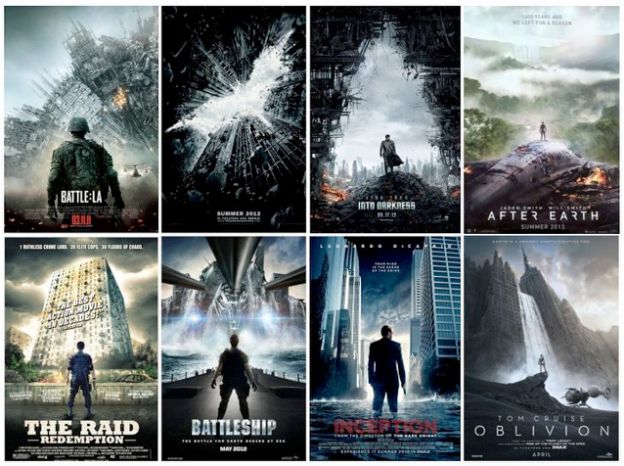
The sad part is, this trope even appears in amazing films. Films such as Avatar have been able to hide the fact that the main protagonist is insanely bland and boring through the amazing visuals and characters around them. But that doesn’t change the fact that the main protagonist is so generic that he just becomes another character that the viewer forgets within a week.

Is this trope dying out? No. It’s still strong and present, coming out in films as recent as Solo. Each time the boring hero makes an appearance, there is always something (very, very small) that is supposed to mark them as insanely unique and deep characters, despite them still being bland and generic. A lot of action films and shows want to try and promote themselves as “unique” and “noteworthy”, without putting any effort to actually flesh out their protagonists, particularly the males. It’s a trope that’s gotten old years ago, and definitely needs to kick the bucket.

A History of the Mouse that Roared

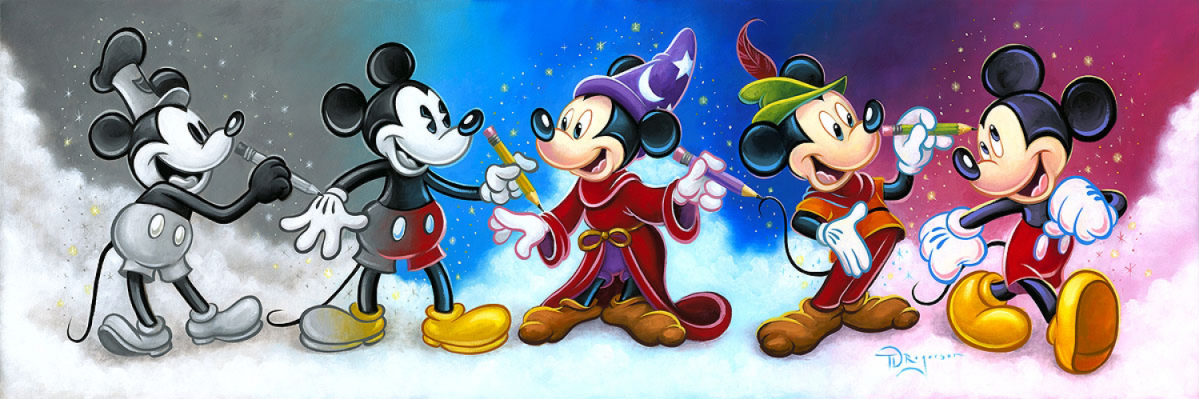
On November 18 of this year, Mickey Mouse turns 90 years old. This mascot of Walt Disney Studios has had a long history, changing from his original form to his current squat and recognizable version. I thought I might provide a little history on this famous mouse, commemorating all that he has contributed to the Walt Disney brand.

Mickey Mouse’s story doesn’t start with himself, however. It starts with a cute little rabbit. This was Oswald the Lucky Rabbit, created in 1927 by Walt Disney when Disney Brothers Studio was just another part of Universal’s animation branch. He was an instant hit, and a star of Universal’s animation sector. However, when Disney met with Universal to negotiate another contract in 1928, he found himself in a position where all his employees had been hired away and the rights to Oswald had been ripped from him. He had been offered to become an employee for a lower salary, but had refused, leaving with loyal animator Ub Iwerks to find a replacement for Oswald.

They made a new character, a mouse, who originally went by the name of Mortimer. But the name didn’t last, and by the time of his debut, he was Mickey.

Now, Mickey wasn’t an immediate hit like Oswald. In fact, his first two shorts drew almost no attention. However, Disney made a big break with the release of Steamboat Willie, the first animation to have synchronized music and sound, on November 18 1928. Within a matter of months, a line of animated shorts appeared, and by the end of the year Mickey Mouse was a national fad. Walt Disney began lining up Mickey Mouse merchandise, and within two years the Mickey Mouse Club was up and running.

Mickey Mouse in his original form was more round, which limited the amount of movement that he had in animation. However, in 1935 animator Fred Moore gave him a more pear-shaped body, pupils, white gloves and a shorter snout, making him more dynamic and cute. This appearance made its big appearance in the Sorcerer’s Apprentice, a musical short that appeared in 1936’s Fantasia.

By the end of the 1930’s, Mickey Mouse had been in dozens of shorts, having starred in countless adventures. His popularity would continue throughout the 1940’s and into the early 1950’s, when major motion films such as Bambi and Sleeping Beauty began to take audiences by storm. With the rise of the “Golden Age” of Disney films came the fall of the popularity of Mickey Mouse. Starting in 1953, Mickey Mouse would be entirely out of commission until 1983, with the release of Mickey’s Christmas Carol.

Despite this decline, Mickey Mouse is still one of the most recognizable animated characters of the 20th and 21st centuries, still maintaining a whopping 40 percent of merchandise sales, and still appearing in popular video games such as Kingdom Hearts. He is the face of Walt Disney, and more generally Disney itself, maintaining a permanent presence. He is a small mouse with the voice of a lion, making himself known wherever he goes.

YA Novels and the Curse of the “Unconventional” Protagonist

Note: when I say “unconventional”, I don’t mean diverse or unusual protagonists: I mean that they are slightly different variations of the same thing. The “unconventional” protagonist always has a similar appearance and an identical attitude, no matter the genre or book. I call them a curse, because they are usually the markers of a bad book, even for ones that had the potential to be good.

Now, the curse of the “unconventional” protagonist. had been a huge part in the young adults novels of my teenage years. It was practically everywhere; the same pale short girl that’s never a brunette, who isn’t “conventionally beautiful” like their mom.

Their main staple is their lack of curves, making them look like twelve years olds (when they’re adamantly sixteen). They have seemingly messy or bland hair, usually an unusual color, and they are always pale. They’re not conventionally attractive, but they have pleasant features, making them appealing to their main love interest. They look like their mothers, but their mothers, being taller, are somehow much the most gorgeous people to walk the face of the Earth, while they’re “cute”. Dressing nice or scandalous is taboo; modest clothes all around. They’re almost always useless and cause more trouble when they do involve themselves, but they’re stubborn, and never take the blame for anything they’ve done.

Almost every young adult book I read, the protagonist can best be identified by what I said above. It almost never changed (the big exception here is the Hunger Games, which featured a non-white woman who was tall and useful) and always had the same outcomes. It caused a lot of serious issues with how I perceived things during my teenage years.

Of course, I wasn’t about to charge into situations I knew I wasn’t useful in. In fact, the stubborn and useless factor actually got on my nerves. It even got to the point where I’d skip entire portions of books if I knew the protagonist was about to do something insanely stupid because “they’re not a useless child”. What really hurt was my perceptions of myself and romance.

My appearance heavily contrasts from the typical main protagonist; I am tall, I have olive skin that tans really easily, and I have dark brown eyes and hair. I lean more on the conventional side of attractiveness, in that I don’t look like a twelve year old. As a teenager, this made me very insecure about my features. I wanted to be like the main protagonists (before I realized how much of a stupid idea that was). I wanted to be short, and pale, and curve-less. I wanted unusual hair and eye colors. You may think that’s stupid, but when it’s all you see in the books you read, it doesn’t seem so stupid. At least, it didn’t seem so stupid to thirteen year-old me.

Girls that I look like get constantly trashed in comparison to the main protagonist, getting written off as sluts and mean girls who are insanely preppy and stupid. At the same time, the books with the “unconventional” protagonist gets pushed as “beneficial for all girls”, despite the obvious bashing of “conventional” girls. When that idea is getting shoved down your throat all the time, it really starts to affect how you see yourself. They’re extremely damaging, and can psychologically affect girls as young as ten to see themselves in a negative light. Worst part is, most won’t even realize until they’re practically adults, if then.

Now, I have seen improvements in the YA genre. I have noticed a growing diversification in main protagonists, which is quite refreshing. But the curse is still there, and it still maintains a presence. A weakening presence, but a presence. It needs to be targeted, and stopped once and for all.