What is Black Friday Really?

While this event is portrayed most often as being exclusive to the US, there are actually over 20 other nations that participate in this event. Every year, a few more countries seem to jump on the bandwagon, as well, as the idea of making more money through providing massive sales is becoming increasingly more appealing to international businesses, despite declining sales in the US. But the US is the birth-land of this event, so I will be focusing on it for the sake of fully explaining what it is.

Despite what most stories have you believe, Black Friday started around 1960 in Philadelphia, Pennsylvania, as hordes of suburban shoppers and tourists would flood the city the day after Thanksgiving to be prepared for the Army-Navy football game that happened on that Saturday of each year. Cops were overworked trying to deal with all the people, and shoplifters ran free, causing the term “black friday” to be pinned to the day.

Black Friday didn’t really take off as a national commercial event until the late 1980’s, when companies took advantage of the name and decided to try and make the event appear more positive. The only problem was, that developed an entire culture around bombarding stores in order to get that early holiday shopping done.

I’ll give you a hint about how that happened: pop culture and media advertisements. Stores began advertising their “Black Friday” deals, pushing to the public that it would be a one-day only sale of a lifetime deal. This happened on TV, radio, anything they could push it to that would gain an audience. And it did.

By the 1990’s, you start seeing depictions of it in movies and TV shows, with whole episodes or portions being dedicated to people trying to go Black Friday shopping, waiting in line or getting hindered for some reason. Even going as far as the mid-2000’s, shows, particularly comedy shows, would frame at least one episode about trying and failing to go Black Friday shopping, or going Black Friday shopping and basically participating in a Battle Royal-type scenario because of it. It became ingrained in US pop culture for a long while, only fueling the drive for Black Friday shopping.

Even now, there are still adverts for Black Friday sales. It gets mentioned on the news, on social media, on Youtube channels.  People make memes about it, we hear news about it (especially from Walmart, who is notorious for having straight brawls in their store).
It still gets talked about and remembered, meaning it will not be going away for a long while.

Revisiting Disney Fanaticism

A few months back, I wrote about some of the world of Disney fanaticism. I had kind of forgotten about it for a while, but was reminded of the world when I not only saw lots of people from back home posting about going to Disneyland (all this weekend, mind you), but also stumbled upon Youtube channels dedicated to analyzing different things about Disney, namely DisneyDan.

I decided to watch some of these videos, particularly the evolution of different character portrayals in Disney parks, and felt very strange. Maybe it’s because of the level of detailed analysis that these people go into (these videos could be 30 minutes or longer). Or perhaps it’s from the fact that almost every time, these people will mention seeing all the performances that the character participates in that they could, plus going to multiple meet-and-greets for that character.

The videos surprised me, and spurred me into researching more Disney fanaticism, namely through looking at fan merchandising. It wasn’t hard to stumble upon a treasure trove. Mickey Mouse ears were everywhere, with so many different themes that it was impossible to find an end. There were also limited edition plushies, clothes, posters, art, just about anything that wasn’t a Disney park itself.

I was surprised by the creativity put into making some of the products (namely the Mickey ears-someone made Dolewhip themed ones), but not at all surprised by the quantity of items to get. I know how far fanaticism can go, although even now it’s still hard to comprehend. I’m fine with getting the occasional plush, and going to Disneyland about once a year; when I see these people go all-in I wonder where their supply of spending money comes from. Disney is expensive.

But let’s revisit the videos I watched, for a second. They’re tied to the money thing, as these Disney analysts almost always mention going out to Disney on Ice, or seeing all the different shows within the Disney park-all that adds up. The amount of personal research (plus, all the Disney history they go into to get a fully fleshed-out story line, is honestly quite impressive. I mean, it’s an interesting topic, but I’m not quite sure I’d be willing to go as much into detail as some of these people. It got me wondering what kind of people they were, centered around their intense attachment to Disney. How much merch did they have, did they have annual passes, do they work for Disney. So many questions run through my mind, ones that I don’t really know if I want to find the answer to. For me, it’s better to appreciate from afar in this kind of situation

The Realism of Detective Pikachu: What I Liked vs. What I Didn’t

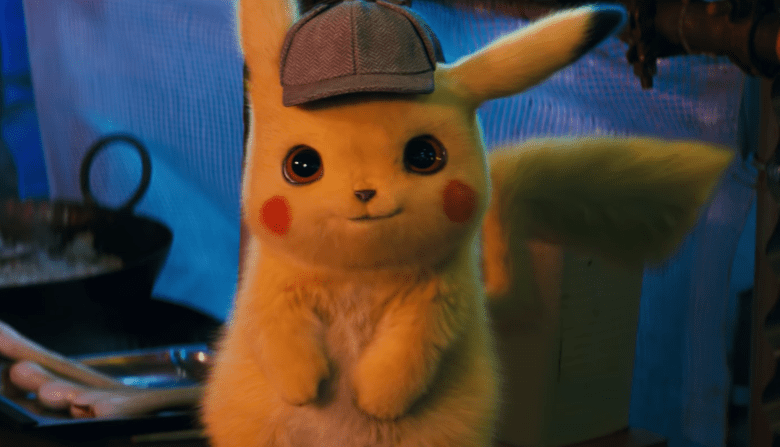
The new trailer for the live-action pokemon film Detective Pikachu dropped this week (completely eclipsing the Toy Story 4 teaser trailer and the Dumbo trailer), leaving fans and general audiences alike with mixed feelings. Some thought taking pokemon to a realistic level helped bring us one step closer to imagining pokemon in our world, while others thought the realism was both weird and unnecessary. I can’t say I lean either way, but I can say that there were some renditions that I liked, and some that I thought were God-awful.

Likes:

Pikachu- I have to say, they did make Pikachu look really cute, though I didn’t quite imagine him being that tall. He looks like his original depiction, but fuzzier, with cute wide eyes and small little arms. Even though his rendition might not be that difficult to transfer to live-action, I still thought they did a good job. I just wished Danny Devito voiced him.

Bulbasaur- In the trailer they have a pod of Bulbasaur crossing a river, and I have to say they all look pretty spot on. They’re cute, they’re reptilian, and I couldn’t find something inherently wrong with their rendition.

Charizard- We only get a quick shot of one trying to eat Pikachu in the trailer, but I thought they did a pretty good job depicting him as a fearsome dragon pokemon (though he is flying and fire type). From what I could tell, they did a good job in translating him over.

Don’t Likes:

Psyduck- There’s nothing exactly wrong, save for the fact that he looks like he’s seen some shit. Which, isn’t exactly an issue, especially as his cartoon form looks kind of the same way. But there’s just something about the live-action version that is just so much creepier.

Mr. Mime- I don’t like his skin. While I wouldn’t like him fuzzy, either, I just don’t like the way his skin is. His face, also, looks like someone took a Teletubby face and slapped it onto him, which I feel looks so much weirder. I never really liked Mr. Mime to begin with, and I especially don’t like his rendition in live-action.

Jigglypuff- Oh boy. What isn’t wrong with this one. First off, he looks almost exactly like this one meme made years before, where someone drew Jigglypuff as more “realistic”, and everyone laughed about how strange it looked. How horrified we were to find a shockingly similar image play in the movie trailer. Everything from his eyes, the tuft of hair, to the body in general just screams off.

The End of an Era with Stan Lee

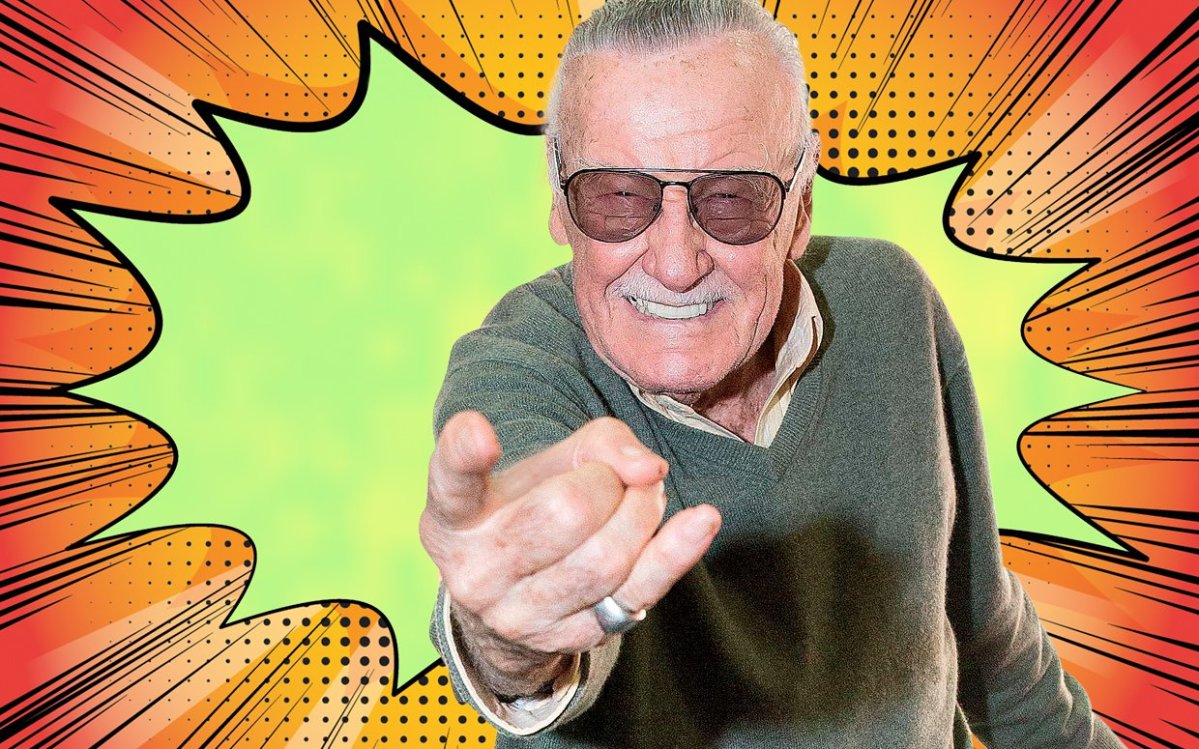
This morning, comic book artist, editor, and publisher Stan Lee passed away, signalling the end of both an icon and an era in the comic book universe. Stan Lee was not just a famous figure in terms of Marvel, but was also responsible for being one of the leaders of comic book and superhero culture, marking his place in pop culture history.

Stan Lee has had a major impact on Marvel comics, creating figures such as the Fantastic FourSpiderman, Thor, X-Men, and Hulk. Stan Lee has also been responsible for multimedia projects and acting as a brand ambassador for Marvel, despite past lawsuits against the companies for appropriate compensation for artists. In 2001, he founded the intellectual property company POW!, and later on received the Medal of Arts honor. He also published his autobiography Excelsior! The Amazing Life of Stan Lee.

Lee also helped build Marvel’s blockbuster brand, inspiring the production of Iron Man, X-Man, Thor and the Avengers. The man was also known for making a cameo in almost every Marvel film, the new Fantastic Four being an exception (to which he had jokingly remarked that that was the reason the film had flopped).

Stan Lee was an important person for pop culture, and his contributions to it will not be forgotten anytime in the near future. He helped spearhead Marvel into what it is today, and his death with certainly leave an impact on the company and the people who follow it. You will be missed.

Brand Adverts in K-Dramas

Brand advertisements in Korean dramas (known as K-Dramas) are rather interesting. Their always in the form of rather obvious product placement, contrasting from other types of shows that I’ve seen (Canadian, American, Mexican, Norwegian, etc.). It is very easy to tell when a brand is being product placed within a show, making it look almost comical.

How does product placement in K-Dramas differ from shows from other regions? All shows have brand advertising in some way, shape, or form, as a show of sponsorship and brand advertisements. Product Placement was even made fun of in the movie Wayne’s World, where they obviously showed off different products while saying that they would do no such thing. So what makes product placement in K-Dramas so special?

Well, because of how obvious it is. When a show has product placement, it’s not just an almost-subtle appearance-it’s noticeable. Let’s take two examples-cars and phones. When a phone (often Samsung, a Korean company) is advertised in a show, it’s usually in the form of all the main characters having the newest version of that phone (or, getting an upgrade to that version, if they didn’t have it before). Old phones are made fun of or remarked on as ‘ancient’, calling attention to the phone. By contrast, product placement for phones in shows from other regions are much more subtle, mostly through a particular character’s (only one) use of the phone for interaction. Not all characters have the same phone (there are some exceptions to this, but they are exceptions).

As for cars, they are like phones, in that all the main characters, if they can afford one, has the same car (just different colors). The cars roll up in a cool-shot scene, practically flexing the brand. These cars are also commented on, drawing more attention to the product, especially their luxurious and sleek look. They are obvious and out there for the audience, letting you know that it is definitely a brand advert.

Now, there isn’t anything particularly wrong with having obvious product placement in K-Dramas. If that’s what gets people interesting in the product, then that’s what works. It’s just kind of funny to see the way in which products are placed in K-Dramas, and how it’s so different from other kinds of shows.

Note: This type of advertisement only really applies to the ones that take place in modern South Korea (which is a majority of them).

Social Media as an Art Form

For some reason, there seems to be a separation between social media and art. Perhaps it’s the connotation that art is in some sense fine, something of both the classics and genius modern artists. Social media, despite its variance, is seen as something that can’t penetrate the realm of art, save for actual digital artists.

I can’t help but argue against that assumption. Well, now I argue against it, but a few months ago I agreed with it. But in taking a class in media forms, a rather interesting and hefty lecture involved social media as art, and how it reaches different audiences. There was so much to say about artistic involvement through social media as a form of unconventional means, and yet there is almost no academic research about it. When you look into it, social media is a form of affecting society on its own, and not through art. To make matters worse, almost all books on the subject are just self-helps on how to use social media wisely. Nothing on the discourse of social media and art.

Why is this the case? Maybe because social media isn’t quite taken seriously as an art form. For marketing, yes, for social movements, possibly. But art? No way.

I think that social media, when used correctly, can be both a bizarre and powerful medium for artwork and social commentary. And I think the most powerful example of that are memes, and the trend known as vapor wave.

How can memes possibly be art? Not conventionally. Modern art is all about the unconventional, challenging the status quo in order to point out the irony and hypocrisy of something going on. Although I heavily question a good portion of modern art and feel that modern artists in themselves are hypocritical/pretentious, I have to admit that there are ones that are insanely clever, particularly ones that are participatory (the audience can interact with the piece). This opens the space for memes to come in.

Memes, despite their apparent stupidity, are participatory forms of art in their essence. They’re images that are edited, via text post or some other form, to whatever the editor dictates. This in turn can cause more people to edit these images, creating a vast network of repetition, solidifying the original image (or figure, artwork, anything really), as a meme. And memes dwell in the world of social media, shared with and by thousands of people. Meme trends are created, and ultimately are archived for anyone who wants to find it.

Memes also, are often very political. They make fun of the current political climate, a particular figure (George Bush, Ted Cruz, etc.), or news that occur. They take the distasteful and turn it on its head for the sake of humor. Memes also can make fun of culture, society, and just about anything, which in itself is a form of art in how creative the variance can get. Memes, despite their ridiculousness, are just pieces of modern art, baby.

Now, what about vapor wave? What is vapor wave? Well, vapor wave was and is a phenomenon where images are layered in a way that appears like a pseudo-meme (the trend did have an origin in memes), attempting to be both aesthetically pleasing and humorous. Vapor wave takes much of its style from the Neo-Expressionist movement, which occurred from the late 1970s to the early 1990s. The Neo-Expressionist Movement attempted to be nonsensical but aesthetically pleasing through layer imaging, but rather than being humorous, it leans towards the more seriously critical. Vapor wave is almost just like that, except digital rather than physical, and funny rather than critical.

Social media is a powerful medium for the production and reproduction of participatory art, all of which goes under the radar of the connotation of “art”. People, without realizing it, are creating forms of art, which is not really considered art by “modern art” standards”, which I find to be an interesting paradox.

Good Shows Don’t Always Need Multiple Seasons

Everyone would love to see their new favorite shows have multiple seasons. It’s a natural desire: when people become attached to a show and its characters, they want to see more of it, and want the story to continue. Even though I’ve fallen for this trap myself, I can’t help but look at some shows and think “it really would be fine by itself.”

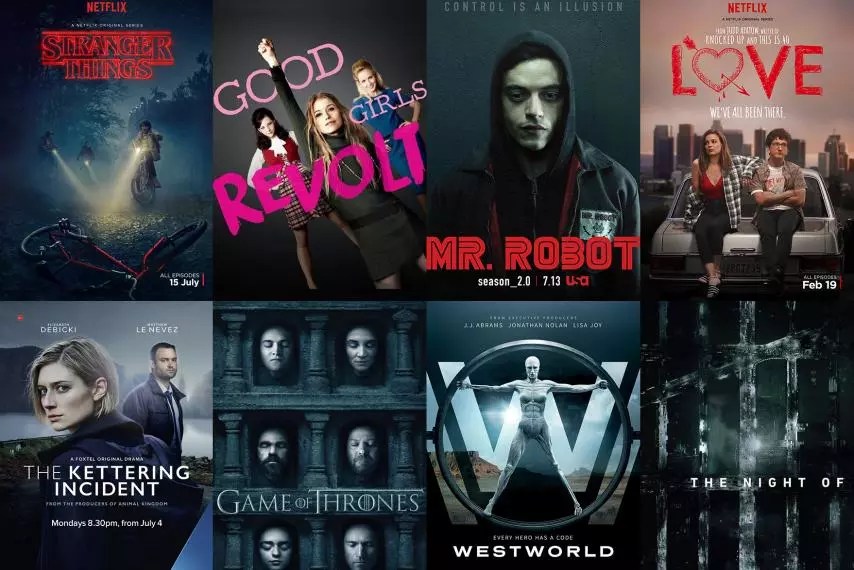
What do I mean? Well, let’s look at Stranger Things. The show, which was a knock-out when the first season came out, had a popular second season, with a third on the way. I have to say that the second season was pretty good. But I, and at the time a lot of other people, thought that Stranger Things would have been perfectly fine as just one season. Why? Well, I thought it wrapped up its arc pretty well. Yeah, there were hints that the show wasn’t over yet, and yeah that there were still things to resolve, but overall I thought it wrapped up pretty well. Honestly, if you had just cut out the Will Byers bit, then you could have ended the show right then and there.

And it’s not just Stranger Things. I’ve seen other shows where I found that the first season wrapped up everything pretty well, and didn’t need anything beyond it. Of course, however, when something is popular enough, the company who made it is going to want to milk the show for all it’s worth. They’ll make season after season, until people lose interest and the show loses money. Which sucks, especially when it was a show you actually liked at the beginning (yes, I liked Supernatural when it was in its prime).

But it’s not only that. Sometimes, when another season is added, it can seem awkward and out of place, especially when it’s working off the old plot. Or directors and writers change, causing characters to change as well, sometimes for the worse. People notice when the character starts acting different, even if it’s a subtle difference. This all sets the second season at a disadvantage, as it not only would have to make the story line from the first season flow, but also maintain what was so great about the first season. It would have to lie up to its predecessor, and when its predecessor was perfect by itself, it’s nearly impossible to.

Now, I’m not saying that just because a show has a good first season that nothing should ever follow. There are plenty of shows that make their following season/seasons just as good as the first, for the most part. As the show starts hitting seasons 9 and 10, then things become tedious. I’m just trying to say that not every show needs a sequel, especially when the first season did such a good job at finishing itself.

Some Horror Favorites

I’m not going to lie when I say that for the most part, my favorite horror movies are almost all classics. I definitely prefer the classic thriller to the modern ghost story, mostly because most of the horror movies I’ve seen are just repetitions of the same plot. Of course, there are exceptions to this rule, hardcore exceptions, but I can’t help but turn towards the older films. I thought as a good way to wrap up my horror movie month that I would display four of my favorite horror films.

The Shining

For some reason, everyone thinks that this movie is overtly scary. While I would agree it has its moments, I would rather argue that its a layered and complex psychological thriller. This is especially helped by the fact that I watched it three times in three weeks at night when I was twelve. No nightmares came out of it, and I wasn’t deterred from roaming through my house. I enjoy the film’s cinematography, and how the story is structured. It spends most of the time slowly-building the father’s psychological deterioration, before culminating in the quick attempts at murder. The hotel is quickly developed as a source of evil and darkness, something the son, and eventually the father, pick up on. It’s artfully done.

Coraline

While this is a kid’s movie, I think it certainly belongs on my list of favorites. Coraline centers around a girl who feels like she doesn’t quite belong in her family, who seems to ignore her in favor of work. She discovers a fantasy land that caters to her every desire, but quickly realizes that it’s everything but. It’s creatively designed, providing drastic color differences to contrast the real world from the fake one, making the fake world all the more desirable. The film’s plot, as well, is well-executed; not feeling rushed or too cheesy, but working well in tandem with the plot. Coraline is smart, sassy, and atypical in terms of kid’s characters for it’s time. And on top of that, the villain is actually quite freaky looking. She’s bony, disfigured, spidery, and cruel, and as a kid I was actually quite freaked out by her.

Silence of the Lambs

Now, this is one that I was okay with the first time I saw it, mostly because I didn’t really pay much attention. I was fresh off of reading the book (yes, there is a book), and spent most of my time just comparing the two, rather than just enjoying the film in itself. I saw it again a few days ago, and I have to say I enjoy it much more. It’s not really scary, more just gruesome and anxiety-inducing, tugging on the senses to make the audience feel uncomfortable or worried at just the right points. While I’ll admit it does rely a little too much on the close-up shots, which are used mostly during conversations, it is otherwise an extremely good movie. Each character has their own distinctive personality and characteristics, and all are seemingly well-fleshed out (although I would have preferred they fleshed out the villain just a bit more). The film has earned its spot on my list.

Pan’s Labyrinth

Last but not least, this film is one that I only saw this year. I’ve known about it, but never got around to watching it until I was invited to go to one of the midnight viewings that happen during the fall in my town. I have to say I don’t regret going.

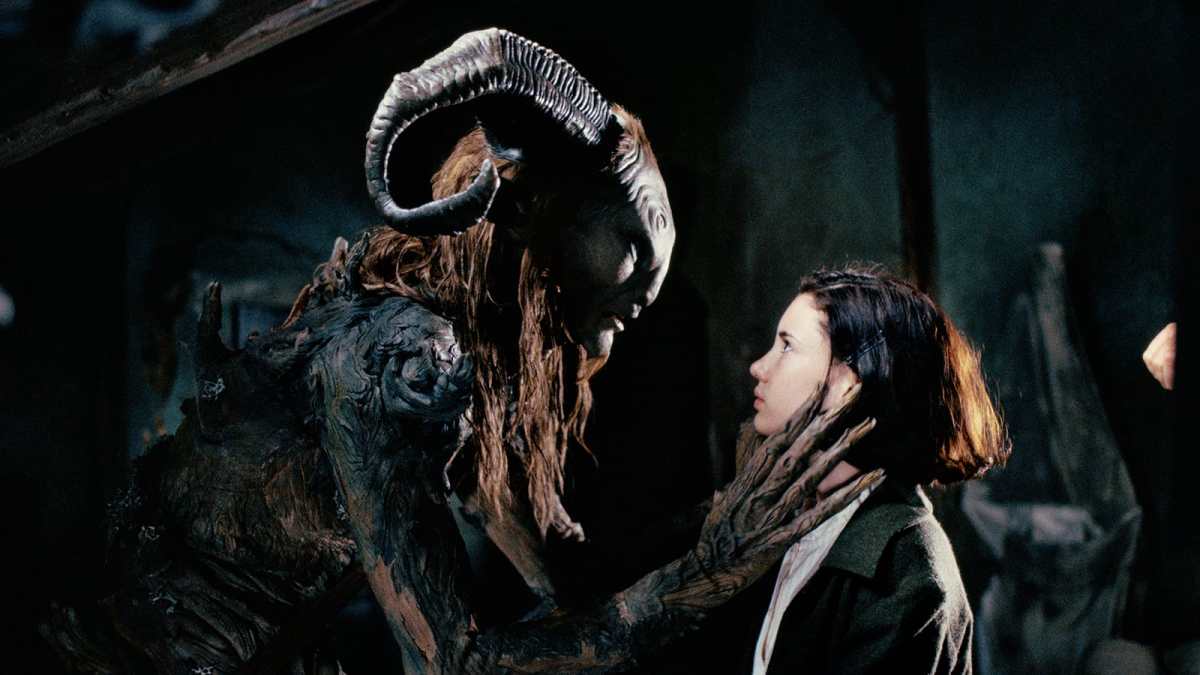
Pan’s Labyrinth is not so much a horror, film. It leans much more towards tragedy. It takes place in the aftermath of the Spanish Civil War, focusing on the changeling Ofelia trying to find her way back to the land under the hill. The film utilizes the contrast of hot and cool colors, having the realm of the Fae be much warmer in tones than the human world. It also makes an interesting parallel between the dangers of the human world versus the dangers of the land of the Fae, with the dangers of the latter being more conquerable than the former. It blends fantasy with reality to make an incredible comparison between what the innocent child can see versus what the disenchanted adult can see. Each character dynamic is fluid and distinct, leading to a lovely film.

The Impact of Slasher Films

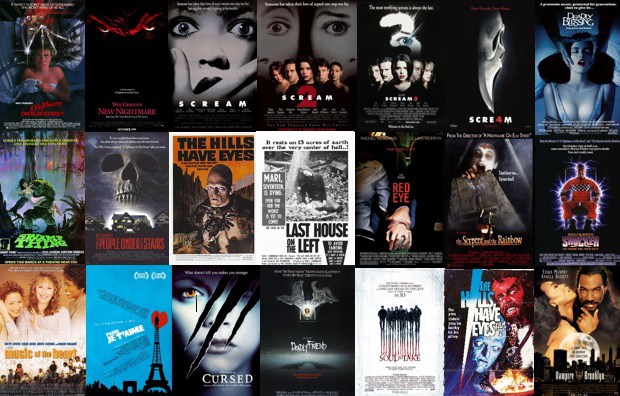
When horror films are analyzed for their greatness, the genre of slasher films is never included in the mix. We always turn to the more complex artistic thrillers such as Dracula, Rosemary’s Baby, the Shining, and An American Werewolf in London in order to present the hallmarks of horror. Some of the very few remarked-on slasher films include Halloween and Psycho, renowned for their complex relationships with their mother, calling homage to Freud’s Oedipus Complex.

But interestingly enough, despite the fact that slasher films are almost never remarked on in film academia (other than to be criticized for their garish nature), they are a major source for parody and imitation. While that may appear counter-intuitive for the genre being taken seriously, the fact that it is so imitated and parodied does say something about where slasher films lie in the horror genre.

Let me explain my argument by first studying the core or slasher films. Slasher films are exactly what the name “slasher” entails- violent murders, heartless serial killers, predatory chases, and other such forms. There is hardly room for the deep psychological thriller aspect, more focused on providing the gore and grotesque. The slasher film’s goals are both to make the audience laugh at the almost cartoonish nature of stable character archetypes and feel uncomfortable by the homage to basic and “savage” animal behavior- not just in the killer, but also among the good guys as well.

What do I mean by that? Well, from what I’ve seen, characters return almost to their basic human instinct-ignoring morals, ignoring civilization, all of that. It becomes merely an act for survival, the play on fight or flight, with airs of sexuality and other such basic functions.

As I’ve also mentioned before, as well, is that the characters in the slasher films have pretty stable archetypes, even as the plots change. They rarely ever change, making it easy to imitate not just for other slasher films, but for parody films as well. It also becomes easier to carry out in sequels and remakes, as expectations for complex characters among the audience is rather low. That’s why you can have a whole series such as Saw or Nightmare on Elm Street.

But where does the impact factor come in, other than imitation? Well, I’ve recently read a piece on slasher films that remarks that students of folklore or mythology will be able to tell you how slasher films are the epitome of oral history. Their archetypes, their diverse and interchangeable story lines, and the accumulation of sequels and imitations all reflect the story patterns of oral history and stories. No telling is exactly the same, and sequels are invited because there is not set story to finish. Because of this, pop culture can take slasher films and go to the moon and back, creatively adding their own takes for the sake of both horror and comedy. This in turn leaves a greater impact on the audience. We start to associate horror with aspects of the slasher, because we see it imitated and extended so much through pop culture, not just in films, but in TV, social media, and other such forms of media. Of course we won’t forget the other types of sub-genre within horror, but we identify and associate more with the slasher.

It’s not just because of their capacity for imitation that we remember the slasher genre so well, however. We also remember it because the genre does get quite creative, without having to be so deep and layered. Chucky and Nightmare on Elm Street are both remembered as horror classics for not just their slasher nature but also their creativeness. Chucky only had two sequels, and yet we remember the first one the most because of it’s take on killer dolls-something that hadn’t really been considered in horror film before. Almost the same goes for Nightmare on Elm Street-despite its numerous sequels, it takes the audience to a place that hadn’t been considered for horror films before- your own dreams.

Slasher films can get just as creative as its other horror counterparts, and leave just as much of an impact. The only thing is, because of their seemingly blunt and gruesome nature, they are sidelined by academics, who either consider the genre beneath them, or just see the genre as part of a “murder fetish”. Slasher is not given the light of day it deserves.

My Takeaway from the Jake Paul Series

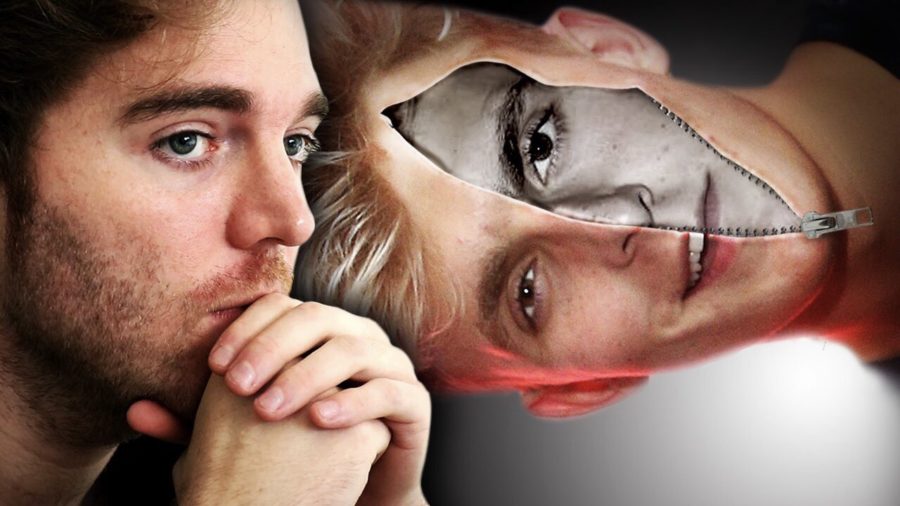
If you’ve been involved in the Youtube world, then you would know that a few days ago, Shane Dawson wrapped up his eight-part series on Jake Paul. The series ended in an almost two-hour long finale, a good 90 percent centered around the final interview that Shane had been building up to throughout the series.

Despite my qualms about the second episode, I watched the series in its entirety. I will say that while I admire the amount of research Shane went through, approaching multiple different people that were involved in Jake Paul’s life in order to get their perspectives, I have to say that in the end, Shane let his bias show a little too brightly.

Not in the sense that he ignored that Jake Paul is a sociopath (which he’s not), but in the sense that in the end he went a little too light on calling out his past. He did ask about the assault case, the cheating situation, and other such things that people had been wondering about. He provided advice on what Jake Paul should do, to which the latter figure seemed enthusiastic to accept. But the interview as a whole was a little underwhelming. Shane promised that the interview would allow no mercy, and spent the whole series making that promise, but when he got to the actual interview, I couldn’t help but be bored. I sat there, constantly checking how much time was left, wondering when the harder questions were going to come in. In the end, I felt that we weren’t given what we were promised, because Shane learned to like Jake Paul.

And, to be honest, I did feel some sympathy towards Jake Paul. Throughout the show, the strained and frayed family dynamic came up, which provides some insight on who Jake Paul is behind the scenes. His Dad raised him to believe it was okay to act like this, and his brother did some awful things that would mess with someone. Working with a father and brother, as well, is also very dangerous, as it blurs the line between work and family. It can destroy families.

There’s also the fact that Jake Paul holds himself in a toxic situation, living in the Team 10 house and almost never taking a break. Even his girlfriend can sense it, and wants them to move away so that they aren’t constantly in the limelight. That kind of situation would mess with anyone.

And yet, at the same time, I hesitate to sympathize. The situation between Alyssa and Jake still makes me wonder, especially as some aspects to each side of their stories holds differences, making it difficult to believe one person or another. Shane never fully fleshed out the situation through third-parties without bias, adding a sense of dissatisfaction and uncertainty. The uncertainty makes me hesitate.

Also, despite him being in a messed up situation, we can’t ignore the fact that Jake Paul has done some crappy things. There were bad choices he made outside of the ones discussed in the series, and they were choices that he made. Of course, college males can act as dumb as him, but being an influential figure, especially with a demographic of kids 8-16, he needs to know better. And I’m glad Shane pointed that out, cause in certain ways Jake didn’t seem to understand the amount of influence he actually had on kids. Constant merch plugging, his music, and pranks, his talk against school, all of that can leave an impact on a kid, shaping their views. He didn’t seem to understand that.

Now, in the end, Jake promised to change things. But words don’t mean anything if no one acts on them. I want to see him act on it, and the best way I can imagine that being is taking an extended break from Youtube-possibly even moving back out to Ohio. To think on himself and his actions, to come back and change his content. I won’t believe the guy until he’s actually presented the social sphere with his change, and possibly moved himself into a situation where he has a break from the chaos. While I do hope that he does improve, I will only believe it when I see it.

Things to Note From Rockstar’s Work Conditions

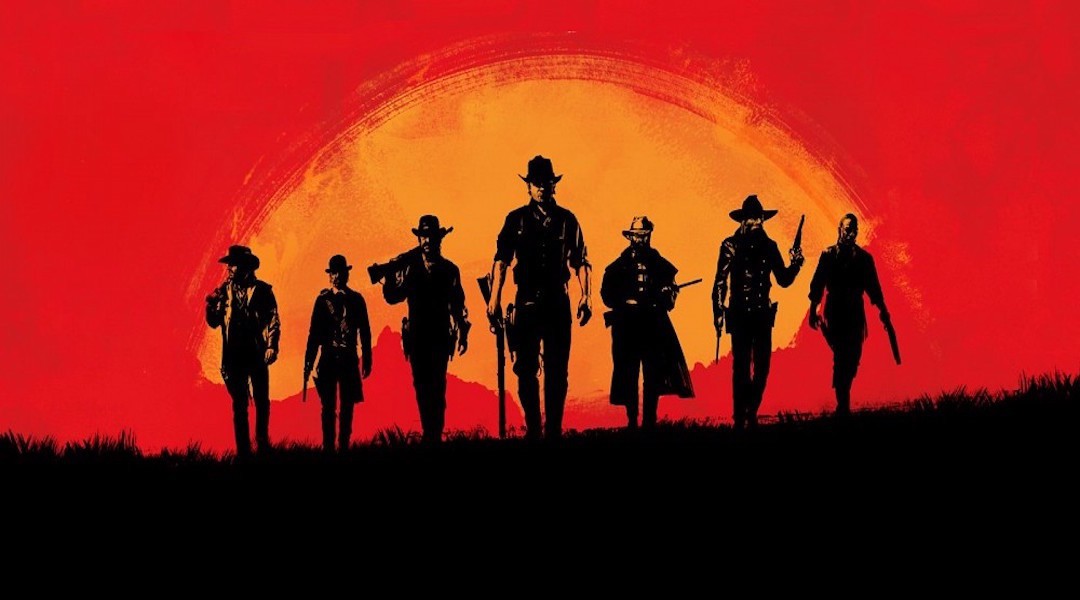
I would have written earlier about this, but was away from my computer and couldn’t get to it. But about a week ago, it was discovered that in order to make Red Dead Redemption 2, programmers and other staff had to work 100 hour weeks over a three week period in order to finish the game. This caused a swift backlash on the Internet about the conditions, with everything from news journals to podcasts criticizing what Rockstar had done. Co-founder and VP Dan Houser argued that these overtime shifts were “optional” to employees in defense of the habits, saying that these people opted-in overtime to finish the newest game.

However, when some employees (granted permission by the company to clear the air) took to Reddit for Q&A, that clearly wasn’t the case. A QA tester from the Rockstar Lincoln studio in the UK clarified that the public doesn’t often hear of the working conditions as a result of employees signing a NDA (non-disclosure agreement), preventing them from taking issues to the public.

He also clarified that the overtime shifts aren’t really optional but expected, as they have to make up an overtime shift if they for whatever reason can’t do an initial one. As for weekends, they have to make it up as a “double” weekend if they miss out on working one. The QA tester does clarify that they are paid for their overtime. He does establish the difference between a typical work shift and an overtime shift, the main difference being about 2 1/2- 3 hours longer. The overtime shifts are usually implemented near the end of the creation of a video game, in order to have it released by the proper date they planned for. While that doesn’t alleviate the issue of exploitation, it does explain that the overtime hours aren’t the norm.

Now, in the midst of this controversy, I noticed that some freelance artists, programmers, ans video game designers took to Twitter and other forums to explain their story. They didn’t center their stories around Rockstar, but rather their experiences as contract workers for other companies. What they explained was rather interesting.

Just about 100% of the time, the people were explaining that they voluntarily took on the hours, for fear of being dropped from their contracts. Despite some being told by their own employers that they don’t need to work so hard, they still overworked, trying to be as productive as possible and thus more valuable. All of these cases end in a nasty case of burn out.

What is burn out? By dictionary terms, it means to completely ruin one’s health or energy through overworking for a long period of time. People will permanently disfigure themselves, or place themselves into life-threatening situations that way, all because they wouldn’t let their body rest. Ever heard of people dying at their desks in Japan from working too much? Yeah, that’s an extreme form of burn out.

As I mentioned earlier, the thing to note in both of these areas is that the overtime is promoted as voluntary or optional in terms of the legal working contract. But workers argue that the “optional” overtime was actually expected, or perceived to be expected, thus feeling the pressure to take up the overtime. It’s a dangerous expectation that can easily result in the damaged health of an employee.

The Haunting of Hill House-Paranormal or Just Metaphor?

Beware: Spoilers

Recently, Netflix released a 10-episode series known as The Haunting of Hill House, inspired by the original novel by Shirley Jackson. The show doesn’t center around much of the original plot, however. Rather, it centers around the Crain family (making them the center focus rather than a distant detail), and their troubles in an after the house.

The Crains initially buy the derelict manor in order to flip and sell it, so they could afford to build their own dream home. As time goes on, however, strange things begin to occur around the house, culminating in a “final night” that causes them to leave in a hurry. This night, and life in the house in general, slowly comes together in bits and pieces seen through “character focus” episodes. There is the long-standing mystery of what exactly happened the “final night”, which is solved at the end, but the viewer can’t help but notice that a complex and frayed family dynamic is at the forefront.

Now, throughout the series, there is plenty of the paranormal. There are obvious ghosts, hidden ghosts, even the crazy imagination ghosts. The show lets you know that yes, this is a horror story, making some freaky designs and figures. The ghosts do follow the adult Crain children around, affecting some more than others (Nell and Luke experience the paranormal the most, Steven and Shirley the least). The house has a certain quality about itself as well, seemingly alive and possessive, taking over the minds of Olivia Crain and Nell Crain, and protecting itself against attack. There are multiple levels to the paranormal in this show, providing an especially ghoulish aspect.

In Nell’s episode, however (named the “Bent-Neck Lady”, after the main ghost that haunts her), all this comes into question. Unlike the other siblings, her episode is rife with mental stability issues, as she deals with sleep paralysis, trauma, and anxiety. The youngest Crain’s stable life is ripped out from under her with the death of her husband and a switch to a new therapist. From then her mental health declines rapidly, leading her to enable her twin’s drug addiction and have an argument with her visiting sister. The episode culminates with her returning to the Hill House and committing suicide via dreamlike state , leading to another interesting twist. In the moments before she hung herself, she realized that she had a noose around her neck and she was standing on the edge of a staircase, and got confused and scared. In the moments after, the viewer realizes that she was the “Bent-Neck” Lady, having haunted herself the whole time.

The episode, which works as the halfway point of the series, explains how Nell ended up dying in the house. But it also hints at how the mother, Liv, died in the house as well. Both Luke and the father Hugh blame the house for “killing” Nell and Liv, despite the fact that both were suicides. This could be explained: Nell went into a dreamlike trance, seemingly led by the house into putting the noose around her own neck. As for Liv, she starts seeing ghosts that convince her to kill her family to protect them. From what, is unknown. It’s easy to argue that the house does contain some supernatural capabilities, actively influencing Liv and Nell to their final moments.

However, notice who the house seems to affect. Liv came into the house with an unknown mental illness, marked by migraines that she would get periodically. Her condition was only exaggerated by the fact that Hugh didn’t get the proper help for her, unable to because of stigma against mental illness that plagued the time period. The old house started to get to her, leading her to have sporadic and “possessed” behavior, leading up to her death.

As for Nell, she was also mentally vulnerable, having suffered from trauma and anxiety since she was as young as 6. She was also more prone to being “influenced” by the house, and only was really affected by the house when she was in her most vulnerable state. Luke also, sits in a vulnerable state, and was more prone to being affected by the house due to his struggles with drug addiction.

Also, it can’t help but be noticed that most of the paranormal occurrences occur when the family is divided, following the hill house. Which begs the question-is it really paranormal? Or is it all just a metaphor?

Well, we don’t really know. You could go either way, but you can also say it’s a mix of both. There are shared paranormal experiences among the family, adding a more solid paranormal experience. At the same time, there are individual experiences that are especially tied to mental illness and especially trauma, which solidifies the hypothesis that it’s all a metaphor. All-in-all, it’s never fully explained. Although the cast does like to relate to the metaphor theory, especially as the family is so dysfunctional and traumatized that it would make a great amount of sense.

The Haunting of Hill House is actually a very good show. While it does have its corny shots and moments, it is one that provides multiple layers to its horror, making it perfect to watch in time for Halloween.

How Science Fiction Works Better in TV

I began watching Westworld recently to celebrate turning in my essay, and quickly got invested in it. The world, character arcs, and dynamism of the hosts intrigues me, especially as more of how the whole thing works slowly gets more developed and explained. Seeing how the show introduced its dynamics got me thinking about other sci-fi TV shows, and how they compare to movies of the same genre. The more I thought about it, the more I thought that sci-fi as a genre does much better in the realm of TV than film.

Why is that? Well, sci-fi often involves complex world/story-building when done right, and needs to be set out in a way that doesn’t seem rushed or boring. In film, there is only a two-two and a half hour span to introduce and develop the story and the world. Often times, that means there are aspects that are underdeveloped, rushed, or simply never explained. Which, when portrayed in a particular, more natural way, can work out.

Think of Mad Max: Fury Road. There wasn’t much actual explanation of the post-apocalyptic world, but there was visual representation, paired with just the right amount of explanation where the audience could understand how things worked. Of course, there were aspects left out; but the most important aspects are understood.

Now, the case of Mad Max is a case of sci-fi in films done well. More often than not, however, it takes a film multiple movies in order to explain itself and the world, sometimes dragging out stories that aren’t interesting enough or good past film 1 or 2. Or, in the case where there is only one film, the world is not explained enough, or simply isn’t interesting. Other times the story line is so bad and rushed that the world suffers as a result, too. In any sense, something is missing.

In the case of TV, however, there is a lot more to work with. Worlds can be properly flushed out and can work as an element of intrigue for the audience as it slowly unravels (in good shows, of course). Shows usually have a minimum of eight episodes to work out their world and dynamics, providing much more time and space to develop everything. The added fact that it usually comes out one episode a week even adds more to the suspense, maintaining greater interest than if it came out once every 2+ years. Sci-fi is a large and infinitely creative genre, and needs plenty of space to exist as a valid genre.

Sci-fi has had a long history in both film and movies, but is notably more prolific in TV, and much more recognizable. In the last decade particularly, sci-fi has been on the rise, after a period of falling behind fantasy. Sci-fi in TV shows also has the luxury of existing for longer, as average great shows can have as many as 9 or 10 seasons without appearing old or run-out, a heavy contrast from film. Shows can take on many more story arcs, as well, adding greater levels of complexity that otherwise couldn’t or wouldn’t exist.

Sci-fi can exist in both film and television, and has phenomenal pieces in both sets of media (Star Wars, Star Trek, Stranger Things), paired alongside bad pieces. However, I tend to notice that TV overall has better sci-fi series than film, particularly in recent years, most likely as a result as the care and space provided through TV. TV has provided sci-fi a grander space, and has lent it greater popularity than film, causing the genre to have an overall better quality.

You Can’t Rely on Old Media for Depictions of the West

Recently, Rockstar has announced that Red Dead Redemption 2, the sequel to its instant classic of Red Dead Redemption, will add black cowboys, portraying a more realistic perspective of how the Wild West would have been.

However, like all things with time period games, there are those who dissent to having these characters added. Fortunately, it’s not nearly on the same scale as some other games, but it still exists. One argument of the dissent that stuck out to me was the idea of how historically “inaccurate” it was to have black cowboys. These arguments are based off of old Hollywood and TV portrayals of the West, somehow justifying their arguments. If P.O.Cs were not portrayed then, then therefore they simply weren’t actually present, right?

Wrong. Let me give a little insight on the actual realm of the West. The West, with its notoriety for being a “lawless wasteland”, was much more racially open than the rest of the United States. A former part of land owned and controlled by Spain (and later Mexico), the wide and mostly unpopulated expanse had plenty or room for the proliferation of Vaqueros, or the precursor to cowboys.

The Vaquero lifestyle was mostly used by Mexicans and some Natives, who gained influence from the Spanish ranchers on the Missions. However, when the land was won over by the US in the Mexican-American War, the Vaquero stopped being a purely Hispanic profession. Caucasian and later black cowboys began making an appearance on the scene, taking up the Vaquero (later renamed cowboy) lifestyle to live a “free rancher” life.

Black cowboys initially started as slaves tending to their masters’ cattle ranches while they were away at war in Texas, although there were some that escaped West before incorporation into the US to escape their former masters. In this, black Vaqueros gained the skills that would make them invaluable to the cattle industry, allowing them to prosper following the end of the Civil War. As many as 1 in 4 cowboys were Black, travelling throughout the West to help ranchers herd their cattle.

Now, this didn’t make the West some racial paradise, as discrimination against Latinos, Blacks, Native Americans, and later Asians (who came in to help build train tracks that would help connect the Continental US) was still a common phenomenon. But it allowed more freedom than other parts of the US.

Now, with all that in mind, how does this relate to old media? Well, if you’ve watched any spaghetti Western film or TV, you’ll easily notice that the diverse history of the West simply does not exist. If there’s a Native, they’re violent savages killing the poor white woman for fun. The Asians are portrayed as dirty, cheap, and lying. There’s not even a mention of Blacks or Hispanics.

No, the Western shows and films represent and idealized White version of the West, one which claims the cowboy as purely American made, despite its Hispanic origins. It’s about the finding the Classic love in the Wild and Gritty West, centered around White actors in a purely whitewashed realm.

Even as late into the 1990’s, media surrounding the West was heavily geared towards portraying it as white dominant, with only a few outliers that portrayed otherwise. It was only in recent years with Django Unchained, Hateful Eight and Magnificent Seven that the whites-only narrative has fallen back, showing another, previously unacknowledged side of diversity in the Wild West.

Old Media has a particular representation for portraying false narratives, and is unreliable for arguments trying to prove historical accuracy. Media changes stories and narratives all the time for entertainment, especially in older films and TV shows.

Most Horror Movies Suck

Most horror movies suck. This isn’t a result of a new phenomenon, where an over-reliance on jump scares and cheap tricks has lowered the quality of horror movies. No, this is something that has existed since the dawn of the horror genre in film.

Now, you might be saying, “There’s plenty of classic horror movies”, or “there’s been good ones all the time”. Yeah, I’m not talking about the classics. I’m talking about everything else.

Let me put it into perspective: in the entire movie medium as a whole, there is a very disproportionate level of bad movies to good ones. For every great film, there are plenty of okay or even mediocre ones that came out before it. The ratio for horror films is even worse. The horror film industry is a very prolific one, meaning that combined with the critically-acclaimed classics (some recent ones including Cloverfield, Get Out, a Quiet Place, and Hereditary) come many, many more bad horror films. And that’s just on the level of mainstream media.

The problem is, although the production value for horror films has increased exponentially (in the earliest years, most horror films were pushed to the side-lines, almost to the level of B movie films. That isn’t to say that any weren’t, however: quite a few were. The difference in levels of production value drew more attention to the really good horror films, making them classics.

The good classics were remarkably known for their story line and the emotional investment of the actors, paired with excellent and perfectly timed cinematography. Suspense was deeply intertwined with these films, causing the audience to actually be invested, even long after the further development of movie effects and realism to make films pop more. The bad ones by contrast knew they weren’t very good. They made the most out of lowered budget and “lesser” actors, becoming mindless entertainment. Even the high quality bad horror films knew they were bad, at least to some level. There was a distinction in how the bad movies presented themselves, specifically separating themselves from the good ones.

Nowadays, it’s much harder to tell. With the increase in production value all around, and the overall increase in popularity for horror films, even the bad ones take themselves seriously. They try to act like the good ones, hiding otherwise boring, similar plots under the guise of an enticing trailer. The only indication might be picking up the ridiculousness or the stupidity of the plot in the trailer, and even then sometimes they’re misleading. I’ve been tricked into seeing plenty of horror films that look promising, only to see the same story line played out. The only difference would be the positioning of the jump scares.

Another issue is, when a great horror film comes out, there are often sequels that follow. And usually with each sequel that comes out, the quality of the film gets worse (exceptions include Cloverfield). As a result, the whole series, including the first film, gets devalued.

Horror films have the unfortunate trend of having a few really good horror films within a few years, and tons of bad horror films. Although This trend is starting to shift (2018 was an unusual year for having more good horror films than bad ones), there is a long history of really bad horror movies. There’s nothing wrong with that, as rom coms also had the same trend. The difference is, there is still some creativity to horror coming back, which has kept it alive through a particular decade of flops. Rom coms and horror films had a shared decade of mediocre majority films, but rom coms, holding too much to the classic formula, fell to the background. Horror films were able to barely cling on, until recent films have fully pushed it back onto its feet. We’ll see how horror movies evolve over the next few years.