Why I’m Not Excited to See ‘The Rise of Skywalker’

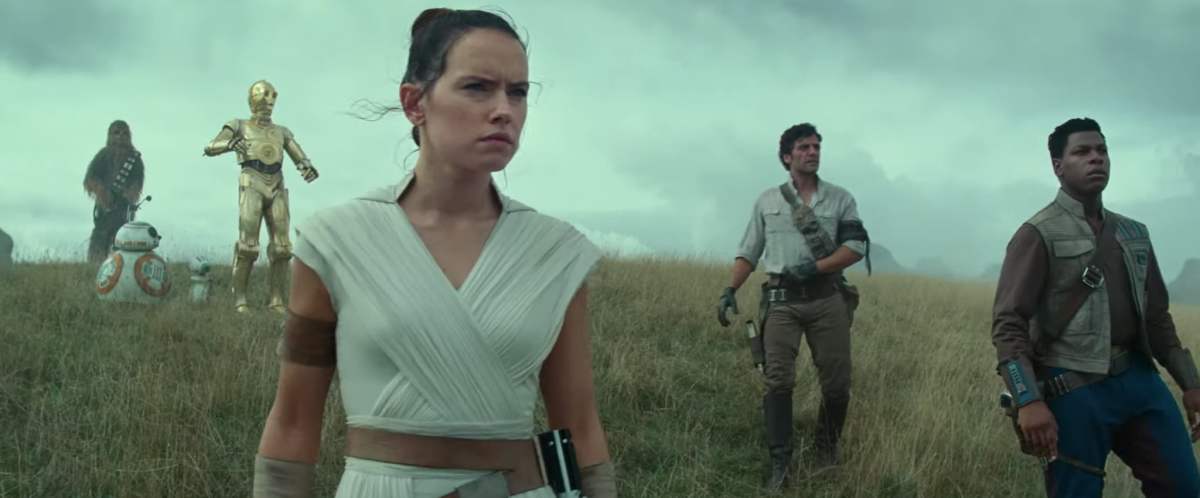
Yesterday morning, Lucasfilms released the newest trailer for Star Wars: The Rise of Skywalker. The trailer has brought about quite a bit of excitement for the film, which is expected to be released December 20 of this year. I can’t say I fall into this same boat.

My disinterest in the newest episode, which will wrap up the new sequel trilogy, isn’t because the jedi is a woman, or there is “too much diversity”, whatever that means. It’s more the fact of just how disappointing the trilogy has been up until this point. The new trilogy, when first announced, had so much potential to be good and unique, and actually bring something new to the Star Wars series, but fell short on so many points.

The biggest problem I saw was just how copy-paste the story line for both Episodes 7 and 8 were. Episode 7, which which kicked off the new trilogy, was mostly taken straight from Episode 4, with a sprinkling of Episodes 5 and 6 in there. It was unoriginal, but the production value and potential that existed in each of characters made it forgivable.

Episode 8, however, was unforgivable. It was literally Episode 5 in reverse, with an attempt at an original plot line that had ultimately no purpose other than to build a half-baked “romantic” relationship between Finn and Rose. It was an unnecessary waste of an entire hour.

The other unforgivable aspect was how they turned Rey into a Mary Sue. For those of you who don’t know what that is, a Mary Sue is pretty much a basic female character that is insanely overly powerful, and is instantly an expert at whatever they do. Rey, who had the potential to become a really good jedi, was wasted as she practically became a master jedi in about two weeks, rather than the months and even years Luke spent training. The jedi, canonically throughout both the original and the prequel series, spend years mastering their jedi capabilities, but apparently that’s not actually necessary cause Rey is suddenly just became a master. It ignores everything that’s been established about the jedi until that point.

Episode 8 as a whole was a pain to watch, and the series is bad for wasting so much potential by being unoriginal in order to “appeal” to people and make money. And its not like it’s because they can’t make original plot lines that are good. They 100 percent can, and did, with Rogue One. It’s just pure laziness. They simply want to push out “canon” content that will make immediate money, and don’t quite care how its done.

No One Wants to Play with a Sore Loser

Playing video games, and games in general, can lead to hours of extreme fun. That is, if you’re not playing with a sore loser.

What is a sore loser? A sore loser is someone who has a nasty competitive streak with anything game related. They can’t just relax and have fun, they have to win, or they won’t stop playing until they do. When they don’t win, they throw a fit and ruin the whole atmosphere. And that’s just if there’s only one person with a competitive streak.

The reason I’m talking about this can all be traced to my winter break from school and two of my younger cousins. I had had problems with these cousins before, as they have a tendency to antagonize each other to the point where it gets out of hand. This antagonizing behavior transfers rather miserably over to video games.

You see, the older brother (who is seven years older than his brother, mind you), has a Nintendo switch, with games such as Mario Party and Super Smash Bros. Fun games, right? Not with them. They are incredibly competitive, especially with each other, bickering and making nasty comments towards each other. They can’t play a game for the sake of having fun. It got to the point where I couldn’t play with them all that much, because their behavior dragged down the rest of the group and make the game stressful. They had to win, and when the younger one got second place in something, he would whine about being a loser that no one liked. Just about myself and all older cousins have called the two out for their behavior, but that didn’t seem to change anything.

Anecdote aside, I think it’s safe to say that no one likes playing video games with overly-competitive people. They make the situation tense, and it doesn’t get any better when they win/don’t win. They suck the life out of playing the video game, and then wonder why no one wants to play with them.

Now, let me just say that it doesn’t hurt to be competitive. Just about anyone can be competitive, which can add to the fun (no one wants to play with someone who doesn’t care enough to try, either). But it’s important to understand that the best way to make that competitiveness work is to understand when a game is just a game, and you won’t lose anything from it (unless you’re winning 10,000 dollars). Overly-competitive people just don’t know how to do that.

The Realism of Detective Pikachu: What I Liked vs. What I Didn’t

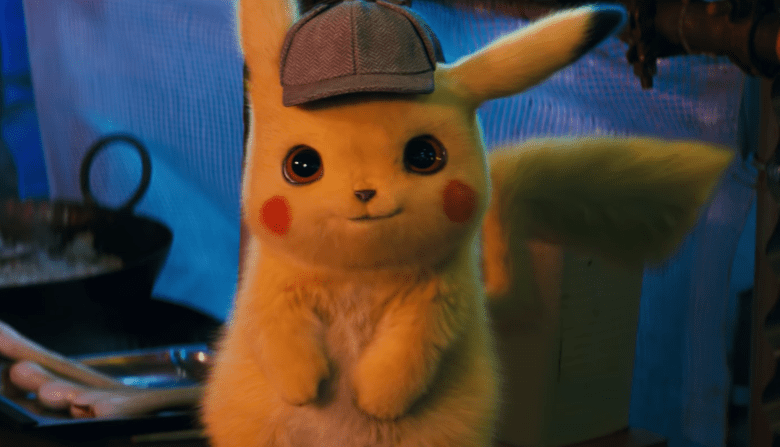
The new trailer for the live-action pokemon film Detective Pikachu dropped this week (completely eclipsing the Toy Story 4 teaser trailer and the Dumbo trailer), leaving fans and general audiences alike with mixed feelings. Some thought taking pokemon to a realistic level helped bring us one step closer to imagining pokemon in our world, while others thought the realism was both weird and unnecessary. I can’t say I lean either way, but I can say that there were some renditions that I liked, and some that I thought were God-awful.

Likes:

Pikachu- I have to say, they did make Pikachu look really cute, though I didn’t quite imagine him being that tall. He looks like his original depiction, but fuzzier, with cute wide eyes and small little arms. Even though his rendition might not be that difficult to transfer to live-action, I still thought they did a good job. I just wished Danny Devito voiced him.

Bulbasaur- In the trailer they have a pod of Bulbasaur crossing a river, and I have to say they all look pretty spot on. They’re cute, they’re reptilian, and I couldn’t find something inherently wrong with their rendition.

Charizard- We only get a quick shot of one trying to eat Pikachu in the trailer, but I thought they did a pretty good job depicting him as a fearsome dragon pokemon (though he is flying and fire type). From what I could tell, they did a good job in translating him over.

Don’t Likes:

Psyduck- There’s nothing exactly wrong, save for the fact that he looks like he’s seen some shit. Which, isn’t exactly an issue, especially as his cartoon form looks kind of the same way. But there’s just something about the live-action version that is just so much creepier.

Mr. Mime- I don’t like his skin. While I wouldn’t like him fuzzy, either, I just don’t like the way his skin is. His face, also, looks like someone took a Teletubby face and slapped it onto him, which I feel looks so much weirder. I never really liked Mr. Mime to begin with, and I especially don’t like his rendition in live-action.

Jigglypuff- Oh boy. What isn’t wrong with this one. First off, he looks almost exactly like this one meme made years before, where someone drew Jigglypuff as more “realistic”, and everyone laughed about how strange it looked. How horrified we were to find a shockingly similar image play in the movie trailer. Everything from his eyes, the tuft of hair, to the body in general just screams off.

How Science Fiction Works Better in TV

I began watching Westworld recently to celebrate turning in my essay, and quickly got invested in it. The world, character arcs, and dynamism of the hosts intrigues me, especially as more of how the whole thing works slowly gets more developed and explained. Seeing how the show introduced its dynamics got me thinking about other sci-fi TV shows, and how they compare to movies of the same genre. The more I thought about it, the more I thought that sci-fi as a genre does much better in the realm of TV than film.

Why is that? Well, sci-fi often involves complex world/story-building when done right, and needs to be set out in a way that doesn’t seem rushed or boring. In film, there is only a two-two and a half hour span to introduce and develop the story and the world. Often times, that means there are aspects that are underdeveloped, rushed, or simply never explained. Which, when portrayed in a particular, more natural way, can work out.

Think of Mad Max: Fury Road. There wasn’t much actual explanation of the post-apocalyptic world, but there was visual representation, paired with just the right amount of explanation where the audience could understand how things worked. Of course, there were aspects left out; but the most important aspects are understood.

Now, the case of Mad Max is a case of sci-fi in films done well. More often than not, however, it takes a film multiple movies in order to explain itself and the world, sometimes dragging out stories that aren’t interesting enough or good past film 1 or 2. Or, in the case where there is only one film, the world is not explained enough, or simply isn’t interesting. Other times the story line is so bad and rushed that the world suffers as a result, too. In any sense, something is missing.

In the case of TV, however, there is a lot more to work with. Worlds can be properly flushed out and can work as an element of intrigue for the audience as it slowly unravels (in good shows, of course). Shows usually have a minimum of eight episodes to work out their world and dynamics, providing much more time and space to develop everything. The added fact that it usually comes out one episode a week even adds more to the suspense, maintaining greater interest than if it came out once every 2+ years. Sci-fi is a large and infinitely creative genre, and needs plenty of space to exist as a valid genre.

Sci-fi has had a long history in both film and movies, but is notably more prolific in TV, and much more recognizable. In the last decade particularly, sci-fi has been on the rise, after a period of falling behind fantasy. Sci-fi in TV shows also has the luxury of existing for longer, as average great shows can have as many as 9 or 10 seasons without appearing old or run-out, a heavy contrast from film. Shows can take on many more story arcs, as well, adding greater levels of complexity that otherwise couldn’t or wouldn’t exist.

Sci-fi can exist in both film and television, and has phenomenal pieces in both sets of media (Star Wars, Star Trek, Stranger Things), paired alongside bad pieces. However, I tend to notice that TV overall has better sci-fi series than film, particularly in recent years, most likely as a result as the care and space provided through TV. TV has provided sci-fi a grander space, and has lent it greater popularity than film, causing the genre to have an overall better quality.

Most Horror Movies Suck

Most horror movies suck. This isn’t a result of a new phenomenon, where an over-reliance on jump scares and cheap tricks has lowered the quality of horror movies. No, this is something that has existed since the dawn of the horror genre in film.

Now, you might be saying, “There’s plenty of classic horror movies”, or “there’s been good ones all the time”. Yeah, I’m not talking about the classics. I’m talking about everything else.

Let me put it into perspective: in the entire movie medium as a whole, there is a very disproportionate level of bad movies to good ones. For every great film, there are plenty of okay or even mediocre ones that came out before it. The ratio for horror films is even worse. The horror film industry is a very prolific one, meaning that combined with the critically-acclaimed classics (some recent ones including Cloverfield, Get Out, a Quiet Place, and Hereditary) come many, many more bad horror films. And that’s just on the level of mainstream media.

The problem is, although the production value for horror films has increased exponentially (in the earliest years, most horror films were pushed to the side-lines, almost to the level of B movie films. That isn’t to say that any weren’t, however: quite a few were. The difference in levels of production value drew more attention to the really good horror films, making them classics.

The good classics were remarkably known for their story line and the emotional investment of the actors, paired with excellent and perfectly timed cinematography. Suspense was deeply intertwined with these films, causing the audience to actually be invested, even long after the further development of movie effects and realism to make films pop more. The bad ones by contrast knew they weren’t very good. They made the most out of lowered budget and “lesser” actors, becoming mindless entertainment. Even the high quality bad horror films knew they were bad, at least to some level. There was a distinction in how the bad movies presented themselves, specifically separating themselves from the good ones.

Nowadays, it’s much harder to tell. With the increase in production value all around, and the overall increase in popularity for horror films, even the bad ones take themselves seriously. They try to act like the good ones, hiding otherwise boring, similar plots under the guise of an enticing trailer. The only indication might be picking up the ridiculousness or the stupidity of the plot in the trailer, and even then sometimes they’re misleading. I’ve been tricked into seeing plenty of horror films that look promising, only to see the same story line played out. The only difference would be the positioning of the jump scares.

Another issue is, when a great horror film comes out, there are often sequels that follow. And usually with each sequel that comes out, the quality of the film gets worse (exceptions include Cloverfield). As a result, the whole series, including the first film, gets devalued.

Horror films have the unfortunate trend of having a few really good horror films within a few years, and tons of bad horror films. Although This trend is starting to shift (2018 was an unusual year for having more good horror films than bad ones), there is a long history of really bad horror movies. There’s nothing wrong with that, as rom coms also had the same trend. The difference is, there is still some creativity to horror coming back, which has kept it alive through a particular decade of flops. Rom coms and horror films had a shared decade of mediocre majority films, but rom coms, holding too much to the classic formula, fell to the background. Horror films were able to barely cling on, until recent films have fully pushed it back onto its feet. We’ll see how horror movies evolve over the next few years.

How Fandoms Go from Fab to Drab

Fandoms, which are a subculture centered around supporting or following a certain piece of media, are everywhere in Geek culture. Just about every TV show, movie, book series, and more has a fandom, some small, some tremendously big, and many in-between. If something extremely popular is released, usually its fandom explodes for a few months, or even a few years, before mysteriously collapsing and disappearing. If you’ve ever seen this occur, then you have just witnessed a fandom going from fab to drab.

How does this occur? Fandoms have normal lifespans, with the very small ones usually dying out fairly quickly after the piece is released (known as “going dead” in fandom terminology). Medium and large ones that continue in their drab phase can live a long time-I’m talking about decades of survival (Star Wars, Star Trek, Back to the Future). This is all a part of a natural cycle.

However, Fandoms that go from fab to drab have a relatively short and volatile lifespan, which can lead to fall-backs and resurgences, all before their eventual collapse. This usually comes as a result of several factors.

The first is the development is what’s known as toxicity. Every fandom has a few bad eggs. But when there’s enough of them, all attacking people and bullying people over differing ships and opinions, then the fandom gets labelled as “toxic”, both by people outside of the fandom and the few remaining clear-headed people still in the fandom. Fandom is supposed to be about a community coming together, not tearing each other apart. This is an issue that can occur in just about any large fandom, as major groups (particularly shaped around “ships”, or couples that people root for) belittle minor groups, essentially bullying them out of the fandom.

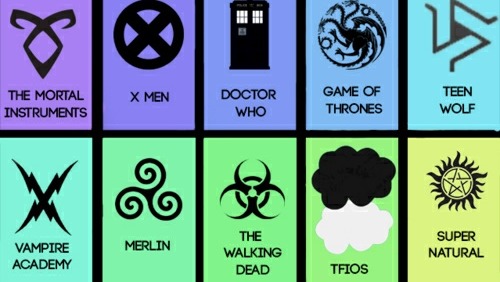
The toxicity does not stop at people in the fandom, either. I remember the days of Superwholock (The combination fandom of Supernatural, Dr. Who, and Sherlock) when the fandom would attack any outsider that questioned them or criticized them, building up their own reputation as toxic. The same thing happened to the Undertale fandom, leading to its demise within only a year of the game being released.

Which leads me to my next point: Hatred towards the fandom. When a fandom is toxic, it not only builds up a bad reputation, but cuts its own supply off of newcomers. When people are discouraged or turned off from joining the fandom, even the largest one will eventually fall. Every fandom needs newcomers to survive; too few or none at all will kill just about any one of them (Superwholock was an interestingly unique case, but in order to explain it in full detail I would need to talk about it separately).

When fandoms are faced with these two issues, they become increasingly volatile, lashing out against others and fully consuming themselves in their toxicity, which only furthers the problem. They solidify their own fate, even if they don’t know it.

Fandoms that once start fab, welcoming all others and becoming a large fandom that bonds over a certain media, can either quickly or slowly turn drab, turning against itself and ruining itself as others watch on. It’s an interesting and prevalent cycle that normally only happens to the biggest and trendiest fandom of the time, providing a serious lesson to others about growing too big too quickly.

Beauty and the Beast, and the Case of Disney Getting it all Wrong

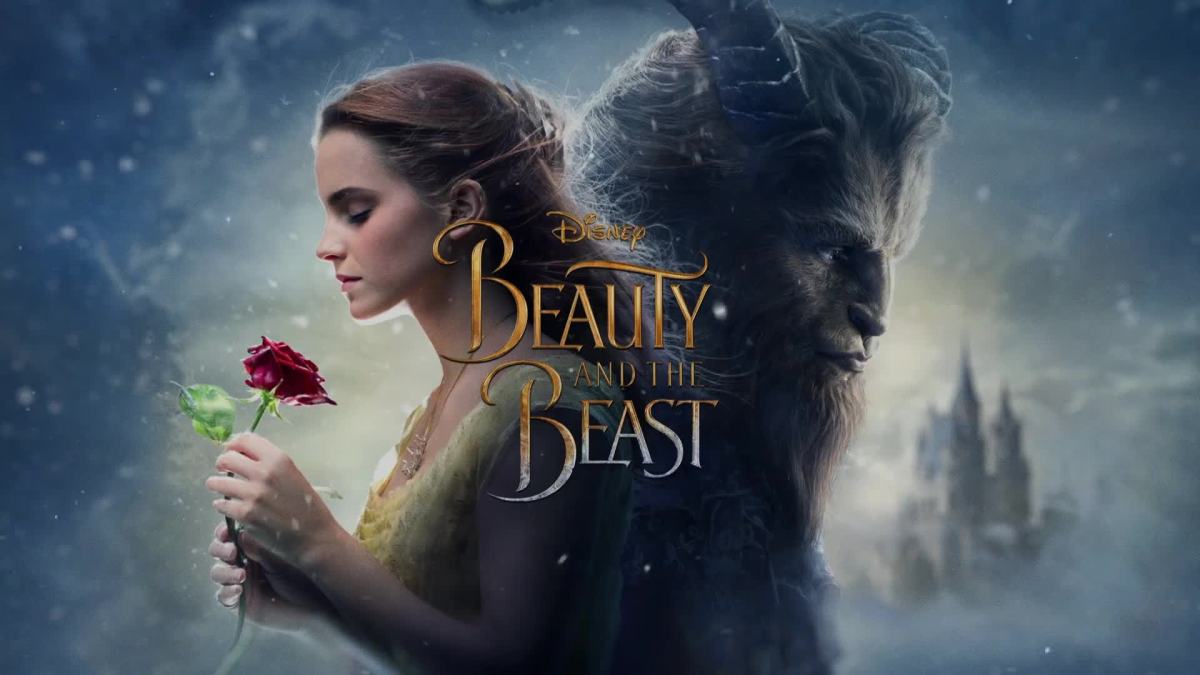
I have certainly missed the craze of analysis over the Disney live action films. That all happened after the release of the live action Beauty and the Beast, with some people ranting and raving about how much they loved it, and others harshly criticizing the film for its lack of originality. I am far from the first to talk about this film, and I will not be the last. However, I’ve noticed that most criticisms of the film often ignore certain aspects that I felt were especially irking, and fail to connect what happened in this film to the overall live action trend. So I thought I would put in my own two cents, and see where this takes us.

Now, the whole Disney live action trends started with the success of Maleficent in 2014 and Cinderella in 2015, both of which provide different perspectives of the stories told. Maleficent  provides an alternative look at the tales of the original 1959 classic Sleeping Beauty, although it was a rather half-baked attempt. I thought that Disney might be getting their footing with the release of Cinderella and Jungle Book, which flesh out relationships and motives and situations just a bit more, without only repeating the story.

I was proven greatly wrong, however, with the release of Beauty and the Beast in 2017.

Not only was the film a straight copy-paste of the original story with almost no additions, but the changes they did make just degraded an already good story. This film, like the other three before it, attempted to correct past criticisms of the original work, despite the fact that the film they are trying to correct something that is negligible. Cinderella provided insight on what happened to her father, which the original film failed to do. It explained why Cinderella dealt with the abuse, something the original film didn’t do. This film tries to elaborate on how the magic works in the castle, something that the original film didn’t need to do.

There it is, folks. This film tries to provide logic to a world of magic, something that didn’t really need to be elaborated on. Like the magic dishes, and some other things that move in the house. Not everything that moves needs to have a soul attached to it, which in turn explains the trashed furniture in the West Wing. The Beast didn’t just straight murder his servants. You can assume that a castle would have furniture in it before everyone else got turned into furniture.

Which leads me to my next problem with the film- the fact that the furniture explain the West Wing to Belle completely ruins a major plot point in the film. They not only convince the Beast to give her a better room, rather than let him make the decision for himself, but also give her a tour of the castle, mentioning the West Wing and thereby ruining the impact of Belle actually going to the West Wing. The betrayal aspect of her going to the West Wing despite his wishes is lost.

Which leads me to my next point: they completely wash out the relationship between Belle and the Beast. They ruin the complex relationship between the characters, making Beast an asshole who needs a life coach, and Belle the life coach, rather than having them learn off of each other. Belle was kind and patient, but could also call out the Beast’s bad attitude in the original film. In this one, they just fight, and he never learns to do better. Their relationship becomes basic and Hollywood-style, and the ending doesn’t feel like it was deserved.

Now, in a turn away from the more interaction aspect, I am going to turn more to the other issues I have with the film. This one can be narrowed down into bullet points.

Belle’s voice:

Why, why, why didn’t they just have an actual singer dub Emma Watson’s voice? Hollywood has dubbed hundred’s of actor’s singing before, and the attempt the avoid this in this film ground my ears out. They auto-tuned Emma Watson’s singing to the point where it sounded like a robot made it, heavily contrasting from the fact that literally no one else has a robotic voice. Literally no one else.

What made it worse was the classic reprise of the song “Belle”, where Belle has a powerful soliloquy (done flawlessly by the original voice actor Paige O’Hara). In the live action version, we just get a shotty, robotic voice that just washes out with the music. Every time she opened her mouth the sing, I would be ripped out of the moment.

Belle’s Dress:

I know they tried to do what they did in Cinderella with giving the dress a much needed update, but it really wasn’t necessary. Unlike Cinderella’s kind of odd-looking dress in the original, there was nothing wrong with Belle’s dress. In fact, her’s was a favorite among many, and was a popular costume for young children. The fact that they tried to change it to something as blase as they had in the live action film got some much deserved out-roar. How do you replace such an iconic dress with something that looked like three pieces of yellow tissue paper stuck together? It just doesn’t make any sense.

Gaston:

Why try to make him unlikeable? The whole point of his original character was that he was attractive, popular, and charismatic, and was easily able to influence the ignorant townsmen into joining him for the “final battle” at the castle.

In this case, he’s a character that is considered untrustworthy by the town, leading to Le Fou paying people to sing and up Gaston’s ego. Such a move was totally pointless. You should have just kept him the same. It would have saved a lot of time on the pointlessness of trying to make him a complex character. Focus on fleshing the two main characters out, not the villain, who didn’t need to be fleshed out.

The Plot Overall:

Last but not least, I have a problem with the plot overall. Let’s face it- it’s just a pure retelling of the original story, with some pointless additions slapped on to take up more time. There was nothing of real value added, degrading the plot of the story. What was changed really had no purpose, unlike the films before it (except Maleficent, but that’s for another time). I came into that film expecting something and left it feeling like the original story was just wronged. Which doesn’t make sense, as the live action version and the original were both made by the same company.

But, that’s the problem with the desire to make money and deal with criticism. It just didn’t work here. It turned what was once an Oscar-nominated film into a straight mess. It was just unnecessary.

The Effects of Adults Playing Teenagers

Just about every time a teenager is cast for a show or movie, the role of whatever teenager there is is given to an adult. While it can make things easier (not having to worry about an actual teenagers schoolwork or schedule), this can have drastic affects on actual teenage audiences, who only see teenagers portrayed a certain way. In order to analyze this, I will break this essay down into three parts: how teenagers are casted, how actual teenagers are, and the impact of the portrayals on teenagers. While the portrayal of teenagers has certainly altered in the last five years, it’s still important to understand their previous depictions in pop culture.

1. How Teenagers are Casted

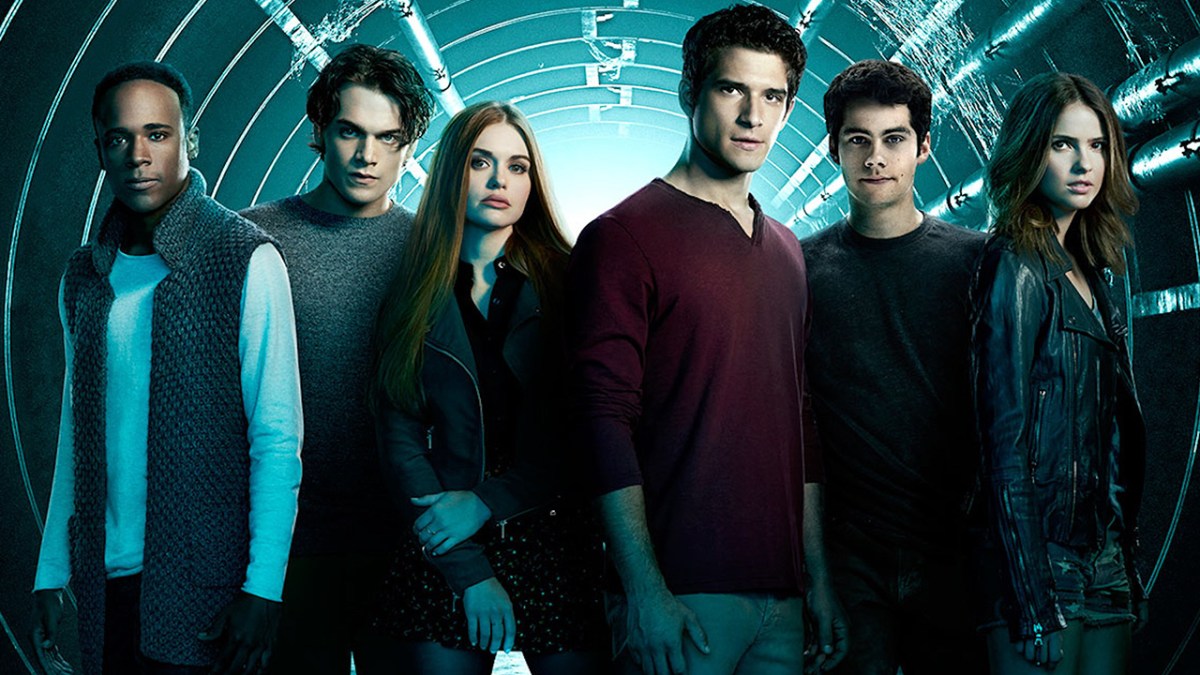
As I mentioned above, teenagers are almost always portrayed by adults. Much more often now they are portrayed by young adults (18-early 20’s), but for a long period of time they were portrayed by adults in their mid-to-late 20’s (sometimes even early thirties). And these adults wouldn’t look all that much like teenagers, either. They looked like exactly what the actors were-full blown adults. Flawless skin, toned bodies, nice hair. They look like polished versions of teenagers. Even the actors now casted to the role of teenagers (who look much more like teenagers) still are polished, and very post-pubescent.

They also act in almost stereotypical ways, with a rebellious streak that is so insane that it’s practically unbelievable (at least, in terms of mine and my friends’ parents). I’m sure there are plenty of parents that don’t actually murder their children whenever they pull a stunt crazy enough to involved the police, but I’ve only seen them appear when I was already in college.

Don’t believe me? Let’s look at two cases: Teen Wolf and 13 Reasons WhyTeen Wolf began airing in 2011, and 13 Reasons Why first aired in 2017. In the former show, the cast are supposed to be freshmen in high school, although the cast definitely look like they should be in college at least. The cast began the show in their early adulthood, however, were so finessed that they pass at all for young teenagers. The main group in the show consists of mostly hot young men with well-toned six-packs, which I had seen in many clips (I’ve never watched the show, leading to my surprise when I found out they were only supposed to be fourteen), and they are incredibly well-dressed.

As for the latter show, the actors look much more like teenagers. They dress more like modern teenagers, they’re supposed to be around 16 or 17, making them much more believable looking. These actors are only in their early twenties, and it shows. The athletes have typical strong figures, but everyone looks normal, and not like supermodels. There is a stark contrast in the way the characters are presented from previous shows, but the fact still remains-they are post-pubescent. They still have perfect skin and hair, still show no signs of changing. Not that they have to, but their presentation is very finessed and flawless.

2. How Actual Teenagers Are

If you’ve ever met a teenager in real life, you’d know that media portrayals of them are grossly misunderstanding. Real teenagers still practically look like children, especially as puberty seems to hit later and later nowadays. They don’t really start looking like adults until senior year, and even then it’s difficult to say they actually look like adults.

Real teenagers have acne. They are awkward, and still adjusting to their own growing bodies. Their fashion sense is still developing (if they have one at all). They get weird haircuts, they wear glasses, and they never have a six-pack. Real teenagers look almost nothing like their polished counterpart portrayed by the media. They act cringy (I’ve had my share of moments), and act in ways that they’ll grow to regret (don’t we all?). They certainly don’t go driving out to the middle of the forest to go monster hunting with their friends at two in the morning.

Most teenagers don’t actively rebel against their parents. There are some, who take advantage of parents who don’t quite know how to discipline their children, but for the most part, most adhere to their parents’ rules. At least, most of the ones I knew, anyhow. No one was able to just do whatever they wanted.

3. The Impact of the Media

During my time, some people tried their best to look nice, but for the most part, people just wore whatever they really wanted. But we were still affected by the way we were portrayed in the media. A distorted view of how we imagine teenagers evolved, with a subconscious pressure to look just like our favorite characters. We begin to try and style ourselves to certain categories, almost stereotyping ourselves into different groups (the “cool” kids, the nerds, the athletes, and everyone in-between). Although it was subtle in my high school, it still existed in other, smaller schools.

More recently, however, I see more and more teenagers trying to look like adults. This is both due in part to media portrayals, and also to the rise of Instagram models and other social media pressures. Teenagers want to stop looking like teenagers, and instead want to skip to adulthood. This was a problem during my times in high school, but I notice that it’s becoming more apparent, especially with the rapid change in appearance that teenagers put on their social media. They try to hide their teenage identity in any way they can, promoting an “older” appearance, and turning away from things that made being a teenager fun. Kids are trying to grow up too quickly, and media portrayals of teenagers only encourage this goal.

A Month After the Controversy: My Opinion on Pixar’s Bao

Once again coming after all the drama has settled, I have decided to put my two cents in on something. I saw Bao a month ago with my friend, and didn’t think much of it initially. But then all the drama rose and fell surrounding the short, with confusion arising over some aspects of Chinese culture. Is the short worth all the drama? Let’s take a look.

I am going to divide this into three sections: the pros, the cons, and a look at the whole controversy. I’ll try to pinpoint some significant cultural aspects that some people might not understand when looking at this. The analysis here is based off of my opinion, but I’ll try to be factual. This will be spoilery, so if you haven’t seen it and want to, watch out.

The Pros.

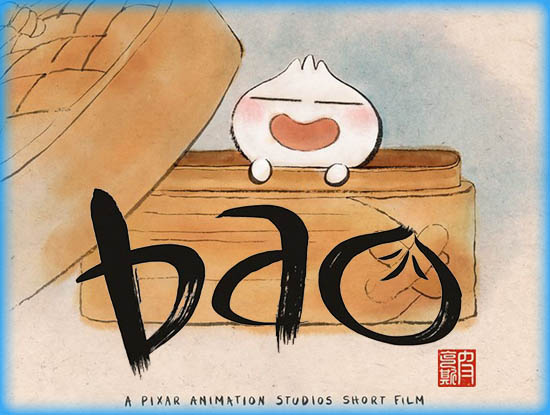
What I like the most about the story is the overall message. It was short, and got its story line out without any words. The animation was cohesive and colorful, all the characters being soft lines and not sticking out against the little dumpling child. Everyone was plump and round, and each character was distinctive in characteristic.

I honestly thought the film was a heartwarming tale. I am not quite certain what position the mother is in, but based off of the experiences of my friends’ first generation mothers clashing with them, I imagine there is some influence in there. She clashes with her son, who she sees as acting too far out against her, with the dumpling being a metaphor for her relationship with her son. It really was a powerful portrayal. The short portrays fracturing and reconciliation within a family, with a mother being initially unable to accept her son leaving. It is a story thousands of families face- and it does a decent job at it.

Overall, I thought it was short but had a good story to tell. It was well-animated, and was much better than the last Disney-related short I had to sit through (I’m looking at you, Frozen). I got invested, without needing twenty minutes to do so. It was cohesive and smart, without needing actual dialogue.

The Cons.

I have mentioned that Bao does a decent job at telling it’s story. But it’s not perfect.

The biggest con I can think of for this short is that fact that it relies very heavily on the use of metaphor. Which, works for adults and people who have a concept of metaphor, but not so much for children. In order to explain this, I have to go a little into the plot of the short.

Now, as I mentioned, the dumpling child is a metaphor for the woman’s relationship with her son. She raises the dumpling, but as he grows older he gets more rebellious and distant, eventually trying to leave her. Well, as a resolution, the woman eats the dumpling. Then the son, who looks like the dumpling, steps in from there.

Not bad, right? Well, the problem arises with the fact that most, if not all young children, will not connect the dumpling child as mirroring the son, without really being real. To them, they would see the dumpling child as different, and would think that she actually just murdered a dumpling person. Which, when you think about it, might put kids in distress. And it did-there were reports from audience members of some kids being distressed enough to cry from the scene. The reliance on metaphor is something that most kids-at least the ones that were anything like me-would simply not understand. It’s one flaw, but it’s a big one.

The Controversy.

Now that I’ve given my take, let’s take a look at where the controversy comes from. The short itself was directed by Domee Shi, and was influenced by her experience with Chinese immigrant parents in Canada. And as you can see, you can see the struggles that arise between the mother and the bao as the dumpling grows up and wants to leave and have independence.

How is this a problem? Well, from my friend’s experiences (Korean and Filipino) with their immigrant parents, and from some research, I find that the family and household are very intertwined. The child is not expected to leave the house and suddenly have a career at eighteen-which presents it’s own set of problems in the West-, but are actually expected to stay in the household past eighteen. The family is central, with three or four generations sometimes living in a house together. This idea comes at odds with American culture, especially for the children of immigrants who are surrounded by that culture. It often causes a strain in the relationships (as I’ve seen with some of my best friends and their parents), as the clash in culture causes arguments.

Now, because of my witnessing of these experiences, I am familiar with the cultural clash, especially in Asian immigrant families. However, there were quite a few people (mostly white Americans), who didn’t understand what was happening. This is where the controversy starts. There was an explosion of arguments, as people who didn’t understand the nature and context of the short began social media arguments with people who understood the short all too well. This caused calls of racism and ignorance, when I have to say such sayings might have been a little uncalled for.

Because of social media and the fact that huge portions of the US and Canadian populations live in large, diverse cities, we often forget that there are people who don’t know the experiences of immigrant families, nor understand the context of Asian culture versus Western Culture. When informed, people will grasp it, but when people don’t understand, a pivotal scene like the woman eating the bao would not make much sense. It would just seem like an overreaction to an argument, rather than an important moment that permanently changes the relationship of a family.

Does this mean we should have “dumbed down” the scene for people? No, not at all. While I do think some of the comments I saw were just people who were genuinely confused and not ignorant, I do think some people took advantage to stir up a huge controversy. I don’t think the short should have stirred up that much controversy, but I am not in a position where I understand all sides.