Strange Disneyland Incidents

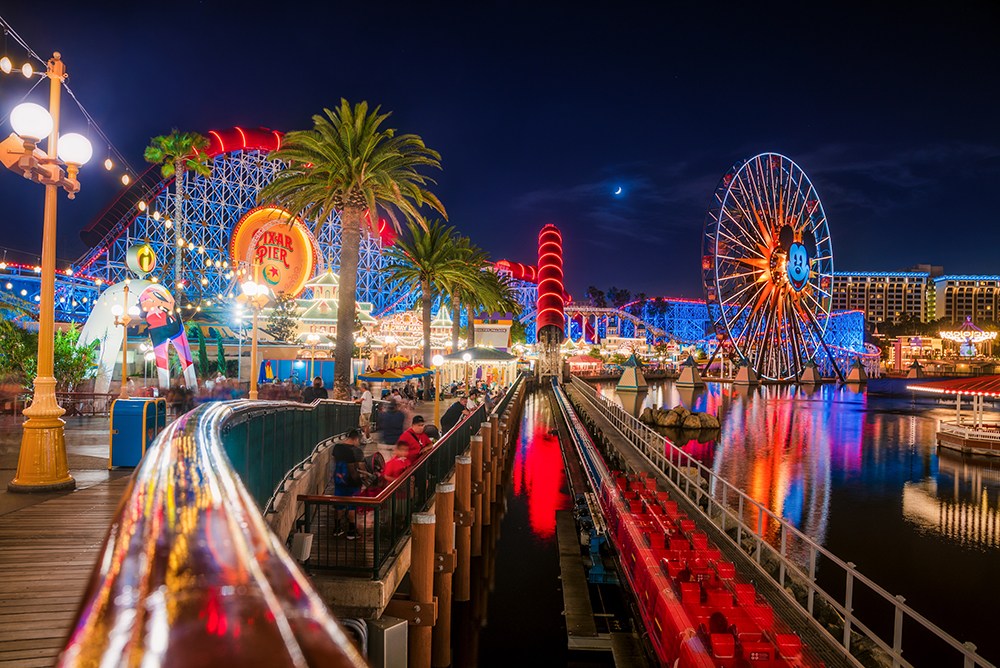
Disneyland, despite its uptight nature about making sure everything is functioning and clean, has had its fair share of strange and bizarre accidents and malfunctions. The park has made headlines for having events such as a “selfie-stick shutdown” and a massive measles outbreak, plus many more that aren’t even mentioned. I’d thought I’d list a few of the strangest/funniest incidents that occurred within the resort.

Selfie-Stick Fiasco

The Incredicoaster (known formerly as California Screamin’) was shut down not once, but twice, after a passenger tried bringing a selfie stick with them on the ride. The first time this happened occurred in 2015, prompting the later ban on selfie-sticks in the Disneyland park. The second time occurred a year later, leading to the ride being shut down and evacuated for an hour.

Drunk Superman

In 2012, a reportedly drunk 53-year-old man attempted to attack a worker at the Twilight Zone Tower of Terror (now Guardians of the Galaxy). The worker pepper-sprayed the man multiple times in the face, but rather than deter the man, it only angered him more. It took several guests to subdue the man until security arrived. Why the man attacked is unknown. But you can watch what the fight on Youtube.

Vaccination Station

In 2014, a whopping 40 people contracted measles at the Disneyland park, causing an outbreak. Despite public speculation, the patient zero is thought to be an international visitor. The impact of the outbreak still left its mark, however, as it led to a Senate bill requiring vaccinations in schools.

The First Fatality

Disneyland’s reported first fatality occurred in 1964, when a fifteen-year-old boy stood up on the Matterhorn and fell out. The boy died of his injuries three days later in the hospital. It was reported that his harnesses were undone by his companion.

Mickey Mouse Drop

In 1972, four teenage girls were riding on the PeopleMover when one of the girls lost her Mickey ears cap. She and her cousin jumped off of their car to retrieve it, before realizing that they had to get on another cart. While the original girl made it onto a car, her cousin found a tunnel exit and ran through it, only to fall 30 feet (9 m) into a guard rail and onto concrete. She survived with many broken bones, and sued Disney for their negligence about the exit warning.
The End of an Era with Stan Lee

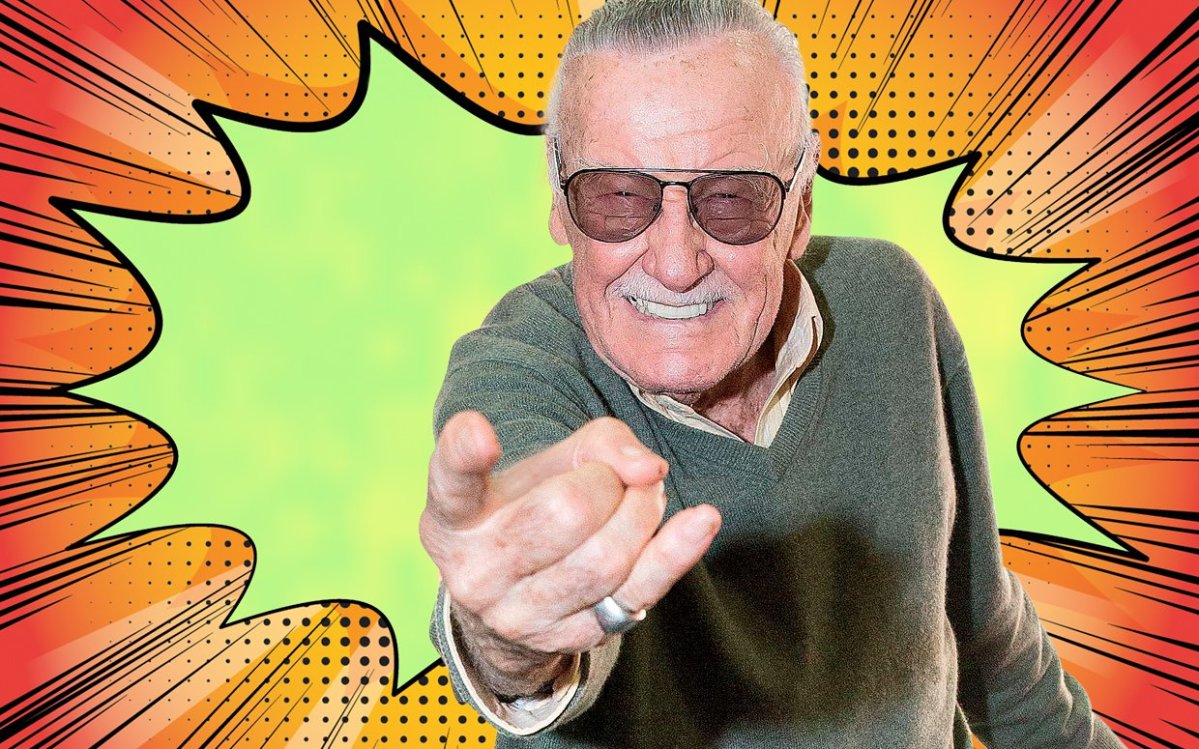
This morning, comic book artist, editor, and publisher Stan Lee passed away, signalling the end of both an icon and an era in the comic book universe. Stan Lee was not just a famous figure in terms of Marvel, but was also responsible for being one of the leaders of comic book and superhero culture, marking his place in pop culture history.

Stan Lee has had a major impact on Marvel comics, creating figures such as the Fantastic FourSpiderman, Thor, X-Men, and Hulk. Stan Lee has also been responsible for multimedia projects and acting as a brand ambassador for Marvel, despite past lawsuits against the companies for appropriate compensation for artists. In 2001, he founded the intellectual property company POW!, and later on received the Medal of Arts honor. He also published his autobiography Excelsior! The Amazing Life of Stan Lee.

Lee also helped build Marvel’s blockbuster brand, inspiring the production of Iron Man, X-Man, Thor and the Avengers. The man was also known for making a cameo in almost every Marvel film, the new Fantastic Four being an exception (to which he had jokingly remarked that that was the reason the film had flopped).

Stan Lee was an important person for pop culture, and his contributions to it will not be forgotten anytime in the near future. He helped spearhead Marvel into what it is today, and his death with certainly leave an impact on the company and the people who follow it. You will be missed.

My Takeaway from the Jake Paul Series

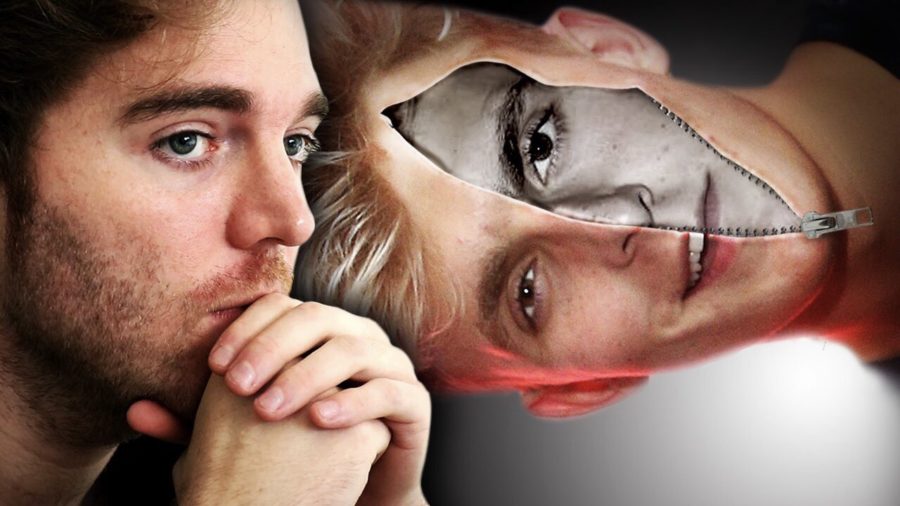
If you’ve been involved in the Youtube world, then you would know that a few days ago, Shane Dawson wrapped up his eight-part series on Jake Paul. The series ended in an almost two-hour long finale, a good 90 percent centered around the final interview that Shane had been building up to throughout the series.

Despite my qualms about the second episode, I watched the series in its entirety. I will say that while I admire the amount of research Shane went through, approaching multiple different people that were involved in Jake Paul’s life in order to get their perspectives, I have to say that in the end, Shane let his bias show a little too brightly.

Not in the sense that he ignored that Jake Paul is a sociopath (which he’s not), but in the sense that in the end he went a little too light on calling out his past. He did ask about the assault case, the cheating situation, and other such things that people had been wondering about. He provided advice on what Jake Paul should do, to which the latter figure seemed enthusiastic to accept. But the interview as a whole was a little underwhelming. Shane promised that the interview would allow no mercy, and spent the whole series making that promise, but when he got to the actual interview, I couldn’t help but be bored. I sat there, constantly checking how much time was left, wondering when the harder questions were going to come in. In the end, I felt that we weren’t given what we were promised, because Shane learned to like Jake Paul.

And, to be honest, I did feel some sympathy towards Jake Paul. Throughout the show, the strained and frayed family dynamic came up, which provides some insight on who Jake Paul is behind the scenes. His Dad raised him to believe it was okay to act like this, and his brother did some awful things that would mess with someone. Working with a father and brother, as well, is also very dangerous, as it blurs the line between work and family. It can destroy families.

There’s also the fact that Jake Paul holds himself in a toxic situation, living in the Team 10 house and almost never taking a break. Even his girlfriend can sense it, and wants them to move away so that they aren’t constantly in the limelight. That kind of situation would mess with anyone.

And yet, at the same time, I hesitate to sympathize. The situation between Alyssa and Jake still makes me wonder, especially as some aspects to each side of their stories holds differences, making it difficult to believe one person or another. Shane never fully fleshed out the situation through third-parties without bias, adding a sense of dissatisfaction and uncertainty. The uncertainty makes me hesitate.

Also, despite him being in a messed up situation, we can’t ignore the fact that Jake Paul has done some crappy things. There were bad choices he made outside of the ones discussed in the series, and they were choices that he made. Of course, college males can act as dumb as him, but being an influential figure, especially with a demographic of kids 8-16, he needs to know better. And I’m glad Shane pointed that out, cause in certain ways Jake didn’t seem to understand the amount of influence he actually had on kids. Constant merch plugging, his music, and pranks, his talk against school, all of that can leave an impact on a kid, shaping their views. He didn’t seem to understand that.

Now, in the end, Jake promised to change things. But words don’t mean anything if no one acts on them. I want to see him act on it, and the best way I can imagine that being is taking an extended break from Youtube-possibly even moving back out to Ohio. To think on himself and his actions, to come back and change his content. I won’t believe the guy until he’s actually presented the social sphere with his change, and possibly moved himself into a situation where he has a break from the chaos. While I do hope that he does improve, I will only believe it when I see it.

Things to Note From Rockstar’s Work Conditions

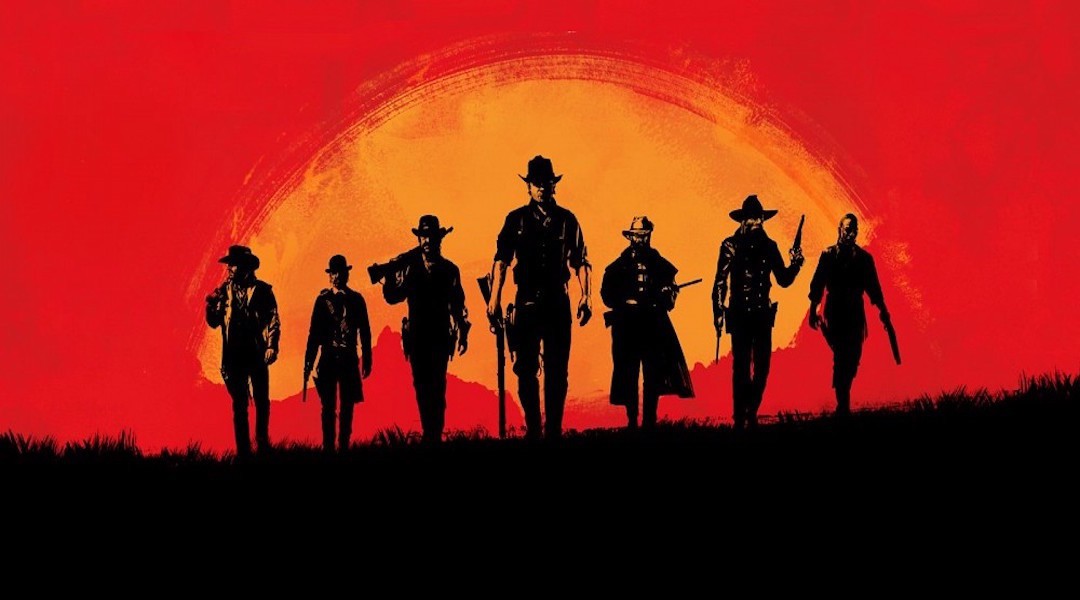
I would have written earlier about this, but was away from my computer and couldn’t get to it. But about a week ago, it was discovered that in order to make Red Dead Redemption 2, programmers and other staff had to work 100 hour weeks over a three week period in order to finish the game. This caused a swift backlash on the Internet about the conditions, with everything from news journals to podcasts criticizing what Rockstar had done. Co-founder and VP Dan Houser argued that these overtime shifts were “optional” to employees in defense of the habits, saying that these people opted-in overtime to finish the newest game.

However, when some employees (granted permission by the company to clear the air) took to Reddit for Q&A, that clearly wasn’t the case. A QA tester from the Rockstar Lincoln studio in the UK clarified that the public doesn’t often hear of the working conditions as a result of employees signing a NDA (non-disclosure agreement), preventing them from taking issues to the public.

He also clarified that the overtime shifts aren’t really optional but expected, as they have to make up an overtime shift if they for whatever reason can’t do an initial one. As for weekends, they have to make it up as a “double” weekend if they miss out on working one. The QA tester does clarify that they are paid for their overtime. He does establish the difference between a typical work shift and an overtime shift, the main difference being about 2 1/2- 3 hours longer. The overtime shifts are usually implemented near the end of the creation of a video game, in order to have it released by the proper date they planned for. While that doesn’t alleviate the issue of exploitation, it does explain that the overtime hours aren’t the norm.

Now, in the midst of this controversy, I noticed that some freelance artists, programmers, ans video game designers took to Twitter and other forums to explain their story. They didn’t center their stories around Rockstar, but rather their experiences as contract workers for other companies. What they explained was rather interesting.

Just about 100% of the time, the people were explaining that they voluntarily took on the hours, for fear of being dropped from their contracts. Despite some being told by their own employers that they don’t need to work so hard, they still overworked, trying to be as productive as possible and thus more valuable. All of these cases end in a nasty case of burn out.

What is burn out? By dictionary terms, it means to completely ruin one’s health or energy through overworking for a long period of time. People will permanently disfigure themselves, or place themselves into life-threatening situations that way, all because they wouldn’t let their body rest. Ever heard of people dying at their desks in Japan from working too much? Yeah, that’s an extreme form of burn out.

As I mentioned earlier, the thing to note in both of these areas is that the overtime is promoted as voluntary or optional in terms of the legal working contract. But workers argue that the “optional” overtime was actually expected, or perceived to be expected, thus feeling the pressure to take up the overtime. It’s a dangerous expectation that can easily result in the damaged health of an employee.

The Problem of Shane Dawson’s “The Mind of Jake Paul”

The Internet roared when Shane Dawson announced that he would make an eight-part documentary series on the controversial Youtube star Jake Paul. Dawson had been known for making “DocuYoutube” series on other controversial figures (including Tana Mongeau and Jeffree Star), but this person, known for several strings of awful behavior, was a step too far. Dawson did announce that he would not be lenient or forgiving to this person, and that he was making the series to analyze why the younger Paul brother behaved in such a way.

With the release of the first episode, all seemed well enough. Within the first few days the episode got 15,000,000 views, a viewing higher than some of the most popular TV shows on air. The controversy arises in the second episode however, when discussing the idea of sociopaths, as an attempt to analyze if Jake Paul qualifies as a sociopath. This controversy centers mostly around the psychologist he meets with and the framing of a sociopath.

Now, here’s a few details on a sociopath. A sociopath classifies under antisocial personality disorder, mainly marked by superficial charm and an inability to regard moral or social standards. Sociopaths lack the ability to relate and sympathize with others, and often learn to mimic behavior by studying how other people react. They usually have poor behavioral/impulse control, and often need high amounts of stimulation. Sociopaths, which is the extreme end of antisocial personality disorder, affects about 4% of the population, or 3% of males and 1% of females.

Now, sociopaths aren’t inherently bad people. They often do things that are considered bad or callous because they lack the capability of understanding them. Oftentimes, however, sociopaths are confused with psychopaths, who are dangerous, as they share some similar traits. This creates a massive stigma against sociopaths, a stigma that oftentimes prevents people from getting help or living a relatively normal life.

Now, here’s where the Shane Dawson controversy comes in. He frames the description of a sociopath with scary music and themes, making a sociopath appear more like a serial-killer psychopath. He also makes it seem like a sociopath is some born horrible mental illness, rather than being a personality disorder born out of deep childhood trauma. He reinforces a stigma around mental and personalities disorders, which is ironic, given his history or eating disorders and depression. He has been open about his mental health issues, so to cast a disorder that people can’t help as something scary on such a mainstream platform only boosts the stigma against mental illness and personality disorders.

The second controversy comes in the fact that the psychologist he was talking to began diagnosing people. Any undergrad student who is serious about becoming a psychologist or psychiatrist can tell you that a therapist is not supposed to diagnose people. A therapist’s main job is to help guide someone on their own journey and let the person discover themselves, or have testing done in order to get a definitive answer. They are not supposed to sit there and tell you what they think you have. Any therapist who does so is not a good therapist. The fact that she was labeling Jake Paul as a sociopath without having ever met him is bad practice (also, her implication that all Youtubers are sociopaths with Narcissistic tendencies is kind of ridiculous). She only fueled the fire of placing sociopaths in a bad light.

Although Shane has apologized for this move in subsequent videos, the fact that he even did it in the first place for ambiance was just poor taste.

You Can’t Rely on Old Media for Depictions of the West

Recently, Rockstar has announced that Red Dead Redemption 2, the sequel to its instant classic of Red Dead Redemption, will add black cowboys, portraying a more realistic perspective of how the Wild West would have been.

However, like all things with time period games, there are those who dissent to having these characters added. Fortunately, it’s not nearly on the same scale as some other games, but it still exists. One argument of the dissent that stuck out to me was the idea of how historically “inaccurate” it was to have black cowboys. These arguments are based off of old Hollywood and TV portrayals of the West, somehow justifying their arguments. If P.O.Cs were not portrayed then, then therefore they simply weren’t actually present, right?

Wrong. Let me give a little insight on the actual realm of the West. The West, with its notoriety for being a “lawless wasteland”, was much more racially open than the rest of the United States. A former part of land owned and controlled by Spain (and later Mexico), the wide and mostly unpopulated expanse had plenty or room for the proliferation of Vaqueros, or the precursor to cowboys.

The Vaquero lifestyle was mostly used by Mexicans and some Natives, who gained influence from the Spanish ranchers on the Missions. However, when the land was won over by the US in the Mexican-American War, the Vaquero stopped being a purely Hispanic profession. Caucasian and later black cowboys began making an appearance on the scene, taking up the Vaquero (later renamed cowboy) lifestyle to live a “free rancher” life.

Black cowboys initially started as slaves tending to their masters’ cattle ranches while they were away at war in Texas, although there were some that escaped West before incorporation into the US to escape their former masters. In this, black Vaqueros gained the skills that would make them invaluable to the cattle industry, allowing them to prosper following the end of the Civil War. As many as 1 in 4 cowboys were Black, travelling throughout the West to help ranchers herd their cattle.

Now, this didn’t make the West some racial paradise, as discrimination against Latinos, Blacks, Native Americans, and later Asians (who came in to help build train tracks that would help connect the Continental US) was still a common phenomenon. But it allowed more freedom than other parts of the US.

Now, with all that in mind, how does this relate to old media? Well, if you’ve watched any spaghetti Western film or TV, you’ll easily notice that the diverse history of the West simply does not exist. If there’s a Native, they’re violent savages killing the poor white woman for fun. The Asians are portrayed as dirty, cheap, and lying. There’s not even a mention of Blacks or Hispanics.

No, the Western shows and films represent and idealized White version of the West, one which claims the cowboy as purely American made, despite its Hispanic origins. It’s about the finding the Classic love in the Wild and Gritty West, centered around White actors in a purely whitewashed realm.

Even as late into the 1990’s, media surrounding the West was heavily geared towards portraying it as white dominant, with only a few outliers that portrayed otherwise. It was only in recent years with Django Unchained, Hateful Eight and Magnificent Seven that the whites-only narrative has fallen back, showing another, previously unacknowledged side of diversity in the Wild West.

Old Media has a particular representation for portraying false narratives, and is unreliable for arguments trying to prove historical accuracy. Media changes stories and narratives all the time for entertainment, especially in older films and TV shows.

The Downfall of Telltale Games

Now, I am a few days late to this whole drama, but that has let me get a glimpse of a little extra content.

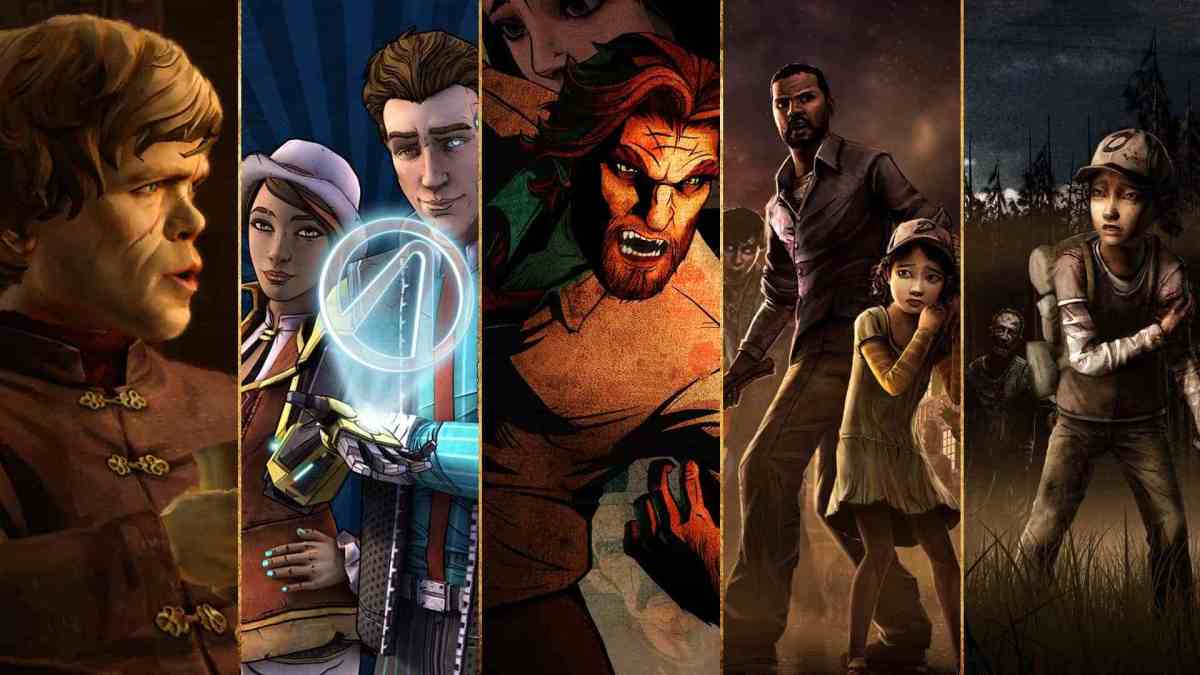
Last week, Telltale games declared that it was going to be shutting down, laying off most of its staff (who were expecting an eventual closure, but not so sudden). Official reports argue that a failed round of funding (the last backer abruptly pulled out) caused the shut down. The company is only staying open in order to finish the Minecraft: Story Mode for Netflix, then is shutting down permanently. This puts a halt to the much anticipated final season of Walking Dead and trashes the production for a Stranger Things game.

While officially, financial problems led to the closure, this development was a long time coming. Telltale games exploded onto the mainstream scene with the insanely popular first season of Walking Dead, released in 2012. Every gamer who was played that game, with streams for the first chapter popping up. As the game had promised that the endings would change based on your actions, people were trying to get the best ending possible. The first season was pretty good at making it seem like it changed based off actions, as well.

However, people quickly realized in the second season that this was not the case. Major events occurred no matter what, taking away the purpose of trying to find different outcomes. Another problem as well was the fact that the only character that remained consistent was Clementine (and later the child), while all other characters seemingly disappeared. Even the spin-off game was a dead end, with none of the characters making it into the actual game. This made it so there was too many characters to get invested in, turning people off.

This also ruined interest in Game of Thrones and Batman, two games that were reportedly good, but too long and unchanging for people to really be invested in. It only goes downhill from there, as Telltale keeps releasing more and more games, none of which had anywhere near the same popularity as the first season of Walking Dead. As a result, the company was merely digging itself into its own grave.

But, it didn’t let that on to its employees. In fact, the company had just hired people weeks before they had the massive layoff, with people even moving across the country in order to come and work. As a result, a massive class-action lawsuit has been filed against the company, as with the sudden layoff with an almost immediate cut-off of benefits, they have violated California labor laws. Some argue that in suing a bankrupt company, they are wasting their time, but it’s important to solidify that these laws apply to gaming companies, who might otherwise think they’re exempt.

Social Media Bandwagon: The Case of Alex Jones

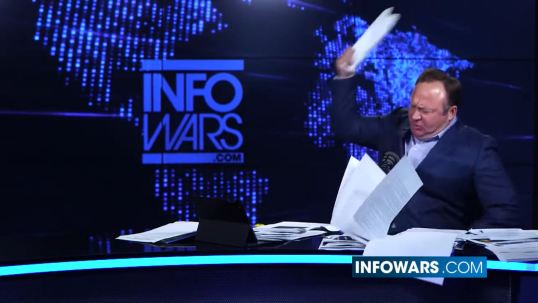
Within the last few days, Spotify, Facebook, Youtube, and Apple all made the move to ban Alex Jones, the runner of the conspiracy theory podcast known as Infowars. Apple was the first to make the move, with two days later the other three platforms following suit. This came as a result of months of complaining from general populace, who wanted Alex Jones banned for promoting false information and dangerous lies. And while this is a step in the right direction, it comes in a way that seems cowardly.

But let’s start at the beginning. Why did people want Infowars banned? Initially seen as a funny meme in the beginning, the podcast was quickly recognized as dangerous, spreading misinformation and promoting distrust in real media, arguing that the conspiracy theories presented are actually true. This grew dangerous under the age of “Fake News”, causing people to follow him and believe him, further dividing people over what is actually happening in the country.

This caused people to start pushing to get him off of mainstream social media platforms. People were tired of Alex Jones and his podcast, and wanted him to stop having open access to unsuspecting audiences. People even cited that he was breaking terms of service on multiple platforms in order to try and get him off the normal way, but none of the social media platforms did anything. Despite constant protest and pushing to get him off, not a single platform did anything.

That was, until Apple finally decided to cut his app off, and to stop streaming his podcast on Apple Music. Then, seemingly out of nowhere, the other three platforms “found’ that Jones was in fact breaking Terms of Service. Now he’s only on Twitter, saying that the other platforms banned him out of cowardice. The real case is, however, that no one wanted to do anything unless someone else did it first.

Think about it. As good a move as it is, why did it take so long for the platforms to act? Then, when Apple finally banned Jones, why did they move so quickly? Because they’re jumping on the bandwagon.

The thing is, companies don’t really care, unless it will hurt their own public image. So when a big company like Apple moves, of course Facebook (who recently took a major hit over selling information and causing a company to make bot accounts), would want to jump at the opportunity to make themselves look better. And of course Youtube and Spotify would want to as well, in order to prevent losing public face. It does make them look kind of weak.

But at least they did something good. I can’t hate on them too hard, because it wasn’t like they banned someone people actually liked. But it does kind of look sad when companies jump on a bandwagon to keep people on their platform.

Demi Lovato, and the Trials of Rehabilitation

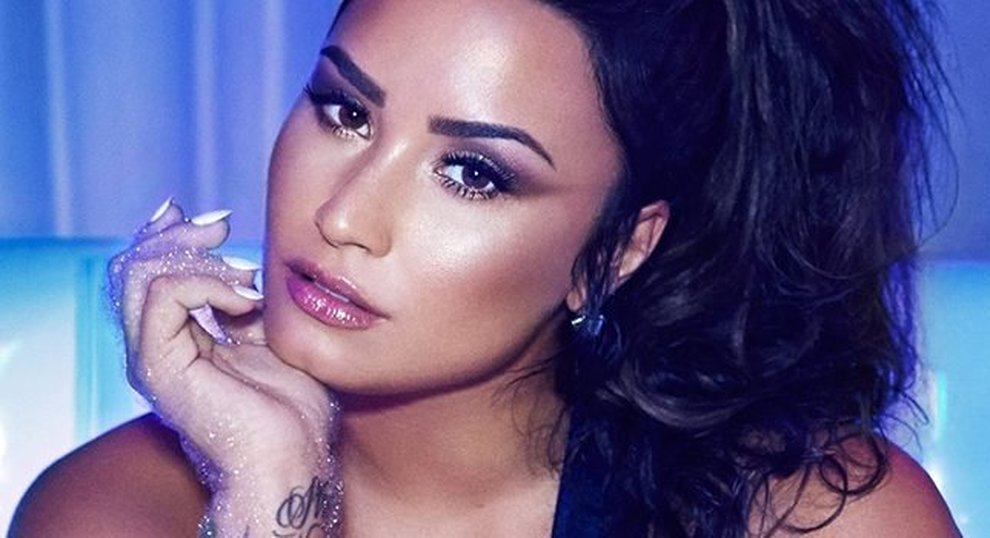
On Tuesday night, singer and former Disney Star was found and admitted to the hospital on assumed drug overdose, after a night of partying with her friends. Fortunately, she has survived the overdose, unlike so many other recent stars that suffered the same fate. But unfortunately, this surprise overdose has come at a shock to many, who had previously believed Lovato to have been sober for a long time.

Well, that is if you didn’t know about one of her newer songs, titled “Sober”, proclaiming her sorrow over her relapse after six years. It was released a month ago, shocking fans with the line “I’m not Sober Anymore” appearing so prominently in the chorus. Her relapse and hospitalization, and the deaths of so many other celebrities, tell of the struggles of overcoming addiction and staying sober.

So, what happened with Demi Lovato? Well, even before finishing her days with Disney, she had fallen into a cocaine and Xanax addiction, to which she eventually went to her first time for. However, she relapsed not long after, and has said in her documentary Simply Complicated that “I hadn’t been ready to get sober” when talking about her first time out of rehab (2017). Not long after, she went to rehab again, this time with a more committed attitude. By the time she became a judge on X-Factor in 2013, she had started living in a “sober” apartment, one with other recovering addicts as they adjust back to living independent lives.

In 2017, Demi Lovato made the aforementioned documentary Simply Complicated, where she documents her struggle with not only drug addiction, but also her bulimia and bipolar disorder. She opens all to her fans, inspiring millions with her heart-felt truth.

In March of this year, Demi Lovato celebrated her sixth year of being sober with a tweet reading “Just officially turned 6 years sober. So grateful for another year of joy, health and happiness. It IS possible.”

With her openness about her struggle and fight for sobriety, many looked up to her as a role model, seeing the image of successful rehabilitation. But with the release of “Sober”, the image of a sober Demi came to a screeching halt. The song revealed that she had relapsed a few months prior to the song’s release, and that culminated into her hospitalization on Tuesday night. Her story is a classic, but sad one, one that happens all too often.

I understand that the idea that Demi Lovato relapsed after 6 years might seem bizarre. The longer you spend without drugs, the less you’ll want them, right? Well, if that was the case, then how was Carrie Fisher found with substances during her autopsy? She may not have died of overdose, but the fact that she did have drugs in her system after being sober for so long does say something.

You see, trying to stay sober doesn’t work with time. It’s a constant battle, one that continues throughout a former addict’s whole life. You see, when you’re an addict, three major parts of the brain are affected: the basil ganglia (positive forms of motivation), the extended amygdala (deals with stressful emotions and thoughts), and the prefontal cortex (deals with decision making). All of these are the most important for fighting addiction, and are also the most affected.

Particularly with cocaine, this comes as a result of a surge of natural neurotransmitters released as a result, disrupting the normal recycling process for the brain. When it suddenly has to function again, it begins to crave that rush. When a person gets stressed, it begins to crave that rush. The brain is complex but lazy, and when faced with problems, it will immediately want what is easily accessible to it. The person has to have a strong enough will to fight the craving, and is not always able to do so.