Blackpink Plays at Coachella

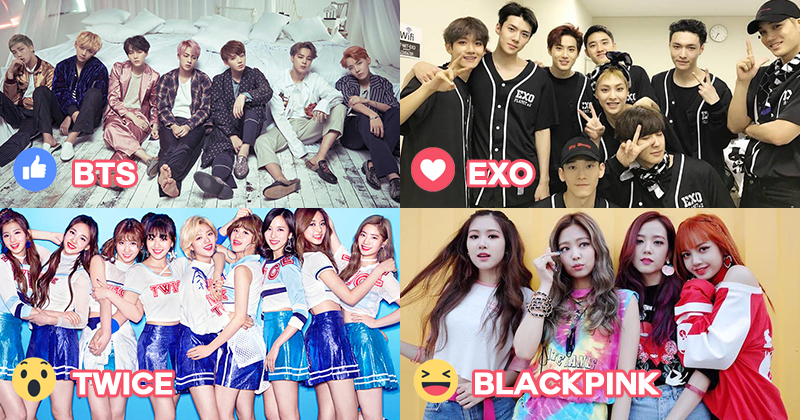
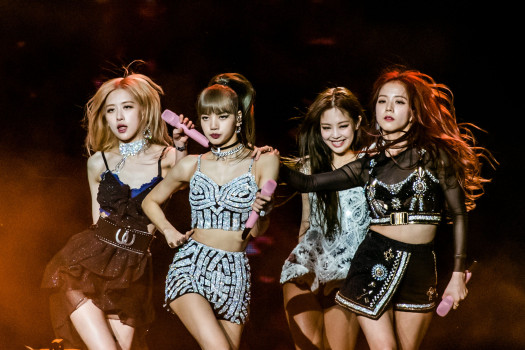
This past weekend, Kpop girl band Blackpink played at the first weekend of Coachella, becoming the first Kpop group to play at the musical event. They played a total of 13 songs, and became number one trending on Twitter, drawing thousands of Tweets by fans.

The quartet was given prime line-up for Coachella, appearing on the main stage Day One. They will also perform again this upcoming weekend, the 2nd weekend of Coachella. This performance will also be their first performance in the United States, although they have announced a full US tour for later this year

Blackpink, which is comprised of Jennie, Lisa, Jisoo, and Rose, first debuted in 2016 with their hit single “Boombayah”, and blew up to the highest performing female Kpop group with their mega-hit “Ddu-Du-Ddu-Du” just last year. The group comes from YG Entertainment, a key company in the Kpop industry that has recently come under fire for the Seungri scandal.

The band was personally invited to the line-up by the head of Coachella, and joined alt-rock Hyukoh, avant-garde Jambinai, and Japanese electro-funk trio Perfume, drawing lots of attention from fans.

Government Crackdowns on Chinese Pop

Chinese-Pop, despite its popularity within China, Taiwan, and Hong Kong, is rarely though of in the rest of the world. The genre lies continually in the shadows of the longstanding J-Pop, and the now booming K-Pop industries, although it has in recent years drawn more attention.

C-Pop has drawn an increasing amount of attention in recent years as it has come under the eye of government scrutiny for its “moral divergence”. The government, under Xi Jinping’s regime, has pushed for a return to more traditional Confucian morals, which argues a loyalty to hierarchy, and is used as a rejection of Western influence, and has recently turned its attention towards “cleansing” Chinese popular culture.

Back in January of 2018, the Chinese media regulator came out with an edict that said Chinese TV shows “should not feature actors with tattoos (or depict) hip hop culture, sub-culture and immoral culture,” in essence bringing the growing heyday of Chinese hip hop to a grinding halt. Hip Hop, which originated in the urban black population in the US, is a prime target for the “moral straightening” program that the Chinese government is aiming to implement, as it exists as the epitome of Western influence

Another, more recent possible act by the government, was the blurring of men’s pierced ears in January 2019. Both actors and C-Pop singers alike are now appearing on TV with blurred earlobes, which almost immediately drew criticisms from fans. The fans argued that the blurring of earrings, which was never explicitly implemented by the government (although most likely heavily suggested) reinforced the traditional, outdated standards of beauty for men and women.

In the regions outside of the major cities, the move to blur the earrings for the most part seems to have support, as traditional beliefs of hierarchy and gender still dominate. Men wearing earrings, to the rural population, was seen as “degrading” to the social status and strength of men.

The government is suspected with having a heavy hand in the decision to blur the earrings, as it would be another feature of the “moral straightening” of Chinese pop culture, and would function as a rejection again of Western culture.

The Game of Skin Bleaching Roulette in Africa

Skin lightening and bleaching is a multi-billion dollar industry that has been on the rise for the past decade-much to the alarm of medical professionals. Particularly in Asia and Africa, skin bleaching ads and commercials are common, promoting products that will guarantee paler, flawless skin-a factor that is often seen as a key to success. However, these products are almost always unregulated, and include ingredients such as mercury, hydroquinone and derivatives, topical steroids, and resorcinol, all of which can cause irreversible skin damage with constant use. These ingredients are also known to break down melanin in the process of bleaching, leaving people more prone to developing skin cancer, particularly in hotter climates.

Products like these can create serious issues, particularly when considering the fact that 1 in 3 women on the African continent use, or have used skin bleaching products, according to a study by the University of Cape Town. Skin bleaching is especially an issue in South Africa, where black market skin bleaching products proliferate, leaving people at a higher risk of damaging their skin. It doesn’t matter that South Africa is one of the few countries in Africa that implements regulations of skin bleaching products produced within the country; black market imports pop up faster than they can be confiscated.

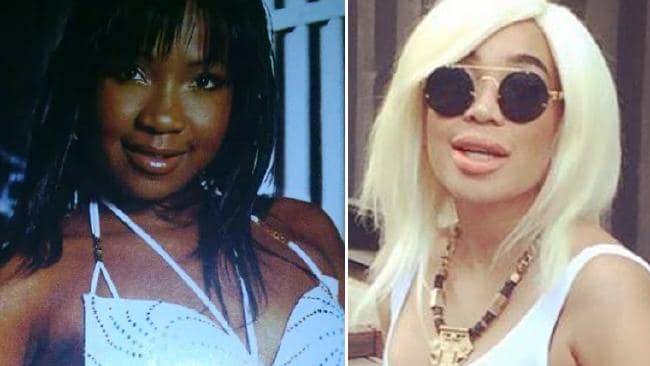
One celebrity in South Africa has gained quite a bit of attention for her skin bleaching, which has drawn harsh criticisms for encouraging young girls to lighten their skin as well. Musician Nomasonto “Mshoza” Mnisi has gained attention for becoming several shades lighter through her skin bleaching treatments, contrasting from her darker appearance from when she first premiered as an artist. She says her new skin makes her feel beautiful and more confident, which can portray badly to darker-skinned South Africans, particularly those already insecure about their appearance.

Mnisi shrugs off criticisms of her appearance, arguing that her choice of skin bleaching is a personal choice, comparing the procedures, which cost around 5,000 rand ($590 USD) each to getting a nose job or breast implants. Unlike much of the rest of the populace both in South Africa and the rest of the continent, the 30-year-old musician uses high-end skin bleaching products, which tend to be much safer than their black market counterparts.

The dangers of using skin bleaching products, particularly non-regulated ones, is that they can cause blood cancers, liver and kidney cancers, and a severe skin condition known as ochronosis, a form of hyper-pigmentation in which the skin turns a dark purple shade, according to a researcher at the University of Cape Town. Few people know of these dangers, however, and the increase in demand is troubling. The World Health Organization has reported that 77% of Nigerian women have used skin bleaching products, the highest of any African country, followed by Togo at 59%, South Africa at 35%, and Mali at 25%. Men are also starting to use skin whitening creams, which is only adding to the increasing demand for the products.

Although it is difficult to pinpoint one sole reason for why people bleach their skin, psychologists say that low self-esteem, and some degree of self-hatred, are common among reasons. Having lighter skin is more desirable throughout the African continent, a result of over 100 years of colonial rule, and with continued discrimination against those with dark skin in terms of education, pop culture, society, and jobs, people desire to lighten their skin and make themselves more “desirable”. The perceptions against darker skin are deeply entrenched into African society and pop culture, which keeps the demand for skin bleaching products alive.

KPop is Now in the West, and it’s Here to Stay

The Western pop culture realm was severely shaken up when in 2017 BTS was nominated for a Billboard Music Award, and won. They were the first Korean artists to get nominated for a Western Music award, and were met with a mix of both excitement from their fans and confusion from the general populace. Social media was flooded with questions about who BTS was, and why/how they got nominated in the first place.

Two years later, and Kpop has not only exploded in popularity, but is slowly melding its way into Western music. Artists such as Steve Aoki, Nicki Minaj, Jason Derulo, and Dua Lipa have collaborated with some of the most popular Kpop groups, mixing both Korean and English in a way that had only previous been done with Latin music. Just last week Jason Derulo came out with a song and music video featuring LAY and NCT 127, the former being a Kpop singer and the latter being a Kpop group, called “Shut Up, Let’s Dance”.

Kpop is working its way into Western music, though at a much slower rate relative to the explosion in popularity among Western audiences. The rapid growth in fans of Kpop is rather astonishing, as in just a few months the rate of Kpop fans have skyrocketed, and social media interactions with Kpop groups. For both BTS’s and EXO’s twitters, the rate of interaction with the accounts by fans beat expected interactions by a longshot in 2018, beating out top western artists such as Beyonce and Justin Bieber.

Kpop groups have even made their way into Western advertisements, as BTS has both been on the cover of Billboard magazine and modeled for Vogue. The most popular female group at the moment, Blackpink, just appeared on the cover of Billboard magazine as well, having some of the highest amount of streams on Spotify. Their latest song “Ddu Du Ddu Du” also has topped 695 million views on Youtube, making it one of the most listened to Kpop songs globally.

Kpop is pushing its way into Western Music, and, at least for the time being, it’s here to stay. It’ll be interesting to see how Western music awards, particularly awards such as the Grammy’s, will adapt to the rising popularity of Kpop. Will it add a category specifically for Kpop, which they did for Latin music? Or will they simply meld it in to the preexisting categories, as what occurred with BTS this february? It’ll be interesting to see where the next few years takes us.

No, I Don’t Want to pay $40 for one Awards Show

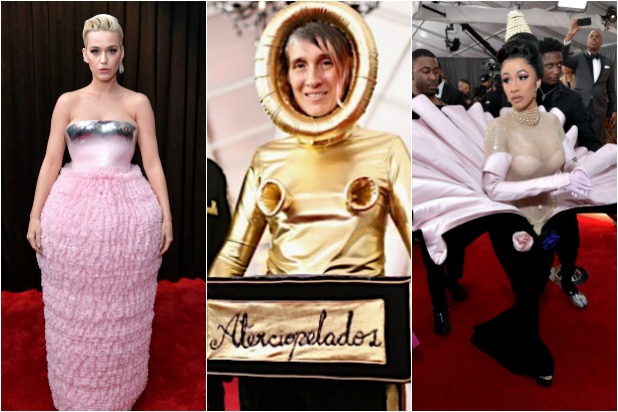
So last sunday was the Grammys’. I’ve never actually seen the Grammys’ before, and figured that I this year might be the year to try watching it. Some interesting performers were up for awards, so I was intrigued.

Except, whenever I tried to figure out where it was streamed, I realized I could access none of the listed sites. Under my Dad’s account, I have access to DirectTV, CBS, and Hulu. But were they showing the Grammys’ on any of these sites? Nope, you have to pay $40 a site just to access their special “live” versions. Even when I tried looking it up directly on DirectTV (on my laptop), the Grammys’ couldn’t play because of copyright law. Copyright by who? Who even knows.

It annoys me to no end that these companies want you to by their “special” subscription just to be able watch something that you won’t really have access to again, just to boost subscriptions. No one wants to subscribe to “Hulu Live”, or something like that, they just want Hulu. Stop making this more difficult than it needs to be.

And, as for DirectTV, they had it on their special “on the go” subscription, but for some reason copyright prevented it from having it on their regular site? Even though I could look up the Grammys’, and get all the way to the “watch now” button before it’s a problem? Ridiculous.

Now, I could have technically gone downstairs and watched in on the TV itself. My landlady lives in the house I stay in, and has a TV set that has access to CBS. However, she had people over, and was in the living room with those people, which would have made it rather strange to just walk in and change the channel. So, while technically I could have done something, in reality it would have been socially unacceptable.

ICE Arrests 21 Savage

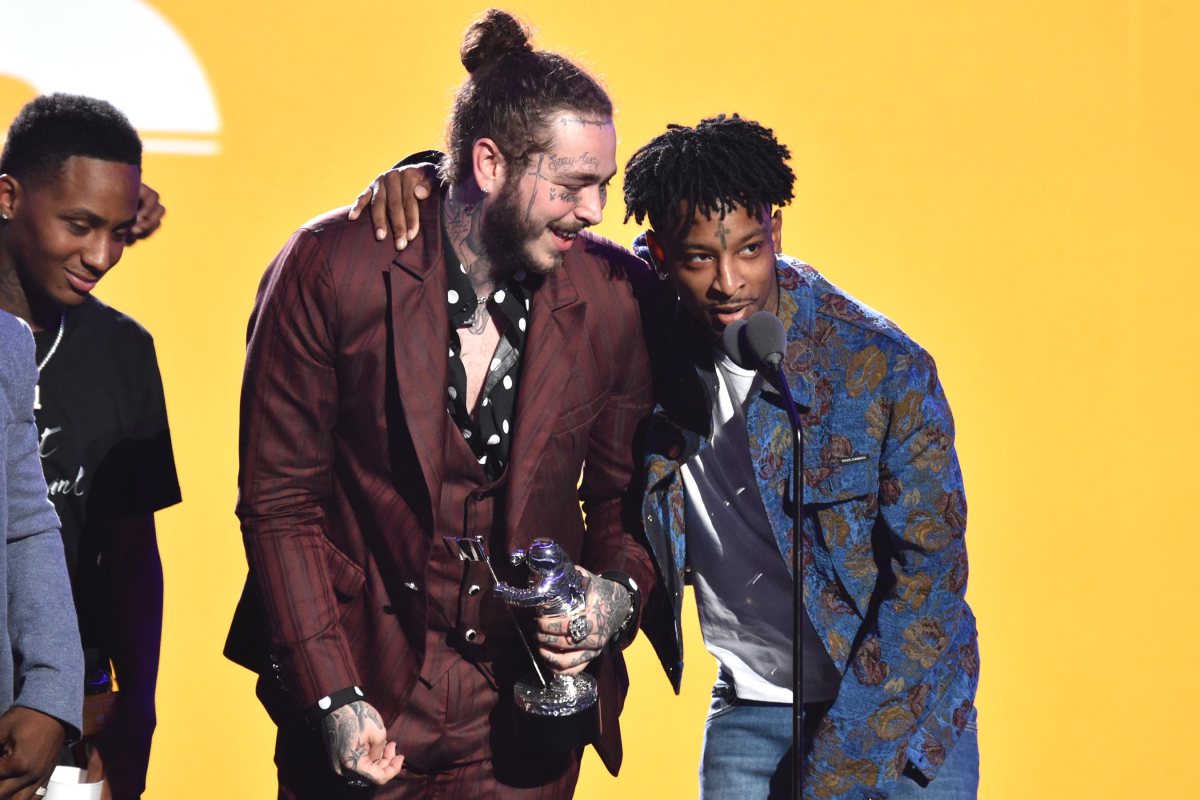
This morning, Immigration and Customs Enforcement, known as ICE, detained and is in the processes of deporting grammy-nominated rapper 21 Savage in Atlanta. In their report, they reveal that the rapper, who was presumed to be American, was actually from England. The rapper, who’s real name is Shayaabin Abraham-Joseph came to the the US legally as a minor in 2005. However, once his visa expired in 2006, he continued to stay, never renewing it in the process.

The report shocked many 21 Savage fans, who associate the rapper strongly with the Georgia rap scene. In fact, the “21” in his name is in reference to a gang located in Decatur, Georgia. He now currently sits in a detention center in Georgia, awaiting trial before an immigration court.

The most interesting part about this revelation is the fact that this hadn’t been discovered before. Fans tend to go to stalker levels of information diving in order to find out everything they possibly can on a celebrity they follow. It’s surprising that no one looked further than his teenage years, or just followed the assumption that he was born in Atlanta, where he started his career.

Another surprising factor is that his immigration status didn’t come up during his felony drug charges in 2014. Felony charges done by immigrants, whether legal or non-legal, in the US gets the immigrant automatically deported, and they cannot appeal. Once they are deported, they are not allowed to even return to the US, even for vacation. The fact that all throughout his trial his status as an immigrant never came up. He was tried as a full US citizen.

How 21 Savage was able to keep his status a secret, especially being such a public figure, is rather intriguing. As the case stands, there is no certainty on whether or not he will get deported, even with a past felony charge putting him in a disadvantaged spot to begin with. It will be interesting to see how the events unroll.

How Movies and Memes have made me Connect Art and Music

As I was walking through the National Museum of Art in Washington DC, I couldn’t help by hear constant genres of old music (Classical and Medieval), as I walked through the impressively European artwork. While hearing the music for so long (I spent hours in there), I was reminded of the time of when I was in other museums (in Rome, LA, San Francisco), and each time I heard music that I had subconsciously connected the artwork to.

There are only two reasons why this has occurred. The answer: movies and memes. Why these two? Well, I could argue that shows have also helped, but they gained their inspiration from movies and documentaries. Movies and documentaries often connect the old European art to classical music, Native and Polynesian art with traditional flute music, and so on and so forth. Documentaries are really to blame for this, particularly art and culture documentaries, pairing famous artworks alongside music that just gets stuck in your head.

However, it’s not just documentaries, as I mentioned earlier. Movies, too, sometimes only vaguely related to the artwork, can have music that can pop into my head, despite not even being in the same country (in some Roman churches, the soundtrack to Disney’s Hunchback of Notre Dame kept playing in my head). For some reason, my mind connects one to the other, and there’s no way to get out of it. And I’m certainly not the only one.

But where do memes come in? Well memes, the epitome of how people process pop culture and politics in the name of humor. These can take shape in the form of pictures, videos, and just about any other digital medium that you can work with. While sometimes art is used to make clever historical memes (there was a period of Washington painting memes that flooded my dash), the gifs and videos are what really get me.

Oftentimes the gifs are attached to some dumb song or another, and the videos are edited to have music in them. So rather than classy music binding itself to art in my mind, its dumb music that makes me smile or crack up. It’s dumb, but my mind seems keen on connecting my memories to the present, something I’m certain all of our brains do. Brains like to do stuff like that, especially when we get a first glance at famous works via pop culture. Sometimes it’s kind of nice, and other times it’s not.

The Emo Phase: People Still go Through One?

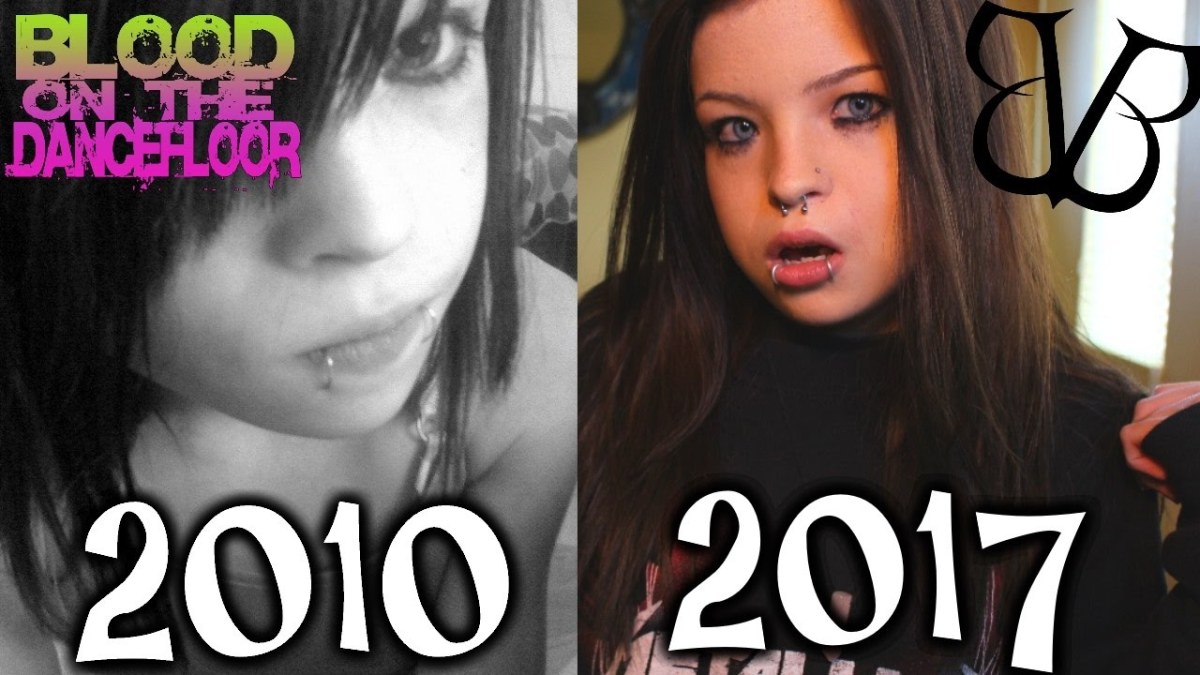
I grew up during the height of the Emo genre. Bands like My Chemical Romance, Evanescence, and the early days of Panic! At the Disco and Fall Out Boy were all hot on the scene, providing plenty of fuel to the Emo genre. Almost everyone had an emo phase; I even had a mild one. Dressing in all black, getting piercings all over and dying your hair funky colors was totally in. It was cool when I was a preteen.

But with the dawn of the 2010’s came the fall of the Emo genre. Rock, especially the hardcore rock, had fallen out of fashion in mainstream music, along with the Emo fashion. The era of the hipster was coming in.

I had thought the era of having an Emo Phase was long gone. But then my friend showed me a video of an Emo makeup tutorial from 2018. This greatly surprised me. There were still people going through Emo Phases in 2018? I had thought the closest people got was punk. I haven’t even seen a goth kid in ten years. So to see that there were still Emo kids was greatly surprising.

The thing is, I don’t even know how the Emo kids survive. I remember Emo phases being greatly tied to the music, but those are out of fashion. My Chemical Romance and Evanescence are disbanded, and Fall Out Boy and Panic! At the Disco have greatly changed their style. When Emo culture was a part of mainstream pop culture, it was easy to find and adopt that culture.

But I don’t find it anywhere, anymore. Not in the music, not in the fashion, not even in the hair. It simply doesn’t exist anymore. You can’t even really find videos online anymore about it, which leads me to wonder how it continues. It’s rather bizarre that the trend still continues on.

Demi Lovato, and the Trials of Rehabilitation

On Tuesday night, singer and former Disney Star was found and admitted to the hospital on assumed drug overdose, after a night of partying with her friends. Fortunately, she has survived the overdose, unlike so many other recent stars that suffered the same fate. But unfortunately, this surprise overdose has come at a shock to many, who had previously believed Lovato to have been sober for a long time.

Well, that is if you didn’t know about one of her newer songs, titled “Sober”, proclaiming her sorrow over her relapse after six years. It was released a month ago, shocking fans with the line “I’m not Sober Anymore” appearing so prominently in the chorus. Her relapse and hospitalization, and the deaths of so many other celebrities, tell of the struggles of overcoming addiction and staying sober.

So, what happened with Demi Lovato? Well, even before finishing her days with Disney, she had fallen into a cocaine and Xanax addiction, to which she eventually went to her first time for. However, she relapsed not long after, and has said in her documentary Simply Complicated that “I hadn’t been ready to get sober” when talking about her first time out of rehab (2017). Not long after, she went to rehab again, this time with a more committed attitude. By the time she became a judge on X-Factor in 2013, she had started living in a “sober” apartment, one with other recovering addicts as they adjust back to living independent lives.

In 2017, Demi Lovato made the aforementioned documentary Simply Complicated, where she documents her struggle with not only drug addiction, but also her bulimia and bipolar disorder. She opens all to her fans, inspiring millions with her heart-felt truth.

In March of this year, Demi Lovato celebrated her sixth year of being sober with a tweet reading “Just officially turned 6 years sober. So grateful for another year of joy, health and happiness. It IS possible.”

With her openness about her struggle and fight for sobriety, many looked up to her as a role model, seeing the image of successful rehabilitation. But with the release of “Sober”, the image of a sober Demi came to a screeching halt. The song revealed that she had relapsed a few months prior to the song’s release, and that culminated into her hospitalization on Tuesday night. Her story is a classic, but sad one, one that happens all too often.

I understand that the idea that Demi Lovato relapsed after 6 years might seem bizarre. The longer you spend without drugs, the less you’ll want them, right? Well, if that was the case, then how was Carrie Fisher found with substances during her autopsy? She may not have died of overdose, but the fact that she did have drugs in her system after being sober for so long does say something.

You see, trying to stay sober doesn’t work with time. It’s a constant battle, one that continues throughout a former addict’s whole life. You see, when you’re an addict, three major parts of the brain are affected: the basil ganglia (positive forms of motivation), the extended amygdala (deals with stressful emotions and thoughts), and the prefontal cortex (deals with decision making). All of these are the most important for fighting addiction, and are also the most affected.

Particularly with cocaine, this comes as a result of a surge of natural neurotransmitters released as a result, disrupting the normal recycling process for the brain. When it suddenly has to function again, it begins to crave that rush. When a person gets stressed, it begins to crave that rush. The brain is complex but lazy, and when faced with problems, it will immediately want what is easily accessible to it. The person has to have a strong enough will to fight the craving, and is not always able to do so.
“Let’s Make a Podcast”: the New “Let’s Start a Band”

In the decades before, particularly in the 1970s through the 1990s, the common movie phrase among young rebellious teenagers is “Let’s start a band.” This phrase even made appearances into the early-to-mid 2000s, when teenagers wanted to become famous and popular, fast. It was inspired by regular young teen’s desires to become famous their own way, but in the case of the movies they were always successful.

But now no one uses that phrase anymore. Now the new in thing is the say “Let’s start a podcast.”

Why a podcast? Beats me. Maybe it’s the idea of people just sitting, relaxing, and talking about a random subject for an hour while making a profit. Maybe, people think it might be an easier and more sociable way of gaining media influence than Youtube. Or perhaps it’s just a creative outlet that some people want to take. Whatever the appeal is, podcasting is attracting a lot of people.

Podcasts are appearing all over the place, on many platforms. Spotify even has a special category just for popular playlists, something that I hadn’t seen two years before. What once was a more niche source of entertainment is now extremely popular. I’ve even been recommended a nice podcast to listen to while driving five hours home. I haven’t tried it yet, but the fact that I was recommended it says something.

No one wants to be in a band anymore (except for the more hipster bands). Most mainstream artists these days are solo, with the occasional band in between. Wanting to start a band has seriously dropped in popularity, especially among the young kids who now dream of becoming Youtubers. Starting a podcast seems much more achievable and appealing. You can talk about seemingly any topic in the world, making itself an auditory form of blogging. I’ve heard podcasts about different serial killers, new movies, or just funny story times and games. They can be quite soothing. There’s a a larger band of creative freedom when it comes to podcasts, although there can be quite a bit of freedom with starting a band in this day and age as well.

There’s nothing wrong with starting a podcast. You certainly don’t need to know how to play an instrument to start one (although showing off your skills on it might be entertaining). But that isn’t to say you can just start out of the blue. It’s recommended that you have at least some tech experience editing audio and video, and dealing with sound recording. Not to say that you need to be an expert, but being a total newbie to it can make it quite confusing.

La La Land, and the Harsh Reality of Making it in Show Biz

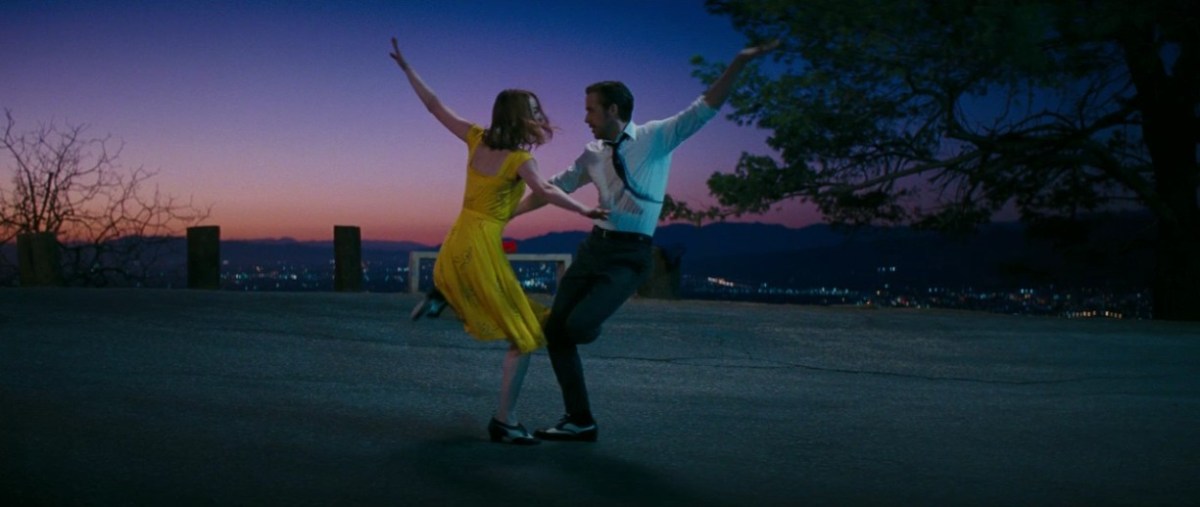
Although La La Land came out a few years ago, and ended up pretty fairly for the main characters (maybe not romantically, but employment-wise), it was a movie that did shed some light on some of the harsher realities of trying to make it in the show business. Whether in music or in acting, show business is a job outlet that attracts many, many more people than it will take in,becoming the golden egg that everyone is searching for. Every one who comes wants to become one of the stars, but not everyone can achieve that-in fact, it’s almost impossible to.

There is a less than one percent chance that people who try to enter show business, as either a musician or an actor, will actually make it to stardom. As La La Land shows, trying to even start in the business if tough. Working minimum wage jobs while trying to apply to as many roles as you can, going to audition after audition, and often being met with rejection. Even if you do get the role, you might run the risk of becoming a “one-hit wonder”, where you get one big role and never appear again. The lucky event that you make it beyond that are slim.

Also in the film is the idea of romance and show business. *Spoilers* Their romance ultimately can’t continue because it would interfere with each other’s dreams. If she became an actress, he would have to give up the dream of running a jazz bar. If he became a famous musician, then she would have to give up on her dream of becoming an actress. Couples trying to achieve different forms of fame ultimately cannot work, without one having to give up their dream to take care of the family. You can’t have both a relationship and reach for fame. This isn’t to say that actors and musicians can’t have relationships-only that to try and both get into the show business while starting a relationship is almost a guaranteed lost cause, unless someone is willing to give up the aim.

Plus, if you get in a relationship after you get famous, you have to be really careful in order to make it last. Usually the relationships that are never broadcasted all over the place seem to go unscathed, although cheating scandals come out all the time. These scandals can be especially prominent if you aim to be in the paparazzi’s light all the time (yes, you choose when you have the paparazzi around; it’s illegal in California to take a photo or record someone without their permission). Those who don’t want paparazzi around never appear in the tabloids for a reason. Even Jay-Z cheated on Beyonce, something many wouldn’t fathom ever doing. And if you were wondering if that album was done as a publicity stunt, it wasn’t; he made an album apologizing for it. Plus, trying to date someone who isn’t famous can be damaging, as you’re not only easily recognizable, but then attention would be brought to them, and not always positive. Like I said before, a relationship in show biz isn’t impossible, but much more difficult than it would be otherwise.

What is Anime Expo?

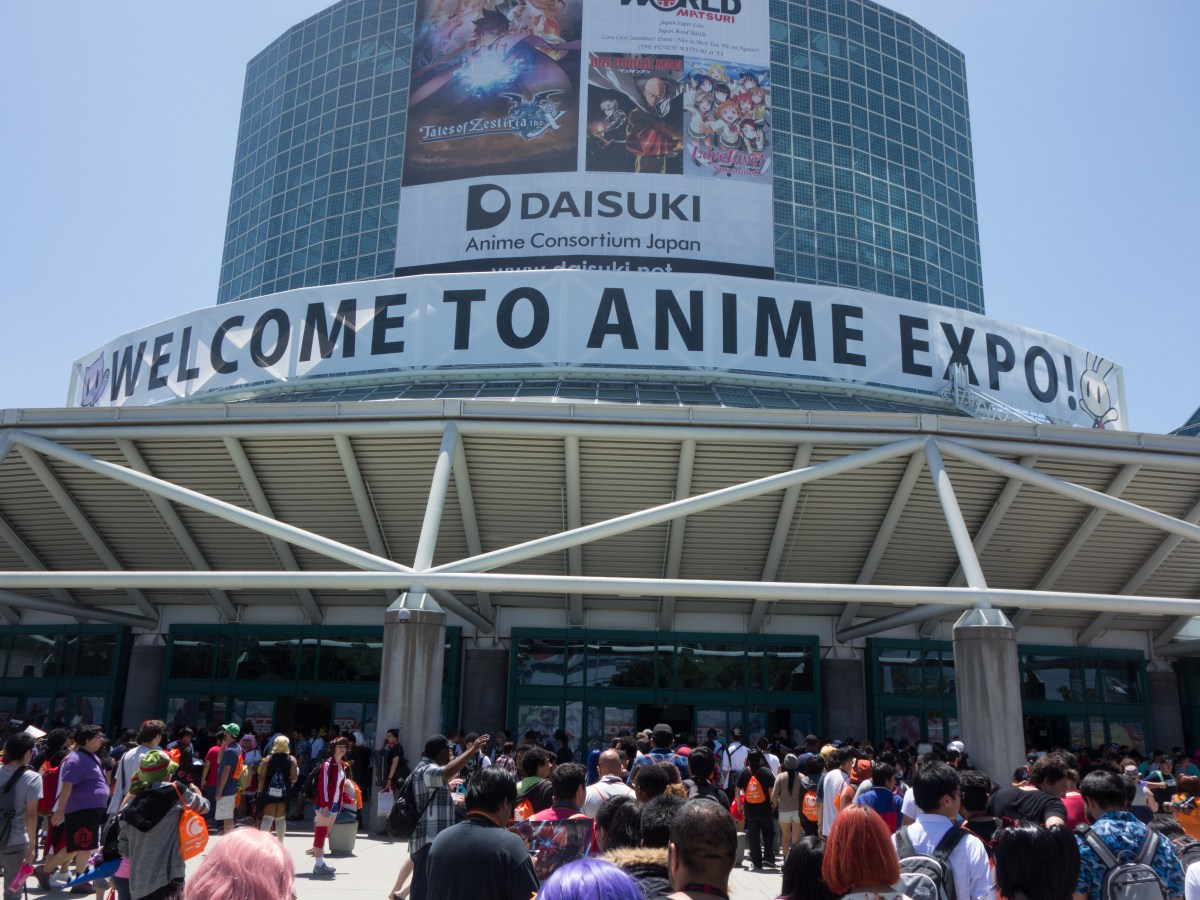
For the first time in six years, I’ll be missing this years Anime Expo, known as AX, in Los Angeles. Though I’d never been all that invested in anime, I made a point to go every year, wanting to see artists I follow on social media or catch up on new and upcoming video games. It has much more to do than that, but that’s what I’ve always gone for.

AX was first inaugurated around 26 years ago, as the United States was diving into the “anime craze”. It was organized by the non-profit Society for the Promotion of Japanese Animation (SJPA), and it appears every year during early July. It is also the largest anime convention in North America, with over 100,000 people attending last year.

So what goes on at AX? Well, lots of things. Because of how large the convention is, AX has the luxury of being able to bring pop culture icons and anime artists out from Japan to visit for panels, or to promote their company on the main floor. The main floor is for “official” companies, ones who can promote new games (Monster Hunter), or promote their anime company (Funimation, Bushiroad), or their culture brand (Rilakkuma). You can also buy cosplay related items such as wigs, weapons, and costumes (although they run a bit pricey).

On the floor below the main floor, there’s what’s known as Artist’s Alley. Formerly in the back of the main floor, the alley has grown so much that they had to move it down to its own space. Here is where you can find artists selling anything from prints to stationery, either original or based off a certain anime/game. Here you can find artists you like or follow, or discover new art. Be prepared to spend a lot.

There is a gaming section too, but on the other side of the convention center. There is both the gaming room and a place to take pictures in cosplay, along with all the panels. In the game room, you can play virtual Japanese games, board games, or card games. There’s plenty to do, the only issue being that playing any popular games requires waiting for an uncertain amount of time.

There’s plenty of things to do at this convention, and its worth buying a four day pass (when its much cheaper, that is). Although I won’t be able to go this year, I know it will be bigger than ever.

How Kpop got its Place in Western Media

Now that the season of music and movies has hit, Spotify has begun releasing a weekly playlist called “New Music Fridays”. I’ll listen to it sometimes to find music to add to my own personal playlists, and am unsurprised with the typical English and Latin music that comes on.

Today was different, however. Today I was pleasantly surprised to hear Blackpink’s “Ddu-Du Ddu-Du”, which had been released today (along with the music video for it). Blackpink is a prominent girl’s Kpop group, whose song “Boombayah” had broken records for being the most viewed debut song on Youtube, and achieving 150 million views in less than six months. Even as I write this, the music video “Ddu-Du Ddu-Du” became the fastest girl group Kpop music video to hit 10 million views. To hear their newest song on a playlist of otherwise Western songs was interesting.

The song (which was pretty good, by the way) got me thinking about Kpop as a whole. Just six years ago, most people outside my neighborhood (I grew up in a Korean neighborhood) had never heard of Kpop. Now, advertisements featuring BTS (the most popular Kpop group of right now) are growing increasingly less uncommon, and just about everyone I’ve spoken too knows about Kpop. This did not happen for no reason.

No, the reason Kpop has burst on to the scene goes beyond the accidental popularity of “Gangnam Style”. South Korea’s entertainment industry sits in an interesting situation, receiving direct funding and advisement from the Korean government while at the same time holding themselves as a private industry. This is because while the South Korean government is promoting a market economy with both a private and public sector, they are promoting it in a way that gives them control over how they promote the nation’s image. They want Kpop and Kdramas to spread and show how “cool” of a country South Korea is. The goal is to have their pop culture be known not only in Eastern and Western markets, but also in what’s called “developing” markets as well.

With the massive amount of funding the entertainment companies receive, they can push out higher quality media, to the levels of Japanese and Western media. They promote a Western appeal (adding rap, street wear), while at the same time keeping a unique flair that is inherent to Korean media. They were trying to make their brand known.

But even with all the effort put in, many were shocked to find that “Gangnam Style”, a lyrical satire about the Beverly Hills of South Korea, took the cake for breaking into Western markets. The song, which makes fun of the mannerisms of the rich in South Korea, was not the song the government wanted to be the first Kpop song that new audiences heard on a large scale. While that isn’t to say that they didn’t want singer Psy to make the song at all (he was a relatively popular artist within South Korea), they certainly didn’t want it to become that popular. But not everything can go according the plan, however.

I can’t say “Gangnam Style” was the song that put Kpop in the spot it holds today.  It seems more like the genre gained a more permanent footing when BTS shocked audiences by snatching the title of Top Social Artist at the American Billboard Awards in 2017, beating out prominent names like Selena Gomez and Justin Bieber. It sent the internet ablaze, being divided between fans who were excited for the win, and quite a few people who were asking “who are these guys?”. And while Kpop was popular already, I felt it opened more people to exposure from Kpop, getting more people to jump on the “Korean Craze”.

Crazy Kpop Fans vs. Koreaboos- the Important Difference

Since the release and popularity of “Gangnam Style” by PSY, Kpop, and Korean pop culture in general, has soared in popularity in Western pop culture. This continuing rise in popularity has led to BTS’s recent performance at the New York New Year’s Show, and the rising presence of Kcon (a convention centered around Kpop and other pop culture). It has also created created a rise to the super fanatics, or the “crazy Kpop fans”, and the koreaboos.

What is the difference between the two? While the koreaboo does classify under the category of “extreme fanaticism” like the crazy Kpop fan, one is distinctly different from the other. How is this so?

Well, the differences come in attributes. For the crazy Kpop fan, which holds the name sasaeng (a Korean term which literally translates to “private life”, referring to the regular invasion of privacy of Kpop artists by their crazy fans), the attributes come in the form of deep psychological and emotional obsession with Kpop, and certain groups in particular. The sasaeng fan are not considered “true fans”, constantly trying to rip off artists’ clothes, kiss them, and stalk them. While the sasaeng fan is in the West is much more virtual-based, writing fan fictions of all sorts about their favorite idols, buying anything and everything that they believe belongs to their favorite idol, and “virtually” stalking their idol, there has been increasing physical contact, with some sasaeng flying out to South Korea in order to try and find their idols.

The Korean sasaeng fan is much more direct, and will break into idols’ rooms, set up cameras, drug the idols, hit the idols, in order to be remembered. They will get in taxis or their own cars in order to follow their favorite idols, which have resulted in previous multi-car accidents and stand offs. They will even go so far as to try and kidnap their favorite idols in order to get close to them. This cultural phenomenon has existed since the 1990s with the rise of “fandoms”, although they are gaining heightened momentum and attention under the digital era, with as many as 100 sasaeng fans following the biggest Kpop idols on a given day. Their behavior is erratic and dangerous, having a direct impact and life-threatening impact on the Kpop idols.

The Koreaboo by contrast, represents a much different and more muted form of harmful. The koreaboo is best described as someone who denies their native culture, idolizing Korean culture (based off of Kpop and Kdramas) and claiming it as their own. The koreaboo wants to be a Korean, seeing them as the “most attractive” or “best” ethnic group, and dreams of moving to Korean and marrying a Korean person. They try to act like how they imagine a Korean person acts (based off of Kpop and Kdramas) and are basically Korean fetishists. Kind of reminds you of Rachel Dolezal and Ja Du, right?

With this is mind, how can they possibly be harmful like the sasaeng fan? Well, they’re more harmful in the way that they ruin things for everyone else. Because of their cultural fetishism, they stigmatize liking Korean popular culture, and make anyone who has an interest in seeing South Korea or learning about their culture look bad. They do not directly harm the lives of their favorite idols, but they do promote cultural stigma, and make enjoying other cultures look “wrong”, particularly among younger populations, who are affected by the Kpop phenomenon the most. They represent a mutation in fanaticism, a minority with a big and memorable voice that exists not just with Korean pop culture but also Japanese pop culture (the weeaboo, which influenced the name koreaboo), and European pop culture (although they are considered much more socially acceptable by the West). They force casual fans to feel “bad” about what they like, and ruin all the fun.