Hollywood vs. The Gladiators

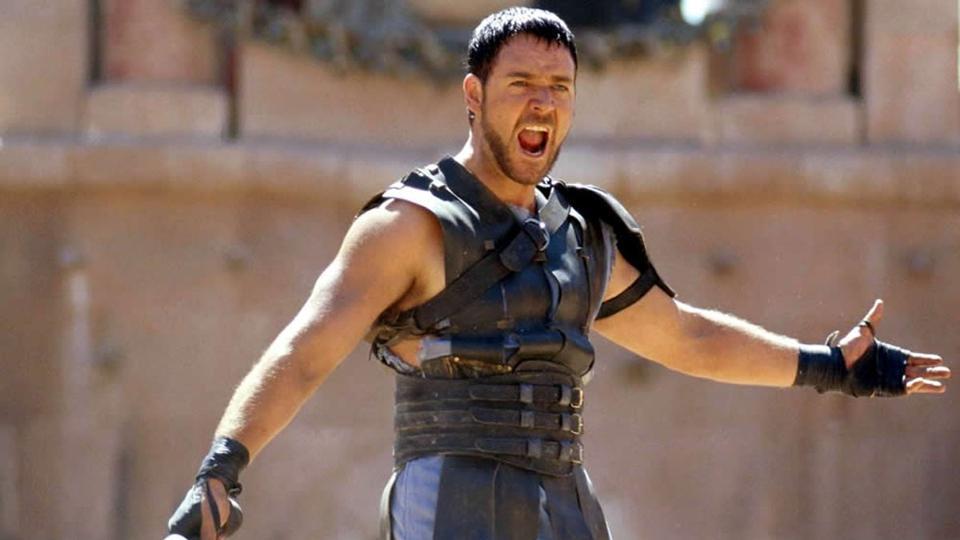
As with everything, Hollywood likes to take creative liberties with how history works. This is especially true when it comes to Rome’s viciousness and Gladiator fights.

The big thing when it comes to Gladiator fights in the media is the idea of fighting to the death. There are even jokes made about it, the famous emperor pointing his thumb down being a staple in parodies, music videos, and other satirical scenes to call for the death of the loser. Another big image is the idea of the malicious emperor always being defeated by his champion being killed, signalling the victory of the good guy. Plus, usually the gladiator fights depict a fight to the death.

In actuality, though, gladiator fights were almost nothing like the sort. In reality, only around ten percent of gladiators actually died in battle, either from fighting animals or receiving wounds that were too severe to be healed. Gladiators were expensive to invest in, always being put through gladiator training. Investors and sponsors spent a lot of money on each gladiator, and to lose one was to lose quite a bit of money. Mercy was often granted especially, in order for the gladiator fight to be fair and more balanced. If a gladiator was tired or already wounded, he would be put at an automatic disadvantage over their opponent.

Gladiators were also like the rock stars of ancient Rome, something that wouldn’t happen if they died all the time. They could become insanely wealthy, buying their freedom (if they came in as slaves or prisoners of war), and living in the life of luxury. There are even tombstones of gladiators who were able to retire and live a long life.

Rather, gladiator fights were ended when one gladiator was able to hold a sword to the other gladiator’s throat, or get him in some position where he can no longer fight. That isn’t to say these fights weren’t brutal; like I said, some could sustain injuries bad enough where it killed them. But this was not all that often.

With the image of the sinister emperor controlling the games, almost every emperor attended the gladiator games, good or bad. He would sit in a booth along with the six Vestal Virgins who guard the eternal flame that “keeps” Rome alive. Another thing to note: there are only six Vestal Virgins at one time. They are dressed all in white. If you see lines of them, it’s not accurate.

Besides, the emperor didn’t have all the power in the world. The Senate got a nice set of marble seating not far from the main stage, nearby his private booth. The emperor may have some say in the fate of the battle (granting mercy before the fight), but he usually just sat by. Gladiator fights were for the entertainment of the people, not just the emperor.

La La Land, and the Harsh Reality of Making it in Show Biz

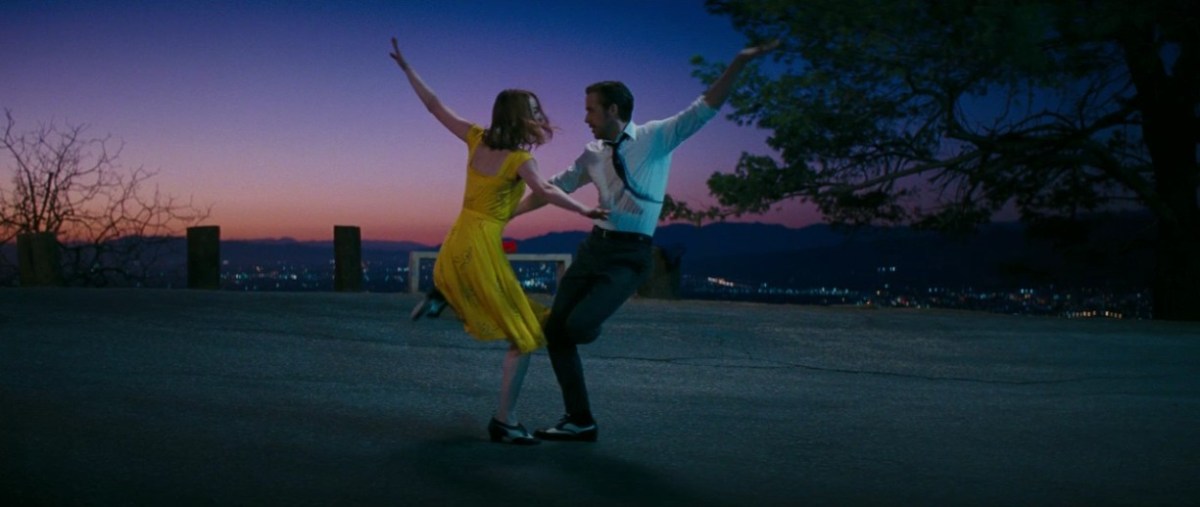
Although La La Land came out a few years ago, and ended up pretty fairly for the main characters (maybe not romantically, but employment-wise), it was a movie that did shed some light on some of the harsher realities of trying to make it in the show business. Whether in music or in acting, show business is a job outlet that attracts many, many more people than it will take in,becoming the golden egg that everyone is searching for. Every one who comes wants to become one of the stars, but not everyone can achieve that-in fact, it’s almost impossible to.

There is a less than one percent chance that people who try to enter show business, as either a musician or an actor, will actually make it to stardom. As La La Land shows, trying to even start in the business if tough. Working minimum wage jobs while trying to apply to as many roles as you can, going to audition after audition, and often being met with rejection. Even if you do get the role, you might run the risk of becoming a “one-hit wonder”, where you get one big role and never appear again. The lucky event that you make it beyond that are slim.

Also in the film is the idea of romance and show business. *Spoilers* Their romance ultimately can’t continue because it would interfere with each other’s dreams. If she became an actress, he would have to give up the dream of running a jazz bar. If he became a famous musician, then she would have to give up on her dream of becoming an actress. Couples trying to achieve different forms of fame ultimately cannot work, without one having to give up their dream to take care of the family. You can’t have both a relationship and reach for fame. This isn’t to say that actors and musicians can’t have relationships-only that to try and both get into the show business while starting a relationship is almost a guaranteed lost cause, unless someone is willing to give up the aim.

Plus, if you get in a relationship after you get famous, you have to be really careful in order to make it last. Usually the relationships that are never broadcasted all over the place seem to go unscathed, although cheating scandals come out all the time. These scandals can be especially prominent if you aim to be in the paparazzi’s light all the time (yes, you choose when you have the paparazzi around; it’s illegal in California to take a photo or record someone without their permission). Those who don’t want paparazzi around never appear in the tabloids for a reason. Even Jay-Z cheated on Beyonce, something many wouldn’t fathom ever doing. And if you were wondering if that album was done as a publicity stunt, it wasn’t; he made an album apologizing for it. Plus, trying to date someone who isn’t famous can be damaging, as you’re not only easily recognizable, but then attention would be brought to them, and not always positive. Like I said before, a relationship in show biz isn’t impossible, but much more difficult than it would be otherwise.

The “Pure Virgin” Trope

For a time not so long ago, there was the common but somehow romantic concept of the “pure” girl who’s never had sex falls in love with the very experienced “bad” boy. Especially in the Young Adult urban fantasy (fantasy meshing with the real world), there was the common trope of the main female protagonist being a tiny but stubborn teenager who butts head with the tall and handsome new kid, eventually falling madly and viciously in love with him (her first love, by the way). Often times as well, girls the same age who have had sex are often placed in the light as pure sluts, with their character being left very one-dimensional. At the same time, the books are promoted as “empowering” to young girls, girls who can be as young as 10 and very impressionable.

Why does this matter? Well, trying to promote this idea (plus promoting romance with male protagonists of questionable choice), this can lead many to be unaware of the toxicity of relationships like that. Let’s break it down a little bit, shall we?

Well first, the fact that the main girl is practically the only one around that is a virgin promotes the idea that she is on a level above every one else, or “pure”. Now this isn’t to say that being a virgin at 16 or 17 is a bad thing- the average age that people lose their virginity at is 17- but having her be the only one that is a virgin is saying something. Plus, these girls usually haven’t even had their first kiss yet, like how much more obvious can you get?

The girl also usually doesn’t have very many friends, being the sort of “loser” in school. She usually has around one or two friends (maybe 3), and there is always a guy that she is closest with, mostly to play the love triangle game. Unless, there is the rare chance that he is gay (True Blood), and then he is just the sassy friend trying to encourage her to get laid. This reinforces another idea-it’s not cool to be “popular”. If you’re “popular”, then you’re just like all the other girls who sleep around and party. You’re not “pure”.

The “pure” aspect contrasts greatly from the main male protagonist, the new bad boy who is always insanely attractive. He usually sleeps around, is sarcastic as all hell, and doesn’t like to follow the rules. He is the kind of guy that’s supposed to be unachievable, but always turns his attention to the nerdy not conventionally pretty female protagonist. He sweeps her off her feet, and rescues her because he knows so much more about the magical world than she does. He becomes the useful one, while she sheepishly has to follow him around for protection, and eventual romance. He takes an interest in her mostly because of her purity (a concept that appears in many different books, TV, and movies), making her all the more desirable. She is the target of his romantic advances because she is “not like other girls”.

Plus, he’s always got a broken, tortured soul for the female protagonist to save. He can have all the problems he desires, but she can’t. She’s supposed to listen to all his problems, without having any actual problems of her own to share. This can be very dangerous for an actual relationship. A girl is not supposed to only be someone’s “savior”, but should also be able to reach out to her partner. If she feels like she can’t, then that’s not a very good relationship.

To make matters worse, the idea of the man acting aggressively protective, and sometimes even controlling, gets romanticized. Any man she hangs out with is a threat (and it’s usually portrayed that way), and she must be “protected” from them. She can’t be friends with male friends either, because it turns out they just want to get in her pants, even though bad boy is the only one for her. And bad boy gets really upset when she talks to other men. Controlling behavior is made to seem romantic here, when it’s really not, which could influence young girls into believing that it is. Her heart and body should only be meant for him, and never any one else ever again, which is also not a healthy thing to romanticize. It’s dangerous and can lead to girls getting trapped in toxic relationships.

Hollywood and the Wonders of Rome

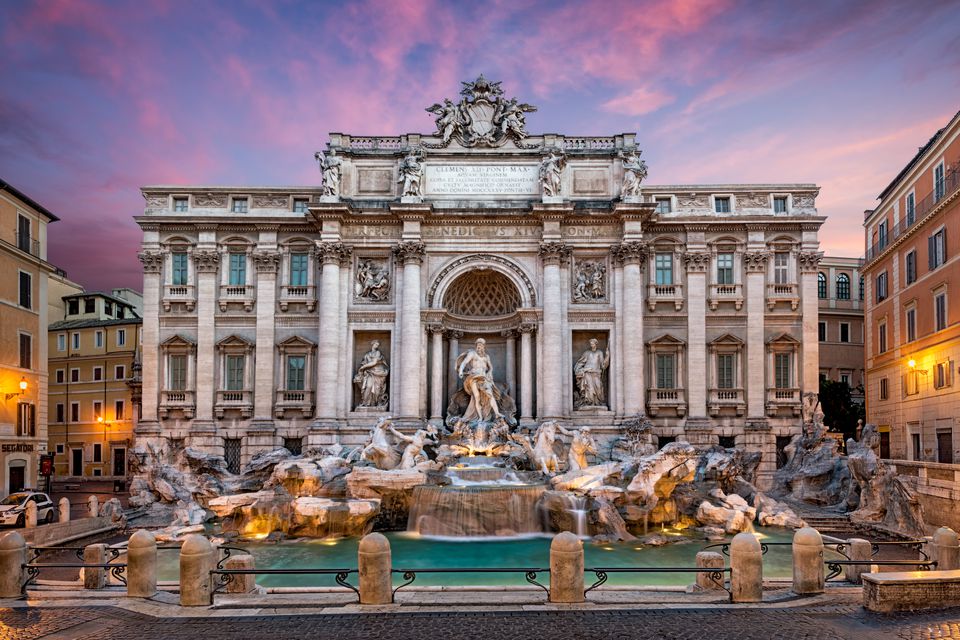
Trevi Fountain and the Mouth of Truth are both internationally renowned landmarks in the city of Rome. The former is inspired by the Baroque period, but was built in the 1700s as a grandiose way to be the end of a rebuilt aqueduct. The latter was built as a Roman sewer cap, but later became the source of a medieval tradition. We like to have the perception that these sights were always famous, and will continue to be. However, this is not the case. These monuments became famous during the 1950s, when a series of Hollywood films centered around Rome showcased these, sending tourists flocking to Rome. Three different films promoted these sights, each playing an important role in the sudden fame of the two sights.

Trevi fountain, or La Fontana di Trevi does not have a long history, although the source of its water does. Its water comes from an aqueduct that had been shut down, known as the Virgin Aqueduct. It had been shut for a while, before a pope during the Baroque period decided to reopen it and build a fountain to mark the finishing point of the aqueduct’s path, recruiting a design by Gian Lorenzo Bernini. However, it wasn’t actually built until the 1700s, designed by Nicola Salvi and finished by Giuseppe Pannini in 1762.

While the fountain was grandiose and a sight to see, it didn’t gain much international attention until the 1954 release of 3 Coins in the Fountain (Tre Soldi Nella Fontana). The film, which centers around 3 American women travelling to Rome to find love, throw coins in the fountain to make a wish, and reunite with their Italian lovers at the end of the film in front of it. Also, in 1960’s La Dolce Vita, and Italian film taking place in Rome, has a scene where Anita Ekburg takes a bath in the Trevi Fountain. While that will get you arrested if you try that now, it was fine for the time, gaining a great amount of attention internationally. These two films put the spotlight on Trevi fountain, showing off nuances of Rome that hadn’t been seen on the international level before. Now the fountain is almost always crowded with people, those who want to take photos in front of the beautiful artwork or throw a coin in and make a wish.

The same thing happened with the Mouth of Truth, or La Bocca di Verita. Once an embellished sewer cap depicting the god Ocean, it became the source of a medieval tradition which functions as a lie-detector test. Built into the exterior wall of a church, the tradition where someone placed their hand into the mouth of the cap to answer confession-type questions, where a false answer would result in the hand coming off. It was a long-standing local custom, and stayed that way until the 1953 release of Roman Holidays (Vacanze Romane), starring Audrey Hepburn. In the film, the Mouth of Truth is displayed when Gregory Peck places his hand in the mouth and fakes losing his hand to trick Audrey Hepburn. The film sent people to an otherwise normal medieval Greek catholic church, each one wanting a photo of themselves placing their hands inside the mouth of the cap. There is now a line in order to place your hand in the mouth, gaining a lot of popularity for the church, and getting them donations to continue to function and maintain their church.

The Odd but Refreshing Creativity of Kid Films

Hollywood’s big-budget movies have fallen into the trend of being either a sequel, or entirely not creative. The creative and unique movies seem to be released purely to be nominated for Oscars, drawing a great amount of criticism and the phrase that “Hollywood is unoriginal”.

While this may seem true for the most part, there seems to be a faction of Hollywood left untouched by the trend- kids’ movies. Despite being meant to entertain children with a set happy ending ever time, I’ve noticed that these films take a variety of creative routes and themes to get there. I would even go so far as to say that they display a human variance that almost never appears in other films anymore. Despite knowing how the ending goes, I am always surprised to see what paths are taken to get there.

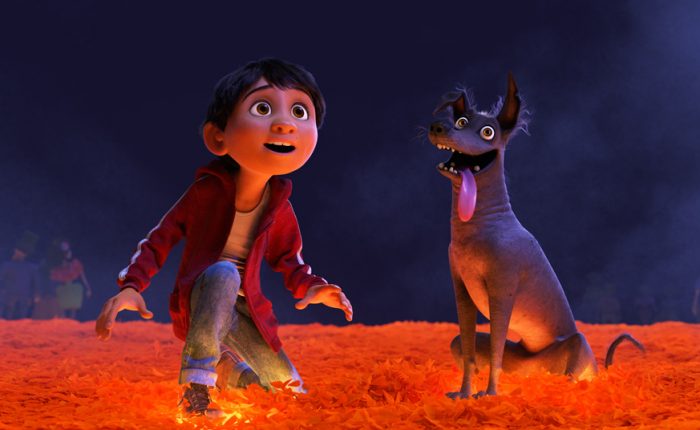
Kids films place forth unique ideas (well, for the most part), with settings ranging anywhere from Norse dragons to Polynesian Gods, taking risks with entirely original stories, pushing the boundaries without worrying about the risk of failure. It makes each film that much more refreshing and enjoyable. It allows people to get so much more invested and interested into the film.

I will say there are exceptions to this, however. Angry Birds and The Emoji Movie are the two big ones that I could think of. Also, sequels that are deemed unnecessary (cough cough Toy Story 4) can fall under the trap. While many modern kids’ films are original, that isn’t to say that all are.

How Ancient Greece and Rome get Ignored in the World of Pop Culture

I’m going to put this out here before I go into anything else: I love studying ancient Rome. Ancient Greece is interesting, too, but there is just something about Rome’s quirkiness that is a whole other realm of entertaining. Like no Greek has made their horse a senator, and no Greek ruler has ever made all the aristocracy sit during his performances, which went for hours on end. Even if you went into labor during one, you either had to give birth there or wait until the concert was done (good old emperor Nero, right?). The absurdity of ancient Rome is just endlessly entertaining.

This interest, however (plus studying ancient Greek society and politics for classes), has made me a stickler for detail and historical accuracy. Which is something that doesn’t exist in Hollywood. Or really most forms of media. Ever. Ancient Rome and Greece (particularly Sparta) seem to get constantly portrayed as nations completely consumed by war (which isn’t too far off for Rome, but war never actually happened on the peninsula), with soldiers and generals being the stars. How both are portrayed ignores both the complexity of either society, but also greatly sets up the idea that both were only the super-machismo men that we imagine today. Which is expected, as every culture gets simplified to focus on the more “interesting” aspect of warfare. But I thought I would expand other interesting parts about these cultures that are either sorely left out of media, or not elaborated enough.

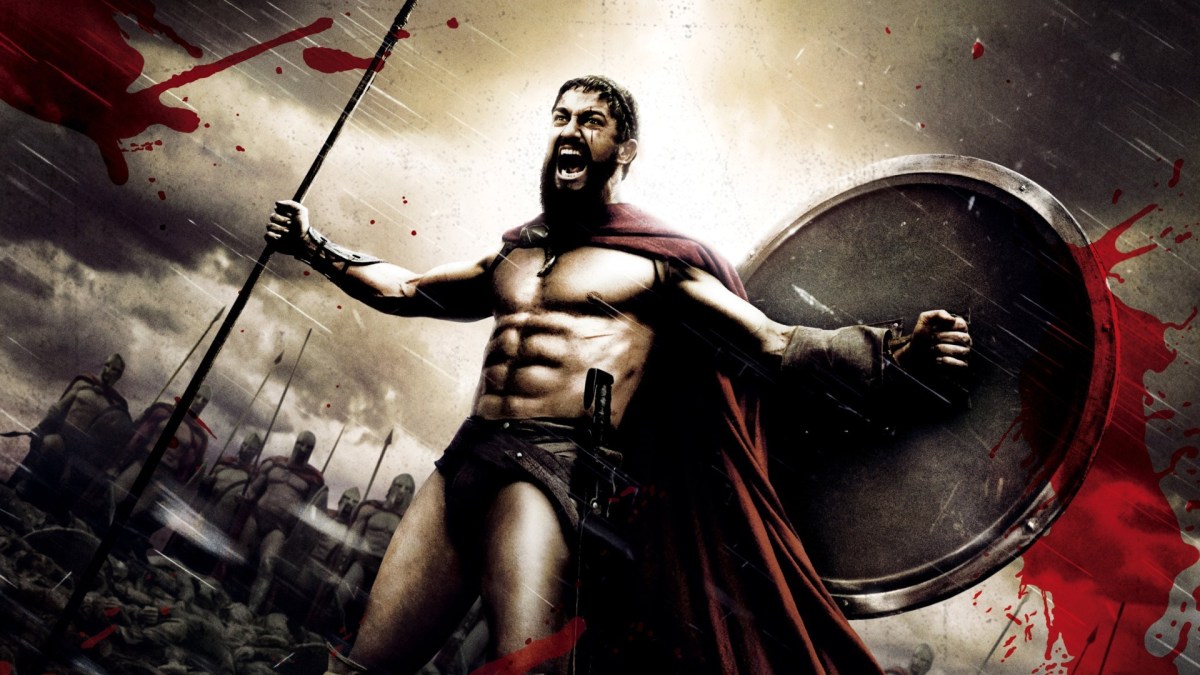
When it comes to Sparta, what you might imagine is the movie 300, or any other films centered around the culture. Sparta is often portrayed as the epitome of super-machismo, with sexy men with ripped bodies in scant uniforms, while the women are often left at home in the traditional Greek tunic. This basis isn’t unfounded. Sparta was known as the “warrior kingdom”, with children training from a young age to be strong warriors and advanced athletes. Yes, I said children. Women were also trained to be fit (although to a lesser extent than guys), and had some of the most rights of all Greek women. Because men had to train to become a “real” Spartan at 30, and people were expected to marry around 18 (late relative to Greece), women had to have quite a bit of freedom, and were expected to maintain athleticism and a healthy diet to raise strong children. They could perform in sporting events, and had the rights to property, making Sparta unlike the rest of ancient Greece.

This difference in culture often attracted criticism by other ancient Greeks, especially by Athenians, who saw Spartan men as “controlled by women”, despite the intense training in athleticism and warfare that Spartan men had to go through. Sparta is often pictured also as an independent piece that focused itself around Persia. This also ignores the massive around of political influence that Sparta had in Greece, with alliances and “sibling-hood” that made up the area called Peloponnese, which would eventually bring the downfall of Athens (no kidding, the Spartans trash the Athenians in the Peloponnesian War). While Persia was an issue, Athens was a bigger issue (but we can’t show them being destroying the birthplace of democracy, can we?).

As for Rome, it often gets shoehorned as purely militaristic, or centered around the time of the rise of Caesar and Cleopatra (one of history’s most famous romances). And for some reason, Rome seems to always be directly under attack, at periods of time when direct invasion of the city just didn’t happen. In fact, most of the peninsula was never invaded until the collapse of Western Rome, brought into the Roman empire through alliances (except for Sicily). The main problems the city of Rome itself faced wasn’t invasion, but fires. Lots of fires.

Plus, after a certain point, Rome stopped trying to spread its empire, and focused on trying to maintain it. At its height, Rome was the largest empire in human history before Britain in the 1800s, extending from the base of Scotland all the way out to Western India. Which also adds another point. The Roman Empire was insanely diverse, with people of many races having the potential to be considered aristocracy (Rome had to maintain hierarchy in the further regions, in order to keep civilizations under control). Others could even rise the rank through military to be considered Roman wealthy, and were allowed to move throughout the empire. It’s important to mention, however, that while there while there was great social mobility, that Rome also brutally suppressed the groups it controlled, wanting to enforce the “Roman way” (another fact left out). There are even artworks in Rome dedicated to various successful suppression campaigns. But who cares about showing how an empire functions? People want to see the expansion and victory.

Also, when the media portrays Rome, it portrays Julius Caesar and Octavian Augustus, the dictator and first emperor, respectively. Their periods were interesting times, however, as it was the change of Rome from a Republic to and Empire, paired alongside the fall of Egypt with the tragedy Cleopatra. However, this ignores some of the biggest military conquests, which happened under emperors like Hadrian, Marcus Aurelius, and others, with the latter being considered one of the “big five” of the best emperors of the empire. The only issue that comes with portraying it is, there’s no easy drama to create with great emperors. There was plenty of drama in Rome’s shift to play off of; Marcus Aurelius and Hadrian didn’t really have that level of drama.

Lastly, the media tends to entirely misconstrue Cleopatra. While she was Egyptian, the story we have of her was documented by the Romans, who changed her image from the powerful and intelligent pharaoh responsible for the prospering of Egypt to a simple seductress that corrupted both Julius Caesar and Mark Anthony. Her love story with them is very commonly known through Western pop culture, with the tragic end of her committing suicide alongside Mark Anthony’s corpse rather than following Octavian Augustus to Rome. But the portrayal often ignores all her achievements, militarily and culturally. Cleopatra is responsible for the revitalization of Egyptian being used in the court, which had fallen out of practice during the Ptolemy period (established under Alexander the Great). She also caused the Egyptian economy to prosper, and revitalize the Egyptian military. She had a major amount of political influence in the Mediterranean, which the Romans vied for, making her a major threat. She spent her reign working towards protecting her empire, causing her to turn to Julius Caesar in the first place, and utilize his growing power to keep Egypt separate. And after his murder, she turned to Mark Anthony.

Her motives are seriously downplayed, as a result of her historical rewrite by the Romans, who didn’t like the fact that a woman had sole power over the empire. No, seriously, Rome was notorious for banning women from even entering the public sphere of influence, especially after getting married. Unlike Sparta, women were unable to own property, divorce their husbands, or even practice sports. The idea of one having such a massive amount of political power was unheard of to them. Cleopatra needed to be knocked down a few pegs in their minds.
Flying in a Plane in the Movies vs. Flying in a Plane in Real Life

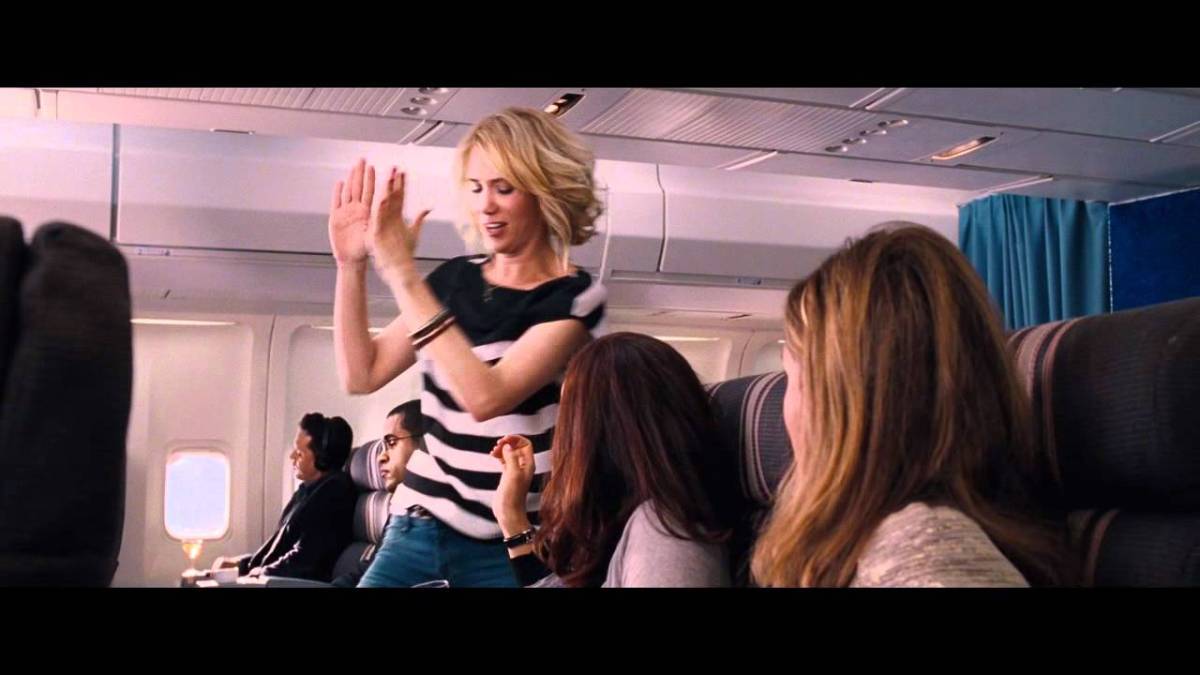
Whenever flying is displayed in the movies, they are glitzed and glammed up to be something magical. Excited people gleefully sit and party on the plane, going to a new country with their hair done perfectly and their outfits expensive. They’re ready to party in whatever place they go to.

The reality of flying a plane is, however, boring and gross. If you fly anywhere beyond an hour, flying is painfully boring, with the occasional infant screaming their head off over who knows what. All your dirt and oils start to build up, especially on long flights. Combine that with the germs and dirty seats of the hundreds who sat in it before you, and you’ve got a breakout coming on. It’s a guarantee to not looking glamorous when you get off.

Plus, you don’t want to wear nice looking clothes on a plane. Yeah, it’s a good-sounding idea to come off ready to go like in the movies, but the reality is you’ll be really uncomfortable. It’s better to just wear looser pants if you can. Sitting in skinny jeans on a 10 hour flight is one of the worst things you can do. Also, wearing clunky jewelry probably won’t make you feel any better.

Besides, no one is loud or getting buck-wild with booze like in the movies. Everyone is pretty quiet, especially on planes that have overnight time differences. People would get mad at you really quick. You just watch movies and make a few comments hear and there, but otherwise there is nothing really going on. Especially if you’re in coach, which most people in the movies are. It’s only the rare moments when the character is shown a new rich life and gets impressed that the person flies either first class or in a private jet. For the rest of the folk, though, they get shown in a clean, spacious coach, when 99 percent of the time that’s not the case. They’re not unclean, but unless they’re new they’re guaranteed to have not been deep cleaned in a while.

The Gatekeepers of Nerdom: The Small but Obnoxious Minority

It doesn’t take a genius to tell that being nerdy is “cool”. It’s been this way for the last decade, with pop culture trends that were once considered “lame” exploding in popularity, and fandom merch being sold at practically every corner. Conventions are appearing all over the place, and old ones (Comicon, Wondercon, Anime Expo) are growing larger every year. In 2015, more than 150 million people in the United States play video games, with 42 percent of Americans playing video games regularly. The nerd is no longer a joke of a subculture.

But for some reason, the news didn’t seem to have spread to one small group, known as the “Gatekeepers of Nerdom”- a group of nerds who argue that nerds are incredibly oppressed, while at the same time zealously trying to disprove the nerdiness of others, particularly of women. They seem to believe that they’re still stuck in 1980, when nerds were the typical bully subject in films. They also seem to believe that girls won’t date them because they’re nerdy, even though they’re really just not getting dates because they harass every girl who shows signs of nerdiness, trying to disprove them wherever they can.

The Gatekeepers are a small group, but are obnoxiously loud on social media, appearing where no one asked them to. Trying to find the “real” nerds seem to be their righteous mission, making many hate them- making the group in turn see themselves as “greatly oppressed”. Acknowledging the ever-growing diversity of the nerdom in any pop culture media is considered to be “SJW bs” by them.

How do they persist? Well, the Gatekeepers seem to push this continuous cycle where they harass people, get made fun of for it, and imagine they’re oppressed, causing them to continue existing. There is also the issue of the purity complex, where minority groups in fandoms, video games, and other aspects will try and prove that they are the most “pure” of anyone else, who is fake because they aren’t. The purity complex is a toxic form of trying to prove realness, especially in the realm of nerd, where there is no real purity. The nerdom has grown so much that finding a “pure” version of a nerd is utterly impossible.

The fortunate thing is, at least, that no one takes the Gatekeepers seriously. How do you take them seriously, when they are viciously trying to “protect” a subculture like it’s still 1980? And their harassment is kind of hilarious in itself. They appear suddenly in your feed, ask a “trivia question” trying to prove that you’re not a real nerd, and get mad when you either answer it correctly or ignore them. They’re not much of a real foe. It is entertaining to watch someone interact with one of them, though.

Should Horror and Suspense Join Forces?

What ever happened to the days when horror was complex and slow-building? Now it seems that while some films shine the light on pure horror, most rely on just jump-scares and quick emotional turns. They’ve become cheap and cliche (especially the ones centered around the paranormal).

Some recent horror films, however, seem to be incorporating more long-term suspense as well. Get Out and A Quiet Place both seem to contain elements of both horror and suspense, making both movies more complex and intense. The feeling of horror is extended, and while there are a few jump scares, those aren’t the main horror aspects. They possessed another element that gave them a memorable edge.

Now, adding elements of suspense isn’t anything new. In fact, they are so often mixed together that they are practically inseparable. But over the last decade, many horror films have lost their “suspenseful” edge. In fact, it’s gotten to the point that when a movie is classified as “suspense”, it’s short-lived, and almost like a quick moment in the movie. Many films have simply become one-dimensional horror.

But at the times when suspense is fully utilized, it works really well. The best example I can think of is Guillermo Del Toro’s Crimson Peak. The film slowly built it’s horror aspect, building a long-term suspension that grows throughout the film as the audience slowly learns of the horrors of the Sharpe family. While the film did have its “innocent and overly naive” protagonist moments, it takes time to develop the horror, being both obvious and vague at the same time. It fully takes advantage of the suspense factor, making it a standout horror film.

The same situation happened with Jordan Peele’s Get Out. The film builds its horror, but this time it leaves people in the dark until almost the end, giving more room to build suspense and anxiety as the audience tries to piece together where the source of the horror comes from. The clever use of suspense is what caused it to be so good, and memorable among audiences.

So, should horror and suspense join forces? They’ve already done that before. Rather, it’s time they re-join forces, so that horror films can go back to its roots, becoming the fully -formed and artful genre that it once was.

Attack of the Hybrid Dyno

The Jurassic World series seems to be obsessed with introducing a hybrid dinosaur in each of its films. It’s incorporated in various different ways, either being entertainment (in the first film) or a cool new pet (in the second film). Both times, they are a combination of various predators (never the gentle herbivores), and both times, they get out and try to kill everyone.

Which, isn’t necessarily bad. It can make an interesting point. But can it be done without making a copy of the original hybrid?

No kidding, the hybrid dinosaur in the second film is supposed to be an edited version of the hybrid dinosaur from the first movie. When I say edited, I mean with some more velociraptor DNA (to make it obedient?), to try and improve from the fiasco from the last film. Couldn’t they have done something else? They had the potential to make it more unique. But I guess if you have the legendary hybrid dinosaur that destroyed Jurassic World as a pet, that would be a pretty good bragging point.

The only problem is, it is pretty much the central focus of the film, like the last one. In the original Jurassic Park series, each film had a different plot (centered around the island, but with very different story lines). This series, however, while it does add certain elements that make it unique, it still focuses around a hybrid dinosaur. And the same kind of hybrid dinosaur. Which kind of limits the opportunities for creative opportunities.

Movies my Dad Wants to Watch with Me

My dad has a list of movies he wants me to watch with him. They’re all renowned films, and every year that I go without watching them, the more annoyed he gets. So for father’s day, I thought I’d share a quick list of the movies he’s dying to get me to watch since I was fourteen.

Lord of the Rings: Return of the King (2003) Extended edition. Why only the third one? Well, I was barely able to get through the second extended edition, which felt like it took five hours. I’m the kind of person who struggles to sit still for a long period of time, and when my dad told me the third one would be longer than the second one, I knew I couldn’t take it. It doesn’t matter that it won an Oscar. The extended edition is for those who are die hard Lord of the Rings fans.

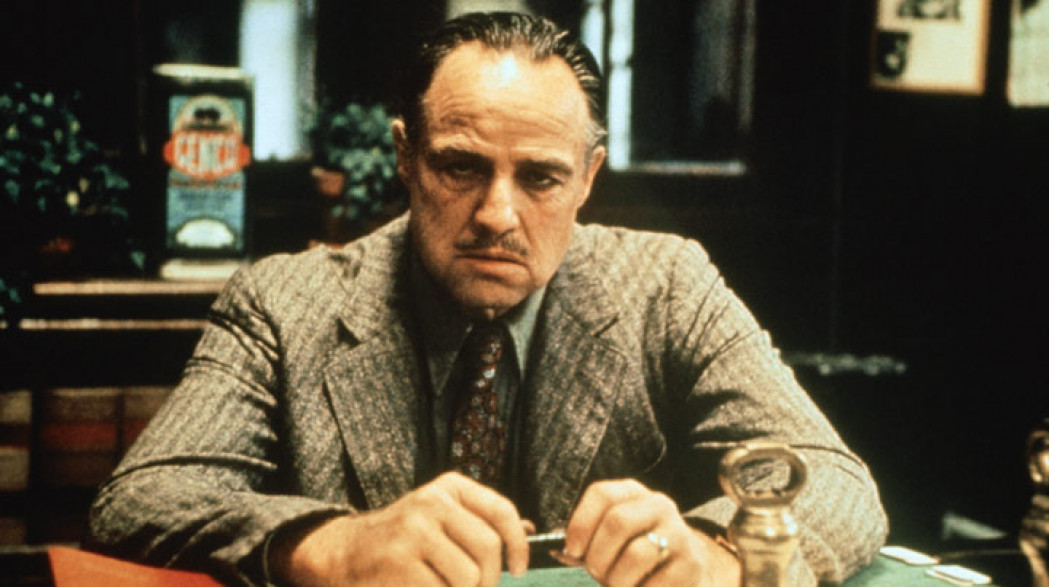
The Godfather (1972) was one of those movies that I was actually interested in seeing, but never got around to watching. It’s a cult classic, based off the book and centered around Mafia crime in New York City. It takes place in the immediate post-WW2 era, and deals with the dirty politics of organized crime at the time when it was transitioning to Las Vegas. There have been countless media references made to the film, and my dad repeats lines to the point where I hear them in his voice. It’s not his all-time favorite, but it’s up there.

Crouching Tiger, Hidden Dragon (2000) is another film he wants me to see. My dad took martial arts when he was younger, and was all into Jet Lee films (we had many VHS tapes of them). But this film, released in 2000, is the fighting film that he mentions the most. Taking place in 18th century China, centering around the two characters Li Mu Bai and Yu Shu Lien, who must find and stop the character known as Fox. Why haven’t I watched it yet? Well, my dad never explained the film enough for me to be interested in it.

The last film that I’m going to put on this list is Jaws (1975). I don’t think he wants me to watch it for any reason other than to try and make sure I never swim in an ocean again. Although, with the changing technology, I don’t think that will happen. The film takes place on Amity Island, where violent and fatal shark attacks are popping up, causing an investigation and a bounty to be place on the shark involved. This leads them to discover a megalithic shark with a taste for human flesh, and must try to kill it. I never had an interest in watching this movie, although again, I understood all the references to it. It’s one of those things that are better left unwatched.

A Trip to Universal Studios: What to Expect

With summer here, hundreds of thousands of tourists from all over the globe will be travelling to Los Angeles to see the world famous attractions. One of these attractions, is of course, Universal Studios.

What can you expect if you want to go here? Well, from experience (although I haven’t been since a year before Hogwarts opened), here’s a few tips that’ll prepare you for what usually happens when you visit the park.

First step: buying tickets. No matter what, you will want to buy your tickets online. They can range anywhere from $109-124 during the summer (during off seasons, they’re much cheaper). The price ranges on what day of the month you decide to go. Earlier in the month tends to be cheaper. If you decide to buy the tickets at the door, they will be the most expensive.

Second: Be ready for crowds. Universal Studios not only attracts locals, but tourists from all over the world. Don’t be surprised to find that the biggest rides will have the longest waits (yes, this includes the studio tours). Also, there will be people everywhere, despite the streets being built for large crowds. Make sure to keep track of your party at all times.

Third: It’s probably best not to buy food in the park. Think of it like any theme park food- overpriced, and not that great. It’s better just to go to City Walk and return to the park. It may not be cheaper, but it is certainly better tasting. However, if you don’t want to deal with the trouble of getting out and back in to the park, then staying in the park will be fine. The food won’t kill you.

Fourth: Bring water and find ways to stay hydrated. Los Angeles is a semi-desert, and gets insanely hot during the summer (the average in the 90s), and it’s important to drink plenty of water while you’re in the park. Also bring sunscreen. You don’t want to get sunburnt by walking to get on a ride.

Fifth: And lastly, don’t forget to enjoy the whole park. There are multiple levels to it, and a great view of Warner Brothers studios. It is a fun park, and although the lines can get long, the day wouldn’t be worth it if you skipped half the lines. Also, it’s not recommended that you bring infant kids. They wouldn’t really enjoy most rides, and dealing with a crying kid in the heat is less than enjoyable. Have Fun!

Nollywood, Nigeria’s Film Hub

We’ve all heard of Hollywood and Bollywood, the undeniably largest hubs for films on the planet. But I notice most people in the West have never heard of the world’s second largest film industry, one that sits in the heart of Africa’s largest economy. This hub, which has gained a surprising amount of momentum, is Nollywood.

Nollywood films first began coming out in the early 1960s, a respective fifty and seventy years after the founding of Hollywood and Bollywood. The first generation of Nigerian films arose just after Nigeria’s independence, with notable filmmakers being Hubert Ogunde, Jab Adu, Ola Balogun, and Moses Olaiya (a.k.a Baba Sala). They helped to modernize much of Nigeria’s film genres, including comedy, drama, and opera, but grew quickly frustrated with the high cost of production materials. After pushing to the government, who had begun funding Nigeria’s TV industry, they gained funding, helping the new industry grow and thrive.

The industry for a while centered around indigenous films, but in 1992, the film Living in Bondage by Ken Nnebue was released, going on to be considered Nollywood’s first big blockbuster release, setting Nigeria on the path of pushing out more commercial films. The first Nigerian film to gain international attraction was Osoufia in London, released in 2003, pushing Nollywood films to be released in standard quality.

In 2009, Nollywood had officially surpassed Hollywood as the second largest film industry in terms of production revenue, second only to Bollywood. As of 2014, Nollywood’s production worth is approximately $3.3 billion USD, although nowadays the industry faces a serious revenue bleed, as movie pirating the the lack of true global breakout has drained revenue, causing a serious drain on the formal economy. Still, Nollywood produces a whopping 1,500 films a year, greatly surpassing Hollywood’s annual production.

Nollywood greatly contrasts from Hollywood in that it is not made in a uniform pattern, with a single language dominating the industry. Rather, the industry is filmed throughout different regions, in over 300 languages, reflecting the many different cultures inside Nigeria. Despite their growing adoption of international uniform influence, they maintain a distinctive cultural difference, setting the industry apart from the two more well-known.

It is undeniable that the industry has the potential to become internationally renowned, although it has yet to. When it can and will finally make its breakthrough is uncertain. But it seems to be doing well for itself, and continues to grow each year.

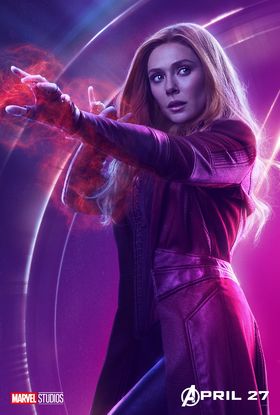
Wanda’s Wasted Role in Avengers: Infinity War

I know I’m almost a month late to the party, but that’s because I didn’t see Avengers Infinity War until last night. I hadn’t even planned on seeing the movie, but my friend, who had just finished Thor Ragnarok, had insisted that I come with her to see this one.

I walked into the movie knowing the synopsis of the film already, and knowing what happens in the comics (I’m going to try and keep this as spoiler-free as possible, as people are still trying to see the film), so I wasn’t really surprised by any of what happens in the main story arc. What happened instead was that I got confused.

It’s difficult to make a film as big as Infinity War, with so many character arcs, not confusing. Half the time there was so much going on at once that my brain was going into a mild overload. But what really got me confused was what I have to say was the biggest plot hole of the movie- Wanda’s power.

In the film series, she is known to be a very powerful mutant. In Captain America: Civil War, she was even described as a “weapon of mass destruction”, which rings pretty true to her original comic character. Wanda seems to have an endless amount of capabilities, and has enough power to destroy an infinity stone. But how her powers are portrayed, powerful as they are, are very toned down from her comic version.

In the comic series, Wanda Maximoff, or Scarlet Witch, is what is known as a Nexus Being, which is a living focal point of Earth dimension’s energy. She gained her abilities by being born in proximity to the elder energies of the god Chthon with her twin, where she developed a mystic bond with the god. The result gave her unimaginable power. She has the power to alter reality on a grand scale, which includes reviving dead ones and reincarnating others, although she does not have the full training to control all her powers.

In the film series, she is not a Nexus being, having been created through experimentation with a special branch of Hydra. As the films develop, the power she has seems to multiply (that or she is gaining more control over it), although she has yet to bend reality on a large scale. An important matter is though, that Wanda can destroy an infinity stone.

Why is this important? Well, when you look at the context of the whole film, it was about preventing Thanos from obtaining all six stones. While destroying the time stone seemed almost impossible, given that Doctor Strange was nowhere near Wanda, Wanda had the capability to destroy the other ones from the start, and perhaps even the gauntlet itself. She could have easily useful as a forefront for destroying the gauntlet, but throughout the film one slap would knock her down for a seemingly endless amount of time. The ability for her to be knocked down so easily, despite having such power, was to me kind of a cheap shot to make it that much easier for the plot to occur (and for subsequent films to happen). She had some cool fight scenes, but was ultimately muted (come on, she could have totally done more damage on the battlefield than Thor).

But, you know what? To try and show the full might of Wanda’s powers might have been too complex for an already complicated film. Yes, she could have easily done a lot of things throughout the film series, and in particular in Infinity Wars, but trying to have it all there might have added a detail too much. But still, seeing her get knocked down for ages by one slap was a bit infuriating.

Love After Divorce: The Appeal of the “Reborn Woman”

With the recent release of Book Club, I began wondering about the whole “Love After Divorce” genre that seemed to be appearing more often in mass entertainment films. The Book Club, which centers around women in their seventies trying to find new romance after divorce (two divorce, one widow), falls on the older end of the spectrum in terms of age for the genre, but still holds many of the tropes that make it a good representation. Finding a man in his fifties whose rich and attractive, having a happy ending, plenty of women’s bonding moments, struggling to get back into the dating realm, and many others. And despite its worse-for-wear reviews, it was mildly successful, making $53 million in the domestic box office, while the movie had been made with a budget of $10 million.

The success got me thinking-what makes these films so appealing? Upon looking into it, I found blog upon blog of women talking about their favorite “Love After Divorce” films, all with tales about how many of the films they didn’t like until after they got divorced. Which makes sense, as those who face the troubles are divorce are more likely to relate to a light-hearted film about finding love in the time after, but is there that much of a base for it?

Well, according to the American Psychological Association, anywhere between 40 to 50% of all marriages end in divorce after the first marriage in the United States-with the divorce rate for subsequent marriages being even higher than that. With that in mind, the base for the “Love After Divorce” genre becomes that much bigger- especially when divorce happens to women who are middle-aged, and haven’t been in the dating sphere for decades (if at all). The light-heartedness of the films also adds to cheering women up after a rough divorce-as many blog testimonials will tell. And I can’t entirely say that that isn’t possible.

From the “Love After Divorce” films I’ve seen, it’s hard to say that the films are anything beyond cliche chick-flick money-grabs. But then again, I am not divorced, and I am certainly not middle aged. I am not a part of the demographic that is being targeted by these movies, and I can’t relate to someone going through a divorce. Divorce is a rough experience, not just for the spouses but also for any other family member involved. And if it had been a long marriage, it can be rough on self-image and self-esteem. A movie about finding an attractive rich man might just be what someone needs to feel more confident. I can’t knock something like that.

While the films tend to follow the same tropes (which had led to the doom of rom coms), they seem to maintain an appeal and audience, which is something to note.