Comic Books Have Always Been Political

With the releases of Wonder Woman and Black Panther, I couldn’t help but notice quite a few people mentioning that they didn’t like the fact that these movies were “adding” politics to comics. This always bothered me, because anyone who knows anything about comic books (unless they choose to ignore this) knows about how politics have always been a part of comic books. I’ll explain why.

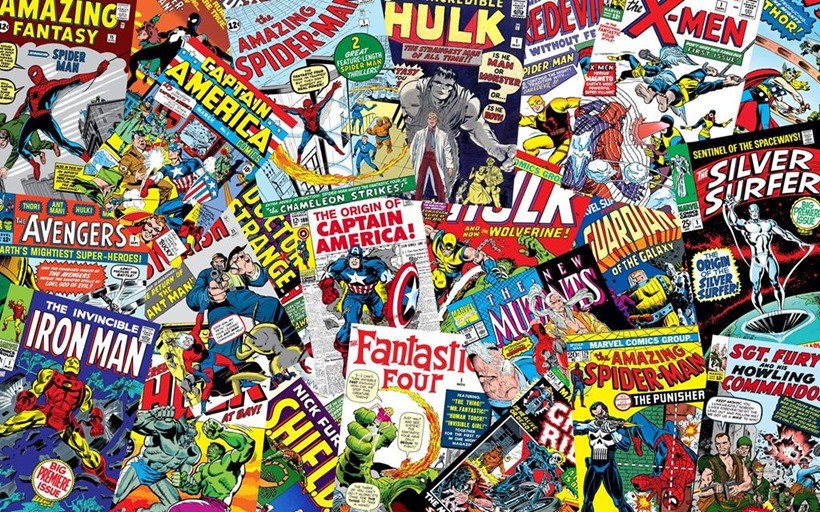
You see, most comics had their main start as anti-Nazi propaganda in the late 1930’s and especially during World War Two. Characters such as Superman and Wonder Woman from DC, and Captain America from Marvel represented the “heroes” of democracy, clad in Star Spangled Banner attire as they kicked the asses of the bad guys, who represented ultimate evil. What even pushes the point further is that the general majority of comic writers during the time period were Jewish, which Nazis despised. The characters and comics were written in support of the US’s involvement on the Western Front, fighting the bad guy and saving the day.

The end of the war was not the end of politics in comics, either. You see, comic books are an art medium, and their one of the most obviously political mediums, as well. However, because of their fictional nature, the political side is often ignored. Which seems odd to me, especially when considering the fact that there will be entire characters created in response to certain affairs on either the national or global sphere. Black Panther came about as a result of the Civil Rights’ Movement. Miss Marvel came about as a combatant to the rise of Islamophobia. X-Men’s whole premise is about discrimination against minorities.

Even comic creators will argue that they, and their works have always been political. They argue that they put their messages in superhero comics, with important messages being portrayed in an obvious-yet-not-quite-obvious way. It could be in an important conversation, or self-reflection, or a grave mistake. In any of these forms, there is a message, more often than not reflective a political or social message.

The fact that people ignore the political side to comics shows not only how well the messages are hidden, but also the success of the popularly sanitized version of nerd culture. What is the sanitized form of nerd culture? Well, it’s a version of anything to do with “nerdy culture” (i.e: Comic books, Sci-fi, fandoms) that erases the political and diverse history of nerd culture so that it only looks like white men were involved in nerd culture until recently. There are many drastic effects of this sanitized view, but I’ll get into that another time. The point is, the sanitized view of nerd culture is the most commonplace, and the most inaccurate form.

All-in-all, to say that comic books have never been political is drastically incorrect. Comics have always been political, and will always be political. To say otherwise is misguided.

How Fandoms Go from Fab to Drab

Fandoms, which are a subculture centered around supporting or following a certain piece of media, are everywhere in Geek culture. Just about every TV show, movie, book series, and more has a fandom, some small, some tremendously big, and many in-between. If something extremely popular is released, usually its fandom explodes for a few months, or even a few years, before mysteriously collapsing and disappearing. If you’ve ever seen this occur, then you have just witnessed a fandom going from fab to drab.

How does this occur? Fandoms have normal lifespans, with the very small ones usually dying out fairly quickly after the piece is released (known as “going dead” in fandom terminology). Medium and large ones that continue in their drab phase can live a long time-I’m talking about decades of survival (Star Wars, Star Trek, Back to the Future). This is all a part of a natural cycle.

However, Fandoms that go from fab to drab have a relatively short and volatile lifespan, which can lead to fall-backs and resurgences, all before their eventual collapse. This usually comes as a result of several factors.

The first is the development is what’s known as toxicity. Every fandom has a few bad eggs. But when there’s enough of them, all attacking people and bullying people over differing ships and opinions, then the fandom gets labelled as “toxic”, both by people outside of the fandom and the few remaining clear-headed people still in the fandom. Fandom is supposed to be about a community coming together, not tearing each other apart. This is an issue that can occur in just about any large fandom, as major groups (particularly shaped around “ships”, or couples that people root for) belittle minor groups, essentially bullying them out of the fandom.

The toxicity does not stop at people in the fandom, either. I remember the days of Superwholock (The combination fandom of Supernatural, Dr. Who, and Sherlock) when the fandom would attack any outsider that questioned them or criticized them, building up their own reputation as toxic. The same thing happened to the Undertale fandom, leading to its demise within only a year of the game being released.

Which leads me to my next point: Hatred towards the fandom. When a fandom is toxic, it not only builds up a bad reputation, but cuts its own supply off of newcomers. When people are discouraged or turned off from joining the fandom, even the largest one will eventually fall. Every fandom needs newcomers to survive; too few or none at all will kill just about any one of them (Superwholock was an interestingly unique case, but in order to explain it in full detail I would need to talk about it separately).

When fandoms are faced with these two issues, they become increasingly volatile, lashing out against others and fully consuming themselves in their toxicity, which only furthers the problem. They solidify their own fate, even if they don’t know it.

Fandoms that once start fab, welcoming all others and becoming a large fandom that bonds over a certain media, can either quickly or slowly turn drab, turning against itself and ruining itself as others watch on. It’s an interesting and prevalent cycle that normally only happens to the biggest and trendiest fandom of the time, providing a serious lesson to others about growing too big too quickly.

The Differences Between LA Theme Parks

There is an industry in Los Angeles that goes mostly unacknowledged, but still draws millions of tourists every year. That industry is theme parks.

Now, you might be wondering how that goes unacknowledged. LA is the home of Disneyland, Universal Studios, and Six Flags Magic Mountain, all of which are major amusement parks. Millions of people come from all over the country, and even the world just to visit these places. They will never be forgotten.

What I mean by the fact that they go unacknowledged is the fact that no one ever tells you the difference between each park. And I don’t mean the obvious, each being owned by different companies and centering around their own respective shows and films. I mean their actual core, what you can expect to find attending these parks. For me, having grown up in LA, the difference are obvious. For someone who’s either only visited one or even none of the locations, you might not know the difference.

Well, to put it shortly, the difference are this: Magic Mountain is for rides, Universal is for attractions, and Disneyland is for something in-between. Let me break it down a little more.

Magic Mountain is part of a larger chain or theme parks, with this location in particular being located in Valencia, on the northern end of Los Angeles County. The theme of this park is DC universe, and you will find plenty of rides and areas following that theme (Batman, Riddler’s Revenge, Superman, etc.). The park wastes no time in displaying what it is; a theme park for roller coasters. It doesn’t have really any attractions, more focused on providing an adrenaline rush with various and innovative new rides. They do have a kid section with Loony Toons, but I wouldn’t say it’s a place to bring your children.

Disneyland, on the other hand, has some more leeway. Located in Anaheim, in the heart of Orange County, it’s a place with both attractions and rides, putting more into the combination experience that allows children both young and old. Although, I don’t really see the point of bringing a child under three or four to Disneyland: first, they can’t really go on any rides, and second, they won’t remember anything about the park. Disneyland focuses on different films that it owns the rights to, and builds rides and areas centering around them (Star Wars land, opening 2019, is expected to be one of the largest world expansions to the park). Disneyland wants to provide a more general and rounded experience, which explains why it has both rides and attractions.

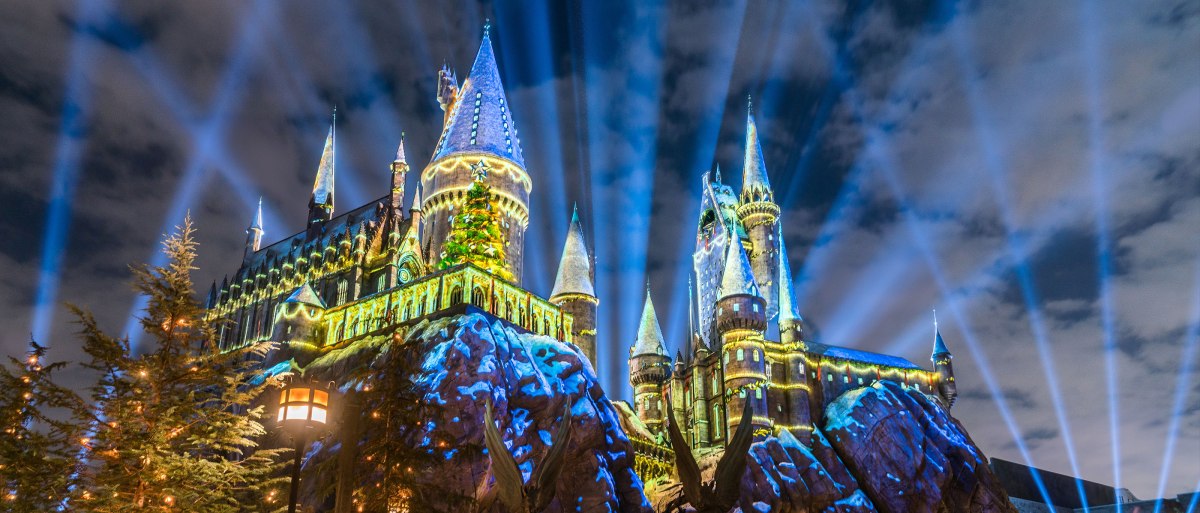
Universal, located in Studio City, focuses almost purely on attractions. That isn’t to say it doesn’t have some rides, like Ride of the Hypogriff, Revenge of the Mummy, and Jurassic Park (now being renovated to Jurassic World), the vast majority of its “rides” are actually attractions, using CGI and moving cars to create almost VR experiences. It once again focuses on films that it has the rights to use, even if it doesn’t own the films itself (Harry Potter World and the upcoming Nintendo Land are big ones). This park isn’t very kid-friendly, meant more for teenagers and adults. There are few attractions meant for young kids, especially considering how dark some of the attractions can get. Universal’s take on rides is unique to me, as most other parks don’t invest so much into perfecting the rides in the same way.

How Movies and Memes have made me Connect Art and Music

As I was walking through the National Museum of Art in Washington DC, I couldn’t help by hear constant genres of old music (Classical and Medieval), as I walked through the impressively European artwork. While hearing the music for so long (I spent hours in there), I was reminded of the time of when I was in other museums (in Rome, LA, San Francisco), and each time I heard music that I had subconsciously connected the artwork to.

There are only two reasons why this has occurred. The answer: movies and memes. Why these two? Well, I could argue that shows have also helped, but they gained their inspiration from movies and documentaries. Movies and documentaries often connect the old European art to classical music, Native and Polynesian art with traditional flute music, and so on and so forth. Documentaries are really to blame for this, particularly art and culture documentaries, pairing famous artworks alongside music that just gets stuck in your head.

However, it’s not just documentaries, as I mentioned earlier. Movies, too, sometimes only vaguely related to the artwork, can have music that can pop into my head, despite not even being in the same country (in some Roman churches, the soundtrack to Disney’s Hunchback of Notre Dame kept playing in my head). For some reason, my mind connects one to the other, and there’s no way to get out of it. And I’m certainly not the only one.

But where do memes come in? Well memes, the epitome of how people process pop culture and politics in the name of humor. These can take shape in the form of pictures, videos, and just about any other digital medium that you can work with. While sometimes art is used to make clever historical memes (there was a period of Washington painting memes that flooded my dash), the gifs and videos are what really get me.

Oftentimes the gifs are attached to some dumb song or another, and the videos are edited to have music in them. So rather than classy music binding itself to art in my mind, its dumb music that makes me smile or crack up. It’s dumb, but my mind seems keen on connecting my memories to the present, something I’m certain all of our brains do. Brains like to do stuff like that, especially when we get a first glance at famous works via pop culture. Sometimes it’s kind of nice, and other times it’s not.

Beauty and the Beast, and the Case of Disney Getting it all Wrong

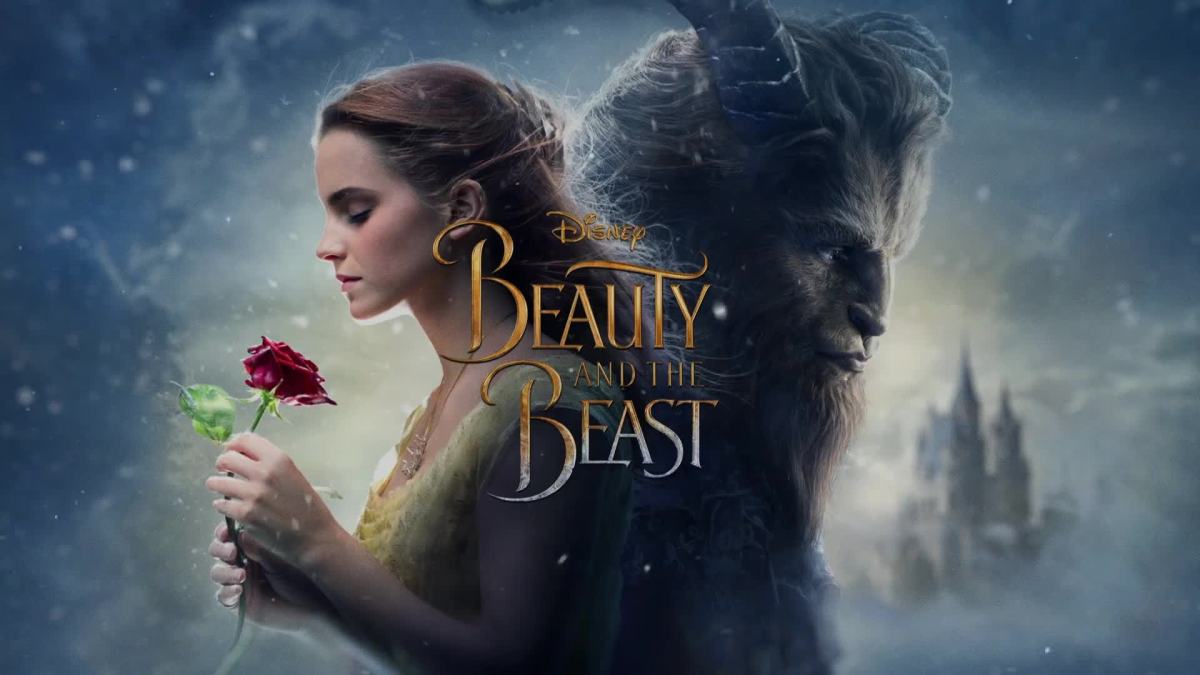
I have certainly missed the craze of analysis over the Disney live action films. That all happened after the release of the live action Beauty and the Beast, with some people ranting and raving about how much they loved it, and others harshly criticizing the film for its lack of originality. I am far from the first to talk about this film, and I will not be the last. However, I’ve noticed that most criticisms of the film often ignore certain aspects that I felt were especially irking, and fail to connect what happened in this film to the overall live action trend. So I thought I would put in my own two cents, and see where this takes us.

Now, the whole Disney live action trends started with the success of Maleficent in 2014 and Cinderella in 2015, both of which provide different perspectives of the stories told. Maleficent  provides an alternative look at the tales of the original 1959 classic Sleeping Beauty, although it was a rather half-baked attempt. I thought that Disney might be getting their footing with the release of Cinderella and Jungle Book, which flesh out relationships and motives and situations just a bit more, without only repeating the story.

I was proven greatly wrong, however, with the release of Beauty and the Beast in 2017.

Not only was the film a straight copy-paste of the original story with almost no additions, but the changes they did make just degraded an already good story. This film, like the other three before it, attempted to correct past criticisms of the original work, despite the fact that the film they are trying to correct something that is negligible. Cinderella provided insight on what happened to her father, which the original film failed to do. It explained why Cinderella dealt with the abuse, something the original film didn’t do. This film tries to elaborate on how the magic works in the castle, something that the original film didn’t need to do.

There it is, folks. This film tries to provide logic to a world of magic, something that didn’t really need to be elaborated on. Like the magic dishes, and some other things that move in the house. Not everything that moves needs to have a soul attached to it, which in turn explains the trashed furniture in the West Wing. The Beast didn’t just straight murder his servants. You can assume that a castle would have furniture in it before everyone else got turned into furniture.

Which leads me to my next problem with the film- the fact that the furniture explain the West Wing to Belle completely ruins a major plot point in the film. They not only convince the Beast to give her a better room, rather than let him make the decision for himself, but also give her a tour of the castle, mentioning the West Wing and thereby ruining the impact of Belle actually going to the West Wing. The betrayal aspect of her going to the West Wing despite his wishes is lost.

Which leads me to my next point: they completely wash out the relationship between Belle and the Beast. They ruin the complex relationship between the characters, making Beast an asshole who needs a life coach, and Belle the life coach, rather than having them learn off of each other. Belle was kind and patient, but could also call out the Beast’s bad attitude in the original film. In this one, they just fight, and he never learns to do better. Their relationship becomes basic and Hollywood-style, and the ending doesn’t feel like it was deserved.

Now, in a turn away from the more interaction aspect, I am going to turn more to the other issues I have with the film. This one can be narrowed down into bullet points.

Belle’s voice:

Why, why, why didn’t they just have an actual singer dub Emma Watson’s voice? Hollywood has dubbed hundred’s of actor’s singing before, and the attempt the avoid this in this film ground my ears out. They auto-tuned Emma Watson’s singing to the point where it sounded like a robot made it, heavily contrasting from the fact that literally no one else has a robotic voice. Literally no one else.

What made it worse was the classic reprise of the song “Belle”, where Belle has a powerful soliloquy (done flawlessly by the original voice actor Paige O’Hara). In the live action version, we just get a shotty, robotic voice that just washes out with the music. Every time she opened her mouth the sing, I would be ripped out of the moment.

Belle’s Dress:

I know they tried to do what they did in Cinderella with giving the dress a much needed update, but it really wasn’t necessary. Unlike Cinderella’s kind of odd-looking dress in the original, there was nothing wrong with Belle’s dress. In fact, her’s was a favorite among many, and was a popular costume for young children. The fact that they tried to change it to something as blase as they had in the live action film got some much deserved out-roar. How do you replace such an iconic dress with something that looked like three pieces of yellow tissue paper stuck together? It just doesn’t make any sense.

Gaston:

Why try to make him unlikeable? The whole point of his original character was that he was attractive, popular, and charismatic, and was easily able to influence the ignorant townsmen into joining him for the “final battle” at the castle.

In this case, he’s a character that is considered untrustworthy by the town, leading to Le Fou paying people to sing and up Gaston’s ego. Such a move was totally pointless. You should have just kept him the same. It would have saved a lot of time on the pointlessness of trying to make him a complex character. Focus on fleshing the two main characters out, not the villain, who didn’t need to be fleshed out.

The Plot Overall:

Last but not least, I have a problem with the plot overall. Let’s face it- it’s just a pure retelling of the original story, with some pointless additions slapped on to take up more time. There was nothing of real value added, degrading the plot of the story. What was changed really had no purpose, unlike the films before it (except Maleficent, but that’s for another time). I came into that film expecting something and left it feeling like the original story was just wronged. Which doesn’t make sense, as the live action version and the original were both made by the same company.

But, that’s the problem with the desire to make money and deal with criticism. It just didn’t work here. It turned what was once an Oscar-nominated film into a straight mess. It was just unnecessary.
The Effects of Adults Playing Teenagers

Just about every time a teenager is cast for a show or movie, the role of whatever teenager there is is given to an adult. While it can make things easier (not having to worry about an actual teenagers schoolwork or schedule), this can have drastic affects on actual teenage audiences, who only see teenagers portrayed a certain way. In order to analyze this, I will break this essay down into three parts: how teenagers are casted, how actual teenagers are, and the impact of the portrayals on teenagers. While the portrayal of teenagers has certainly altered in the last five years, it’s still important to understand their previous depictions in pop culture.

1. How Teenagers are Casted

As I mentioned above, teenagers are almost always portrayed by adults. Much more often now they are portrayed by young adults (18-early 20’s), but for a long period of time they were portrayed by adults in their mid-to-late 20’s (sometimes even early thirties). And these adults wouldn’t look all that much like teenagers, either. They looked like exactly what the actors were-full blown adults. Flawless skin, toned bodies, nice hair. They look like polished versions of teenagers. Even the actors now casted to the role of teenagers (who look much more like teenagers) still are polished, and very post-pubescent.

They also act in almost stereotypical ways, with a rebellious streak that is so insane that it’s practically unbelievable (at least, in terms of mine and my friends’ parents). I’m sure there are plenty of parents that don’t actually murder their children whenever they pull a stunt crazy enough to involved the police, but I’ve only seen them appear when I was already in college.

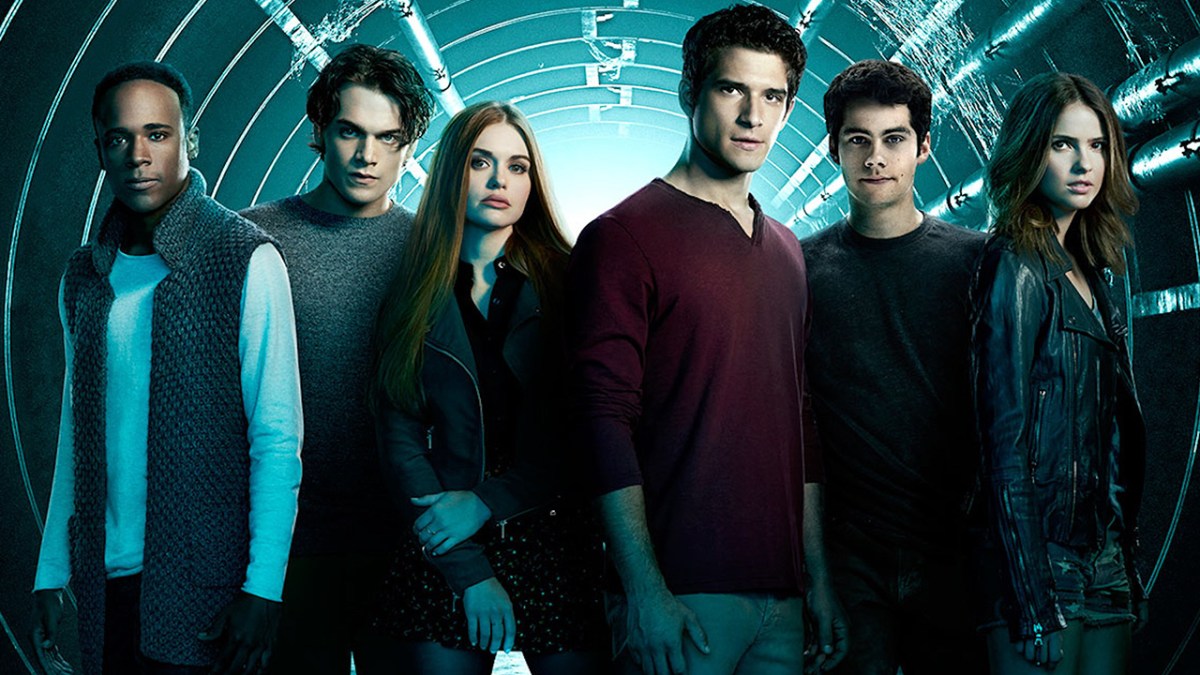
Don’t believe me? Let’s look at two cases: Teen Wolf and 13 Reasons WhyTeen Wolf began airing in 2011, and 13 Reasons Why first aired in 2017. In the former show, the cast are supposed to be freshmen in high school, although the cast definitely look like they should be in college at least. The cast began the show in their early adulthood, however, were so finessed that they pass at all for young teenagers. The main group in the show consists of mostly hot young men with well-toned six-packs, which I had seen in many clips (I’ve never watched the show, leading to my surprise when I found out they were only supposed to be fourteen), and they are incredibly well-dressed.

As for the latter show, the actors look much more like teenagers. They dress more like modern teenagers, they’re supposed to be around 16 or 17, making them much more believable looking. These actors are only in their early twenties, and it shows. The athletes have typical strong figures, but everyone looks normal, and not like supermodels. There is a stark contrast in the way the characters are presented from previous shows, but the fact still remains-they are post-pubescent. They still have perfect skin and hair, still show no signs of changing. Not that they have to, but their presentation is very finessed and flawless.

2. How Actual Teenagers Are

If you’ve ever met a teenager in real life, you’d know that media portrayals of them are grossly misunderstanding. Real teenagers still practically look like children, especially as puberty seems to hit later and later nowadays. They don’t really start looking like adults until senior year, and even then it’s difficult to say they actually look like adults.

Real teenagers have acne. They are awkward, and still adjusting to their own growing bodies. Their fashion sense is still developing (if they have one at all). They get weird haircuts, they wear glasses, and they never have a six-pack. Real teenagers look almost nothing like their polished counterpart portrayed by the media. They act cringy (I’ve had my share of moments), and act in ways that they’ll grow to regret (don’t we all?). They certainly don’t go driving out to the middle of the forest to go monster hunting with their friends at two in the morning.

Most teenagers don’t actively rebel against their parents. There are some, who take advantage of parents who don’t quite know how to discipline their children, but for the most part, most adhere to their parents’ rules. At least, most of the ones I knew, anyhow. No one was able to just do whatever they wanted.

3. The Impact of the Media

During my time, some people tried their best to look nice, but for the most part, people just wore whatever they really wanted. But we were still affected by the way we were portrayed in the media. A distorted view of how we imagine teenagers evolved, with a subconscious pressure to look just like our favorite characters. We begin to try and style ourselves to certain categories, almost stereotyping ourselves into different groups (the “cool” kids, the nerds, the athletes, and everyone in-between). Although it was subtle in my high school, it still existed in other, smaller schools.

More recently, however, I see more and more teenagers trying to look like adults. This is both due in part to media portrayals, and also to the rise of Instagram models and other social media pressures. Teenagers want to stop looking like teenagers, and instead want to skip to adulthood. This was a problem during my times in high school, but I notice that it’s becoming more apparent, especially with the rapid change in appearance that teenagers put on their social media. They try to hide their teenage identity in any way they can, promoting an “older” appearance, and turning away from things that made being a teenager fun. Kids are trying to grow up too quickly, and media portrayals of teenagers only encourage this goal.

The Controversial Author of a Beloved Series

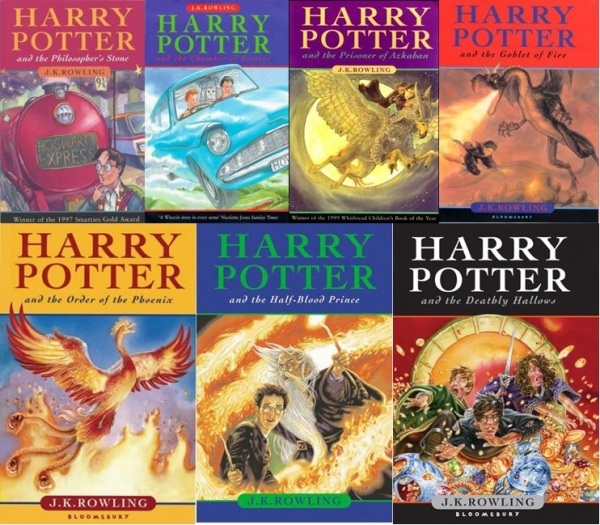
The Harry Potter books and movies have been loved and cherished for around two decades. It was a series that was recognizable to millions of people, to the point so that some of the advertising for Deathly Hallows Part Two didn’t even name the title of the movie. It has also led to the opening of Harry Potter World in both Universal Studios locations (Orlando, Los Angeles), with hundreds of thousands flocking to partake in some of the magic. The Harry Potter series was classified as the hallmark of an entire generation.

While the fandom for Harry Potter seems to be thriving, I can’t help but wonder how much this is done out of pure nostalgia, especially as more negative light turns to the series’ author, J.K. Rowling. As time goes on, I notice that former die-hard fanatics are noticing more issues with the series, particularly with the actual lack of originality that the magic world in the series has. But contrasting from these fans-turned critics are the ones that are still die-hard, constantly taking every house quiz, referencing the series when they can, and even getting permanent tattoos of famous symbols. It’s an interesting mix that I increasingly notice is coming at odds with one another.

In order to analyze why I notice some people being pushed away, we’d have to first look at the history of negative light placed on the author. You see, this all started after the release of Halfblood Prince (the book, of course), in which J.K. Rowling announced that Dumbledore, the father figure to Harry Potter, was actually gay. This came at a celebration of diversity initially, although there were some that questioned the fact that Dumbledore never revealed anything about his sexuality (no reference, no actions, nothing) in either the books or the films. Over time, this move turned purely to criticism, calling the author out for making a cheap shot of queerbaiting, especially with the lack of interaction between Dumbledore and his supposed “lover” in Fantastic Beasts and Where to Find Them 2.

J.K. Rowling only put more bad attention on herself by claiming diversity in the books after the fact, despite never referencing those characters in her series. This gained more negative attention and criticism, although a meme has arisen around her after-the-fact claims, with people claiming ridiculous things to mock her attempts.

Now, you may think “well, she wrote the books in the 1990’s and early 2000’s, she’s from England, so it would make sense that she’d only write about white people”. There’s a few issues with that logic. She had written the books with only white people, which, if you just left it at that, is fine. There’s nothing wrong with admitting that most of the characters are white, and all of them are straight. Most mainstream series and books from that period were like that (especially European books, although they do have a level of diversity that they seem to ignore). If she had just acknowledged that fact, there wouldn’t have been any controversy. But to try and say that you had diversity, while not putting in the effort to display that diversity, or re-editing the books to show real difference, is just weak. It reads as cowardice and band wagoning, which would turn people away.

Another issue, which came up earlier this year, is that J.K. Rowling has been following and liking the posts of TERFs. What is a TERF? A TERF, or Trans-Exclusionary Radical Feminist, is someone that focuses on promoting the equality of “biological” females, claiming that trans-males are traitors and trans-females are women-haters. They claim to be feminist, but are really not, and they are rejected by most of the feminist community, leading them to call discrimination and brainwashing. Their tweets are very difficult not to tell, and J.K. Rowling liked and retweeted several from a known TERF, which were targeted against trans-females. This caused some outrage, but not nearly as much as it should have. In fact, it has almost been completely forgotten, quickly hidden with news of a new interactive Harry Potter game. But it left its mark on me.

Where do I sit on this issue? Well, I was never able to finish the original series, despite the fact that my sister had read all seven books 4 times. I saw the movies, but was never all that invested. But the controversy has made me quite put off from investing my time and money in any of J.K. Rowling’s works or films.

The Fun of “Geek” Makeup

Despite the fact that Geek culture has been in the mainstream for nearly a decade, it was only recently that I discovered Geek-inspired makeup. Maybe this is due to the fact that I didn’t like makeup all the much until around two years ago, but it was still strange that I had never heard of it. I’ve been to cons, I’ve involved myself in many fandoms, how did I not hear about it?

Well, this is excluding the main-stream geek culture collections. Of course I’ve seen Star Wars themed lines, and also Hunger Games collections from Cover Girl and L’Oreal. And of course I’ve seen the Disney-inspired makeup. But I had never seen stores purely devoted to producing Geek-inspired makeup.

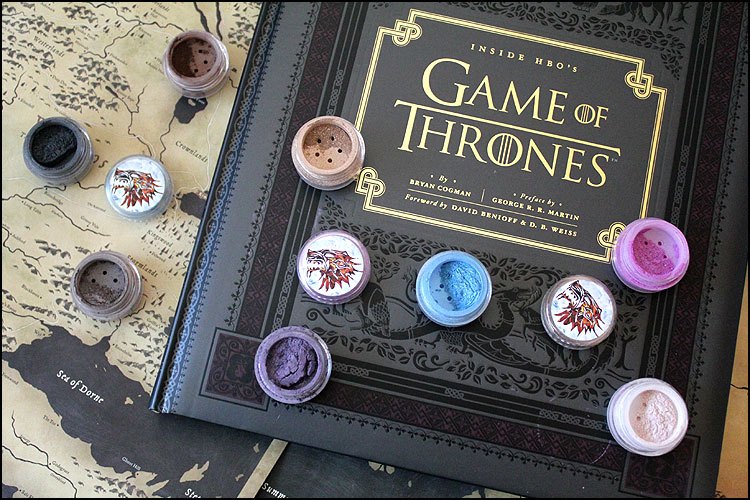
I had only discovered the makeup by chance, stumbling upon Shiro Cosmetics as I was looking for cruelty-free makeup. Looking into their site, I found they had a series of collections based off of popular media and memes, having collections centered around Game of Thrones, Into the Unknown, and Avengers, particularly eye shadows. They have cute little drawings that they come with on top, and lots of funny designs. And the reviews seem to like them.

The discovery of this site led me to start looking around for other Geeky makeup, and I was able to find quite a bit of collections. I found Geek Chic, Espionage Cosmetics, Nerdastic, and Black Pheonix Alchemy Lab, all of which had many items based around pop culture. It was astonishing, especially with the fact that the most of the colors looked so pretty. And most of them were cruelty-free.

The makeup usually has fun names, with fun designs, although if you’re looking for eyeshadow, don’t expect to many pressed palettes. Most of them are loose powder, with a few pressed palettes, which can be a little off-putting for some.

Geek-inspired makeup really started blowing up around 2015, as bigger companies began pushing out lines for the new Star Wars (Force Awakens), inadvertently boosting smaller makeup companies that based their whole existence around Geek culture. While still being considered “underground” and definitely “artisan”, Geek makeup has found its place and audience, and will only continue to grow as more people discover them.

The “Anime Phase”

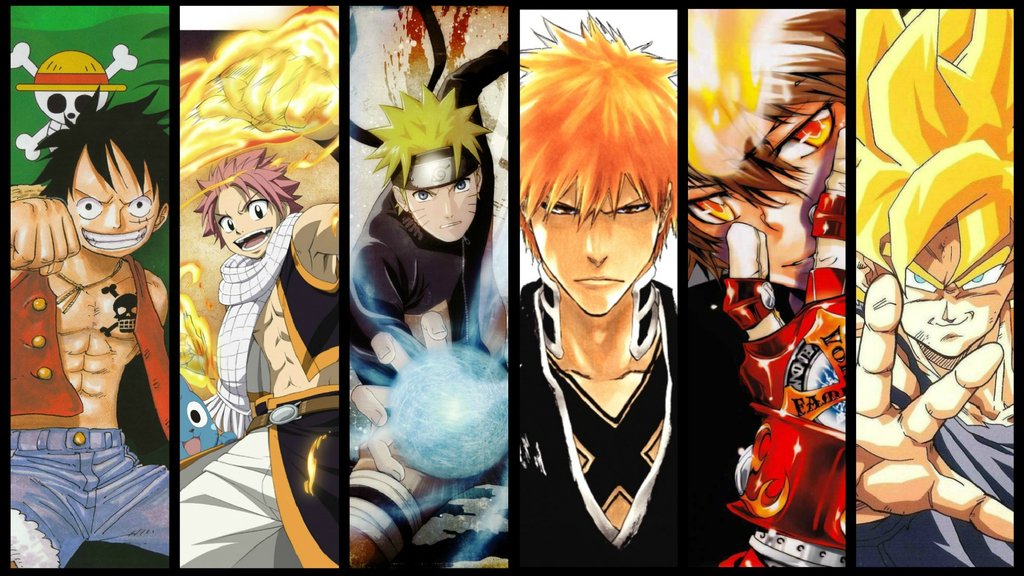
My friends and I all had one. Some of them still haven’t gotten out of it. It’s that period of time where most, if not all of what you watch is Anime, and you join fandoms centered around your favorite ones. It’s a normal part of nerd development, it seems.

For those of you who seem confused by this “Anime Phase”, let me put it into perspective: imagine you had a show or TV genre that you were absolutely obsessed with. You could have been obsessed with it for weeks, months, even years, but it was the center of your attention in terms of being a fan. They’re one in the same. But rather than having it be an American or British TV show/genre, it’s Japanese.

This phase rose out of the Anime Craze of the 1990’s. It came as a result of kids having greater exposure and access to watching Anime, allowing for the phase to blossom. Kids are going through a period of wanting to watch nothing but Anime, and there’s nothing wrong with that.

The Anime Phase can range anywhere from casual (like mine) to all-consuming. I was one of the ones who would watch Anime casually, but wasn’t too far into it. I could watch other shows, and watching Anime didn’t take up my entire day. But there are others, including people I knew, who would spend their day only watching Anime. These are usually the ones that don’t ever leave the Anime Phase, although there are occasions when they do.

In most cases, those who have an Anime Phase never stop watching anime. I can tell you that most of my friends still watch certain anime (mostly to most popular ones), although I find myself unable to sit down and watch one. The last one I saw was three years ago, and although some anime are enticing, I just can’t sit for that long watching. I’ve developed kind of a strange relationship with anime, probably because of overly casual nature of my Anime Phase.

The Anime Phase has been going strong for over twenty years. It’ll be interesting to see how long it continues for, especially with the rise of other popular phases.

The Downfall of Greek Myths in Movies

Greek mythology often finds itself in the spotlight of Hollywood films. Usually avoiding the Odyssey, Jason and the Argonauts and Persesus are the most commonly found, although differing interpretations on Greek mythology, like the Percy Jackson movies (although we don’t speak of those), do make appearances.

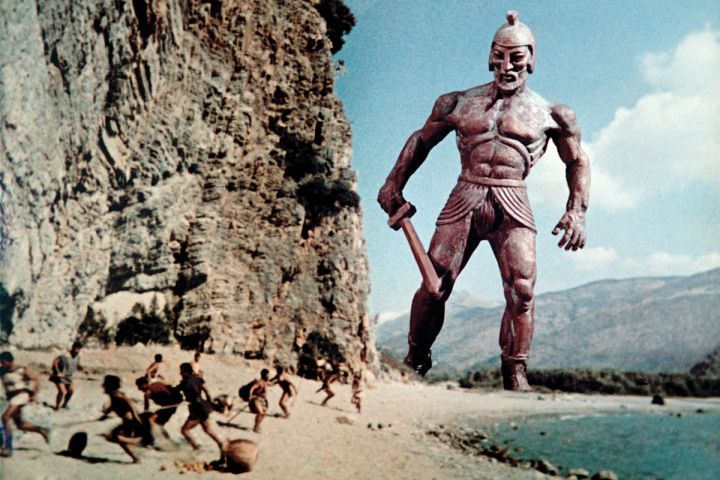
Turning Greek myths into movies found its height from the 1960’s to the 1980’s, when claymation monsters dominated the screen rather than advanced CGI. I can’t knock the use of claymation, however- filmmakers got creative with it, and were able to make it work fairly well. As comical as they look to audiences nowadays, you have to admit that for their time, they were genius moves.

Now, however, Hollywood has lost its way when it comes to showing off the legendary epics. What used to be just portraying the tales as is (with some creative difference, but not much), is now a strange and unsuccessful attempt to make the stories more “original”. They use an excessive amount of CGI, turning the classic mischievous and playful Greek gods into serious and dramatic figures, erasing some of their most bizarre origins and reactions. The myths portray the Greek Gods as divine and powerful but characteristically flawed (they are perfect at something, hence their God status). Movies now simply turn them into perfect but overly angry figures, exaggerating their temperamental behavior.

The legendary figures also find themselves changed, too, turning figures like Jason and Perseus into gritty and dramatic figures, when they show a variety of behavior, portraying a story of morality on a complex hero. In modern movies they are now meant to fight these giant monsters, getting girl while playing a one-note tune of being a one-dimensional hero. The main hero finds himself enveloped under the fold of the typical cliche action hero, completely ruining the point of the original Greek Epic or legend that they appear in.

The aesthetic of the new Greek myth movies also are much darker. Rather than being more realistic of showing an environment like daytime Greece, they show changing skies and darker backgrounds, making the story seem much less real. Of course, they are portraying stories, but compare them to their predecessors; compare the sky, the backdrop, and most importantly, the clothes. The cloths all look Spartan based, rather than showing the diversity of Ancient Greece (which wasn’t a unified country). It all makes seeing the Greek myths on screen that much less popular.

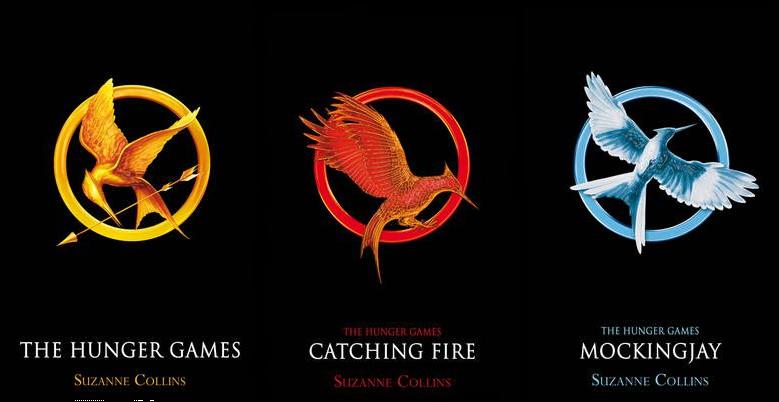
Why the Hunger Games Trilogy Should Have Never Been Movies

I was at the end of middle school when the first movie of the Hunger Games Trilogy was released. At the time, I had thought that the film was a serious let-down, with much of the book’s original purpose ripped out in favor of a “Hollywood-style” interpretation. But that was typical, as most books that were being turned into movies were glamified to fit a dramatic Hollywood action movie. But as the movies continued to come out, I got older, and noticed more issues with the films. By the end of it, I thought the films shouldn’t have existed at all.

Why is this? Well, just the idea of the films existing goes against everything that the books aspired to criticize. The books themselves were about a young woman of color (presumably native, based off her town’s physical characteristics) being inspired by a young black girl’s death to lead a rebellion against the glutinous and overly-extravagant Capitol, the head of Panem (which is the Latin word for “bread”).

Panem is a place where the districts closest to the Capitol are the wealthiest, while the furthest are the poorest (and tend to be people of color). But the Capitol itself benefits off of turning the fight to the death between children into a spectacle, watching their every movement and promoting them as though they were nothing more than TV actors. Katniss and Peeta’s romance gets televised and focused on, and throughout the books you can see they were a point of entertainment and propaganda, working to gain “sympathy” from the viewers. Meanwhile, the families of those that have to fight sit agonizingly, watching their children being brutally murdered for entertainment.

All the while, propaganda in support of the regime was constantly emphasized, with police task forces ensuring the peace. The propaganda is representative of the news media, promoting submission to the regime while broadcasting all the issues with it as a form of “entertainment”.

The Hunger Games criticizes everything that supports the oppressive system, which includes mainstream movie media. This is the biggest kicker for why the movies shouldn’t have existed. It was made by a large company (Lionsgate) which altered the feel of the books in order to show what they wanted with the rebellion, without anyone pinpointing back to the US (or other Western) system as a whole. It degrades the whole point of the books.

Not only that, but their marketing adds insult to injury, by promoting “Capitol-inspired” makeup, merchandise, computer games, all of which trivialize the struggle that book Katniss faces going against. It is using luxury as promotion for something that criticizes this very aspect. This wasn’t just for the first movie either; it popped up again in each of later three films as well.

The original movie made the same mistake the Capitol did: focusing on the romance rather than the violence. It wiped out just about half of the point of the first book, turning instead to make it all about the romance when it should not have been. Of course, this gained massive amounts of criticism by viewers, and Lionsgate made it more subtle in later films.

However, they didn’t change the fact that they completely whitewashed much of District Twelve. Rather than having people with brown skin and hair (as the book describes the majority of the district being), they got “lightly tan” people who had to dye their hair the right colors (for Katniss and Gale). Also, the actress who played Katniss refused to “lose weight” for the part, which also takes out the fact that District Twelve was a heavily impoverished district, and it erases much of the struggle of Katniss’s survival. I don’t mean to say that Jennifer Lawrence should have gotten to an unhealthy weight, but to have someone who didn’t look anywhere close to starving play the part of someone who was supposed to be malnourished is a bit of a stretch. The point of her depiction is to show the horrors that the Capitol caused, not to put the biggest name actress you can as the main role.

As popular as the books got, it would have been much better if they had been left as they were-books. Of course the movies made lots of money, and were insanely popular, but that was because people fell into the trap of the entertainment. As long as it’s not real, it’s okay to see it, right? Well, not if the powerful message of the books just get lost.

The Dark Tales Behind Disney’s Classic Films

It’s no surprise that when Disney does a retelling of a classic fairy tale, they definitely make it more “kid-friendly”. The once morally imbued and rather dark stories have found themselves remembered as sweet and innocent tales, one of happily ever afters and all the like. But what are the original tales? How were they in their most original form, and how has Disney mellowed them out?

I think to answer that, we have to look at the oldest Disney feature length film, Snow White. Much of the first part of the film follows that of the German story- the Queen is vain, and tries to kill Snow White when she surpasses her in beauty. But rather than telling the Huntsmen to retrieve her liver and lung, the Queen instead asks for her heart.

From then on in the story, Snow White still goes to the house of the seven dwarves to live there. But rather than try to get rid of Snow White once, the Queen actually attempts to kill her three times: first with lace, then with a poisoned comb, and finally with a poisoned apple. When Snow White is in a death-like state, the Prince stumbles upon her glass coffin (that the dwarves had placed her in rather than let her be buried in the ground), and immediately falls in love with her appearance. He persuades the dwarves to let him take her coffin so that he could look at her, and as his men lift her coffin, the piece of apple she had bitten falls out of her mouth. She wakes up, and they decide to get married, inviting the Evil Queen. The Queen, not knowing that the other queen was Snow White, attends the wedding, and is forced to dance on hot coals until she drops dead.

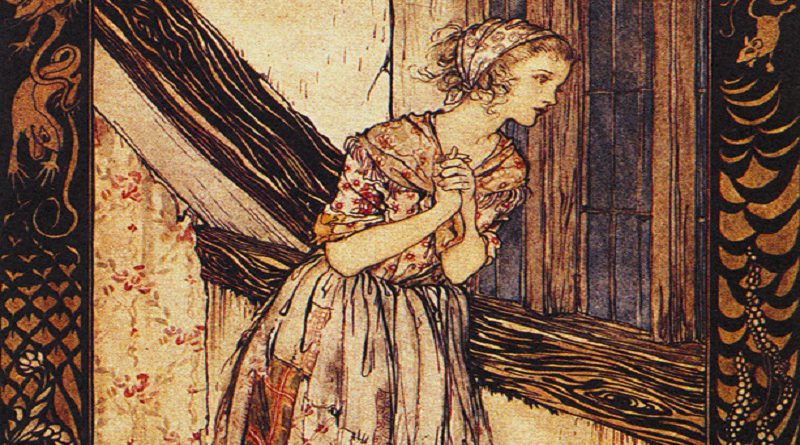
The next big fairy tale comes from the french original of Cinderella, also documented by the Grimm brothers. In this book the father never disappears, but is complacent in letting his second wife and stepdaughters turn Cinderella into a house servant. She works all day and all nice, cleaning the fire place, and doing other chores, and must sleep next to the fireplace at night, covering herself in ash and dust. She was given the name Cinderella, as a way to taunt her. Everyday she goes to her mother’s grave and weeps, and finds that a white dove hangs above her grave, granting her wishes.

On the dawn of the festival that the Prince was hosting, the stepmother forbid Cinderella from attending the ball, insisting that she was too dirty and embarrassing. Cinderella went to her mother’s grave and wept, calling on the bird to throw gold and silver down upon her. For three days she called upon the bird to dress her extravagantly, attending the ball and gaining the sole attention of the Prince. She keeps evading the Prince so that she couldn’t be recognized, but on the third night, the Prince had set a trap, causing her to lose one of her (golden) shoes.

The Prince decides to use the shoe to find her, and goes to the house of the Evil Stepsisters. They both try on the shoe, the older one cutting off her big toe and the younger one cutting off her heel to fit in the shoe. The Prince initially takes each one, only to be turned around by birds. Finally, despite the protest of her family, the Prince places the shoe on Cinderella, and realizes it’s her. They host a wedding, and the Evile Stepsisters try to go to Cinderella to gain her favor, only to have their eyes poked out by pigeons.

The third classic fairy tale I’m going to talk about is Sleeping Beauty, or Sun, Moon, and Talia. In the story, there is no slighted fairy (that would come in later versions), but rather a horoscope cast that she would face danger at a spinning flax. Aurora (or in this case, Talia), finds an old woman spinning as a teenager and asks to be taught how to spin. She gets the flax trapped in her thumb, and falls into a deep slumber, one that she cannot be woken up from.

She is left in the palace seemingly abandoned but attended by fairies, when one day a King stumbles upon the palace while on a hunt. He climbs a latter into her room, and is stunned by her beauty. After trying to wake her initially (unsuccessfully), he decides rather to rape her and be on his way, forgetting about her. Nine months later Talia gives birth to twins in her sleep, one boy and one girl. One of the children, trying to find her breast, actually sucks on her thumb, sucking the flax out and waking Talia up.

Not long later the King comes to see her again, and is joyous at finding her awake and with children. They fall in love after a few days, and he leaves again, promising to take her and the children with him next time.

The King’s first wife, realizing what has happened, plots to have Talia and the children killed, but is ultimately unsuccessful. She had ordered the twins to be cooked up and served to the king, but the chef, being kind-hearted, keeps them alive. She also tries to have Talia burned alive. But the king appears just in time and has his wife burned alive instead, marrying Talia and living with the children.

Remakes and Sequels in Hollywood, and How it’s Not a New Thing

The common phrase that pops up when someone mentions Hollywood nowadays is that Hollywood has run out of ideas. This phrase comes up in particular when constant remakes and sequels comes up, mixed with only a sprinkling of original movies. However, the modern situation isn’t new. In fact, it’s not only been an old tradition in Hollywood, but also Nollywood and Bollywood as well.

Ever wonder about all the sequels to Alien, Godzilla, and other films? Not the modern connections, but the ones that go as far back as the 1950’s? The many romantic comedies that came out during the 1950’s and 1960’s? Remakes and sequels have always been a quintessential part of Hollywood, since it’s inception. The sequels in particular, come when a series is popular- Hollywood is a business, and will run with a popular idea until it dries up. Such a tactic is not modern, nor unique. It has been happening.

Remakes, on the other hand, are usually made when a director decides that there is something to be improved upon in the original film, something that can be different. Of course, this choice is not always for the better, as we’ve seen with the remakes of Clash of the Titans and Willy Wonka and the Chocolate Factory. Usually, though, a director or screenwriter wants to improve on the story, and tries to portray their vision of how the film should be. This has worked, even, with the 2015 release of Mad Max: Fury Road. The films were an original series of films in the 1980’s, revamped in order to try an alternative story route, one that actually worked.

On top of the remakes, Hollywood has had a long history of taking from books and myths, despite the modern criticism that Hollywood only does it to get a guaranteed fan base. Characters such as Dracula and Perseus have found themselves on the big screen on multiple occasions in multiple forms, adapting them and re-adapting them to try and make a take on a story or myth unique. Especially from the 1970’s through the 1990’s with movies such as Psycho, the Shining, and Silence of the Lambs, all of which being smash hits, the tradition of bringing books to the big screen is nothing unheard of. Shakespeare has found his most famous play Romeo and Juliet in multiple movie retellings. Hell, just about all of Disney’s 2D animated films are based around different fairy tales (and even some 3D ones, such as Frozen and Tangled). To say that based off the fact that Hollywood makes films from stories and books is the key to showing that it no longer has originality is a farse.

Now, if you’re keen on the international films industries, you might be saying that they’re much more original. Now that may be true in some cases, you will find the retelling of famous stories and legends in Bollywood, Nollywood, and K-dramas. They do the same thing as Hollywood. Plus, they straight up make remakes of Hollywood films as well. Movies such as Resevoir Dogs, the Godfather, Silence of the Lambs, and When Harry Met Sally all have successful Bollywood remakes, and Nollywood is pushing to have a TV show based around Black Panther. To say that they don’t pull the same tactics as Hollywood would be ignoring a portion of their production system.

This isn’t to say that Hollywood is in the clear, however. Large companies often get trapped in the idea of making remakes or sequels, hoping to gain an automatic audience (increasingly without success). They’re trying to play it safe, but that’s clearly not what the audience wants (i.e: the box-office flops of Solo and the Mummy). People want more unique films to come back into Hollywood, and as usual, Hollywood is going slow in its response. Hopefully, however, it does respond soon.

The Adventures of the Bland Male Protagonist

I’ve already written a bit about some of my qualms with tropes and stereotypes of female protagonists in the past. However, I haven’t spent any time to talk about perhaps one of the biggest tropes among male protagonists that irks me: the boring hero.

What do I mean by the boring hero? I mean the guy who is in all the action movies and shows that has the same boring and bland personality and backstory, who always becomes the hero and saves the day. He has nothing unique to offer the viewer except that he’s insanely muscular and attractive (but then that becomes a bit unoriginal when that’s how they all look), and is usually just a gritty tough macho guy. He kicks ass and gets the girl, although he doesn’t really provide anything to make the movie or show worth watching.

What makes them stand out to me even more is that usually they are the least interesting thing about the movie. They are the stars of action movies and shows, the ones who keep the story going, and yet everything around them is infinitely more interesting than them. Their personality is like a black hole-they suck the life out of the movie. Literally.

The Boring Hero is seriously one-dimensional; he has no unique background, and he has no character development as the story goes on. Even the female love interest is more interesting, and she has almost the same cookie-cutter personality as the male protagonist. He never gets fleshed out, which drags what might have been an otherwise good movie or TV show down hard.

The Boring Hero doesn’t provide anything of real value to the movie. They seem to stay in place while the story goes around them, despite being the central focus. And they always have that one grand “epiphany” moment, that changes their course and turns them into a hero, with cool music following in the background. But the epiphany is a quick, fleeting moment that almost never appears again. It’s not even a real epiphany, but rather him deciding to act in the typical heroic manner.

The sad part is, this trope even appears in amazing films. Films such as Avatar have been able to hide the fact that the main protagonist is insanely bland and boring through the amazing visuals and characters around them. But that doesn’t change the fact that the main protagonist is so generic that he just becomes another character that the viewer forgets within a week.

Is this trope dying out? No. It’s still strong and present, coming out in films as recent as Solo. Each time the boring hero makes an appearance, there is always something (very, very small) that is supposed to mark them as insanely unique and deep characters, despite them still being bland and generic. A lot of action films and shows want to try and promote themselves as “unique” and “noteworthy”, without putting any effort to actually flesh out their protagonists, particularly the males. It’s a trope that’s gotten old years ago, and definitely needs to kick the bucket.

A History of the Mouse that Roared

On November 18 of this year, Mickey Mouse turns 90 years old. This mascot of Walt Disney Studios has had a long history, changing from his original form to his current squat and recognizable version. I thought I might provide a little history on this famous mouse, commemorating all that he has contributed to the Walt Disney brand.

Mickey Mouse’s story doesn’t start with himself, however. It starts with a cute little rabbit. This was Oswald the Lucky Rabbit, created in 1927 by Walt Disney when Disney Brothers Studio was just another part of Universal’s animation branch. He was an instant hit, and a star of Universal’s animation sector. However, when Disney met with Universal to negotiate another contract in 1928, he found himself in a position where all his employees had been hired away and the rights to Oswald had been ripped from him. He had been offered to become an employee for a lower salary, but had refused, leaving with loyal animator Ub Iwerks to find a replacement for Oswald.

They made a new character, a mouse, who originally went by the name of Mortimer. But the name didn’t last, and by the time of his debut, he was Mickey.

Now, Mickey wasn’t an immediate hit like Oswald. In fact, his first two shorts drew almost no attention. However, Disney made a big break with the release of Steamboat Willie, the first animation to have synchronized music and sound, on November 18 1928. Within a matter of months, a line of animated shorts appeared, and by the end of the year Mickey Mouse was a national fad. Walt Disney began lining up Mickey Mouse merchandise, and within two years the Mickey Mouse Club was up and running.

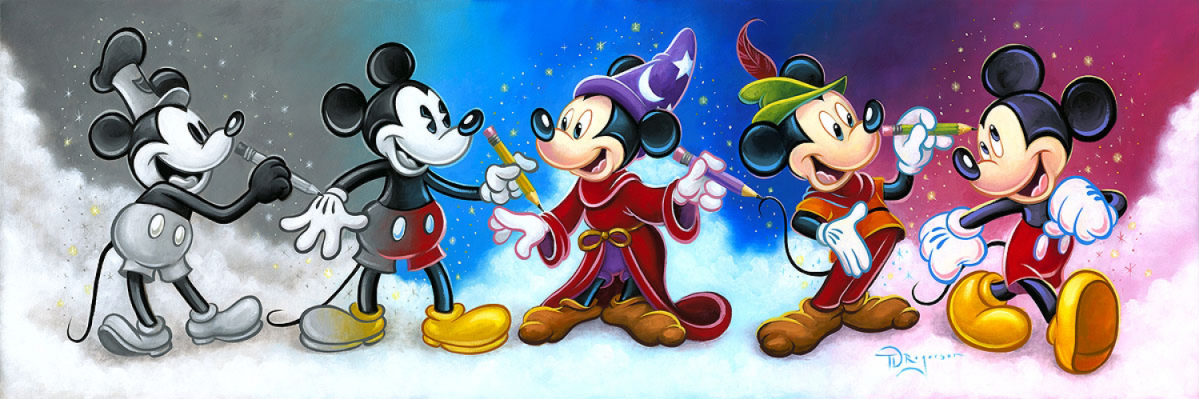
Mickey Mouse in his original form was more round, which limited the amount of movement that he had in animation. However, in 1935 animator Fred Moore gave him a more pear-shaped body, pupils, white gloves and a shorter snout, making him more dynamic and cute. This appearance made its big appearance in the Sorcerer’s Apprentice, a musical short that appeared in 1936’s Fantasia.

By the end of the 1930’s, Mickey Mouse had been in dozens of shorts, having starred in countless adventures. His popularity would continue throughout the 1940’s and into the early 1950’s, when major motion films such as Bambi and Sleeping Beauty began to take audiences by storm. With the rise of the “Golden Age” of Disney films came the fall of the popularity of Mickey Mouse. Starting in 1953, Mickey Mouse would be entirely out of commission until 1983, with the release of Mickey’s Christmas Carol.

Despite this decline, Mickey Mouse is still one of the most recognizable animated characters of the 20th and 21st centuries, still maintaining a whopping 40 percent of merchandise sales, and still appearing in popular video games such as Kingdom Hearts. He is the face of Walt Disney, and more generally Disney itself, maintaining a permanent presence. He is a small mouse with the voice of a lion, making himself known wherever he goes.