Revisiting Disney Fanaticism

A few months back, I wrote about some of the world of Disney fanaticism. I had kind of forgotten about it for a while, but was reminded of the world when I not only saw lots of people from back home posting about going to Disneyland (all this weekend, mind you), but also stumbled upon Youtube channels dedicated to analyzing different things about Disney, namely DisneyDan.

I decided to watch some of these videos, particularly the evolution of different character portrayals in Disney parks, and felt very strange. Maybe it’s because of the level of detailed analysis that these people go into (these videos could be 30 minutes or longer). Or perhaps it’s from the fact that almost every time, these people will mention seeing all the performances that the character participates in that they could, plus going to multiple meet-and-greets for that character.

The videos surprised me, and spurred me into researching more Disney fanaticism, namely through looking at fan merchandising. It wasn’t hard to stumble upon a treasure trove. Mickey Mouse ears were everywhere, with so many different themes that it was impossible to find an end. There were also limited edition plushies, clothes, posters, art, just about anything that wasn’t a Disney park itself.

I was surprised by the creativity put into making some of the products (namely the Mickey ears-someone made Dolewhip themed ones), but not at all surprised by the quantity of items to get. I know how far fanaticism can go, although even now it’s still hard to comprehend. I’m fine with getting the occasional plush, and going to Disneyland about once a year; when I see these people go all-in I wonder where their supply of spending money comes from. Disney is expensive.

But let’s revisit the videos I watched, for a second. They’re tied to the money thing, as these Disney analysts almost always mention going out to Disney on Ice, or seeing all the different shows within the Disney park-all that adds up. The amount of personal research (plus, all the Disney history they go into to get a fully fleshed-out story line, is honestly quite impressive. I mean, it’s an interesting topic, but I’m not quite sure I’d be willing to go as much into detail as some of these people. It got me wondering what kind of people they were, centered around their intense attachment to Disney. How much merch did they have, did they have annual passes, do they work for Disney. So many questions run through my mind, ones that I don’t really know if I want to find the answer to. For me, it’s better to appreciate from afar in this kind of situation
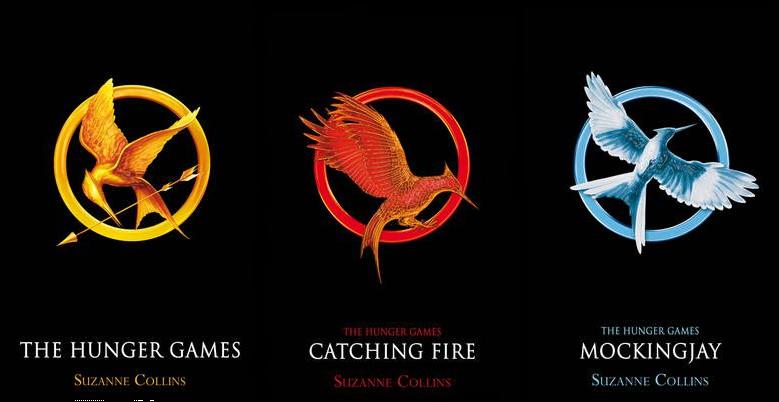
Why the Hunger Games Trilogy Should Have Never Been Movies

I was at the end of middle school when the first movie of the Hunger Games Trilogy was released. At the time, I had thought that the film was a serious let-down, with much of the book’s original purpose ripped out in favor of a “Hollywood-style” interpretation. But that was typical, as most books that were being turned into movies were glamified to fit a dramatic Hollywood action movie. But as the movies continued to come out, I got older, and noticed more issues with the films. By the end of it, I thought the films shouldn’t have existed at all.

Why is this? Well, just the idea of the films existing goes against everything that the books aspired to criticize. The books themselves were about a young woman of color (presumably native, based off her town’s physical characteristics) being inspired by a young black girl’s death to lead a rebellion against the glutinous and overly-extravagant Capitol, the head of Panem (which is the Latin word for “bread”).

Panem is a place where the districts closest to the Capitol are the wealthiest, while the furthest are the poorest (and tend to be people of color). But the Capitol itself benefits off of turning the fight to the death between children into a spectacle, watching their every movement and promoting them as though they were nothing more than TV actors. Katniss and Peeta’s romance gets televised and focused on, and throughout the books you can see they were a point of entertainment and propaganda, working to gain “sympathy” from the viewers. Meanwhile, the families of those that have to fight sit agonizingly, watching their children being brutally murdered for entertainment.

All the while, propaganda in support of the regime was constantly emphasized, with police task forces ensuring the peace. The propaganda is representative of the news media, promoting submission to the regime while broadcasting all the issues with it as a form of “entertainment”.

The Hunger Games criticizes everything that supports the oppressive system, which includes mainstream movie media. This is the biggest kicker for why the movies shouldn’t have existed. It was made by a large company (Lionsgate) which altered the feel of the books in order to show what they wanted with the rebellion, without anyone pinpointing back to the US (or other Western) system as a whole. It degrades the whole point of the books.

Not only that, but their marketing adds insult to injury, by promoting “Capitol-inspired” makeup, merchandise, computer games, all of which trivialize the struggle that book Katniss faces going against. It is using luxury as promotion for something that criticizes this very aspect. This wasn’t just for the first movie either; it popped up again in each of later three films as well.

The original movie made the same mistake the Capitol did: focusing on the romance rather than the violence. It wiped out just about half of the point of the first book, turning instead to make it all about the romance when it should not have been. Of course, this gained massive amounts of criticism by viewers, and Lionsgate made it more subtle in later films.

However, they didn’t change the fact that they completely whitewashed much of District Twelve. Rather than having people with brown skin and hair (as the book describes the majority of the district being), they got “lightly tan” people who had to dye their hair the right colors (for Katniss and Gale). Also, the actress who played Katniss refused to “lose weight” for the part, which also takes out the fact that District Twelve was a heavily impoverished district, and it erases much of the struggle of Katniss’s survival. I don’t mean to say that Jennifer Lawrence should have gotten to an unhealthy weight, but to have someone who didn’t look anywhere close to starving play the part of someone who was supposed to be malnourished is a bit of a stretch. The point of her depiction is to show the horrors that the Capitol caused, not to put the biggest name actress you can as the main role.

As popular as the books got, it would have been much better if they had been left as they were-books. Of course the movies made lots of money, and were insanely popular, but that was because people fell into the trap of the entertainment. As long as it’s not real, it’s okay to see it, right? Well, not if the powerful message of the books just get lost.