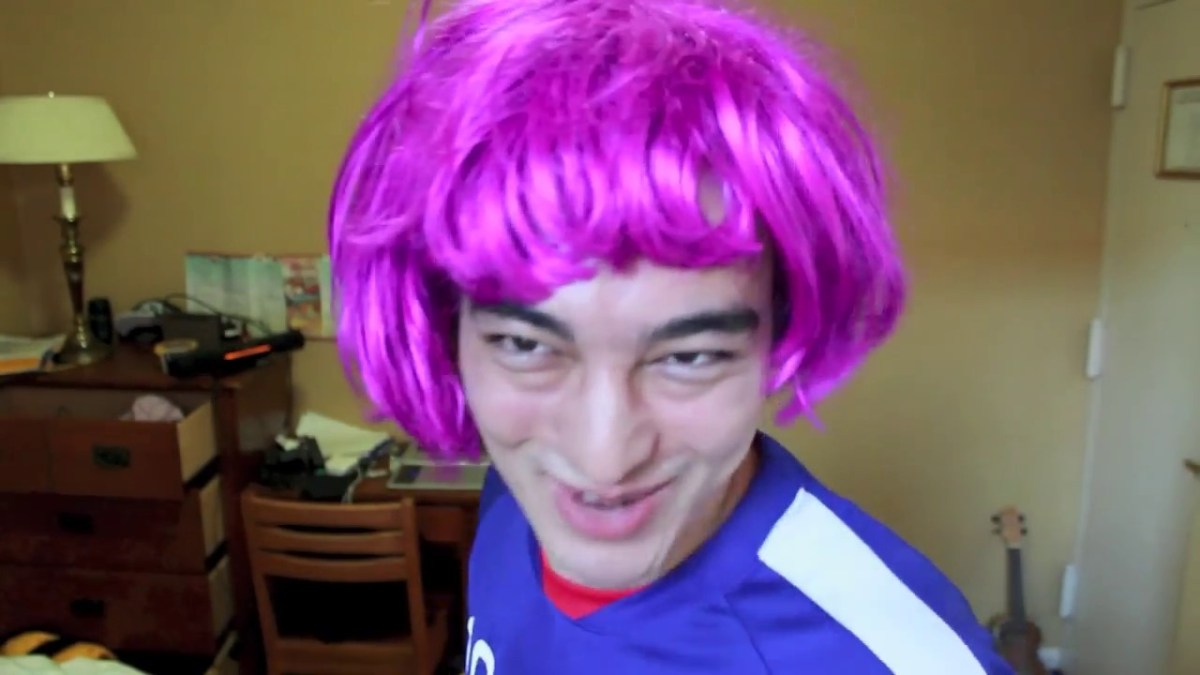
Legends of the Weeaboo

I’ve already spoken about Koreaboos before. The people who want to be Korean, marry a Korean, want to be just like a Kpop idol or Kdrama star. They reject their own culture in the name of adopting Korean culture (or rather, what they think Korean culture is like).

The weeaboo is almost like this. Actually, they are the forefather to this. The weeaboo, rather than being centered around Korean pop culture, is centered around Japan. The weeaboo rejects their own culture in order to adopt what they believe is Japanese culture, proclaiming it as superior to everything else. They base their idea of Japanese culture off of anime and manga, imagining it as some perfect society that is more advanced than any other culture, and that it has had no bad history or political issues.

The weeaboo began to form around the 1990’s, when the West had access to popular anime and manga. Young generations now had access to watching anime, influencing an entire generation, causing some to go a little overboard and become weeaboos.

Except, at the time, they weren’t called weeaboos. Until the mid-2000’s, weeaboos were called “wapanese”, meaning white Japanese (despite people of all races having the potential to be a weeaboo). The old name was mostly given on online forums, with sites such as Reddit and 4chan coining the terms.

However, in the mid-2000’s, some 4chan moderators decided that they were sick of the term. They banned the term wapanese, causing users to scour the internet for another name. This is how they found the term weeaboo. The term came originally from an obscure comic, which is in no way connected to the actual group of people. However, it was a word that also didn’t have a meaning of its own, and was thus made what it is today.

Weeaboos are still going strong, although they now have to compete with koreaboos, causing an ironic and hypocritical battle between the two groups. They are both disgusted with one another, but can’t seem to relate the traits of the other groups back to themselves. It’s kind of weird, but amusing to watch.

The Ironic Existence of Lolis and Shotas

There is a subcategory within anime and manga culture that has an interesting, and even controversial, existence: lolis and shotas. It is a category that pertains to both males and females, portraying either gender as little children, despite them being full-blown adults. Lolis, or girls that have the appearance of being cutesy and prepubescent, are much more common than shotas, which are the male equivalent. They have two aspects of them, one that makes an appearance in normal anime and manga, and the other, which makes an appearance in the genre known as “Not Safe for Work”, or NSFW.

The former aspect, one in which lolis and shotas make appearances in normal anime and manga, are much tamer, but still controversial. They are usually immortal beings, although they can also be eighteen+ year olds, mostly to add comedic humor. Although, it doesn’t help that usually lolis are sexualized, being child-like or innocent in appearance, but scantily clad in small armor. But say they’re a child and they’ll insist that their actually 1000 years old. The biggest example I can think of is the Fire Emblem character Nowi. Nowi is a 1000 year old dragon in scant armor (literal bikini armor with boots and a cape), that looks like she’s 12 years old. It makes romancing her with anyone rather bizarre and kind of uncomfortable, just as it is strange to romance any of the shotas in her game (Ricken and Donnel).

However, this isn’t to say it’s always the case. There are a few lolis that are normally dressed, or dressed in oversized clothes to emphasize their cuteness (the scantily clad nature doesn’t apply to shotas: they are normally dressed from all the cases I’ve seen). Sometimes, the lolis are fully-dressed, making them seem more normal and not sexualized. Usually, though, the loli is dressed in a way that is clearly catering to male fans, and is very much sexualized.

This sexualization plays heavily into the second aspect that lolis and shotas play in: HentaiHentai is the anime equivalent of porn, which I mentioned is the NSFW aspect. In this case, lolis and shotas are sexualized alike (of course with the lolis being more common), sometimes being left alone, and sometimes being altered to be more sexual. The lolis especially, will sometimes be given insanely large breasts (we’re talking the length of their body), in order to add some sexuality, while the rest of the appearance stays the same. Shotas are often feminized, too, making them appear as submissive, while the other partner is much more adult-looking and dominant. In either case, both lolis and shotas are most often set as adults. Not all the time, however.

So, how are lolis and shotas ironic? Well, they’re usually adults, with child-like appearances. They insist that they are older, but promote an almost pedophilic image, without explicitly being pedophilic. They encourage a dangerous sexualization of young, prepubescent children, especially young girls, encouraging creepy men (and some women) to check out and even follow young girls. The sexualization pervades in the anime and manga community, tainting its media.

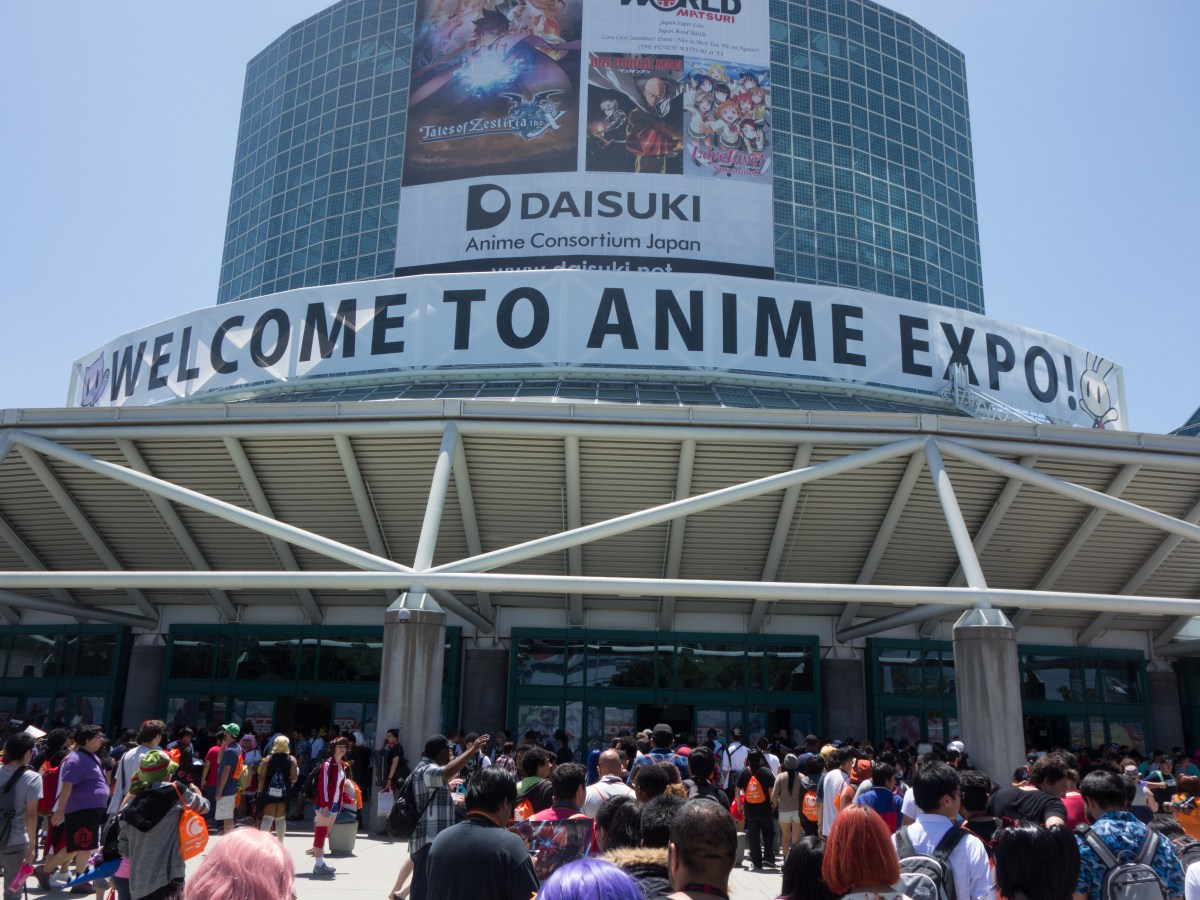
What is Anime Expo?

For the first time in six years, I’ll be missing this years Anime Expo, known as AX, in Los Angeles. Though I’d never been all that invested in anime, I made a point to go every year, wanting to see artists I follow on social media or catch up on new and upcoming video games. It has much more to do than that, but that’s what I’ve always gone for.

AX was first inaugurated around 26 years ago, as the United States was diving into the “anime craze”. It was organized by the non-profit Society for the Promotion of Japanese Animation (SJPA), and it appears every year during early July. It is also the largest anime convention in North America, with over 100,000 people attending last year.

So what goes on at AX? Well, lots of things. Because of how large the convention is, AX has the luxury of being able to bring pop culture icons and anime artists out from Japan to visit for panels, or to promote their company on the main floor. The main floor is for “official” companies, ones who can promote new games (Monster Hunter), or promote their anime company (Funimation, Bushiroad), or their culture brand (Rilakkuma). You can also buy cosplay related items such as wigs, weapons, and costumes (although they run a bit pricey).

On the floor below the main floor, there’s what’s known as Artist’s Alley. Formerly in the back of the main floor, the alley has grown so much that they had to move it down to its own space. Here is where you can find artists selling anything from prints to stationery, either original or based off a certain anime/game. Here you can find artists you like or follow, or discover new art. Be prepared to spend a lot.

There is a gaming section too, but on the other side of the convention center. There is both the gaming room and a place to take pictures in cosplay, along with all the panels. In the game room, you can play virtual Japanese games, board games, or card games. There’s plenty to do, the only issue being that playing any popular games requires waiting for an uncertain amount of time.

There’s plenty of things to do at this convention, and its worth buying a four day pass (when its much cheaper, that is). Although I won’t be able to go this year, I know it will be bigger than ever.