Legends of the Weeaboo

I’ve already spoken about Koreaboos before. The people who want to be Korean, marry a Korean, want to be just like a Kpop idol or Kdrama star. They reject their own culture in the name of adopting Korean culture (or rather, what they think Korean culture is like).

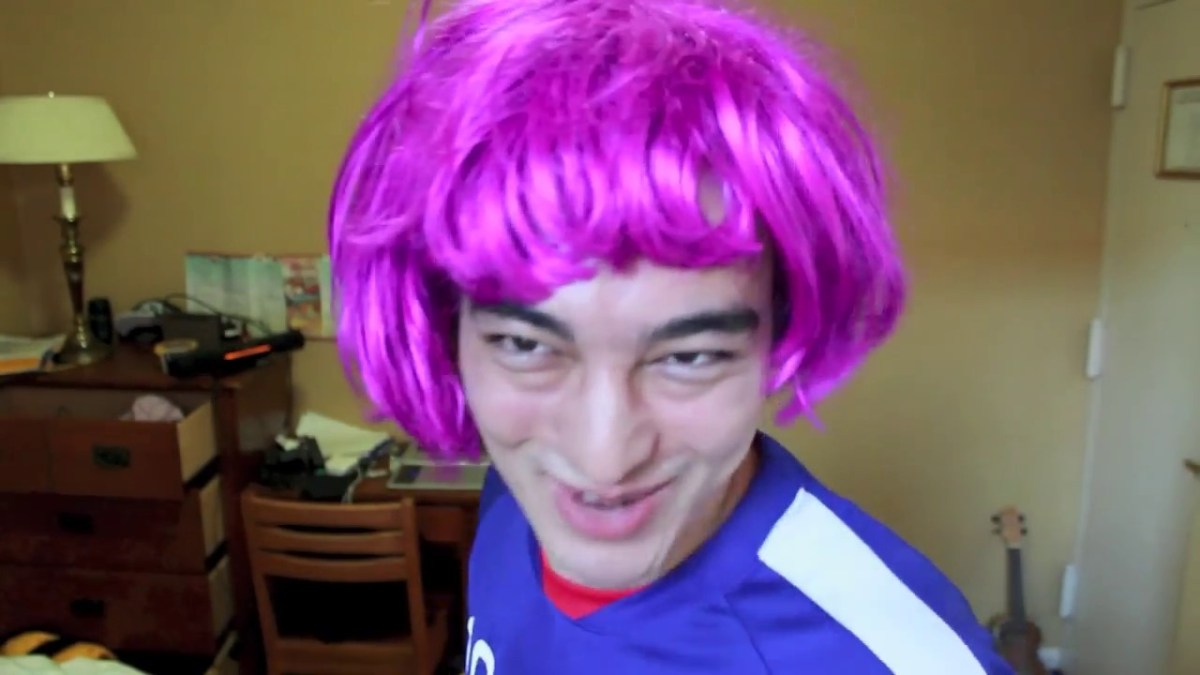
The weeaboo is almost like this. Actually, they are the forefather to this. The weeaboo, rather than being centered around Korean pop culture, is centered around Japan. The weeaboo rejects their own culture in order to adopt what they believe is Japanese culture, proclaiming it as superior to everything else. They base their idea of Japanese culture off of anime and manga, imagining it as some perfect society that is more advanced than any other culture, and that it has had no bad history or political issues.

The weeaboo began to form around the 1990’s, when the West had access to popular anime and manga. Young generations now had access to watching anime, influencing an entire generation, causing some to go a little overboard and become weeaboos.

Except, at the time, they weren’t called weeaboos. Until the mid-2000’s, weeaboos were called “wapanese”, meaning white Japanese (despite people of all races having the potential to be a weeaboo). The old name was mostly given on online forums, with sites such as Reddit and 4chan coining the terms.

However, in the mid-2000’s, some 4chan moderators decided that they were sick of the term. They banned the term wapanese, causing users to scour the internet for another name. This is how they found the term weeaboo. The term came originally from an obscure comic, which is in no way connected to the actual group of people. However, it was a word that also didn’t have a meaning of its own, and was thus made what it is today.

Weeaboos are still going strong, although they now have to compete with koreaboos, causing an ironic and hypocritical battle between the two groups. They are both disgusted with one another, but can’t seem to relate the traits of the other groups back to themselves. It’s kind of weird, but amusing to watch.

How “Daddy” got Popular in all the Wrong Ways

It was a mere six years ago when the term “daddy”, which holds it’s place as a part of the Daddy/Little Girl/Boy kink, broke the scene into mainstream Internet media. Once a niche kink that was relatively unknown, the Daddy/Little Girl/Boy kink became widely known, with much criticism following it. The term “daddy” especially gained criticism, while at the same time becoming a meme within social media. Now it is a permanent fixture, although for many it has ruined the original pure meaning of the term.

But first: what is the Daddy/Little Girl/Boy kink? The kink consists of two consenting partners, in which one, the “Daddy” is the dominating male, and the other, the “Little Girl/Boy”, is the submissive type. It is kind of like age play (where one person pretends to be much younger), except more mature, with the submissive figure playing the “cutesy little kitten” type. The submissive will even address the dominant as “Daddy” in a sexual way, trying to get their attention and be used for sexual acts. There are not that many people in this kink, although within recent years it has gained more traction.

When the term “Daddy” broke onto the scene, it permanently changed how many teens and young adults saw the term. People started to use it in a mock sexual and comedic manner, although it’s innocent beginning for most was tarnished. Even I’ve been affected, and every time I hear the word used in a non-mocking manner makes me uncomfortable.

A few years ago, however, the backlash finally arose against the use of “daddy” in a sexual manner. People wanted its innocent meaning to be at the forefront again, and for its use in a sexual manner to sink back out of existence. Anyone who tried to argue in defense of the kink was shot down by the masses, and it was pushed down.

Going into the modern era, the term is much less common, but still tainted. It is still used as a joke, which keeps it’s dirty meaning from fully fading among young adults, although it doesn’t seem to be presenting itself to younger teens, anymore. But it will be a long time before it’s finally gone.