Legends of the Weeaboo

I’ve already spoken about Koreaboos before. The people who want to be Korean, marry a Korean, want to be just like a Kpop idol or Kdrama star. They reject their own culture in the name of adopting Korean culture (or rather, what they think Korean culture is like).

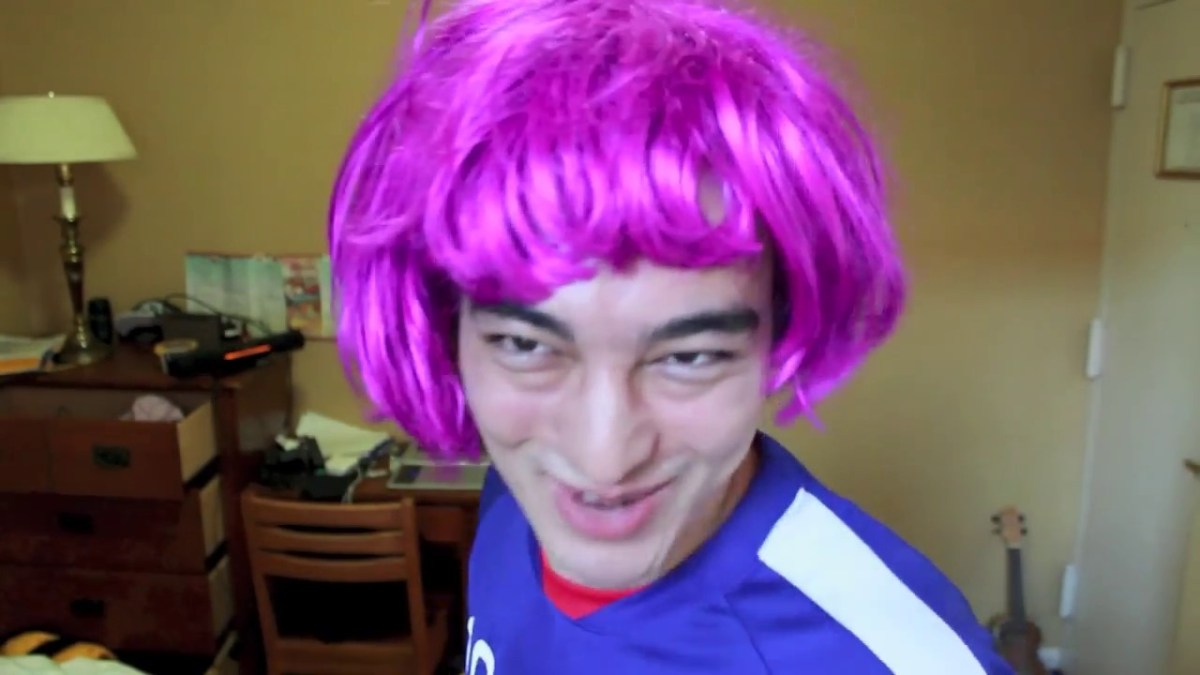
The weeaboo is almost like this. Actually, they are the forefather to this. The weeaboo, rather than being centered around Korean pop culture, is centered around Japan. The weeaboo rejects their own culture in order to adopt what they believe is Japanese culture, proclaiming it as superior to everything else. They base their idea of Japanese culture off of anime and manga, imagining it as some perfect society that is more advanced than any other culture, and that it has had no bad history or political issues.

The weeaboo began to form around the 1990’s, when the West had access to popular anime and manga. Young generations now had access to watching anime, influencing an entire generation, causing some to go a little overboard and become weeaboos.

Except, at the time, they weren’t called weeaboos. Until the mid-2000’s, weeaboos were called “wapanese”, meaning white Japanese (despite people of all races having the potential to be a weeaboo). The old name was mostly given on online forums, with sites such as Reddit and 4chan coining the terms.

However, in the mid-2000’s, some 4chan moderators decided that they were sick of the term. They banned the term wapanese, causing users to scour the internet for another name. This is how they found the term weeaboo. The term came originally from an obscure comic, which is in no way connected to the actual group of people. However, it was a word that also didn’t have a meaning of its own, and was thus made what it is today.

Weeaboos are still going strong, although they now have to compete with koreaboos, causing an ironic and hypocritical battle between the two groups. They are both disgusted with one another, but can’t seem to relate the traits of the other groups back to themselves. It’s kind of weird, but amusing to watch.

Crazy Kpop Fans vs. Koreaboos- the Important Difference

Since the release and popularity of “Gangnam Style” by PSY, Kpop, and Korean pop culture in general, has soared in popularity in Western pop culture. This continuing rise in popularity has led to BTS’s recent performance at the New York New Year’s Show, and the rising presence of Kcon (a convention centered around Kpop and other pop culture). It has also created created a rise to the super fanatics, or the “crazy Kpop fans”, and the koreaboos.

What is the difference between the two? While the koreaboo does classify under the category of “extreme fanaticism” like the crazy Kpop fan, one is distinctly different from the other. How is this so?

Well, the differences come in attributes. For the crazy Kpop fan, which holds the name sasaeng (a Korean term which literally translates to “private life”, referring to the regular invasion of privacy of Kpop artists by their crazy fans), the attributes come in the form of deep psychological and emotional obsession with Kpop, and certain groups in particular. The sasaeng fan are not considered “true fans”, constantly trying to rip off artists’ clothes, kiss them, and stalk them. While the sasaeng fan is in the West is much more virtual-based, writing fan fictions of all sorts about their favorite idols, buying anything and everything that they believe belongs to their favorite idol, and “virtually” stalking their idol, there has been increasing physical contact, with some sasaeng flying out to South Korea in order to try and find their idols.

The Korean sasaeng fan is much more direct, and will break into idols’ rooms, set up cameras, drug the idols, hit the idols, in order to be remembered. They will get in taxis or their own cars in order to follow their favorite idols, which have resulted in previous multi-car accidents and stand offs. They will even go so far as to try and kidnap their favorite idols in order to get close to them. This cultural phenomenon has existed since the 1990s with the rise of “fandoms”, although they are gaining heightened momentum and attention under the digital era, with as many as 100 sasaeng fans following the biggest Kpop idols on a given day. Their behavior is erratic and dangerous, having a direct impact and life-threatening impact on the Kpop idols.

The Koreaboo by contrast, represents a much different and more muted form of harmful. The koreaboo is best described as someone who denies their native culture, idolizing Korean culture (based off of Kpop and Kdramas) and claiming it as their own. The koreaboo wants to be a Korean, seeing them as the “most attractive” or “best” ethnic group, and dreams of moving to Korean and marrying a Korean person. They try to act like how they imagine a Korean person acts (based off of Kpop and Kdramas) and are basically Korean fetishists. Kind of reminds you of Rachel Dolezal and Ja Du, right?

With this is mind, how can they possibly be harmful like the sasaeng fan? Well, they’re more harmful in the way that they ruin things for everyone else. Because of their cultural fetishism, they stigmatize liking Korean popular culture, and make anyone who has an interest in seeing South Korea or learning about their culture look bad. They do not directly harm the lives of their favorite idols, but they do promote cultural stigma, and make enjoying other cultures look “wrong”, particularly among younger populations, who are affected by the Kpop phenomenon the most. They represent a mutation in fanaticism, a minority with a big and memorable voice that exists not just with Korean pop culture but also Japanese pop culture (the weeaboo, which influenced the name koreaboo), and European pop culture (although they are considered much more socially acceptable by the West). They force casual fans to feel “bad” about what they like, and ruin all the fun.