How Aggretsuko and Gudetama Took the World

Hello Kitty has long been the star of the Japanese company Sanrio, since stepping onto the scene in 1964. Since then, numerous characters have been released through the decades, with characters such as Cinnamroll, Bad Badtz-Maru, and Chococat gaining some popularity and recognition.

However, there are two Sanrio characters, both of which are two of the company’s newest characters,  have taken not only social media, but also pop culture, by storm. The first of these two is Gudetama, who’s name is derived from “gude” (the Japanese onomatopoeia for having no energy), and “tama” (taken from the Japanese word for egg, tamago), is exactly what his name prescribes: a lazy egg. Released in Japan in 2013 and internationally 2014, the egg gained almost immediate popularity among Millennials and Generation Z kids for his adorable appearance and lazy attitude. His character release was accompanied by a series of online shorts displaying his daily “adventures”, and little emotes that display his range of laziness.

Gudetama maintains popularity as a result of his cuteness, but also his lazy attitude. Young people relate to his lazy attitude, because they want to be like him, lazy and having no problems to deal with (work, school, taxes, etc.). They want to be able to just do nothing. They also like his “kawaii” nature, his simplistic design making him absolutely adorable.

The character also has a very recognizable aesthetic, adding to his popularity: orange and yellow. Two colors that might otherwise be seen as garish and non-kawaii colors are made a central part of Gudetama’s aesthetic, which works incredibly well. It makes his aesthetic unique. All his merchandise is sold in this aesthetic, with shirts, jewelry, stationery, and other items being sold in the pastel yellow and yoke orange colors. Even the plushies of him tend to center around those colors, adding all the more to his absolute essence.

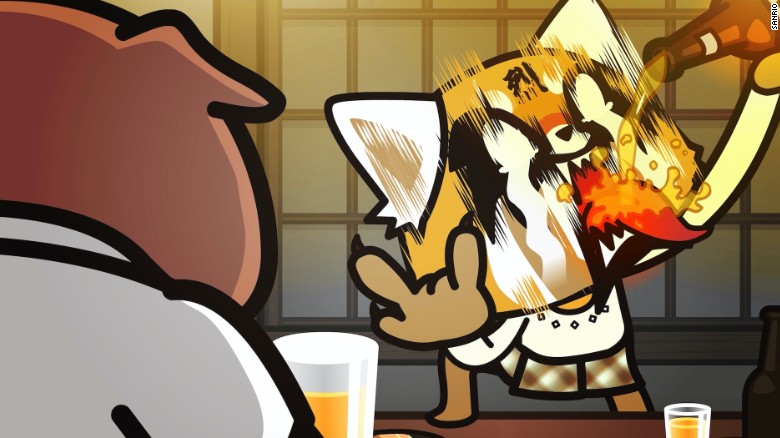
The second character, Aggressive Retsuko, a.k.a Aggretsuko, is a red panda who is an assistant associate at a Japanese company. Her work is oppressive, and she vents her frustration by getting angry, drinking, and singing death metal at a Karaoke bar. She was initially released in Japan in 2016, and then abroad in 2018, paired alongside the anime series about her life. She takes a much more adult perspective than Gudetama, and gained instant popularity because of the fact that she has to deal with her terrible boss (who is an actual pig) and fake coworkers. Many people entering the corporate work force have to deal with these same issues, and only wish they could vent all their frustration in the same way.

Although I haven’t seen much of her merchandise, I know it sells. She’s too popular for it not to sell. She holds a place at anime conventions, and has become a staple for the fact that she’s so relatable. It does help that she’s also very cute.

Both of these characters deal with issues that Millenials and older Gen-Z kids can relate to, although they represent opposite perspectives. Gudetama represents the joy of being able to be endlessly lazy, with no real troubles to deal with, while Aggretsuko deals with releasing stress when faced with the worst of work conditions. It’s interesting to see how they’ve taken off in popularity, and continue to remain popular.
Legends of the Weeaboo

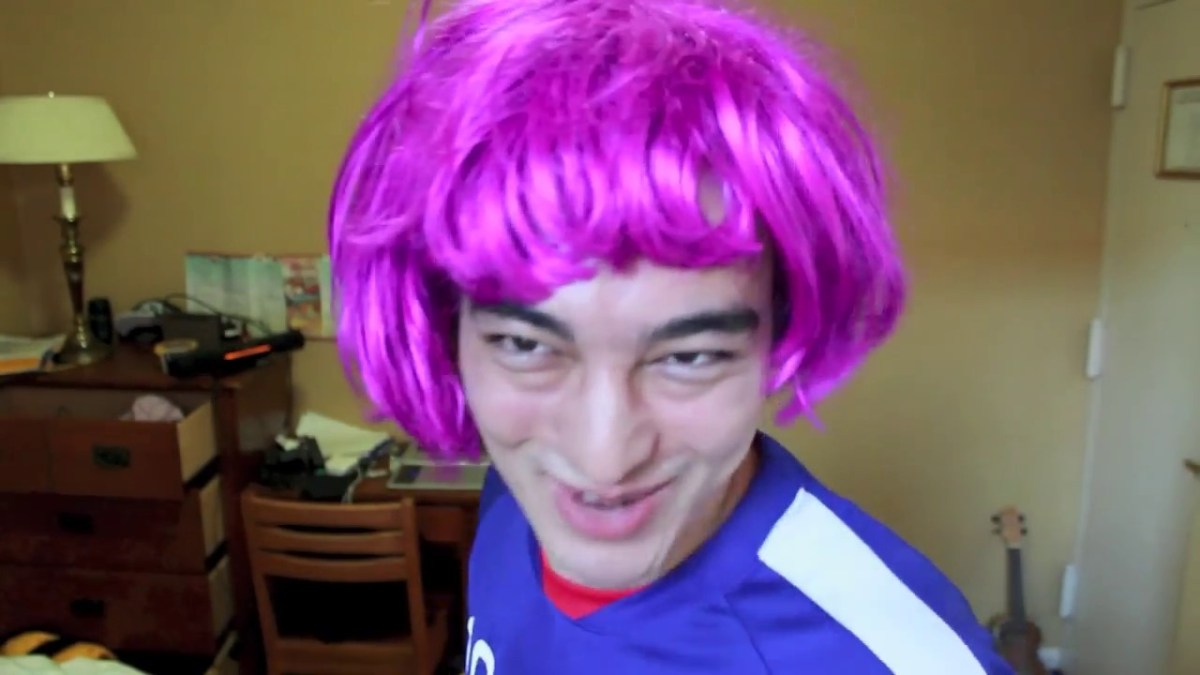
I’ve already spoken about Koreaboos before. The people who want to be Korean, marry a Korean, want to be just like a Kpop idol or Kdrama star. They reject their own culture in the name of adopting Korean culture (or rather, what they think Korean culture is like).

The weeaboo is almost like this. Actually, they are the forefather to this. The weeaboo, rather than being centered around Korean pop culture, is centered around Japan. The weeaboo rejects their own culture in order to adopt what they believe is Japanese culture, proclaiming it as superior to everything else. They base their idea of Japanese culture off of anime and manga, imagining it as some perfect society that is more advanced than any other culture, and that it has had no bad history or political issues.

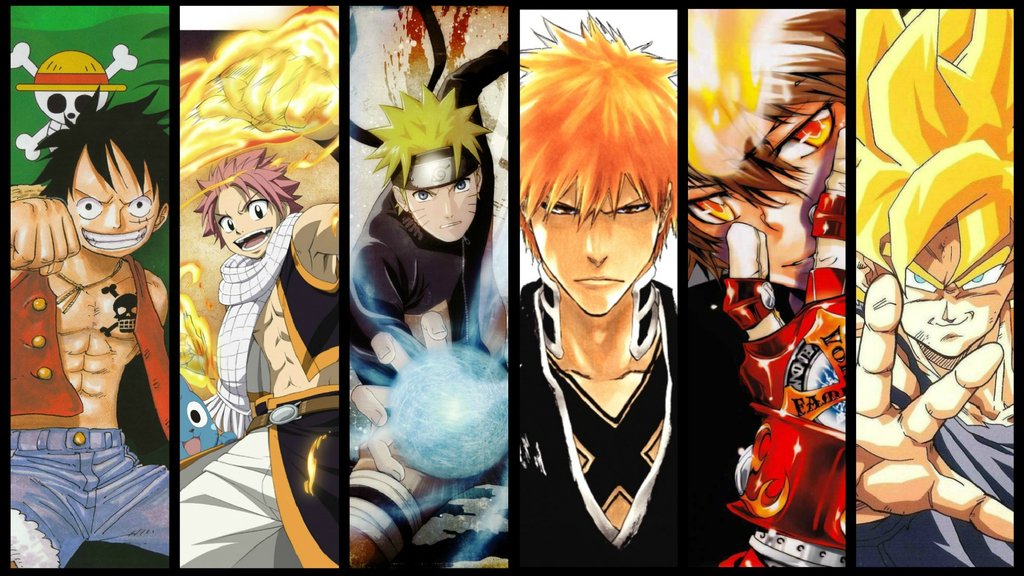
The weeaboo began to form around the 1990’s, when the West had access to popular anime and manga. Young generations now had access to watching anime, influencing an entire generation, causing some to go a little overboard and become weeaboos.

Except, at the time, they weren’t called weeaboos. Until the mid-2000’s, weeaboos were called “wapanese”, meaning white Japanese (despite people of all races having the potential to be a weeaboo). The old name was mostly given on online forums, with sites such as Reddit and 4chan coining the terms.

However, in the mid-2000’s, some 4chan moderators decided that they were sick of the term. They banned the term wapanese, causing users to scour the internet for another name. This is how they found the term weeaboo. The term came originally from an obscure comic, which is in no way connected to the actual group of people. However, it was a word that also didn’t have a meaning of its own, and was thus made what it is today.

Weeaboos are still going strong, although they now have to compete with koreaboos, causing an ironic and hypocritical battle between the two groups. They are both disgusted with one another, but can’t seem to relate the traits of the other groups back to themselves. It’s kind of weird, but amusing to watch.

The “Anime Phase”

My friends and I all had one. Some of them still haven’t gotten out of it. It’s that period of time where most, if not all of what you watch is Anime, and you join fandoms centered around your favorite ones. It’s a normal part of nerd development, it seems.

For those of you who seem confused by this “Anime Phase”, let me put it into perspective: imagine you had a show or TV genre that you were absolutely obsessed with. You could have been obsessed with it for weeks, months, even years, but it was the center of your attention in terms of being a fan. They’re one in the same. But rather than having it be an American or British TV show/genre, it’s Japanese.

This phase rose out of the Anime Craze of the 1990’s. It came as a result of kids having greater exposure and access to watching Anime, allowing for the phase to blossom. Kids are going through a period of wanting to watch nothing but Anime, and there’s nothing wrong with that.

The Anime Phase can range anywhere from casual (like mine) to all-consuming. I was one of the ones who would watch Anime casually, but wasn’t too far into it. I could watch other shows, and watching Anime didn’t take up my entire day. But there are others, including people I knew, who would spend their day only watching Anime. These are usually the ones that don’t ever leave the Anime Phase, although there are occasions when they do.

In most cases, those who have an Anime Phase never stop watching anime. I can tell you that most of my friends still watch certain anime (mostly to most popular ones), although I find myself unable to sit down and watch one. The last one I saw was three years ago, and although some anime are enticing, I just can’t sit for that long watching. I’ve developed kind of a strange relationship with anime, probably because of overly casual nature of my Anime Phase.

The Anime Phase has been going strong for over twenty years. It’ll be interesting to see how long it continues for, especially with the rise of other popular phases.

The Ironic Existence of Lolis and Shotas

There is a subcategory within anime and manga culture that has an interesting, and even controversial, existence: lolis and shotas. It is a category that pertains to both males and females, portraying either gender as little children, despite them being full-blown adults. Lolis, or girls that have the appearance of being cutesy and prepubescent, are much more common than shotas, which are the male equivalent. They have two aspects of them, one that makes an appearance in normal anime and manga, and the other, which makes an appearance in the genre known as “Not Safe for Work”, or NSFW.

The former aspect, one in which lolis and shotas make appearances in normal anime and manga, are much tamer, but still controversial. They are usually immortal beings, although they can also be eighteen+ year olds, mostly to add comedic humor. Although, it doesn’t help that usually lolis are sexualized, being child-like or innocent in appearance, but scantily clad in small armor. But say they’re a child and they’ll insist that their actually 1000 years old. The biggest example I can think of is the Fire Emblem character Nowi. Nowi is a 1000 year old dragon in scant armor (literal bikini armor with boots and a cape), that looks like she’s 12 years old. It makes romancing her with anyone rather bizarre and kind of uncomfortable, just as it is strange to romance any of the shotas in her game (Ricken and Donnel).

However, this isn’t to say it’s always the case. There are a few lolis that are normally dressed, or dressed in oversized clothes to emphasize their cuteness (the scantily clad nature doesn’t apply to shotas: they are normally dressed from all the cases I’ve seen). Sometimes, the lolis are fully-dressed, making them seem more normal and not sexualized. Usually, though, the loli is dressed in a way that is clearly catering to male fans, and is very much sexualized.

This sexualization plays heavily into the second aspect that lolis and shotas play in: HentaiHentai is the anime equivalent of porn, which I mentioned is the NSFW aspect. In this case, lolis and shotas are sexualized alike (of course with the lolis being more common), sometimes being left alone, and sometimes being altered to be more sexual. The lolis especially, will sometimes be given insanely large breasts (we’re talking the length of their body), in order to add some sexuality, while the rest of the appearance stays the same. Shotas are often feminized, too, making them appear as submissive, while the other partner is much more adult-looking and dominant. In either case, both lolis and shotas are most often set as adults. Not all the time, however.

So, how are lolis and shotas ironic? Well, they’re usually adults, with child-like appearances. They insist that they are older, but promote an almost pedophilic image, without explicitly being pedophilic. They encourage a dangerous sexualization of young, prepubescent children, especially young girls, encouraging creepy men (and some women) to check out and even follow young girls. The sexualization pervades in the anime and manga community, tainting its media.

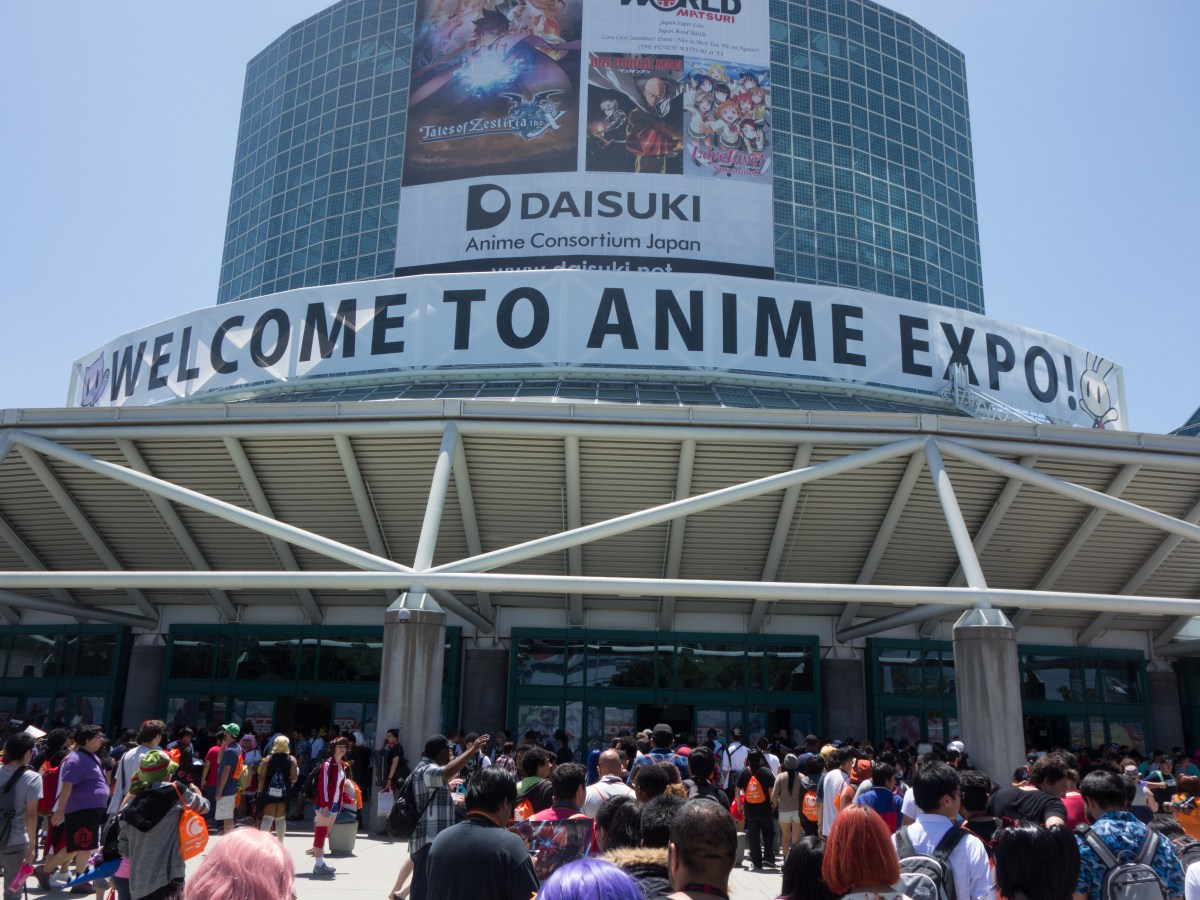
What is Anime Expo?

For the first time in six years, I’ll be missing this years Anime Expo, known as AX, in Los Angeles. Though I’d never been all that invested in anime, I made a point to go every year, wanting to see artists I follow on social media or catch up on new and upcoming video games. It has much more to do than that, but that’s what I’ve always gone for.

AX was first inaugurated around 26 years ago, as the United States was diving into the “anime craze”. It was organized by the non-profit Society for the Promotion of Japanese Animation (SJPA), and it appears every year during early July. It is also the largest anime convention in North America, with over 100,000 people attending last year.

So what goes on at AX? Well, lots of things. Because of how large the convention is, AX has the luxury of being able to bring pop culture icons and anime artists out from Japan to visit for panels, or to promote their company on the main floor. The main floor is for “official” companies, ones who can promote new games (Monster Hunter), or promote their anime company (Funimation, Bushiroad), or their culture brand (Rilakkuma). You can also buy cosplay related items such as wigs, weapons, and costumes (although they run a bit pricey).

On the floor below the main floor, there’s what’s known as Artist’s Alley. Formerly in the back of the main floor, the alley has grown so much that they had to move it down to its own space. Here is where you can find artists selling anything from prints to stationery, either original or based off a certain anime/game. Here you can find artists you like or follow, or discover new art. Be prepared to spend a lot.

There is a gaming section too, but on the other side of the convention center. There is both the gaming room and a place to take pictures in cosplay, along with all the panels. In the game room, you can play virtual Japanese games, board games, or card games. There’s plenty to do, the only issue being that playing any popular games requires waiting for an uncertain amount of time.

There’s plenty of things to do at this convention, and its worth buying a four day pass (when its much cheaper, that is). Although I won’t be able to go this year, I know it will be bigger than ever.

The “Sick Cute” of Harajuku

Harajuku is widely renowned for its pastels and vibrant appearance. Started in the town of Harajuku, Japan, the fashion subculture had grown constantly and evolved since the 1970s, becoming the cutesy couture that inspired Gwen Stefani’s Harajuku Lovers perfume, promoting both happy and negative feelings through fashion

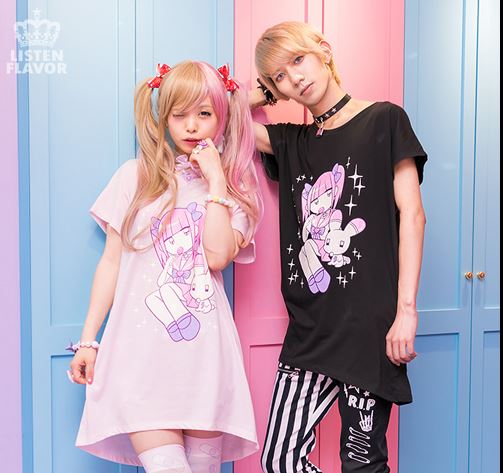
Within the last few years, however, a new side to the negative Harajuku has arisen, one that projects a much darker message, despite still being cute. Yami Kawaii (which literally translates to “sick cute”), is a style that on the surface appears cute and mildly sarcastic, but deeper down portrays a more sinister appearance, with violence and gore in pastel colors and cute appearance.

Although it mostly centers around humor, there is another layer to Yami Kawaii that is tied to why it is gaining popularity- menhera, or “mental health”. This side seems to be epitomized by the character “Menhera Chan”, who looks cute and kawaii at a glance, but wears telling bandages on her wrists and a razor blade in her hand. It contrasts itself with cute characters and soft colors against self-harm and medication, drawing attention to variance in mental health and conformity, while still being holding the Harajuku charm.

The menhera side of Yami Kawaii has gained much traction among the youth for its point in tackling the taboo topic of mental health in Japan, where any disorder from depression to schizophrenia is heavily stigmatized. In Japan, mental health is often seen as a sign of a character flaw such as weakness or bad temperament, rather than as a result of biology or genetics. It is seen as the person’s fault for having a mental disorder, and they are often singled out in a crowd. In a 2013 study by Sosei Yamaguchi and Yuta Aoki, it was discovered that a whopping 61% of employers would never hire someone with mental illness, and 75% of respondents answered that it was okay not to rent a room to someone with mental illness.

As a result of this stigma, plus high pressure to do well and succeed, Japan has the sixth highest suicide rate on the planet, and the bizarre phenomenon of people working themselves to death. The nation even has an infamous “suicide forest” (Aokigahara), where a high rate of suicides occur. With all that in mind, it seems odd that Japan is practically silent on the issue. Yami Kawaii aims to break that silence, by pushing discomforting images to the forefront of their fashion. Will it break the silence on mental health? Well, nothing is for certain. But it is gaining greater traction, both in Japan and abroad, drawing attention to Japan’s silence. So we’ll see.

Tsum Tsum’s and Ufufys: What are they?

If you know of Disney, then by now I’m sure you’ve at least seen a tsum tsum or an ufufy, even without knowing what they are called. These things are everywhere (as with most things Disney)- but what exactly are they?

To start, we have to look at tsum tsums. The first set of tsum tsums premiered in Japan in 2013, as merchandise to go along with the release of the tsum tsum mobile game, where people can match the tsum tsum versions of characters for points and coins.

These stackable versions of Disney and Pixar characters, named after the Japanese word ‘tsumu’, which literally means “to stack”, quickly gained popularity within the nation, for their cute appearance and their variable sizes (anywhere from small to giant).

In 2014, because of their popularity, the tsum tsum line was released in the US, with Paris following quickly thereafter. They are now sold in disney stores, at disneyland and disneyworld, D23, and various other locations around the world. They’re cute, soft, and collectible, which makes them insanely popular. There are even shorts about tsum tsums, which can be found online or showing at a Disney store.

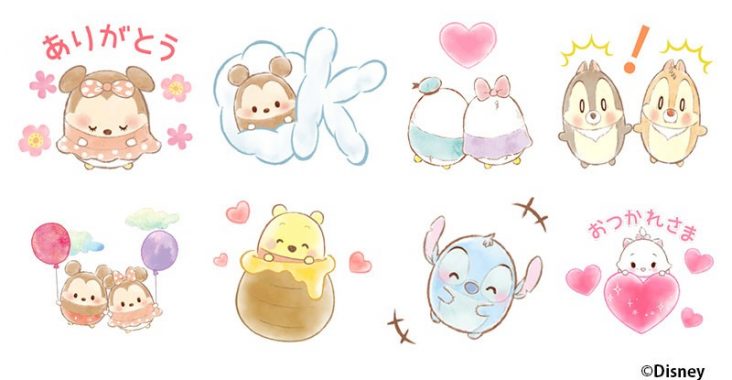
But what about Ufufys? What was the point of them (aside from merchandising)? Well, unlike being tied to a game, the ufufy is simply a part of the “kawaii collection” initially sold exclusively in Japan in 2016. These versions of the characters are supposed to be “born of the clouds”- light, fluffy, and filled with happiness. These characters are pastel colored and in the shape of balls, and they some with a spray to make them smell sweet. They took off without a hitch in Japan, to the point so that they were released in the US and other locations less than a year after their Japanese release (a slightly shorter time period than the tsum tsum).

The word ‘ufufy’, unlike tsum tsum, is not based off a word. It is simply to add to the cuteness of the ufufy. That doesn’t make them any less cute, however (I have a weakness for cute stuffed animals, if you couldn’t already tell).

From Godzilla to Studio Ghibli: A History of Japanese Cultural Trade

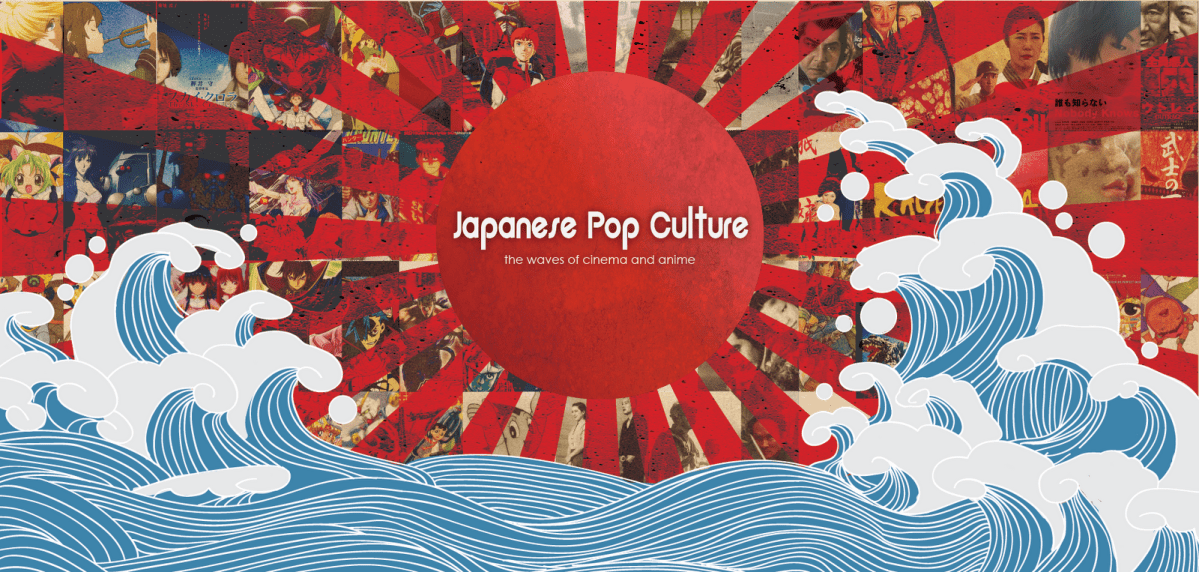
When it comes to pop culture, Japan has a long history of influence. Having a unique access to Western markets (granted by the US under occupation to make sure their changes to the Japanese economy survived), set Japan off to the comfortable position of domination in the cultural trade, only to be challenged in recent years by the rise of South Korea and Hallyu.

But how extensive is Japan’s pop culture influence? To explain that, I have to begin with one of the most famous classic monsters in cinema history, Godzilla. Godzilla, also known in the Japanese form (Gojira, ゴジラ), by Ishiro Honda, was initially released in Japan in 1954, made as a message against nuclear bombing and H-bomb testing by the US near Japan). Godzilla in its initial form acts as a metaphor against nuclear testing, being an ancient monster that is awakened from a deep sleep by nuclear radiation. By the end of the Cold War, however, some versions of Godzilla have him portrayed as an antihero, defending humanity against a greater threat, while more modern versions have included natural disasters, environmental degradation, Japanese forgetfulness over its imperial past, and human conflict. While the films have shifted Godzilla’s meaning over time, the lizard monster itself has become a staple in Western pop culture, being recognizable to most, even if they haven’t seen any Godzilla films.

Another easily recognizable figure would have to be Hello Kitty (Haro Kiti, ハロー・キティ), created in 1974 by Sanrio. Hello Kitty is a staple of the “kawaii” segment of Japanese culture, having been created as part of a line for “kawaii merch” by the company. According to creator’s Yuko Shimizu’s backstory, Hello Kitty (or Kitty White) is a perpetual third grader living outside of London, with the target audience being pre-adolescent girls. Now Sanrio has expanded to include a more adult audience, with dozens of characters all contributing to “kawaii culture”. Hello Kitty holds immense popularity in Western markets, but a character released in 2013 by the name of Gudetama (a lazy egg yoke with a butt), seems to have become a cultural phenomenon as well, being seen as particularly relatable among teens and young adults. With the popular release of both the merchandise and the show Aggretsuko by Netflix in 2018, Sanrio’s newest character, a red panda battling discrimination and microaggressions at work, seems to be on the same path of popularity.

Around the same time as Sanrio’s release of Hello Kitty, another influential character arose, although not nearly as remembered in the modern era. This character was Astro Boy (Testuwan Atomu, 鉄腕アトム). The 1963 TV series, written by Yoshiyuki Tomino, was based off of the 1952 manga with the same name (written by Osamu Tezuka, or the “God of Manga”), was the first popular Japanese show that used the style later classified as “anime”. It was the first actual anime to be broadcast outside of Japan, enjoying popularity in both Japan and the West. Astro Boy, taking after many futuristic shows of the 1960’s takes place in the “distant 2000”, he is the most advanced robot ever developed. In 1965, NBC Enterprises released English-dubbed episodes to American audiences, with episodes and names altered to cater to both restrictions placed by the American television networks and to American tastes. Despite Tezuka’s frustration with the restrictions, it gained massive popularity, holding reruns until the early 1970’s. Remakes of the original anime would still follow into the 1980’s and 1990’s, however, revamping the animation style and story to progress with time.

The success of Astro Boy would lead directly to the further development of the “anime” style of animation, and with an ever-growing market, the style flourished throughout the 1980’s and 1990’s in both Eastern and Western markets, with shows like Sailor Moon (Bishojo Senshi Sera Mun 美少女戦士セーラームーン), Pokemon (ポケモン), Gundam (Gandamu, ガンダム)and Neon Genesis: Evangelion (Shinseiki Evangerion,新世紀エヴァンゲリオン)  influencing an entire generation as English dubbed versions of the shows played on normal daytime television. This influence would lead to the incorportation of the anime style into Western shows, such as the Simpsons “30 Minutes over Tokyo” in 1999, which dedicated an entire episode to referencing different Japanese cultural aspects that Westerners were familiar with, and poking fun as some of the pop culture aspects as well. The influence of these shows throughout the 1990’s would also lead to the development of Avatar the Last Airbender (2006-2008) and its sequel series, both of which were produced by a Western company, but with an anime-esque style, leading to the coining of the new term “American anime”.

Of course, in mentioning the influence of individual shows in the anime style, I simply can’t ignore the influence of an entire company that redefines it. Studio Ghibli (Kabushiki gaisha Sutajio Jiburi, 株式会社スタジオジブリ), founded in 1985 by Hayao Miyazaki and Isao Takahata, is perhaps the most influential Japanese animated film company in the Western market, with seven of the fifteen highest-grossing anime films, Spirited Away (2001) clocking in at number two with $290 million globally, and an Oscar nomination for best animated film. Studio Ghibli has provided a wide array of films, focusing around the nuances of human nature, even if they take place in fantastical worlds. With Disney’s English dubbing and releasing of the films in Western markets, Studio Ghibli has gained seemingly legendary status, with films such as Princess Mononoke (1997), Howl’s Moving Castle (2004), My Neighbor Totoro (1988), and Ponyo (2008) having cult status among Western youth. Studio Ghibli is and will remain a permanent figure when one thinks about Japanese pop culture, having one of the largest and most recognizable names of any Japanese animation company. Despite their announced temporary hiatus in 2014, fans of the films still eagerly await for another film to come.