California Expands Film Credit, Adds Animation for the First Time

On July 2, 2025, California Governor Gavin Newsom officially approved the expansion of the state’s Film and Television Tax Credit Program, standing alongside labor representatives, entertainment leaders, and state officials. The program, first started in 2009, offers tax incentives for entertainment companies that choose to film in California. It was enacted as a way to try and counter-act the trend of productions leaving not only Los Angeles, but California as a whole, and has been successful to an extent in bringing productions.
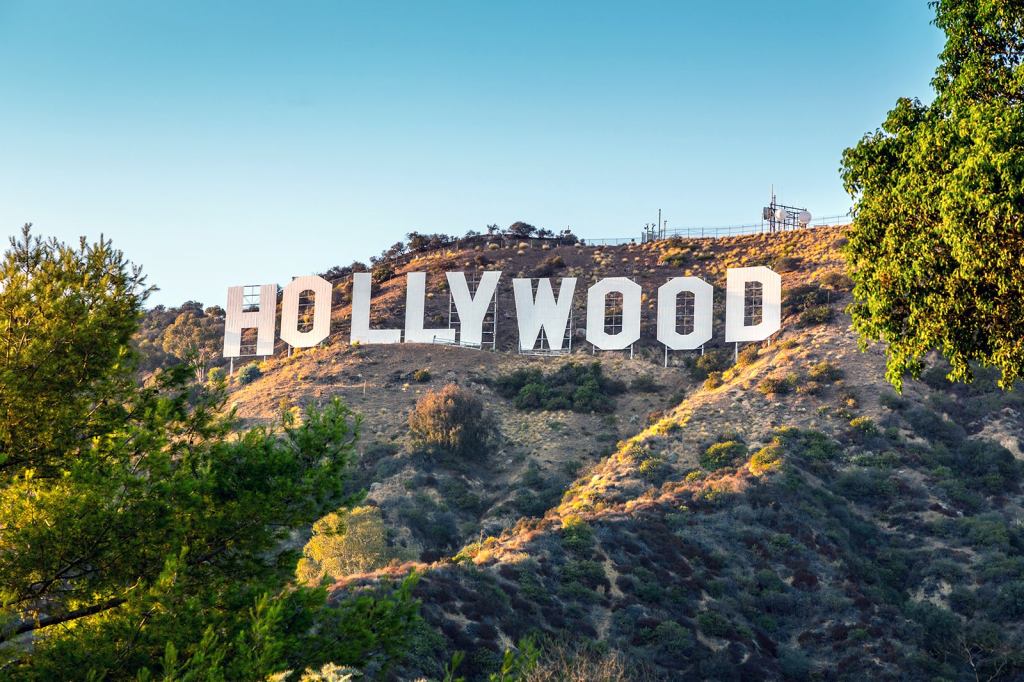
The Hollywood sign in Los Angeles

However, the credit program was far from perfect. In its most recent phase, it offered up to $330 million in a “first come, first serve” basis. Projects that were the quickest to get up and running could get their hands on the tax credit, while those who were slower missed out. This factor created an unfair playing field, with larger more established studios rushing to get their share for readily available projects while smaller studios struggled to catch up. Even worse, there were no separate categories for who could get the tax credits, meaning that animation, which is generally much slower to ramp up than live action, was basically entirely shut out.

Not only that, but as companies found themselves missing out in California, other states and other countries began to offer better and better incentives, which swooped in to sway the companies to go to them. This led to a “production drain” in California that progressively worsened, reaching its peak in the 2020-2024 period. Paired with covid and strike-induced shutdowns, and company cutbacks, and the unemployment rate for entertainment production workers skyrocketed to being one of the worst in decades.

The solution to this problem? The program needed massive changes.

And change it finally has. The process first began on October 27, 2024, when Governor Gavin Newsom suggested a massive overhaul to the Film and Television Tax Credit Program, raising the credit limit to a staggering $750 million per year, more than double the existing limit. If such a change were implemented, it would skyrocket the state’s tax program to be one of the most generous of any state, surpassing New York’s $700 million and only being beaten by Georgia’s limitless credit program.

At the time, the change seemed like a wonderful, but far-fetched dream. California’s budget was tight, and with how bad the state of entertainment was, there was great fear that it was coming too little, too late.

But in 2025, the state legislature began to work with labor unions and entertainment leaders to flesh out the expansion. In June, the legislature passed the expansion with an overwhelming majority. And as of July, the bill is now officially approved.
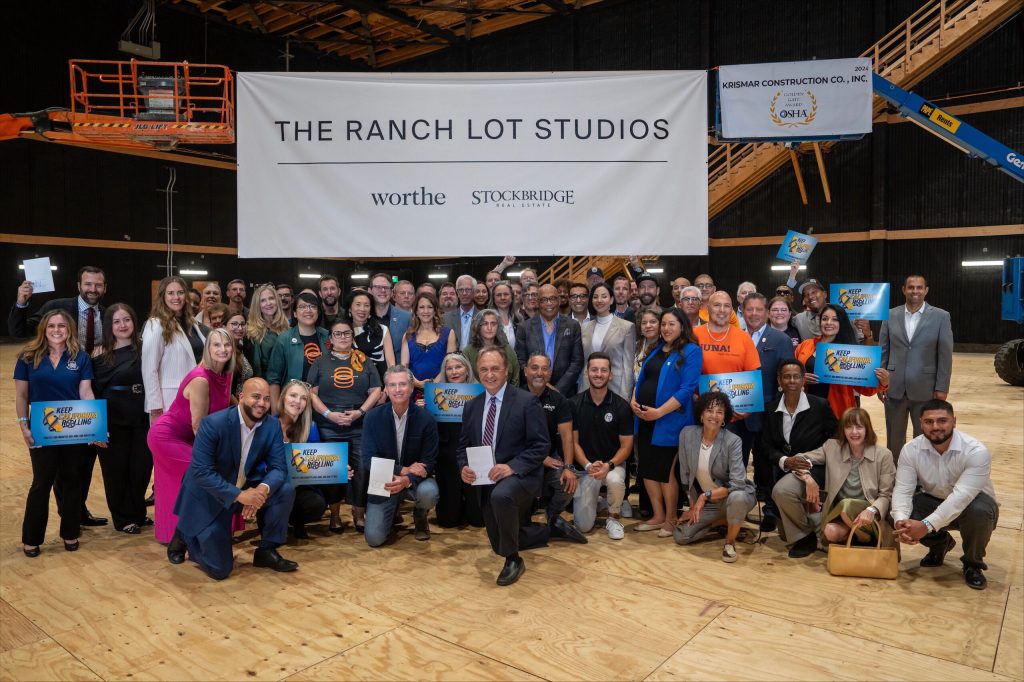
Newsom poses alongside labor representatives, entertainment leaders, and state officials after the passage of the expansion.

But a mere expansion wasn’t the only new element of the program. Alongside it came further adjustments in regards to how the new funds would be allocated, with animation given explicit allocations to prevent any more shut outs. Not only that, but the expansion will also now work to support the film-making ecosystem as a whole, including post-production, scoring, and VFX, which relies heavily on in-state labor.

These new changes are a much-needed adjustment, making the playing field more fair but also allowing for more productions to get their hands on the tax credits and prevent them from having to move out of state. With hope, the new expansion will also help encourage companies to greenlight new productions by helping with budget shortfalls, and help with reducing the unemployment rates for entertainment production.
Narcissists: Funny in Pop Culture, Awful in Real Life

There’s nothing like seeing family for the holidays that inspires you to write again. And no, fortunately most of my family are not narcissists (or narcs, as I’ll say throughout the rest of this).

What is a narcissist? There are several definitions. The most common version that we see of narcissism (which is coined from the name “Narcissus”, who was so in love with himself that he slowly starved to death) is narcissistic personality disorder, which can be diagnosed by a therapist. Someone with this disorder is manipulative, self-centered, has a victim complex, and is generally a wretched human being.

NPD is not the only form of narcissism that exists. There is a spectrum for those who have narcissistic tendencies, but generally don’t qualify as narcissists. It’s much more common and obvious to notice by outsiders (people outside the family), and are generally brushed off as negative traits.

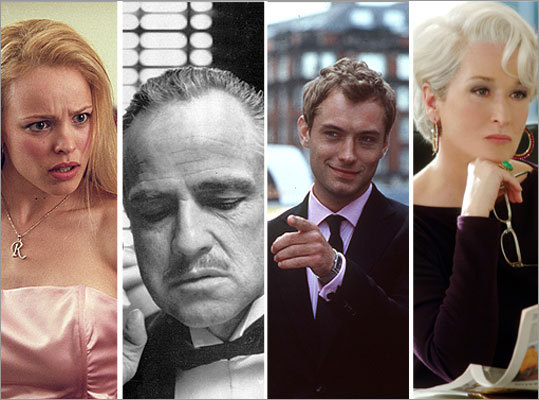
So, I won’t go into any detail, but hanging out with family for the holidays got me thinking about the contrast between how narcs are portrayed in pop culture versus how they are in real life. Narcs in both film and television are often portrayed in a funny light. They’re self-centered, but that in turn makes them the but of the joke as if eventually works out against them. They are obviously bad people, who are bad at getting their way and only put themselves in embarrassing situations because of it. They are a perfect and easy way to add a joke surrounding the rudeness of people.

Narcs in real life, however, are awful and deceptive. They care only about themselves, and not about anyone else, including their own children. A good example of this kind of behavior would be to mention something I’ve witnessed. A kid was asked by an adult what they got for Christmas, to which they responded that they got nothing. Upon the adult investigating further, he found that this was allegedly because money was “tight”, according to one of the kid’s parents. Well, interestingly enough, this person had just come back from not one, but two trips, one on a cruise, and the other to Las Vegas.

The parent in question had also turned down a job offer (that would have offered great pay, great benefits, and a long-term job), in order to go on the cruise. Now that parent complains about not having a job, acting on the permanent victim-complex that narcs seem to have.

That was only a mild example of a narcissist. Scrolling through the subreddit r/raisedbynarcissists, I read about some of the horrors these people faced at the hands of their families, who were narcs. I won’t disclose any of these stories, as I don’t have permission, but I encourage anyone who wants to to view some of the stuff that these people must face.

The point of comparison is that narcs are hardly funny outside of pop culture. Yes, some of their behavior is odd and sparks a good bit of laughter, but for the most part, it is atrocious and scarring. They’re also manipulative, gaining favor and sympathy from others, which in turn turns them against the victims of the narc behavior. They’re not obvious in nature, which also contrasts from their pop culture portrayal, making it much more difficult for people to actually see when someone is a narc.

Aladdin, the One Live Action Remake I’m Excited For

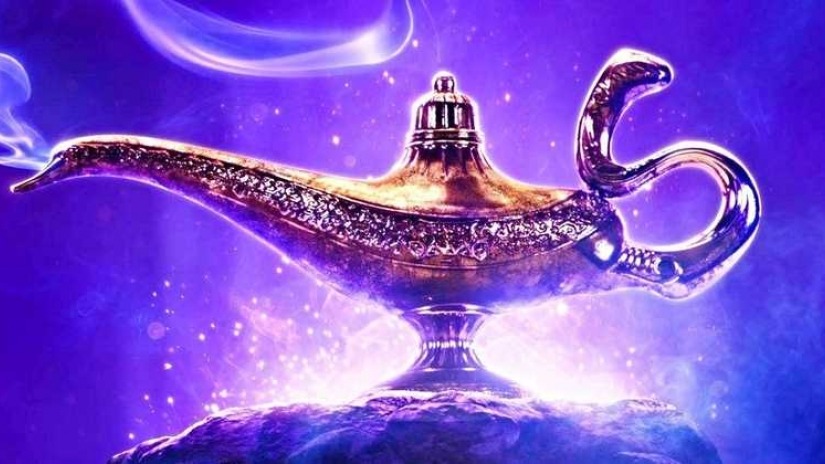
A few days ago, Disney released the teaser trailer for the live-action remake of 2019’s Aladdin. Although the teaser trailer mostly displayed the grandeur of their CGI backgrounds, it hinted at some of the story with the overlay of a revamped “Friend Like Me”. In all honesty, it made me kind of excited.

I had always liked the original Aladdin. It was kind of like a blend of Vegas meets generic Middle East, but it worked surprisingly well. It was entertaining, aesthetically pleasing, and the songs were very good. Although it did have its flaws, I had to say overall it was an interesting film.

Usually, liking the original animated film in those ways is an automatic recipe for not liking a remake-especially when the Disney live-action remakes tend not to put that much effort into “retelling” the original. They do add some elements, but overall, the films haven’t been all that interesting or creative (especially not Beauty and the Beast, which I analyzed earlier).

But for some reason, I got genuinely excited about the live-action remake. And when I looked into who was the cast and who worked on the music, I got even more excited. I like to imagine that it’s because they are keeping the movie a musical, which means there’s going to be a whole new look to how they portray some of their most happening songs. What makes it even better is that they are still using Alan Menkel, the original composer, for these songs, even using him to compose a new song for Jasmine.

They kept the cast predominantly Middle Eastern, as well. The one fully white character is supposed to be a suitor for Jasmine, and was added to create a new dynamic of nation-politics. But other than that, everyone fits the bill for the location of Agrabba, which is a plus. Other movies have tried casting white actors for Middle Eastern roles, but increasingly they have been unsuccessful as they face public backlash. Disney played smart in casting, this time around.

I really can’t explain fully, however, why I want to see this new remake. I can’t explain why this one sparks my curiosity when none of the others have, and why I’m actually excited to see it. I can’t argue that it’s good old nostalgia, because if that were the case, I would have been excited to see the other remakes. But I wasn’t. Maybe it’s because this is the most fantastical one. There’s so much that happened in the original in terms of design and setup, that perhaps I’m curious about seeing how it can appear in a more solid form. I don’t know.

You Can’t Rely on Old Media for Depictions of the West

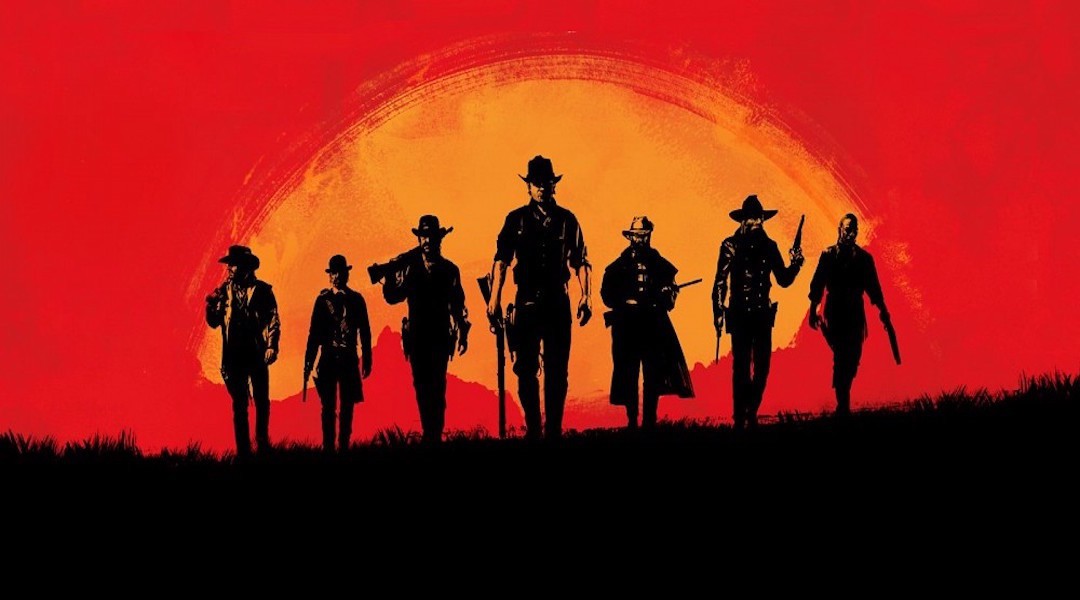
Recently, Rockstar has announced that Red Dead Redemption 2, the sequel to its instant classic of Red Dead Redemption, will add black cowboys, portraying a more realistic perspective of how the Wild West would have been.

However, like all things with time period games, there are those who dissent to having these characters added. Fortunately, it’s not nearly on the same scale as some other games, but it still exists. One argument of the dissent that stuck out to me was the idea of how historically “inaccurate” it was to have black cowboys. These arguments are based off of old Hollywood and TV portrayals of the West, somehow justifying their arguments. If P.O.Cs were not portrayed then, then therefore they simply weren’t actually present, right?

Wrong. Let me give a little insight on the actual realm of the West. The West, with its notoriety for being a “lawless wasteland”, was much more racially open than the rest of the United States. A former part of land owned and controlled by Spain (and later Mexico), the wide and mostly unpopulated expanse had plenty or room for the proliferation of Vaqueros, or the precursor to cowboys.

The Vaquero lifestyle was mostly used by Mexicans and some Natives, who gained influence from the Spanish ranchers on the Missions. However, when the land was won over by the US in the Mexican-American War, the Vaquero stopped being a purely Hispanic profession. Caucasian and later black cowboys began making an appearance on the scene, taking up the Vaquero (later renamed cowboy) lifestyle to live a “free rancher” life.

Black cowboys initially started as slaves tending to their masters’ cattle ranches while they were away at war in Texas, although there were some that escaped West before incorporation into the US to escape their former masters. In this, black Vaqueros gained the skills that would make them invaluable to the cattle industry, allowing them to prosper following the end of the Civil War. As many as 1 in 4 cowboys were Black, travelling throughout the West to help ranchers herd their cattle.

Now, this didn’t make the West some racial paradise, as discrimination against Latinos, Blacks, Native Americans, and later Asians (who came in to help build train tracks that would help connect the Continental US) was still a common phenomenon. But it allowed more freedom than other parts of the US.

Now, with all that in mind, how does this relate to old media? Well, if you’ve watched any spaghetti Western film or TV, you’ll easily notice that the diverse history of the West simply does not exist. If there’s a Native, they’re violent savages killing the poor white woman for fun. The Asians are portrayed as dirty, cheap, and lying. There’s not even a mention of Blacks or Hispanics.

No, the Western shows and films represent and idealized White version of the West, one which claims the cowboy as purely American made, despite its Hispanic origins. It’s about the finding the Classic love in the Wild and Gritty West, centered around White actors in a purely whitewashed realm.

Even as late into the 1990’s, media surrounding the West was heavily geared towards portraying it as white dominant, with only a few outliers that portrayed otherwise. It was only in recent years with Django Unchained, Hateful Eight and Magnificent Seven that the whites-only narrative has fallen back, showing another, previously unacknowledged side of diversity in the Wild West.

Old Media has a particular representation for portraying false narratives, and is unreliable for arguments trying to prove historical accuracy. Media changes stories and narratives all the time for entertainment, especially in older films and TV shows.

Most Horror Movies Suck

Most horror movies suck. This isn’t a result of a new phenomenon, where an over-reliance on jump scares and cheap tricks has lowered the quality of horror movies. No, this is something that has existed since the dawn of the horror genre in film.

Now, you might be saying, “There’s plenty of classic horror movies”, or “there’s been good ones all the time”. Yeah, I’m not talking about the classics. I’m talking about everything else.

Let me put it into perspective: in the entire movie medium as a whole, there is a very disproportionate level of bad movies to good ones. For every great film, there are plenty of okay or even mediocre ones that came out before it. The ratio for horror films is even worse. The horror film industry is a very prolific one, meaning that combined with the critically-acclaimed classics (some recent ones including Cloverfield, Get Out, a Quiet Place, and Hereditary) come many, many more bad horror films. And that’s just on the level of mainstream media.

The problem is, although the production value for horror films has increased exponentially (in the earliest years, most horror films were pushed to the side-lines, almost to the level of B movie films. That isn’t to say that any weren’t, however: quite a few were. The difference in levels of production value drew more attention to the really good horror films, making them classics.

The good classics were remarkably known for their story line and the emotional investment of the actors, paired with excellent and perfectly timed cinematography. Suspense was deeply intertwined with these films, causing the audience to actually be invested, even long after the further development of movie effects and realism to make films pop more. The bad ones by contrast knew they weren’t very good. They made the most out of lowered budget and “lesser” actors, becoming mindless entertainment. Even the high quality bad horror films knew they were bad, at least to some level. There was a distinction in how the bad movies presented themselves, specifically separating themselves from the good ones.

Nowadays, it’s much harder to tell. With the increase in production value all around, and the overall increase in popularity for horror films, even the bad ones take themselves seriously. They try to act like the good ones, hiding otherwise boring, similar plots under the guise of an enticing trailer. The only indication might be picking up the ridiculousness or the stupidity of the plot in the trailer, and even then sometimes they’re misleading. I’ve been tricked into seeing plenty of horror films that look promising, only to see the same story line played out. The only difference would be the positioning of the jump scares.

Another issue is, when a great horror film comes out, there are often sequels that follow. And usually with each sequel that comes out, the quality of the film gets worse (exceptions include Cloverfield). As a result, the whole series, including the first film, gets devalued.

Horror films have the unfortunate trend of having a few really good horror films within a few years, and tons of bad horror films. Although This trend is starting to shift (2018 was an unusual year for having more good horror films than bad ones), there is a long history of really bad horror movies. There’s nothing wrong with that, as rom coms also had the same trend. The difference is, there is still some creativity to horror coming back, which has kept it alive through a particular decade of flops. Rom coms and horror films had a shared decade of mediocre majority films, but rom coms, holding too much to the classic formula, fell to the background. Horror films were able to barely cling on, until recent films have fully pushed it back onto its feet. We’ll see how horror movies evolve over the next few years.

The Differences Between LA Theme Parks

There is an industry in Los Angeles that goes mostly unacknowledged, but still draws millions of tourists every year. That industry is theme parks.

Now, you might be wondering how that goes unacknowledged. LA is the home of Disneyland, Universal Studios, and Six Flags Magic Mountain, all of which are major amusement parks. Millions of people come from all over the country, and even the world just to visit these places. They will never be forgotten.

What I mean by the fact that they go unacknowledged is the fact that no one ever tells you the difference between each park. And I don’t mean the obvious, each being owned by different companies and centering around their own respective shows and films. I mean their actual core, what you can expect to find attending these parks. For me, having grown up in LA, the difference are obvious. For someone who’s either only visited one or even none of the locations, you might not know the difference.

Well, to put it shortly, the difference are this: Magic Mountain is for rides, Universal is for attractions, and Disneyland is for something in-between. Let me break it down a little more.

Magic Mountain is part of a larger chain or theme parks, with this location in particular being located in Valencia, on the northern end of Los Angeles County. The theme of this park is DC universe, and you will find plenty of rides and areas following that theme (Batman, Riddler’s Revenge, Superman, etc.). The park wastes no time in displaying what it is; a theme park for roller coasters. It doesn’t have really any attractions, more focused on providing an adrenaline rush with various and innovative new rides. They do have a kid section with Loony Toons, but I wouldn’t say it’s a place to bring your children.

Disneyland, on the other hand, has some more leeway. Located in Anaheim, in the heart of Orange County, it’s a place with both attractions and rides, putting more into the combination experience that allows children both young and old. Although, I don’t really see the point of bringing a child under three or four to Disneyland: first, they can’t really go on any rides, and second, they won’t remember anything about the park. Disneyland focuses on different films that it owns the rights to, and builds rides and areas centering around them (Star Wars land, opening 2019, is expected to be one of the largest world expansions to the park). Disneyland wants to provide a more general and rounded experience, which explains why it has both rides and attractions.

Universal, located in Studio City, focuses almost purely on attractions. That isn’t to say it doesn’t have some rides, like Ride of the Hypogriff, Revenge of the Mummy, and Jurassic Park (now being renovated to Jurassic World), the vast majority of its “rides” are actually attractions, using CGI and moving cars to create almost VR experiences. It once again focuses on films that it has the rights to use, even if it doesn’t own the films itself (Harry Potter World and the upcoming Nintendo Land are big ones). This park isn’t very kid-friendly, meant more for teenagers and adults. There are few attractions meant for young kids, especially considering how dark some of the attractions can get. Universal’s take on rides is unique to me, as most other parks don’t invest so much into perfecting the rides in the same way.

Beauty and the Beast, and the Case of Disney Getting it all Wrong

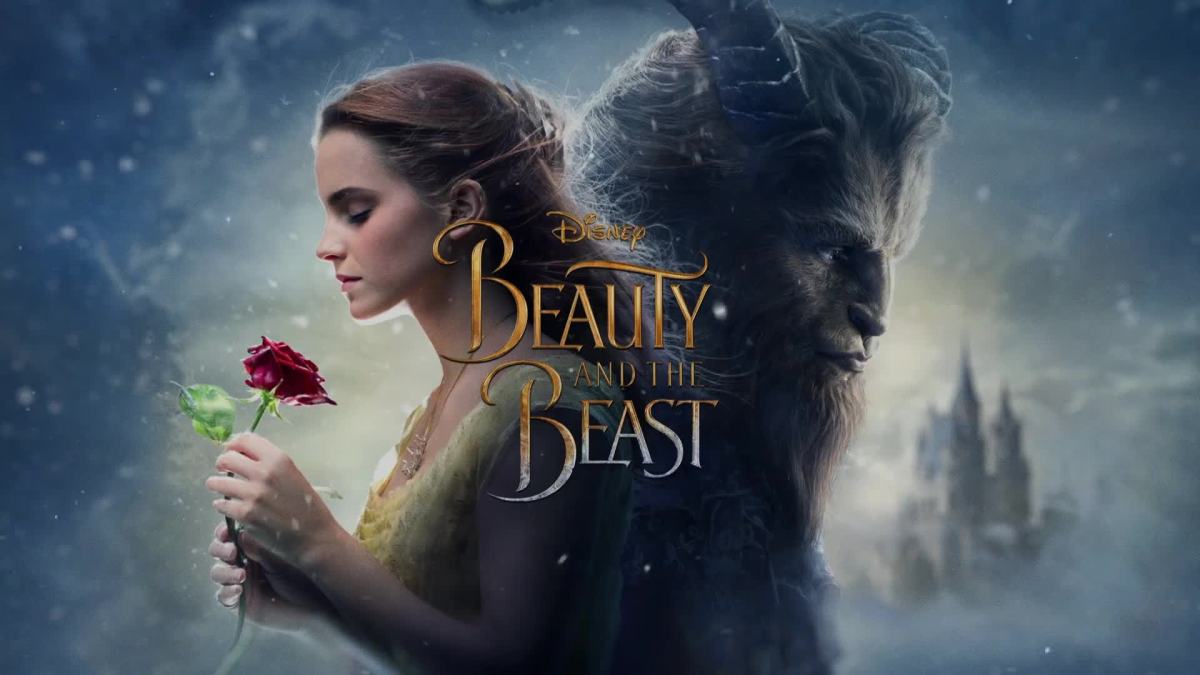
I have certainly missed the craze of analysis over the Disney live action films. That all happened after the release of the live action Beauty and the Beast, with some people ranting and raving about how much they loved it, and others harshly criticizing the film for its lack of originality. I am far from the first to talk about this film, and I will not be the last. However, I’ve noticed that most criticisms of the film often ignore certain aspects that I felt were especially irking, and fail to connect what happened in this film to the overall live action trend. So I thought I would put in my own two cents, and see where this takes us.

Now, the whole Disney live action trends started with the success of Maleficent in 2014 and Cinderella in 2015, both of which provide different perspectives of the stories told. Maleficent  provides an alternative look at the tales of the original 1959 classic Sleeping Beauty, although it was a rather half-baked attempt. I thought that Disney might be getting their footing with the release of Cinderella and Jungle Book, which flesh out relationships and motives and situations just a bit more, without only repeating the story.

I was proven greatly wrong, however, with the release of Beauty and the Beast in 2017.

Not only was the film a straight copy-paste of the original story with almost no additions, but the changes they did make just degraded an already good story. This film, like the other three before it, attempted to correct past criticisms of the original work, despite the fact that the film they are trying to correct something that is negligible. Cinderella provided insight on what happened to her father, which the original film failed to do. It explained why Cinderella dealt with the abuse, something the original film didn’t do. This film tries to elaborate on how the magic works in the castle, something that the original film didn’t need to do.

There it is, folks. This film tries to provide logic to a world of magic, something that didn’t really need to be elaborated on. Like the magic dishes, and some other things that move in the house. Not everything that moves needs to have a soul attached to it, which in turn explains the trashed furniture in the West Wing. The Beast didn’t just straight murder his servants. You can assume that a castle would have furniture in it before everyone else got turned into furniture.

Which leads me to my next problem with the film- the fact that the furniture explain the West Wing to Belle completely ruins a major plot point in the film. They not only convince the Beast to give her a better room, rather than let him make the decision for himself, but also give her a tour of the castle, mentioning the West Wing and thereby ruining the impact of Belle actually going to the West Wing. The betrayal aspect of her going to the West Wing despite his wishes is lost.

Which leads me to my next point: they completely wash out the relationship between Belle and the Beast. They ruin the complex relationship between the characters, making Beast an asshole who needs a life coach, and Belle the life coach, rather than having them learn off of each other. Belle was kind and patient, but could also call out the Beast’s bad attitude in the original film. In this one, they just fight, and he never learns to do better. Their relationship becomes basic and Hollywood-style, and the ending doesn’t feel like it was deserved.

Now, in a turn away from the more interaction aspect, I am going to turn more to the other issues I have with the film. This one can be narrowed down into bullet points.

Belle’s voice:

Why, why, why didn’t they just have an actual singer dub Emma Watson’s voice? Hollywood has dubbed hundred’s of actor’s singing before, and the attempt the avoid this in this film ground my ears out. They auto-tuned Emma Watson’s singing to the point where it sounded like a robot made it, heavily contrasting from the fact that literally no one else has a robotic voice. Literally no one else.

What made it worse was the classic reprise of the song “Belle”, where Belle has a powerful soliloquy (done flawlessly by the original voice actor Paige O’Hara). In the live action version, we just get a shotty, robotic voice that just washes out with the music. Every time she opened her mouth the sing, I would be ripped out of the moment.

Belle’s Dress:

I know they tried to do what they did in Cinderella with giving the dress a much needed update, but it really wasn’t necessary. Unlike Cinderella’s kind of odd-looking dress in the original, there was nothing wrong with Belle’s dress. In fact, her’s was a favorite among many, and was a popular costume for young children. The fact that they tried to change it to something as blase as they had in the live action film got some much deserved out-roar. How do you replace such an iconic dress with something that looked like three pieces of yellow tissue paper stuck together? It just doesn’t make any sense.

Gaston:

Why try to make him unlikeable? The whole point of his original character was that he was attractive, popular, and charismatic, and was easily able to influence the ignorant townsmen into joining him for the “final battle” at the castle.

In this case, he’s a character that is considered untrustworthy by the town, leading to Le Fou paying people to sing and up Gaston’s ego. Such a move was totally pointless. You should have just kept him the same. It would have saved a lot of time on the pointlessness of trying to make him a complex character. Focus on fleshing the two main characters out, not the villain, who didn’t need to be fleshed out.

The Plot Overall:

Last but not least, I have a problem with the plot overall. Let’s face it- it’s just a pure retelling of the original story, with some pointless additions slapped on to take up more time. There was nothing of real value added, degrading the plot of the story. What was changed really had no purpose, unlike the films before it (except Maleficent, but that’s for another time). I came into that film expecting something and left it feeling like the original story was just wronged. Which doesn’t make sense, as the live action version and the original were both made by the same company.

But, that’s the problem with the desire to make money and deal with criticism. It just didn’t work here. It turned what was once an Oscar-nominated film into a straight mess. It was just unnecessary.

The Controversial Author of a Beloved Series

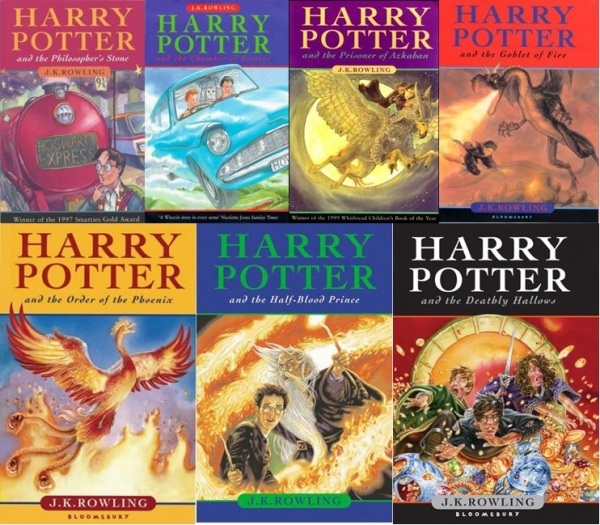
The Harry Potter books and movies have been loved and cherished for around two decades. It was a series that was recognizable to millions of people, to the point so that some of the advertising for Deathly Hallows Part Two didn’t even name the title of the movie. It has also led to the opening of Harry Potter World in both Universal Studios locations (Orlando, Los Angeles), with hundreds of thousands flocking to partake in some of the magic. The Harry Potter series was classified as the hallmark of an entire generation.

While the fandom for Harry Potter seems to be thriving, I can’t help but wonder how much this is done out of pure nostalgia, especially as more negative light turns to the series’ author, J.K. Rowling. As time goes on, I notice that former die-hard fanatics are noticing more issues with the series, particularly with the actual lack of originality that the magic world in the series has. But contrasting from these fans-turned critics are the ones that are still die-hard, constantly taking every house quiz, referencing the series when they can, and even getting permanent tattoos of famous symbols. It’s an interesting mix that I increasingly notice is coming at odds with one another.

In order to analyze why I notice some people being pushed away, we’d have to first look at the history of negative light placed on the author. You see, this all started after the release of Halfblood Prince (the book, of course), in which J.K. Rowling announced that Dumbledore, the father figure to Harry Potter, was actually gay. This came at a celebration of diversity initially, although there were some that questioned the fact that Dumbledore never revealed anything about his sexuality (no reference, no actions, nothing) in either the books or the films. Over time, this move turned purely to criticism, calling the author out for making a cheap shot of queerbaiting, especially with the lack of interaction between Dumbledore and his supposed “lover” in Fantastic Beasts and Where to Find Them 2.

J.K. Rowling only put more bad attention on herself by claiming diversity in the books after the fact, despite never referencing those characters in her series. This gained more negative attention and criticism, although a meme has arisen around her after-the-fact claims, with people claiming ridiculous things to mock her attempts.

Now, you may think “well, she wrote the books in the 1990’s and early 2000’s, she’s from England, so it would make sense that she’d only write about white people”. There’s a few issues with that logic. She had written the books with only white people, which, if you just left it at that, is fine. There’s nothing wrong with admitting that most of the characters are white, and all of them are straight. Most mainstream series and books from that period were like that (especially European books, although they do have a level of diversity that they seem to ignore). If she had just acknowledged that fact, there wouldn’t have been any controversy. But to try and say that you had diversity, while not putting in the effort to display that diversity, or re-editing the books to show real difference, is just weak. It reads as cowardice and band wagoning, which would turn people away.

Another issue, which came up earlier this year, is that J.K. Rowling has been following and liking the posts of TERFs. What is a TERF? A TERF, or Trans-Exclusionary Radical Feminist, is someone that focuses on promoting the equality of “biological” females, claiming that trans-males are traitors and trans-females are women-haters. They claim to be feminist, but are really not, and they are rejected by most of the feminist community, leading them to call discrimination and brainwashing. Their tweets are very difficult not to tell, and J.K. Rowling liked and retweeted several from a known TERF, which were targeted against trans-females. This caused some outrage, but not nearly as much as it should have. In fact, it has almost been completely forgotten, quickly hidden with news of a new interactive Harry Potter game. But it left its mark on me.

Where do I sit on this issue? Well, I was never able to finish the original series, despite the fact that my sister had read all seven books 4 times. I saw the movies, but was never all that invested. But the controversy has made me quite put off from investing my time and money in any of J.K. Rowling’s works or films.

The Downfall of Greek Myths in Movies

Greek mythology often finds itself in the spotlight of Hollywood films. Usually avoiding the Odyssey, Jason and the Argonauts and Persesus are the most commonly found, although differing interpretations on Greek mythology, like the Percy Jackson movies (although we don’t speak of those), do make appearances.

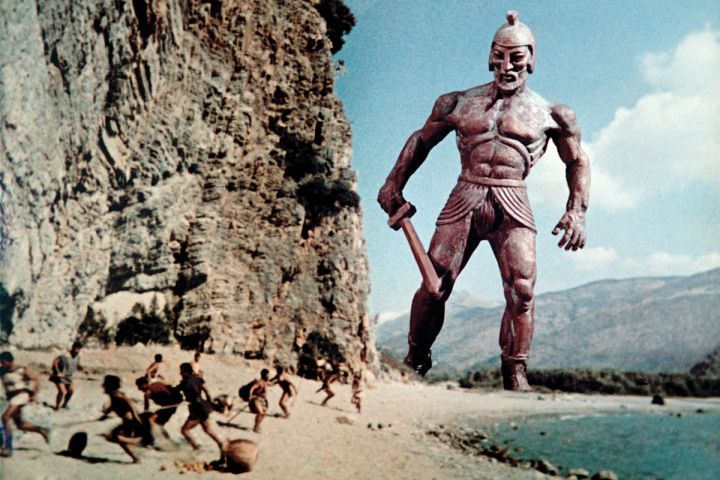
Turning Greek myths into movies found its height from the 1960’s to the 1980’s, when claymation monsters dominated the screen rather than advanced CGI. I can’t knock the use of claymation, however- filmmakers got creative with it, and were able to make it work fairly well. As comical as they look to audiences nowadays, you have to admit that for their time, they were genius moves.

Now, however, Hollywood has lost its way when it comes to showing off the legendary epics. What used to be just portraying the tales as is (with some creative difference, but not much), is now a strange and unsuccessful attempt to make the stories more “original”. They use an excessive amount of CGI, turning the classic mischievous and playful Greek gods into serious and dramatic figures, erasing some of their most bizarre origins and reactions. The myths portray the Greek Gods as divine and powerful but characteristically flawed (they are perfect at something, hence their God status). Movies now simply turn them into perfect but overly angry figures, exaggerating their temperamental behavior.

The legendary figures also find themselves changed, too, turning figures like Jason and Perseus into gritty and dramatic figures, when they show a variety of behavior, portraying a story of morality on a complex hero. In modern movies they are now meant to fight these giant monsters, getting girl while playing a one-note tune of being a one-dimensional hero. The main hero finds himself enveloped under the fold of the typical cliche action hero, completely ruining the point of the original Greek Epic or legend that they appear in.

The aesthetic of the new Greek myth movies also are much darker. Rather than being more realistic of showing an environment like daytime Greece, they show changing skies and darker backgrounds, making the story seem much less real. Of course, they are portraying stories, but compare them to their predecessors; compare the sky, the backdrop, and most importantly, the clothes. The cloths all look Spartan based, rather than showing the diversity of Ancient Greece (which wasn’t a unified country). It all makes seeing the Greek myths on screen that much less popular.

The Genius of Who is America?

Most often the first thing that comes to mind when someone hears the name ‘Sacha Baron Cohen’ is “Oh, the dude from Borat!”. The actor, who has played characters such as Ali G, Bruno, and of course, Borat, gained his permanent recognition after the release of Borat: Cultural Learnings of America for Make Benefit Glorious Nation of Kazakhstan back in 2006. In the film, he duped countless people all across the US, with only a few scenes (such as the kidnapping of Pamela Anderson) being fake. His film gained immense popularity, for both bringing out the honest truth from people, and being hilarious at the same time.

Now he’s back, but this time with a TV show. Taking the role of four different characters (Ricky Sherman, Dr. Nira Cain-N’Degeocello, Billy Wayne Ruddick, and Erran Morad), he goes around to people of a variety of political backgrounds, anywhere from small-town folk to big-time politicians, tricking them into absurd (and sometimes career-ending) situations. This comes into to play when he “teaches” controversial House Rep Jason Spencer Krav Mga, causing the man to shout the N-word and run into him with his bare behind.

Of course, this time it is much harder for Cohen to pull off. With his popularity, more people may recognize him, which has happened in the case of trying to dupe a gun shop owner, who recognized him under all the prosthetic makeup. In another, actually filmed case, part of his prosthetic actually came off, but the couple he was trying to dupe played good sportsmanship and kept running with it. Now that Borat is so recognizable, Cohen needs to use more prosthetics, and be much more careful in how he acts, as to not ruin the joke.

His jokes, however, can be quite brutal, but it’s exactly what the nation needs. He makes fun of both liberals and conservatives, calling out the absurdities on both side, and exaggerating stereotypes in order to confuse and make fun of whomever he’s with. It also shows the audience how absurd people can be, and while some think what he’s doing is too far over the edge, it’s a nice break from the safer political comedy that we’ve seen in the past few years. Everyone else has played it safe, and it’s refreshing to see someone who takes safe and rubs it into the ground.

The best part is, his “offensive humor” is not really all that offensive. It’s how the people take his comments and react that show the ugly side of the comedy. That’s what makes his humor especially genius. He gives people an inch and they take it an run a mile, duping themselves in the process. It leads to some interesting situations (actual police roll up to a ‘staged’ Quinceanera that Cohen had tricked some men into making in order to “trap” illegal immigrants. On a sign out front, he posted their words of what they thought the immigrant would be expecting, and setting up the situation to look like they were trying to lure young girls.

The best part is, he wasn’t the one who came up with the situation: the men were. They thought of what when down at a Quinceanera, and what to do in order to drug and deport any “illegals”. They duped themselves, while he sat on the sidelines. He shows the absurdity of such racism, and how it can easily turn against them.

His form of comedy is, in my opinion, exactly what we need; something brutal and honest, showing the worst sides of everybody in order to get a laugh. And it does, in some cases, show the worst side of everybody (from blatant racists to crazy social justice warriors). No one is safe, and I’m excited to see how the show goes on.

Remakes and Sequels in Hollywood, and How it’s Not a New Thing

The common phrase that pops up when someone mentions Hollywood nowadays is that Hollywood has run out of ideas. This phrase comes up in particular when constant remakes and sequels comes up, mixed with only a sprinkling of original movies. However, the modern situation isn’t new. In fact, it’s not only been an old tradition in Hollywood, but also Nollywood and Bollywood as well.

Ever wonder about all the sequels to Alien, Godzilla, and other films? Not the modern connections, but the ones that go as far back as the 1950’s? The many romantic comedies that came out during the 1950’s and 1960’s? Remakes and sequels have always been a quintessential part of Hollywood, since it’s inception. The sequels in particular, come when a series is popular- Hollywood is a business, and will run with a popular idea until it dries up. Such a tactic is not modern, nor unique. It has been happening.

Remakes, on the other hand, are usually made when a director decides that there is something to be improved upon in the original film, something that can be different. Of course, this choice is not always for the better, as we’ve seen with the remakes of Clash of the Titans and Willy Wonka and the Chocolate Factory. Usually, though, a director or screenwriter wants to improve on the story, and tries to portray their vision of how the film should be. This has worked, even, with the 2015 release of Mad Max: Fury Road. The films were an original series of films in the 1980’s, revamped in order to try an alternative story route, one that actually worked.

On top of the remakes, Hollywood has had a long history of taking from books and myths, despite the modern criticism that Hollywood only does it to get a guaranteed fan base. Characters such as Dracula and Perseus have found themselves on the big screen on multiple occasions in multiple forms, adapting them and re-adapting them to try and make a take on a story or myth unique. Especially from the 1970’s through the 1990’s with movies such as Psycho, the Shining, and Silence of the Lambs, all of which being smash hits, the tradition of bringing books to the big screen is nothing unheard of. Shakespeare has found his most famous play Romeo and Juliet in multiple movie retellings. Hell, just about all of Disney’s 2D animated films are based around different fairy tales (and even some 3D ones, such as Frozen and Tangled). To say that based off the fact that Hollywood makes films from stories and books is the key to showing that it no longer has originality is a farse.

Now, if you’re keen on the international films industries, you might be saying that they’re much more original. Now that may be true in some cases, you will find the retelling of famous stories and legends in Bollywood, Nollywood, and K-dramas. They do the same thing as Hollywood. Plus, they straight up make remakes of Hollywood films as well. Movies such as Resevoir Dogs, the Godfather, Silence of the Lambs, and When Harry Met Sally all have successful Bollywood remakes, and Nollywood is pushing to have a TV show based around Black Panther. To say that they don’t pull the same tactics as Hollywood would be ignoring a portion of their production system.

This isn’t to say that Hollywood is in the clear, however. Large companies often get trapped in the idea of making remakes or sequels, hoping to gain an automatic audience (increasingly without success). They’re trying to play it safe, but that’s clearly not what the audience wants (i.e: the box-office flops of Solo and the Mummy). People want more unique films to come back into Hollywood, and as usual, Hollywood is going slow in its response. Hopefully, however, it does respond soon.

The Art of Time Loop: How a Cliche Genre can be Done Right

We’ve all heard of at least one movie were a guy either is stuck in a time loop of the same day, or decides to mess with time. It’s usually either cause he has to get a certain day perfect, or he wants to meddle with time and then realize he has to fix the mess he’s created. The cliche has appeared at least once every two years, so it’s difficult to say that it isn’t a cliche.

But unlike many other cliches, this one can actually be done right. How is that so? Well, there are unique and creative ways that the main guy can be stuck in the time loop. He usually does it to try and get the girl he’s always wanted, but the re-do doesn’t always have to be about that.

The problem is, Hollywood has never tried to do the re-do as anything beyond romance, which adds to the cliche. You can go so many different routes when it comes to the time loop, even going so far as to main the main character do the re-do to affect someone else’s life, rather than just their own.

The main issue with the re-do cliche is that they almost always involve the guy trying to get the girl he thought he wanted, before coming to the realization that she wasn’t the one. It also always a certain day perfect, either their wedding day or some other big event that is heavily tied to their romantic life. It’s never anything else. Making it about something else would actually make the cliche so clean and refreshing. It’s so easy, and yet the Hollywood industry doesn’t want to take that step. Romance is an easy, audience-drawing theme to follow-why do anything else?

The re-do trope has gotten so similar to itself that it’s not even worth watching anymore. Unless they decide to finally branch out, you can just about guess the entire plot of the movie, with some variance give-or-take. It makes it so overtly bland that it’s almost intolerable.

There have been a few horror movies, however, that have taken the time loop in unique, twisted ways. Movies such as Happy Death Day and Before I Fall have been taking the time loop genre out of its original comedy genre, and planting it firmly into horror. It’s interesting to see, and definitely adds to the suspense of a plot. We’ll have to see where it takes us.

The Adventures of the Bland Male Protagonist

I’ve already written a bit about some of my qualms with tropes and stereotypes of female protagonists in the past. However, I haven’t spent any time to talk about perhaps one of the biggest tropes among male protagonists that irks me: the boring hero.

What do I mean by the boring hero? I mean the guy who is in all the action movies and shows that has the same boring and bland personality and backstory, who always becomes the hero and saves the day. He has nothing unique to offer the viewer except that he’s insanely muscular and attractive (but then that becomes a bit unoriginal when that’s how they all look), and is usually just a gritty tough macho guy. He kicks ass and gets the girl, although he doesn’t really provide anything to make the movie or show worth watching.

What makes them stand out to me even more is that usually they are the least interesting thing about the movie. They are the stars of action movies and shows, the ones who keep the story going, and yet everything around them is infinitely more interesting than them. Their personality is like a black hole-they suck the life out of the movie. Literally.

The Boring Hero is seriously one-dimensional; he has no unique background, and he has no character development as the story goes on. Even the female love interest is more interesting, and she has almost the same cookie-cutter personality as the male protagonist. He never gets fleshed out, which drags what might have been an otherwise good movie or TV show down hard.

The Boring Hero doesn’t provide anything of real value to the movie. They seem to stay in place while the story goes around them, despite being the central focus. And they always have that one grand “epiphany” moment, that changes their course and turns them into a hero, with cool music following in the background. But the epiphany is a quick, fleeting moment that almost never appears again. It’s not even a real epiphany, but rather him deciding to act in the typical heroic manner.

The sad part is, this trope even appears in amazing films. Films such as Avatar have been able to hide the fact that the main protagonist is insanely bland and boring through the amazing visuals and characters around them. But that doesn’t change the fact that the main protagonist is so generic that he just becomes another character that the viewer forgets within a week.

Is this trope dying out? No. It’s still strong and present, coming out in films as recent as Solo. Each time the boring hero makes an appearance, there is always something (very, very small) that is supposed to mark them as insanely unique and deep characters, despite them still being bland and generic. A lot of action films and shows want to try and promote themselves as “unique” and “noteworthy”, without putting any effort to actually flesh out their protagonists, particularly the males. It’s a trope that’s gotten old years ago, and definitely needs to kick the bucket.

Hollywood vs. The Gladiators

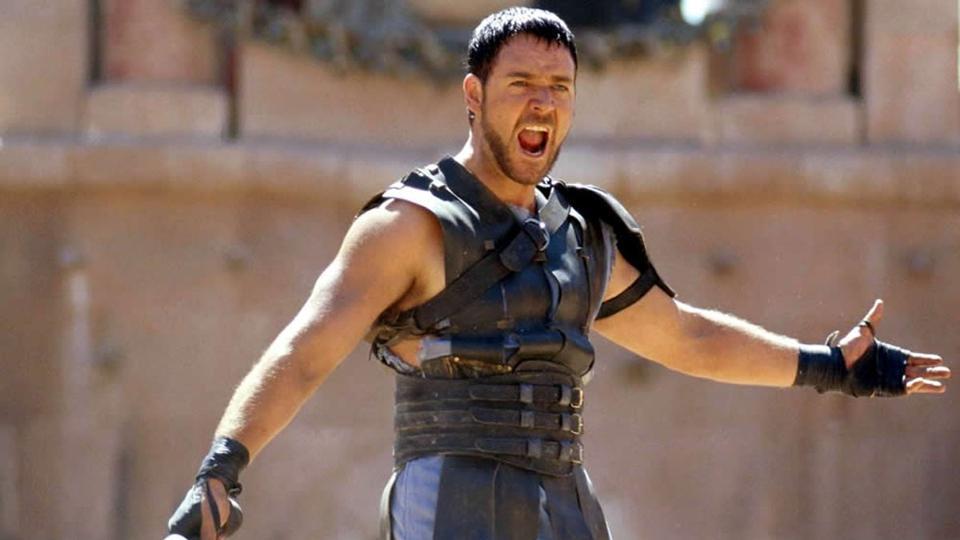
As with everything, Hollywood likes to take creative liberties with how history works. This is especially true when it comes to Rome’s viciousness and Gladiator fights.

The big thing when it comes to Gladiator fights in the media is the idea of fighting to the death. There are even jokes made about it, the famous emperor pointing his thumb down being a staple in parodies, music videos, and other satirical scenes to call for the death of the loser. Another big image is the idea of the malicious emperor always being defeated by his champion being killed, signalling the victory of the good guy. Plus, usually the gladiator fights depict a fight to the death.

In actuality, though, gladiator fights were almost nothing like the sort. In reality, only around ten percent of gladiators actually died in battle, either from fighting animals or receiving wounds that were too severe to be healed. Gladiators were expensive to invest in, always being put through gladiator training. Investors and sponsors spent a lot of money on each gladiator, and to lose one was to lose quite a bit of money. Mercy was often granted especially, in order for the gladiator fight to be fair and more balanced. If a gladiator was tired or already wounded, he would be put at an automatic disadvantage over their opponent.

Gladiators were also like the rock stars of ancient Rome, something that wouldn’t happen if they died all the time. They could become insanely wealthy, buying their freedom (if they came in as slaves or prisoners of war), and living in the life of luxury. There are even tombstones of gladiators who were able to retire and live a long life.

Rather, gladiator fights were ended when one gladiator was able to hold a sword to the other gladiator’s throat, or get him in some position where he can no longer fight. That isn’t to say these fights weren’t brutal; like I said, some could sustain injuries bad enough where it killed them. But this was not all that often.

With the image of the sinister emperor controlling the games, almost every emperor attended the gladiator games, good or bad. He would sit in a booth along with the six Vestal Virgins who guard the eternal flame that “keeps” Rome alive. Another thing to note: there are only six Vestal Virgins at one time. They are dressed all in white. If you see lines of them, it’s not accurate.

Besides, the emperor didn’t have all the power in the world. The Senate got a nice set of marble seating not far from the main stage, nearby his private booth. The emperor may have some say in the fate of the battle (granting mercy before the fight), but he usually just sat by. Gladiator fights were for the entertainment of the people, not just the emperor.

How to Win Back a Girl’s Heart: “Change”

In almost every romance, there is a portion where the guy must “win” the girl back after betraying her in some way- either acting like his normal playboy self or just doing something stupid. And just about every time, he does get her back, usually by apologizing or doing something to show that he’s “changed”. But has he really changed? In some instances, the previously reckless male character does actually show a change in attitude or behavior that would warrant a yes. But most often, it’s a big fat no.

In order to examine how the guy hasn’t changed, we must first understand how the typical main guy in a romantic movie starts out. He is most often the reckless playboy, who parties and sleeps around with whoever he wants. He goes to parties, maintains a decent job, and usually an apartment to himself. He doesn’t really care about anyone but himself and his best friend, who always tries to get him to “find a girl”-to which the man always shrugs the suggestion off with a playful scoff.

But then he meets the girl of his dreams. She’s a much more lax person, someone who doesn’t really like to party, or sleep around. She’d rather sit at home and watch a movie marathon, or read a book. She isn’t affected by the guy’s flirtation, which immediately peaks the guy’s attention. He has to find a way to impress her.

After the first time he meets her, they start meeting by chance. After a few times, they finally decide to hang out with each other on purpose. Maybe even date. The guy seems to be settling down. After a few months, he seemed to have changed.

But then he does something stupid. Either indirectly, or just a stupid action he decides to do. Girl finds out, and ditches him, heartbroken. Boy does something to make it back up to her, and they end up getting back together at the end.

Now, this isn’t always how the story goes. In The Big Sick, Kumail wasn’t really a partyer, but a nerdy comedian whose parents were trying to marry him off to a Pakistani girl. This is the point of conflict for his relationship, and he remedies it by sticking up for himself and spilling the truth to his parents. In this situation, he does change. However, in most other situations, the guy doesn’t really have a meaningful change. While he does settle and stop sleeping around, that’s not really giving something up. That’s just getting into a monogamous relationship. Usually the partying also dies down as a result, but that’s usually from finding else to pass the time and satisfy the need to do something. The behavioral changes are not because of an actual effort placed in-just the indirect results of deciding to date someone. There is nothing of real value to it.

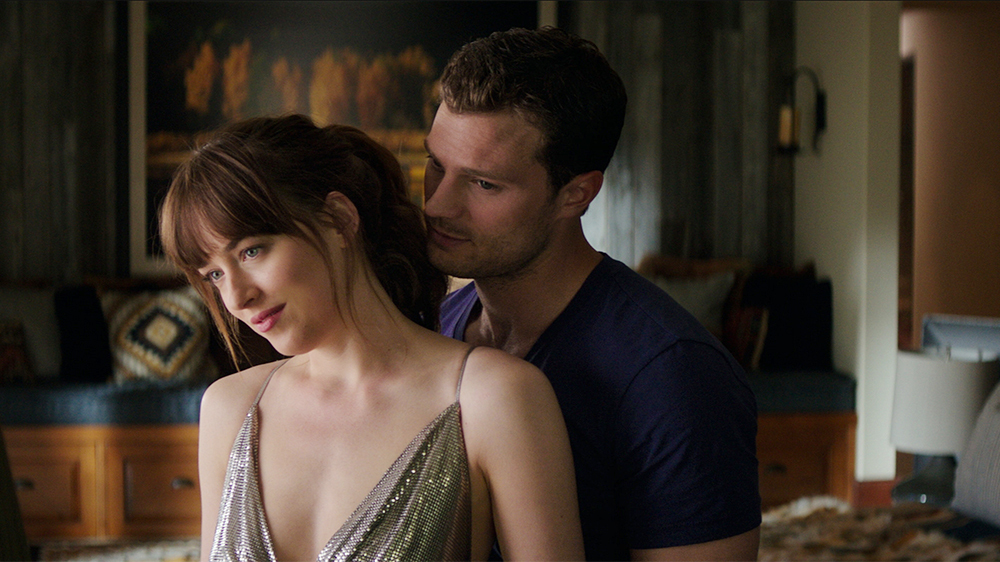
The biggest example of this is the 50 Shades of Grey trilogy. In this case, Christian Grey starts out as a young billionaire who liked to exercise control in everything, rather than the reckless party guy. Anastasia breaks up with him, upset by his violent urges when it comes to BDSM and domination in her life, and he wins her back by promising to change. I’ve only seen the first two, so I will focus on his portrayal in the second film.

To summarize my argument before it starts, let’s just say this; he doesn’t change. His possessive behavior merely shifts, to be controlling in certain ways, but in aspects that almost don’t seem noticeable, who can claim that she has more “freedom”. He buys the publishing company she works for while arguing it’s a business investment, he happens to be in the right places at the right time, and he has the money and power to get people at her work fired. He is a prime example of the faux change that people fall for.