No One Wants to Play with a Sore Loser

Playing video games, and games in general, can lead to hours of extreme fun. That is, if you’re not playing with a sore loser.

What is a sore loser? A sore loser is someone who has a nasty competitive streak with anything game related. They can’t just relax and have fun, they have to win, or they won’t stop playing until they do. When they don’t win, they throw a fit and ruin the whole atmosphere. And that’s just if there’s only one person with a competitive streak.

The reason I’m talking about this can all be traced to my winter break from school and two of my younger cousins. I had had problems with these cousins before, as they have a tendency to antagonize each other to the point where it gets out of hand. This antagonizing behavior transfers rather miserably over to video games.

You see, the older brother (who is seven years older than his brother, mind you), has a Nintendo switch, with games such as Mario Party and Super Smash Bros. Fun games, right? Not with them. They are incredibly competitive, especially with each other, bickering and making nasty comments towards each other. They can’t play a game for the sake of having fun. It got to the point where I couldn’t play with them all that much, because their behavior dragged down the rest of the group and make the game stressful. They had to win, and when the younger one got second place in something, he would whine about being a loser that no one liked. Just about myself and all older cousins have called the two out for their behavior, but that didn’t seem to change anything.

Anecdote aside, I think it’s safe to say that no one likes playing video games with overly-competitive people. They make the situation tense, and it doesn’t get any better when they win/don’t win. They suck the life out of playing the video game, and then wonder why no one wants to play with them.

Now, let me just say that it doesn’t hurt to be competitive. Just about anyone can be competitive, which can add to the fun (no one wants to play with someone who doesn’t care enough to try, either). But it’s important to understand that the best way to make that competitiveness work is to understand when a game is just a game, and you won’t lose anything from it (unless you’re winning 10,000 dollars). Overly-competitive people just don’t know how to do that.
Things to Note From Rockstar’s Work Conditions

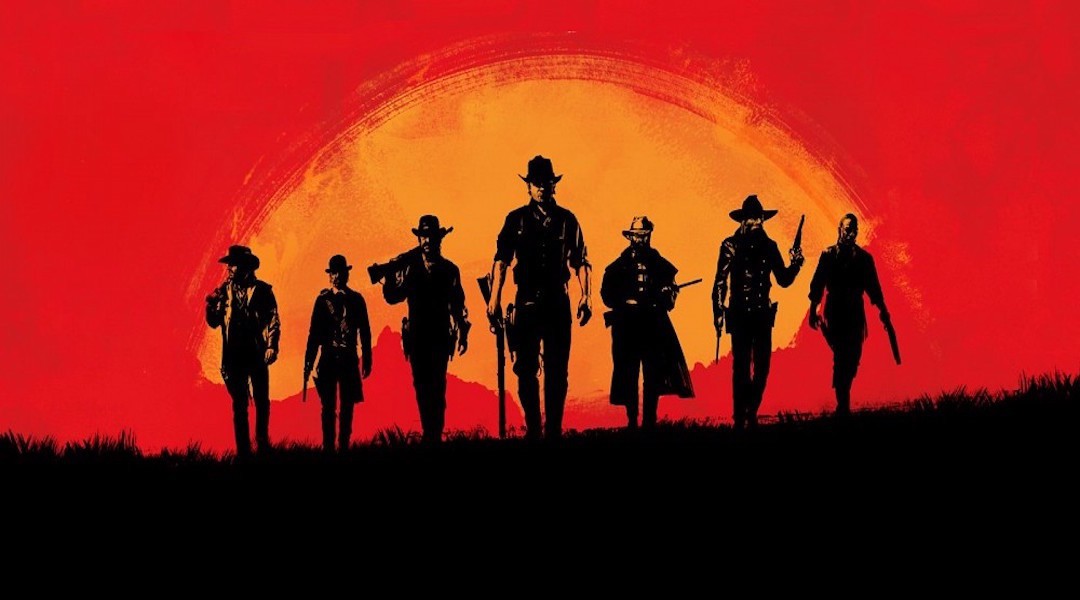
I would have written earlier about this, but was away from my computer and couldn’t get to it. But about a week ago, it was discovered that in order to make Red Dead Redemption 2, programmers and other staff had to work 100 hour weeks over a three week period in order to finish the game. This caused a swift backlash on the Internet about the conditions, with everything from news journals to podcasts criticizing what Rockstar had done. Co-founder and VP Dan Houser argued that these overtime shifts were “optional” to employees in defense of the habits, saying that these people opted-in overtime to finish the newest game.

However, when some employees (granted permission by the company to clear the air) took to Reddit for Q&A, that clearly wasn’t the case. A QA tester from the Rockstar Lincoln studio in the UK clarified that the public doesn’t often hear of the working conditions as a result of employees signing a NDA (non-disclosure agreement), preventing them from taking issues to the public.

He also clarified that the overtime shifts aren’t really optional but expected, as they have to make up an overtime shift if they for whatever reason can’t do an initial one. As for weekends, they have to make it up as a “double” weekend if they miss out on working one. The QA tester does clarify that they are paid for their overtime. He does establish the difference between a typical work shift and an overtime shift, the main difference being about 2 1/2- 3 hours longer. The overtime shifts are usually implemented near the end of the creation of a video game, in order to have it released by the proper date they planned for. While that doesn’t alleviate the issue of exploitation, it does explain that the overtime hours aren’t the norm.

Now, in the midst of this controversy, I noticed that some freelance artists, programmers, ans video game designers took to Twitter and other forums to explain their story. They didn’t center their stories around Rockstar, but rather their experiences as contract workers for other companies. What they explained was rather interesting.

Just about 100% of the time, the people were explaining that they voluntarily took on the hours, for fear of being dropped from their contracts. Despite some being told by their own employers that they don’t need to work so hard, they still overworked, trying to be as productive as possible and thus more valuable. All of these cases end in a nasty case of burn out.

What is burn out? By dictionary terms, it means to completely ruin one’s health or energy through overworking for a long period of time. People will permanently disfigure themselves, or place themselves into life-threatening situations that way, all because they wouldn’t let their body rest. Ever heard of people dying at their desks in Japan from working too much? Yeah, that’s an extreme form of burn out.

As I mentioned earlier, the thing to note in both of these areas is that the overtime is promoted as voluntary or optional in terms of the legal working contract. But workers argue that the “optional” overtime was actually expected, or perceived to be expected, thus feeling the pressure to take up the overtime. It’s a dangerous expectation that can easily result in the damaged health of an employee.