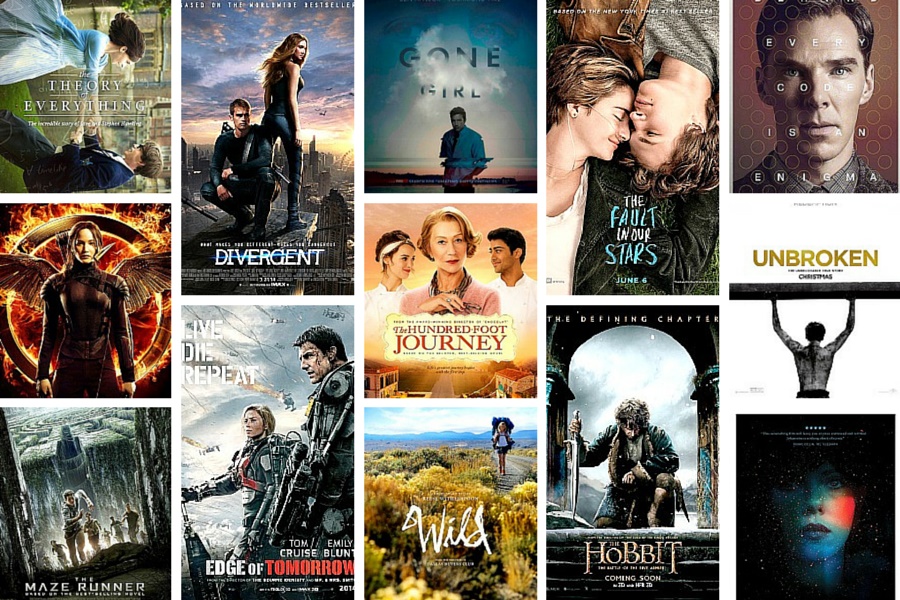
Why the Hunger Games Trilogy Should Have Never Been Movies

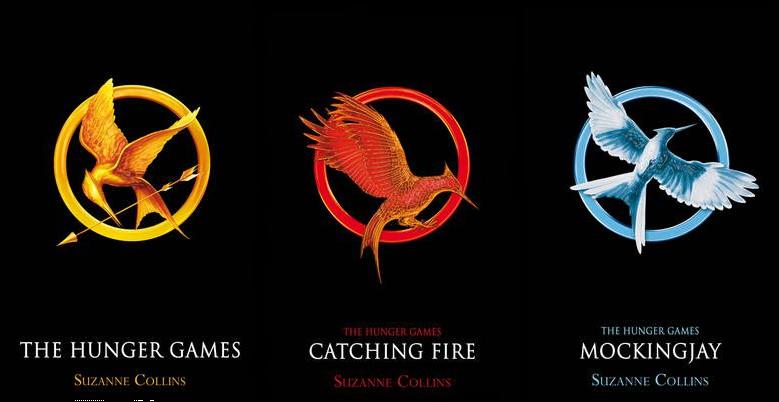
I was at the end of middle school when the first movie of the Hunger Games Trilogy was released. At the time, I had thought that the film was a serious let-down, with much of the book’s original purpose ripped out in favor of a “Hollywood-style” interpretation. But that was typical, as most books that were being turned into movies were glamified to fit a dramatic Hollywood action movie. But as the movies continued to come out, I got older, and noticed more issues with the films. By the end of it, I thought the films shouldn’t have existed at all.

Why is this? Well, just the idea of the films existing goes against everything that the books aspired to criticize. The books themselves were about a young woman of color (presumably native, based off her town’s physical characteristics) being inspired by a young black girl’s death to lead a rebellion against the glutinous and overly-extravagant Capitol, the head of Panem (which is the Latin word for “bread”).

Panem is a place where the districts closest to the Capitol are the wealthiest, while the furthest are the poorest (and tend to be people of color). But the Capitol itself benefits off of turning the fight to the death between children into a spectacle, watching their every movement and promoting them as though they were nothing more than TV actors. Katniss and Peeta’s romance gets televised and focused on, and throughout the books you can see they were a point of entertainment and propaganda, working to gain “sympathy” from the viewers. Meanwhile, the families of those that have to fight sit agonizingly, watching their children being brutally murdered for entertainment.

All the while, propaganda in support of the regime was constantly emphasized, with police task forces ensuring the peace. The propaganda is representative of the news media, promoting submission to the regime while broadcasting all the issues with it as a form of “entertainment”.

The Hunger Games criticizes everything that supports the oppressive system, which includes mainstream movie media. This is the biggest kicker for why the movies shouldn’t have existed. It was made by a large company (Lionsgate) which altered the feel of the books in order to show what they wanted with the rebellion, without anyone pinpointing back to the US (or other Western) system as a whole. It degrades the whole point of the books.

Not only that, but their marketing adds insult to injury, by promoting “Capitol-inspired” makeup, merchandise, computer games, all of which trivialize the struggle that book Katniss faces going against. It is using luxury as promotion for something that criticizes this very aspect. This wasn’t just for the first movie either; it popped up again in each of later three films as well.

The original movie made the same mistake the Capitol did: focusing on the romance rather than the violence. It wiped out just about half of the point of the first book, turning instead to make it all about the romance when it should not have been. Of course, this gained massive amounts of criticism by viewers, and Lionsgate made it more subtle in later films.

However, they didn’t change the fact that they completely whitewashed much of District Twelve. Rather than having people with brown skin and hair (as the book describes the majority of the district being), they got “lightly tan” people who had to dye their hair the right colors (for Katniss and Gale). Also, the actress who played Katniss refused to “lose weight” for the part, which also takes out the fact that District Twelve was a heavily impoverished district, and it erases much of the struggle of Katniss’s survival. I don’t mean to say that Jennifer Lawrence should have gotten to an unhealthy weight, but to have someone who didn’t look anywhere close to starving play the part of someone who was supposed to be malnourished is a bit of a stretch. The point of her depiction is to show the horrors that the Capitol caused, not to put the biggest name actress you can as the main role.

As popular as the books got, it would have been much better if they had been left as they were-books. Of course the movies made lots of money, and were insanely popular, but that was because people fell into the trap of the entertainment. As long as it’s not real, it’s okay to see it, right? Well, not if the powerful message of the books just get lost.
A Month After the Controversy: My Opinion on Pixar’s Bao

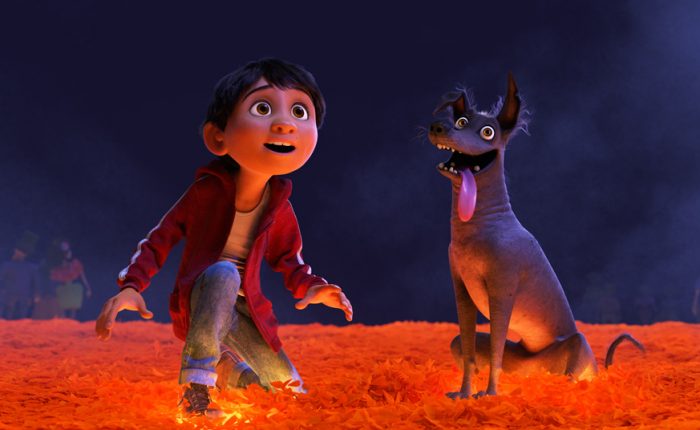
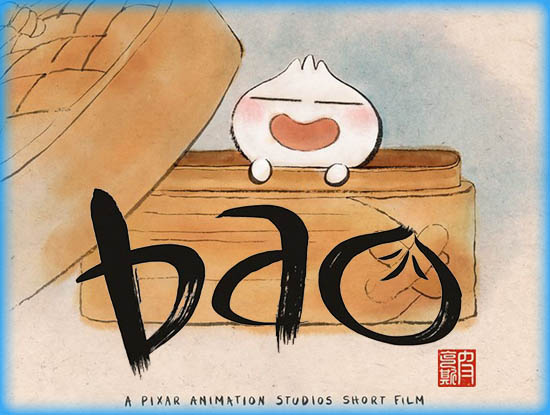
Once again coming after all the drama has settled, I have decided to put my two cents in on something. I saw Bao a month ago with my friend, and didn’t think much of it initially. But then all the drama rose and fell surrounding the short, with confusion arising over some aspects of Chinese culture. Is the short worth all the drama? Let’s take a look.

I am going to divide this into three sections: the pros, the cons, and a look at the whole controversy. I’ll try to pinpoint some significant cultural aspects that some people might not understand when looking at this. The analysis here is based off of my opinion, but I’ll try to be factual. This will be spoilery, so if you haven’t seen it and want to, watch out.

The Pros.

What I like the most about the story is the overall message. It was short, and got its story line out without any words. The animation was cohesive and colorful, all the characters being soft lines and not sticking out against the little dumpling child. Everyone was plump and round, and each character was distinctive in characteristic.

I honestly thought the film was a heartwarming tale. I am not quite certain what position the mother is in, but based off of the experiences of my friends’ first generation mothers clashing with them, I imagine there is some influence in there. She clashes with her son, who she sees as acting too far out against her, with the dumpling being a metaphor for her relationship with her son. It really was a powerful portrayal. The short portrays fracturing and reconciliation within a family, with a mother being initially unable to accept her son leaving. It is a story thousands of families face- and it does a decent job at it.

Overall, I thought it was short but had a good story to tell. It was well-animated, and was much better than the last Disney-related short I had to sit through (I’m looking at you, Frozen). I got invested, without needing twenty minutes to do so. It was cohesive and smart, without needing actual dialogue.

The Cons.

I have mentioned that Bao does a decent job at telling it’s story. But it’s not perfect.

The biggest con I can think of for this short is that fact that it relies very heavily on the use of metaphor. Which, works for adults and people who have a concept of metaphor, but not so much for children. In order to explain this, I have to go a little into the plot of the short.

Now, as I mentioned, the dumpling child is a metaphor for the woman’s relationship with her son. She raises the dumpling, but as he grows older he gets more rebellious and distant, eventually trying to leave her. Well, as a resolution, the woman eats the dumpling. Then the son, who looks like the dumpling, steps in from there.

Not bad, right? Well, the problem arises with the fact that most, if not all young children, will not connect the dumpling child as mirroring the son, without really being real. To them, they would see the dumpling child as different, and would think that she actually just murdered a dumpling person. Which, when you think about it, might put kids in distress. And it did-there were reports from audience members of some kids being distressed enough to cry from the scene. The reliance on metaphor is something that most kids-at least the ones that were anything like me-would simply not understand. It’s one flaw, but it’s a big one.

The Controversy.

Now that I’ve given my take, let’s take a look at where the controversy comes from. The short itself was directed by Domee Shi, and was influenced by her experience with Chinese immigrant parents in Canada. And as you can see, you can see the struggles that arise between the mother and the bao as the dumpling grows up and wants to leave and have independence.

How is this a problem? Well, from my friend’s experiences (Korean and Filipino) with their immigrant parents, and from some research, I find that the family and household are very intertwined. The child is not expected to leave the house and suddenly have a career at eighteen-which presents it’s own set of problems in the West-, but are actually expected to stay in the household past eighteen. The family is central, with three or four generations sometimes living in a house together. This idea comes at odds with American culture, especially for the children of immigrants who are surrounded by that culture. It often causes a strain in the relationships (as I’ve seen with some of my best friends and their parents), as the clash in culture causes arguments.

Now, because of my witnessing of these experiences, I am familiar with the cultural clash, especially in Asian immigrant families. However, there were quite a few people (mostly white Americans), who didn’t understand what was happening. This is where the controversy starts. There was an explosion of arguments, as people who didn’t understand the nature and context of the short began social media arguments with people who understood the short all too well. This caused calls of racism and ignorance, when I have to say such sayings might have been a little uncalled for.

Because of social media and the fact that huge portions of the US and Canadian populations live in large, diverse cities, we often forget that there are people who don’t know the experiences of immigrant families, nor understand the context of Asian culture versus Western Culture. When informed, people will grasp it, but when people don’t understand, a pivotal scene like the woman eating the bao would not make much sense. It would just seem like an overreaction to an argument, rather than an important moment that permanently changes the relationship of a family.

Does this mean we should have “dumbed down” the scene for people? No, not at all. While I do think some of the comments I saw were just people who were genuinely confused and not ignorant, I do think some people took advantage to stir up a huge controversy. I don’t think the short should have stirred up that much controversy, but I am not in a position where I understand all sides.

The Dark Tales Behind Disney’s Classic Films

It’s no surprise that when Disney does a retelling of a classic fairy tale, they definitely make it more “kid-friendly”. The once morally imbued and rather dark stories have found themselves remembered as sweet and innocent tales, one of happily ever afters and all the like. But what are the original tales? How were they in their most original form, and how has Disney mellowed them out?

I think to answer that, we have to look at the oldest Disney feature length film, Snow White. Much of the first part of the film follows that of the German story- the Queen is vain, and tries to kill Snow White when she surpasses her in beauty. But rather than telling the Huntsmen to retrieve her liver and lung, the Queen instead asks for her heart.

From then on in the story, Snow White still goes to the house of the seven dwarves to live there. But rather than try to get rid of Snow White once, the Queen actually attempts to kill her three times: first with lace, then with a poisoned comb, and finally with a poisoned apple. When Snow White is in a death-like state, the Prince stumbles upon her glass coffin (that the dwarves had placed her in rather than let her be buried in the ground), and immediately falls in love with her appearance. He persuades the dwarves to let him take her coffin so that he could look at her, and as his men lift her coffin, the piece of apple she had bitten falls out of her mouth. She wakes up, and they decide to get married, inviting the Evil Queen. The Queen, not knowing that the other queen was Snow White, attends the wedding, and is forced to dance on hot coals until she drops dead.

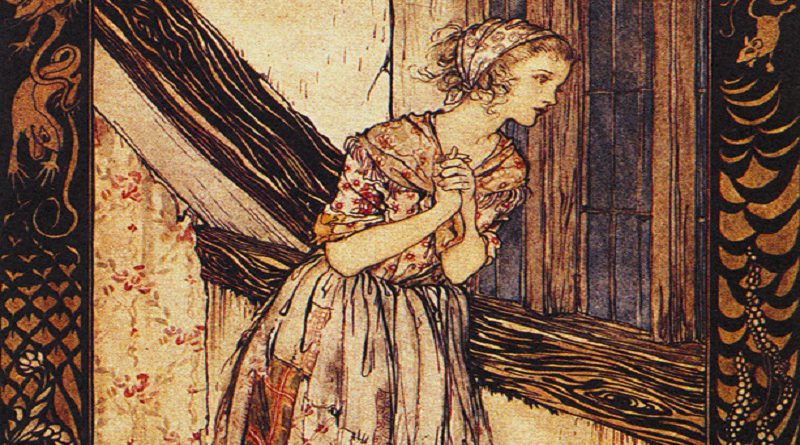
The next big fairy tale comes from the french original of Cinderella, also documented by the Grimm brothers. In this book the father never disappears, but is complacent in letting his second wife and stepdaughters turn Cinderella into a house servant. She works all day and all nice, cleaning the fire place, and doing other chores, and must sleep next to the fireplace at night, covering herself in ash and dust. She was given the name Cinderella, as a way to taunt her. Everyday she goes to her mother’s grave and weeps, and finds that a white dove hangs above her grave, granting her wishes.

On the dawn of the festival that the Prince was hosting, the stepmother forbid Cinderella from attending the ball, insisting that she was too dirty and embarrassing. Cinderella went to her mother’s grave and wept, calling on the bird to throw gold and silver down upon her. For three days she called upon the bird to dress her extravagantly, attending the ball and gaining the sole attention of the Prince. She keeps evading the Prince so that she couldn’t be recognized, but on the third night, the Prince had set a trap, causing her to lose one of her (golden) shoes.

The Prince decides to use the shoe to find her, and goes to the house of the Evil Stepsisters. They both try on the shoe, the older one cutting off her big toe and the younger one cutting off her heel to fit in the shoe. The Prince initially takes each one, only to be turned around by birds. Finally, despite the protest of her family, the Prince places the shoe on Cinderella, and realizes it’s her. They host a wedding, and the Evile Stepsisters try to go to Cinderella to gain her favor, only to have their eyes poked out by pigeons.

The third classic fairy tale I’m going to talk about is Sleeping Beauty, or Sun, Moon, and Talia. In the story, there is no slighted fairy (that would come in later versions), but rather a horoscope cast that she would face danger at a spinning flax. Aurora (or in this case, Talia), finds an old woman spinning as a teenager and asks to be taught how to spin. She gets the flax trapped in her thumb, and falls into a deep slumber, one that she cannot be woken up from.

She is left in the palace seemingly abandoned but attended by fairies, when one day a King stumbles upon the palace while on a hunt. He climbs a latter into her room, and is stunned by her beauty. After trying to wake her initially (unsuccessfully), he decides rather to rape her and be on his way, forgetting about her. Nine months later Talia gives birth to twins in her sleep, one boy and one girl. One of the children, trying to find her breast, actually sucks on her thumb, sucking the flax out and waking Talia up.

Not long later the King comes to see her again, and is joyous at finding her awake and with children. They fall in love after a few days, and he leaves again, promising to take her and the children with him next time.

The King’s first wife, realizing what has happened, plots to have Talia and the children killed, but is ultimately unsuccessful. She had ordered the twins to be cooked up and served to the king, but the chef, being kind-hearted, keeps them alive. She also tries to have Talia burned alive. But the king appears just in time and has his wife burned alive instead, marrying Talia and living with the children.

Remakes and Sequels in Hollywood, and How it’s Not a New Thing

The common phrase that pops up when someone mentions Hollywood nowadays is that Hollywood has run out of ideas. This phrase comes up in particular when constant remakes and sequels comes up, mixed with only a sprinkling of original movies. However, the modern situation isn’t new. In fact, it’s not only been an old tradition in Hollywood, but also Nollywood and Bollywood as well.

Ever wonder about all the sequels to Alien, Godzilla, and other films? Not the modern connections, but the ones that go as far back as the 1950’s? The many romantic comedies that came out during the 1950’s and 1960’s? Remakes and sequels have always been a quintessential part of Hollywood, since it’s inception. The sequels in particular, come when a series is popular- Hollywood is a business, and will run with a popular idea until it dries up. Such a tactic is not modern, nor unique. It has been happening.

Remakes, on the other hand, are usually made when a director decides that there is something to be improved upon in the original film, something that can be different. Of course, this choice is not always for the better, as we’ve seen with the remakes of Clash of the Titans and Willy Wonka and the Chocolate Factory. Usually, though, a director or screenwriter wants to improve on the story, and tries to portray their vision of how the film should be. This has worked, even, with the 2015 release of Mad Max: Fury Road. The films were an original series of films in the 1980’s, revamped in order to try an alternative story route, one that actually worked.

On top of the remakes, Hollywood has had a long history of taking from books and myths, despite the modern criticism that Hollywood only does it to get a guaranteed fan base. Characters such as Dracula and Perseus have found themselves on the big screen on multiple occasions in multiple forms, adapting them and re-adapting them to try and make a take on a story or myth unique. Especially from the 1970’s through the 1990’s with movies such as Psycho, the Shining, and Silence of the Lambs, all of which being smash hits, the tradition of bringing books to the big screen is nothing unheard of. Shakespeare has found his most famous play Romeo and Juliet in multiple movie retellings. Hell, just about all of Disney’s 2D animated films are based around different fairy tales (and even some 3D ones, such as Frozen and Tangled). To say that based off the fact that Hollywood makes films from stories and books is the key to showing that it no longer has originality is a farse.

Now, if you’re keen on the international films industries, you might be saying that they’re much more original. Now that may be true in some cases, you will find the retelling of famous stories and legends in Bollywood, Nollywood, and K-dramas. They do the same thing as Hollywood. Plus, they straight up make remakes of Hollywood films as well. Movies such as Resevoir Dogs, the Godfather, Silence of the Lambs, and When Harry Met Sally all have successful Bollywood remakes, and Nollywood is pushing to have a TV show based around Black Panther. To say that they don’t pull the same tactics as Hollywood would be ignoring a portion of their production system.

This isn’t to say that Hollywood is in the clear, however. Large companies often get trapped in the idea of making remakes or sequels, hoping to gain an automatic audience (increasingly without success). They’re trying to play it safe, but that’s clearly not what the audience wants (i.e: the box-office flops of Solo and the Mummy). People want more unique films to come back into Hollywood, and as usual, Hollywood is going slow in its response. Hopefully, however, it does respond soon.

The Adventures of the Bland Male Protagonist

I’ve already written a bit about some of my qualms with tropes and stereotypes of female protagonists in the past. However, I haven’t spent any time to talk about perhaps one of the biggest tropes among male protagonists that irks me: the boring hero.

What do I mean by the boring hero? I mean the guy who is in all the action movies and shows that has the same boring and bland personality and backstory, who always becomes the hero and saves the day. He has nothing unique to offer the viewer except that he’s insanely muscular and attractive (but then that becomes a bit unoriginal when that’s how they all look), and is usually just a gritty tough macho guy. He kicks ass and gets the girl, although he doesn’t really provide anything to make the movie or show worth watching.

What makes them stand out to me even more is that usually they are the least interesting thing about the movie. They are the stars of action movies and shows, the ones who keep the story going, and yet everything around them is infinitely more interesting than them. Their personality is like a black hole-they suck the life out of the movie. Literally.

The Boring Hero is seriously one-dimensional; he has no unique background, and he has no character development as the story goes on. Even the female love interest is more interesting, and she has almost the same cookie-cutter personality as the male protagonist. He never gets fleshed out, which drags what might have been an otherwise good movie or TV show down hard.

The Boring Hero doesn’t provide anything of real value to the movie. They seem to stay in place while the story goes around them, despite being the central focus. And they always have that one grand “epiphany” moment, that changes their course and turns them into a hero, with cool music following in the background. But the epiphany is a quick, fleeting moment that almost never appears again. It’s not even a real epiphany, but rather him deciding to act in the typical heroic manner.

The sad part is, this trope even appears in amazing films. Films such as Avatar have been able to hide the fact that the main protagonist is insanely bland and boring through the amazing visuals and characters around them. But that doesn’t change the fact that the main protagonist is so generic that he just becomes another character that the viewer forgets within a week.

Is this trope dying out? No. It’s still strong and present, coming out in films as recent as Solo. Each time the boring hero makes an appearance, there is always something (very, very small) that is supposed to mark them as insanely unique and deep characters, despite them still being bland and generic. A lot of action films and shows want to try and promote themselves as “unique” and “noteworthy”, without putting any effort to actually flesh out their protagonists, particularly the males. It’s a trope that’s gotten old years ago, and definitely needs to kick the bucket.

A History of the Mouse that Roared

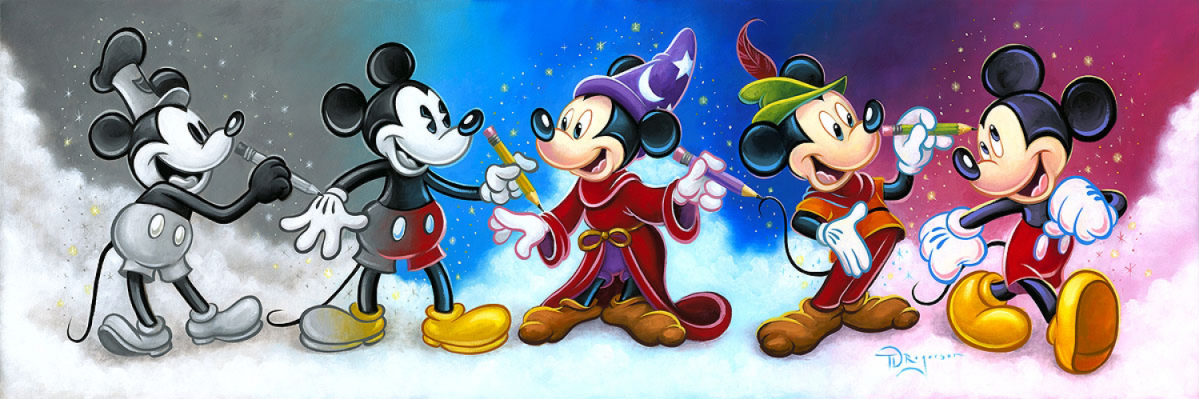
On November 18 of this year, Mickey Mouse turns 90 years old. This mascot of Walt Disney Studios has had a long history, changing from his original form to his current squat and recognizable version. I thought I might provide a little history on this famous mouse, commemorating all that he has contributed to the Walt Disney brand.

Mickey Mouse’s story doesn’t start with himself, however. It starts with a cute little rabbit. This was Oswald the Lucky Rabbit, created in 1927 by Walt Disney when Disney Brothers Studio was just another part of Universal’s animation branch. He was an instant hit, and a star of Universal’s animation sector. However, when Disney met with Universal to negotiate another contract in 1928, he found himself in a position where all his employees had been hired away and the rights to Oswald had been ripped from him. He had been offered to become an employee for a lower salary, but had refused, leaving with loyal animator Ub Iwerks to find a replacement for Oswald.

They made a new character, a mouse, who originally went by the name of Mortimer. But the name didn’t last, and by the time of his debut, he was Mickey.

Now, Mickey wasn’t an immediate hit like Oswald. In fact, his first two shorts drew almost no attention. However, Disney made a big break with the release of Steamboat Willie, the first animation to have synchronized music and sound, on November 18 1928. Within a matter of months, a line of animated shorts appeared, and by the end of the year Mickey Mouse was a national fad. Walt Disney began lining up Mickey Mouse merchandise, and within two years the Mickey Mouse Club was up and running.

Mickey Mouse in his original form was more round, which limited the amount of movement that he had in animation. However, in 1935 animator Fred Moore gave him a more pear-shaped body, pupils, white gloves and a shorter snout, making him more dynamic and cute. This appearance made its big appearance in the Sorcerer’s Apprentice, a musical short that appeared in 1936’s Fantasia.

By the end of the 1930’s, Mickey Mouse had been in dozens of shorts, having starred in countless adventures. His popularity would continue throughout the 1940’s and into the early 1950’s, when major motion films such as Bambi and Sleeping Beauty began to take audiences by storm. With the rise of the “Golden Age” of Disney films came the fall of the popularity of Mickey Mouse. Starting in 1953, Mickey Mouse would be entirely out of commission until 1983, with the release of Mickey’s Christmas Carol.

Despite this decline, Mickey Mouse is still one of the most recognizable animated characters of the 20th and 21st centuries, still maintaining a whopping 40 percent of merchandise sales, and still appearing in popular video games such as Kingdom Hearts. He is the face of Walt Disney, and more generally Disney itself, maintaining a permanent presence. He is a small mouse with the voice of a lion, making himself known wherever he goes.

Hollywood vs. The Gladiators

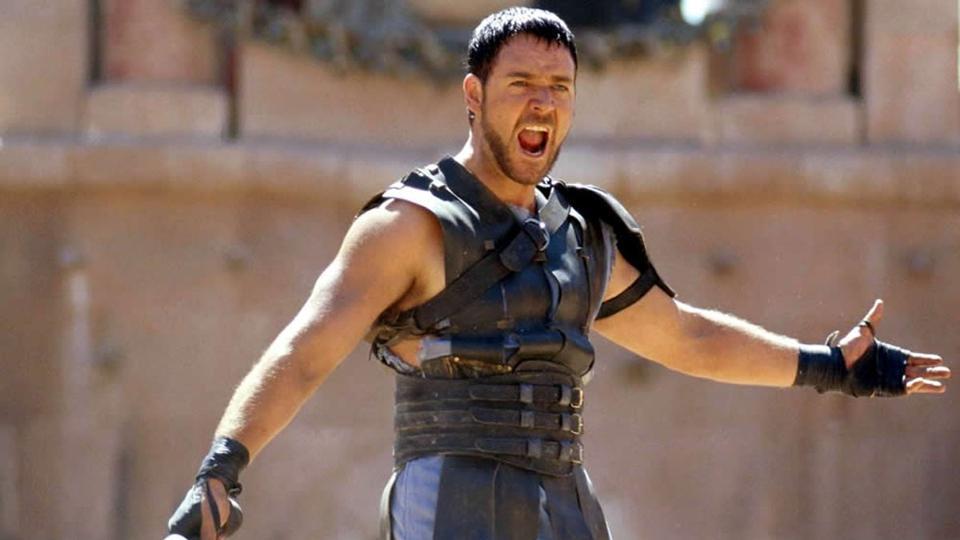
As with everything, Hollywood likes to take creative liberties with how history works. This is especially true when it comes to Rome’s viciousness and Gladiator fights.

The big thing when it comes to Gladiator fights in the media is the idea of fighting to the death. There are even jokes made about it, the famous emperor pointing his thumb down being a staple in parodies, music videos, and other satirical scenes to call for the death of the loser. Another big image is the idea of the malicious emperor always being defeated by his champion being killed, signalling the victory of the good guy. Plus, usually the gladiator fights depict a fight to the death.

In actuality, though, gladiator fights were almost nothing like the sort. In reality, only around ten percent of gladiators actually died in battle, either from fighting animals or receiving wounds that were too severe to be healed. Gladiators were expensive to invest in, always being put through gladiator training. Investors and sponsors spent a lot of money on each gladiator, and to lose one was to lose quite a bit of money. Mercy was often granted especially, in order for the gladiator fight to be fair and more balanced. If a gladiator was tired or already wounded, he would be put at an automatic disadvantage over their opponent.

Gladiators were also like the rock stars of ancient Rome, something that wouldn’t happen if they died all the time. They could become insanely wealthy, buying their freedom (if they came in as slaves or prisoners of war), and living in the life of luxury. There are even tombstones of gladiators who were able to retire and live a long life.

Rather, gladiator fights were ended when one gladiator was able to hold a sword to the other gladiator’s throat, or get him in some position where he can no longer fight. That isn’t to say these fights weren’t brutal; like I said, some could sustain injuries bad enough where it killed them. But this was not all that often.

With the image of the sinister emperor controlling the games, almost every emperor attended the gladiator games, good or bad. He would sit in a booth along with the six Vestal Virgins who guard the eternal flame that “keeps” Rome alive. Another thing to note: there are only six Vestal Virgins at one time. They are dressed all in white. If you see lines of them, it’s not accurate.

Besides, the emperor didn’t have all the power in the world. The Senate got a nice set of marble seating not far from the main stage, nearby his private booth. The emperor may have some say in the fate of the battle (granting mercy before the fight), but he usually just sat by. Gladiator fights were for the entertainment of the people, not just the emperor.

How to Win Back a Girl’s Heart: “Change”

In almost every romance, there is a portion where the guy must “win” the girl back after betraying her in some way- either acting like his normal playboy self or just doing something stupid. And just about every time, he does get her back, usually by apologizing or doing something to show that he’s “changed”. But has he really changed? In some instances, the previously reckless male character does actually show a change in attitude or behavior that would warrant a yes. But most often, it’s a big fat no.

In order to examine how the guy hasn’t changed, we must first understand how the typical main guy in a romantic movie starts out. He is most often the reckless playboy, who parties and sleeps around with whoever he wants. He goes to parties, maintains a decent job, and usually an apartment to himself. He doesn’t really care about anyone but himself and his best friend, who always tries to get him to “find a girl”-to which the man always shrugs the suggestion off with a playful scoff.

But then he meets the girl of his dreams. She’s a much more lax person, someone who doesn’t really like to party, or sleep around. She’d rather sit at home and watch a movie marathon, or read a book. She isn’t affected by the guy’s flirtation, which immediately peaks the guy’s attention. He has to find a way to impress her.

After the first time he meets her, they start meeting by chance. After a few times, they finally decide to hang out with each other on purpose. Maybe even date. The guy seems to be settling down. After a few months, he seemed to have changed.

But then he does something stupid. Either indirectly, or just a stupid action he decides to do. Girl finds out, and ditches him, heartbroken. Boy does something to make it back up to her, and they end up getting back together at the end.

Now, this isn’t always how the story goes. In The Big Sick, Kumail wasn’t really a partyer, but a nerdy comedian whose parents were trying to marry him off to a Pakistani girl. This is the point of conflict for his relationship, and he remedies it by sticking up for himself and spilling the truth to his parents. In this situation, he does change. However, in most other situations, the guy doesn’t really have a meaningful change. While he does settle and stop sleeping around, that’s not really giving something up. That’s just getting into a monogamous relationship. Usually the partying also dies down as a result, but that’s usually from finding else to pass the time and satisfy the need to do something. The behavioral changes are not because of an actual effort placed in-just the indirect results of deciding to date someone. There is nothing of real value to it.

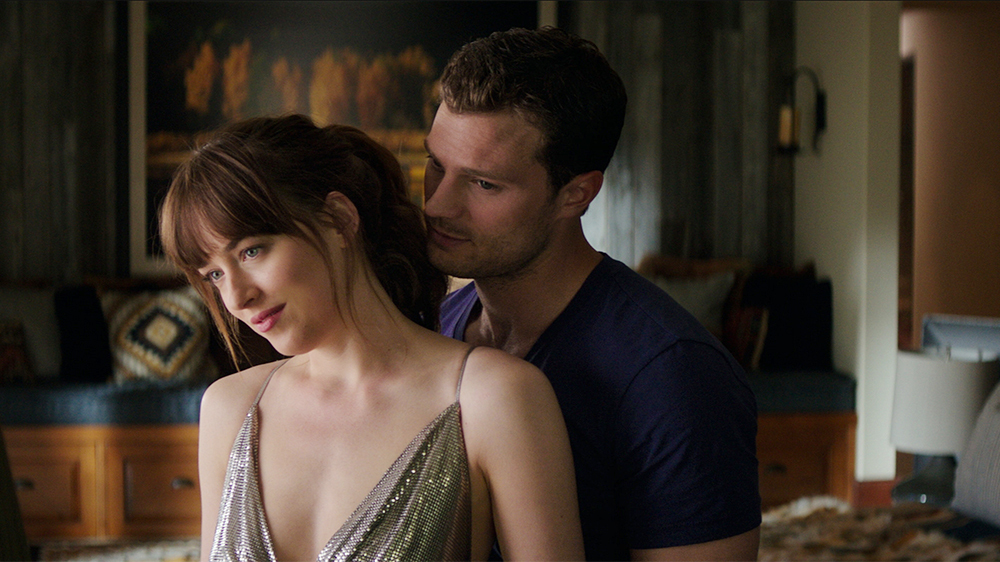
The biggest example of this is the 50 Shades of Grey trilogy. In this case, Christian Grey starts out as a young billionaire who liked to exercise control in everything, rather than the reckless party guy. Anastasia breaks up with him, upset by his violent urges when it comes to BDSM and domination in her life, and he wins her back by promising to change. I’ve only seen the first two, so I will focus on his portrayal in the second film.

To summarize my argument before it starts, let’s just say this; he doesn’t change. His possessive behavior merely shifts, to be controlling in certain ways, but in aspects that almost don’t seem noticeable, who can claim that she has more “freedom”. He buys the publishing company she works for while arguing it’s a business investment, he happens to be in the right places at the right time, and he has the money and power to get people at her work fired. He is a prime example of the faux change that people fall for.

La La Land, and the Harsh Reality of Making it in Show Biz

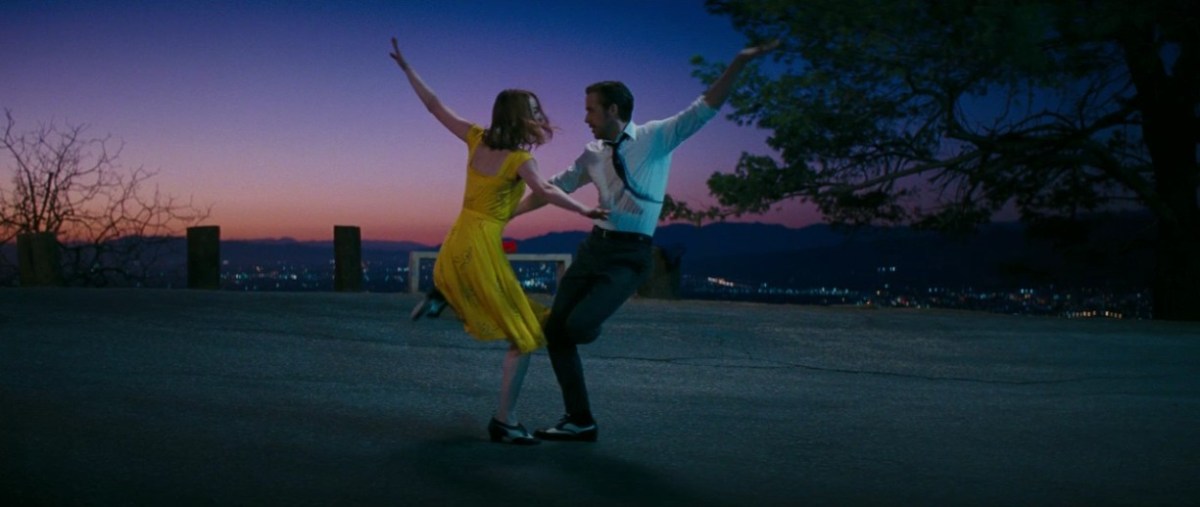
Although La La Land came out a few years ago, and ended up pretty fairly for the main characters (maybe not romantically, but employment-wise), it was a movie that did shed some light on some of the harsher realities of trying to make it in the show business. Whether in music or in acting, show business is a job outlet that attracts many, many more people than it will take in,becoming the golden egg that everyone is searching for. Every one who comes wants to become one of the stars, but not everyone can achieve that-in fact, it’s almost impossible to.

There is a less than one percent chance that people who try to enter show business, as either a musician or an actor, will actually make it to stardom. As La La Land shows, trying to even start in the business if tough. Working minimum wage jobs while trying to apply to as many roles as you can, going to audition after audition, and often being met with rejection. Even if you do get the role, you might run the risk of becoming a “one-hit wonder”, where you get one big role and never appear again. The lucky event that you make it beyond that are slim.

Also in the film is the idea of romance and show business. *Spoilers* Their romance ultimately can’t continue because it would interfere with each other’s dreams. If she became an actress, he would have to give up the dream of running a jazz bar. If he became a famous musician, then she would have to give up on her dream of becoming an actress. Couples trying to achieve different forms of fame ultimately cannot work, without one having to give up their dream to take care of the family. You can’t have both a relationship and reach for fame. This isn’t to say that actors and musicians can’t have relationships-only that to try and both get into the show business while starting a relationship is almost a guaranteed lost cause, unless someone is willing to give up the aim.

Plus, if you get in a relationship after you get famous, you have to be really careful in order to make it last. Usually the relationships that are never broadcasted all over the place seem to go unscathed, although cheating scandals come out all the time. These scandals can be especially prominent if you aim to be in the paparazzi’s light all the time (yes, you choose when you have the paparazzi around; it’s illegal in California to take a photo or record someone without their permission). Those who don’t want paparazzi around never appear in the tabloids for a reason. Even Jay-Z cheated on Beyonce, something many wouldn’t fathom ever doing. And if you were wondering if that album was done as a publicity stunt, it wasn’t; he made an album apologizing for it. Plus, trying to date someone who isn’t famous can be damaging, as you’re not only easily recognizable, but then attention would be brought to them, and not always positive. Like I said before, a relationship in show biz isn’t impossible, but much more difficult than it would be otherwise.

The Odd but Refreshing Creativity of Kid Films

Hollywood’s big-budget movies have fallen into the trend of being either a sequel, or entirely not creative. The creative and unique movies seem to be released purely to be nominated for Oscars, drawing a great amount of criticism and the phrase that “Hollywood is unoriginal”.

While this may seem true for the most part, there seems to be a faction of Hollywood left untouched by the trend- kids’ movies. Despite being meant to entertain children with a set happy ending ever time, I’ve noticed that these films take a variety of creative routes and themes to get there. I would even go so far as to say that they display a human variance that almost never appears in other films anymore. Despite knowing how the ending goes, I am always surprised to see what paths are taken to get there.

Kids films place forth unique ideas (well, for the most part), with settings ranging anywhere from Norse dragons to Polynesian Gods, taking risks with entirely original stories, pushing the boundaries without worrying about the risk of failure. It makes each film that much more refreshing and enjoyable. It allows people to get so much more invested and interested into the film.

I will say there are exceptions to this, however. Angry Birds and The Emoji Movie are the two big ones that I could think of. Also, sequels that are deemed unnecessary (cough cough Toy Story 4) can fall under the trap. While many modern kids’ films are original, that isn’t to say that all are.

Flying in a Plane in the Movies vs. Flying in a Plane in Real Life

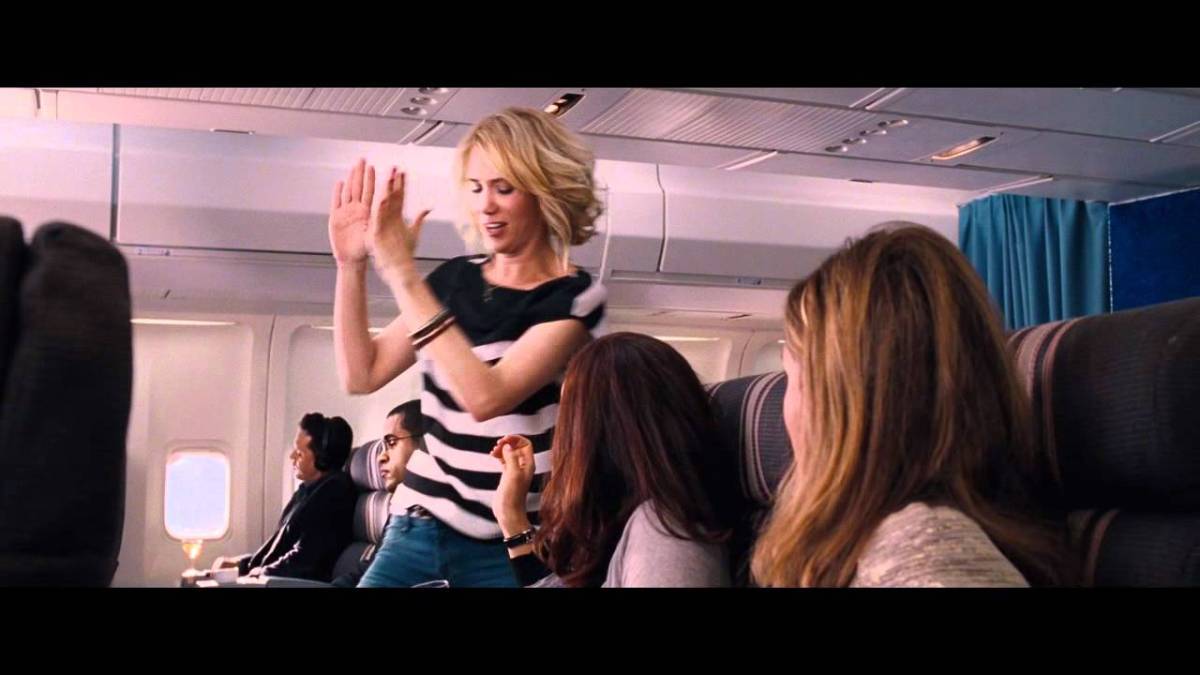
Whenever flying is displayed in the movies, they are glitzed and glammed up to be something magical. Excited people gleefully sit and party on the plane, going to a new country with their hair done perfectly and their outfits expensive. They’re ready to party in whatever place they go to.

The reality of flying a plane is, however, boring and gross. If you fly anywhere beyond an hour, flying is painfully boring, with the occasional infant screaming their head off over who knows what. All your dirt and oils start to build up, especially on long flights. Combine that with the germs and dirty seats of the hundreds who sat in it before you, and you’ve got a breakout coming on. It’s a guarantee to not looking glamorous when you get off.

Plus, you don’t want to wear nice looking clothes on a plane. Yeah, it’s a good-sounding idea to come off ready to go like in the movies, but the reality is you’ll be really uncomfortable. It’s better to just wear looser pants if you can. Sitting in skinny jeans on a 10 hour flight is one of the worst things you can do. Also, wearing clunky jewelry probably won’t make you feel any better.

Besides, no one is loud or getting buck-wild with booze like in the movies. Everyone is pretty quiet, especially on planes that have overnight time differences. People would get mad at you really quick. You just watch movies and make a few comments hear and there, but otherwise there is nothing really going on. Especially if you’re in coach, which most people in the movies are. It’s only the rare moments when the character is shown a new rich life and gets impressed that the person flies either first class or in a private jet. For the rest of the folk, though, they get shown in a clean, spacious coach, when 99 percent of the time that’s not the case. They’re not unclean, but unless they’re new they’re guaranteed to have not been deep cleaned in a while.

Should Horror and Suspense Join Forces?

What ever happened to the days when horror was complex and slow-building? Now it seems that while some films shine the light on pure horror, most rely on just jump-scares and quick emotional turns. They’ve become cheap and cliche (especially the ones centered around the paranormal).

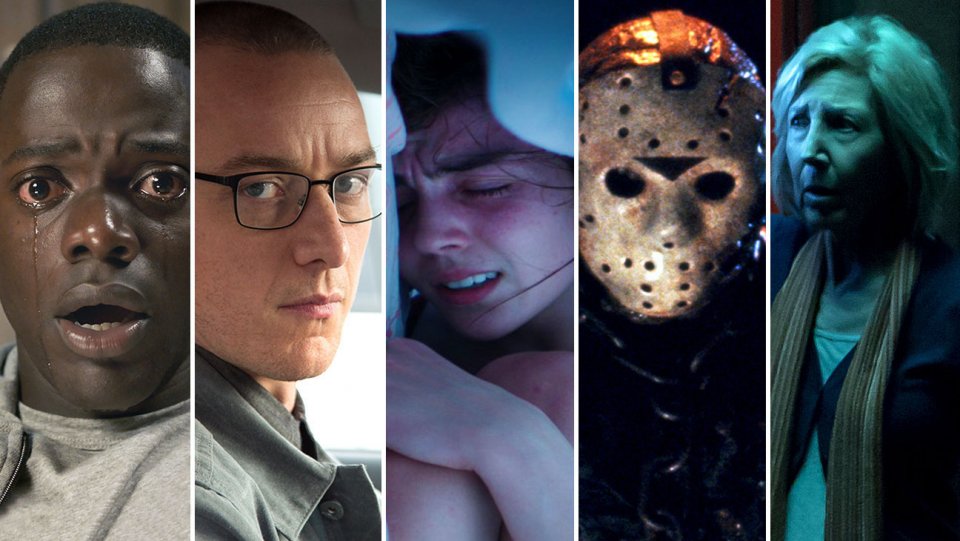
Some recent horror films, however, seem to be incorporating more long-term suspense as well. Get Out and A Quiet Place both seem to contain elements of both horror and suspense, making both movies more complex and intense. The feeling of horror is extended, and while there are a few jump scares, those aren’t the main horror aspects. They possessed another element that gave them a memorable edge.

Now, adding elements of suspense isn’t anything new. In fact, they are so often mixed together that they are practically inseparable. But over the last decade, many horror films have lost their “suspenseful” edge. In fact, it’s gotten to the point that when a movie is classified as “suspense”, it’s short-lived, and almost like a quick moment in the movie. Many films have simply become one-dimensional horror.

But at the times when suspense is fully utilized, it works really well. The best example I can think of is Guillermo Del Toro’s Crimson Peak. The film slowly built it’s horror aspect, building a long-term suspension that grows throughout the film as the audience slowly learns of the horrors of the Sharpe family. While the film did have its “innocent and overly naive” protagonist moments, it takes time to develop the horror, being both obvious and vague at the same time. It fully takes advantage of the suspense factor, making it a standout horror film.

The same situation happened with Jordan Peele’s Get Out. The film builds its horror, but this time it leaves people in the dark until almost the end, giving more room to build suspense and anxiety as the audience tries to piece together where the source of the horror comes from. The clever use of suspense is what caused it to be so good, and memorable among audiences.

So, should horror and suspense join forces? They’ve already done that before. Rather, it’s time they re-join forces, so that horror films can go back to its roots, becoming the fully -formed and artful genre that it once was.

Attack of the Hybrid Dyno

The Jurassic World series seems to be obsessed with introducing a hybrid dinosaur in each of its films. It’s incorporated in various different ways, either being entertainment (in the first film) or a cool new pet (in the second film). Both times, they are a combination of various predators (never the gentle herbivores), and both times, they get out and try to kill everyone.

Which, isn’t necessarily bad. It can make an interesting point. But can it be done without making a copy of the original hybrid?

No kidding, the hybrid dinosaur in the second film is supposed to be an edited version of the hybrid dinosaur from the first movie. When I say edited, I mean with some more velociraptor DNA (to make it obedient?), to try and improve from the fiasco from the last film. Couldn’t they have done something else? They had the potential to make it more unique. But I guess if you have the legendary hybrid dinosaur that destroyed Jurassic World as a pet, that would be a pretty good bragging point.

The only problem is, it is pretty much the central focus of the film, like the last one. In the original Jurassic Park series, each film had a different plot (centered around the island, but with very different story lines). This series, however, while it does add certain elements that make it unique, it still focuses around a hybrid dinosaur. And the same kind of hybrid dinosaur. Which kind of limits the opportunities for creative opportunities.

Incredibles 2 and Legend of Korra: Shifting with the Times

I got to see the Incredibles 2 last night with my friend, and I have to say it was a very good film. I did notice in watching the film, however, that there was quite a bit of appeal to the people who were kids when the original Incredibles came out. Because of fourteen year gap between the films, most, if not all of the people who got to enjoy the first film are now in college or beyond (myself included), and have the potential to be the biggest source of income for the movie. And while of course there are elements in kids’ movies that appeal more to the adults, Incredibles 2 seemed to appeal to the older kids more than usual.

Which, makes sense. Like I said, there is a fourteen year gap between the release of Incredibles and Incredibles 2, and the people who would want to see the movie the most are in or out of college already. That gives the freedom to add more “adult” elements, while still calling it a kids’ movie.

The same event happened in Legend of Korra. The show, which was a sequel to Avatar the Last Airbender, brought in darker, more adult elements, appealing to the fan base who watched the original show. Although it was only a four year gap between the two shows, the generation who watched the show had grown quite a bit since the first episode. Plus, with Legend of Korra having a total of four seasons, the kids continue to grow into adulthood. If you contrast this from the Last Airbender, you’ll notice the original show was much more lighthearted in nature, and Korra is more gritty (even the styles are different, the original having more roundish characteristics, and the latter having sharper more realistic imagery).

Both the movie and the show hold the task of appealing to their old fan base, while still attracting a new, younger fan base. It’s a balancing act, having the freedom to stretch beyond the traditional limits of kids’ media while at the same time having to maintain some semblance of it. It’s a difficult task, one that these media seem to do well.

Movies my Dad Wants to Watch with Me

My dad has a list of movies he wants me to watch with him. They’re all renowned films, and every year that I go without watching them, the more annoyed he gets. So for father’s day, I thought I’d share a quick list of the movies he’s dying to get me to watch since I was fourteen.

Lord of the Rings: Return of the King (2003) Extended edition. Why only the third one? Well, I was barely able to get through the second extended edition, which felt like it took five hours. I’m the kind of person who struggles to sit still for a long period of time, and when my dad told me the third one would be longer than the second one, I knew I couldn’t take it. It doesn’t matter that it won an Oscar. The extended edition is for those who are die hard Lord of the Rings fans.

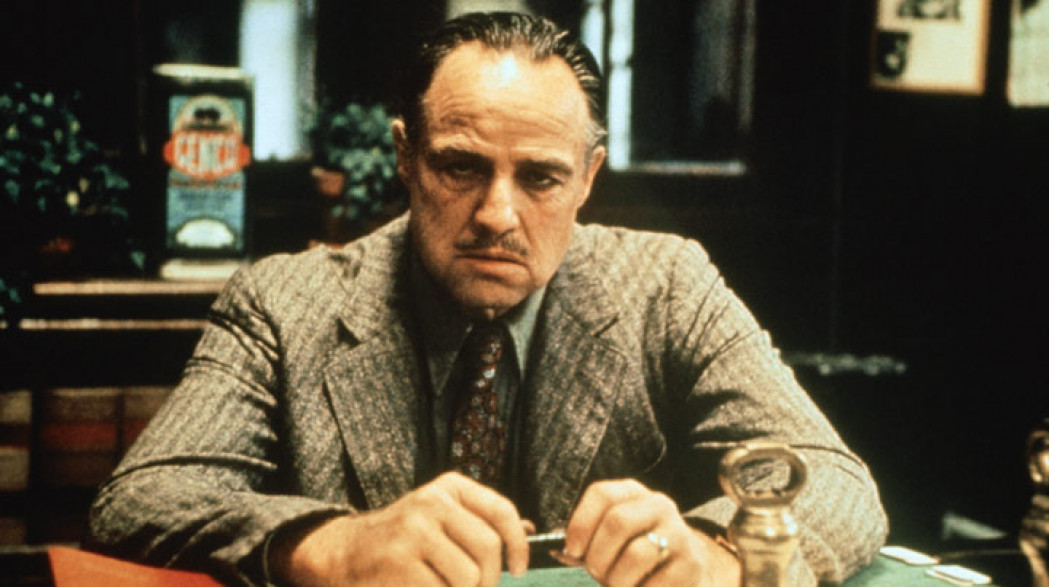
The Godfather (1972) was one of those movies that I was actually interested in seeing, but never got around to watching. It’s a cult classic, based off the book and centered around Mafia crime in New York City. It takes place in the immediate post-WW2 era, and deals with the dirty politics of organized crime at the time when it was transitioning to Las Vegas. There have been countless media references made to the film, and my dad repeats lines to the point where I hear them in his voice. It’s not his all-time favorite, but it’s up there.

Crouching Tiger, Hidden Dragon (2000) is another film he wants me to see. My dad took martial arts when he was younger, and was all into Jet Lee films (we had many VHS tapes of them). But this film, released in 2000, is the fighting film that he mentions the most. Taking place in 18th century China, centering around the two characters Li Mu Bai and Yu Shu Lien, who must find and stop the character known as Fox. Why haven’t I watched it yet? Well, my dad never explained the film enough for me to be interested in it.

The last film that I’m going to put on this list is Jaws (1975). I don’t think he wants me to watch it for any reason other than to try and make sure I never swim in an ocean again. Although, with the changing technology, I don’t think that will happen. The film takes place on Amity Island, where violent and fatal shark attacks are popping up, causing an investigation and a bounty to be place on the shark involved. This leads them to discover a megalithic shark with a taste for human flesh, and must try to kill it. I never had an interest in watching this movie, although again, I understood all the references to it. It’s one of those things that are better left unwatched.