California Expands Film Credit, Adds Animation for the First Time

On July 2, 2025, California Governor Gavin Newsom officially approved the expansion of the state’s Film and Television Tax Credit Program, standing alongside labor representatives, entertainment leaders, and state officials. The program, first started in 2009, offers tax incentives for entertainment companies that choose to film in California. It was enacted as a way to try and counter-act the trend of productions leaving not only Los Angeles, but California as a whole, and has been successful to an extent in bringing productions.
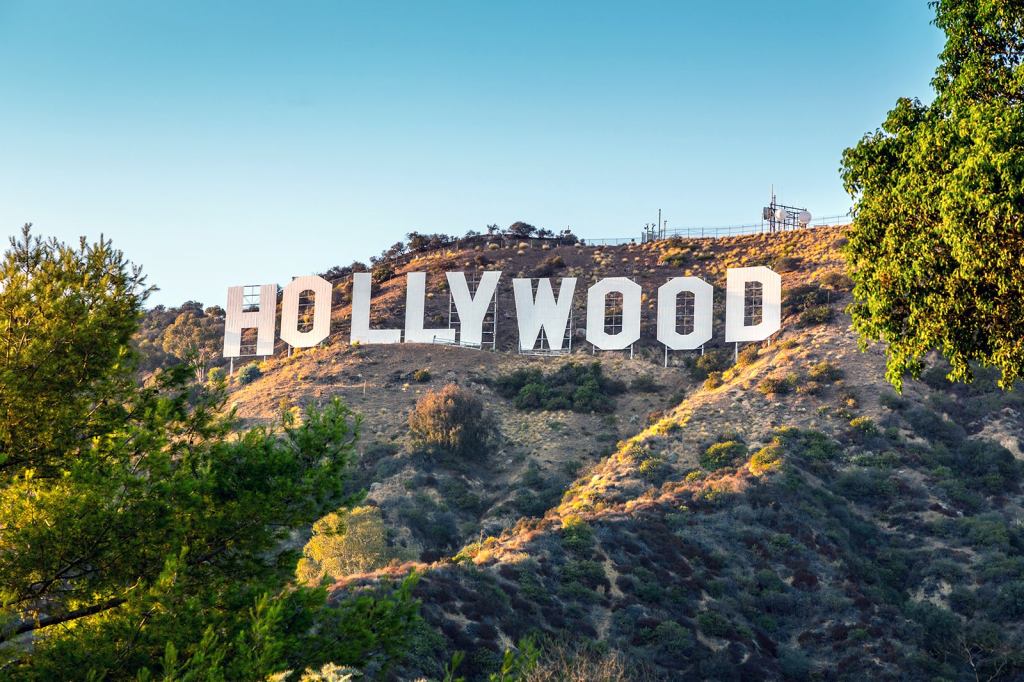
The Hollywood sign in Los Angeles

However, the credit program was far from perfect. In its most recent phase, it offered up to $330 million in a “first come, first serve” basis. Projects that were the quickest to get up and running could get their hands on the tax credit, while those who were slower missed out. This factor created an unfair playing field, with larger more established studios rushing to get their share for readily available projects while smaller studios struggled to catch up. Even worse, there were no separate categories for who could get the tax credits, meaning that animation, which is generally much slower to ramp up than live action, was basically entirely shut out.

Not only that, but as companies found themselves missing out in California, other states and other countries began to offer better and better incentives, which swooped in to sway the companies to go to them. This led to a “production drain” in California that progressively worsened, reaching its peak in the 2020-2024 period. Paired with covid and strike-induced shutdowns, and company cutbacks, and the unemployment rate for entertainment production workers skyrocketed to being one of the worst in decades.

The solution to this problem? The program needed massive changes.

And change it finally has. The process first began on October 27, 2024, when Governor Gavin Newsom suggested a massive overhaul to the Film and Television Tax Credit Program, raising the credit limit to a staggering $750 million per year, more than double the existing limit. If such a change were implemented, it would skyrocket the state’s tax program to be one of the most generous of any state, surpassing New York’s $700 million and only being beaten by Georgia’s limitless credit program.

At the time, the change seemed like a wonderful, but far-fetched dream. California’s budget was tight, and with how bad the state of entertainment was, there was great fear that it was coming too little, too late.

But in 2025, the state legislature began to work with labor unions and entertainment leaders to flesh out the expansion. In June, the legislature passed the expansion with an overwhelming majority. And as of July, the bill is now officially approved.
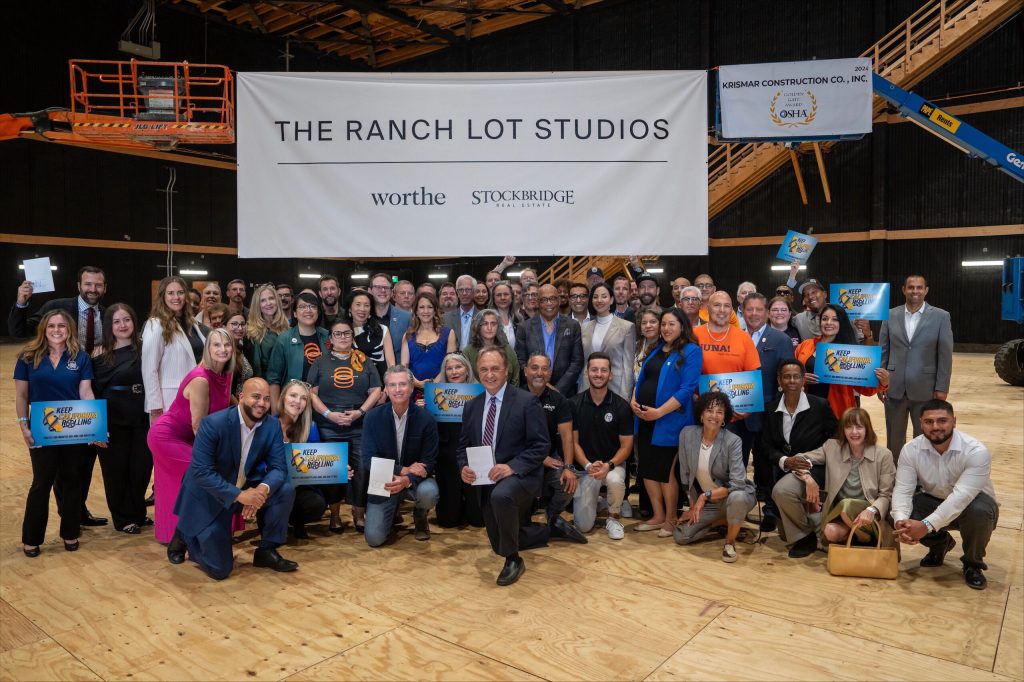
Newsom poses alongside labor representatives, entertainment leaders, and state officials after the passage of the expansion.

But a mere expansion wasn’t the only new element of the program. Alongside it came further adjustments in regards to how the new funds would be allocated, with animation given explicit allocations to prevent any more shut outs. Not only that, but the expansion will also now work to support the film-making ecosystem as a whole, including post-production, scoring, and VFX, which relies heavily on in-state labor.

These new changes are a much-needed adjustment, making the playing field more fair but also allowing for more productions to get their hands on the tax credits and prevent them from having to move out of state. With hope, the new expansion will also help encourage companies to greenlight new productions by helping with budget shortfalls, and help with reducing the unemployment rates for entertainment production.
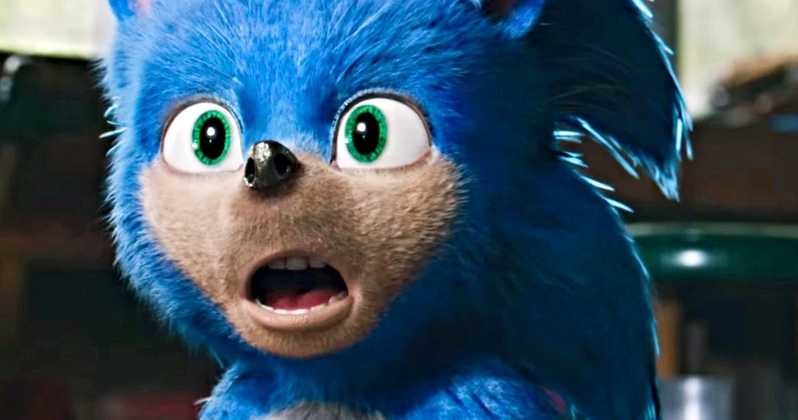
Director Pushes Back the Release Date for the ‘Sonic’ Film

This past weekend, director Jeff Fowler announced that the release of the Sonic film to February 14, 2020, three months after the originally planned release date.

The announcement brought relief to the art and animation communities, who had been anxiously searching for updates since the heavily demanded redesign of the Sonic character was announced. Messages of happiness from the communities rounded about social media, all of them positive towards the push back date. Even some memes were made, joking about how people could now take out their “hot date” to see Sonic on Valentine’s Day, noting that the release date now falls on the holiday.

Aside from the jokes and happiness, some artists and animators have pointed out the fact that Paramount actually listened to people’s demands to push back the release day and prevent their artists from being “crunched” and overworked, relating it to how the gaming industry, which is notorious for “crunching” their workers, now has no excuse to do so.

Both the movie and gaming industries have a long history in overworking their animators, arguing that the “crunch” was necessary in order to release games and films in a timely manner. Their claims for necessary “crunching” have previously been met with dissatisfaction, but begrudging acceptance, particularly as the animators did not have the legal protection to stand their ground. With the announcement of the push back, however, the “necessity” falls under great question.

Narcissists: Funny in Pop Culture, Awful in Real Life

There’s nothing like seeing family for the holidays that inspires you to write again. And no, fortunately most of my family are not narcissists (or narcs, as I’ll say throughout the rest of this).

What is a narcissist? There are several definitions. The most common version that we see of narcissism (which is coined from the name “Narcissus”, who was so in love with himself that he slowly starved to death) is narcissistic personality disorder, which can be diagnosed by a therapist. Someone with this disorder is manipulative, self-centered, has a victim complex, and is generally a wretched human being.

NPD is not the only form of narcissism that exists. There is a spectrum for those who have narcissistic tendencies, but generally don’t qualify as narcissists. It’s much more common and obvious to notice by outsiders (people outside the family), and are generally brushed off as negative traits.

So, I won’t go into any detail, but hanging out with family for the holidays got me thinking about the contrast between how narcs are portrayed in pop culture versus how they are in real life. Narcs in both film and television are often portrayed in a funny light. They’re self-centered, but that in turn makes them the but of the joke as if eventually works out against them. They are obviously bad people, who are bad at getting their way and only put themselves in embarrassing situations because of it. They are a perfect and easy way to add a joke surrounding the rudeness of people.

Narcs in real life, however, are awful and deceptive. They care only about themselves, and not about anyone else, including their own children. A good example of this kind of behavior would be to mention something I’ve witnessed. A kid was asked by an adult what they got for Christmas, to which they responded that they got nothing. Upon the adult investigating further, he found that this was allegedly because money was “tight”, according to one of the kid’s parents. Well, interestingly enough, this person had just come back from not one, but two trips, one on a cruise, and the other to Las Vegas.

The parent in question had also turned down a job offer (that would have offered great pay, great benefits, and a long-term job), in order to go on the cruise. Now that parent complains about not having a job, acting on the permanent victim-complex that narcs seem to have.

That was only a mild example of a narcissist. Scrolling through the subreddit r/raisedbynarcissists, I read about some of the horrors these people faced at the hands of their families, who were narcs. I won’t disclose any of these stories, as I don’t have permission, but I encourage anyone who wants to to view some of the stuff that these people must face.

The point of comparison is that narcs are hardly funny outside of pop culture. Yes, some of their behavior is odd and sparks a good bit of laughter, but for the most part, it is atrocious and scarring. They’re also manipulative, gaining favor and sympathy from others, which in turn turns them against the victims of the narc behavior. They’re not obvious in nature, which also contrasts from their pop culture portrayal, making it much more difficult for people to actually see when someone is a narc.

Watching the Meg: So Bad it was Good

Last night after coming home from class, I noticed my landlady and one of my housemates watching the latest shark movie the Meg. It was fairly early in the movie, so I decided to sit down and join them. I didn’t think the movie would be good, but I was entirely right in that assumption. But I have to admit, there was something about how bad it was that made it so entertaining to watch.

So, what is the Meg about? The whole plot is about a marine research group run by a private billionaire that accidentally allows a megalodon, the prehistoric ancestor of the shark, out of of the thermoclyne layer of the ocean (which is somehow locked in place by a freezing layer of water?). The megalodon, once free, begins swimming around, destroying boats and reeking havoc on the the researchers. The group works to stop the megalodon before it reaches the coast of China and kills hundreds in a lust for food.

Yeah, the plot already sounds ridiculous. It gets worse. The movie is filled with cheap and cliche dialogue, particularly between the main action dude (who is super buff and gritty, by the way), and the love interest. The dialogue made me crack up quite often, especially when they tried to use it to be emotional/dramatic. It was superficial and corny.

Expanding on that, just the interaction between all the characters feels so fake. Like, it was impossible to get into the characters or treat them like real characters fake. Their interactions were short and superficial, with no character development or deep interaction. When some of these characters reacted to their friends dying, I couldn’t feel anything because none of their interactions felt real in the first place. Even with the main guy’s ex-wife, I was rather confused about where they stood. They were still friends? But their marriage was kind of messy? I didn’t even know. They were all just barely fleshed out versions of stereotypes, or not even anything really at all.

And the romance they build between the main guy and the girl? God, was it weird. Whoever wrote the film clearly tried to make the romance super obvious. They even involved the woman’s eight year-old daughter, who basically gave the okay to having the dude bang her mom. That made my housemate cover her face with the blanket, and made my landlady laugh.

On top of all this, the film had lots of social commentary surrounding Chinese pollution and their process of de-finning sharks. Which, is good commentary, but kind of strange when paired with a movie all about killing a giant shark. I guess you could say the commentary means that the meg is just a metaphor for mother nature exacting its revenge, but that would probably be asking too much from this movie. But the commentary was obvious.

Yet at the same time, there was plenty of product placement. Nike, some watches (I don’t remember what brand), some cell phones, light up shoes, etc. The product placement was all over the place. And I’m going to bed all the brands featured pollute the environment in some way, which kind of negates the point of the commentary.

All-in-all, it was a bad movie. But I stayed and watched the whole thing, just for how entertaining it was. It was a pretty comical movie, even though I highly doubt it was supposed to be taken that way. I just couldn’t help myself. It was fun to see how bad it really was.

The Realism of Detective Pikachu: What I Liked vs. What I Didn’t

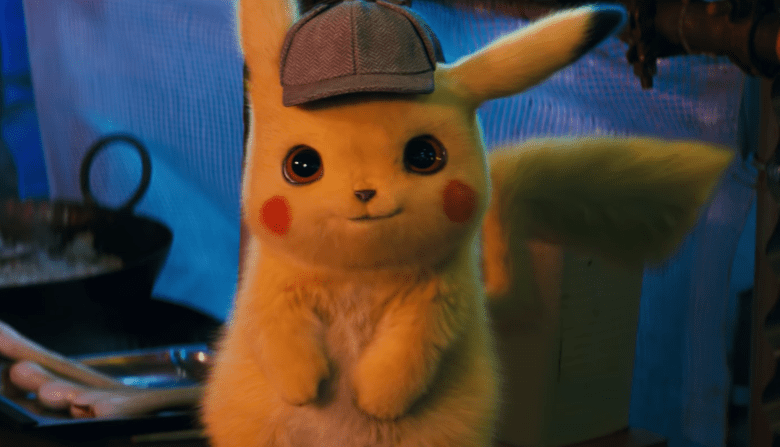
The new trailer for the live-action pokemon film Detective Pikachu dropped this week (completely eclipsing the Toy Story 4 teaser trailer and the Dumbo trailer), leaving fans and general audiences alike with mixed feelings. Some thought taking pokemon to a realistic level helped bring us one step closer to imagining pokemon in our world, while others thought the realism was both weird and unnecessary. I can’t say I lean either way, but I can say that there were some renditions that I liked, and some that I thought were God-awful.

Likes:

Pikachu- I have to say, they did make Pikachu look really cute, though I didn’t quite imagine him being that tall. He looks like his original depiction, but fuzzier, with cute wide eyes and small little arms. Even though his rendition might not be that difficult to transfer to live-action, I still thought they did a good job. I just wished Danny Devito voiced him.

Bulbasaur- In the trailer they have a pod of Bulbasaur crossing a river, and I have to say they all look pretty spot on. They’re cute, they’re reptilian, and I couldn’t find something inherently wrong with their rendition.

Charizard- We only get a quick shot of one trying to eat Pikachu in the trailer, but I thought they did a pretty good job depicting him as a fearsome dragon pokemon (though he is flying and fire type). From what I could tell, they did a good job in translating him over.

Don’t Likes:

Psyduck- There’s nothing exactly wrong, save for the fact that he looks like he’s seen some shit. Which, isn’t exactly an issue, especially as his cartoon form looks kind of the same way. But there’s just something about the live-action version that is just so much creepier.

Mr. Mime- I don’t like his skin. While I wouldn’t like him fuzzy, either, I just don’t like the way his skin is. His face, also, looks like someone took a Teletubby face and slapped it onto him, which I feel looks so much weirder. I never really liked Mr. Mime to begin with, and I especially don’t like his rendition in live-action.

Jigglypuff- Oh boy. What isn’t wrong with this one. First off, he looks almost exactly like this one meme made years before, where someone drew Jigglypuff as more “realistic”, and everyone laughed about how strange it looked. How horrified we were to find a shockingly similar image play in the movie trailer. Everything from his eyes, the tuft of hair, to the body in general just screams off.

Some Horror Favorites

I’m not going to lie when I say that for the most part, my favorite horror movies are almost all classics. I definitely prefer the classic thriller to the modern ghost story, mostly because most of the horror movies I’ve seen are just repetitions of the same plot. Of course, there are exceptions to this rule, hardcore exceptions, but I can’t help but turn towards the older films. I thought as a good way to wrap up my horror movie month that I would display four of my favorite horror films.

The Shining

For some reason, everyone thinks that this movie is overtly scary. While I would agree it has its moments, I would rather argue that its a layered and complex psychological thriller. This is especially helped by the fact that I watched it three times in three weeks at night when I was twelve. No nightmares came out of it, and I wasn’t deterred from roaming through my house. I enjoy the film’s cinematography, and how the story is structured. It spends most of the time slowly-building the father’s psychological deterioration, before culminating in the quick attempts at murder. The hotel is quickly developed as a source of evil and darkness, something the son, and eventually the father, pick up on. It’s artfully done.

Coraline

While this is a kid’s movie, I think it certainly belongs on my list of favorites. Coraline centers around a girl who feels like she doesn’t quite belong in her family, who seems to ignore her in favor of work. She discovers a fantasy land that caters to her every desire, but quickly realizes that it’s everything but. It’s creatively designed, providing drastic color differences to contrast the real world from the fake one, making the fake world all the more desirable. The film’s plot, as well, is well-executed; not feeling rushed or too cheesy, but working well in tandem with the plot. Coraline is smart, sassy, and atypical in terms of kid’s characters for it’s time. And on top of that, the villain is actually quite freaky looking. She’s bony, disfigured, spidery, and cruel, and as a kid I was actually quite freaked out by her.

Silence of the Lambs

Now, this is one that I was okay with the first time I saw it, mostly because I didn’t really pay much attention. I was fresh off of reading the book (yes, there is a book), and spent most of my time just comparing the two, rather than just enjoying the film in itself. I saw it again a few days ago, and I have to say I enjoy it much more. It’s not really scary, more just gruesome and anxiety-inducing, tugging on the senses to make the audience feel uncomfortable or worried at just the right points. While I’ll admit it does rely a little too much on the close-up shots, which are used mostly during conversations, it is otherwise an extremely good movie. Each character has their own distinctive personality and characteristics, and all are seemingly well-fleshed out (although I would have preferred they fleshed out the villain just a bit more). The film has earned its spot on my list.

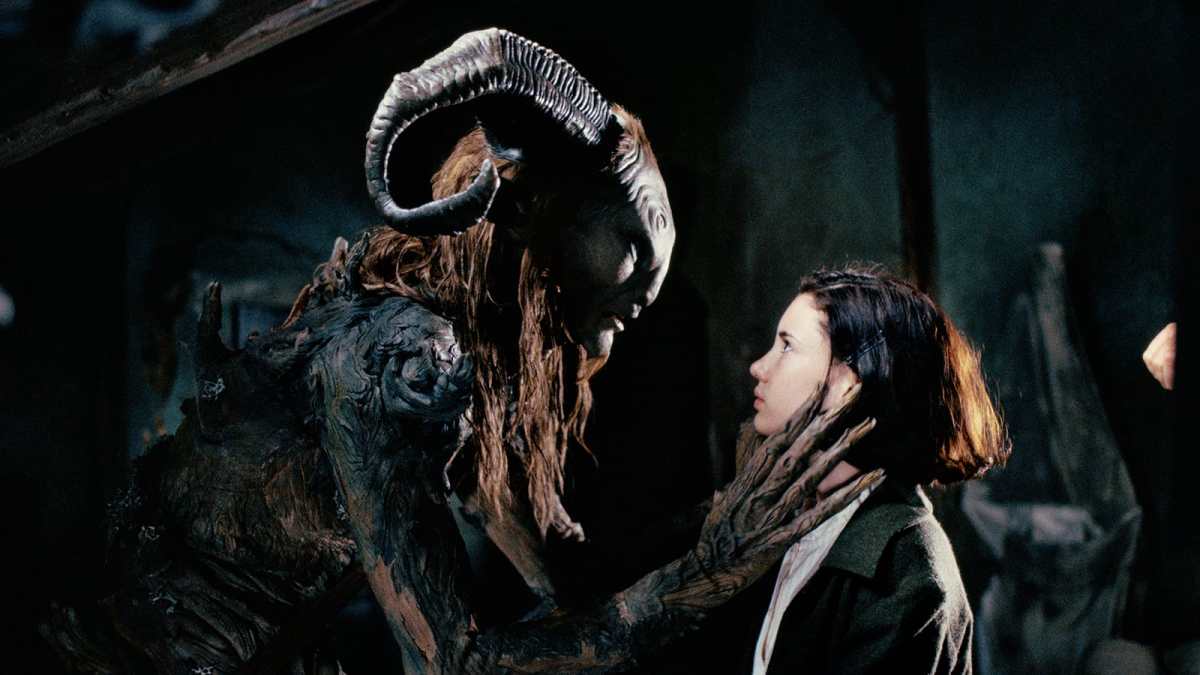
Pan’s Labyrinth

Last but not least, this film is one that I only saw this year. I’ve known about it, but never got around to watching it until I was invited to go to one of the midnight viewings that happen during the fall in my town. I have to say I don’t regret going.

Pan’s Labyrinth is not so much a horror, film. It leans much more towards tragedy. It takes place in the aftermath of the Spanish Civil War, focusing on the changeling Ofelia trying to find her way back to the land under the hill. The film utilizes the contrast of hot and cool colors, having the realm of the Fae be much warmer in tones than the human world. It also makes an interesting parallel between the dangers of the human world versus the dangers of the land of the Fae, with the dangers of the latter being more conquerable than the former. It blends fantasy with reality to make an incredible comparison between what the innocent child can see versus what the disenchanted adult can see. Each character dynamic is fluid and distinct, leading to a lovely film.

How Science Fiction Works Better in TV

I began watching Westworld recently to celebrate turning in my essay, and quickly got invested in it. The world, character arcs, and dynamism of the hosts intrigues me, especially as more of how the whole thing works slowly gets more developed and explained. Seeing how the show introduced its dynamics got me thinking about other sci-fi TV shows, and how they compare to movies of the same genre. The more I thought about it, the more I thought that sci-fi as a genre does much better in the realm of TV than film.

Why is that? Well, sci-fi often involves complex world/story-building when done right, and needs to be set out in a way that doesn’t seem rushed or boring. In film, there is only a two-two and a half hour span to introduce and develop the story and the world. Often times, that means there are aspects that are underdeveloped, rushed, or simply never explained. Which, when portrayed in a particular, more natural way, can work out.

Think of Mad Max: Fury Road. There wasn’t much actual explanation of the post-apocalyptic world, but there was visual representation, paired with just the right amount of explanation where the audience could understand how things worked. Of course, there were aspects left out; but the most important aspects are understood.

Now, the case of Mad Max is a case of sci-fi in films done well. More often than not, however, it takes a film multiple movies in order to explain itself and the world, sometimes dragging out stories that aren’t interesting enough or good past film 1 or 2. Or, in the case where there is only one film, the world is not explained enough, or simply isn’t interesting. Other times the story line is so bad and rushed that the world suffers as a result, too. In any sense, something is missing.

In the case of TV, however, there is a lot more to work with. Worlds can be properly flushed out and can work as an element of intrigue for the audience as it slowly unravels (in good shows, of course). Shows usually have a minimum of eight episodes to work out their world and dynamics, providing much more time and space to develop everything. The added fact that it usually comes out one episode a week even adds more to the suspense, maintaining greater interest than if it came out once every 2+ years. Sci-fi is a large and infinitely creative genre, and needs plenty of space to exist as a valid genre.

Sci-fi has had a long history in both film and movies, but is notably more prolific in TV, and much more recognizable. In the last decade particularly, sci-fi has been on the rise, after a period of falling behind fantasy. Sci-fi in TV shows also has the luxury of existing for longer, as average great shows can have as many as 9 or 10 seasons without appearing old or run-out, a heavy contrast from film. Shows can take on many more story arcs, as well, adding greater levels of complexity that otherwise couldn’t or wouldn’t exist.

Sci-fi can exist in both film and television, and has phenomenal pieces in both sets of media (Star Wars, Star Trek, Stranger Things), paired alongside bad pieces. However, I tend to notice that TV overall has better sci-fi series than film, particularly in recent years, most likely as a result as the care and space provided through TV. TV has provided sci-fi a grander space, and has lent it greater popularity than film, causing the genre to have an overall better quality.

Aladdin, the One Live Action Remake I’m Excited For

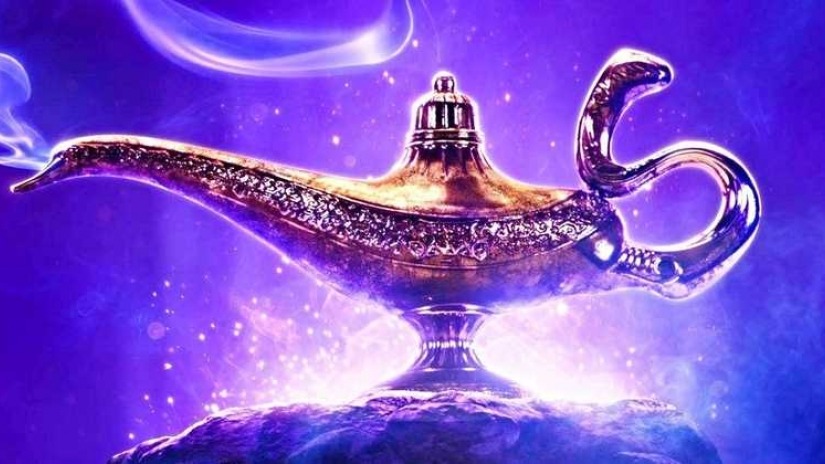
A few days ago, Disney released the teaser trailer for the live-action remake of 2019’s Aladdin. Although the teaser trailer mostly displayed the grandeur of their CGI backgrounds, it hinted at some of the story with the overlay of a revamped “Friend Like Me”. In all honesty, it made me kind of excited.

I had always liked the original Aladdin. It was kind of like a blend of Vegas meets generic Middle East, but it worked surprisingly well. It was entertaining, aesthetically pleasing, and the songs were very good. Although it did have its flaws, I had to say overall it was an interesting film.

Usually, liking the original animated film in those ways is an automatic recipe for not liking a remake-especially when the Disney live-action remakes tend not to put that much effort into “retelling” the original. They do add some elements, but overall, the films haven’t been all that interesting or creative (especially not Beauty and the Beast, which I analyzed earlier).

But for some reason, I got genuinely excited about the live-action remake. And when I looked into who was the cast and who worked on the music, I got even more excited. I like to imagine that it’s because they are keeping the movie a musical, which means there’s going to be a whole new look to how they portray some of their most happening songs. What makes it even better is that they are still using Alan Menkel, the original composer, for these songs, even using him to compose a new song for Jasmine.

They kept the cast predominantly Middle Eastern, as well. The one fully white character is supposed to be a suitor for Jasmine, and was added to create a new dynamic of nation-politics. But other than that, everyone fits the bill for the location of Agrabba, which is a plus. Other movies have tried casting white actors for Middle Eastern roles, but increasingly they have been unsuccessful as they face public backlash. Disney played smart in casting, this time around.

I really can’t explain fully, however, why I want to see this new remake. I can’t explain why this one sparks my curiosity when none of the others have, and why I’m actually excited to see it. I can’t argue that it’s good old nostalgia, because if that were the case, I would have been excited to see the other remakes. But I wasn’t. Maybe it’s because this is the most fantastical one. There’s so much that happened in the original in terms of design and setup, that perhaps I’m curious about seeing how it can appear in a more solid form. I don’t know.

You Can’t Rely on Old Media for Depictions of the West

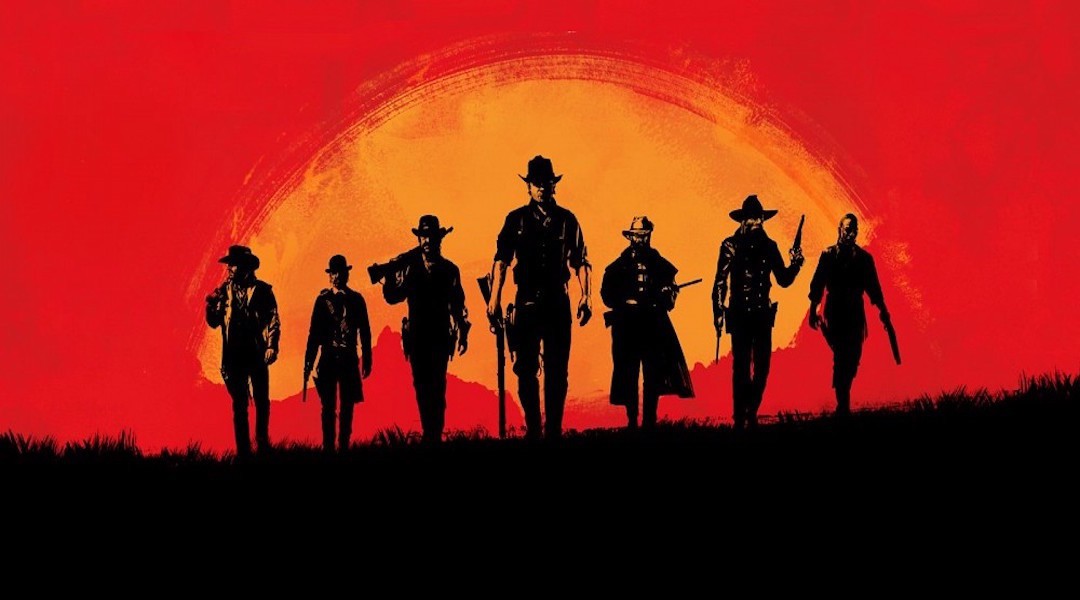
Recently, Rockstar has announced that Red Dead Redemption 2, the sequel to its instant classic of Red Dead Redemption, will add black cowboys, portraying a more realistic perspective of how the Wild West would have been.

However, like all things with time period games, there are those who dissent to having these characters added. Fortunately, it’s not nearly on the same scale as some other games, but it still exists. One argument of the dissent that stuck out to me was the idea of how historically “inaccurate” it was to have black cowboys. These arguments are based off of old Hollywood and TV portrayals of the West, somehow justifying their arguments. If P.O.Cs were not portrayed then, then therefore they simply weren’t actually present, right?

Wrong. Let me give a little insight on the actual realm of the West. The West, with its notoriety for being a “lawless wasteland”, was much more racially open than the rest of the United States. A former part of land owned and controlled by Spain (and later Mexico), the wide and mostly unpopulated expanse had plenty or room for the proliferation of Vaqueros, or the precursor to cowboys.

The Vaquero lifestyle was mostly used by Mexicans and some Natives, who gained influence from the Spanish ranchers on the Missions. However, when the land was won over by the US in the Mexican-American War, the Vaquero stopped being a purely Hispanic profession. Caucasian and later black cowboys began making an appearance on the scene, taking up the Vaquero (later renamed cowboy) lifestyle to live a “free rancher” life.

Black cowboys initially started as slaves tending to their masters’ cattle ranches while they were away at war in Texas, although there were some that escaped West before incorporation into the US to escape their former masters. In this, black Vaqueros gained the skills that would make them invaluable to the cattle industry, allowing them to prosper following the end of the Civil War. As many as 1 in 4 cowboys were Black, travelling throughout the West to help ranchers herd their cattle.

Now, this didn’t make the West some racial paradise, as discrimination against Latinos, Blacks, Native Americans, and later Asians (who came in to help build train tracks that would help connect the Continental US) was still a common phenomenon. But it allowed more freedom than other parts of the US.

Now, with all that in mind, how does this relate to old media? Well, if you’ve watched any spaghetti Western film or TV, you’ll easily notice that the diverse history of the West simply does not exist. If there’s a Native, they’re violent savages killing the poor white woman for fun. The Asians are portrayed as dirty, cheap, and lying. There’s not even a mention of Blacks or Hispanics.

No, the Western shows and films represent and idealized White version of the West, one which claims the cowboy as purely American made, despite its Hispanic origins. It’s about the finding the Classic love in the Wild and Gritty West, centered around White actors in a purely whitewashed realm.

Even as late into the 1990’s, media surrounding the West was heavily geared towards portraying it as white dominant, with only a few outliers that portrayed otherwise. It was only in recent years with Django Unchained, Hateful Eight and Magnificent Seven that the whites-only narrative has fallen back, showing another, previously unacknowledged side of diversity in the Wild West.

Old Media has a particular representation for portraying false narratives, and is unreliable for arguments trying to prove historical accuracy. Media changes stories and narratives all the time for entertainment, especially in older films and TV shows.

Most Horror Movies Suck

Most horror movies suck. This isn’t a result of a new phenomenon, where an over-reliance on jump scares and cheap tricks has lowered the quality of horror movies. No, this is something that has existed since the dawn of the horror genre in film.

Now, you might be saying, “There’s plenty of classic horror movies”, or “there’s been good ones all the time”. Yeah, I’m not talking about the classics. I’m talking about everything else.

Let me put it into perspective: in the entire movie medium as a whole, there is a very disproportionate level of bad movies to good ones. For every great film, there are plenty of okay or even mediocre ones that came out before it. The ratio for horror films is even worse. The horror film industry is a very prolific one, meaning that combined with the critically-acclaimed classics (some recent ones including Cloverfield, Get Out, a Quiet Place, and Hereditary) come many, many more bad horror films. And that’s just on the level of mainstream media.

The problem is, although the production value for horror films has increased exponentially (in the earliest years, most horror films were pushed to the side-lines, almost to the level of B movie films. That isn’t to say that any weren’t, however: quite a few were. The difference in levels of production value drew more attention to the really good horror films, making them classics.

The good classics were remarkably known for their story line and the emotional investment of the actors, paired with excellent and perfectly timed cinematography. Suspense was deeply intertwined with these films, causing the audience to actually be invested, even long after the further development of movie effects and realism to make films pop more. The bad ones by contrast knew they weren’t very good. They made the most out of lowered budget and “lesser” actors, becoming mindless entertainment. Even the high quality bad horror films knew they were bad, at least to some level. There was a distinction in how the bad movies presented themselves, specifically separating themselves from the good ones.

Nowadays, it’s much harder to tell. With the increase in production value all around, and the overall increase in popularity for horror films, even the bad ones take themselves seriously. They try to act like the good ones, hiding otherwise boring, similar plots under the guise of an enticing trailer. The only indication might be picking up the ridiculousness or the stupidity of the plot in the trailer, and even then sometimes they’re misleading. I’ve been tricked into seeing plenty of horror films that look promising, only to see the same story line played out. The only difference would be the positioning of the jump scares.

Another issue is, when a great horror film comes out, there are often sequels that follow. And usually with each sequel that comes out, the quality of the film gets worse (exceptions include Cloverfield). As a result, the whole series, including the first film, gets devalued.

Horror films have the unfortunate trend of having a few really good horror films within a few years, and tons of bad horror films. Although This trend is starting to shift (2018 was an unusual year for having more good horror films than bad ones), there is a long history of really bad horror movies. There’s nothing wrong with that, as rom coms also had the same trend. The difference is, there is still some creativity to horror coming back, which has kept it alive through a particular decade of flops. Rom coms and horror films had a shared decade of mediocre majority films, but rom coms, holding too much to the classic formula, fell to the background. Horror films were able to barely cling on, until recent films have fully pushed it back onto its feet. We’ll see how horror movies evolve over the next few years.

How Movies and Memes have made me Connect Art and Music

As I was walking through the National Museum of Art in Washington DC, I couldn’t help by hear constant genres of old music (Classical and Medieval), as I walked through the impressively European artwork. While hearing the music for so long (I spent hours in there), I was reminded of the time of when I was in other museums (in Rome, LA, San Francisco), and each time I heard music that I had subconsciously connected the artwork to.

There are only two reasons why this has occurred. The answer: movies and memes. Why these two? Well, I could argue that shows have also helped, but they gained their inspiration from movies and documentaries. Movies and documentaries often connect the old European art to classical music, Native and Polynesian art with traditional flute music, and so on and so forth. Documentaries are really to blame for this, particularly art and culture documentaries, pairing famous artworks alongside music that just gets stuck in your head.

However, it’s not just documentaries, as I mentioned earlier. Movies, too, sometimes only vaguely related to the artwork, can have music that can pop into my head, despite not even being in the same country (in some Roman churches, the soundtrack to Disney’s Hunchback of Notre Dame kept playing in my head). For some reason, my mind connects one to the other, and there’s no way to get out of it. And I’m certainly not the only one.

But where do memes come in? Well memes, the epitome of how people process pop culture and politics in the name of humor. These can take shape in the form of pictures, videos, and just about any other digital medium that you can work with. While sometimes art is used to make clever historical memes (there was a period of Washington painting memes that flooded my dash), the gifs and videos are what really get me.

Oftentimes the gifs are attached to some dumb song or another, and the videos are edited to have music in them. So rather than classy music binding itself to art in my mind, its dumb music that makes me smile or crack up. It’s dumb, but my mind seems keen on connecting my memories to the present, something I’m certain all of our brains do. Brains like to do stuff like that, especially when we get a first glance at famous works via pop culture. Sometimes it’s kind of nice, and other times it’s not.

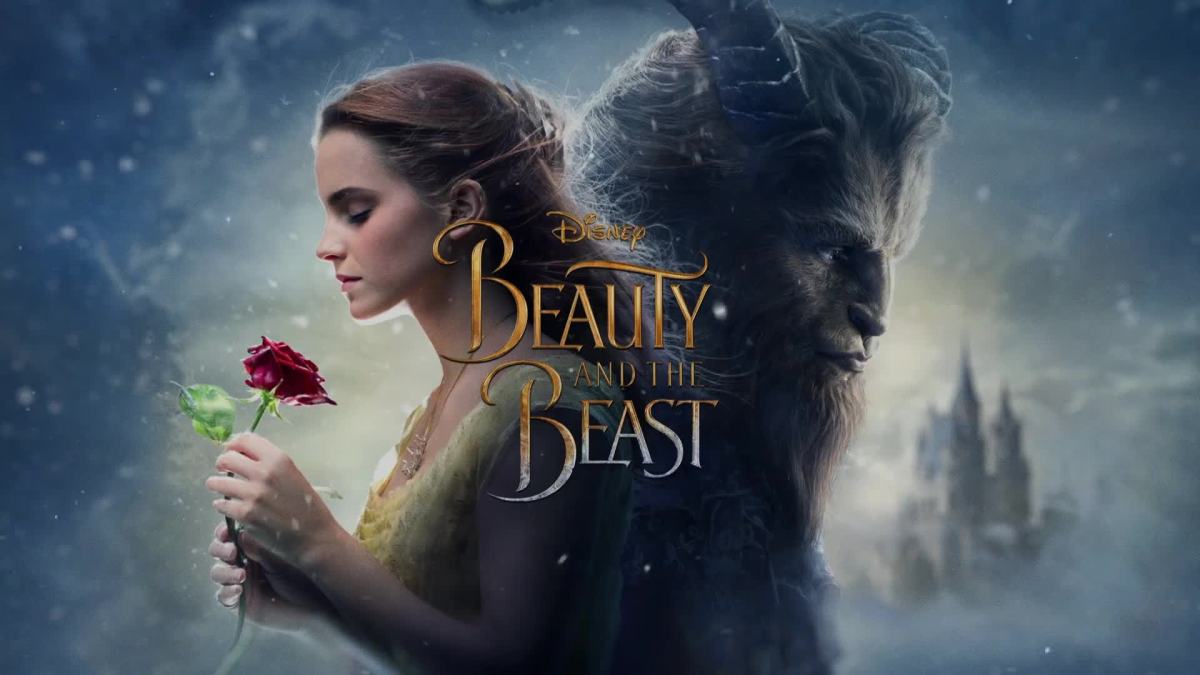
Beauty and the Beast, and the Case of Disney Getting it all Wrong

I have certainly missed the craze of analysis over the Disney live action films. That all happened after the release of the live action Beauty and the Beast, with some people ranting and raving about how much they loved it, and others harshly criticizing the film for its lack of originality. I am far from the first to talk about this film, and I will not be the last. However, I’ve noticed that most criticisms of the film often ignore certain aspects that I felt were especially irking, and fail to connect what happened in this film to the overall live action trend. So I thought I would put in my own two cents, and see where this takes us.

Now, the whole Disney live action trends started with the success of Maleficent in 2014 and Cinderella in 2015, both of which provide different perspectives of the stories told. Maleficent  provides an alternative look at the tales of the original 1959 classic Sleeping Beauty, although it was a rather half-baked attempt. I thought that Disney might be getting their footing with the release of Cinderella and Jungle Book, which flesh out relationships and motives and situations just a bit more, without only repeating the story.

I was proven greatly wrong, however, with the release of Beauty and the Beast in 2017.

Not only was the film a straight copy-paste of the original story with almost no additions, but the changes they did make just degraded an already good story. This film, like the other three before it, attempted to correct past criticisms of the original work, despite the fact that the film they are trying to correct something that is negligible. Cinderella provided insight on what happened to her father, which the original film failed to do. It explained why Cinderella dealt with the abuse, something the original film didn’t do. This film tries to elaborate on how the magic works in the castle, something that the original film didn’t need to do.

There it is, folks. This film tries to provide logic to a world of magic, something that didn’t really need to be elaborated on. Like the magic dishes, and some other things that move in the house. Not everything that moves needs to have a soul attached to it, which in turn explains the trashed furniture in the West Wing. The Beast didn’t just straight murder his servants. You can assume that a castle would have furniture in it before everyone else got turned into furniture.

Which leads me to my next problem with the film- the fact that the furniture explain the West Wing to Belle completely ruins a major plot point in the film. They not only convince the Beast to give her a better room, rather than let him make the decision for himself, but also give her a tour of the castle, mentioning the West Wing and thereby ruining the impact of Belle actually going to the West Wing. The betrayal aspect of her going to the West Wing despite his wishes is lost.

Which leads me to my next point: they completely wash out the relationship between Belle and the Beast. They ruin the complex relationship between the characters, making Beast an asshole who needs a life coach, and Belle the life coach, rather than having them learn off of each other. Belle was kind and patient, but could also call out the Beast’s bad attitude in the original film. In this one, they just fight, and he never learns to do better. Their relationship becomes basic and Hollywood-style, and the ending doesn’t feel like it was deserved.

Now, in a turn away from the more interaction aspect, I am going to turn more to the other issues I have with the film. This one can be narrowed down into bullet points.

Belle’s voice:

Why, why, why didn’t they just have an actual singer dub Emma Watson’s voice? Hollywood has dubbed hundred’s of actor’s singing before, and the attempt the avoid this in this film ground my ears out. They auto-tuned Emma Watson’s singing to the point where it sounded like a robot made it, heavily contrasting from the fact that literally no one else has a robotic voice. Literally no one else.

What made it worse was the classic reprise of the song “Belle”, where Belle has a powerful soliloquy (done flawlessly by the original voice actor Paige O’Hara). In the live action version, we just get a shotty, robotic voice that just washes out with the music. Every time she opened her mouth the sing, I would be ripped out of the moment.

Belle’s Dress:

I know they tried to do what they did in Cinderella with giving the dress a much needed update, but it really wasn’t necessary. Unlike Cinderella’s kind of odd-looking dress in the original, there was nothing wrong with Belle’s dress. In fact, her’s was a favorite among many, and was a popular costume for young children. The fact that they tried to change it to something as blase as they had in the live action film got some much deserved out-roar. How do you replace such an iconic dress with something that looked like three pieces of yellow tissue paper stuck together? It just doesn’t make any sense.

Gaston:

Why try to make him unlikeable? The whole point of his original character was that he was attractive, popular, and charismatic, and was easily able to influence the ignorant townsmen into joining him for the “final battle” at the castle.

In this case, he’s a character that is considered untrustworthy by the town, leading to Le Fou paying people to sing and up Gaston’s ego. Such a move was totally pointless. You should have just kept him the same. It would have saved a lot of time on the pointlessness of trying to make him a complex character. Focus on fleshing the two main characters out, not the villain, who didn’t need to be fleshed out.

The Plot Overall:

Last but not least, I have a problem with the plot overall. Let’s face it- it’s just a pure retelling of the original story, with some pointless additions slapped on to take up more time. There was nothing of real value added, degrading the plot of the story. What was changed really had no purpose, unlike the films before it (except Maleficent, but that’s for another time). I came into that film expecting something and left it feeling like the original story was just wronged. Which doesn’t make sense, as the live action version and the original were both made by the same company.

But, that’s the problem with the desire to make money and deal with criticism. It just didn’t work here. It turned what was once an Oscar-nominated film into a straight mess. It was just unnecessary.

The Effects of Adults Playing Teenagers

Just about every time a teenager is cast for a show or movie, the role of whatever teenager there is is given to an adult. While it can make things easier (not having to worry about an actual teenagers schoolwork or schedule), this can have drastic affects on actual teenage audiences, who only see teenagers portrayed a certain way. In order to analyze this, I will break this essay down into three parts: how teenagers are casted, how actual teenagers are, and the impact of the portrayals on teenagers. While the portrayal of teenagers has certainly altered in the last five years, it’s still important to understand their previous depictions in pop culture.

1. How Teenagers are Casted

As I mentioned above, teenagers are almost always portrayed by adults. Much more often now they are portrayed by young adults (18-early 20’s), but for a long period of time they were portrayed by adults in their mid-to-late 20’s (sometimes even early thirties). And these adults wouldn’t look all that much like teenagers, either. They looked like exactly what the actors were-full blown adults. Flawless skin, toned bodies, nice hair. They look like polished versions of teenagers. Even the actors now casted to the role of teenagers (who look much more like teenagers) still are polished, and very post-pubescent.

They also act in almost stereotypical ways, with a rebellious streak that is so insane that it’s practically unbelievable (at least, in terms of mine and my friends’ parents). I’m sure there are plenty of parents that don’t actually murder their children whenever they pull a stunt crazy enough to involved the police, but I’ve only seen them appear when I was already in college.

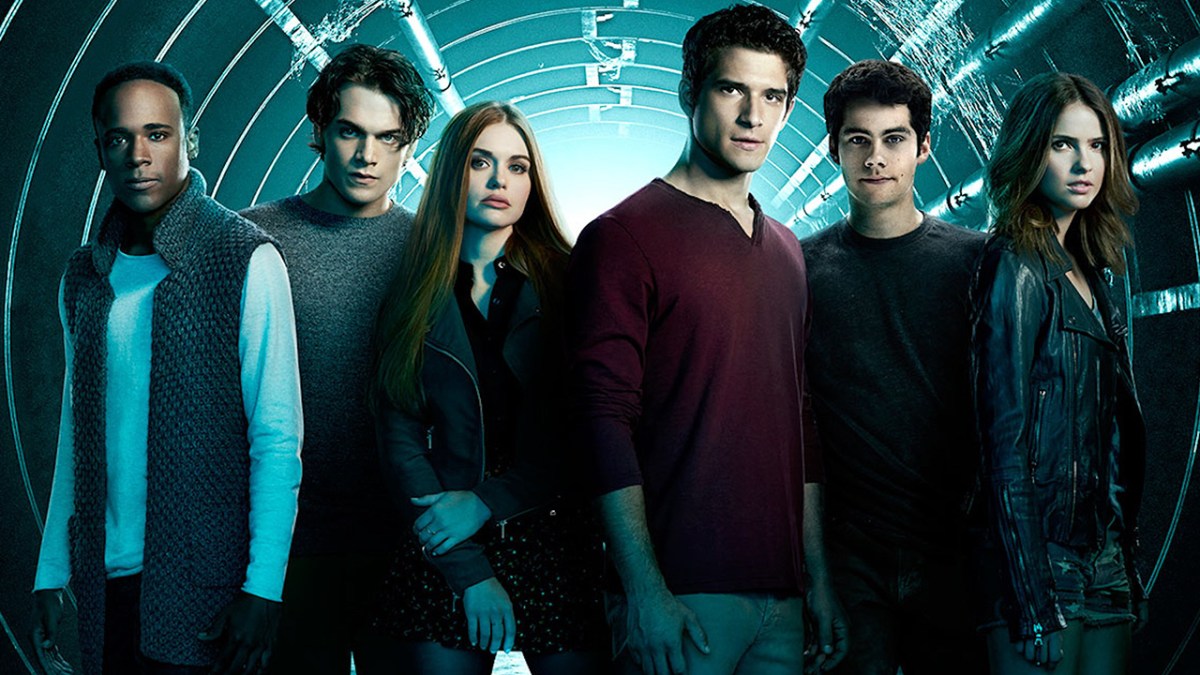
Don’t believe me? Let’s look at two cases: Teen Wolf and 13 Reasons WhyTeen Wolf began airing in 2011, and 13 Reasons Why first aired in 2017. In the former show, the cast are supposed to be freshmen in high school, although the cast definitely look like they should be in college at least. The cast began the show in their early adulthood, however, were so finessed that they pass at all for young teenagers. The main group in the show consists of mostly hot young men with well-toned six-packs, which I had seen in many clips (I’ve never watched the show, leading to my surprise when I found out they were only supposed to be fourteen), and they are incredibly well-dressed.

As for the latter show, the actors look much more like teenagers. They dress more like modern teenagers, they’re supposed to be around 16 or 17, making them much more believable looking. These actors are only in their early twenties, and it shows. The athletes have typical strong figures, but everyone looks normal, and not like supermodels. There is a stark contrast in the way the characters are presented from previous shows, but the fact still remains-they are post-pubescent. They still have perfect skin and hair, still show no signs of changing. Not that they have to, but their presentation is very finessed and flawless.

2. How Actual Teenagers Are

If you’ve ever met a teenager in real life, you’d know that media portrayals of them are grossly misunderstanding. Real teenagers still practically look like children, especially as puberty seems to hit later and later nowadays. They don’t really start looking like adults until senior year, and even then it’s difficult to say they actually look like adults.

Real teenagers have acne. They are awkward, and still adjusting to their own growing bodies. Their fashion sense is still developing (if they have one at all). They get weird haircuts, they wear glasses, and they never have a six-pack. Real teenagers look almost nothing like their polished counterpart portrayed by the media. They act cringy (I’ve had my share of moments), and act in ways that they’ll grow to regret (don’t we all?). They certainly don’t go driving out to the middle of the forest to go monster hunting with their friends at two in the morning.

Most teenagers don’t actively rebel against their parents. There are some, who take advantage of parents who don’t quite know how to discipline their children, but for the most part, most adhere to their parents’ rules. At least, most of the ones I knew, anyhow. No one was able to just do whatever they wanted.

3. The Impact of the Media

During my time, some people tried their best to look nice, but for the most part, people just wore whatever they really wanted. But we were still affected by the way we were portrayed in the media. A distorted view of how we imagine teenagers evolved, with a subconscious pressure to look just like our favorite characters. We begin to try and style ourselves to certain categories, almost stereotyping ourselves into different groups (the “cool” kids, the nerds, the athletes, and everyone in-between). Although it was subtle in my high school, it still existed in other, smaller schools.

More recently, however, I see more and more teenagers trying to look like adults. This is both due in part to media portrayals, and also to the rise of Instagram models and other social media pressures. Teenagers want to stop looking like teenagers, and instead want to skip to adulthood. This was a problem during my times in high school, but I notice that it’s becoming more apparent, especially with the rapid change in appearance that teenagers put on their social media. They try to hide their teenage identity in any way they can, promoting an “older” appearance, and turning away from things that made being a teenager fun. Kids are trying to grow up too quickly, and media portrayals of teenagers only encourage this goal.

The Fun of “Geek” Makeup

Despite the fact that Geek culture has been in the mainstream for nearly a decade, it was only recently that I discovered Geek-inspired makeup. Maybe this is due to the fact that I didn’t like makeup all the much until around two years ago, but it was still strange that I had never heard of it. I’ve been to cons, I’ve involved myself in many fandoms, how did I not hear about it?

Well, this is excluding the main-stream geek culture collections. Of course I’ve seen Star Wars themed lines, and also Hunger Games collections from Cover Girl and L’Oreal. And of course I’ve seen the Disney-inspired makeup. But I had never seen stores purely devoted to producing Geek-inspired makeup.

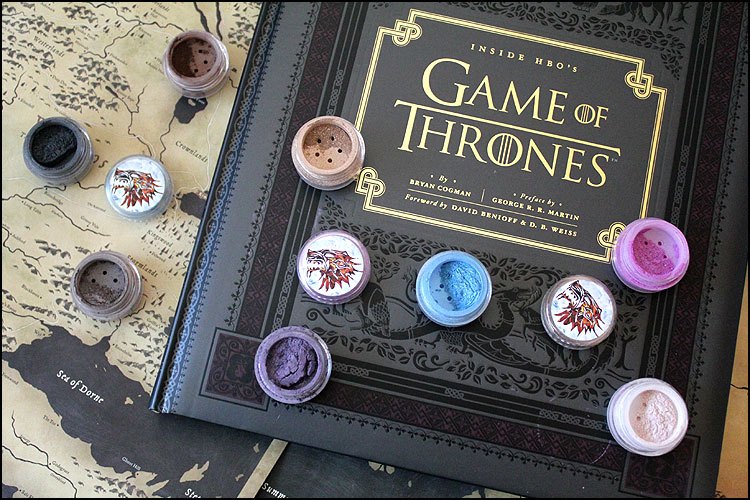
I had only discovered the makeup by chance, stumbling upon Shiro Cosmetics as I was looking for cruelty-free makeup. Looking into their site, I found they had a series of collections based off of popular media and memes, having collections centered around Game of Thrones, Into the Unknown, and Avengers, particularly eye shadows. They have cute little drawings that they come with on top, and lots of funny designs. And the reviews seem to like them.

The discovery of this site led me to start looking around for other Geeky makeup, and I was able to find quite a bit of collections. I found Geek Chic, Espionage Cosmetics, Nerdastic, and Black Pheonix Alchemy Lab, all of which had many items based around pop culture. It was astonishing, especially with the fact that the most of the colors looked so pretty. And most of them were cruelty-free.

The makeup usually has fun names, with fun designs, although if you’re looking for eyeshadow, don’t expect to many pressed palettes. Most of them are loose powder, with a few pressed palettes, which can be a little off-putting for some.

Geek-inspired makeup really started blowing up around 2015, as bigger companies began pushing out lines for the new Star Wars (Force Awakens), inadvertently boosting smaller makeup companies that based their whole existence around Geek culture. While still being considered “underground” and definitely “artisan”, Geek makeup has found its place and audience, and will only continue to grow as more people discover them.

The Downfall of Greek Myths in Movies

Greek mythology often finds itself in the spotlight of Hollywood films. Usually avoiding the Odyssey, Jason and the Argonauts and Persesus are the most commonly found, although differing interpretations on Greek mythology, like the Percy Jackson movies (although we don’t speak of those), do make appearances.

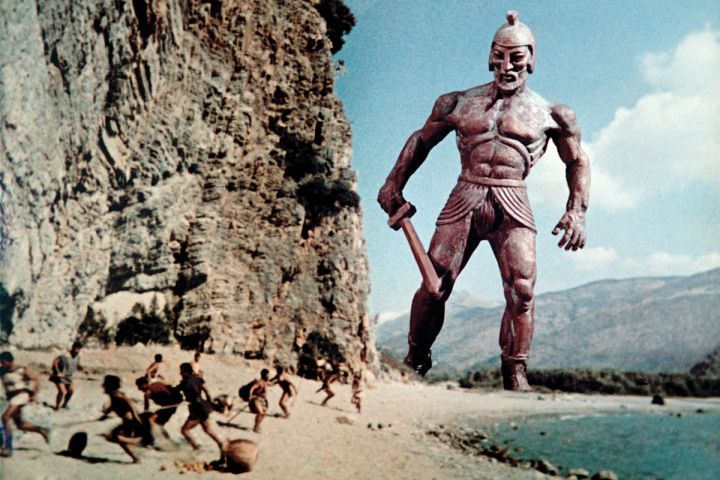
Turning Greek myths into movies found its height from the 1960’s to the 1980’s, when claymation monsters dominated the screen rather than advanced CGI. I can’t knock the use of claymation, however- filmmakers got creative with it, and were able to make it work fairly well. As comical as they look to audiences nowadays, you have to admit that for their time, they were genius moves.

Now, however, Hollywood has lost its way when it comes to showing off the legendary epics. What used to be just portraying the tales as is (with some creative difference, but not much), is now a strange and unsuccessful attempt to make the stories more “original”. They use an excessive amount of CGI, turning the classic mischievous and playful Greek gods into serious and dramatic figures, erasing some of their most bizarre origins and reactions. The myths portray the Greek Gods as divine and powerful but characteristically flawed (they are perfect at something, hence their God status). Movies now simply turn them into perfect but overly angry figures, exaggerating their temperamental behavior.

The legendary figures also find themselves changed, too, turning figures like Jason and Perseus into gritty and dramatic figures, when they show a variety of behavior, portraying a story of morality on a complex hero. In modern movies they are now meant to fight these giant monsters, getting girl while playing a one-note tune of being a one-dimensional hero. The main hero finds himself enveloped under the fold of the typical cliche action hero, completely ruining the point of the original Greek Epic or legend that they appear in.

The aesthetic of the new Greek myth movies also are much darker. Rather than being more realistic of showing an environment like daytime Greece, they show changing skies and darker backgrounds, making the story seem much less real. Of course, they are portraying stories, but compare them to their predecessors; compare the sky, the backdrop, and most importantly, the clothes. The cloths all look Spartan based, rather than showing the diversity of Ancient Greece (which wasn’t a unified country). It all makes seeing the Greek myths on screen that much less popular.