Some Highlights from the 2019 Met Gala

Today in New York was the 2019 Met Gala, an event that is not only the place to dress in creative outfits fitting each year’s theme, but also where funds are raised for the Metropolitan Museum of Art’s Fashion Institute. The Gala also marks the opening of the annual fashion exhibit, last year having been “Heavenly Bodies: Fashion and the Catholic Imagination”.

This year, celebrities had outfits designed based on their interpretation of “Camp: Notes on Fashion”.

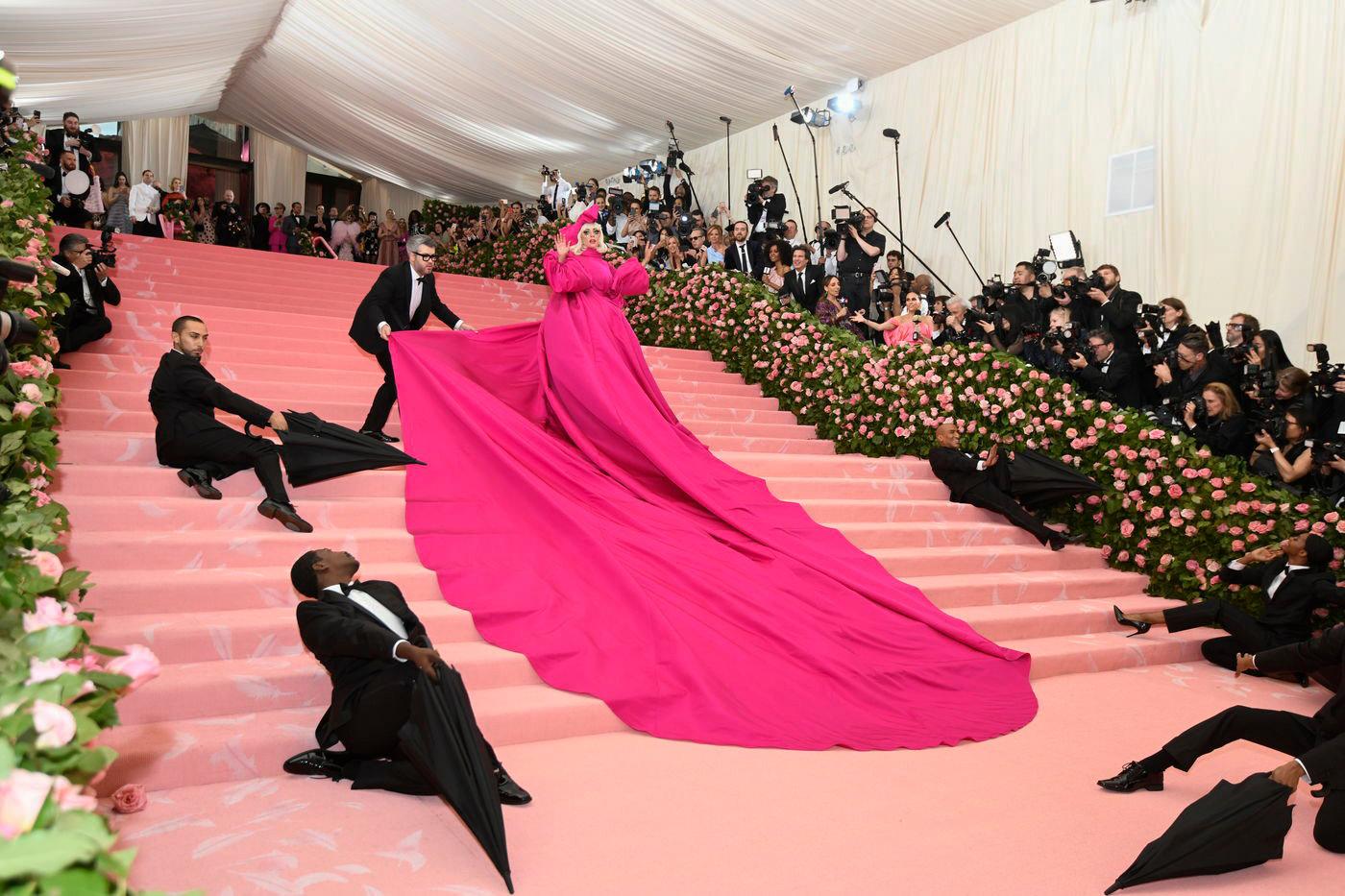
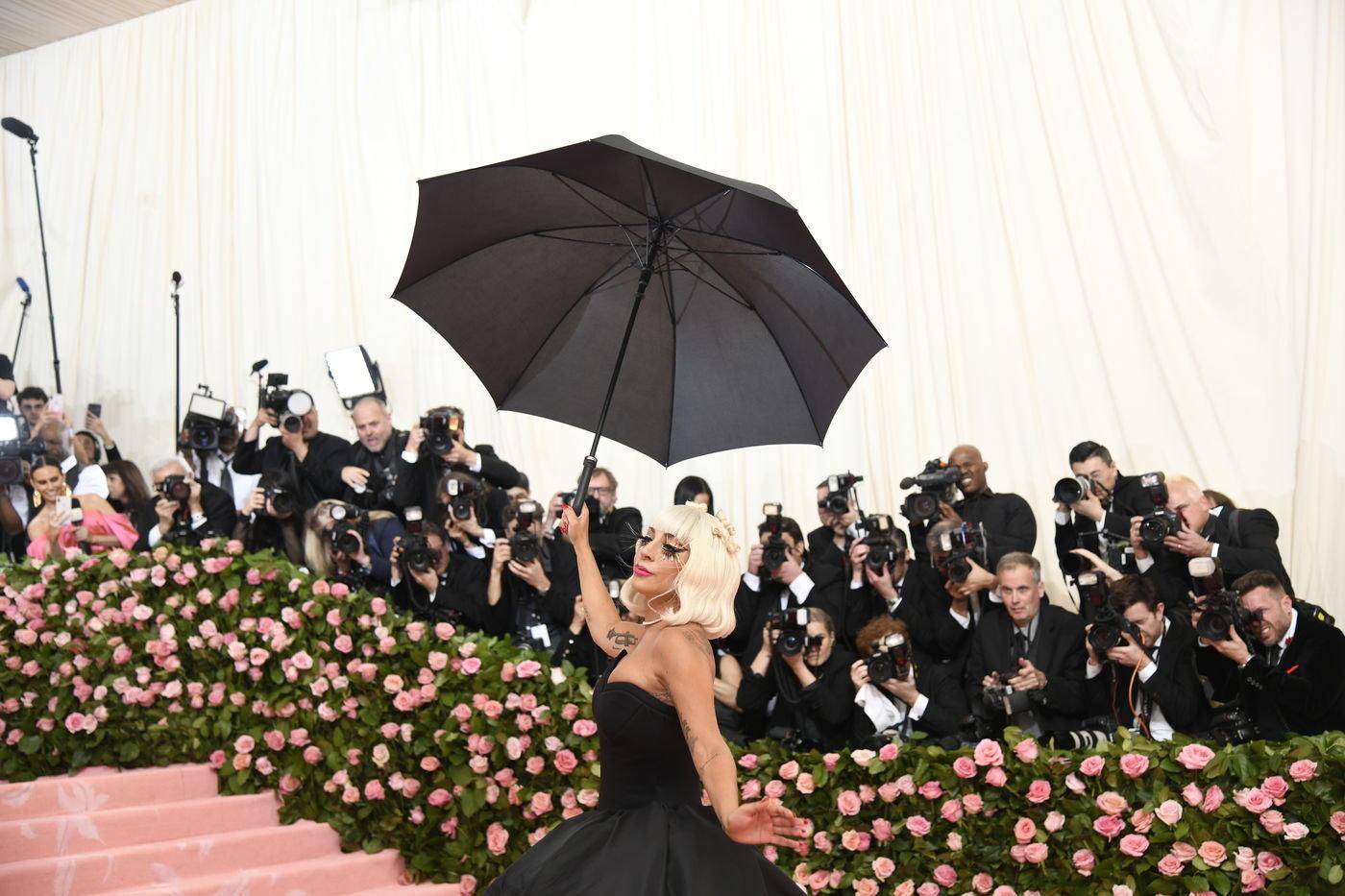
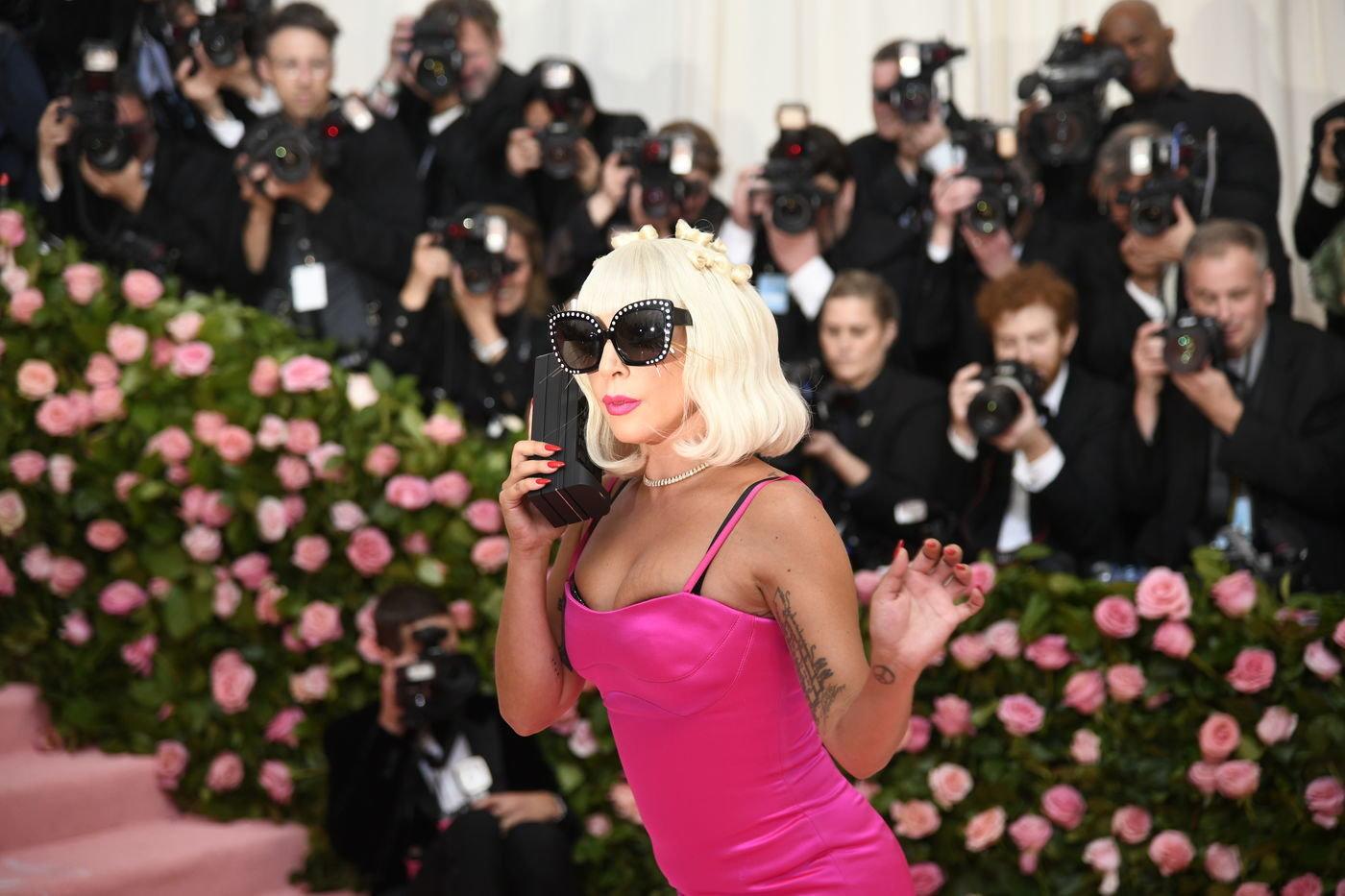
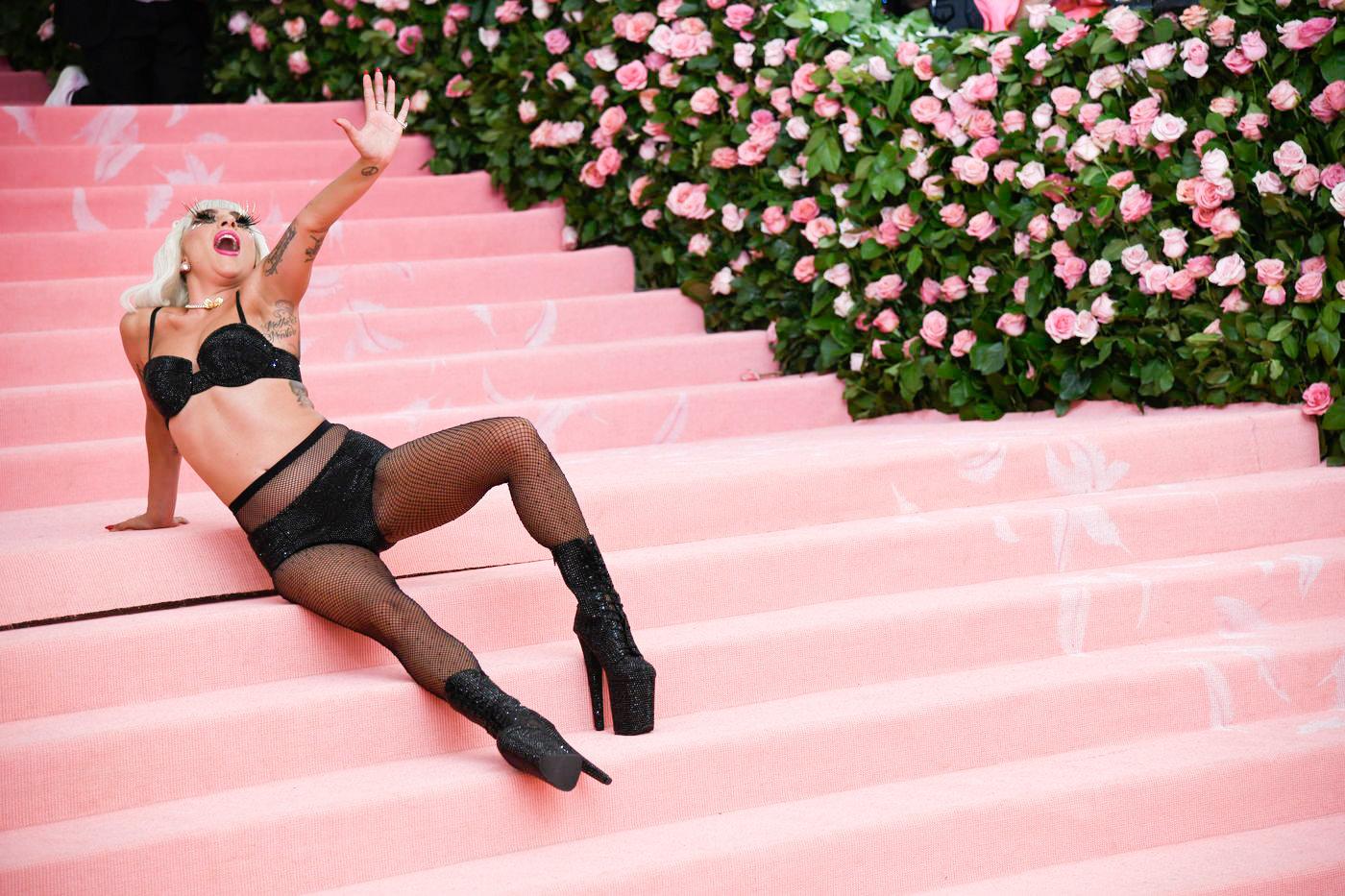
Lady Gaga: Tonight, the host donned four different outfits on the carpet, beginning with a large billowing pink dress.

Gaga’s 1st outfit
Gaga’s 2nd outfit of the carpet.
Gaga’s 3rd look of the carpet-once again in pink.
Gaga’s 4th and final look, stripped down and black.

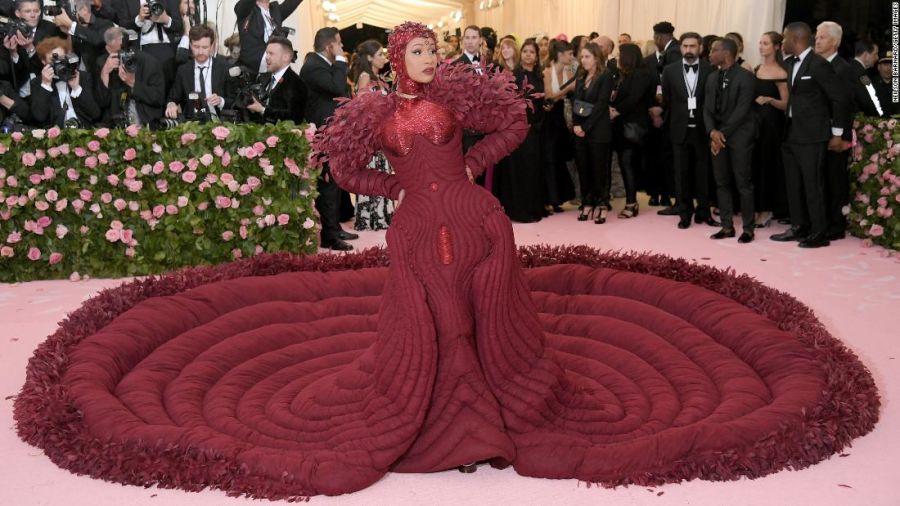
Cardi B wore a red dress that flowed out to a large circular trail tipped with feathers. The dress reportedly took 2,000 hours to make.

Cardi B in a dress designed by Thom Browne

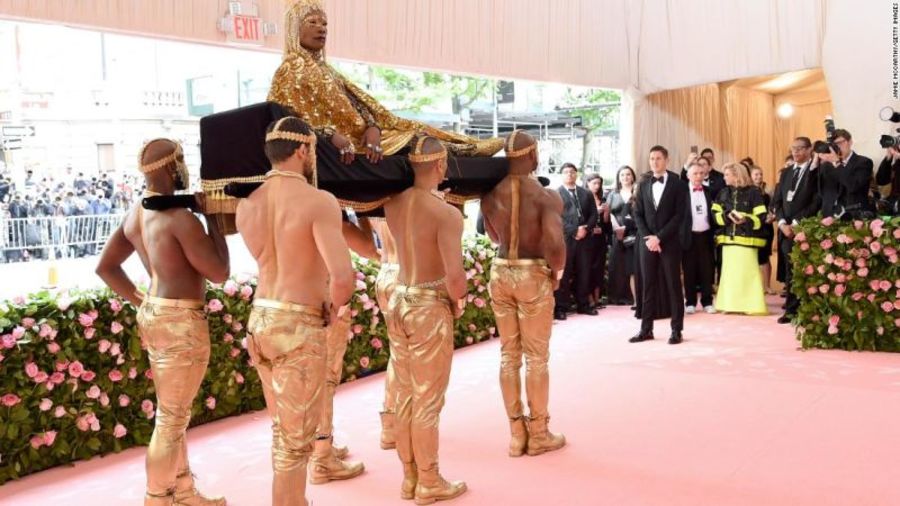
Billy Porter, dressed in gold, came down the carpet carried by six shirtless men in a form reminiscent of the Egyptian Sun God Ra.

Billy Porter riding atop his carrier down the carpet.

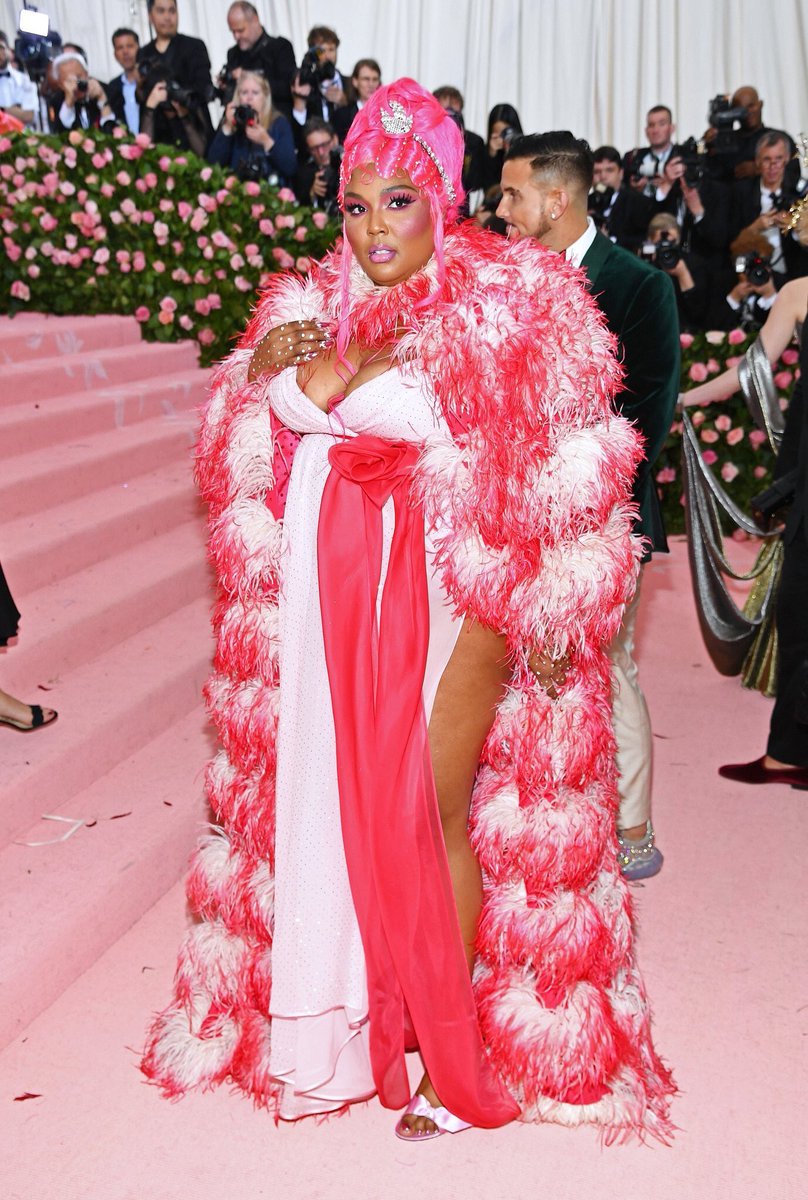
Lizzo joined the gala dressed head-to-toe in pink, notably matching the pink carpet. What really caught people’s attention was the unveiling of her neon pink hair, after having recently appeared at the GLAAD’s in neon green.

Lizzo showing off her stunningly bright pink look.

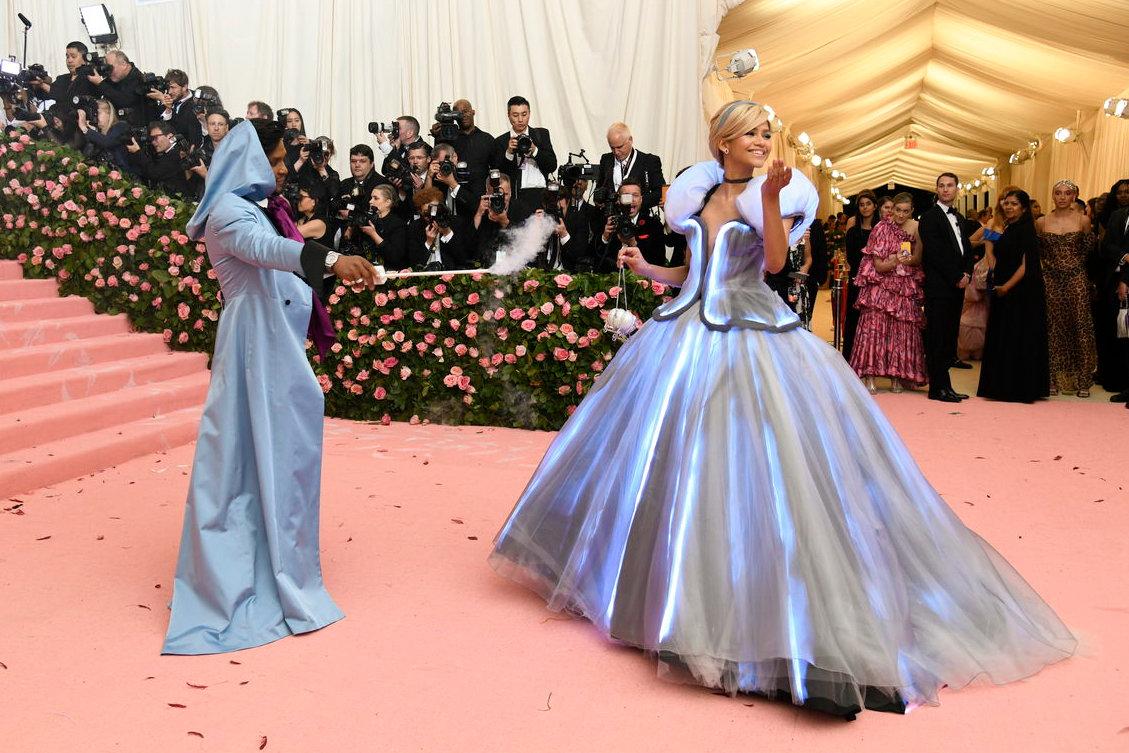
Zendaya got to live the fairy tale life for a moment, wearing a replica of the original Disney’s Cinderella dress. She even came with her own Fairy Godmother.

Zendaya posing with the Fairy God Mother, who is pointing a smoking wand at her.

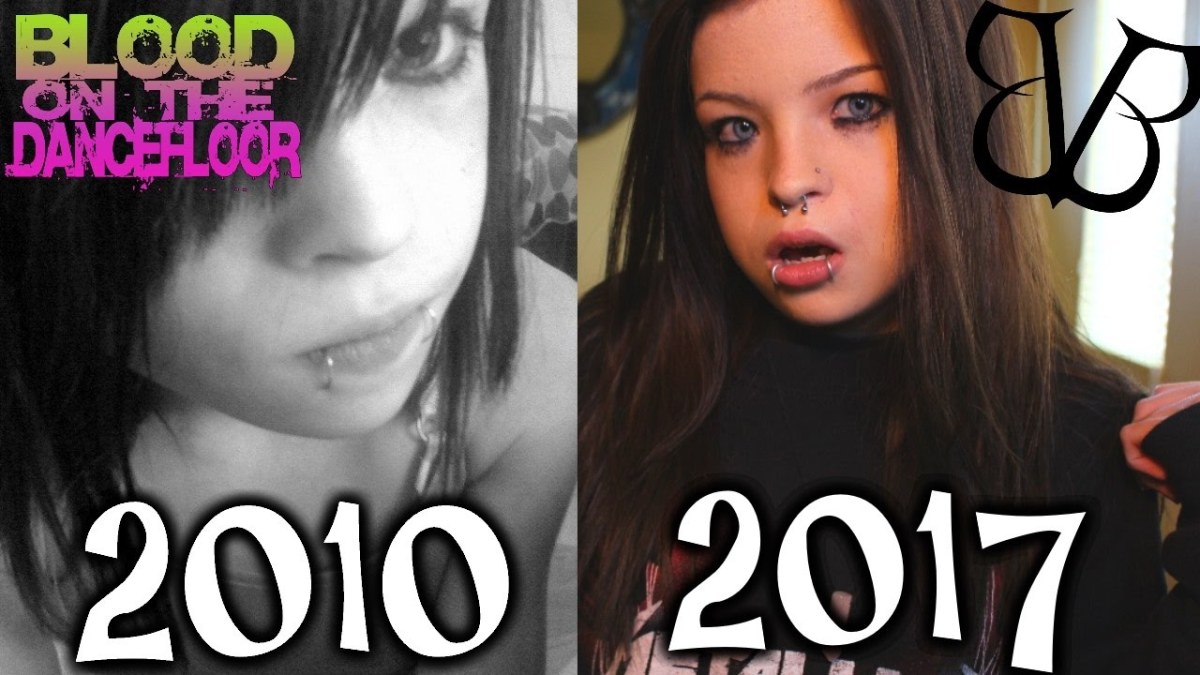
The Emo Phase: People Still go Through One?

I grew up during the height of the Emo genre. Bands like My Chemical Romance, Evanescence, and the early days of Panic! At the Disco and Fall Out Boy were all hot on the scene, providing plenty of fuel to the Emo genre. Almost everyone had an emo phase; I even had a mild one. Dressing in all black, getting piercings all over and dying your hair funky colors was totally in. It was cool when I was a preteen.

But with the dawn of the 2010’s came the fall of the Emo genre. Rock, especially the hardcore rock, had fallen out of fashion in mainstream music, along with the Emo fashion. The era of the hipster was coming in.

I had thought the era of having an Emo Phase was long gone. But then my friend showed me a video of an Emo makeup tutorial from 2018. This greatly surprised me. There were still people going through Emo Phases in 2018? I had thought the closest people got was punk. I haven’t even seen a goth kid in ten years. So to see that there were still Emo kids was greatly surprising.

The thing is, I don’t even know how the Emo kids survive. I remember Emo phases being greatly tied to the music, but those are out of fashion. My Chemical Romance and Evanescence are disbanded, and Fall Out Boy and Panic! At the Disco have greatly changed their style. When Emo culture was a part of mainstream pop culture, it was easy to find and adopt that culture.

But I don’t find it anywhere, anymore. Not in the music, not in the fashion, not even in the hair. It simply doesn’t exist anymore. You can’t even really find videos online anymore about it, which leads me to wonder how it continues. It’s rather bizarre that the trend still continues on.

The “Sick Cute” of Harajuku

Harajuku is widely renowned for its pastels and vibrant appearance. Started in the town of Harajuku, Japan, the fashion subculture had grown constantly and evolved since the 1970s, becoming the cutesy couture that inspired Gwen Stefani’s Harajuku Lovers perfume, promoting both happy and negative feelings through fashion

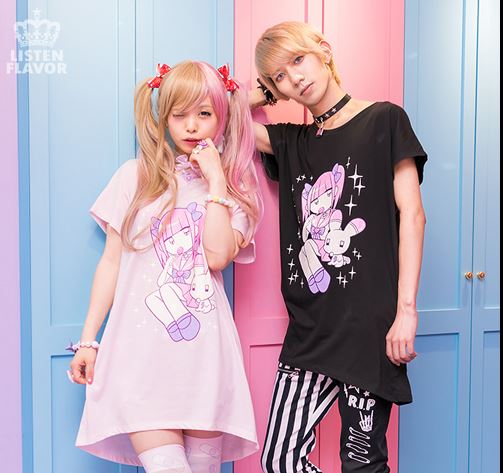
Within the last few years, however, a new side to the negative Harajuku has arisen, one that projects a much darker message, despite still being cute. Yami Kawaii (which literally translates to “sick cute”), is a style that on the surface appears cute and mildly sarcastic, but deeper down portrays a more sinister appearance, with violence and gore in pastel colors and cute appearance.

Although it mostly centers around humor, there is another layer to Yami Kawaii that is tied to why it is gaining popularity- menhera, or “mental health”. This side seems to be epitomized by the character “Menhera Chan”, who looks cute and kawaii at a glance, but wears telling bandages on her wrists and a razor blade in her hand. It contrasts itself with cute characters and soft colors against self-harm and medication, drawing attention to variance in mental health and conformity, while still being holding the Harajuku charm.

The menhera side of Yami Kawaii has gained much traction among the youth for its point in tackling the taboo topic of mental health in Japan, where any disorder from depression to schizophrenia is heavily stigmatized. In Japan, mental health is often seen as a sign of a character flaw such as weakness or bad temperament, rather than as a result of biology or genetics. It is seen as the person’s fault for having a mental disorder, and they are often singled out in a crowd. In a 2013 study by Sosei Yamaguchi and Yuta Aoki, it was discovered that a whopping 61% of employers would never hire someone with mental illness, and 75% of respondents answered that it was okay not to rent a room to someone with mental illness.

As a result of this stigma, plus high pressure to do well and succeed, Japan has the sixth highest suicide rate on the planet, and the bizarre phenomenon of people working themselves to death. The nation even has an infamous “suicide forest” (Aokigahara), where a high rate of suicides occur. With all that in mind, it seems odd that Japan is practically silent on the issue. Yami Kawaii aims to break that silence, by pushing discomforting images to the forefront of their fashion. Will it break the silence on mental health? Well, nothing is for certain. But it is gaining greater traction, both in Japan and abroad, drawing attention to Japan’s silence. So we’ll see.