The Beanie Babies of 2025: Labubus and their Doomed Fate

They’re everywhere. Whether in person or online, you’ve more than likely seen them- fuzzy little monsters with wide toothy grins. They come in a variety of colors and poses, and can be small key chains or large decorative figurines. Everyone is obsessed with them, to the point where fights have broken out in stores just for the chance to get one.

But… what are they?

These fuzzy little monsters are called Labubus. They’re the creation of Kasing Lung, a Hong Kong-born artist living in Belgium. They’re one part of his The Monsters collection, which was highly influenced by Nordic folklore and mythology that Lung grew up learning about during his childhood in the Netherlands.
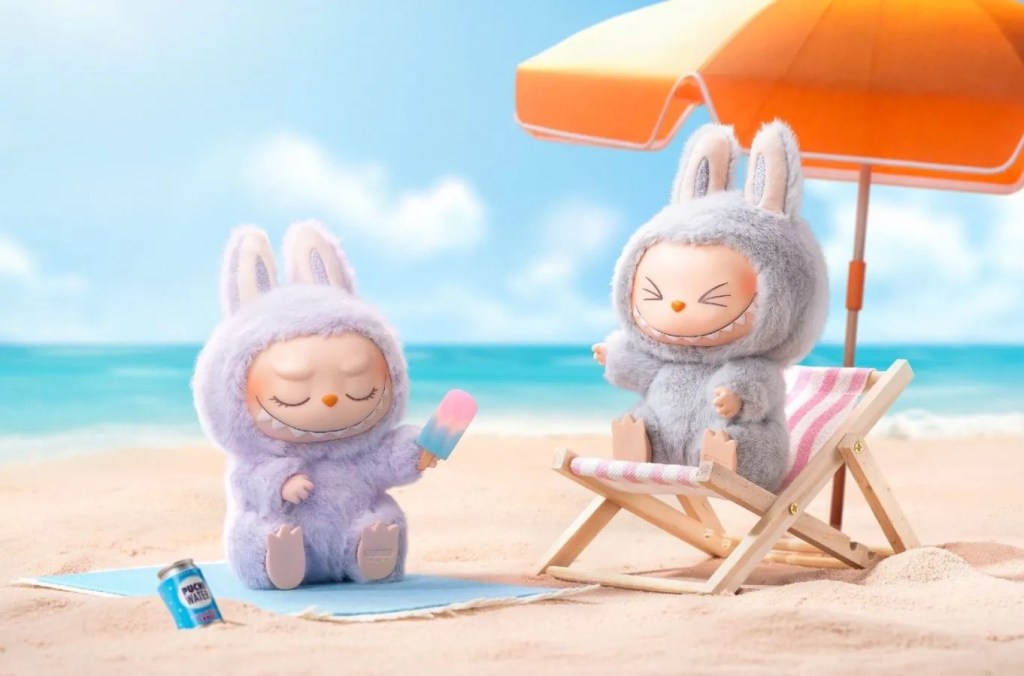
Labubus were actually first introduced ten years back in 2015, the first of their figurines having been produced by How2Work. However, their production and sale shifted over to the Chinese retailer Pop Mart in 2019, where they have been sold from ever since.

While Labubus would start to enjoy wider popularity once they came under Pop Mart, it’s important to note that they didn’t immediately become the overwhelming trend seen currently. In fact, while toy collectors would buy them for collecting purposes, they were a bit reviled by others for being “ugly.”

However, that all changed in April 2025, when the K-Pop idol Lisa from Blackpink posted one attached to her bag on her Instagram story, admitting both that they were her favorite toy and that she loved collecting all of them.
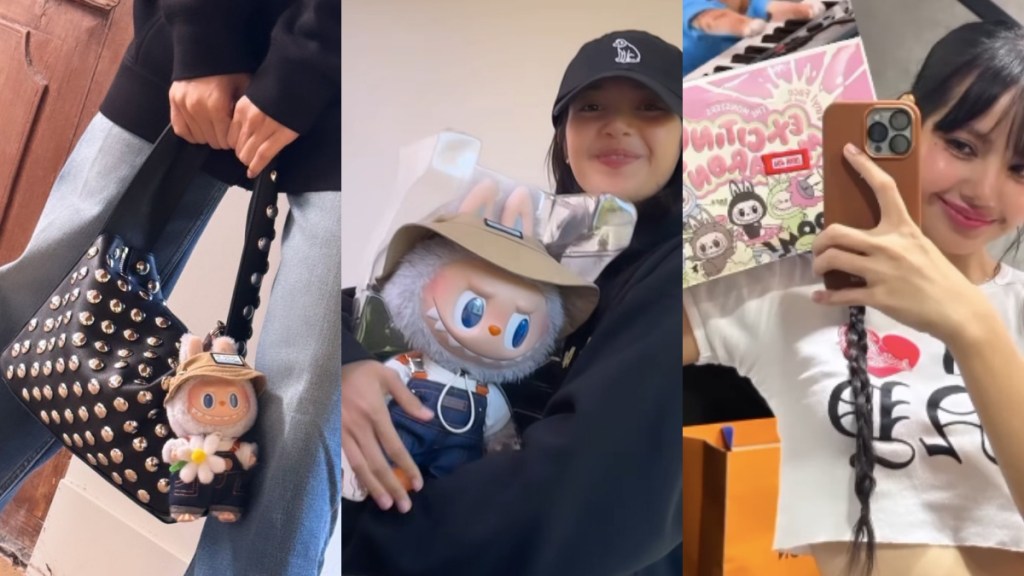
Lisa posting pictures with several of her Labubus

From that point, Labubus became all the rage. Other celebrities have posted showing off their Labubus. They’ve been to Milan fashion week. They’ve been taken on a “tour” of Thailand. They’re going to get an animated series. People have spent hundreds, if not thousands, on the Pop Mart blind boxes trying to collect these little imps, with the rare “mystery color” being the most sought after for each blind box series. They are the “it” thing.

But… if we know anything about trends like this, is that this one is not going to last very long.

Just like Funko Pops and Beanie Babies, Labubus are currently set to follow the same trajectory: a couple of years of excessive hype and popularity, then a sudden market “burst” and devaluation. Then, they’ll appear en masse in thrift stores and land fills, tossed to the wayside by the disinterested masses.

They won’t vanish entirely, of course- just as new funko pops and new beanie babies are released, so too will new Labubus. But they’ll once again return to being a niche toy, mostly forgotten in favor of the next big thing.

This pattern has happened time and time again. Why? Because that is just the nature of trends when it comes to non-essential goods. People don’t exactly need Labubus, or any other type of trending figurine. They don’t even need certain clothing, and clothing technically falls under the category of “essential.” But when something trends, it makes people want the item, out of sense of F.O.M.O., or “fear of missing out.” In our consumer society, people can’t help it.

But never in the history of the world has a trend like this lasted all that long. Especially in the age of social media, when new things are popping up every single day in a relentless wave. It’s simply impossible for the trend to last. Look at Stanley cups, for example: last year people were camping outside of stores and literally rushing to get their hands on the newest color. Now how often do you hear about them?

No matter how overwhelmingly popular Labubus may seem now, it’ll only be a matter of time before something else catches the attention of the general public and they are tossed aside. When or what will that be, is uncertain. But what is certain, is that this trend is doomed to die.

K-Beauty: A Trend with a Dark Side

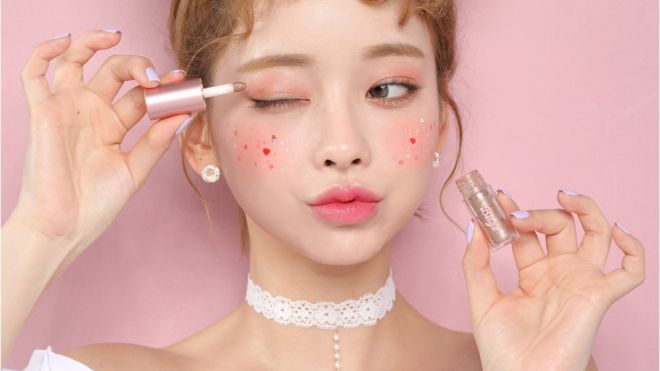
K-Beauty has been the “hot in-thing” on the beauty market for the last few years, each year growing exponentially more popular. People are going crazy for the various face masks, lotions, BB cream, dark spot treatment, CC cream, and many other products that hold a reputation for giving you a “dewy, young-looking face”. Youtubers and beauty bloggers only add to this craze, providing yearly top tens and list of best products. Now, in just about every pharmacy or beauty store, you’ll find a section devoted purely to Korean beauty and Korean companies.

But as with anything, the world of K-beauty has a vicious dark side. But this dark side isn’t an international issue. It only extends to the edges of the South Korean borders.

What do I mean by this? South Korea has interestingly harsh beauty standards, which can range anywhere from having a thin figure to having a certain face shape. Yes, a certain face shape. South Korea is currently known as the “plastic surgery capital of the world”, having the highest rates of plastic surgery per capita of any other country, with over 980,000 operations reported in 2014 (Business Insider, 2015) . The country also attracts hundreds of thousands of “medical tourists”, most of whom come to get cosmetic procedures, according a report by Chang-Won Koh (2017).

No, this isn’t the most alarming thing in the world. Despite the rather high levels of plastic surgery, South Korea ranks third in terms of the total number of plastic surgeries, trailing behind the US and Brazil by over 1,000,000 procedures (WorldAtlas, 2015). But you also have to consider that the population of South Korea ranges just around 55 million people, versus the 325 million in the US and the 209 million in Brazil. But I digress. It’s not so much the plastic surgery itself that’s the issue. It’s the culture surrounding it.

This culture is incredibly strict, and applies much more the girls than boys (although boys are not unaffected). The beauty culture actually even expects people to get plastic surgery to fit an impossible beauty ideal, with the most famous examples of this occurring being the fact that in just about every long-term K-pop idol contract, plastic surgery is one of the requirements.

But the beauty culture doesn’t just stop at plastic surgery. Skin bleaching is also a common problem, with illegal skin bleaching products flooding the beauty market every year in South Korea. There is a harsh expectation to be as white as possible (a result of a long-standing social issue where the nobility were white-skinned while the peasantry were dark-skinned from working in the sun). This expectation doesn’t just exist in South Korea (it exists throughout all of Asia, Africa, and Latin America), but South Korea is known for promoting ads that claim that being dark-skinned is being a failure in life (which has attracted much international backlash). The skin bleaching, which is known to break down melanin and leave skin much more likely to get skin cancer, can be compared to excessive tanning, which also leaves people at risk of the same effects.

But I can’t get on South Korea too harshly. The West also has incredibly high beauty standards, though with slightly less restrictions than South Korea. As I said earlier, the US ranks number one in terms of total amount of plastic surgery per year, having over 4 million procedures in 2015 alone. We also have a problem with tanning products, with products all over the market claiming to let you tan yourself from home, and tanning places existing all over the place. Are we really any better than South Korea?

What is Black Friday Really?

While this event is portrayed most often as being exclusive to the US, there are actually over 20 other nations that participate in this event. Every year, a few more countries seem to jump on the bandwagon, as well, as the idea of making more money through providing massive sales is becoming increasingly more appealing to international businesses, despite declining sales in the US. But the US is the birth-land of this event, so I will be focusing on it for the sake of fully explaining what it is.

Despite what most stories have you believe, Black Friday started around 1960 in Philadelphia, Pennsylvania, as hordes of suburban shoppers and tourists would flood the city the day after Thanksgiving to be prepared for the Army-Navy football game that happened on that Saturday of each year. Cops were overworked trying to deal with all the people, and shoplifters ran free, causing the term “black friday” to be pinned to the day.

Black Friday didn’t really take off as a national commercial event until the late 1980’s, when companies took advantage of the name and decided to try and make the event appear more positive. The only problem was, that developed an entire culture around bombarding stores in order to get that early holiday shopping done.

I’ll give you a hint about how that happened: pop culture and media advertisements. Stores began advertising their “Black Friday” deals, pushing to the public that it would be a one-day only sale of a lifetime deal. This happened on TV, radio, anything they could push it to that would gain an audience. And it did.

By the 1990’s, you start seeing depictions of it in movies and TV shows, with whole episodes or portions being dedicated to people trying to go Black Friday shopping, waiting in line or getting hindered for some reason. Even going as far as the mid-2000’s, shows, particularly comedy shows, would frame at least one episode about trying and failing to go Black Friday shopping, or going Black Friday shopping and basically participating in a Battle Royal-type scenario because of it. It became ingrained in US pop culture for a long while, only fueling the drive for Black Friday shopping.

Even now, there are still adverts for Black Friday sales. It gets mentioned on the news, on social media, on Youtube channels.  People make memes about it, we hear news about it (especially from Walmart, who is notorious for having straight brawls in their store).
It still gets talked about and remembered, meaning it will not be going away for a long while.

Revisiting Disney Fanaticism

A few months back, I wrote about some of the world of Disney fanaticism. I had kind of forgotten about it for a while, but was reminded of the world when I not only saw lots of people from back home posting about going to Disneyland (all this weekend, mind you), but also stumbled upon Youtube channels dedicated to analyzing different things about Disney, namely DisneyDan.

I decided to watch some of these videos, particularly the evolution of different character portrayals in Disney parks, and felt very strange. Maybe it’s because of the level of detailed analysis that these people go into (these videos could be 30 minutes or longer). Or perhaps it’s from the fact that almost every time, these people will mention seeing all the performances that the character participates in that they could, plus going to multiple meet-and-greets for that character.

The videos surprised me, and spurred me into researching more Disney fanaticism, namely through looking at fan merchandising. It wasn’t hard to stumble upon a treasure trove. Mickey Mouse ears were everywhere, with so many different themes that it was impossible to find an end. There were also limited edition plushies, clothes, posters, art, just about anything that wasn’t a Disney park itself.

I was surprised by the creativity put into making some of the products (namely the Mickey ears-someone made Dolewhip themed ones), but not at all surprised by the quantity of items to get. I know how far fanaticism can go, although even now it’s still hard to comprehend. I’m fine with getting the occasional plush, and going to Disneyland about once a year; when I see these people go all-in I wonder where their supply of spending money comes from. Disney is expensive.

But let’s revisit the videos I watched, for a second. They’re tied to the money thing, as these Disney analysts almost always mention going out to Disney on Ice, or seeing all the different shows within the Disney park-all that adds up. The amount of personal research (plus, all the Disney history they go into to get a fully fleshed-out story line, is honestly quite impressive. I mean, it’s an interesting topic, but I’m not quite sure I’d be willing to go as much into detail as some of these people. It got me wondering what kind of people they were, centered around their intense attachment to Disney. How much merch did they have, did they have annual passes, do they work for Disney. So many questions run through my mind, ones that I don’t really know if I want to find the answer to. For me, it’s better to appreciate from afar in this kind of situation

Social Media as an Art Form

For some reason, there seems to be a separation between social media and art. Perhaps it’s the connotation that art is in some sense fine, something of both the classics and genius modern artists. Social media, despite its variance, is seen as something that can’t penetrate the realm of art, save for actual digital artists.

I can’t help but argue against that assumption. Well, now I argue against it, but a few months ago I agreed with it. But in taking a class in media forms, a rather interesting and hefty lecture involved social media as art, and how it reaches different audiences. There was so much to say about artistic involvement through social media as a form of unconventional means, and yet there is almost no academic research about it. When you look into it, social media is a form of affecting society on its own, and not through art. To make matters worse, almost all books on the subject are just self-helps on how to use social media wisely. Nothing on the discourse of social media and art.

Why is this the case? Maybe because social media isn’t quite taken seriously as an art form. For marketing, yes, for social movements, possibly. But art? No way.

I think that social media, when used correctly, can be both a bizarre and powerful medium for artwork and social commentary. And I think the most powerful example of that are memes, and the trend known as vapor wave.

How can memes possibly be art? Not conventionally. Modern art is all about the unconventional, challenging the status quo in order to point out the irony and hypocrisy of something going on. Although I heavily question a good portion of modern art and feel that modern artists in themselves are hypocritical/pretentious, I have to admit that there are ones that are insanely clever, particularly ones that are participatory (the audience can interact with the piece). This opens the space for memes to come in.

Memes, despite their apparent stupidity, are participatory forms of art in their essence. They’re images that are edited, via text post or some other form, to whatever the editor dictates. This in turn can cause more people to edit these images, creating a vast network of repetition, solidifying the original image (or figure, artwork, anything really), as a meme. And memes dwell in the world of social media, shared with and by thousands of people. Meme trends are created, and ultimately are archived for anyone who wants to find it.

Memes also, are often very political. They make fun of the current political climate, a particular figure (George Bush, Ted Cruz, etc.), or news that occur. They take the distasteful and turn it on its head for the sake of humor. Memes also can make fun of culture, society, and just about anything, which in itself is a form of art in how creative the variance can get. Memes, despite their ridiculousness, are just pieces of modern art, baby.

Now, what about vapor wave? What is vapor wave? Well, vapor wave was and is a phenomenon where images are layered in a way that appears like a pseudo-meme (the trend did have an origin in memes), attempting to be both aesthetically pleasing and humorous. Vapor wave takes much of its style from the Neo-Expressionist movement, which occurred from the late 1970s to the early 1990s. The Neo-Expressionist Movement attempted to be nonsensical but aesthetically pleasing through layer imaging, but rather than being humorous, it leans towards the more seriously critical. Vapor wave is almost just like that, except digital rather than physical, and funny rather than critical.

Social media is a powerful medium for the production and reproduction of participatory art, all of which goes under the radar of the connotation of “art”. People, without realizing it, are creating forms of art, which is not really considered art by “modern art” standards”, which I find to be an interesting paradox.

The Fun of “Geek” Makeup

Despite the fact that Geek culture has been in the mainstream for nearly a decade, it was only recently that I discovered Geek-inspired makeup. Maybe this is due to the fact that I didn’t like makeup all the much until around two years ago, but it was still strange that I had never heard of it. I’ve been to cons, I’ve involved myself in many fandoms, how did I not hear about it?

Well, this is excluding the main-stream geek culture collections. Of course I’ve seen Star Wars themed lines, and also Hunger Games collections from Cover Girl and L’Oreal. And of course I’ve seen the Disney-inspired makeup. But I had never seen stores purely devoted to producing Geek-inspired makeup.

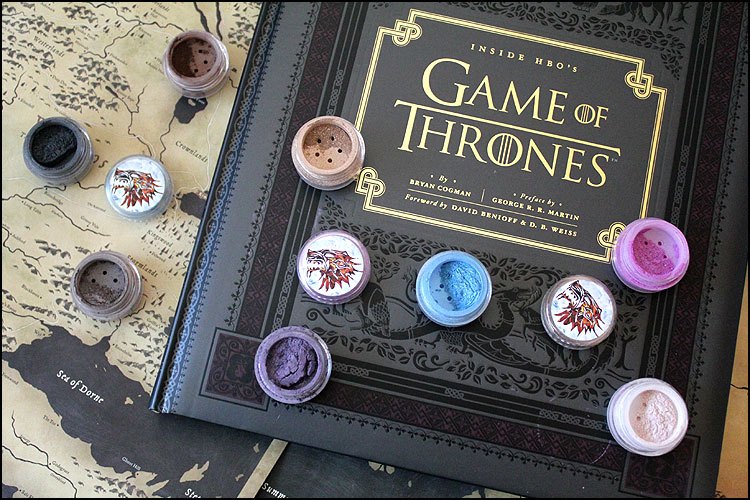
I had only discovered the makeup by chance, stumbling upon Shiro Cosmetics as I was looking for cruelty-free makeup. Looking into their site, I found they had a series of collections based off of popular media and memes, having collections centered around Game of Thrones, Into the Unknown, and Avengers, particularly eye shadows. They have cute little drawings that they come with on top, and lots of funny designs. And the reviews seem to like them.

The discovery of this site led me to start looking around for other Geeky makeup, and I was able to find quite a bit of collections. I found Geek Chic, Espionage Cosmetics, Nerdastic, and Black Pheonix Alchemy Lab, all of which had many items based around pop culture. It was astonishing, especially with the fact that the most of the colors looked so pretty. And most of them were cruelty-free.

The makeup usually has fun names, with fun designs, although if you’re looking for eyeshadow, don’t expect to many pressed palettes. Most of them are loose powder, with a few pressed palettes, which can be a little off-putting for some.

Geek-inspired makeup really started blowing up around 2015, as bigger companies began pushing out lines for the new Star Wars (Force Awakens), inadvertently boosting smaller makeup companies that based their whole existence around Geek culture. While still being considered “underground” and definitely “artisan”, Geek makeup has found its place and audience, and will only continue to grow as more people discover them.

The Popular Myth of July and August

There is a common myth that Julius Caesar and Octavian Augustus added the months of July and August, respectively. But there’s a reason that myth never makes an appearance in any popular culture surrounding the two men: because it’s a myth.

Well, it’s not entirely a myth. But I will get into that later. You see, the months that were added to the calendar that we use today were actually January and February, with February originally being placed at the end of the month. This is thanks to the Roman ruler Numa Pompilius (a Roman king), who decided to make the calendar longer after realizing that the calendar was far too short to make up for the actual year. This comes as a result of the original Roman calendar, which was merely taken from it’s lunar Greek predecessor, was only 304 days long. When Numa added the two months, the calendar got pushed up to 355 days, eliminating the need for adding an extra month(s) just to play catch-up to the rotation of the sun.

So, if January and February were actually the months that were added, where did July and August come from? Well, Before the dictator and emperor came in, the calendar looked like this: January, Martius, Aprilis, Maius, Juniius, Quintilis, Sextilis, September, October, November, December, and February. Can you see which ones were changed? Well, Quintilis wouldn’t be changed until after Julius Caesar’s death. As a part of his divination by the people, Augustus changed the month of Quintilis (which means fifth in Latin) to July, in honor of Caesar’s birth month.

August, however, would be implemented while Augustus was still emperor, with Sextilis being the one that gets renamed. This is in honor of his good emperorship in 8 BC, presented by the Senate. His birth month is not in August, however, but rather September. So why did Sextilis get changed? Possibly to show the sign of lineage. Augustus wanted the month to follow July, as a show of his relation to the popular dictator (he was adopted by Julius Caesar). Plus, since both July and August had 31 days, it would also show his equal greatness to his predecessor.

So, why the popular myth, then? Most likely as a show of the two men’s inflated egos, or even because they were the only two months whose names were changed. No other month would have their name changed (although February would find itself moved to be between January and Martius in the fifth century). Either theory would make sense, although it is difficult to say how inflated the men’s egos were. They were certainly grand, although that might just be because they were Romans (the Romans were quite extravagant and egotistical normally). So, I can’t really say why the myth exists, or why it persists.

A Month After the Controversy: My Opinion on Pixar’s Bao

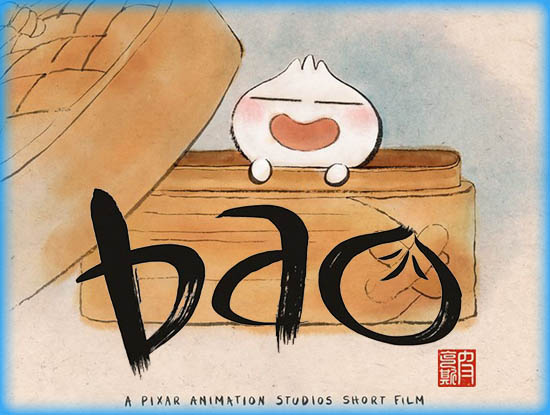
Once again coming after all the drama has settled, I have decided to put my two cents in on something. I saw Bao a month ago with my friend, and didn’t think much of it initially. But then all the drama rose and fell surrounding the short, with confusion arising over some aspects of Chinese culture. Is the short worth all the drama? Let’s take a look.

I am going to divide this into three sections: the pros, the cons, and a look at the whole controversy. I’ll try to pinpoint some significant cultural aspects that some people might not understand when looking at this. The analysis here is based off of my opinion, but I’ll try to be factual. This will be spoilery, so if you haven’t seen it and want to, watch out.

The Pros.

What I like the most about the story is the overall message. It was short, and got its story line out without any words. The animation was cohesive and colorful, all the characters being soft lines and not sticking out against the little dumpling child. Everyone was plump and round, and each character was distinctive in characteristic.

I honestly thought the film was a heartwarming tale. I am not quite certain what position the mother is in, but based off of the experiences of my friends’ first generation mothers clashing with them, I imagine there is some influence in there. She clashes with her son, who she sees as acting too far out against her, with the dumpling being a metaphor for her relationship with her son. It really was a powerful portrayal. The short portrays fracturing and reconciliation within a family, with a mother being initially unable to accept her son leaving. It is a story thousands of families face- and it does a decent job at it.

Overall, I thought it was short but had a good story to tell. It was well-animated, and was much better than the last Disney-related short I had to sit through (I’m looking at you, Frozen). I got invested, without needing twenty minutes to do so. It was cohesive and smart, without needing actual dialogue.

The Cons.

I have mentioned that Bao does a decent job at telling it’s story. But it’s not perfect.

The biggest con I can think of for this short is that fact that it relies very heavily on the use of metaphor. Which, works for adults and people who have a concept of metaphor, but not so much for children. In order to explain this, I have to go a little into the plot of the short.

Now, as I mentioned, the dumpling child is a metaphor for the woman’s relationship with her son. She raises the dumpling, but as he grows older he gets more rebellious and distant, eventually trying to leave her. Well, as a resolution, the woman eats the dumpling. Then the son, who looks like the dumpling, steps in from there.

Not bad, right? Well, the problem arises with the fact that most, if not all young children, will not connect the dumpling child as mirroring the son, without really being real. To them, they would see the dumpling child as different, and would think that she actually just murdered a dumpling person. Which, when you think about it, might put kids in distress. And it did-there were reports from audience members of some kids being distressed enough to cry from the scene. The reliance on metaphor is something that most kids-at least the ones that were anything like me-would simply not understand. It’s one flaw, but it’s a big one.

The Controversy.

Now that I’ve given my take, let’s take a look at where the controversy comes from. The short itself was directed by Domee Shi, and was influenced by her experience with Chinese immigrant parents in Canada. And as you can see, you can see the struggles that arise between the mother and the bao as the dumpling grows up and wants to leave and have independence.

How is this a problem? Well, from my friend’s experiences (Korean and Filipino) with their immigrant parents, and from some research, I find that the family and household are very intertwined. The child is not expected to leave the house and suddenly have a career at eighteen-which presents it’s own set of problems in the West-, but are actually expected to stay in the household past eighteen. The family is central, with three or four generations sometimes living in a house together. This idea comes at odds with American culture, especially for the children of immigrants who are surrounded by that culture. It often causes a strain in the relationships (as I’ve seen with some of my best friends and their parents), as the clash in culture causes arguments.

Now, because of my witnessing of these experiences, I am familiar with the cultural clash, especially in Asian immigrant families. However, there were quite a few people (mostly white Americans), who didn’t understand what was happening. This is where the controversy starts. There was an explosion of arguments, as people who didn’t understand the nature and context of the short began social media arguments with people who understood the short all too well. This caused calls of racism and ignorance, when I have to say such sayings might have been a little uncalled for.

Because of social media and the fact that huge portions of the US and Canadian populations live in large, diverse cities, we often forget that there are people who don’t know the experiences of immigrant families, nor understand the context of Asian culture versus Western Culture. When informed, people will grasp it, but when people don’t understand, a pivotal scene like the woman eating the bao would not make much sense. It would just seem like an overreaction to an argument, rather than an important moment that permanently changes the relationship of a family.

Does this mean we should have “dumbed down” the scene for people? No, not at all. While I do think some of the comments I saw were just people who were genuinely confused and not ignorant, I do think some people took advantage to stir up a huge controversy. I don’t think the short should have stirred up that much controversy, but I am not in a position where I understand all sides.

How Ancient Greece and Rome get Ignored in the World of Pop Culture

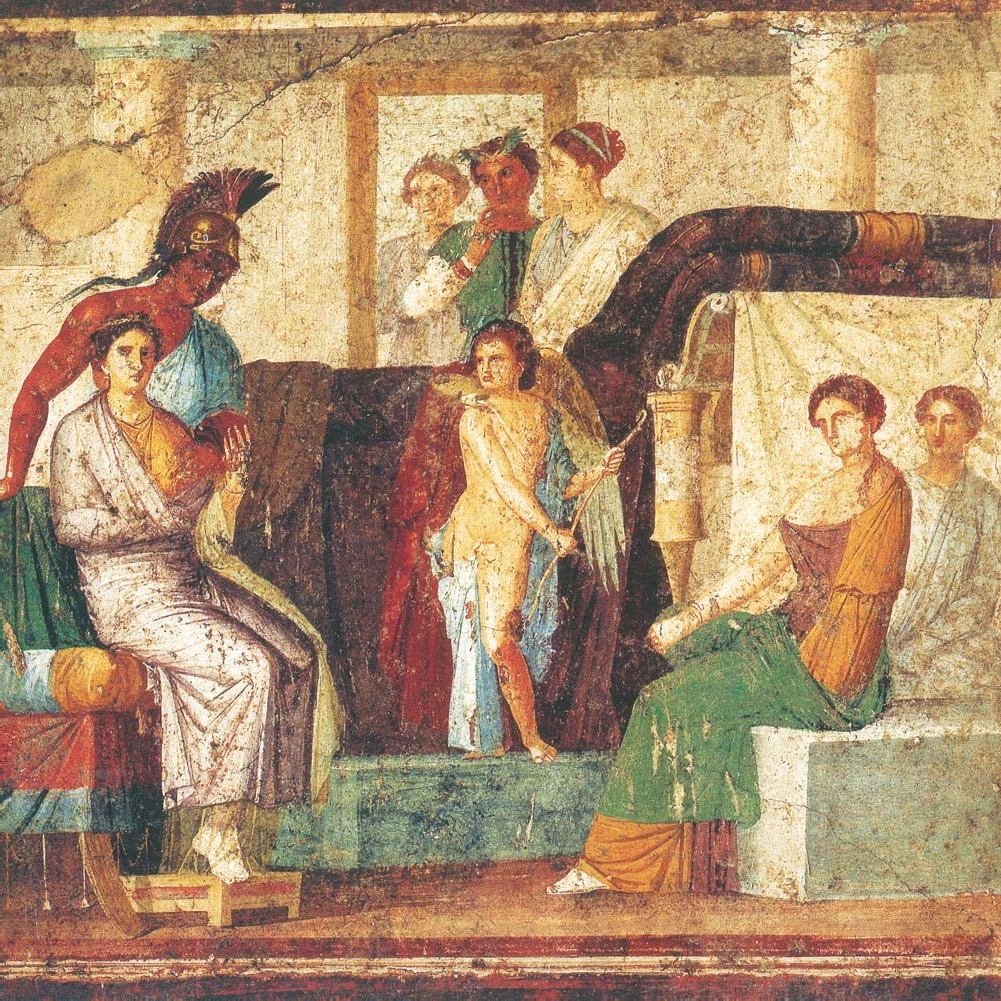
I’m going to put this out here before I go into anything else: I love studying ancient Rome. Ancient Greece is interesting, too, but there is just something about Rome’s quirkiness that is a whole other realm of entertaining. Like no Greek has made their horse a senator, and no Greek ruler has ever made all the aristocracy sit during his performances, which went for hours on end. Even if you went into labor during one, you either had to give birth there or wait until the concert was done (good old emperor Nero, right?). The absurdity of ancient Rome is just endlessly entertaining.

This interest, however (plus studying ancient Greek society and politics for classes), has made me a stickler for detail and historical accuracy. Which is something that doesn’t exist in Hollywood. Or really most forms of media. Ever. Ancient Rome and Greece (particularly Sparta) seem to get constantly portrayed as nations completely consumed by war (which isn’t too far off for Rome, but war never actually happened on the peninsula), with soldiers and generals being the stars. How both are portrayed ignores both the complexity of either society, but also greatly sets up the idea that both were only the super-machismo men that we imagine today. Which is expected, as every culture gets simplified to focus on the more “interesting” aspect of warfare. But I thought I would expand other interesting parts about these cultures that are either sorely left out of media, or not elaborated enough.

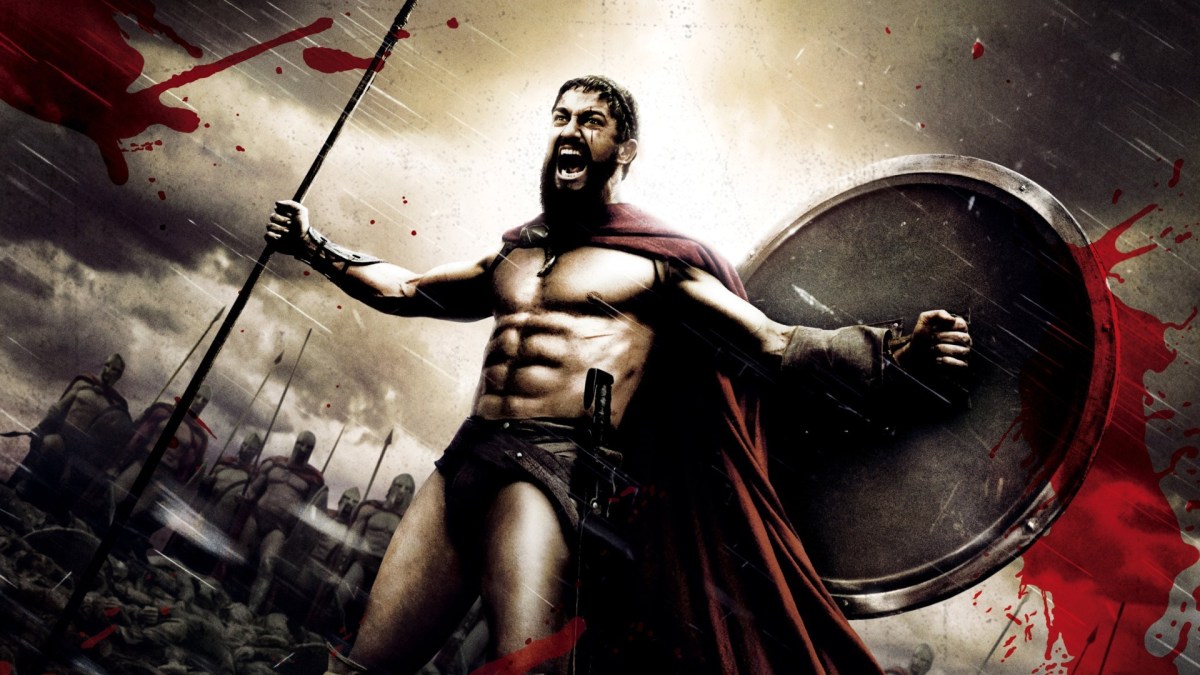
When it comes to Sparta, what you might imagine is the movie 300, or any other films centered around the culture. Sparta is often portrayed as the epitome of super-machismo, with sexy men with ripped bodies in scant uniforms, while the women are often left at home in the traditional Greek tunic. This basis isn’t unfounded. Sparta was known as the “warrior kingdom”, with children training from a young age to be strong warriors and advanced athletes. Yes, I said children. Women were also trained to be fit (although to a lesser extent than guys), and had some of the most rights of all Greek women. Because men had to train to become a “real” Spartan at 30, and people were expected to marry around 18 (late relative to Greece), women had to have quite a bit of freedom, and were expected to maintain athleticism and a healthy diet to raise strong children. They could perform in sporting events, and had the rights to property, making Sparta unlike the rest of ancient Greece.

This difference in culture often attracted criticism by other ancient Greeks, especially by Athenians, who saw Spartan men as “controlled by women”, despite the intense training in athleticism and warfare that Spartan men had to go through. Sparta is often pictured also as an independent piece that focused itself around Persia. This also ignores the massive around of political influence that Sparta had in Greece, with alliances and “sibling-hood” that made up the area called Peloponnese, which would eventually bring the downfall of Athens (no kidding, the Spartans trash the Athenians in the Peloponnesian War). While Persia was an issue, Athens was a bigger issue (but we can’t show them being destroying the birthplace of democracy, can we?).

As for Rome, it often gets shoehorned as purely militaristic, or centered around the time of the rise of Caesar and Cleopatra (one of history’s most famous romances). And for some reason, Rome seems to always be directly under attack, at periods of time when direct invasion of the city just didn’t happen. In fact, most of the peninsula was never invaded until the collapse of Western Rome, brought into the Roman empire through alliances (except for Sicily). The main problems the city of Rome itself faced wasn’t invasion, but fires. Lots of fires.

Plus, after a certain point, Rome stopped trying to spread its empire, and focused on trying to maintain it. At its height, Rome was the largest empire in human history before Britain in the 1800s, extending from the base of Scotland all the way out to Western India. Which also adds another point. The Roman Empire was insanely diverse, with people of many races having the potential to be considered aristocracy (Rome had to maintain hierarchy in the further regions, in order to keep civilizations under control). Others could even rise the rank through military to be considered Roman wealthy, and were allowed to move throughout the empire. It’s important to mention, however, that while there while there was great social mobility, that Rome also brutally suppressed the groups it controlled, wanting to enforce the “Roman way” (another fact left out). There are even artworks in Rome dedicated to various successful suppression campaigns. But who cares about showing how an empire functions? People want to see the expansion and victory.

Also, when the media portrays Rome, it portrays Julius Caesar and Octavian Augustus, the dictator and first emperor, respectively. Their periods were interesting times, however, as it was the change of Rome from a Republic to and Empire, paired alongside the fall of Egypt with the tragedy Cleopatra. However, this ignores some of the biggest military conquests, which happened under emperors like Hadrian, Marcus Aurelius, and others, with the latter being considered one of the “big five” of the best emperors of the empire. The only issue that comes with portraying it is, there’s no easy drama to create with great emperors. There was plenty of drama in Rome’s shift to play off of; Marcus Aurelius and Hadrian didn’t really have that level of drama.

Lastly, the media tends to entirely misconstrue Cleopatra. While she was Egyptian, the story we have of her was documented by the Romans, who changed her image from the powerful and intelligent pharaoh responsible for the prospering of Egypt to a simple seductress that corrupted both Julius Caesar and Mark Anthony. Her love story with them is very commonly known through Western pop culture, with the tragic end of her committing suicide alongside Mark Anthony’s corpse rather than following Octavian Augustus to Rome. But the portrayal often ignores all her achievements, militarily and culturally. Cleopatra is responsible for the revitalization of Egyptian being used in the court, which had fallen out of practice during the Ptolemy period (established under Alexander the Great). She also caused the Egyptian economy to prosper, and revitalize the Egyptian military. She had a major amount of political influence in the Mediterranean, which the Romans vied for, making her a major threat. She spent her reign working towards protecting her empire, causing her to turn to Julius Caesar in the first place, and utilize his growing power to keep Egypt separate. And after his murder, she turned to Mark Anthony.

Her motives are seriously downplayed, as a result of her historical rewrite by the Romans, who didn’t like the fact that a woman had sole power over the empire. No, seriously, Rome was notorious for banning women from even entering the public sphere of influence, especially after getting married. Unlike Sparta, women were unable to own property, divorce their husbands, or even practice sports. The idea of one having such a massive amount of political power was unheard of to them. Cleopatra needed to be knocked down a few pegs in their minds.

A Trip to Universal Studios: What to Expect

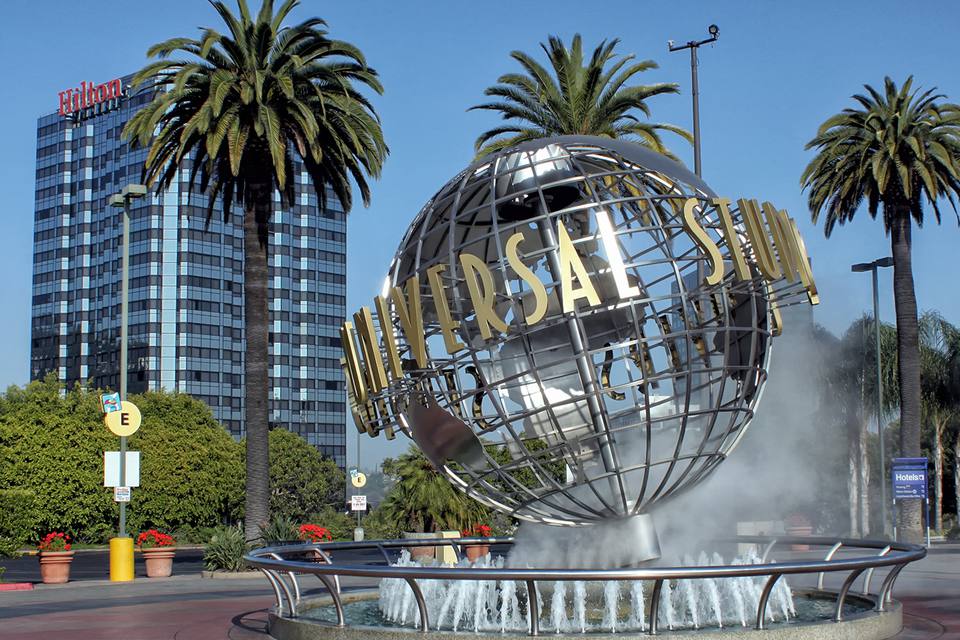
With summer here, hundreds of thousands of tourists from all over the globe will be travelling to Los Angeles to see the world famous attractions. One of these attractions, is of course, Universal Studios.

What can you expect if you want to go here? Well, from experience (although I haven’t been since a year before Hogwarts opened), here’s a few tips that’ll prepare you for what usually happens when you visit the park.

First step: buying tickets. No matter what, you will want to buy your tickets online. They can range anywhere from $109-124 during the summer (during off seasons, they’re much cheaper). The price ranges on what day of the month you decide to go. Earlier in the month tends to be cheaper. If you decide to buy the tickets at the door, they will be the most expensive.

Second: Be ready for crowds. Universal Studios not only attracts locals, but tourists from all over the world. Don’t be surprised to find that the biggest rides will have the longest waits (yes, this includes the studio tours). Also, there will be people everywhere, despite the streets being built for large crowds. Make sure to keep track of your party at all times.

Third: It’s probably best not to buy food in the park. Think of it like any theme park food- overpriced, and not that great. It’s better just to go to City Walk and return to the park. It may not be cheaper, but it is certainly better tasting. However, if you don’t want to deal with the trouble of getting out and back in to the park, then staying in the park will be fine. The food won’t kill you.

Fourth: Bring water and find ways to stay hydrated. Los Angeles is a semi-desert, and gets insanely hot during the summer (the average in the 90s), and it’s important to drink plenty of water while you’re in the park. Also bring sunscreen. You don’t want to get sunburnt by walking to get on a ride.

Fifth: And lastly, don’t forget to enjoy the whole park. There are multiple levels to it, and a great view of Warner Brothers studios. It is a fun park, and although the lines can get long, the day wouldn’t be worth it if you skipped half the lines. Also, it’s not recommended that you bring infant kids. They wouldn’t really enjoy most rides, and dealing with a crying kid in the heat is less than enjoyable. Have Fun!

Crazy Kpop Fans vs. Koreaboos- the Important Difference

Since the release and popularity of “Gangnam Style” by PSY, Kpop, and Korean pop culture in general, has soared in popularity in Western pop culture. This continuing rise in popularity has led to BTS’s recent performance at the New York New Year’s Show, and the rising presence of Kcon (a convention centered around Kpop and other pop culture). It has also created created a rise to the super fanatics, or the “crazy Kpop fans”, and the koreaboos.

What is the difference between the two? While the koreaboo does classify under the category of “extreme fanaticism” like the crazy Kpop fan, one is distinctly different from the other. How is this so?

Well, the differences come in attributes. For the crazy Kpop fan, which holds the name sasaeng (a Korean term which literally translates to “private life”, referring to the regular invasion of privacy of Kpop artists by their crazy fans), the attributes come in the form of deep psychological and emotional obsession with Kpop, and certain groups in particular. The sasaeng fan are not considered “true fans”, constantly trying to rip off artists’ clothes, kiss them, and stalk them. While the sasaeng fan is in the West is much more virtual-based, writing fan fictions of all sorts about their favorite idols, buying anything and everything that they believe belongs to their favorite idol, and “virtually” stalking their idol, there has been increasing physical contact, with some sasaeng flying out to South Korea in order to try and find their idols.

The Korean sasaeng fan is much more direct, and will break into idols’ rooms, set up cameras, drug the idols, hit the idols, in order to be remembered. They will get in taxis or their own cars in order to follow their favorite idols, which have resulted in previous multi-car accidents and stand offs. They will even go so far as to try and kidnap their favorite idols in order to get close to them. This cultural phenomenon has existed since the 1990s with the rise of “fandoms”, although they are gaining heightened momentum and attention under the digital era, with as many as 100 sasaeng fans following the biggest Kpop idols on a given day. Their behavior is erratic and dangerous, having a direct impact and life-threatening impact on the Kpop idols.

The Koreaboo by contrast, represents a much different and more muted form of harmful. The koreaboo is best described as someone who denies their native culture, idolizing Korean culture (based off of Kpop and Kdramas) and claiming it as their own. The koreaboo wants to be a Korean, seeing them as the “most attractive” or “best” ethnic group, and dreams of moving to Korean and marrying a Korean person. They try to act like how they imagine a Korean person acts (based off of Kpop and Kdramas) and are basically Korean fetishists. Kind of reminds you of Rachel Dolezal and Ja Du, right?

With this is mind, how can they possibly be harmful like the sasaeng fan? Well, they’re more harmful in the way that they ruin things for everyone else. Because of their cultural fetishism, they stigmatize liking Korean popular culture, and make anyone who has an interest in seeing South Korea or learning about their culture look bad. They do not directly harm the lives of their favorite idols, but they do promote cultural stigma, and make enjoying other cultures look “wrong”, particularly among younger populations, who are affected by the Kpop phenomenon the most. They represent a mutation in fanaticism, a minority with a big and memorable voice that exists not just with Korean pop culture but also Japanese pop culture (the weeaboo, which influenced the name koreaboo), and European pop culture (although they are considered much more socially acceptable by the West). They force casual fans to feel “bad” about what they like, and ruin all the fun.

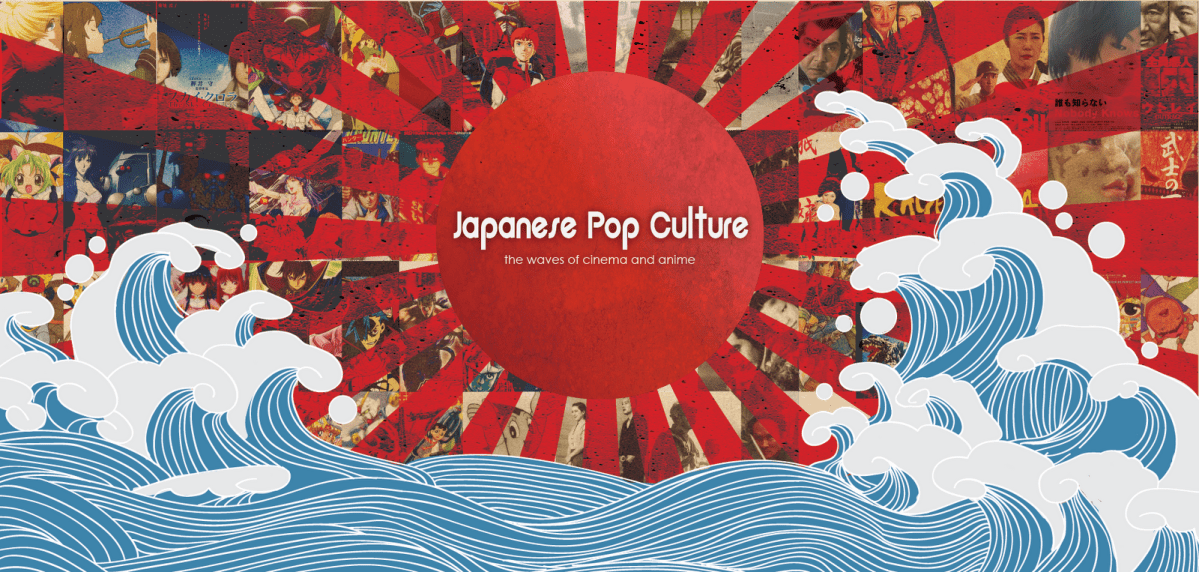
From Godzilla to Studio Ghibli: A History of Japanese Cultural Trade

When it comes to pop culture, Japan has a long history of influence. Having a unique access to Western markets (granted by the US under occupation to make sure their changes to the Japanese economy survived), set Japan off to the comfortable position of domination in the cultural trade, only to be challenged in recent years by the rise of South Korea and Hallyu.

But how extensive is Japan’s pop culture influence? To explain that, I have to begin with one of the most famous classic monsters in cinema history, Godzilla. Godzilla, also known in the Japanese form (Gojira, ゴジラ), by Ishiro Honda, was initially released in Japan in 1954, made as a message against nuclear bombing and H-bomb testing by the US near Japan). Godzilla in its initial form acts as a metaphor against nuclear testing, being an ancient monster that is awakened from a deep sleep by nuclear radiation. By the end of the Cold War, however, some versions of Godzilla have him portrayed as an antihero, defending humanity against a greater threat, while more modern versions have included natural disasters, environmental degradation, Japanese forgetfulness over its imperial past, and human conflict. While the films have shifted Godzilla’s meaning over time, the lizard monster itself has become a staple in Western pop culture, being recognizable to most, even if they haven’t seen any Godzilla films.

Another easily recognizable figure would have to be Hello Kitty (Haro Kiti, ハロー・キティ), created in 1974 by Sanrio. Hello Kitty is a staple of the “kawaii” segment of Japanese culture, having been created as part of a line for “kawaii merch” by the company. According to creator’s Yuko Shimizu’s backstory, Hello Kitty (or Kitty White) is a perpetual third grader living outside of London, with the target audience being pre-adolescent girls. Now Sanrio has expanded to include a more adult audience, with dozens of characters all contributing to “kawaii culture”. Hello Kitty holds immense popularity in Western markets, but a character released in 2013 by the name of Gudetama (a lazy egg yoke with a butt), seems to have become a cultural phenomenon as well, being seen as particularly relatable among teens and young adults. With the popular release of both the merchandise and the show Aggretsuko by Netflix in 2018, Sanrio’s newest character, a red panda battling discrimination and microaggressions at work, seems to be on the same path of popularity.

Around the same time as Sanrio’s release of Hello Kitty, another influential character arose, although not nearly as remembered in the modern era. This character was Astro Boy (Testuwan Atomu, 鉄腕アトム). The 1963 TV series, written by Yoshiyuki Tomino, was based off of the 1952 manga with the same name (written by Osamu Tezuka, or the “God of Manga”), was the first popular Japanese show that used the style later classified as “anime”. It was the first actual anime to be broadcast outside of Japan, enjoying popularity in both Japan and the West. Astro Boy, taking after many futuristic shows of the 1960’s takes place in the “distant 2000”, he is the most advanced robot ever developed. In 1965, NBC Enterprises released English-dubbed episodes to American audiences, with episodes and names altered to cater to both restrictions placed by the American television networks and to American tastes. Despite Tezuka’s frustration with the restrictions, it gained massive popularity, holding reruns until the early 1970’s. Remakes of the original anime would still follow into the 1980’s and 1990’s, however, revamping the animation style and story to progress with time.

The success of Astro Boy would lead directly to the further development of the “anime” style of animation, and with an ever-growing market, the style flourished throughout the 1980’s and 1990’s in both Eastern and Western markets, with shows like Sailor Moon (Bishojo Senshi Sera Mun 美少女戦士セーラームーン), Pokemon (ポケモン), Gundam (Gandamu, ガンダム)and Neon Genesis: Evangelion (Shinseiki Evangerion,新世紀エヴァンゲリオン)  influencing an entire generation as English dubbed versions of the shows played on normal daytime television. This influence would lead to the incorportation of the anime style into Western shows, such as the Simpsons “30 Minutes over Tokyo” in 1999, which dedicated an entire episode to referencing different Japanese cultural aspects that Westerners were familiar with, and poking fun as some of the pop culture aspects as well. The influence of these shows throughout the 1990’s would also lead to the development of Avatar the Last Airbender (2006-2008) and its sequel series, both of which were produced by a Western company, but with an anime-esque style, leading to the coining of the new term “American anime”.

Of course, in mentioning the influence of individual shows in the anime style, I simply can’t ignore the influence of an entire company that redefines it. Studio Ghibli (Kabushiki gaisha Sutajio Jiburi, 株式会社スタジオジブリ), founded in 1985 by Hayao Miyazaki and Isao Takahata, is perhaps the most influential Japanese animated film company in the Western market, with seven of the fifteen highest-grossing anime films, Spirited Away (2001) clocking in at number two with $290 million globally, and an Oscar nomination for best animated film. Studio Ghibli has provided a wide array of films, focusing around the nuances of human nature, even if they take place in fantastical worlds. With Disney’s English dubbing and releasing of the films in Western markets, Studio Ghibli has gained seemingly legendary status, with films such as Princess Mononoke (1997), Howl’s Moving Castle (2004), My Neighbor Totoro (1988), and Ponyo (2008) having cult status among Western youth. Studio Ghibli is and will remain a permanent figure when one thinks about Japanese pop culture, having one of the largest and most recognizable names of any Japanese animation company. Despite their announced temporary hiatus in 2014, fans of the films still eagerly await for another film to come.