The American Meme, and Unnecessary Drama

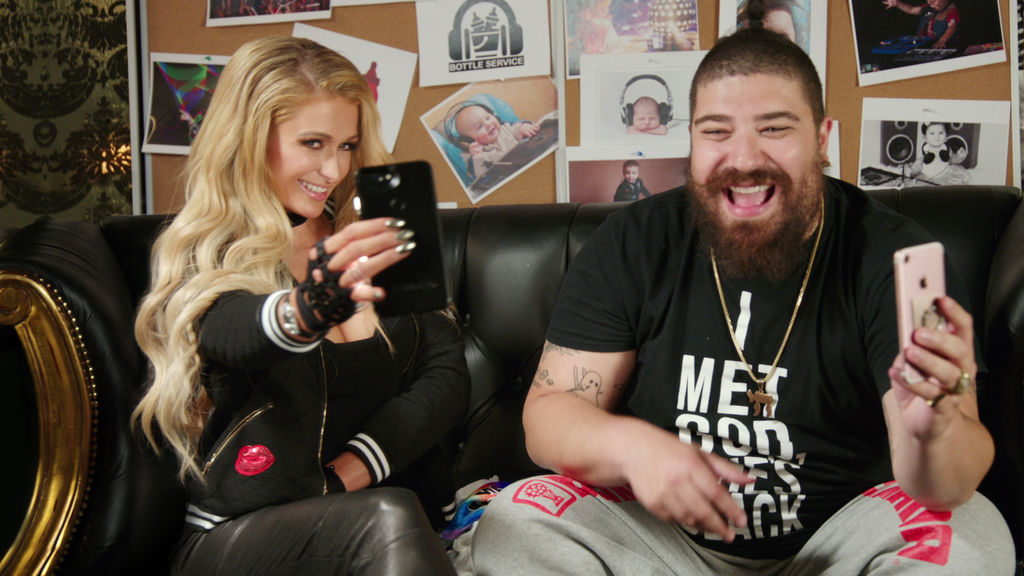
For the past few days, I had been in a funk about writing. I didn’t have any inspiration to write about anything, which was kind of annoying, because I wanted to at least write about something. That was, at least, until I watched the American Meme on Netflix with my friend last night.

God, this documentary was something else. I don’t think I’ve ever rolled my eyes harder than when I watched this. It wasn’t because the documentary was necessarily bad-just filled with whiny, obnoxious people who complained about being social media influencers, while at the same time refusing to leave it.

I’m not kidding. Literally ninety percent of the documentary was about these people complaining about being influencers. How they “hate people” or “their life sucks”, but they also continue to do their job because “what else can I do?” The only person I had any real sympathy for was Paris Hilton, who did get chased around by paparazzi, and did have a private sex tape released without her consent. That, I can understand.

But everyone else? I’m sorry, but I have none for them. They’re literally all the same types- kids who move out to LA to make it big, don’t get any parts, and then turn to social media to pay the bills. Then they complain because the pathway they chose sucks and is competitive and fake, but don’t leave or move back home. They claim to be hooked on the attention, which may be true, but seriously, it’s not that hard. Being an influencer is cut-throat. Don’t like it? Leave.

I do realize in writing this that my sympathy may be lessened by the fact that they moved to LA, especially to become actors, which grates on my nerves to no end. I, like most other native Angelinos, hate those kinds of people. The transplants that come here to be in the entertainment industry, then refuse to leave when they get jaded. They increase the traffic, the housing prices, the cost of living. They add to the gentrification of long-standing communities, all the while flaunting how they’re from a small town or some other state. Sorry, but you won’t find sympathy from me.

Another thing that got on my nerves: how these people claimed they had to be crazy to get views, and how everyone in Hollywood dresses up and calls the paparazzi to them now. Which isn’t true in the slightest. Most traditional entertainers (actors, musicians), don’t have the paparazzi coming to them, and don’t get all flashy. They blend into the regular population, eating at restaurants or going to the gym. Most of them stay out of the limelight, going entirely against the claim Mark Henderson made about Hollywood.

And as for social media influencers, I follow plenty of them (and live near a few) that don’t at all do crazy things for the sake of social media. They don’t make fools of themselves, and still get millions of views on a youtube video they release, or an Instagram photo that they send out. This documentary tries to say otherwise, but facts are facts.

This documentary, to a certain extent, was a load of bs. I won’t lie and say that social media is nothing like this (because any creative platform can be pretty cut-throat and strenuous), but the extent to which these people make their claims is so exaggerated. The people interviewed also act like there’s no way out, but then contradict themselves (like Kirill was saying he had ‘no other option’ than to party like crazy for Instagram, and then it goes and talks about how Paris Hilton used her fame to start a bunch of brands), to the point where is just seems ridiculous. To me, the documentary was just a way for people to complain about their lives without actually changing anything about it.
Youtube Rewind 2018: For the Corporate

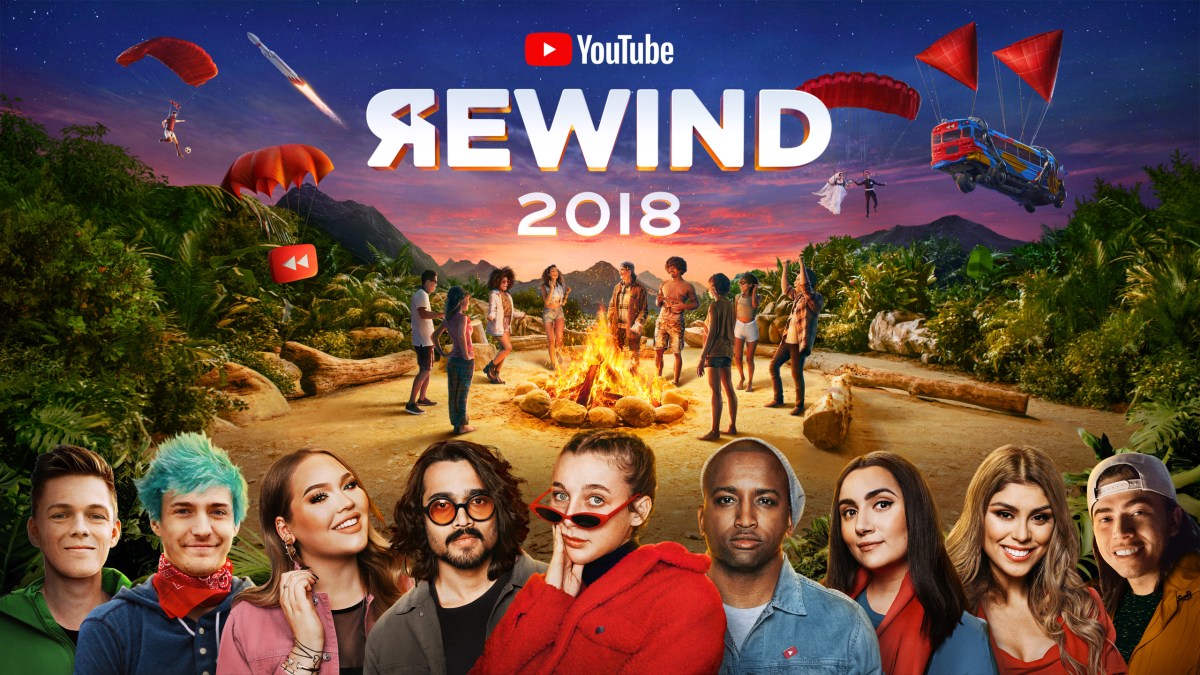
This last week, Youtube Rewind 2018 dropped, receiving not just the most dislikes of any previous rewind, but also the most dislikes of any video on the site ever, getting over 4 million dislikes in 24 hours. Which is ironic, considering that this years rewind was supposed to be “what the people want”.

Youtubers, all over the place jumped on the opportunity to review it. H3H3 even went so far as to compare this year’s rewind to the rewind from 2013, showing how much Youtube has changed to be more about the business than about the creators. This comparison brought to light what Youtube was before the 2016 “Ad-pocalypse”, an event hallmarked by the rush of company ads and investments being removed from Youtube after Pewdiepie’s anti-semitic controversy, and after. It’s a stark difference.

Now, before I go into it, I’m going to put this forward: I’ve seen this year’s rewind, and I hated it. Like, not just in the fact that they had almost no one I could recognize, but the fact that it was just all around cringy. Now, let’s get into details.

The rewind opens up with Will Smith, who not only doesn’t have a Youtube, but also wishes for Fortnite (?). It then leads to showing a Twitch streamer, and a bunch of people I swear I’ve never seen before, before going downhill from there.

I’m not going to do a full breakdown, but the first minute of this rewind should already say enough about how it’s not for the people, even though that was the theme of the video. “Let’s make it about the viewers! Go by the comments!” They said, although no one is really sure how legitimate those comments are. In fact, if you look at the comments below the video, you can see just how upset people are with it. The rewind ignored a lot of big events that happened not just on Youtube, but on social media in general, instead focusing on the…political contributions of some on the platform? It was ridiculous.

The video obviously reflected the Youtube that the company wants to present, which is soft and fun, but more importantly ad-friendly. It’s not accurate, and it avoids any and all “risks”, even though that’s what the platform is known for. The worst part was the Youtubers. A good 90 percent of them I, nor most other people, had ever heard of, and focused on things like mukbangs and ASMR. They had some KPop, copying the new video by BTS (the most widely-known Kpop group right now) without actually mentioning their name. It was just bad.

This video wasn’t for the people, despite what they proclaim. It was just a waste of time and money.

Good Shows Don’t Always Need Multiple Seasons

Everyone would love to see their new favorite shows have multiple seasons. It’s a natural desire: when people become attached to a show and its characters, they want to see more of it, and want the story to continue. Even though I’ve fallen for this trap myself, I can’t help but look at some shows and think “it really would be fine by itself.”

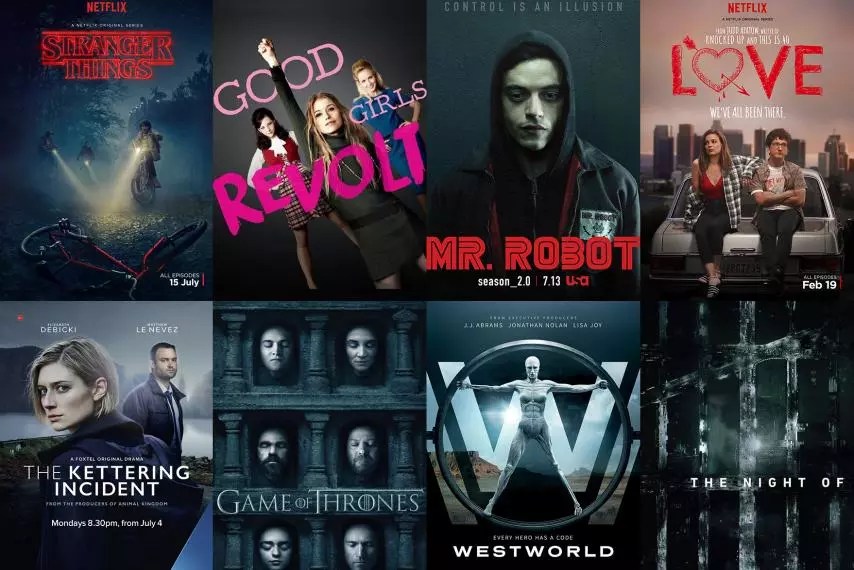
What do I mean? Well, let’s look at Stranger Things. The show, which was a knock-out when the first season came out, had a popular second season, with a third on the way. I have to say that the second season was pretty good. But I, and at the time a lot of other people, thought that Stranger Things would have been perfectly fine as just one season. Why? Well, I thought it wrapped up its arc pretty well. Yeah, there were hints that the show wasn’t over yet, and yeah that there were still things to resolve, but overall I thought it wrapped up pretty well. Honestly, if you had just cut out the Will Byers bit, then you could have ended the show right then and there.

And it’s not just Stranger Things. I’ve seen other shows where I found that the first season wrapped up everything pretty well, and didn’t need anything beyond it. Of course, however, when something is popular enough, the company who made it is going to want to milk the show for all it’s worth. They’ll make season after season, until people lose interest and the show loses money. Which sucks, especially when it was a show you actually liked at the beginning (yes, I liked Supernatural when it was in its prime).

But it’s not only that. Sometimes, when another season is added, it can seem awkward and out of place, especially when it’s working off the old plot. Or directors and writers change, causing characters to change as well, sometimes for the worse. People notice when the character starts acting different, even if it’s a subtle difference. This all sets the second season at a disadvantage, as it not only would have to make the story line from the first season flow, but also maintain what was so great about the first season. It would have to lie up to its predecessor, and when its predecessor was perfect by itself, it’s nearly impossible to.

Now, I’m not saying that just because a show has a good first season that nothing should ever follow. There are plenty of shows that make their following season/seasons just as good as the first, for the most part. As the show starts hitting seasons 9 and 10, then things become tedious. I’m just trying to say that not every show needs a sequel, especially when the first season did such a good job at finishing itself.

Beauty and the Beast, and the Case of Disney Getting it all Wrong

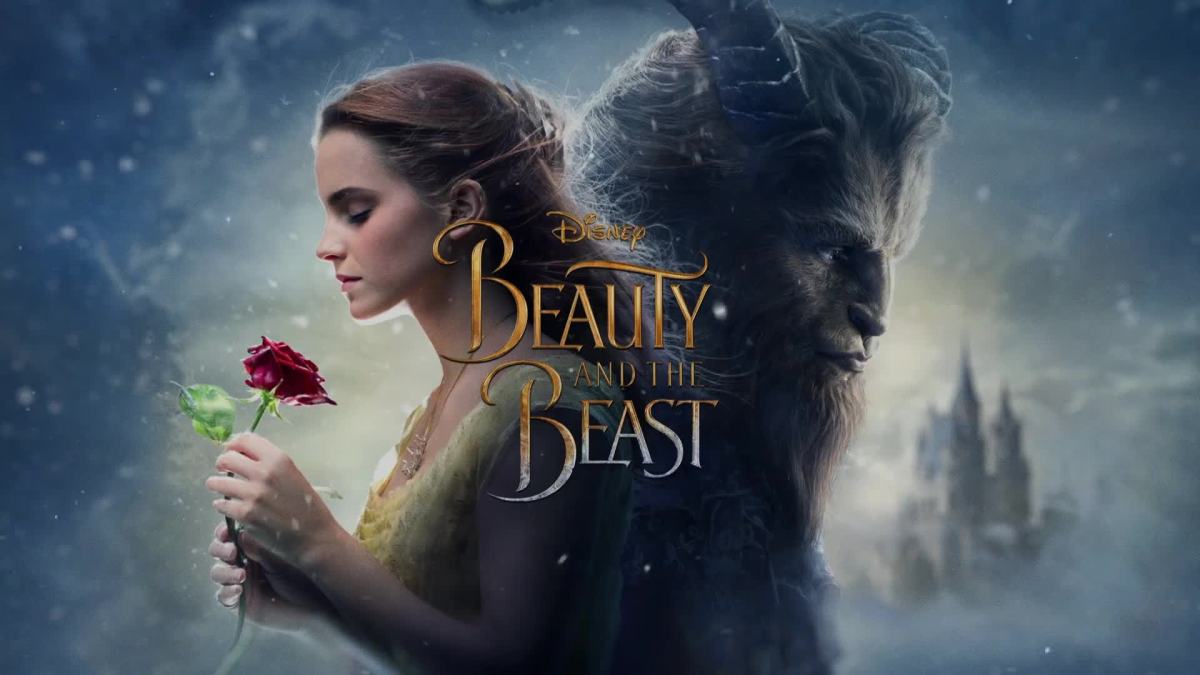
I have certainly missed the craze of analysis over the Disney live action films. That all happened after the release of the live action Beauty and the Beast, with some people ranting and raving about how much they loved it, and others harshly criticizing the film for its lack of originality. I am far from the first to talk about this film, and I will not be the last. However, I’ve noticed that most criticisms of the film often ignore certain aspects that I felt were especially irking, and fail to connect what happened in this film to the overall live action trend. So I thought I would put in my own two cents, and see where this takes us.

Now, the whole Disney live action trends started with the success of Maleficent in 2014 and Cinderella in 2015, both of which provide different perspectives of the stories told. Maleficent  provides an alternative look at the tales of the original 1959 classic Sleeping Beauty, although it was a rather half-baked attempt. I thought that Disney might be getting their footing with the release of Cinderella and Jungle Book, which flesh out relationships and motives and situations just a bit more, without only repeating the story.

I was proven greatly wrong, however, with the release of Beauty and the Beast in 2017.

Not only was the film a straight copy-paste of the original story with almost no additions, but the changes they did make just degraded an already good story. This film, like the other three before it, attempted to correct past criticisms of the original work, despite the fact that the film they are trying to correct something that is negligible. Cinderella provided insight on what happened to her father, which the original film failed to do. It explained why Cinderella dealt with the abuse, something the original film didn’t do. This film tries to elaborate on how the magic works in the castle, something that the original film didn’t need to do.

There it is, folks. This film tries to provide logic to a world of magic, something that didn’t really need to be elaborated on. Like the magic dishes, and some other things that move in the house. Not everything that moves needs to have a soul attached to it, which in turn explains the trashed furniture in the West Wing. The Beast didn’t just straight murder his servants. You can assume that a castle would have furniture in it before everyone else got turned into furniture.

Which leads me to my next problem with the film- the fact that the furniture explain the West Wing to Belle completely ruins a major plot point in the film. They not only convince the Beast to give her a better room, rather than let him make the decision for himself, but also give her a tour of the castle, mentioning the West Wing and thereby ruining the impact of Belle actually going to the West Wing. The betrayal aspect of her going to the West Wing despite his wishes is lost.

Which leads me to my next point: they completely wash out the relationship between Belle and the Beast. They ruin the complex relationship between the characters, making Beast an asshole who needs a life coach, and Belle the life coach, rather than having them learn off of each other. Belle was kind and patient, but could also call out the Beast’s bad attitude in the original film. In this one, they just fight, and he never learns to do better. Their relationship becomes basic and Hollywood-style, and the ending doesn’t feel like it was deserved.

Now, in a turn away from the more interaction aspect, I am going to turn more to the other issues I have with the film. This one can be narrowed down into bullet points.

Belle’s voice:

Why, why, why didn’t they just have an actual singer dub Emma Watson’s voice? Hollywood has dubbed hundred’s of actor’s singing before, and the attempt the avoid this in this film ground my ears out. They auto-tuned Emma Watson’s singing to the point where it sounded like a robot made it, heavily contrasting from the fact that literally no one else has a robotic voice. Literally no one else.

What made it worse was the classic reprise of the song “Belle”, where Belle has a powerful soliloquy (done flawlessly by the original voice actor Paige O’Hara). In the live action version, we just get a shotty, robotic voice that just washes out with the music. Every time she opened her mouth the sing, I would be ripped out of the moment.

Belle’s Dress:

I know they tried to do what they did in Cinderella with giving the dress a much needed update, but it really wasn’t necessary. Unlike Cinderella’s kind of odd-looking dress in the original, there was nothing wrong with Belle’s dress. In fact, her’s was a favorite among many, and was a popular costume for young children. The fact that they tried to change it to something as blase as they had in the live action film got some much deserved out-roar. How do you replace such an iconic dress with something that looked like three pieces of yellow tissue paper stuck together? It just doesn’t make any sense.

Gaston:

Why try to make him unlikeable? The whole point of his original character was that he was attractive, popular, and charismatic, and was easily able to influence the ignorant townsmen into joining him for the “final battle” at the castle.

In this case, he’s a character that is considered untrustworthy by the town, leading to Le Fou paying people to sing and up Gaston’s ego. Such a move was totally pointless. You should have just kept him the same. It would have saved a lot of time on the pointlessness of trying to make him a complex character. Focus on fleshing the two main characters out, not the villain, who didn’t need to be fleshed out.

The Plot Overall:

Last but not least, I have a problem with the plot overall. Let’s face it- it’s just a pure retelling of the original story, with some pointless additions slapped on to take up more time. There was nothing of real value added, degrading the plot of the story. What was changed really had no purpose, unlike the films before it (except Maleficent, but that’s for another time). I came into that film expecting something and left it feeling like the original story was just wronged. Which doesn’t make sense, as the live action version and the original were both made by the same company.

But, that’s the problem with the desire to make money and deal with criticism. It just didn’t work here. It turned what was once an Oscar-nominated film into a straight mess. It was just unnecessary.

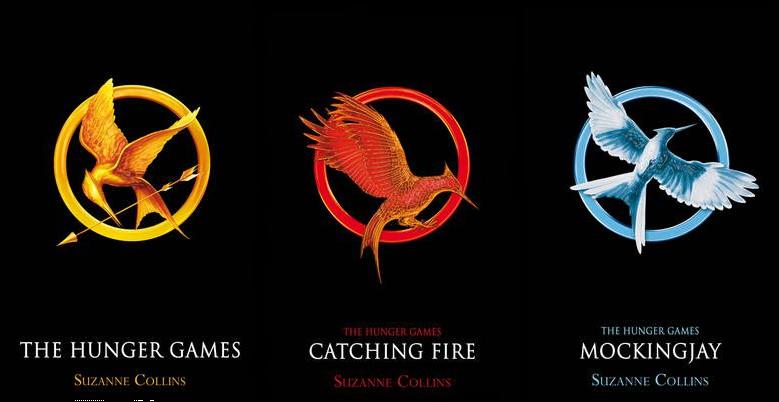
Why the Hunger Games Trilogy Should Have Never Been Movies

I was at the end of middle school when the first movie of the Hunger Games Trilogy was released. At the time, I had thought that the film was a serious let-down, with much of the book’s original purpose ripped out in favor of a “Hollywood-style” interpretation. But that was typical, as most books that were being turned into movies were glamified to fit a dramatic Hollywood action movie. But as the movies continued to come out, I got older, and noticed more issues with the films. By the end of it, I thought the films shouldn’t have existed at all.

Why is this? Well, just the idea of the films existing goes against everything that the books aspired to criticize. The books themselves were about a young woman of color (presumably native, based off her town’s physical characteristics) being inspired by a young black girl’s death to lead a rebellion against the glutinous and overly-extravagant Capitol, the head of Panem (which is the Latin word for “bread”).

Panem is a place where the districts closest to the Capitol are the wealthiest, while the furthest are the poorest (and tend to be people of color). But the Capitol itself benefits off of turning the fight to the death between children into a spectacle, watching their every movement and promoting them as though they were nothing more than TV actors. Katniss and Peeta’s romance gets televised and focused on, and throughout the books you can see they were a point of entertainment and propaganda, working to gain “sympathy” from the viewers. Meanwhile, the families of those that have to fight sit agonizingly, watching their children being brutally murdered for entertainment.

All the while, propaganda in support of the regime was constantly emphasized, with police task forces ensuring the peace. The propaganda is representative of the news media, promoting submission to the regime while broadcasting all the issues with it as a form of “entertainment”.

The Hunger Games criticizes everything that supports the oppressive system, which includes mainstream movie media. This is the biggest kicker for why the movies shouldn’t have existed. It was made by a large company (Lionsgate) which altered the feel of the books in order to show what they wanted with the rebellion, without anyone pinpointing back to the US (or other Western) system as a whole. It degrades the whole point of the books.

Not only that, but their marketing adds insult to injury, by promoting “Capitol-inspired” makeup, merchandise, computer games, all of which trivialize the struggle that book Katniss faces going against. It is using luxury as promotion for something that criticizes this very aspect. This wasn’t just for the first movie either; it popped up again in each of later three films as well.

The original movie made the same mistake the Capitol did: focusing on the romance rather than the violence. It wiped out just about half of the point of the first book, turning instead to make it all about the romance when it should not have been. Of course, this gained massive amounts of criticism by viewers, and Lionsgate made it more subtle in later films.

However, they didn’t change the fact that they completely whitewashed much of District Twelve. Rather than having people with brown skin and hair (as the book describes the majority of the district being), they got “lightly tan” people who had to dye their hair the right colors (for Katniss and Gale). Also, the actress who played Katniss refused to “lose weight” for the part, which also takes out the fact that District Twelve was a heavily impoverished district, and it erases much of the struggle of Katniss’s survival. I don’t mean to say that Jennifer Lawrence should have gotten to an unhealthy weight, but to have someone who didn’t look anywhere close to starving play the part of someone who was supposed to be malnourished is a bit of a stretch. The point of her depiction is to show the horrors that the Capitol caused, not to put the biggest name actress you can as the main role.

As popular as the books got, it would have been much better if they had been left as they were-books. Of course the movies made lots of money, and were insanely popular, but that was because people fell into the trap of the entertainment. As long as it’s not real, it’s okay to see it, right? Well, not if the powerful message of the books just get lost.

A Month After the Controversy: My Opinion on Pixar’s Bao

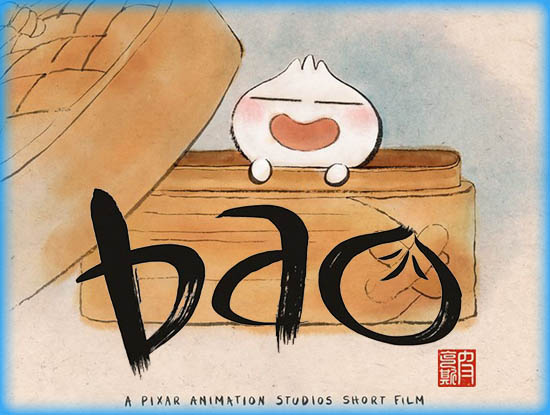
Once again coming after all the drama has settled, I have decided to put my two cents in on something. I saw Bao a month ago with my friend, and didn’t think much of it initially. But then all the drama rose and fell surrounding the short, with confusion arising over some aspects of Chinese culture. Is the short worth all the drama? Let’s take a look.

I am going to divide this into three sections: the pros, the cons, and a look at the whole controversy. I’ll try to pinpoint some significant cultural aspects that some people might not understand when looking at this. The analysis here is based off of my opinion, but I’ll try to be factual. This will be spoilery, so if you haven’t seen it and want to, watch out.

The Pros.

What I like the most about the story is the overall message. It was short, and got its story line out without any words. The animation was cohesive and colorful, all the characters being soft lines and not sticking out against the little dumpling child. Everyone was plump and round, and each character was distinctive in characteristic.

I honestly thought the film was a heartwarming tale. I am not quite certain what position the mother is in, but based off of the experiences of my friends’ first generation mothers clashing with them, I imagine there is some influence in there. She clashes with her son, who she sees as acting too far out against her, with the dumpling being a metaphor for her relationship with her son. It really was a powerful portrayal. The short portrays fracturing and reconciliation within a family, with a mother being initially unable to accept her son leaving. It is a story thousands of families face- and it does a decent job at it.

Overall, I thought it was short but had a good story to tell. It was well-animated, and was much better than the last Disney-related short I had to sit through (I’m looking at you, Frozen). I got invested, without needing twenty minutes to do so. It was cohesive and smart, without needing actual dialogue.

The Cons.

I have mentioned that Bao does a decent job at telling it’s story. But it’s not perfect.

The biggest con I can think of for this short is that fact that it relies very heavily on the use of metaphor. Which, works for adults and people who have a concept of metaphor, but not so much for children. In order to explain this, I have to go a little into the plot of the short.

Now, as I mentioned, the dumpling child is a metaphor for the woman’s relationship with her son. She raises the dumpling, but as he grows older he gets more rebellious and distant, eventually trying to leave her. Well, as a resolution, the woman eats the dumpling. Then the son, who looks like the dumpling, steps in from there.

Not bad, right? Well, the problem arises with the fact that most, if not all young children, will not connect the dumpling child as mirroring the son, without really being real. To them, they would see the dumpling child as different, and would think that she actually just murdered a dumpling person. Which, when you think about it, might put kids in distress. And it did-there were reports from audience members of some kids being distressed enough to cry from the scene. The reliance on metaphor is something that most kids-at least the ones that were anything like me-would simply not understand. It’s one flaw, but it’s a big one.

The Controversy.

Now that I’ve given my take, let’s take a look at where the controversy comes from. The short itself was directed by Domee Shi, and was influenced by her experience with Chinese immigrant parents in Canada. And as you can see, you can see the struggles that arise between the mother and the bao as the dumpling grows up and wants to leave and have independence.

How is this a problem? Well, from my friend’s experiences (Korean and Filipino) with their immigrant parents, and from some research, I find that the family and household are very intertwined. The child is not expected to leave the house and suddenly have a career at eighteen-which presents it’s own set of problems in the West-, but are actually expected to stay in the household past eighteen. The family is central, with three or four generations sometimes living in a house together. This idea comes at odds with American culture, especially for the children of immigrants who are surrounded by that culture. It often causes a strain in the relationships (as I’ve seen with some of my best friends and their parents), as the clash in culture causes arguments.

Now, because of my witnessing of these experiences, I am familiar with the cultural clash, especially in Asian immigrant families. However, there were quite a few people (mostly white Americans), who didn’t understand what was happening. This is where the controversy starts. There was an explosion of arguments, as people who didn’t understand the nature and context of the short began social media arguments with people who understood the short all too well. This caused calls of racism and ignorance, when I have to say such sayings might have been a little uncalled for.

Because of social media and the fact that huge portions of the US and Canadian populations live in large, diverse cities, we often forget that there are people who don’t know the experiences of immigrant families, nor understand the context of Asian culture versus Western Culture. When informed, people will grasp it, but when people don’t understand, a pivotal scene like the woman eating the bao would not make much sense. It would just seem like an overreaction to an argument, rather than an important moment that permanently changes the relationship of a family.

Does this mean we should have “dumbed down” the scene for people? No, not at all. While I do think some of the comments I saw were just people who were genuinely confused and not ignorant, I do think some people took advantage to stir up a huge controversy. I don’t think the short should have stirred up that much controversy, but I am not in a position where I understand all sides.

The Adventures of the Bland Male Protagonist

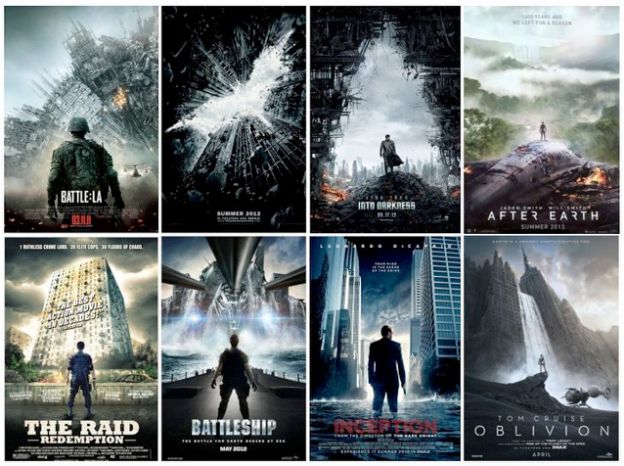
I’ve already written a bit about some of my qualms with tropes and stereotypes of female protagonists in the past. However, I haven’t spent any time to talk about perhaps one of the biggest tropes among male protagonists that irks me: the boring hero.

What do I mean by the boring hero? I mean the guy who is in all the action movies and shows that has the same boring and bland personality and backstory, who always becomes the hero and saves the day. He has nothing unique to offer the viewer except that he’s insanely muscular and attractive (but then that becomes a bit unoriginal when that’s how they all look), and is usually just a gritty tough macho guy. He kicks ass and gets the girl, although he doesn’t really provide anything to make the movie or show worth watching.

What makes them stand out to me even more is that usually they are the least interesting thing about the movie. They are the stars of action movies and shows, the ones who keep the story going, and yet everything around them is infinitely more interesting than them. Their personality is like a black hole-they suck the life out of the movie. Literally.

The Boring Hero is seriously one-dimensional; he has no unique background, and he has no character development as the story goes on. Even the female love interest is more interesting, and she has almost the same cookie-cutter personality as the male protagonist. He never gets fleshed out, which drags what might have been an otherwise good movie or TV show down hard.

The Boring Hero doesn’t provide anything of real value to the movie. They seem to stay in place while the story goes around them, despite being the central focus. And they always have that one grand “epiphany” moment, that changes their course and turns them into a hero, with cool music following in the background. But the epiphany is a quick, fleeting moment that almost never appears again. It’s not even a real epiphany, but rather him deciding to act in the typical heroic manner.

The sad part is, this trope even appears in amazing films. Films such as Avatar have been able to hide the fact that the main protagonist is insanely bland and boring through the amazing visuals and characters around them. But that doesn’t change the fact that the main protagonist is so generic that he just becomes another character that the viewer forgets within a week.

Is this trope dying out? No. It’s still strong and present, coming out in films as recent as Solo. Each time the boring hero makes an appearance, there is always something (very, very small) that is supposed to mark them as insanely unique and deep characters, despite them still being bland and generic. A lot of action films and shows want to try and promote themselves as “unique” and “noteworthy”, without putting any effort to actually flesh out their protagonists, particularly the males. It’s a trope that’s gotten old years ago, and definitely needs to kick the bucket.