How Movies and Memes have made me Connect Art and Music

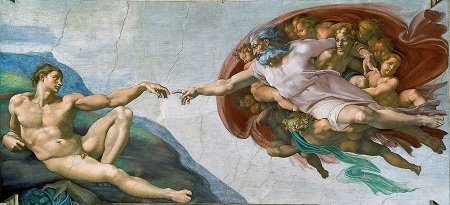
As I was walking through the National Museum of Art in Washington DC, I couldn’t help by hear constant genres of old music (Classical and Medieval), as I walked through the impressively European artwork. While hearing the music for so long (I spent hours in there), I was reminded of the time of when I was in other museums (in Rome, LA, San Francisco), and each time I heard music that I had subconsciously connected the artwork to.

There are only two reasons why this has occurred. The answer: movies and memes. Why these two? Well, I could argue that shows have also helped, but they gained their inspiration from movies and documentaries. Movies and documentaries often connect the old European art to classical music, Native and Polynesian art with traditional flute music, and so on and so forth. Documentaries are really to blame for this, particularly art and culture documentaries, pairing famous artworks alongside music that just gets stuck in your head.

However, it’s not just documentaries, as I mentioned earlier. Movies, too, sometimes only vaguely related to the artwork, can have music that can pop into my head, despite not even being in the same country (in some Roman churches, the soundtrack to Disney’s Hunchback of Notre Dame kept playing in my head). For some reason, my mind connects one to the other, and there’s no way to get out of it. And I’m certainly not the only one.

But where do memes come in? Well memes, the epitome of how people process pop culture and politics in the name of humor. These can take shape in the form of pictures, videos, and just about any other digital medium that you can work with. While sometimes art is used to make clever historical memes (there was a period of Washington painting memes that flooded my dash), the gifs and videos are what really get me.

Oftentimes the gifs are attached to some dumb song or another, and the videos are edited to have music in them. So rather than classy music binding itself to art in my mind, its dumb music that makes me smile or crack up. It’s dumb, but my mind seems keen on connecting my memories to the present, something I’m certain all of our brains do. Brains like to do stuff like that, especially when we get a first glance at famous works via pop culture. Sometimes it’s kind of nice, and other times it’s not.

Beauty and the Beast, and the Case of Disney Getting it all Wrong

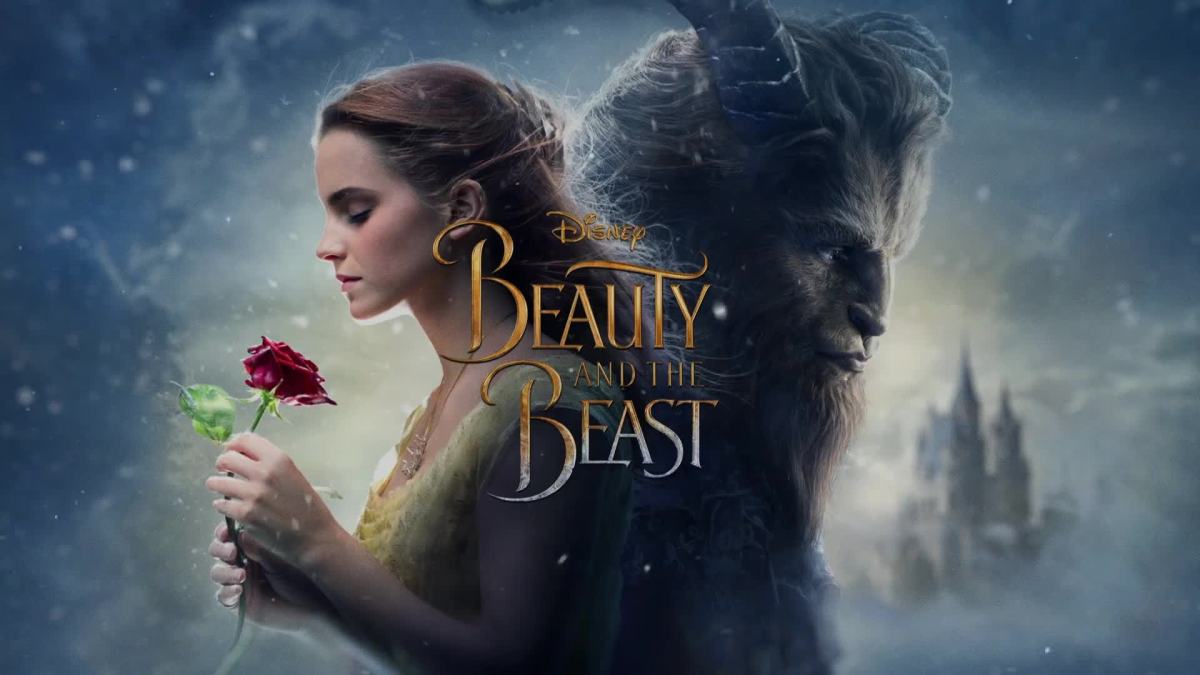
I have certainly missed the craze of analysis over the Disney live action films. That all happened after the release of the live action Beauty and the Beast, with some people ranting and raving about how much they loved it, and others harshly criticizing the film for its lack of originality. I am far from the first to talk about this film, and I will not be the last. However, I’ve noticed that most criticisms of the film often ignore certain aspects that I felt were especially irking, and fail to connect what happened in this film to the overall live action trend. So I thought I would put in my own two cents, and see where this takes us.

Now, the whole Disney live action trends started with the success of Maleficent in 2014 and Cinderella in 2015, both of which provide different perspectives of the stories told. Maleficent  provides an alternative look at the tales of the original 1959 classic Sleeping Beauty, although it was a rather half-baked attempt. I thought that Disney might be getting their footing with the release of Cinderella and Jungle Book, which flesh out relationships and motives and situations just a bit more, without only repeating the story.

I was proven greatly wrong, however, with the release of Beauty and the Beast in 2017.

Not only was the film a straight copy-paste of the original story with almost no additions, but the changes they did make just degraded an already good story. This film, like the other three before it, attempted to correct past criticisms of the original work, despite the fact that the film they are trying to correct something that is negligible. Cinderella provided insight on what happened to her father, which the original film failed to do. It explained why Cinderella dealt with the abuse, something the original film didn’t do. This film tries to elaborate on how the magic works in the castle, something that the original film didn’t need to do.

There it is, folks. This film tries to provide logic to a world of magic, something that didn’t really need to be elaborated on. Like the magic dishes, and some other things that move in the house. Not everything that moves needs to have a soul attached to it, which in turn explains the trashed furniture in the West Wing. The Beast didn’t just straight murder his servants. You can assume that a castle would have furniture in it before everyone else got turned into furniture.

Which leads me to my next problem with the film- the fact that the furniture explain the West Wing to Belle completely ruins a major plot point in the film. They not only convince the Beast to give her a better room, rather than let him make the decision for himself, but also give her a tour of the castle, mentioning the West Wing and thereby ruining the impact of Belle actually going to the West Wing. The betrayal aspect of her going to the West Wing despite his wishes is lost.

Which leads me to my next point: they completely wash out the relationship between Belle and the Beast. They ruin the complex relationship between the characters, making Beast an asshole who needs a life coach, and Belle the life coach, rather than having them learn off of each other. Belle was kind and patient, but could also call out the Beast’s bad attitude in the original film. In this one, they just fight, and he never learns to do better. Their relationship becomes basic and Hollywood-style, and the ending doesn’t feel like it was deserved.

Now, in a turn away from the more interaction aspect, I am going to turn more to the other issues I have with the film. This one can be narrowed down into bullet points.

Belle’s voice:

Why, why, why didn’t they just have an actual singer dub Emma Watson’s voice? Hollywood has dubbed hundred’s of actor’s singing before, and the attempt the avoid this in this film ground my ears out. They auto-tuned Emma Watson’s singing to the point where it sounded like a robot made it, heavily contrasting from the fact that literally no one else has a robotic voice. Literally no one else.

What made it worse was the classic reprise of the song “Belle”, where Belle has a powerful soliloquy (done flawlessly by the original voice actor Paige O’Hara). In the live action version, we just get a shotty, robotic voice that just washes out with the music. Every time she opened her mouth the sing, I would be ripped out of the moment.

Belle’s Dress:

I know they tried to do what they did in Cinderella with giving the dress a much needed update, but it really wasn’t necessary. Unlike Cinderella’s kind of odd-looking dress in the original, there was nothing wrong with Belle’s dress. In fact, her’s was a favorite among many, and was a popular costume for young children. The fact that they tried to change it to something as blase as they had in the live action film got some much deserved out-roar. How do you replace such an iconic dress with something that looked like three pieces of yellow tissue paper stuck together? It just doesn’t make any sense.

Gaston:

Why try to make him unlikeable? The whole point of his original character was that he was attractive, popular, and charismatic, and was easily able to influence the ignorant townsmen into joining him for the “final battle” at the castle.

In this case, he’s a character that is considered untrustworthy by the town, leading to Le Fou paying people to sing and up Gaston’s ego. Such a move was totally pointless. You should have just kept him the same. It would have saved a lot of time on the pointlessness of trying to make him a complex character. Focus on fleshing the two main characters out, not the villain, who didn’t need to be fleshed out.

The Plot Overall:

Last but not least, I have a problem with the plot overall. Let’s face it- it’s just a pure retelling of the original story, with some pointless additions slapped on to take up more time. There was nothing of real value added, degrading the plot of the story. What was changed really had no purpose, unlike the films before it (except Maleficent, but that’s for another time). I came into that film expecting something and left it feeling like the original story was just wronged. Which doesn’t make sense, as the live action version and the original were both made by the same company.

But, that’s the problem with the desire to make money and deal with criticism. It just didn’t work here. It turned what was once an Oscar-nominated film into a straight mess. It was just unnecessary.
Should Underage Sex Scenes be Descriptive?

This is an issue that only arises as one transitions from being a teenager to being an adult. It happens mostly as a result of shift in perceptions, where rereading the same section that you had no problem with when you were younger suddenly feels kind of weird.

But, I’m getting ahead of myself. Why am I even talking about this?

Well, it all started when I decided to go over a certain section in Cassandra Clare’s Lady Midnight. I don’t really know why I was; the book was a little too predictable for my tastes. But that’s besides the point.

Anyhow, in Lady Midnight, there is a sex scene between two of the main characters, both of who are seventeen when the events take place. When I had first read it, I thought there was nothing wrong (I had just turned eighteen). However, rereading it now, I felt that it got a little too descriptive, the number “seventeen” ringing in the back of my head. In Lord of Shadows, it gets even more descriptive.

The odd feeling got me thinking about other YA books with underage sex scenes written into them. More often than not, the sex scenes I’ve read usually involve the characters being eighteen or nineteen. But sometimes, they are younger. Which, there would be nothing wrong with that, had they not gotten so descriptive.

What do I mean by descriptive? I don’t mean when the narrator describes feelings and emotional roller coasters. Rather, I mean explicit mentions of penetrations and other physicality. When I was a teenager myself, I had no problem with this. In fact, I got excited by how daring the author would be. But now it feels kind of strange to read it being so descriptive, especially when the female character is specifically described as looking like a child. What makes it worse is when the author points out those childlike features during a scene, and then I want to skip the entire scene.

But, is the descriptiveness really so bad? Usually when the underage scene is written, the characters are seventeen or almost seventeen. Paired with the fact that the average age in the US for having sex for the first time is seventeen, then there really shouldn’t be an issue. These books are for kids from thirteen to around eighteen, and the scenes are catering towards that audience. So there really should be no issue, right?

Well personally, I would prefer them not to mention any penetration. But, if I was my younger self, I may not have an issue with that description.

The Effects of Adults Playing Teenagers

Just about every time a teenager is cast for a show or movie, the role of whatever teenager there is is given to an adult. While it can make things easier (not having to worry about an actual teenagers schoolwork or schedule), this can have drastic affects on actual teenage audiences, who only see teenagers portrayed a certain way. In order to analyze this, I will break this essay down into three parts: how teenagers are casted, how actual teenagers are, and the impact of the portrayals on teenagers. While the portrayal of teenagers has certainly altered in the last five years, it’s still important to understand their previous depictions in pop culture.

1. How Teenagers are Casted

As I mentioned above, teenagers are almost always portrayed by adults. Much more often now they are portrayed by young adults (18-early 20’s), but for a long period of time they were portrayed by adults in their mid-to-late 20’s (sometimes even early thirties). And these adults wouldn’t look all that much like teenagers, either. They looked like exactly what the actors were-full blown adults. Flawless skin, toned bodies, nice hair. They look like polished versions of teenagers. Even the actors now casted to the role of teenagers (who look much more like teenagers) still are polished, and very post-pubescent.

They also act in almost stereotypical ways, with a rebellious streak that is so insane that it’s practically unbelievable (at least, in terms of mine and my friends’ parents). I’m sure there are plenty of parents that don’t actually murder their children whenever they pull a stunt crazy enough to involved the police, but I’ve only seen them appear when I was already in college.

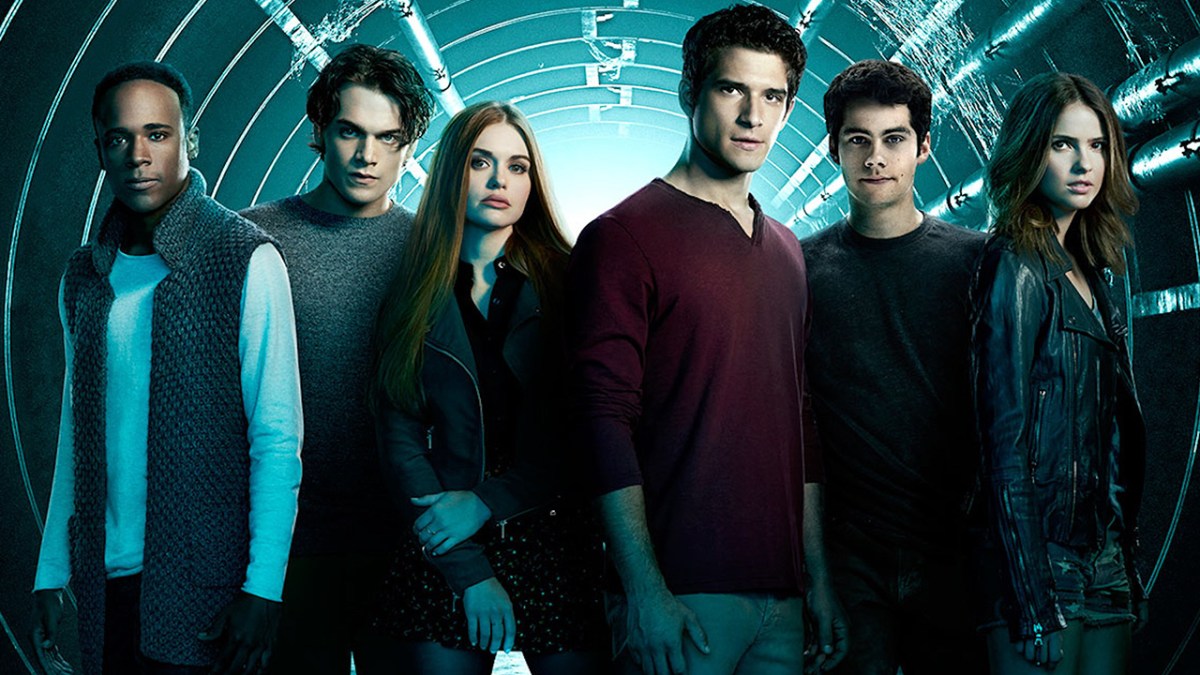
Don’t believe me? Let’s look at two cases: Teen Wolf and 13 Reasons WhyTeen Wolf began airing in 2011, and 13 Reasons Why first aired in 2017. In the former show, the cast are supposed to be freshmen in high school, although the cast definitely look like they should be in college at least. The cast began the show in their early adulthood, however, were so finessed that they pass at all for young teenagers. The main group in the show consists of mostly hot young men with well-toned six-packs, which I had seen in many clips (I’ve never watched the show, leading to my surprise when I found out they were only supposed to be fourteen), and they are incredibly well-dressed.

As for the latter show, the actors look much more like teenagers. They dress more like modern teenagers, they’re supposed to be around 16 or 17, making them much more believable looking. These actors are only in their early twenties, and it shows. The athletes have typical strong figures, but everyone looks normal, and not like supermodels. There is a stark contrast in the way the characters are presented from previous shows, but the fact still remains-they are post-pubescent. They still have perfect skin and hair, still show no signs of changing. Not that they have to, but their presentation is very finessed and flawless.

2. How Actual Teenagers Are

If you’ve ever met a teenager in real life, you’d know that media portrayals of them are grossly misunderstanding. Real teenagers still practically look like children, especially as puberty seems to hit later and later nowadays. They don’t really start looking like adults until senior year, and even then it’s difficult to say they actually look like adults.

Real teenagers have acne. They are awkward, and still adjusting to their own growing bodies. Their fashion sense is still developing (if they have one at all). They get weird haircuts, they wear glasses, and they never have a six-pack. Real teenagers look almost nothing like their polished counterpart portrayed by the media. They act cringy (I’ve had my share of moments), and act in ways that they’ll grow to regret (don’t we all?). They certainly don’t go driving out to the middle of the forest to go monster hunting with their friends at two in the morning.

Most teenagers don’t actively rebel against their parents. There are some, who take advantage of parents who don’t quite know how to discipline their children, but for the most part, most adhere to their parents’ rules. At least, most of the ones I knew, anyhow. No one was able to just do whatever they wanted.

3. The Impact of the Media

During my time, some people tried their best to look nice, but for the most part, people just wore whatever they really wanted. But we were still affected by the way we were portrayed in the media. A distorted view of how we imagine teenagers evolved, with a subconscious pressure to look just like our favorite characters. We begin to try and style ourselves to certain categories, almost stereotyping ourselves into different groups (the “cool” kids, the nerds, the athletes, and everyone in-between). Although it was subtle in my high school, it still existed in other, smaller schools.

More recently, however, I see more and more teenagers trying to look like adults. This is both due in part to media portrayals, and also to the rise of Instagram models and other social media pressures. Teenagers want to stop looking like teenagers, and instead want to skip to adulthood. This was a problem during my times in high school, but I notice that it’s becoming more apparent, especially with the rapid change in appearance that teenagers put on their social media. They try to hide their teenage identity in any way they can, promoting an “older” appearance, and turning away from things that made being a teenager fun. Kids are trying to grow up too quickly, and media portrayals of teenagers only encourage this goal.

Youtubers Becoming Authors: The Self-Help Trend

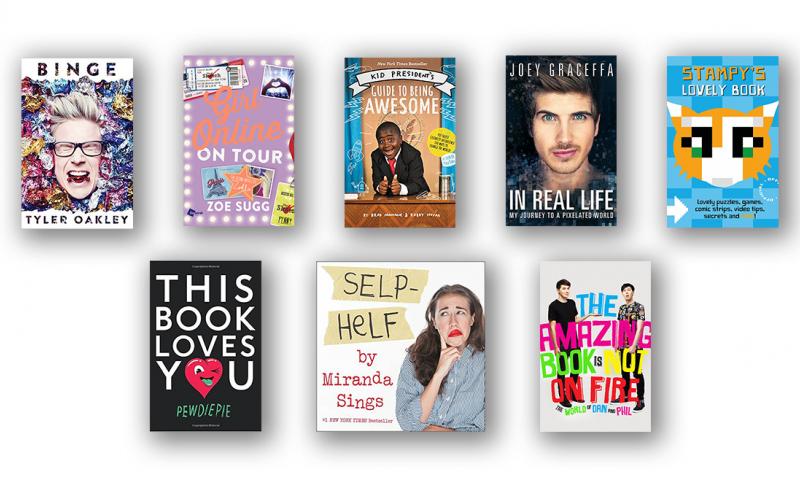
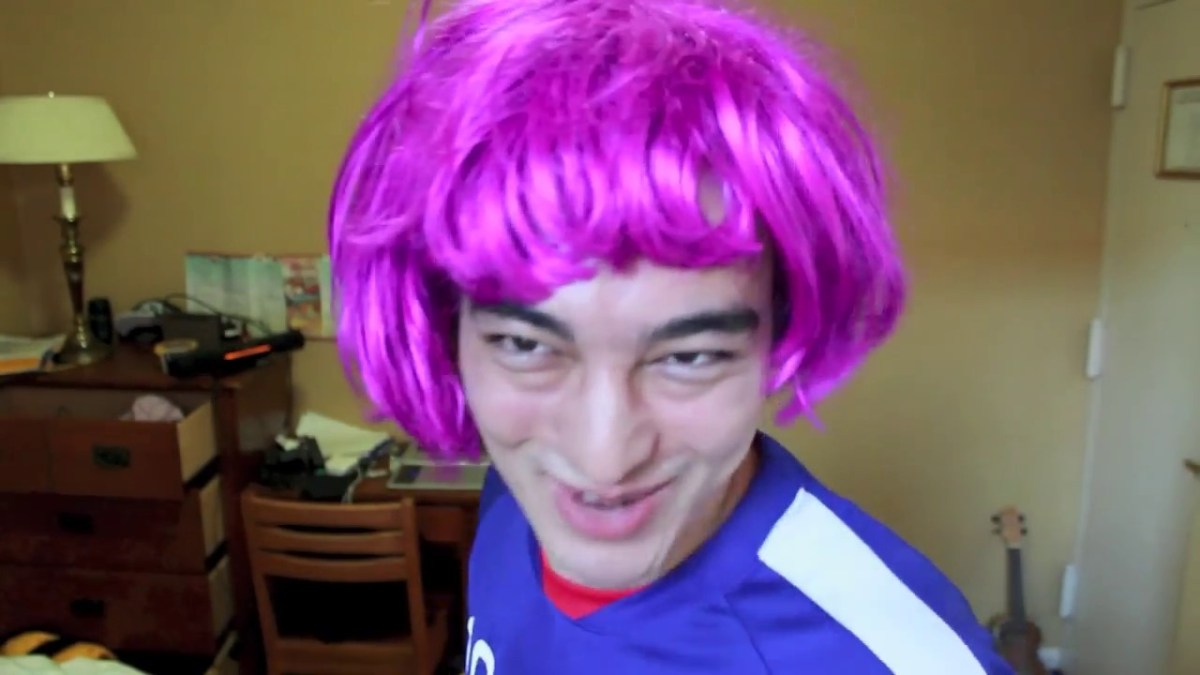
In the last five years, there have been a number of Youtubers releasing books, some fictional (like Joey Graceffa’s Dystopian trilogy), and others non-fictional (like Shane Dawson, Miranda Sings, Tyler Oakley, and so many others). Youtubers, using their influence, often write books of “self-help”, or a series of essays, or something similar to memoirs. They provide advice, despite the fact that they are only in their mid-to-late twenties. It’s a bizarre case, one that I have been feeling the need to unpack for a long time.

Now, while John Green is technically the first youtuber to release a book, he was an author first, so I will just skip him.

The first youtubers to publish a book after gaining their popularity were Blaire and Elle Fowler, publishing the fiction book Beneath the Glitter, in 2012. From then on, Youtubers began publishing their non-fiction books, with books such as I Hate Myself and In Real Life: My Journey to a Pixelated World gaining quite a bit of traction. Most of these centered around Youtubers’ tales of their childhood, functioning as a pseudo-memoir despite the fact that most of the authors were in their early-to-mid twenties.

It wasn’t until 2014 that the first actual “help” books came out from a Youtuber, with Hannah Hart’s My Drunk Kitchen: a Guide to Eating, Drinking and Going with Your Gut. It’s help aspect comes from the fact that this is a recipe book, although within the next three years tons of “self-help” books came out.

Now, while I have no qualms with things such as recipe books and fictional novels, the memoirs and self-help books kind of get to me. And it’s not like it’s business or fashion advice, either (Michelle Phan published Make-up: Your Life Guide to Beauty, Style, and Success- Online and Off in 2014, which offers both business and fashion advice, as well as maintaining a healthy attitude), but rather actual life advice. This isn’t to say that someone who isn’t in their twenties can’t give life advice. It just seems odd that someone who is in their twenties are offering advice books to their audience-most of which are in their early or mid teens.

To me it’s difficult to imagine my teen-self or any of my friends following the advice of someone who, quite often, never got their degree in college, and made their career in a  very competitive environment. It also seems weird to read a memoir about someone who hasn’t even made it to their thirties, yet. Most people don’t write memoirs until they’re almost in their fifties, or even later. It’s usually after they have lived quite a bit. That isn’t to say that a lot hasn’t happened to a young person, but most Youtubers’ memoirs are quite mundane. They have childhoods that may be tough, but are often not unusual.

Of course, some of these Youtubers can provide some insight that their younger audiences can relate to. Things such as mental illness, eating disorders, being a part of the LGBT spectrum, and other such hardships may connect to people who are stuck in similar positions. The only problem is that the writers are so young themselves, still growing and learning, that what they write in one book won’t be how they feel ten years down the line.

Perhaps rather than sticking to full on life advice, they should stick to subcategories that they excel in for now. There are so many ways that you can provide advice to young people without it being how to live. There are also many ways to write personal anecdotes without writing full memoirs. It’s better not to rush into things so young, despite our tendency to do so.

The Controversial Author of a Beloved Series

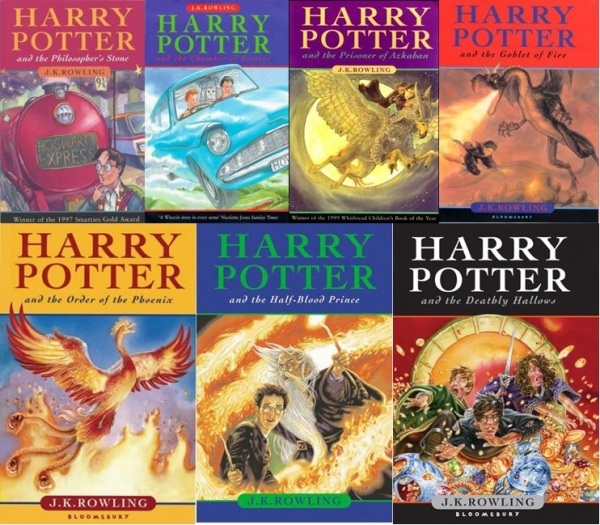
The Harry Potter books and movies have been loved and cherished for around two decades. It was a series that was recognizable to millions of people, to the point so that some of the advertising for Deathly Hallows Part Two didn’t even name the title of the movie. It has also led to the opening of Harry Potter World in both Universal Studios locations (Orlando, Los Angeles), with hundreds of thousands flocking to partake in some of the magic. The Harry Potter series was classified as the hallmark of an entire generation.

While the fandom for Harry Potter seems to be thriving, I can’t help but wonder how much this is done out of pure nostalgia, especially as more negative light turns to the series’ author, J.K. Rowling. As time goes on, I notice that former die-hard fanatics are noticing more issues with the series, particularly with the actual lack of originality that the magic world in the series has. But contrasting from these fans-turned critics are the ones that are still die-hard, constantly taking every house quiz, referencing the series when they can, and even getting permanent tattoos of famous symbols. It’s an interesting mix that I increasingly notice is coming at odds with one another.

In order to analyze why I notice some people being pushed away, we’d have to first look at the history of negative light placed on the author. You see, this all started after the release of Halfblood Prince (the book, of course), in which J.K. Rowling announced that Dumbledore, the father figure to Harry Potter, was actually gay. This came at a celebration of diversity initially, although there were some that questioned the fact that Dumbledore never revealed anything about his sexuality (no reference, no actions, nothing) in either the books or the films. Over time, this move turned purely to criticism, calling the author out for making a cheap shot of queerbaiting, especially with the lack of interaction between Dumbledore and his supposed “lover” in Fantastic Beasts and Where to Find Them 2.

J.K. Rowling only put more bad attention on herself by claiming diversity in the books after the fact, despite never referencing those characters in her series. This gained more negative attention and criticism, although a meme has arisen around her after-the-fact claims, with people claiming ridiculous things to mock her attempts.

Now, you may think “well, she wrote the books in the 1990’s and early 2000’s, she’s from England, so it would make sense that she’d only write about white people”. There’s a few issues with that logic. She had written the books with only white people, which, if you just left it at that, is fine. There’s nothing wrong with admitting that most of the characters are white, and all of them are straight. Most mainstream series and books from that period were like that (especially European books, although they do have a level of diversity that they seem to ignore). If she had just acknowledged that fact, there wouldn’t have been any controversy. But to try and say that you had diversity, while not putting in the effort to display that diversity, or re-editing the books to show real difference, is just weak. It reads as cowardice and band wagoning, which would turn people away.

Another issue, which came up earlier this year, is that J.K. Rowling has been following and liking the posts of TERFs. What is a TERF? A TERF, or Trans-Exclusionary Radical Feminist, is someone that focuses on promoting the equality of “biological” females, claiming that trans-males are traitors and trans-females are women-haters. They claim to be feminist, but are really not, and they are rejected by most of the feminist community, leading them to call discrimination and brainwashing. Their tweets are very difficult not to tell, and J.K. Rowling liked and retweeted several from a known TERF, which were targeted against trans-females. This caused some outrage, but not nearly as much as it should have. In fact, it has almost been completely forgotten, quickly hidden with news of a new interactive Harry Potter game. But it left its mark on me.

Where do I sit on this issue? Well, I was never able to finish the original series, despite the fact that my sister had read all seven books 4 times. I saw the movies, but was never all that invested. But the controversy has made me quite put off from investing my time and money in any of J.K. Rowling’s works or films.

The Fun of “Geek” Makeup

Despite the fact that Geek culture has been in the mainstream for nearly a decade, it was only recently that I discovered Geek-inspired makeup. Maybe this is due to the fact that I didn’t like makeup all the much until around two years ago, but it was still strange that I had never heard of it. I’ve been to cons, I’ve involved myself in many fandoms, how did I not hear about it?

Well, this is excluding the main-stream geek culture collections. Of course I’ve seen Star Wars themed lines, and also Hunger Games collections from Cover Girl and L’Oreal. And of course I’ve seen the Disney-inspired makeup. But I had never seen stores purely devoted to producing Geek-inspired makeup.

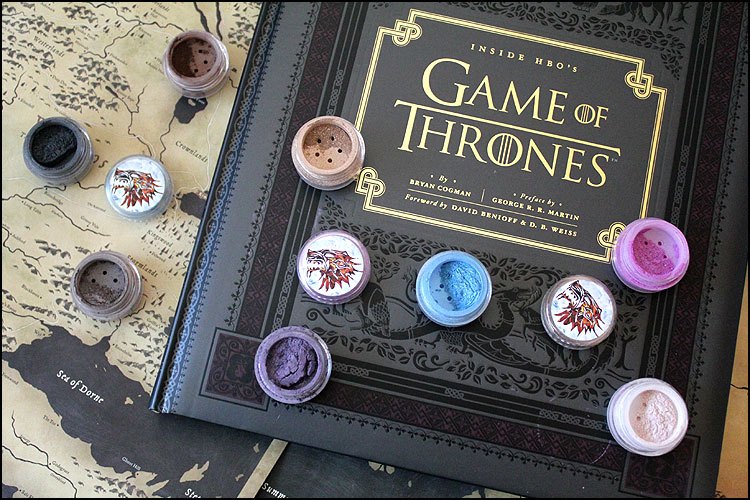
I had only discovered the makeup by chance, stumbling upon Shiro Cosmetics as I was looking for cruelty-free makeup. Looking into their site, I found they had a series of collections based off of popular media and memes, having collections centered around Game of Thrones, Into the Unknown, and Avengers, particularly eye shadows. They have cute little drawings that they come with on top, and lots of funny designs. And the reviews seem to like them.

The discovery of this site led me to start looking around for other Geeky makeup, and I was able to find quite a bit of collections. I found Geek Chic, Espionage Cosmetics, Nerdastic, and Black Pheonix Alchemy Lab, all of which had many items based around pop culture. It was astonishing, especially with the fact that the most of the colors looked so pretty. And most of them were cruelty-free.

The makeup usually has fun names, with fun designs, although if you’re looking for eyeshadow, don’t expect to many pressed palettes. Most of them are loose powder, with a few pressed palettes, which can be a little off-putting for some.

Geek-inspired makeup really started blowing up around 2015, as bigger companies began pushing out lines for the new Star Wars (Force Awakens), inadvertently boosting smaller makeup companies that based their whole existence around Geek culture. While still being considered “underground” and definitely “artisan”, Geek makeup has found its place and audience, and will only continue to grow as more people discover them.

Legends of the Weeaboo

I’ve already spoken about Koreaboos before. The people who want to be Korean, marry a Korean, want to be just like a Kpop idol or Kdrama star. They reject their own culture in the name of adopting Korean culture (or rather, what they think Korean culture is like).

The weeaboo is almost like this. Actually, they are the forefather to this. The weeaboo, rather than being centered around Korean pop culture, is centered around Japan. The weeaboo rejects their own culture in order to adopt what they believe is Japanese culture, proclaiming it as superior to everything else. They base their idea of Japanese culture off of anime and manga, imagining it as some perfect society that is more advanced than any other culture, and that it has had no bad history or political issues.

The weeaboo began to form around the 1990’s, when the West had access to popular anime and manga. Young generations now had access to watching anime, influencing an entire generation, causing some to go a little overboard and become weeaboos.

Except, at the time, they weren’t called weeaboos. Until the mid-2000’s, weeaboos were called “wapanese”, meaning white Japanese (despite people of all races having the potential to be a weeaboo). The old name was mostly given on online forums, with sites such as Reddit and 4chan coining the terms.

However, in the mid-2000’s, some 4chan moderators decided that they were sick of the term. They banned the term wapanese, causing users to scour the internet for another name. This is how they found the term weeaboo. The term came originally from an obscure comic, which is in no way connected to the actual group of people. However, it was a word that also didn’t have a meaning of its own, and was thus made what it is today.

Weeaboos are still going strong, although they now have to compete with koreaboos, causing an ironic and hypocritical battle between the two groups. They are both disgusted with one another, but can’t seem to relate the traits of the other groups back to themselves. It’s kind of weird, but amusing to watch.

The Emo Phase: People Still go Through One?

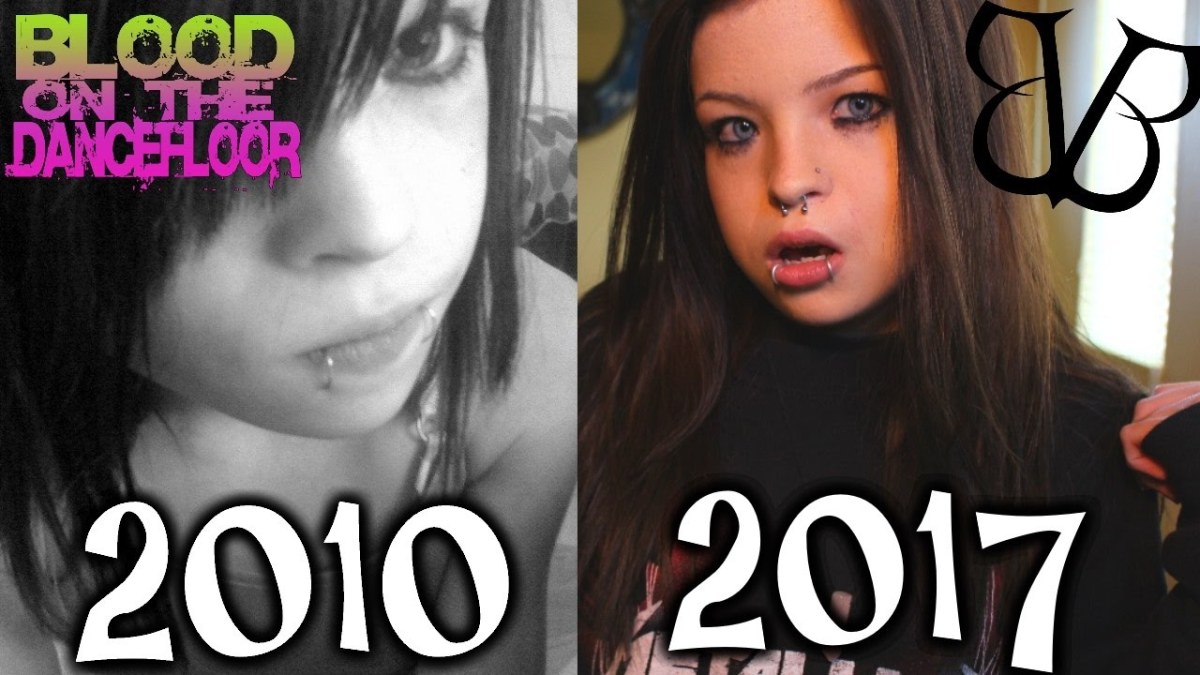
I grew up during the height of the Emo genre. Bands like My Chemical Romance, Evanescence, and the early days of Panic! At the Disco and Fall Out Boy were all hot on the scene, providing plenty of fuel to the Emo genre. Almost everyone had an emo phase; I even had a mild one. Dressing in all black, getting piercings all over and dying your hair funky colors was totally in. It was cool when I was a preteen.

But with the dawn of the 2010’s came the fall of the Emo genre. Rock, especially the hardcore rock, had fallen out of fashion in mainstream music, along with the Emo fashion. The era of the hipster was coming in.

I had thought the era of having an Emo Phase was long gone. But then my friend showed me a video of an Emo makeup tutorial from 2018. This greatly surprised me. There were still people going through Emo Phases in 2018? I had thought the closest people got was punk. I haven’t even seen a goth kid in ten years. So to see that there were still Emo kids was greatly surprising.

The thing is, I don’t even know how the Emo kids survive. I remember Emo phases being greatly tied to the music, but those are out of fashion. My Chemical Romance and Evanescence are disbanded, and Fall Out Boy and Panic! At the Disco have greatly changed their style. When Emo culture was a part of mainstream pop culture, it was easy to find and adopt that culture.

But I don’t find it anywhere, anymore. Not in the music, not in the fashion, not even in the hair. It simply doesn’t exist anymore. You can’t even really find videos online anymore about it, which leads me to wonder how it continues. It’s rather bizarre that the trend still continues on.

The “Anime Phase”

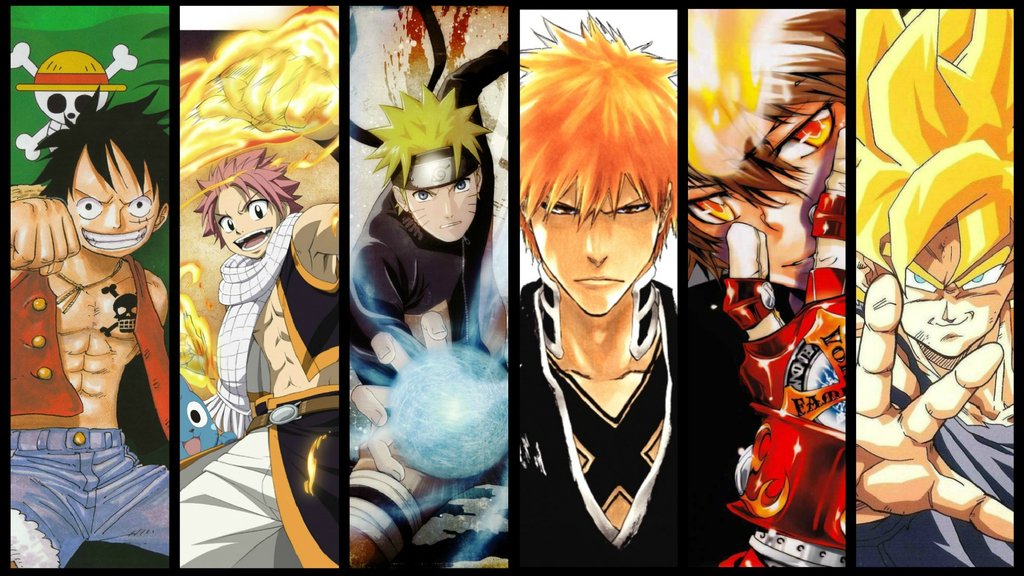
My friends and I all had one. Some of them still haven’t gotten out of it. It’s that period of time where most, if not all of what you watch is Anime, and you join fandoms centered around your favorite ones. It’s a normal part of nerd development, it seems.

For those of you who seem confused by this “Anime Phase”, let me put it into perspective: imagine you had a show or TV genre that you were absolutely obsessed with. You could have been obsessed with it for weeks, months, even years, but it was the center of your attention in terms of being a fan. They’re one in the same. But rather than having it be an American or British TV show/genre, it’s Japanese.

This phase rose out of the Anime Craze of the 1990’s. It came as a result of kids having greater exposure and access to watching Anime, allowing for the phase to blossom. Kids are going through a period of wanting to watch nothing but Anime, and there’s nothing wrong with that.

The Anime Phase can range anywhere from casual (like mine) to all-consuming. I was one of the ones who would watch Anime casually, but wasn’t too far into it. I could watch other shows, and watching Anime didn’t take up my entire day. But there are others, including people I knew, who would spend their day only watching Anime. These are usually the ones that don’t ever leave the Anime Phase, although there are occasions when they do.

In most cases, those who have an Anime Phase never stop watching anime. I can tell you that most of my friends still watch certain anime (mostly to most popular ones), although I find myself unable to sit down and watch one. The last one I saw was three years ago, and although some anime are enticing, I just can’t sit for that long watching. I’ve developed kind of a strange relationship with anime, probably because of overly casual nature of my Anime Phase.

The Anime Phase has been going strong for over twenty years. It’ll be interesting to see how long it continues for, especially with the rise of other popular phases.

Social Media Bandwagon: The Case of Alex Jones

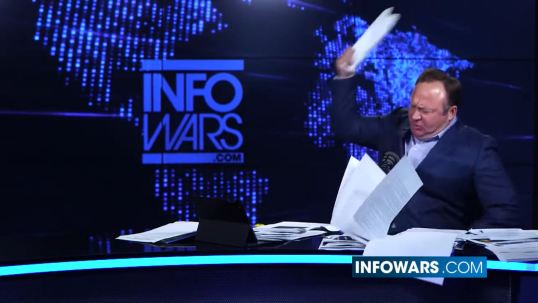
Within the last few days, Spotify, Facebook, Youtube, and Apple all made the move to ban Alex Jones, the runner of the conspiracy theory podcast known as Infowars. Apple was the first to make the move, with two days later the other three platforms following suit. This came as a result of months of complaining from general populace, who wanted Alex Jones banned for promoting false information and dangerous lies. And while this is a step in the right direction, it comes in a way that seems cowardly.

But let’s start at the beginning. Why did people want Infowars banned? Initially seen as a funny meme in the beginning, the podcast was quickly recognized as dangerous, spreading misinformation and promoting distrust in real media, arguing that the conspiracy theories presented are actually true. This grew dangerous under the age of “Fake News”, causing people to follow him and believe him, further dividing people over what is actually happening in the country.

This caused people to start pushing to get him off of mainstream social media platforms. People were tired of Alex Jones and his podcast, and wanted him to stop having open access to unsuspecting audiences. People even cited that he was breaking terms of service on multiple platforms in order to try and get him off the normal way, but none of the social media platforms did anything. Despite constant protest and pushing to get him off, not a single platform did anything.

That was, until Apple finally decided to cut his app off, and to stop streaming his podcast on Apple Music. Then, seemingly out of nowhere, the other three platforms “found’ that Jones was in fact breaking Terms of Service. Now he’s only on Twitter, saying that the other platforms banned him out of cowardice. The real case is, however, that no one wanted to do anything unless someone else did it first.

Think about it. As good a move as it is, why did it take so long for the platforms to act? Then, when Apple finally banned Jones, why did they move so quickly? Because they’re jumping on the bandwagon.

The thing is, companies don’t really care, unless it will hurt their own public image. So when a big company like Apple moves, of course Facebook (who recently took a major hit over selling information and causing a company to make bot accounts), would want to jump at the opportunity to make themselves look better. And of course Youtube and Spotify would want to as well, in order to prevent losing public face. It does make them look kind of weak.

But at least they did something good. I can’t hate on them too hard, because it wasn’t like they banned someone people actually liked. But it does kind of look sad when companies jump on a bandwagon to keep people on their platform.

The Ironic Existence of Lolis and Shotas

There is a subcategory within anime and manga culture that has an interesting, and even controversial, existence: lolis and shotas. It is a category that pertains to both males and females, portraying either gender as little children, despite them being full-blown adults. Lolis, or girls that have the appearance of being cutesy and prepubescent, are much more common than shotas, which are the male equivalent. They have two aspects of them, one that makes an appearance in normal anime and manga, and the other, which makes an appearance in the genre known as “Not Safe for Work”, or NSFW.

The former aspect, one in which lolis and shotas make appearances in normal anime and manga, are much tamer, but still controversial. They are usually immortal beings, although they can also be eighteen+ year olds, mostly to add comedic humor. Although, it doesn’t help that usually lolis are sexualized, being child-like or innocent in appearance, but scantily clad in small armor. But say they’re a child and they’ll insist that their actually 1000 years old. The biggest example I can think of is the Fire Emblem character Nowi. Nowi is a 1000 year old dragon in scant armor (literal bikini armor with boots and a cape), that looks like she’s 12 years old. It makes romancing her with anyone rather bizarre and kind of uncomfortable, just as it is strange to romance any of the shotas in her game (Ricken and Donnel).

However, this isn’t to say it’s always the case. There are a few lolis that are normally dressed, or dressed in oversized clothes to emphasize their cuteness (the scantily clad nature doesn’t apply to shotas: they are normally dressed from all the cases I’ve seen). Sometimes, the lolis are fully-dressed, making them seem more normal and not sexualized. Usually, though, the loli is dressed in a way that is clearly catering to male fans, and is very much sexualized.

This sexualization plays heavily into the second aspect that lolis and shotas play in: HentaiHentai is the anime equivalent of porn, which I mentioned is the NSFW aspect. In this case, lolis and shotas are sexualized alike (of course with the lolis being more common), sometimes being left alone, and sometimes being altered to be more sexual. The lolis especially, will sometimes be given insanely large breasts (we’re talking the length of their body), in order to add some sexuality, while the rest of the appearance stays the same. Shotas are often feminized, too, making them appear as submissive, while the other partner is much more adult-looking and dominant. In either case, both lolis and shotas are most often set as adults. Not all the time, however.

So, how are lolis and shotas ironic? Well, they’re usually adults, with child-like appearances. They insist that they are older, but promote an almost pedophilic image, without explicitly being pedophilic. They encourage a dangerous sexualization of young, prepubescent children, especially young girls, encouraging creepy men (and some women) to check out and even follow young girls. The sexualization pervades in the anime and manga community, tainting its media.

How “Daddy” got Popular in all the Wrong Ways

It was a mere six years ago when the term “daddy”, which holds it’s place as a part of the Daddy/Little Girl/Boy kink, broke the scene into mainstream Internet media. Once a niche kink that was relatively unknown, the Daddy/Little Girl/Boy kink became widely known, with much criticism following it. The term “daddy” especially gained criticism, while at the same time becoming a meme within social media. Now it is a permanent fixture, although for many it has ruined the original pure meaning of the term.

But first: what is the Daddy/Little Girl/Boy kink? The kink consists of two consenting partners, in which one, the “Daddy” is the dominating male, and the other, the “Little Girl/Boy”, is the submissive type. It is kind of like age play (where one person pretends to be much younger), except more mature, with the submissive figure playing the “cutesy little kitten” type. The submissive will even address the dominant as “Daddy” in a sexual way, trying to get their attention and be used for sexual acts. There are not that many people in this kink, although within recent years it has gained more traction.

When the term “Daddy” broke onto the scene, it permanently changed how many teens and young adults saw the term. People started to use it in a mock sexual and comedic manner, although it’s innocent beginning for most was tarnished. Even I’ve been affected, and every time I hear the word used in a non-mocking manner makes me uncomfortable.

A few years ago, however, the backlash finally arose against the use of “daddy” in a sexual manner. People wanted its innocent meaning to be at the forefront again, and for its use in a sexual manner to sink back out of existence. Anyone who tried to argue in defense of the kink was shot down by the masses, and it was pushed down.

Going into the modern era, the term is much less common, but still tainted. It is still used as a joke, which keeps it’s dirty meaning from fully fading among young adults, although it doesn’t seem to be presenting itself to younger teens, anymore. But it will be a long time before it’s finally gone.

The Downfall of Greek Myths in Movies

Greek mythology often finds itself in the spotlight of Hollywood films. Usually avoiding the Odyssey, Jason and the Argonauts and Persesus are the most commonly found, although differing interpretations on Greek mythology, like the Percy Jackson movies (although we don’t speak of those), do make appearances.

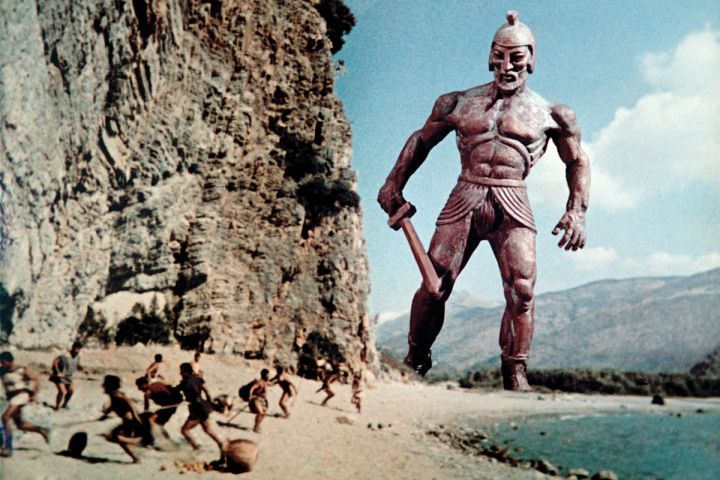
Turning Greek myths into movies found its height from the 1960’s to the 1980’s, when claymation monsters dominated the screen rather than advanced CGI. I can’t knock the use of claymation, however- filmmakers got creative with it, and were able to make it work fairly well. As comical as they look to audiences nowadays, you have to admit that for their time, they were genius moves.

Now, however, Hollywood has lost its way when it comes to showing off the legendary epics. What used to be just portraying the tales as is (with some creative difference, but not much), is now a strange and unsuccessful attempt to make the stories more “original”. They use an excessive amount of CGI, turning the classic mischievous and playful Greek gods into serious and dramatic figures, erasing some of their most bizarre origins and reactions. The myths portray the Greek Gods as divine and powerful but characteristically flawed (they are perfect at something, hence their God status). Movies now simply turn them into perfect but overly angry figures, exaggerating their temperamental behavior.

The legendary figures also find themselves changed, too, turning figures like Jason and Perseus into gritty and dramatic figures, when they show a variety of behavior, portraying a story of morality on a complex hero. In modern movies they are now meant to fight these giant monsters, getting girl while playing a one-note tune of being a one-dimensional hero. The main hero finds himself enveloped under the fold of the typical cliche action hero, completely ruining the point of the original Greek Epic or legend that they appear in.

The aesthetic of the new Greek myth movies also are much darker. Rather than being more realistic of showing an environment like daytime Greece, they show changing skies and darker backgrounds, making the story seem much less real. Of course, they are portraying stories, but compare them to their predecessors; compare the sky, the backdrop, and most importantly, the clothes. The cloths all look Spartan based, rather than showing the diversity of Ancient Greece (which wasn’t a unified country). It all makes seeing the Greek myths on screen that much less popular.

The Genius of Who is America?

Most often the first thing that comes to mind when someone hears the name ‘Sacha Baron Cohen’ is “Oh, the dude from Borat!”. The actor, who has played characters such as Ali G, Bruno, and of course, Borat, gained his permanent recognition after the release of Borat: Cultural Learnings of America for Make Benefit Glorious Nation of Kazakhstan back in 2006. In the film, he duped countless people all across the US, with only a few scenes (such as the kidnapping of Pamela Anderson) being fake. His film gained immense popularity, for both bringing out the honest truth from people, and being hilarious at the same time.

Now he’s back, but this time with a TV show. Taking the role of four different characters (Ricky Sherman, Dr. Nira Cain-N’Degeocello, Billy Wayne Ruddick, and Erran Morad), he goes around to people of a variety of political backgrounds, anywhere from small-town folk to big-time politicians, tricking them into absurd (and sometimes career-ending) situations. This comes into to play when he “teaches” controversial House Rep Jason Spencer Krav Mga, causing the man to shout the N-word and run into him with his bare behind.

Of course, this time it is much harder for Cohen to pull off. With his popularity, more people may recognize him, which has happened in the case of trying to dupe a gun shop owner, who recognized him under all the prosthetic makeup. In another, actually filmed case, part of his prosthetic actually came off, but the couple he was trying to dupe played good sportsmanship and kept running with it. Now that Borat is so recognizable, Cohen needs to use more prosthetics, and be much more careful in how he acts, as to not ruin the joke.

His jokes, however, can be quite brutal, but it’s exactly what the nation needs. He makes fun of both liberals and conservatives, calling out the absurdities on both side, and exaggerating stereotypes in order to confuse and make fun of whomever he’s with. It also shows the audience how absurd people can be, and while some think what he’s doing is too far over the edge, it’s a nice break from the safer political comedy that we’ve seen in the past few years. Everyone else has played it safe, and it’s refreshing to see someone who takes safe and rubs it into the ground.

The best part is, his “offensive humor” is not really all that offensive. It’s how the people take his comments and react that show the ugly side of the comedy. That’s what makes his humor especially genius. He gives people an inch and they take it an run a mile, duping themselves in the process. It leads to some interesting situations (actual police roll up to a ‘staged’ Quinceanera that Cohen had tricked some men into making in order to “trap” illegal immigrants. On a sign out front, he posted their words of what they thought the immigrant would be expecting, and setting up the situation to look like they were trying to lure young girls.

The best part is, he wasn’t the one who came up with the situation: the men were. They thought of what when down at a Quinceanera, and what to do in order to drug and deport any “illegals”. They duped themselves, while he sat on the sidelines. He shows the absurdity of such racism, and how it can easily turn against them.

His form of comedy is, in my opinion, exactly what we need; something brutal and honest, showing the worst sides of everybody in order to get a laugh. And it does, in some cases, show the worst side of everybody (from blatant racists to crazy social justice warriors). No one is safe, and I’m excited to see how the show goes on.