The Haunting of Hill House-Paranormal or Just Metaphor?

Beware: Spoilers

Recently, Netflix released a 10-episode series known as The Haunting of Hill House, inspired by the original novel by Shirley Jackson. The show doesn’t center around much of the original plot, however. Rather, it centers around the Crain family (making them the center focus rather than a distant detail), and their troubles in an after the house.

The Crains initially buy the derelict manor in order to flip and sell it, so they could afford to build their own dream home. As time goes on, however, strange things begin to occur around the house, culminating in a “final night” that causes them to leave in a hurry. This night, and life in the house in general, slowly comes together in bits and pieces seen through “character focus” episodes. There is the long-standing mystery of what exactly happened the “final night”, which is solved at the end, but the viewer can’t help but notice that a complex and frayed family dynamic is at the forefront.

Now, throughout the series, there is plenty of the paranormal. There are obvious ghosts, hidden ghosts, even the crazy imagination ghosts. The show lets you know that yes, this is a horror story, making some freaky designs and figures. The ghosts do follow the adult Crain children around, affecting some more than others (Nell and Luke experience the paranormal the most, Steven and Shirley the least). The house has a certain quality about itself as well, seemingly alive and possessive, taking over the minds of Olivia Crain and Nell Crain, and protecting itself against attack. There are multiple levels to the paranormal in this show, providing an especially ghoulish aspect.

In Nell’s episode, however (named the “Bent-Neck Lady”, after the main ghost that haunts her), all this comes into question. Unlike the other siblings, her episode is rife with mental stability issues, as she deals with sleep paralysis, trauma, and anxiety. The youngest Crain’s stable life is ripped out from under her with the death of her husband and a switch to a new therapist. From then her mental health declines rapidly, leading her to enable her twin’s drug addiction and have an argument with her visiting sister. The episode culminates with her returning to the Hill House and committing suicide via dreamlike state , leading to another interesting twist. In the moments before she hung herself, she realized that she had a noose around her neck and she was standing on the edge of a staircase, and got confused and scared. In the moments after, the viewer realizes that she was the “Bent-Neck” Lady, having haunted herself the whole time.

The episode, which works as the halfway point of the series, explains how Nell ended up dying in the house. But it also hints at how the mother, Liv, died in the house as well. Both Luke and the father Hugh blame the house for “killing” Nell and Liv, despite the fact that both were suicides. This could be explained: Nell went into a dreamlike trance, seemingly led by the house into putting the noose around her own neck. As for Liv, she starts seeing ghosts that convince her to kill her family to protect them. From what, is unknown. It’s easy to argue that the house does contain some supernatural capabilities, actively influencing Liv and Nell to their final moments.

However, notice who the house seems to affect. Liv came into the house with an unknown mental illness, marked by migraines that she would get periodically. Her condition was only exaggerated by the fact that Hugh didn’t get the proper help for her, unable to because of stigma against mental illness that plagued the time period. The old house started to get to her, leading her to have sporadic and “possessed” behavior, leading up to her death.

As for Nell, she was also mentally vulnerable, having suffered from trauma and anxiety since she was as young as 6. She was also more prone to being “influenced” by the house, and only was really affected by the house when she was in her most vulnerable state. Luke also, sits in a vulnerable state, and was more prone to being affected by the house due to his struggles with drug addiction.

Also, it can’t help but be noticed that most of the paranormal occurrences occur when the family is divided, following the hill house. Which begs the question-is it really paranormal? Or is it all just a metaphor?

Well, we don’t really know. You could go either way, but you can also say it’s a mix of both. There are shared paranormal experiences among the family, adding a more solid paranormal experience. At the same time, there are individual experiences that are especially tied to mental illness and especially trauma, which solidifies the hypothesis that it’s all a metaphor. All-in-all, it’s never fully explained. Although the cast does like to relate to the metaphor theory, especially as the family is so dysfunctional and traumatized that it would make a great amount of sense.

The Haunting of Hill House is actually a very good show. While it does have its corny shots and moments, it is one that provides multiple layers to its horror, making it perfect to watch in time for Halloween.

How Science Fiction Works Better in TV

I began watching Westworld recently to celebrate turning in my essay, and quickly got invested in it. The world, character arcs, and dynamism of the hosts intrigues me, especially as more of how the whole thing works slowly gets more developed and explained. Seeing how the show introduced its dynamics got me thinking about other sci-fi TV shows, and how they compare to movies of the same genre. The more I thought about it, the more I thought that sci-fi as a genre does much better in the realm of TV than film.

Why is that? Well, sci-fi often involves complex world/story-building when done right, and needs to be set out in a way that doesn’t seem rushed or boring. In film, there is only a two-two and a half hour span to introduce and develop the story and the world. Often times, that means there are aspects that are underdeveloped, rushed, or simply never explained. Which, when portrayed in a particular, more natural way, can work out.

Think of Mad Max: Fury Road. There wasn’t much actual explanation of the post-apocalyptic world, but there was visual representation, paired with just the right amount of explanation where the audience could understand how things worked. Of course, there were aspects left out; but the most important aspects are understood.

Now, the case of Mad Max is a case of sci-fi in films done well. More often than not, however, it takes a film multiple movies in order to explain itself and the world, sometimes dragging out stories that aren’t interesting enough or good past film 1 or 2. Or, in the case where there is only one film, the world is not explained enough, or simply isn’t interesting. Other times the story line is so bad and rushed that the world suffers as a result, too. In any sense, something is missing.

In the case of TV, however, there is a lot more to work with. Worlds can be properly flushed out and can work as an element of intrigue for the audience as it slowly unravels (in good shows, of course). Shows usually have a minimum of eight episodes to work out their world and dynamics, providing much more time and space to develop everything. The added fact that it usually comes out one episode a week even adds more to the suspense, maintaining greater interest than if it came out once every 2+ years. Sci-fi is a large and infinitely creative genre, and needs plenty of space to exist as a valid genre.

Sci-fi has had a long history in both film and movies, but is notably more prolific in TV, and much more recognizable. In the last decade particularly, sci-fi has been on the rise, after a period of falling behind fantasy. Sci-fi in TV shows also has the luxury of existing for longer, as average great shows can have as many as 9 or 10 seasons without appearing old or run-out, a heavy contrast from film. Shows can take on many more story arcs, as well, adding greater levels of complexity that otherwise couldn’t or wouldn’t exist.

Sci-fi can exist in both film and television, and has phenomenal pieces in both sets of media (Star Wars, Star Trek, Stranger Things), paired alongside bad pieces. However, I tend to notice that TV overall has better sci-fi series than film, particularly in recent years, most likely as a result as the care and space provided through TV. TV has provided sci-fi a grander space, and has lent it greater popularity than film, causing the genre to have an overall better quality.

Aladdin, the One Live Action Remake I’m Excited For

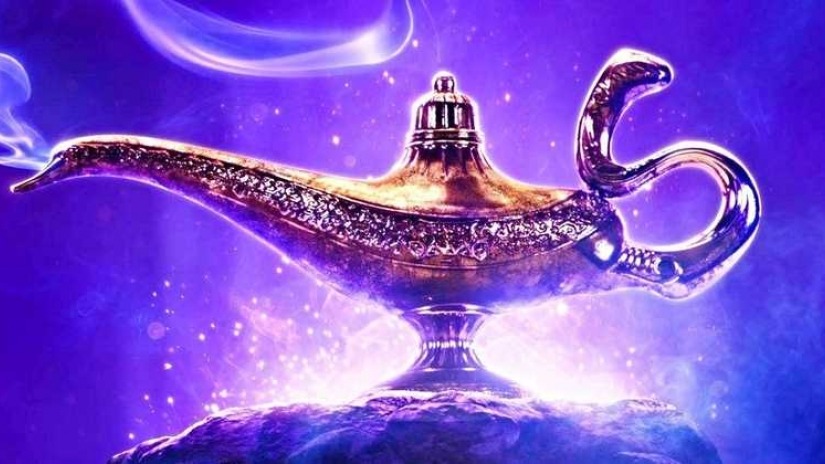
A few days ago, Disney released the teaser trailer for the live-action remake of 2019’s Aladdin. Although the teaser trailer mostly displayed the grandeur of their CGI backgrounds, it hinted at some of the story with the overlay of a revamped “Friend Like Me”. In all honesty, it made me kind of excited.

I had always liked the original Aladdin. It was kind of like a blend of Vegas meets generic Middle East, but it worked surprisingly well. It was entertaining, aesthetically pleasing, and the songs were very good. Although it did have its flaws, I had to say overall it was an interesting film.

Usually, liking the original animated film in those ways is an automatic recipe for not liking a remake-especially when the Disney live-action remakes tend not to put that much effort into “retelling” the original. They do add some elements, but overall, the films haven’t been all that interesting or creative (especially not Beauty and the Beast, which I analyzed earlier).

But for some reason, I got genuinely excited about the live-action remake. And when I looked into who was the cast and who worked on the music, I got even more excited. I like to imagine that it’s because they are keeping the movie a musical, which means there’s going to be a whole new look to how they portray some of their most happening songs. What makes it even better is that they are still using Alan Menkel, the original composer, for these songs, even using him to compose a new song for Jasmine.

They kept the cast predominantly Middle Eastern, as well. The one fully white character is supposed to be a suitor for Jasmine, and was added to create a new dynamic of nation-politics. But other than that, everyone fits the bill for the location of Agrabba, which is a plus. Other movies have tried casting white actors for Middle Eastern roles, but increasingly they have been unsuccessful as they face public backlash. Disney played smart in casting, this time around.

I really can’t explain fully, however, why I want to see this new remake. I can’t explain why this one sparks my curiosity when none of the others have, and why I’m actually excited to see it. I can’t argue that it’s good old nostalgia, because if that were the case, I would have been excited to see the other remakes. But I wasn’t. Maybe it’s because this is the most fantastical one. There’s so much that happened in the original in terms of design and setup, that perhaps I’m curious about seeing how it can appear in a more solid form. I don’t know.

The Problem of Shane Dawson’s “The Mind of Jake Paul”

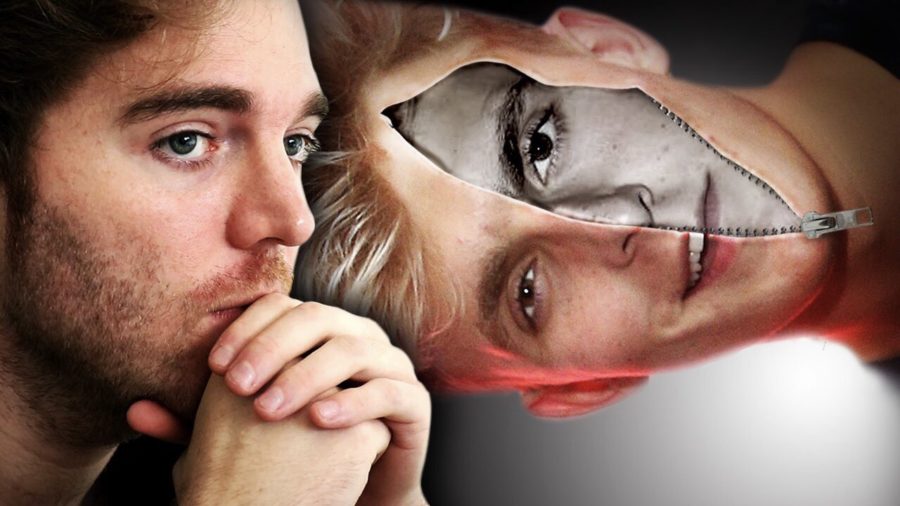
The Internet roared when Shane Dawson announced that he would make an eight-part documentary series on the controversial Youtube star Jake Paul. Dawson had been known for making “DocuYoutube” series on other controversial figures (including Tana Mongeau and Jeffree Star), but this person, known for several strings of awful behavior, was a step too far. Dawson did announce that he would not be lenient or forgiving to this person, and that he was making the series to analyze why the younger Paul brother behaved in such a way.

With the release of the first episode, all seemed well enough. Within the first few days the episode got 15,000,000 views, a viewing higher than some of the most popular TV shows on air. The controversy arises in the second episode however, when discussing the idea of sociopaths, as an attempt to analyze if Jake Paul qualifies as a sociopath. This controversy centers mostly around the psychologist he meets with and the framing of a sociopath.

Now, here’s a few details on a sociopath. A sociopath classifies under antisocial personality disorder, mainly marked by superficial charm and an inability to regard moral or social standards. Sociopaths lack the ability to relate and sympathize with others, and often learn to mimic behavior by studying how other people react. They usually have poor behavioral/impulse control, and often need high amounts of stimulation. Sociopaths, which is the extreme end of antisocial personality disorder, affects about 4% of the population, or 3% of males and 1% of females.

Now, sociopaths aren’t inherently bad people. They often do things that are considered bad or callous because they lack the capability of understanding them. Oftentimes, however, sociopaths are confused with psychopaths, who are dangerous, as they share some similar traits. This creates a massive stigma against sociopaths, a stigma that oftentimes prevents people from getting help or living a relatively normal life.

Now, here’s where the Shane Dawson controversy comes in. He frames the description of a sociopath with scary music and themes, making a sociopath appear more like a serial-killer psychopath. He also makes it seem like a sociopath is some born horrible mental illness, rather than being a personality disorder born out of deep childhood trauma. He reinforces a stigma around mental and personalities disorders, which is ironic, given his history or eating disorders and depression. He has been open about his mental health issues, so to cast a disorder that people can’t help as something scary on such a mainstream platform only boosts the stigma against mental illness and personality disorders.

The second controversy comes in the fact that the psychologist he was talking to began diagnosing people. Any undergrad student who is serious about becoming a psychologist or psychiatrist can tell you that a therapist is not supposed to diagnose people. A therapist’s main job is to help guide someone on their own journey and let the person discover themselves, or have testing done in order to get a definitive answer. They are not supposed to sit there and tell you what they think you have. Any therapist who does so is not a good therapist. The fact that she was labeling Jake Paul as a sociopath without having ever met him is bad practice (also, her implication that all Youtubers are sociopaths with Narcissistic tendencies is kind of ridiculous). She only fueled the fire of placing sociopaths in a bad light.

Although Shane has apologized for this move in subsequent videos, the fact that he even did it in the first place for ambiance was just poor taste.

Returning to the World I Knew Before

I don’t know if I’ve indicated before, but I have a long history of being a huge nerd.

Or rather, a geek (yes, there is a difference). I wasn’t the techy “build your own computer and digs math” type, which would have classified me as a nerd (by stereotypical standards). No, I have always preferred pop culture and literature, preferring to spend my time playing games and dabbling in a bit of anime. But the biggest highlight of being a geek was going to conventions.

The two biggest conventions I went to were Wondercon, which functions as a mini-Comic Con, situated in Anaheim, and Anime Expo, the largest Anime convention in North America. I went to these conventions every year from when I was thirteen until I went to college, when scheduling began interfering. It got to a point where I kind of got sick of them.

But in college, things changed. For some reason, I had it in my head that I should “grow out” of my geekiness, or at least keep it more private. Perhaps it was because I looked around and saw all the other geeks around me at school made me uncomfortable. They were just too stereo-typically geeky. That’s not to say that some of my high school friends weren’t, but these guys just fit the bill too well.

The disassociation might also have been partially influenced by the fact that I never fit the bit for someone who was geeky. Yeah, I wear glasses and at one point cut my hair short and dressed less-than-pleasantly, but I’m not talking about that. I’m talking about my face, my figure. I looked more like the kind of person geeks and nerds would wish would be into the same stuff as them. And this isn’t out of an inflation of my own ego. I’ve had enough creepy experiences to know exactly what position I was in. I look more like I belong in a Starbucks.

This was a factor that had always plagued my adolescent years. Especially during the height of gamer gate, where you could get called a fake gamer or fake nerd for just about breathing the “wrong way”. They never judged the people that looked like (stereotypical) geeks and nerds. They judged the people that didn’t.

It didn’t help that my Mom and sister would make fun of me for being a geek. My sister has become more involved in the culture herself in recent years, which has lightened her take on it, but my Mom would always roll her eyes. She still thinks I’m into things that I’m not (i.e: she thinks everything I watch is anime for some reason). She didn’t stop me from being a part of geek culture, but she didn’t much like the fact that I was so into it, either.

So for most of my college years, I kind of kept things under wrap. I stopped investing myself in geek culture for the most part, although I couldn’t help having my closest friends know what I was into. Everything was going fine.

But then, I started to miss the geek world. I started to miss being involved in the newest game, and missed going to conventions. I missed being a geek. I wasn’t going to suddenly stop dressing decent, but I didn’t want to let go of something I actually enjoyed. It was a big part of my life, and it was something cool to do. I got to see artists I follow in person, discover new artists, and find new things that I didn’t know before in geek culture.

So I’ve decided to come back. My Dad says he can get us into Comic Con, and I am planning on going to Anime Expo, so I guess that’s a good start to breaking back in. While I don’t have much time to be “full geek” (I have school and work), I do plan on enjoying the things I once did.

You Can’t Rely on Old Media for Depictions of the West

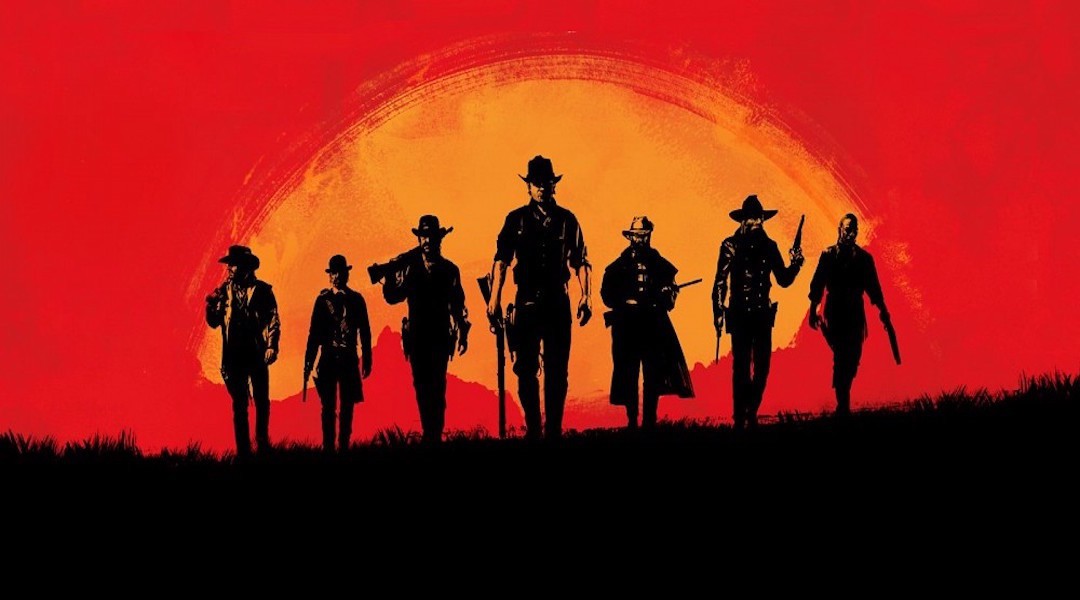
Recently, Rockstar has announced that Red Dead Redemption 2, the sequel to its instant classic of Red Dead Redemption, will add black cowboys, portraying a more realistic perspective of how the Wild West would have been.

However, like all things with time period games, there are those who dissent to having these characters added. Fortunately, it’s not nearly on the same scale as some other games, but it still exists. One argument of the dissent that stuck out to me was the idea of how historically “inaccurate” it was to have black cowboys. These arguments are based off of old Hollywood and TV portrayals of the West, somehow justifying their arguments. If P.O.Cs were not portrayed then, then therefore they simply weren’t actually present, right?

Wrong. Let me give a little insight on the actual realm of the West. The West, with its notoriety for being a “lawless wasteland”, was much more racially open than the rest of the United States. A former part of land owned and controlled by Spain (and later Mexico), the wide and mostly unpopulated expanse had plenty or room for the proliferation of Vaqueros, or the precursor to cowboys.

The Vaquero lifestyle was mostly used by Mexicans and some Natives, who gained influence from the Spanish ranchers on the Missions. However, when the land was won over by the US in the Mexican-American War, the Vaquero stopped being a purely Hispanic profession. Caucasian and later black cowboys began making an appearance on the scene, taking up the Vaquero (later renamed cowboy) lifestyle to live a “free rancher” life.

Black cowboys initially started as slaves tending to their masters’ cattle ranches while they were away at war in Texas, although there were some that escaped West before incorporation into the US to escape their former masters. In this, black Vaqueros gained the skills that would make them invaluable to the cattle industry, allowing them to prosper following the end of the Civil War. As many as 1 in 4 cowboys were Black, travelling throughout the West to help ranchers herd their cattle.

Now, this didn’t make the West some racial paradise, as discrimination against Latinos, Blacks, Native Americans, and later Asians (who came in to help build train tracks that would help connect the Continental US) was still a common phenomenon. But it allowed more freedom than other parts of the US.

Now, with all that in mind, how does this relate to old media? Well, if you’ve watched any spaghetti Western film or TV, you’ll easily notice that the diverse history of the West simply does not exist. If there’s a Native, they’re violent savages killing the poor white woman for fun. The Asians are portrayed as dirty, cheap, and lying. There’s not even a mention of Blacks or Hispanics.

No, the Western shows and films represent and idealized White version of the West, one which claims the cowboy as purely American made, despite its Hispanic origins. It’s about the finding the Classic love in the Wild and Gritty West, centered around White actors in a purely whitewashed realm.

Even as late into the 1990’s, media surrounding the West was heavily geared towards portraying it as white dominant, with only a few outliers that portrayed otherwise. It was only in recent years with Django Unchained, Hateful Eight and Magnificent Seven that the whites-only narrative has fallen back, showing another, previously unacknowledged side of diversity in the Wild West.

Old Media has a particular representation for portraying false narratives, and is unreliable for arguments trying to prove historical accuracy. Media changes stories and narratives all the time for entertainment, especially in older films and TV shows.

Most Horror Movies Suck

Most horror movies suck. This isn’t a result of a new phenomenon, where an over-reliance on jump scares and cheap tricks has lowered the quality of horror movies. No, this is something that has existed since the dawn of the horror genre in film.

Now, you might be saying, “There’s plenty of classic horror movies”, or “there’s been good ones all the time”. Yeah, I’m not talking about the classics. I’m talking about everything else.

Let me put it into perspective: in the entire movie medium as a whole, there is a very disproportionate level of bad movies to good ones. For every great film, there are plenty of okay or even mediocre ones that came out before it. The ratio for horror films is even worse. The horror film industry is a very prolific one, meaning that combined with the critically-acclaimed classics (some recent ones including Cloverfield, Get Out, a Quiet Place, and Hereditary) come many, many more bad horror films. And that’s just on the level of mainstream media.

The problem is, although the production value for horror films has increased exponentially (in the earliest years, most horror films were pushed to the side-lines, almost to the level of B movie films. That isn’t to say that any weren’t, however: quite a few were. The difference in levels of production value drew more attention to the really good horror films, making them classics.

The good classics were remarkably known for their story line and the emotional investment of the actors, paired with excellent and perfectly timed cinematography. Suspense was deeply intertwined with these films, causing the audience to actually be invested, even long after the further development of movie effects and realism to make films pop more. The bad ones by contrast knew they weren’t very good. They made the most out of lowered budget and “lesser” actors, becoming mindless entertainment. Even the high quality bad horror films knew they were bad, at least to some level. There was a distinction in how the bad movies presented themselves, specifically separating themselves from the good ones.

Nowadays, it’s much harder to tell. With the increase in production value all around, and the overall increase in popularity for horror films, even the bad ones take themselves seriously. They try to act like the good ones, hiding otherwise boring, similar plots under the guise of an enticing trailer. The only indication might be picking up the ridiculousness or the stupidity of the plot in the trailer, and even then sometimes they’re misleading. I’ve been tricked into seeing plenty of horror films that look promising, only to see the same story line played out. The only difference would be the positioning of the jump scares.

Another issue is, when a great horror film comes out, there are often sequels that follow. And usually with each sequel that comes out, the quality of the film gets worse (exceptions include Cloverfield). As a result, the whole series, including the first film, gets devalued.

Horror films have the unfortunate trend of having a few really good horror films within a few years, and tons of bad horror films. Although This trend is starting to shift (2018 was an unusual year for having more good horror films than bad ones), there is a long history of really bad horror movies. There’s nothing wrong with that, as rom coms also had the same trend. The difference is, there is still some creativity to horror coming back, which has kept it alive through a particular decade of flops. Rom coms and horror films had a shared decade of mediocre majority films, but rom coms, holding too much to the classic formula, fell to the background. Horror films were able to barely cling on, until recent films have fully pushed it back onto its feet. We’ll see how horror movies evolve over the next few years.

The Downfall of Telltale Games

Now, I am a few days late to this whole drama, but that has let me get a glimpse of a little extra content.

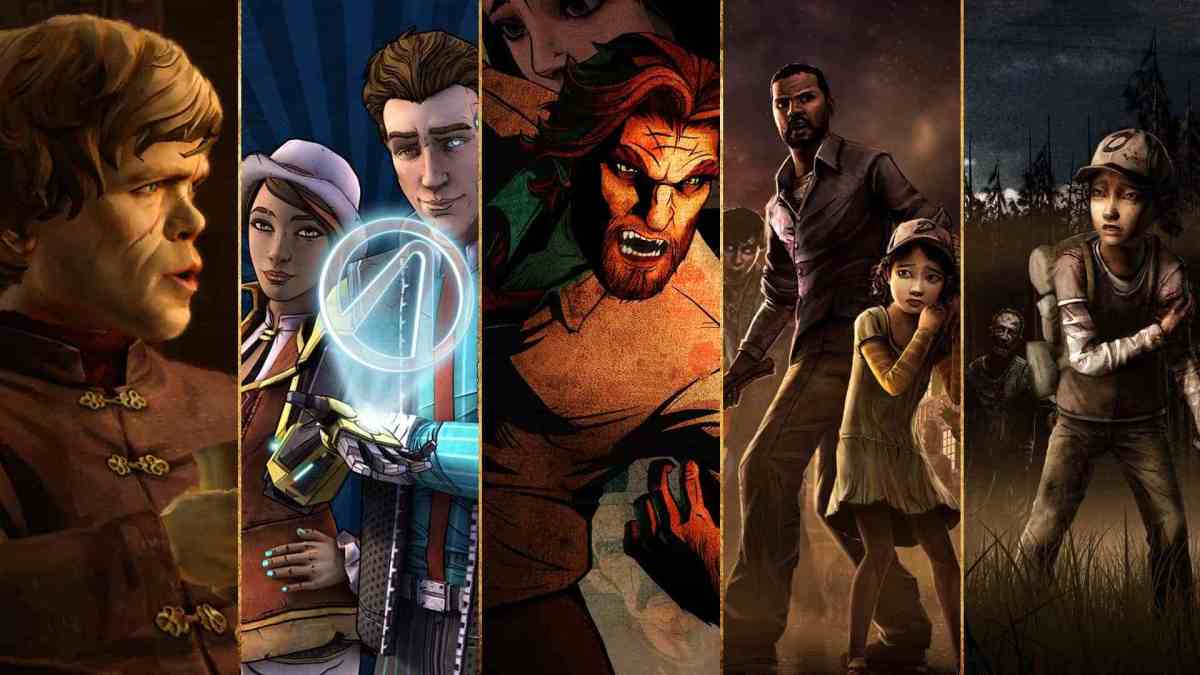
Last week, Telltale games declared that it was going to be shutting down, laying off most of its staff (who were expecting an eventual closure, but not so sudden). Official reports argue that a failed round of funding (the last backer abruptly pulled out) caused the shut down. The company is only staying open in order to finish the Minecraft: Story Mode for Netflix, then is shutting down permanently. This puts a halt to the much anticipated final season of Walking Dead and trashes the production for a Stranger Things game.

While officially, financial problems led to the closure, this development was a long time coming. Telltale games exploded onto the mainstream scene with the insanely popular first season of Walking Dead, released in 2012. Every gamer who was played that game, with streams for the first chapter popping up. As the game had promised that the endings would change based on your actions, people were trying to get the best ending possible. The first season was pretty good at making it seem like it changed based off actions, as well.

However, people quickly realized in the second season that this was not the case. Major events occurred no matter what, taking away the purpose of trying to find different outcomes. Another problem as well was the fact that the only character that remained consistent was Clementine (and later the child), while all other characters seemingly disappeared. Even the spin-off game was a dead end, with none of the characters making it into the actual game. This made it so there was too many characters to get invested in, turning people off.

This also ruined interest in Game of Thrones and Batman, two games that were reportedly good, but too long and unchanging for people to really be invested in. It only goes downhill from there, as Telltale keeps releasing more and more games, none of which had anywhere near the same popularity as the first season of Walking Dead. As a result, the company was merely digging itself into its own grave.

But, it didn’t let that on to its employees. In fact, the company had just hired people weeks before they had the massive layoff, with people even moving across the country in order to come and work. As a result, a massive class-action lawsuit has been filed against the company, as with the sudden layoff with an almost immediate cut-off of benefits, they have violated California labor laws. Some argue that in suing a bankrupt company, they are wasting their time, but it’s important to solidify that these laws apply to gaming companies, who might otherwise think they’re exempt.

The Saturation Complex of Geek Culture

I had mentioned in a post earlier that there is a prevailing idea that misconstrues how geek culture came to be. I can’t really say where this came about, although I strongly suspect that films and TV shows of the 1970s and 1980s paired with gendered conceptions surrounding geek culture are to blame. Whatever the cause, it has fueled this conception, leading to a sort of alienation complex as the geek community shifts and changes.

As a result, there is this saturated version of history, which relies on the idea that women and minorities have not been a part of geek culture until very recently (as in, within the last decade). As a result, there has developed a constant push against women and minorities joining in on geek culture, with particular “tests” placed against women in order to test if they’re “qualified” to partake in the geek community. These blockades grow increasingly pointless as geek culture continues to gain popularity, and yet for some reason persists. Perhaps I can explain why.

You see, it all starts at the source of geek culture: Science Fiction (Sci-Fi). In the saturated version of geek history, the first Sci-Fi author was Jules Vernes, best known for his book Twenty Thousand Leagues Under the Sea. As a result, this causes men who believe this start to think that women and other minorities have no real right to enter and write about Sci-Fi.

However, if you make one quick Google search, you’ll find that this version is incorrect. While Jules Verne was one of the earlier Sci-Fi writers, the real first Sci-Fi author was Mary Shelley, who published Frankenstein in 1818, a whopping fifty years before Jules Verne. This makes the Sci-Fi genre not a “boys only” club, but a club founded by women.

Shelley wasn’t the last female Sci-Fi author, either. Well-known ones include Octavia E. Butler, Margaret Atwood, Ursula K. Le Guin, and Suzanne Collins. Sci-Fi has never been a “boys only” club, although it is often pushed to appear that way.

Comics, by contrast, didn’t really diversify until recently. In its early days, the comic industry was very much “boys only”, mostly outright refusing to hire women and other minorities. This isn’t unusual, however; the entertainment industry as a whole was that way.  That isn’t to say that women and minorities weren’t in those realms, but it was very difficult to break in, particularly from the 1920’s-1970’s. This realm makes it a whole lot easier to promote the saturated history. Since women and other minorities were barred, it was easy to say that they didn’t belong and exist in the space. Despite the fact that the majority of comic readers in the present era greatly outweighs the “traditional” readership (white men), there is still this stigma that pushes women and minorities away.

The same goes for the video game industry. Women and minorities were mostly barred in the early days (as they were discouraged and stigmatized from getting STEM degrees in college), meaning that they couldn’t break in until more recently. This has created a frictional environment that extends beyond game development and into game playing, leading to online harassment and common claims of not being a “real gamer” to anyone that doesn’t fit the geek stereotype. To be honest, the “fake gamer” argument is ridiculous: if you play games, you’re a gamer. You don’t have to be best of the best, but if you play video games as a hobby, then you qualify.

The reason there is such a push back against diversity entering geek culture mostly stems from a victim complex among the “traditional” geeks. Despite the fact that geek culture has been gaining continuous popularity over the last two-three decades (exploding after the premiers of Walking Dead and Game of Thrones), the news for some reason has not hit the geek community. Or, rather, it has not processed.

The “traditional” geeks seem to be in denial about just how popular geek culture is, moaning and groaning how they are such victims and such a minority, while at the same time fighting against anyone that doesn’t fit their own characteristics and pushing them away. They like to act like they’re still the kids that get severely bullied, although just about any kid with a computer nowadays has access to video games and anime. It’s a bizarre complex that sticks out like a sore thumb.

Comic Books Have Always Been Political

With the releases of Wonder Woman and Black Panther, I couldn’t help but notice quite a few people mentioning that they didn’t like the fact that these movies were “adding” politics to comics. This always bothered me, because anyone who knows anything about comic books (unless they choose to ignore this) knows about how politics have always been a part of comic books. I’ll explain why.

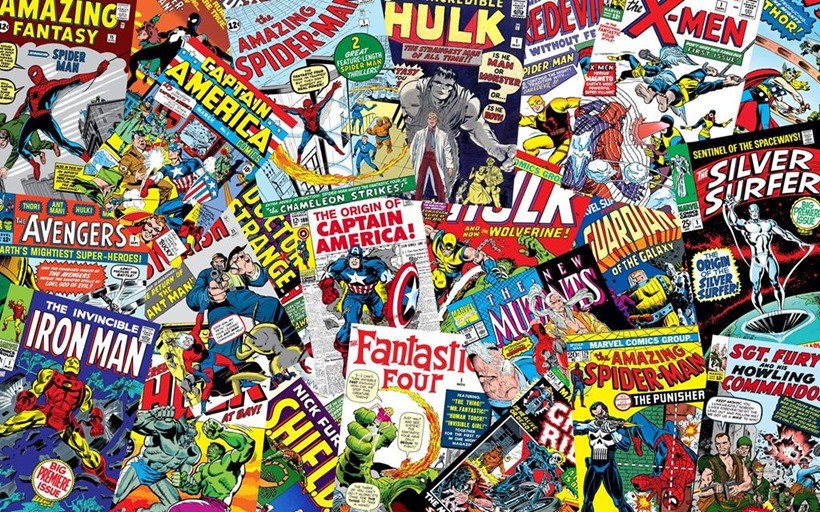
You see, most comics had their main start as anti-Nazi propaganda in the late 1930’s and especially during World War Two. Characters such as Superman and Wonder Woman from DC, and Captain America from Marvel represented the “heroes” of democracy, clad in Star Spangled Banner attire as they kicked the asses of the bad guys, who represented ultimate evil. What even pushes the point further is that the general majority of comic writers during the time period were Jewish, which Nazis despised. The characters and comics were written in support of the US’s involvement on the Western Front, fighting the bad guy and saving the day.

The end of the war was not the end of politics in comics, either. You see, comic books are an art medium, and their one of the most obviously political mediums, as well. However, because of their fictional nature, the political side is often ignored. Which seems odd to me, especially when considering the fact that there will be entire characters created in response to certain affairs on either the national or global sphere. Black Panther came about as a result of the Civil Rights’ Movement. Miss Marvel came about as a combatant to the rise of Islamophobia. X-Men’s whole premise is about discrimination against minorities.

Even comic creators will argue that they, and their works have always been political. They argue that they put their messages in superhero comics, with important messages being portrayed in an obvious-yet-not-quite-obvious way. It could be in an important conversation, or self-reflection, or a grave mistake. In any of these forms, there is a message, more often than not reflective a political or social message.

The fact that people ignore the political side to comics shows not only how well the messages are hidden, but also the success of the popularly sanitized version of nerd culture. What is the sanitized form of nerd culture? Well, it’s a version of anything to do with “nerdy culture” (i.e: Comic books, Sci-fi, fandoms) that erases the political and diverse history of nerd culture so that it only looks like white men were involved in nerd culture until recently. There are many drastic effects of this sanitized view, but I’ll get into that another time. The point is, the sanitized view of nerd culture is the most commonplace, and the most inaccurate form.

All-in-all, to say that comic books have never been political is drastically incorrect. Comics have always been political, and will always be political. To say otherwise is misguided.

How Fandoms Go from Fab to Drab

Fandoms, which are a subculture centered around supporting or following a certain piece of media, are everywhere in Geek culture. Just about every TV show, movie, book series, and more has a fandom, some small, some tremendously big, and many in-between. If something extremely popular is released, usually its fandom explodes for a few months, or even a few years, before mysteriously collapsing and disappearing. If you’ve ever seen this occur, then you have just witnessed a fandom going from fab to drab.

How does this occur? Fandoms have normal lifespans, with the very small ones usually dying out fairly quickly after the piece is released (known as “going dead” in fandom terminology). Medium and large ones that continue in their drab phase can live a long time-I’m talking about decades of survival (Star Wars, Star Trek, Back to the Future). This is all a part of a natural cycle.

However, Fandoms that go from fab to drab have a relatively short and volatile lifespan, which can lead to fall-backs and resurgences, all before their eventual collapse. This usually comes as a result of several factors.

The first is the development is what’s known as toxicity. Every fandom has a few bad eggs. But when there’s enough of them, all attacking people and bullying people over differing ships and opinions, then the fandom gets labelled as “toxic”, both by people outside of the fandom and the few remaining clear-headed people still in the fandom. Fandom is supposed to be about a community coming together, not tearing each other apart. This is an issue that can occur in just about any large fandom, as major groups (particularly shaped around “ships”, or couples that people root for) belittle minor groups, essentially bullying them out of the fandom.

The toxicity does not stop at people in the fandom, either. I remember the days of Superwholock (The combination fandom of Supernatural, Dr. Who, and Sherlock) when the fandom would attack any outsider that questioned them or criticized them, building up their own reputation as toxic. The same thing happened to the Undertale fandom, leading to its demise within only a year of the game being released.

Which leads me to my next point: Hatred towards the fandom. When a fandom is toxic, it not only builds up a bad reputation, but cuts its own supply off of newcomers. When people are discouraged or turned off from joining the fandom, even the largest one will eventually fall. Every fandom needs newcomers to survive; too few or none at all will kill just about any one of them (Superwholock was an interestingly unique case, but in order to explain it in full detail I would need to talk about it separately).

When fandoms are faced with these two issues, they become increasingly volatile, lashing out against others and fully consuming themselves in their toxicity, which only furthers the problem. They solidify their own fate, even if they don’t know it.

Fandoms that once start fab, welcoming all others and becoming a large fandom that bonds over a certain media, can either quickly or slowly turn drab, turning against itself and ruining itself as others watch on. It’s an interesting and prevalent cycle that normally only happens to the biggest and trendiest fandom of the time, providing a serious lesson to others about growing too big too quickly.

The Differences Between LA Theme Parks

There is an industry in Los Angeles that goes mostly unacknowledged, but still draws millions of tourists every year. That industry is theme parks.

Now, you might be wondering how that goes unacknowledged. LA is the home of Disneyland, Universal Studios, and Six Flags Magic Mountain, all of which are major amusement parks. Millions of people come from all over the country, and even the world just to visit these places. They will never be forgotten.

What I mean by the fact that they go unacknowledged is the fact that no one ever tells you the difference between each park. And I don’t mean the obvious, each being owned by different companies and centering around their own respective shows and films. I mean their actual core, what you can expect to find attending these parks. For me, having grown up in LA, the difference are obvious. For someone who’s either only visited one or even none of the locations, you might not know the difference.

Well, to put it shortly, the difference are this: Magic Mountain is for rides, Universal is for attractions, and Disneyland is for something in-between. Let me break it down a little more.

Magic Mountain is part of a larger chain or theme parks, with this location in particular being located in Valencia, on the northern end of Los Angeles County. The theme of this park is DC universe, and you will find plenty of rides and areas following that theme (Batman, Riddler’s Revenge, Superman, etc.). The park wastes no time in displaying what it is; a theme park for roller coasters. It doesn’t have really any attractions, more focused on providing an adrenaline rush with various and innovative new rides. They do have a kid section with Loony Toons, but I wouldn’t say it’s a place to bring your children.

Disneyland, on the other hand, has some more leeway. Located in Anaheim, in the heart of Orange County, it’s a place with both attractions and rides, putting more into the combination experience that allows children both young and old. Although, I don’t really see the point of bringing a child under three or four to Disneyland: first, they can’t really go on any rides, and second, they won’t remember anything about the park. Disneyland focuses on different films that it owns the rights to, and builds rides and areas centering around them (Star Wars land, opening 2019, is expected to be one of the largest world expansions to the park). Disneyland wants to provide a more general and rounded experience, which explains why it has both rides and attractions.

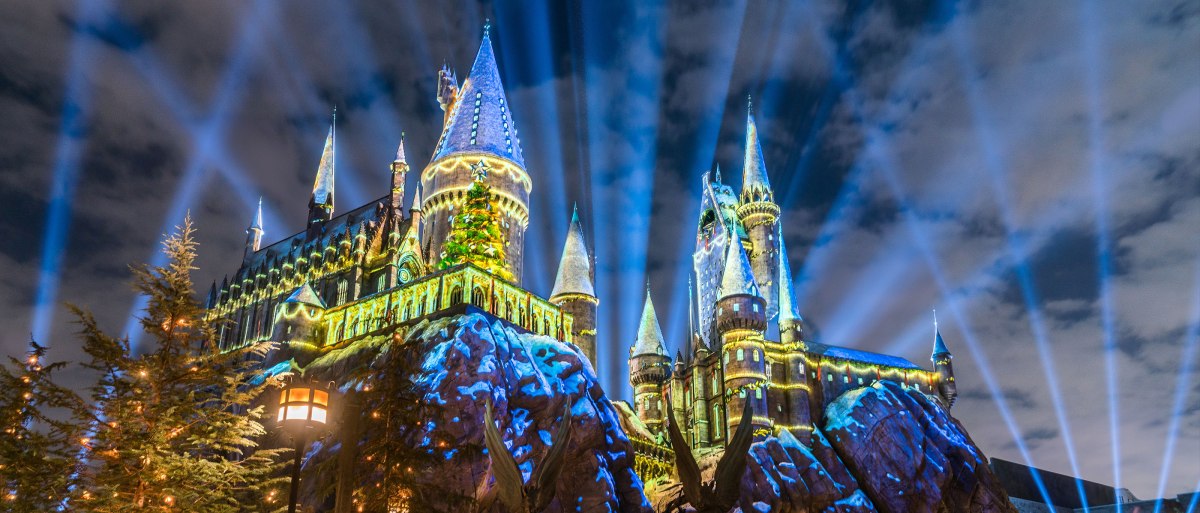
Universal, located in Studio City, focuses almost purely on attractions. That isn’t to say it doesn’t have some rides, like Ride of the Hypogriff, Revenge of the Mummy, and Jurassic Park (now being renovated to Jurassic World), the vast majority of its “rides” are actually attractions, using CGI and moving cars to create almost VR experiences. It once again focuses on films that it has the rights to use, even if it doesn’t own the films itself (Harry Potter World and the upcoming Nintendo Land are big ones). This park isn’t very kid-friendly, meant more for teenagers and adults. There are few attractions meant for young kids, especially considering how dark some of the attractions can get. Universal’s take on rides is unique to me, as most other parks don’t invest so much into perfecting the rides in the same way.

How I Can’t let some Books go

I read a lot of books. More so when I was younger, and had a lot more time to read around school, but that doesn’t stop me from buying potential books to read.

As a result I’ve invested my time and energy into many books, both good and bad, and even some okay. The good ones I usually keep in my room, and the bad ones usually go to the sad and lonely shelf in the middle of a hallway in my house. Trust me, there’s plenty of bad and okay books on that shelf. But hey, when you read a bunch of YA novels, you’re bound to run into many bad ones before you find a good one.

Most of the bad books I’ve read I’ve already forgotten. However, there are a few series that I just can’t let go. This might be because of the fact that among the bad series, there was a good book that I actually enjoyed. Usually this would be the first or second book, getting ruined by the third or whatever else book (In the Mortal Instruments, it was the opposite: I thought the first three books were decent enough, but liked the fifth book the most). Two series that exemplify the above for me are Hunger Games and A Court of Thorns and Roses. I thought the second books in both series were the best, but I didn’t much appreciate reading the third book, to put it politely.

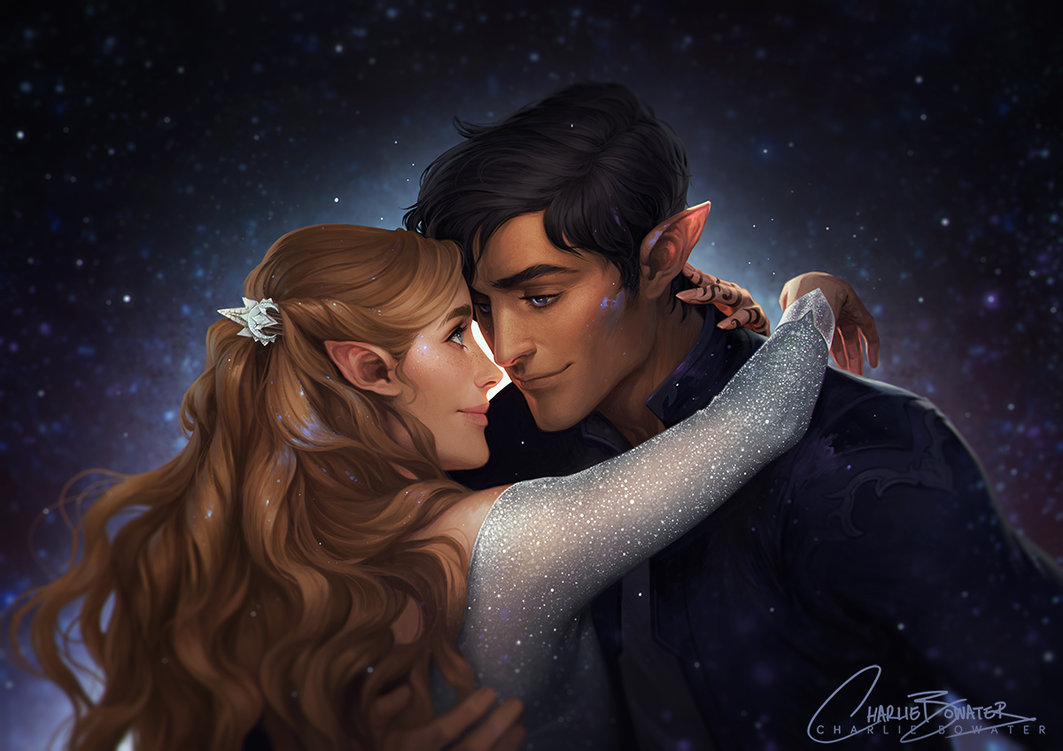
But if only one or two books were really exceptional to me, why do I still cling onto its fandom? Well, I’m usually reminded of the series when I see fan art or something else of the sort. It gives me a sort of nostalgic feeling, and makes me want to re-read my favorite parts of the books I liked. It keeps me hooked onto the fandom, even if merely grabbing the barest shreds so I don’t get too invested in the culture again. Fandom culture has gotten pretty toxic over the years, and I don’t like to involve myself much in them anymore. Discussing their evolution will be saved for a different time, however.

As for the fan art, it’s not just any old fan art. It’s usually drawn by artists I follow, who happen to have read or currently read the same books as me. When I see their interpretation of certain scenes or characters, I am redrawn to those books, even if I haven’t touched them in over two or three years. I blame nostalgia and the familiarity of the characters. My brain recognizes the characters and clicks, triggering a sense of desire to pick up the books.

Art Credit @ Charlie Bowater

The Shows of my Childhood

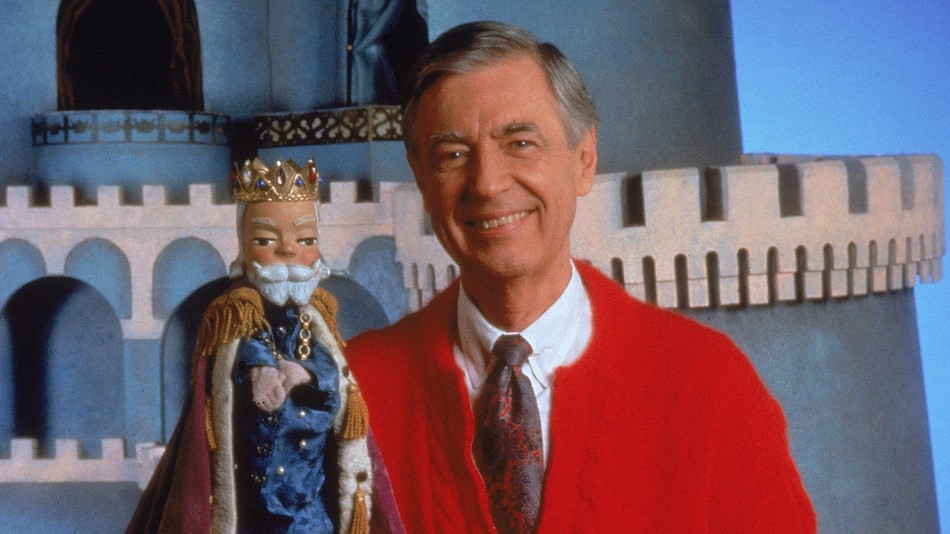
A few days ago, I sat down and watched Will you be my Neighbor? with some family members. I was hit with a massive wave of nostalgia while doing so, old memories that I had nearly forgotten suddenly coming back up. Which got me thinking about other shows I’ve watched as a kid. I thought I might just say a few as a break from my two week hiatus.

1. Mr. Rogers’ Neighborhood

The show premiered in 1968, geared towards treating children like intelligent beings and helping them deal with various issues, from large and political to small and social. It’s hosted by Fred Rogers, who not only shows up in person, but also controls all the puppets, dealing with other cast members. The show ran for over three decades, with the final episode occurring in 2001. I remember watching both the newer episodes and the older ones, although I was very young when I actively watched them. My memory is fading of the show, although I do remember certain parts of different episodes.

2. Teletubbies

While my sister watched Barney, I watched Teletubbies. The show centers around these characters known as “teletubbies”, who have antennas on their heads and TVs on their stomachs, which display real children. The four characters, Tinky Winky, Dipsy, La-La, and Po, each run around and play in an idyllic world, playing all day until a siren raises and calls for them to go to bed. The first episode aired in 1997, and took a break before returning to end in 2016. The show was one of those almost mindless shows, not violent or blatantly bad for children but not really having any substance, either. I liked it, however.

3. Rugrats

This show, premiering in 1991, centers around a baby’s imagination and life from a baby’s point of view. The Rugrats gang go on different adventures at the behest of the older Angelica, although their adventures mostly take place in and around their houses, without them going anywhere. It’s last episode occurred in 2004. It was unique for it’s time, playing with young children’s imagination and entertaining children through their own means. Every episode was something new. I remember watching it almost religiously, loving each and every episode.

4. Spongebob

Of course, how could I forget the biggest hallmark of kid’s television of the early 2000’s? The first episode premiered in 1999, and still continues to this day, centering around the life of Spongbob in the underwater town of Bikini Bottom. In it’s hayday, it was funny and unique, displaying characters who are both stereotypes but are also three dimensional. Even Mr. Krabs, who’s largest character aspect is greed, has character development and other aspects. I can’t speak for the show now, however, as I haven’t watched any episodes since 2008. What I’ve heard is not good news.

How Aggretsuko and Gudetama Took the World

Hello Kitty has long been the star of the Japanese company Sanrio, since stepping onto the scene in 1964. Since then, numerous characters have been released through the decades, with characters such as Cinnamroll, Bad Badtz-Maru, and Chococat gaining some popularity and recognition.

However, there are two Sanrio characters, both of which are two of the company’s newest characters,  have taken not only social media, but also pop culture, by storm. The first of these two is Gudetama, who’s name is derived from “gude” (the Japanese onomatopoeia for having no energy), and “tama” (taken from the Japanese word for egg, tamago), is exactly what his name prescribes: a lazy egg. Released in Japan in 2013 and internationally 2014, the egg gained almost immediate popularity among Millennials and Generation Z kids for his adorable appearance and lazy attitude. His character release was accompanied by a series of online shorts displaying his daily “adventures”, and little emotes that display his range of laziness.

Gudetama maintains popularity as a result of his cuteness, but also his lazy attitude. Young people relate to his lazy attitude, because they want to be like him, lazy and having no problems to deal with (work, school, taxes, etc.). They want to be able to just do nothing. They also like his “kawaii” nature, his simplistic design making him absolutely adorable.

The character also has a very recognizable aesthetic, adding to his popularity: orange and yellow. Two colors that might otherwise be seen as garish and non-kawaii colors are made a central part of Gudetama’s aesthetic, which works incredibly well. It makes his aesthetic unique. All his merchandise is sold in this aesthetic, with shirts, jewelry, stationery, and other items being sold in the pastel yellow and yoke orange colors. Even the plushies of him tend to center around those colors, adding all the more to his absolute essence.

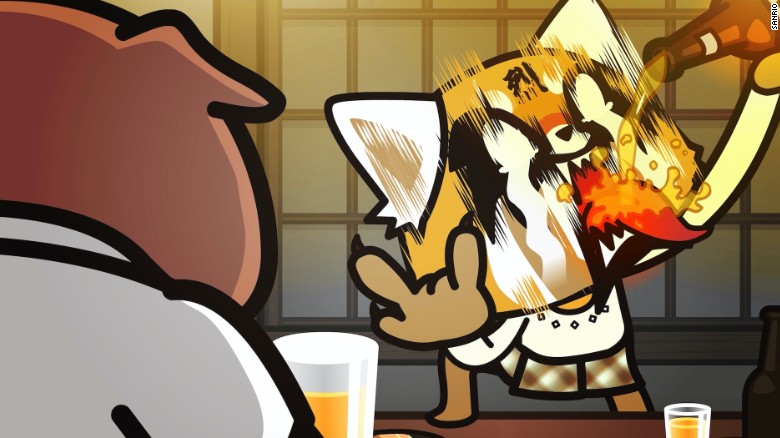
The second character, Aggressive Retsuko, a.k.a Aggretsuko, is a red panda who is an assistant associate at a Japanese company. Her work is oppressive, and she vents her frustration by getting angry, drinking, and singing death metal at a Karaoke bar. She was initially released in Japan in 2016, and then abroad in 2018, paired alongside the anime series about her life. She takes a much more adult perspective than Gudetama, and gained instant popularity because of the fact that she has to deal with her terrible boss (who is an actual pig) and fake coworkers. Many people entering the corporate work force have to deal with these same issues, and only wish they could vent all their frustration in the same way.

Although I haven’t seen much of her merchandise, I know it sells. She’s too popular for it not to sell. She holds a place at anime conventions, and has become a staple for the fact that she’s so relatable. It does help that she’s also very cute.

Both of these characters deal with issues that Millenials and older Gen-Z kids can relate to, although they represent opposite perspectives. Gudetama represents the joy of being able to be endlessly lazy, with no real troubles to deal with, while Aggretsuko deals with releasing stress when faced with the worst of work conditions. It’s interesting to see how they’ve taken off in popularity, and continue to remain popular.