What is Anime Expo?

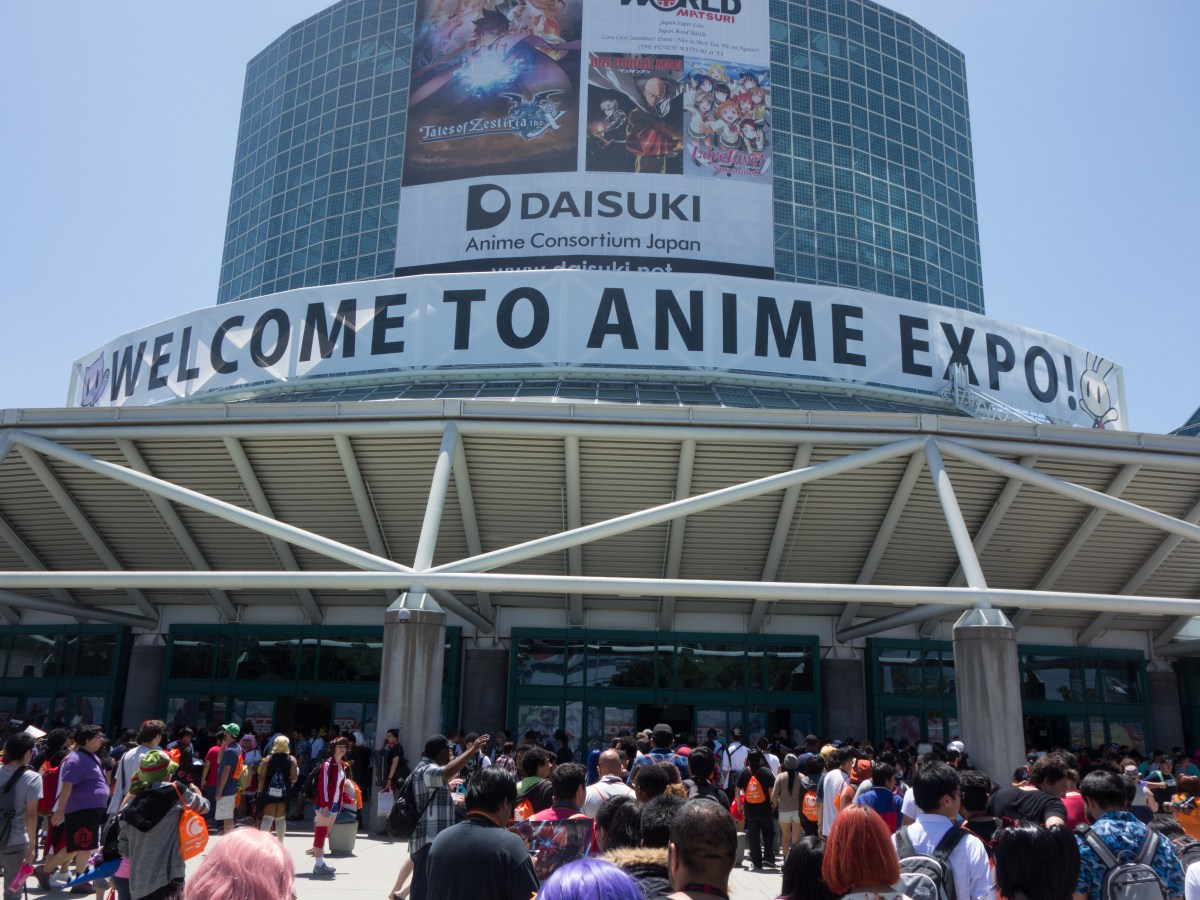
For the first time in six years, I’ll be missing this years Anime Expo, known as AX, in Los Angeles. Though I’d never been all that invested in anime, I made a point to go every year, wanting to see artists I follow on social media or catch up on new and upcoming video games. It has much more to do than that, but that’s what I’ve always gone for.

AX was first inaugurated around 26 years ago, as the United States was diving into the “anime craze”. It was organized by the non-profit Society for the Promotion of Japanese Animation (SJPA), and it appears every year during early July. It is also the largest anime convention in North America, with over 100,000 people attending last year.

So what goes on at AX? Well, lots of things. Because of how large the convention is, AX has the luxury of being able to bring pop culture icons and anime artists out from Japan to visit for panels, or to promote their company on the main floor. The main floor is for “official” companies, ones who can promote new games (Monster Hunter), or promote their anime company (Funimation, Bushiroad), or their culture brand (Rilakkuma). You can also buy cosplay related items such as wigs, weapons, and costumes (although they run a bit pricey).

On the floor below the main floor, there’s what’s known as Artist’s Alley. Formerly in the back of the main floor, the alley has grown so much that they had to move it down to its own space. Here is where you can find artists selling anything from prints to stationery, either original or based off a certain anime/game. Here you can find artists you like or follow, or discover new art. Be prepared to spend a lot.

There is a gaming section too, but on the other side of the convention center. There is both the gaming room and a place to take pictures in cosplay, along with all the panels. In the game room, you can play virtual Japanese games, board games, or card games. There’s plenty to do, the only issue being that playing any popular games requires waiting for an uncertain amount of time.

There’s plenty of things to do at this convention, and its worth buying a four day pass (when its much cheaper, that is). Although I won’t be able to go this year, I know it will be bigger than ever.

Incredibles 2 and Legend of Korra: Shifting with the Times

I got to see the Incredibles 2 last night with my friend, and I have to say it was a very good film. I did notice in watching the film, however, that there was quite a bit of appeal to the people who were kids when the original Incredibles came out. Because of fourteen year gap between the films, most, if not all of the people who got to enjoy the first film are now in college or beyond (myself included), and have the potential to be the biggest source of income for the movie. And while of course there are elements in kids’ movies that appeal more to the adults, Incredibles 2 seemed to appeal to the older kids more than usual.

Which, makes sense. Like I said, there is a fourteen year gap between the release of Incredibles and Incredibles 2, and the people who would want to see the movie the most are in or out of college already. That gives the freedom to add more “adult” elements, while still calling it a kids’ movie.

The same event happened in Legend of Korra. The show, which was a sequel to Avatar the Last Airbender, brought in darker, more adult elements, appealing to the fan base who watched the original show. Although it was only a four year gap between the two shows, the generation who watched the show had grown quite a bit since the first episode. Plus, with Legend of Korra having a total of four seasons, the kids continue to grow into adulthood. If you contrast this from the Last Airbender, you’ll notice the original show was much more lighthearted in nature, and Korra is more gritty (even the styles are different, the original having more roundish characteristics, and the latter having sharper more realistic imagery).

Both the movie and the show hold the task of appealing to their old fan base, while still attracting a new, younger fan base. It’s a balancing act, having the freedom to stretch beyond the traditional limits of kids’ media while at the same time having to maintain some semblance of it. It’s a difficult task, one that these media seem to do well.

Movies my Dad Wants to Watch with Me

My dad has a list of movies he wants me to watch with him. They’re all renowned films, and every year that I go without watching them, the more annoyed he gets. So for father’s day, I thought I’d share a quick list of the movies he’s dying to get me to watch since I was fourteen.

Lord of the Rings: Return of the King (2003) Extended edition. Why only the third one? Well, I was barely able to get through the second extended edition, which felt like it took five hours. I’m the kind of person who struggles to sit still for a long period of time, and when my dad told me the third one would be longer than the second one, I knew I couldn’t take it. It doesn’t matter that it won an Oscar. The extended edition is for those who are die hard Lord of the Rings fans.

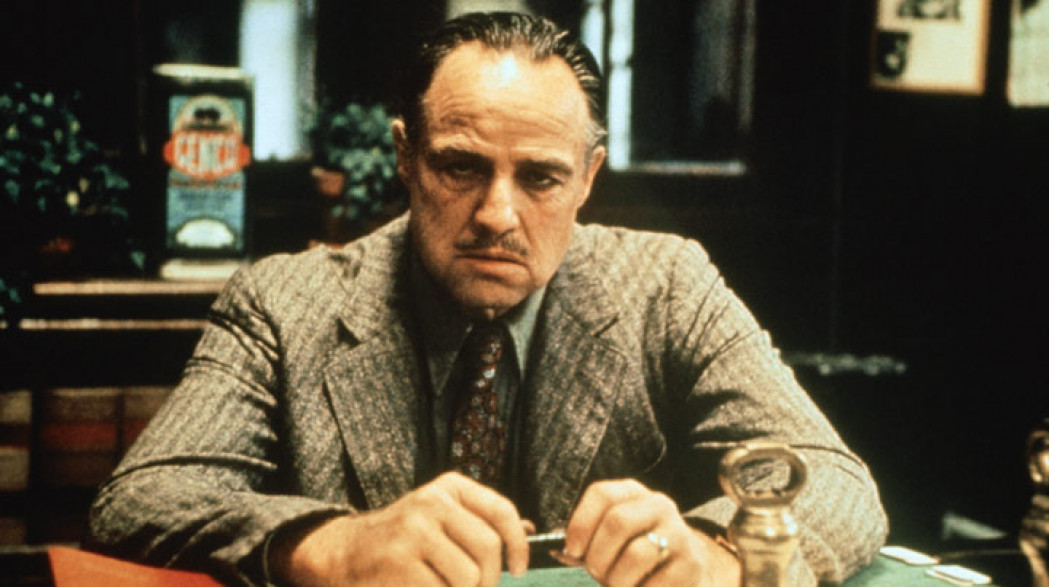
The Godfather (1972) was one of those movies that I was actually interested in seeing, but never got around to watching. It’s a cult classic, based off the book and centered around Mafia crime in New York City. It takes place in the immediate post-WW2 era, and deals with the dirty politics of organized crime at the time when it was transitioning to Las Vegas. There have been countless media references made to the film, and my dad repeats lines to the point where I hear them in his voice. It’s not his all-time favorite, but it’s up there.

Crouching Tiger, Hidden Dragon (2000) is another film he wants me to see. My dad took martial arts when he was younger, and was all into Jet Lee films (we had many VHS tapes of them). But this film, released in 2000, is the fighting film that he mentions the most. Taking place in 18th century China, centering around the two characters Li Mu Bai and Yu Shu Lien, who must find and stop the character known as Fox. Why haven’t I watched it yet? Well, my dad never explained the film enough for me to be interested in it.

The last film that I’m going to put on this list is Jaws (1975). I don’t think he wants me to watch it for any reason other than to try and make sure I never swim in an ocean again. Although, with the changing technology, I don’t think that will happen. The film takes place on Amity Island, where violent and fatal shark attacks are popping up, causing an investigation and a bounty to be place on the shark involved. This leads them to discover a megalithic shark with a taste for human flesh, and must try to kill it. I never had an interest in watching this movie, although again, I understood all the references to it. It’s one of those things that are better left unwatched.

A Trip to Universal Studios: What to Expect

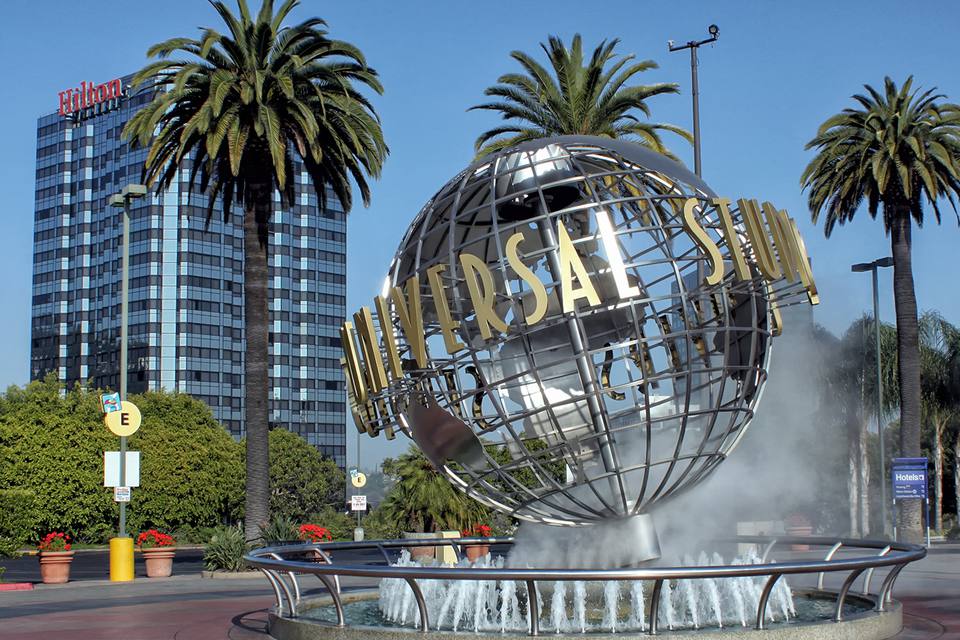
With summer here, hundreds of thousands of tourists from all over the globe will be travelling to Los Angeles to see the world famous attractions. One of these attractions, is of course, Universal Studios.

What can you expect if you want to go here? Well, from experience (although I haven’t been since a year before Hogwarts opened), here’s a few tips that’ll prepare you for what usually happens when you visit the park.

First step: buying tickets. No matter what, you will want to buy your tickets online. They can range anywhere from $109-124 during the summer (during off seasons, they’re much cheaper). The price ranges on what day of the month you decide to go. Earlier in the month tends to be cheaper. If you decide to buy the tickets at the door, they will be the most expensive.

Second: Be ready for crowds. Universal Studios not only attracts locals, but tourists from all over the world. Don’t be surprised to find that the biggest rides will have the longest waits (yes, this includes the studio tours). Also, there will be people everywhere, despite the streets being built for large crowds. Make sure to keep track of your party at all times.

Third: It’s probably best not to buy food in the park. Think of it like any theme park food- overpriced, and not that great. It’s better just to go to City Walk and return to the park. It may not be cheaper, but it is certainly better tasting. However, if you don’t want to deal with the trouble of getting out and back in to the park, then staying in the park will be fine. The food won’t kill you.

Fourth: Bring water and find ways to stay hydrated. Los Angeles is a semi-desert, and gets insanely hot during the summer (the average in the 90s), and it’s important to drink plenty of water while you’re in the park. Also bring sunscreen. You don’t want to get sunburnt by walking to get on a ride.

Fifth: And lastly, don’t forget to enjoy the whole park. There are multiple levels to it, and a great view of Warner Brothers studios. It is a fun park, and although the lines can get long, the day wouldn’t be worth it if you skipped half the lines. Also, it’s not recommended that you bring infant kids. They wouldn’t really enjoy most rides, and dealing with a crying kid in the heat is less than enjoyable. Have Fun!

How Kpop got its Place in Western Media

Now that the season of music and movies has hit, Spotify has begun releasing a weekly playlist called “New Music Fridays”. I’ll listen to it sometimes to find music to add to my own personal playlists, and am unsurprised with the typical English and Latin music that comes on.

Today was different, however. Today I was pleasantly surprised to hear Blackpink’s “Ddu-Du Ddu-Du”, which had been released today (along with the music video for it). Blackpink is a prominent girl’s Kpop group, whose song “Boombayah” had broken records for being the most viewed debut song on Youtube, and achieving 150 million views in less than six months. Even as I write this, the music video “Ddu-Du Ddu-Du” became the fastest girl group Kpop music video to hit 10 million views. To hear their newest song on a playlist of otherwise Western songs was interesting.

The song (which was pretty good, by the way) got me thinking about Kpop as a whole. Just six years ago, most people outside my neighborhood (I grew up in a Korean neighborhood) had never heard of Kpop. Now, advertisements featuring BTS (the most popular Kpop group of right now) are growing increasingly less uncommon, and just about everyone I’ve spoken too knows about Kpop. This did not happen for no reason.

No, the reason Kpop has burst on to the scene goes beyond the accidental popularity of “Gangnam Style”. South Korea’s entertainment industry sits in an interesting situation, receiving direct funding and advisement from the Korean government while at the same time holding themselves as a private industry. This is because while the South Korean government is promoting a market economy with both a private and public sector, they are promoting it in a way that gives them control over how they promote the nation’s image. They want Kpop and Kdramas to spread and show how “cool” of a country South Korea is. The goal is to have their pop culture be known not only in Eastern and Western markets, but also in what’s called “developing” markets as well.

With the massive amount of funding the entertainment companies receive, they can push out higher quality media, to the levels of Japanese and Western media. They promote a Western appeal (adding rap, street wear), while at the same time keeping a unique flair that is inherent to Korean media. They were trying to make their brand known.

But even with all the effort put in, many were shocked to find that “Gangnam Style”, a lyrical satire about the Beverly Hills of South Korea, took the cake for breaking into Western markets. The song, which makes fun of the mannerisms of the rich in South Korea, was not the song the government wanted to be the first Kpop song that new audiences heard on a large scale. While that isn’t to say that they didn’t want singer Psy to make the song at all (he was a relatively popular artist within South Korea), they certainly didn’t want it to become that popular. But not everything can go according the plan, however.

I can’t say “Gangnam Style” was the song that put Kpop in the spot it holds today.  It seems more like the genre gained a more permanent footing when BTS shocked audiences by snatching the title of Top Social Artist at the American Billboard Awards in 2017, beating out prominent names like Selena Gomez and Justin Bieber. It sent the internet ablaze, being divided between fans who were excited for the win, and quite a few people who were asking “who are these guys?”. And while Kpop was popular already, I felt it opened more people to exposure from Kpop, getting more people to jump on the “Korean Craze”.

Documentary Now!, and the Beauty of Subtle Satire

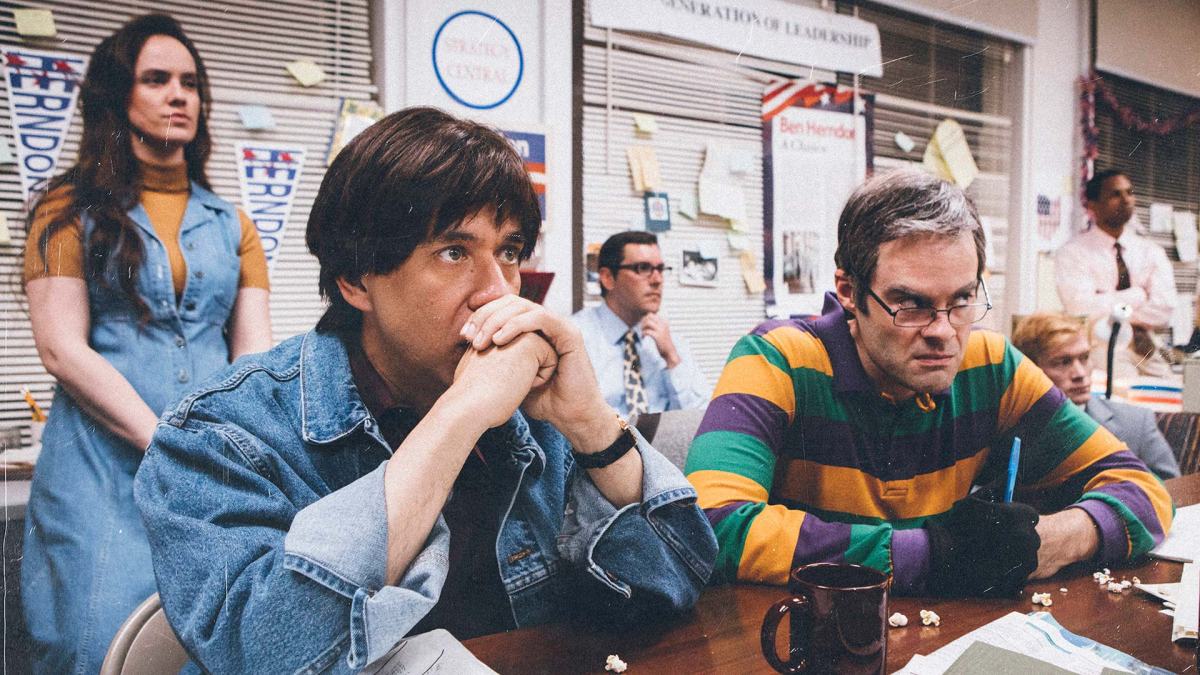
I had almost forgotten about Documentary Now!, until I found the second season on Netflix last night while looking for something to watch. I had always enjoyed the show, and I thought the first two episodes kept their satirical charm. It was at the same time subtle and obvious, with a real appearance and an unreal story line.

Continue reading “Documentary Now!, and the Beauty of Subtle Satire”

How 13 Reasons Why and Twilight Aren’t so Different

The last thing I wanted to see when I went on Netflix a week ago was a trailer for 13 Reasons Why Season Two. Just by watching the first five seconds of the trailer, I already knew the new season was probably worse than the first one, if that was even possible. But I wasn’t about to waste my time by watching it to find out.

Continue reading “How 13 Reasons Why and Twilight Aren’t so Different”

Nollywood, Nigeria’s Film Hub

We’ve all heard of Hollywood and Bollywood, the undeniably largest hubs for films on the planet. But I notice most people in the West have never heard of the world’s second largest film industry, one that sits in the heart of Africa’s largest economy. This hub, which has gained a surprising amount of momentum, is Nollywood.

Nollywood films first began coming out in the early 1960s, a respective fifty and seventy years after the founding of Hollywood and Bollywood. The first generation of Nigerian films arose just after Nigeria’s independence, with notable filmmakers being Hubert Ogunde, Jab Adu, Ola Balogun, and Moses Olaiya (a.k.a Baba Sala). They helped to modernize much of Nigeria’s film genres, including comedy, drama, and opera, but grew quickly frustrated with the high cost of production materials. After pushing to the government, who had begun funding Nigeria’s TV industry, they gained funding, helping the new industry grow and thrive.

The industry for a while centered around indigenous films, but in 1992, the film Living in Bondage by Ken Nnebue was released, going on to be considered Nollywood’s first big blockbuster release, setting Nigeria on the path of pushing out more commercial films. The first Nigerian film to gain international attraction was Osoufia in London, released in 2003, pushing Nollywood films to be released in standard quality.

In 2009, Nollywood had officially surpassed Hollywood as the second largest film industry in terms of production revenue, second only to Bollywood. As of 2014, Nollywood’s production worth is approximately $3.3 billion USD, although nowadays the industry faces a serious revenue bleed, as movie pirating the the lack of true global breakout has drained revenue, causing a serious drain on the formal economy. Still, Nollywood produces a whopping 1,500 films a year, greatly surpassing Hollywood’s annual production.

Nollywood greatly contrasts from Hollywood in that it is not made in a uniform pattern, with a single language dominating the industry. Rather, the industry is filmed throughout different regions, in over 300 languages, reflecting the many different cultures inside Nigeria. Despite their growing adoption of international uniform influence, they maintain a distinctive cultural difference, setting the industry apart from the two more well-known.

It is undeniable that the industry has the potential to become internationally renowned, although it has yet to. When it can and will finally make its breakthrough is uncertain. But it seems to be doing well for itself, and continues to grow each year.

The “Sick Cute” of Harajuku

Harajuku is widely renowned for its pastels and vibrant appearance. Started in the town of Harajuku, Japan, the fashion subculture had grown constantly and evolved since the 1970s, becoming the cutesy couture that inspired Gwen Stefani’s Harajuku Lovers perfume, promoting both happy and negative feelings through fashion

Within the last few years, however, a new side to the negative Harajuku has arisen, one that projects a much darker message, despite still being cute. Yami Kawaii (which literally translates to “sick cute”), is a style that on the surface appears cute and mildly sarcastic, but deeper down portrays a more sinister appearance, with violence and gore in pastel colors and cute appearance.

Although it mostly centers around humor, there is another layer to Yami Kawaii that is tied to why it is gaining popularity- menhera, or “mental health”. This side seems to be epitomized by the character “Menhera Chan”, who looks cute and kawaii at a glance, but wears telling bandages on her wrists and a razor blade in her hand. It contrasts itself with cute characters and soft colors against self-harm and medication, drawing attention to variance in mental health and conformity, while still being holding the Harajuku charm.

The menhera side of Yami Kawaii has gained much traction among the youth for its point in tackling the taboo topic of mental health in Japan, where any disorder from depression to schizophrenia is heavily stigmatized. In Japan, mental health is often seen as a sign of a character flaw such as weakness or bad temperament, rather than as a result of biology or genetics. It is seen as the person’s fault for having a mental disorder, and they are often singled out in a crowd. In a 2013 study by Sosei Yamaguchi and Yuta Aoki, it was discovered that a whopping 61% of employers would never hire someone with mental illness, and 75% of respondents answered that it was okay not to rent a room to someone with mental illness.

As a result of this stigma, plus high pressure to do well and succeed, Japan has the sixth highest suicide rate on the planet, and the bizarre phenomenon of people working themselves to death. The nation even has an infamous “suicide forest” (Aokigahara), where a high rate of suicides occur. With all that in mind, it seems odd that Japan is practically silent on the issue. Yami Kawaii aims to break that silence, by pushing discomforting images to the forefront of their fashion. Will it break the silence on mental health? Well, nothing is for certain. But it is gaining greater traction, both in Japan and abroad, drawing attention to Japan’s silence. So we’ll see.

Wanda’s Wasted Role in Avengers: Infinity War

I know I’m almost a month late to the party, but that’s because I didn’t see Avengers Infinity War until last night. I hadn’t even planned on seeing the movie, but my friend, who had just finished Thor Ragnarok, had insisted that I come with her to see this one.

I walked into the movie knowing the synopsis of the film already, and knowing what happens in the comics (I’m going to try and keep this as spoiler-free as possible, as people are still trying to see the film), so I wasn’t really surprised by any of what happens in the main story arc. What happened instead was that I got confused.

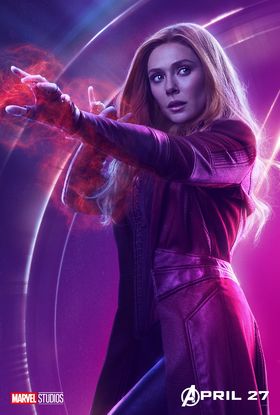
It’s difficult to make a film as big as Infinity War, with so many character arcs, not confusing. Half the time there was so much going on at once that my brain was going into a mild overload. But what really got me confused was what I have to say was the biggest plot hole of the movie- Wanda’s power.

In the film series, she is known to be a very powerful mutant. In Captain America: Civil War, she was even described as a “weapon of mass destruction”, which rings pretty true to her original comic character. Wanda seems to have an endless amount of capabilities, and has enough power to destroy an infinity stone. But how her powers are portrayed, powerful as they are, are very toned down from her comic version.

In the comic series, Wanda Maximoff, or Scarlet Witch, is what is known as a Nexus Being, which is a living focal point of Earth dimension’s energy. She gained her abilities by being born in proximity to the elder energies of the god Chthon with her twin, where she developed a mystic bond with the god. The result gave her unimaginable power. She has the power to alter reality on a grand scale, which includes reviving dead ones and reincarnating others, although she does not have the full training to control all her powers.

In the film series, she is not a Nexus being, having been created through experimentation with a special branch of Hydra. As the films develop, the power she has seems to multiply (that or she is gaining more control over it), although she has yet to bend reality on a large scale. An important matter is though, that Wanda can destroy an infinity stone.

Why is this important? Well, when you look at the context of the whole film, it was about preventing Thanos from obtaining all six stones. While destroying the time stone seemed almost impossible, given that Doctor Strange was nowhere near Wanda, Wanda had the capability to destroy the other ones from the start, and perhaps even the gauntlet itself. She could have easily useful as a forefront for destroying the gauntlet, but throughout the film one slap would knock her down for a seemingly endless amount of time. The ability for her to be knocked down so easily, despite having such power, was to me kind of a cheap shot to make it that much easier for the plot to occur (and for subsequent films to happen). She had some cool fight scenes, but was ultimately muted (come on, she could have totally done more damage on the battlefield than Thor).

But, you know what? To try and show the full might of Wanda’s powers might have been too complex for an already complicated film. Yes, she could have easily done a lot of things throughout the film series, and in particular in Infinity Wars, but trying to have it all there might have added a detail too much. But still, seeing her get knocked down for ages by one slap was a bit infuriating.

Love After Divorce: The Appeal of the “Reborn Woman”

With the recent release of Book Club, I began wondering about the whole “Love After Divorce” genre that seemed to be appearing more often in mass entertainment films. The Book Club, which centers around women in their seventies trying to find new romance after divorce (two divorce, one widow), falls on the older end of the spectrum in terms of age for the genre, but still holds many of the tropes that make it a good representation. Finding a man in his fifties whose rich and attractive, having a happy ending, plenty of women’s bonding moments, struggling to get back into the dating realm, and many others. And despite its worse-for-wear reviews, it was mildly successful, making $53 million in the domestic box office, while the movie had been made with a budget of $10 million.

The success got me thinking-what makes these films so appealing? Upon looking into it, I found blog upon blog of women talking about their favorite “Love After Divorce” films, all with tales about how many of the films they didn’t like until after they got divorced. Which makes sense, as those who face the troubles are divorce are more likely to relate to a light-hearted film about finding love in the time after, but is there that much of a base for it?

Well, according to the American Psychological Association, anywhere between 40 to 50% of all marriages end in divorce after the first marriage in the United States-with the divorce rate for subsequent marriages being even higher than that. With that in mind, the base for the “Love After Divorce” genre becomes that much bigger- especially when divorce happens to women who are middle-aged, and haven’t been in the dating sphere for decades (if at all). The light-heartedness of the films also adds to cheering women up after a rough divorce-as many blog testimonials will tell. And I can’t entirely say that that isn’t possible.

From the “Love After Divorce” films I’ve seen, it’s hard to say that the films are anything beyond cliche chick-flick money-grabs. But then again, I am not divorced, and I am certainly not middle aged. I am not a part of the demographic that is being targeted by these movies, and I can’t relate to someone going through a divorce. Divorce is a rough experience, not just for the spouses but also for any other family member involved. And if it had been a long marriage, it can be rough on self-image and self-esteem. A movie about finding an attractive rich man might just be what someone needs to feel more confident. I can’t knock something like that.

While the films tend to follow the same tropes (which had led to the doom of rom coms), they seem to maintain an appeal and audience, which is something to note.

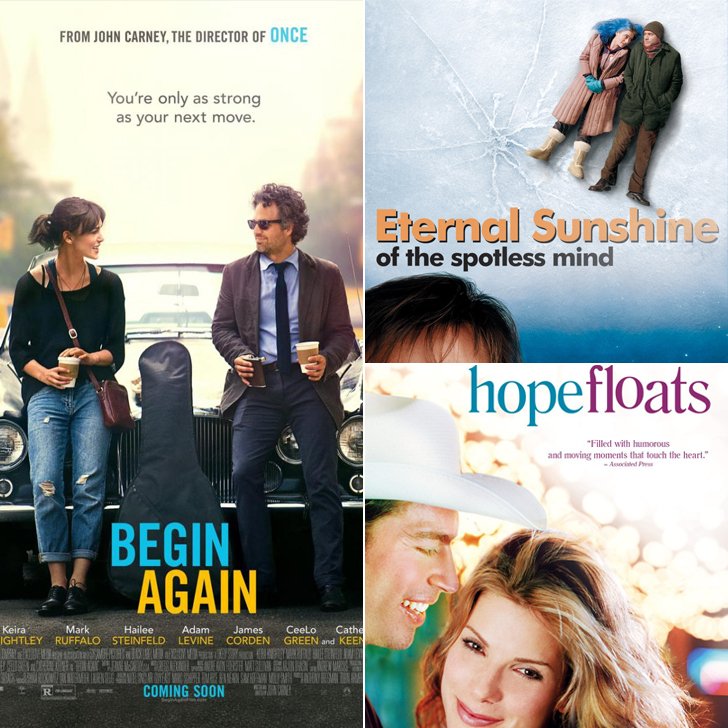
Can Romantic Comedies Make a Comeback?

Romantic comedies, or rom coms, have faced a serious decline in popularity on the big screen. Once at their peak in the 1990’s and early 2000’s, rom coms have been relegated to the indie screen, where they have become products of subculture, rather than a point of mass entertainment. But could this change?

Rom coms initially began falling out of popularity on the big screen in the late 2000’s and early 2010’s, as many rom com films fell back on the same tropes and plot points, causing the genre to look too repetitive and unoriginal. These tropes include cute-meets, love triangles, happy endings, mid-movie break-ups and change of hearts, last moment change of hearts, and many others that led movies to become repetitive and unoriginal. The good rom coms were mashed together with the many bad ones, and audiences lost interest.

Rom coms moved to the indie screen as a result, and major media companies practically gave up on the genre for more profitable endeavors. Rom coms became parts of subculture, with more dynamism coming in as a result of having the “indie freedom” that comes with being made without having to appeal to the general populace. And with this decade being dominated by a distinct lack of rom coms, it seemed like they were never coming back.

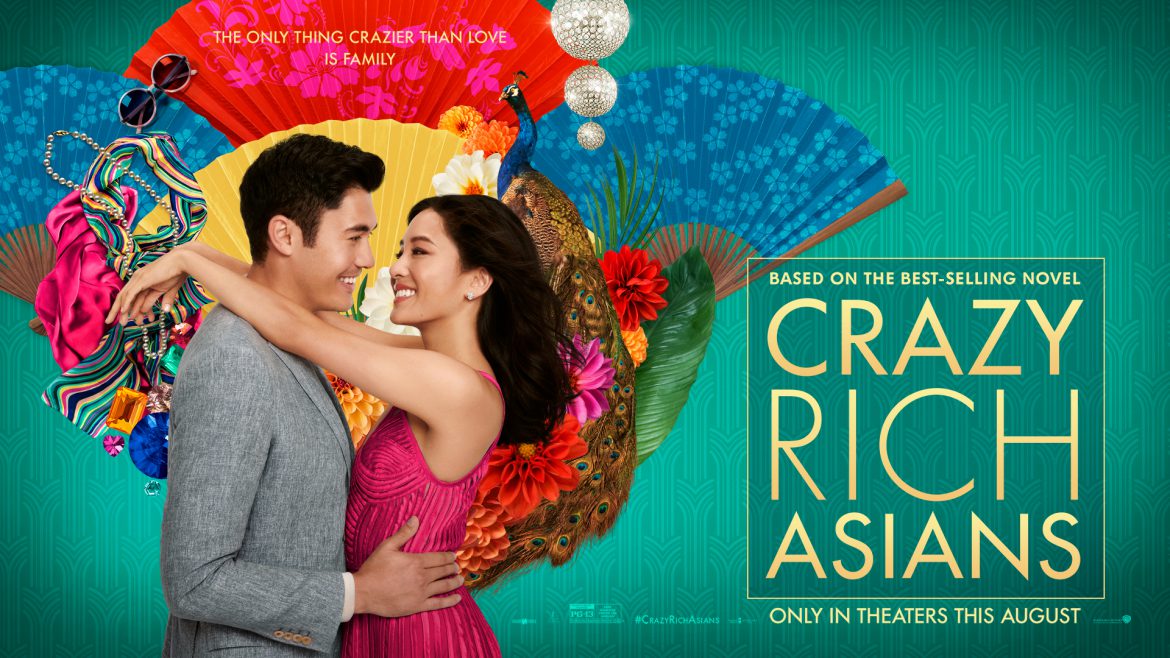
That was, until the announcement for August’s release of Crazy Rich Asians was announced. The film, released by Warner Brothers and based off the bestselling book by Kevin Kwan, is creating discussion around whether or not the genre can come back to the big screen. Increasingly, there is hope that the film with give the genre a much needed rebirth, bringing the genre back to a newer audience.

While I don’t know about the film bringing an entire genre back, it does have the potential to give romantic comedies an entirely new look, shedding old tropes that really needed to go.

Crazy Kpop Fans vs. Koreaboos- the Important Difference

Since the release and popularity of “Gangnam Style” by PSY, Kpop, and Korean pop culture in general, has soared in popularity in Western pop culture. This continuing rise in popularity has led to BTS’s recent performance at the New York New Year’s Show, and the rising presence of Kcon (a convention centered around Kpop and other pop culture). It has also created created a rise to the super fanatics, or the “crazy Kpop fans”, and the koreaboos.

What is the difference between the two? While the koreaboo does classify under the category of “extreme fanaticism” like the crazy Kpop fan, one is distinctly different from the other. How is this so?

Well, the differences come in attributes. For the crazy Kpop fan, which holds the name sasaeng (a Korean term which literally translates to “private life”, referring to the regular invasion of privacy of Kpop artists by their crazy fans), the attributes come in the form of deep psychological and emotional obsession with Kpop, and certain groups in particular. The sasaeng fan are not considered “true fans”, constantly trying to rip off artists’ clothes, kiss them, and stalk them. While the sasaeng fan is in the West is much more virtual-based, writing fan fictions of all sorts about their favorite idols, buying anything and everything that they believe belongs to their favorite idol, and “virtually” stalking their idol, there has been increasing physical contact, with some sasaeng flying out to South Korea in order to try and find their idols.

The Korean sasaeng fan is much more direct, and will break into idols’ rooms, set up cameras, drug the idols, hit the idols, in order to be remembered. They will get in taxis or their own cars in order to follow their favorite idols, which have resulted in previous multi-car accidents and stand offs. They will even go so far as to try and kidnap their favorite idols in order to get close to them. This cultural phenomenon has existed since the 1990s with the rise of “fandoms”, although they are gaining heightened momentum and attention under the digital era, with as many as 100 sasaeng fans following the biggest Kpop idols on a given day. Their behavior is erratic and dangerous, having a direct impact and life-threatening impact on the Kpop idols.

The Koreaboo by contrast, represents a much different and more muted form of harmful. The koreaboo is best described as someone who denies their native culture, idolizing Korean culture (based off of Kpop and Kdramas) and claiming it as their own. The koreaboo wants to be a Korean, seeing them as the “most attractive” or “best” ethnic group, and dreams of moving to Korean and marrying a Korean person. They try to act like how they imagine a Korean person acts (based off of Kpop and Kdramas) and are basically Korean fetishists. Kind of reminds you of Rachel Dolezal and Ja Du, right?

With this is mind, how can they possibly be harmful like the sasaeng fan? Well, they’re more harmful in the way that they ruin things for everyone else. Because of their cultural fetishism, they stigmatize liking Korean popular culture, and make anyone who has an interest in seeing South Korea or learning about their culture look bad. They do not directly harm the lives of their favorite idols, but they do promote cultural stigma, and make enjoying other cultures look “wrong”, particularly among younger populations, who are affected by the Kpop phenomenon the most. They represent a mutation in fanaticism, a minority with a big and memorable voice that exists not just with Korean pop culture but also Japanese pop culture (the weeaboo, which influenced the name koreaboo), and European pop culture (although they are considered much more socially acceptable by the West). They force casual fans to feel “bad” about what they like, and ruin all the fun.

A Timeline of Alien Films

Aliens, or extra-terrestrials, have had a surprisingly long and interesting history in terms of film. Beginning as early as 1902’s A Trip to the Moon, aliens have made appearances in a variety of genres from horror/thriller to comedy (and even romance), ranging anywhere from mysterious blobs to almost human. I thought I would compile a few of the ones that have made a major impact on alien cinema.

Let’s start with A Trip to the Moon, or La Voyage Dans La Lune, released in 1902 by George Melies. While you may not have heard of it (as with most films from the silent era), it is important for being the first film centered around contact with aliens. Influenced by Jules Verne’s From the Earth to the Moon and Around the Moon, the French film is about a group of astronomers who go to the moon in a cannon-launched capsule. As they explore the moon, they are chased by a strange looking lunar people, or Selenites, one of which they eventually capture and bring back to Earth. Here the aliens look distinctly non-human, setting up the trend for other interpretations of aliens in film.

In the next film of importance, the Blob, released in 1958 by Irvin Yeaworth (note: Superman made his first film appearance in a 1948 serial, but I am skipping over him, as the film centers around his comic origins, rather than its own idea), the non-humanoid alien appearance continues, with the main creature being a mere blob. The Blob arrives in Pennsylvania from a meteorite crash, where it consumes and old man who pokes the meteorite open. The Blob continues to grow and consume everything in its path, only stopped by extreme cold. This film, like the ones that came before it, center around aliens coming to Earth, or are mostly centered around Earth.

Star Wars, however, breaks that trend, taking place in a “galaxy far, far away”. Episode IV, released in 1977 by George Lucas, centers around a young Luke Skywalker, who lives in Tatooine with his aunt and uncle during an intergalactic civil war. After his uncle buys C3PO and R2D2, he discovers a message from the captured Princess Leia, and embarks on a journey to find Obi Wan Kenobi. From there he goes on a journey with the renowned smuggler Han Solo to find and rescue Princess Leia. In this film, and in the trilogy, the aliens come anywhere from entirely human (most of the main cast) to giant monsters, meant to represent a whole galaxy of different species. Star Wars is incredibly well-known, and seems to remain so, with new films from the series coming out every year.

Star Wars was an interesting turn from the norm of alien movies, being action-filled and comical, rather than horror-filled and intense. But the next big film on our list makes a serious return to the horror-thriller genre, coming in the form of Alien in 1979. Directed by Ridley Scott, the film follows the crew of the ship Nostromo who receive a distress signal from the planet LV-426, to which they decide to investigate. On the planet they find a derelict ship, which contains large egg-like objects. When one of the crew members touches on, a creature comes out and attaches itself to his face. It eventually falls off on its own, and after which they return to their own ship. The man who was attacked chokes and dies, however, and a small alien bursts from his chest, disappearing into the ship. From then the crew must try and kill the creature, which quickly grows, and begins to kill and eat the crew. This film was the first in its eventual series, developing into an entire series based around Alien vs. Predator.

The next film, like Star Wars, takes another turn away from the horror-thriller genre, being the heartwarming E.T the Extra-Terrestrial. Released in 1982 by Steven Spielberg, this cult classic follows the tale of E.T, who gets left behind after his group of alien botanists flee from government agents. It hides in a suburban tool shed, where he is discovered and befriended by ten-year old Elliot. They form a connection with one another, working together to try and send a message to E.T’s home. They work against government agents who are trying to capture and study E.T. to try and get his people to come back for him. It’s a heartwarming tale that has retained its popularity throughout the decades, contrasting typical alien films in that the alien this time is a cute wrinkly creature.

While there are plenty more alien films of importance to talk about, I’m going to have to cut it short and focus on a more “recent” one (when I mean recent, I mean late 2000’s). This film is Avatar. Why did I decide to choose this film over anything else? Well, because it not only was a change in how aliens are portrayed, but also how film is made entirely. The film, which was made almost entirely through CGI (a feat almost unheard of), takes place through the perspective of Jake Sully, a paraplegic former marine who partakes on a mission to find an energy source for Earth, after all natural resources had been depleted. They find a valuable source called unobtanium on the planet Pandora, a heavily forested planet inhabited by the 10-foot tall Na’vi. He joins the Avatar program to try and gain access to the unobtanium, but eventually falls in love with the princess Neytiri, and begins to change tune. He works to protect the land of the Na’vi against the humans who want to destroy their environment for resources, becoming one of the Na’vi in the process. I want to point out this film because of the mark it left in film (despite the joke that no one can remember a single line from the film). It was remarkable for its insanely high-production and beautiful scenery and design, and with the amount of CGI that it used, was considered a feat.
D23: the World of Disney Fanaticism

With a convention for just about everything with a fan following, for a long time it seemed odd to me that there was no convention for Disney fans (especially growing up in LA, where it was impossible not to meet at least a few people who didn’t go to Disneyland practically every weekend). Disney fans always fascinated me, because there was always a certain quality that struck as almost cult worship. So it seemed odd that I had never heard of a convention devoted to Disney when so many other pop up conventions existed.

That was, until I was seventeen, when one of my old friends mentioned that she and her family had gone to D23.

“What’s that?” I had asked her. She had initially answered that it was a convention devoted to Disney, but when I looked into it, I found it was so much more than that. You see, in its most general form, is Disney’s “Official Fan Club” founded in 2009, which features articles about movie easter eggs, park history, along with character searches and other such Disney-related topics. There are multiple levels of membership for this club, the General membership being free, and the Gold membership being around $80, and the Gold Family membership being $105.

Gaining a membership seems to get you a series of discounts and offers to exclusive Disney items, including jewelry, clothes, toys, and hotel rooms at Disney resorts. Gold members also get early bird access and special prices to the biannual D23 expo. This convention, which happens in Anaheim (right next to the Disneyland Park), and Tokyo (at the Tokyo Disneyland Resort). What happens at this convention? Think of everything related to Disney ever and smash it into a convention (kind of like Comic-con). They have panels for movies, meetings with Disney legends, and plenty of vendors selling Disney items. Oftentimes as well, there will be “exclusive D23” Disney merch, sold only at the convention, making it practically invaluable to Disney fans (I will admit that I have a D23 Japan exclusive tsum tsum hat, but that was a by luck find on ebay). It’s the place to be if you are a part of the Disney-fever club.

And of course, as with any convention, there are plenty of cosplayers, or someone who dresses up as a fictional character. People get in costume as a character anywhere from Disney itself to Marvel and now Star Wars, as thousands of people want to dive fully into the atmosphere of the D23 expo.

I have never been to a D23 expo (nor do I plan on going to one), so I can’t say in great depth what exactly goes on at one of those conventions. But I could probably guess that its exactly what you would expect when you hear the words “Disney convention”.