Marvel Announces New Filipino Superhero

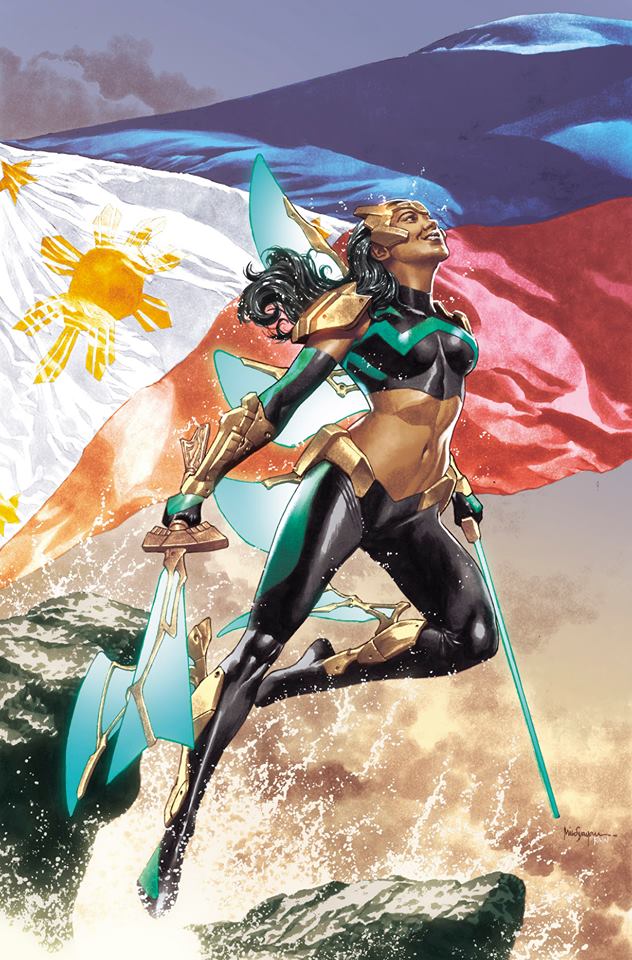
Today Marvel revealed an exclusive cover featuring the new superhero Wave from the Philippines, who will join the Agents of Atlas team in the upcoming crossover War of Realms: New Agents of Atlas.

Director and comic writer Greg Pak first revealed Wave on Twitter back in February, and then posted a first photo of what she looks like March 8. Artist Mico Suayan, who did the new cover for “War of Realms” Issue 1, revealed earlier today that he based the image of Wave on the new cover off of Filipina actress Nadine Lustre, sparking rumors of whether or not she will portray her in possible future adaptations.

Wave, whose alter-ego is Pearl Pangan, wields two long swords based off the Filipino kampilan, the weapons of the ancient hero Lapu-Lapu. She is part of a new set of Asian superheroes that will appear in the new storyline, which will be set in Asia.

The new issue will be released in May, though preorders for the comic have been opened up. The reveal has drawn overwhelmingly positive reactions from fans, particularly from the Filipino community.

Government Crackdowns on Chinese Pop

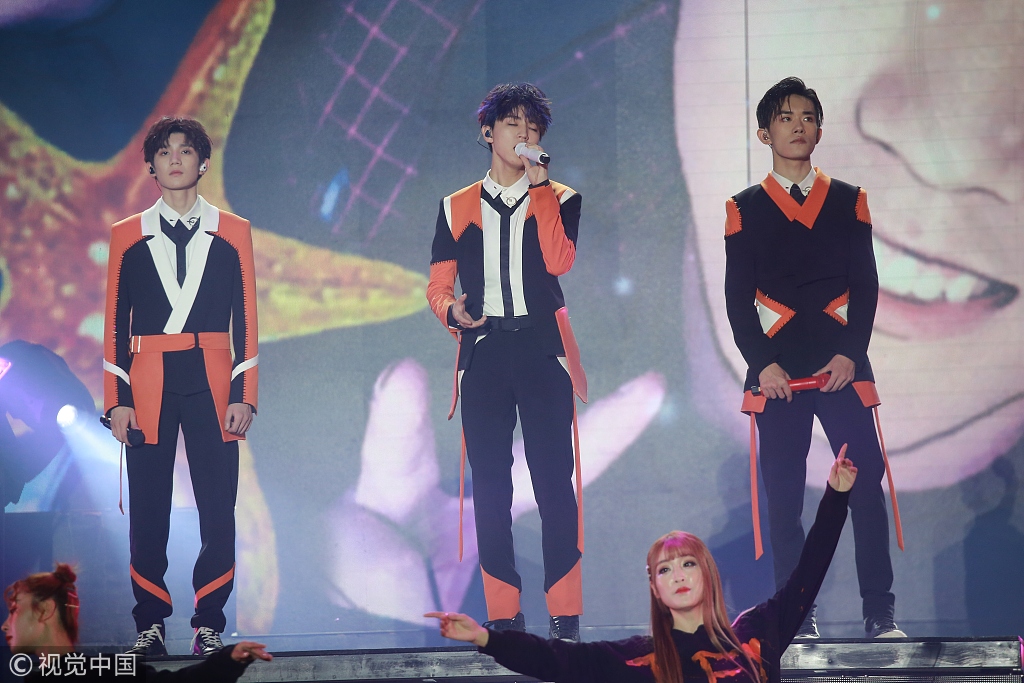
Chinese-Pop, despite its popularity within China, Taiwan, and Hong Kong, is rarely though of in the rest of the world. The genre lies continually in the shadows of the longstanding J-Pop, and the now booming K-Pop industries, although it has in recent years drawn more attention.

C-Pop has drawn an increasing amount of attention in recent years as it has come under the eye of government scrutiny for its “moral divergence”. The government, under Xi Jinping’s regime, has pushed for a return to more traditional Confucian morals, which argues a loyalty to hierarchy, and is used as a rejection of Western influence, and has recently turned its attention towards “cleansing” Chinese popular culture.

Back in January of 2018, the Chinese media regulator came out with an edict that said Chinese TV shows “should not feature actors with tattoos (or depict) hip hop culture, sub-culture and immoral culture,” in essence bringing the growing heyday of Chinese hip hop to a grinding halt. Hip Hop, which originated in the urban black population in the US, is a prime target for the “moral straightening” program that the Chinese government is aiming to implement, as it exists as the epitome of Western influence

Another, more recent possible act by the government, was the blurring of men’s pierced ears in January 2019. Both actors and C-Pop singers alike are now appearing on TV with blurred earlobes, which almost immediately drew criticisms from fans. The fans argued that the blurring of earrings, which was never explicitly implemented by the government (although most likely heavily suggested) reinforced the traditional, outdated standards of beauty for men and women.

In the regions outside of the major cities, the move to blur the earrings for the most part seems to have support, as traditional beliefs of hierarchy and gender still dominate. Men wearing earrings, to the rural population, was seen as “degrading” to the social status and strength of men.

The government is suspected with having a heavy hand in the decision to blur the earrings, as it would be another feature of the “moral straightening” of Chinese pop culture, and would function as a rejection again of Western culture.

The EU Passes Controversial Article 13

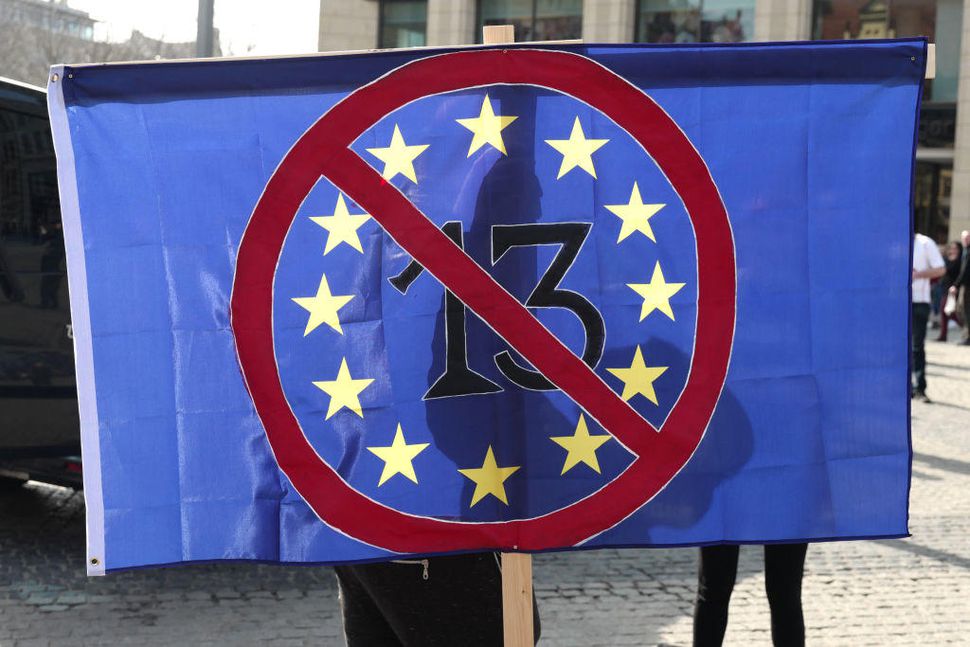
Yesterday, the EU passed a sweeping and wide-range set of copyright protection laws, most of which were rather uncontroversial. One article of the laws, known as Article 13, however, has come under major fire by not just the global populace, but also tech companies, and social media artists for posing the dangerous impact of severely limiting how media is shared.

The article states that companies like Youtube, Facebook, and Spotify will have to keep track of material that are believed to be “copywritten”, or at least against the compliance of an incredibly vague description of what counts as copyright. Certain services such as Wikipedia are exempt from these laws, as they are non-profits that do not benefit from the purposed violating material.

The new article poses a threat to vibrant internet cultures such as memes, which use unlicensed images as part of the culture. The new article would severely hurt such sub-cultures in the European Union, especially if bots, which cannot detect context, are used to track the violating material.

Another group under threat are European streamers, who may get striked or even shut down for streaming what games they are playing. It could cut the amount of streamers out, as these streamers would be afraid to display their games for fear of getting copyright striked.

Another blow the article poses would be to many tech companies, who argue that it would be a limit to free speech, and lead to possible censorship, which has drawn the harshest criticism. The article will also crush smaller news sites and other smaller companies, as they would have to pay to use information and snippets of information just to create news in a method known as the “link tax”. Only larger companies would be able to afford this “link tax” further crushing free speech and encouraging censorship.

There is still much uncertainty about how the article will even be applied, however, especially as it only applies to those within the EU. VPN poses a great challenge to the application of the article, as those with VPN can simply change their region base and gain access to the censored content, completely circumventing the article. Also, it would be just about impossible to catch every single thing that may violate copyright law, especially as different regions interact with one another.

The article, along with the rest of the laws, are not set to go into full effect for two years. There are already calls to overturn the passing of Article 13 by the European populace, who can implement a referendum to do away with Article 13.

The Game of Skin Bleaching Roulette in Africa

Skin lightening and bleaching is a multi-billion dollar industry that has been on the rise for the past decade-much to the alarm of medical professionals. Particularly in Asia and Africa, skin bleaching ads and commercials are common, promoting products that will guarantee paler, flawless skin-a factor that is often seen as a key to success. However, these products are almost always unregulated, and include ingredients such as mercury, hydroquinone and derivatives, topical steroids, and resorcinol, all of which can cause irreversible skin damage with constant use. These ingredients are also known to break down melanin in the process of bleaching, leaving people more prone to developing skin cancer, particularly in hotter climates.

Products like these can create serious issues, particularly when considering the fact that 1 in 3 women on the African continent use, or have used skin bleaching products, according to a study by the University of Cape Town. Skin bleaching is especially an issue in South Africa, where black market skin bleaching products proliferate, leaving people at a higher risk of damaging their skin. It doesn’t matter that South Africa is one of the few countries in Africa that implements regulations of skin bleaching products produced within the country; black market imports pop up faster than they can be confiscated.

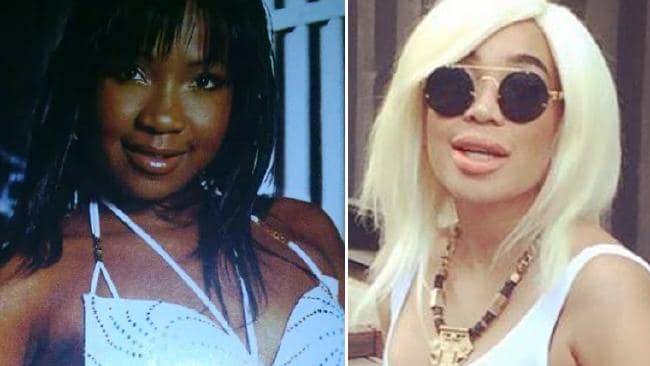
One celebrity in South Africa has gained quite a bit of attention for her skin bleaching, which has drawn harsh criticisms for encouraging young girls to lighten their skin as well. Musician Nomasonto “Mshoza” Mnisi has gained attention for becoming several shades lighter through her skin bleaching treatments, contrasting from her darker appearance from when she first premiered as an artist. She says her new skin makes her feel beautiful and more confident, which can portray badly to darker-skinned South Africans, particularly those already insecure about their appearance.

Mnisi shrugs off criticisms of her appearance, arguing that her choice of skin bleaching is a personal choice, comparing the procedures, which cost around 5,000 rand ($590 USD) each to getting a nose job or breast implants. Unlike much of the rest of the populace both in South Africa and the rest of the continent, the 30-year-old musician uses high-end skin bleaching products, which tend to be much safer than their black market counterparts.

The dangers of using skin bleaching products, particularly non-regulated ones, is that they can cause blood cancers, liver and kidney cancers, and a severe skin condition known as ochronosis, a form of hyper-pigmentation in which the skin turns a dark purple shade, according to a researcher at the University of Cape Town. Few people know of these dangers, however, and the increase in demand is troubling. The World Health Organization has reported that 77% of Nigerian women have used skin bleaching products, the highest of any African country, followed by Togo at 59%, South Africa at 35%, and Mali at 25%. Men are also starting to use skin whitening creams, which is only adding to the increasing demand for the products.

Although it is difficult to pinpoint one sole reason for why people bleach their skin, psychologists say that low self-esteem, and some degree of self-hatred, are common among reasons. Having lighter skin is more desirable throughout the African continent, a result of over 100 years of colonial rule, and with continued discrimination against those with dark skin in terms of education, pop culture, society, and jobs, people desire to lighten their skin and make themselves more “desirable”. The perceptions against darker skin are deeply entrenched into African society and pop culture, which keeps the demand for skin bleaching products alive.

Korean Pop Singer Seungri Calls it Quits After Sex Scandal Charges

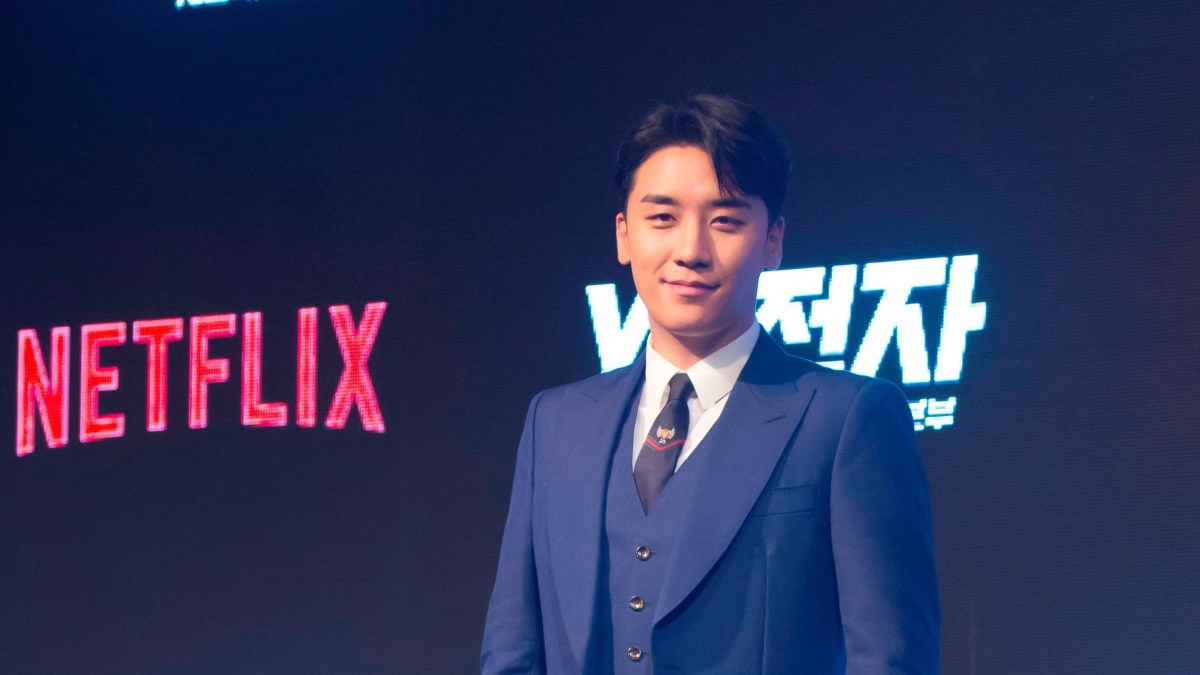
Korean singer and actor Seung-ri, known by his stage name V.I. in Japan, was charged recently with providing prostitutes in a sex ring late last week. Despite denying these charges, the 28-year-old announced his retirement from Kpop in order to protect Big Bang and his company YG Entertainment.

The charges, which could lead to a three year prison sentence, came after a police raid of a nightclub in Seoul, one that Seung-ri, who’s real name is Lee Seung-hyun, controls. As a result, YG shares collapsed by a whopping 14 % the next morning.

The police raid, and the new charge, comes after a nightclub assault committed by him in January. Police began investigating into allegations such as supplying drugs to patrons, and giving drug-addled drinks to women to have sex with. The allegations don’t just extend back a few weeks, however. Text messages in 2015 between Seung-ri and three others discussed supplying prostitutes to potential investors to encourage them to invest in his club.

Although Seung-ri made claims that the text messages were fabricated by the journalist that exposed them, but that didn’t stop concerts in Osaka, Japan, and Jakarta, Indonesia from getting cancelled for Big Bang.

Korean Media has also exposed that YG has been throwing out shredded information, although the company denies that none of the information is related to the case.

The allegations at the moment come at a time when Seung-ri was both set to star in a sitcom produced by both YG and Netflix, and was a few weeks from going on leave to perform his mandatory military service. This leave will be postponed while the investigation goes on.

Despite the seriousness of these allegations, some staunch fans still avidly support Seung-ri, actively denying the allegations and getting aggressive towards the investigation, insisting that any and all victims were simply lying. Such fanaticism is both interesting and harmful, as it would make any victims feel unsafe speaking out, and would put Seung-ri on a pedestal. Perhaps the defensiveness comes from Big Bang’s legacy, which is both widespread among old-age Kpop fans and extremely positive, as members are known for being very kind. The allegations starkly contrast the reputation of the band, and threaten the legacy of it as well. Such threats trigger fans to get defensive, even if these allegations prove to be true (which at this rate, most likely are).

Now, it’s important to note, while Seung-ri may be the face of this scandal, he is merely alleged to be part of a high-scale and very large ring that involves both politicians and conglomerates in a class-A scandal that seems to deeply involved with nightclubs in Gangnam. Even as the police investigate into the ring, they are also enmeshed in the scandal, with some high-ranking positioned officials having been paid off to not look into the politicians and conglomerates. This relationship is not a one-time occurrence, either. It seems to be entrenched in South Korean politics, which has somewhat of a record for corrupt and closed-door practices, particularly in dealing with business. So, it’ll be interesting to see how the case develops, especially with the police being in a position as both the justice-bringers and as part of the corruption.

KPop is Now in the West, and it’s Here to Stay

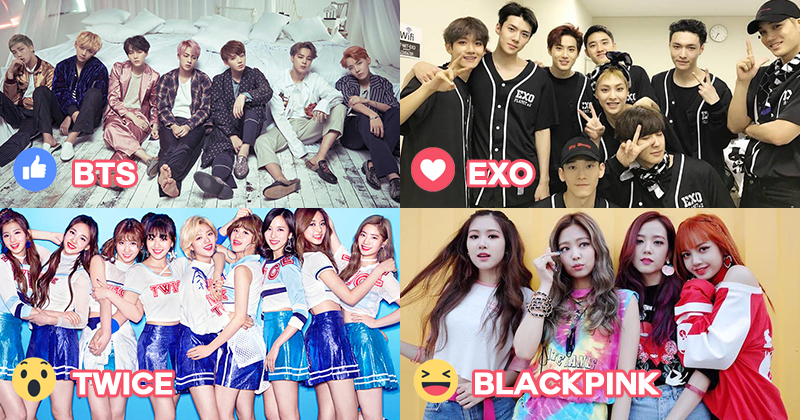
The Western pop culture realm was severely shaken up when in 2017 BTS was nominated for a Billboard Music Award, and won. They were the first Korean artists to get nominated for a Western Music award, and were met with a mix of both excitement from their fans and confusion from the general populace. Social media was flooded with questions about who BTS was, and why/how they got nominated in the first place.

Two years later, and Kpop has not only exploded in popularity, but is slowly melding its way into Western music. Artists such as Steve Aoki, Nicki Minaj, Jason Derulo, and Dua Lipa have collaborated with some of the most popular Kpop groups, mixing both Korean and English in a way that had only previous been done with Latin music. Just last week Jason Derulo came out with a song and music video featuring LAY and NCT 127, the former being a Kpop singer and the latter being a Kpop group, called “Shut Up, Let’s Dance”.

Kpop is working its way into Western music, though at a much slower rate relative to the explosion in popularity among Western audiences. The rapid growth in fans of Kpop is rather astonishing, as in just a few months the rate of Kpop fans have skyrocketed, and social media interactions with Kpop groups. For both BTS’s and EXO’s twitters, the rate of interaction with the accounts by fans beat expected interactions by a longshot in 2018, beating out top western artists such as Beyonce and Justin Bieber.

Kpop groups have even made their way into Western advertisements, as BTS has both been on the cover of Billboard magazine and modeled for Vogue. The most popular female group at the moment, Blackpink, just appeared on the cover of Billboard magazine as well, having some of the highest amount of streams on Spotify. Their latest song “Ddu Du Ddu Du” also has topped 695 million views on Youtube, making it one of the most listened to Kpop songs globally.

Kpop is pushing its way into Western Music, and, at least for the time being, it’s here to stay. It’ll be interesting to see how Western music awards, particularly awards such as the Grammy’s, will adapt to the rising popularity of Kpop. Will it add a category specifically for Kpop, which they did for Latin music? Or will they simply meld it in to the preexisting categories, as what occurred with BTS this february? It’ll be interesting to see where the next few years takes us.

The Evolution of Fake News

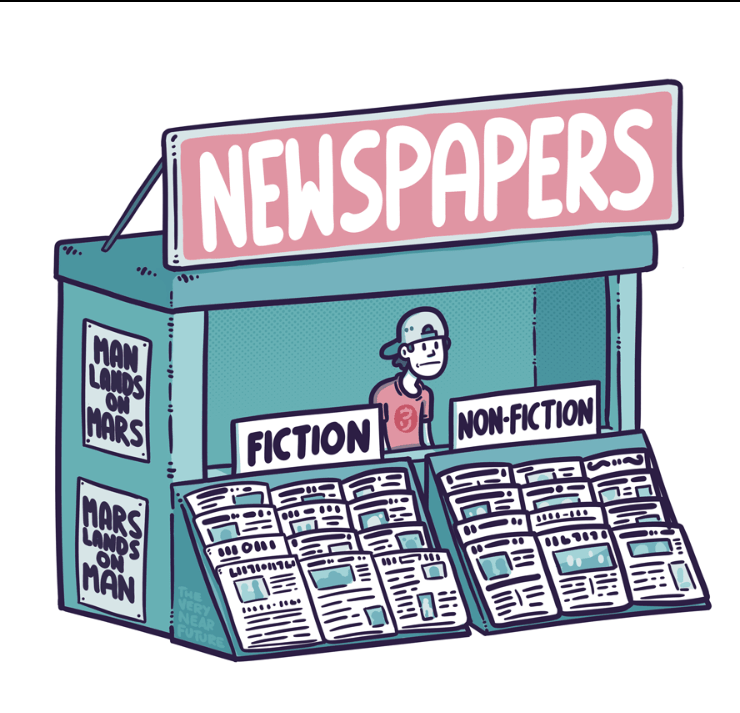
Although the term was popularized in the 2016 US presidential elections, fake news has had a rather long existence, spanning over a century. It’s no new thing, although at the moment, the proliferation of fake news has built up points of great contention, trust, and turmoil.

Fake news can trace it’s history all the way back to the Spanish-American War of 1898, which was, in essence, caused by William Randolph Hearst and his newspaper the New York Journal. During this time period, the “fake news” was classified as “Yellow journalism” as the yellow tint of the printing of Hearst’s paper differentiated it from it’s rival newspaper. Hearst’s newspaper pushed out fabricated stories about the violence of the Spanish towards Americans in the Caribbean, utilizing emotion to encourage the American public to want war. This triggered a period filled with fake news, which became so rampant that a challenging newspaper rewrote it’s tagline to support “real news-not fake news”.

Despite the anxiety over the fake news, yellow journalism was able to successfully turn the people to want war, which kick-started the Spanish-American war.

Fake news did not die after the war. Instead, it went someone dormant, as there was major backlash against such fake news at the dawn of the twentieth century. However, fake news would make a new rise during World War One, churning out propaganda about the barbaric nature of the Germans, particularly against Belgium. Now, this isn’t to say that Germany did not act violently against Belgium, a peaceful country, but the fake news industry blew much of the invasion way out of proportion, churning out stories that rang not just in the US, but throughout the allied nations.

Not only that, but rampant propaganda an fake news actually fooled the entirety of the German public, who thought the entire span of the war that they were winning the war. And since the German military maintained mass press censorship, the public never knew they were losing until Kaiser Wilhelm II declared surrender.

Fake news would keep making appearances in spreading of the First Red Scare in the US, feelings of isolationism both in the US and in Europe, and the decade of harsh reeducation of the German public during the rise of Nazi Germany. Following the end of the second world war, fake news would appear intermittently, spiking during times of conflict, and declining during periods of relative peace. With the dawn of the internet, however, fake news found its new home.

The way that fake news is presented has changed in terms of proliferation, although its function and purpose has not changed in the slightest. It fueled conflict and dissent during the 2016 presidential elections, and continue to fuel political polarization and divide, particularly as the global public is much less likely to do the research to find the truth. Currently, the media stands in a precarious position, being both the source of truth and also of sensationalist fake news, which in turn damages the trust of the public. This problem becomes incredibly difficult to resolve especially as sources of media are so vastly expanded, with just about anyone, including myself, holding the ability to push out news, whether fake or not.

No, I Don’t Want to pay $40 for one Awards Show

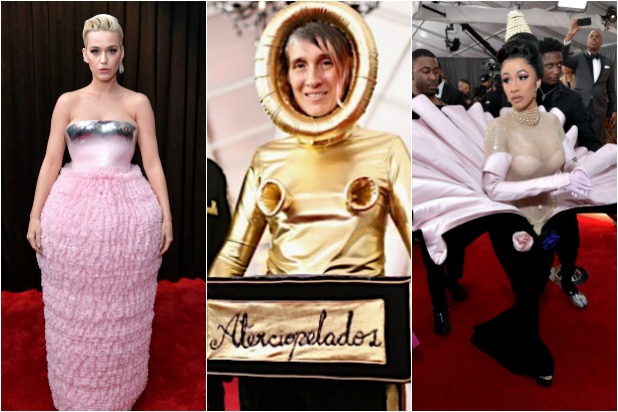
So last sunday was the Grammys’. I’ve never actually seen the Grammys’ before, and figured that I this year might be the year to try watching it. Some interesting performers were up for awards, so I was intrigued.

Except, whenever I tried to figure out where it was streamed, I realized I could access none of the listed sites. Under my Dad’s account, I have access to DirectTV, CBS, and Hulu. But were they showing the Grammys’ on any of these sites? Nope, you have to pay $40 a site just to access their special “live” versions. Even when I tried looking it up directly on DirectTV (on my laptop), the Grammys’ couldn’t play because of copyright law. Copyright by who? Who even knows.

It annoys me to no end that these companies want you to by their “special” subscription just to be able watch something that you won’t really have access to again, just to boost subscriptions. No one wants to subscribe to “Hulu Live”, or something like that, they just want Hulu. Stop making this more difficult than it needs to be.

And, as for DirectTV, they had it on their special “on the go” subscription, but for some reason copyright prevented it from having it on their regular site? Even though I could look up the Grammys’, and get all the way to the “watch now” button before it’s a problem? Ridiculous.

Now, I could have technically gone downstairs and watched in on the TV itself. My landlady lives in the house I stay in, and has a TV set that has access to CBS. However, she had people over, and was in the living room with those people, which would have made it rather strange to just walk in and change the channel. So, while technically I could have done something, in reality it would have been socially unacceptable.

ICE Arrests 21 Savage

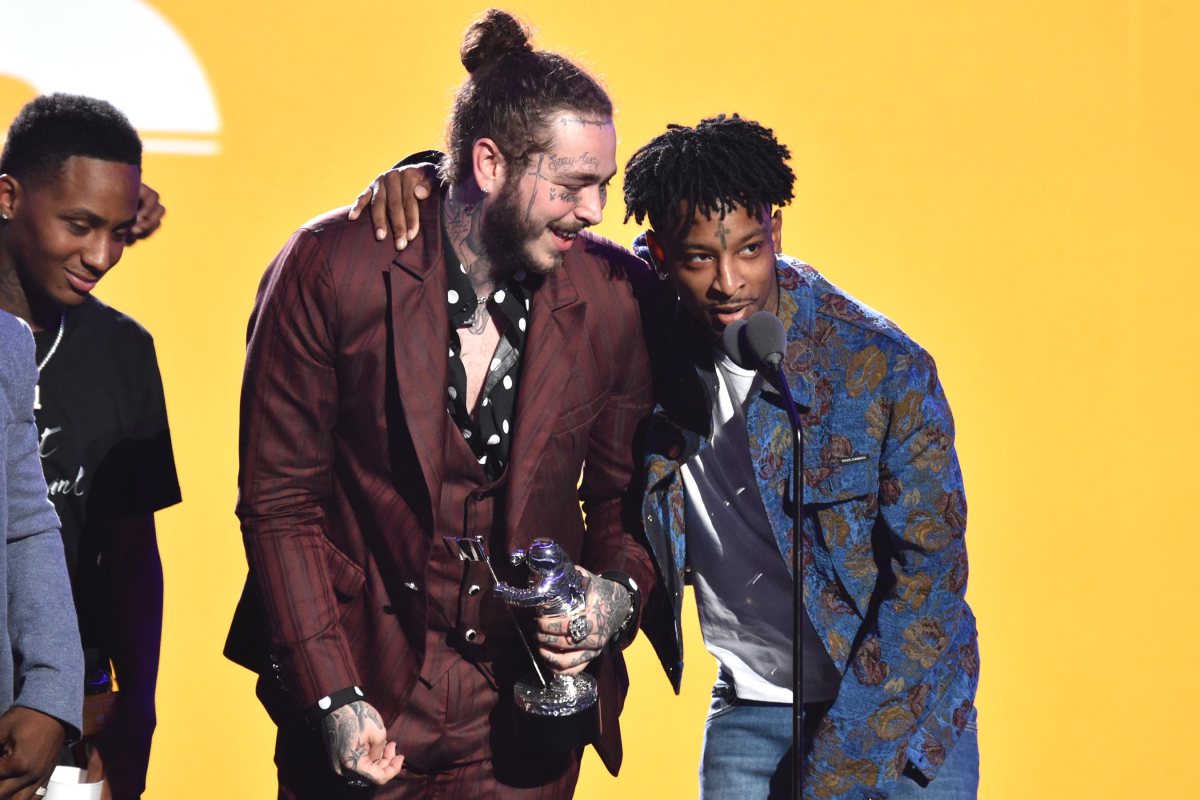
This morning, Immigration and Customs Enforcement, known as ICE, detained and is in the processes of deporting grammy-nominated rapper 21 Savage in Atlanta. In their report, they reveal that the rapper, who was presumed to be American, was actually from England. The rapper, who’s real name is Shayaabin Abraham-Joseph came to the the US legally as a minor in 2005. However, once his visa expired in 2006, he continued to stay, never renewing it in the process.

The report shocked many 21 Savage fans, who associate the rapper strongly with the Georgia rap scene. In fact, the “21” in his name is in reference to a gang located in Decatur, Georgia. He now currently sits in a detention center in Georgia, awaiting trial before an immigration court.

The most interesting part about this revelation is the fact that this hadn’t been discovered before. Fans tend to go to stalker levels of information diving in order to find out everything they possibly can on a celebrity they follow. It’s surprising that no one looked further than his teenage years, or just followed the assumption that he was born in Atlanta, where he started his career.

Another surprising factor is that his immigration status didn’t come up during his felony drug charges in 2014. Felony charges done by immigrants, whether legal or non-legal, in the US gets the immigrant automatically deported, and they cannot appeal. Once they are deported, they are not allowed to even return to the US, even for vacation. The fact that all throughout his trial his status as an immigrant never came up. He was tried as a full US citizen.

How 21 Savage was able to keep his status a secret, especially being such a public figure, is rather intriguing. As the case stands, there is no certainty on whether or not he will get deported, even with a past felony charge putting him in a disadvantaged spot to begin with. It will be interesting to see how the events unroll.

Ariana Grande and the “Tiny BBQ Grill” Incident

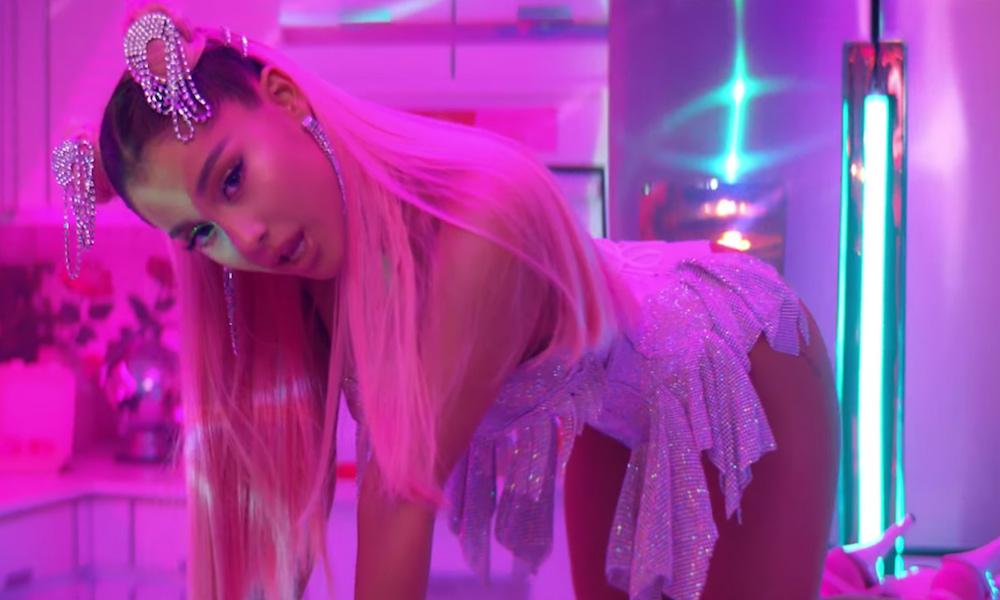
Two days ago, singer Ariana Grande posted a tattoo she had gotten on her hand promoting her new song “7 rings” in Japanese, spelled out 七つの指輪. However, instead of having the whole phrase tattooed onto her hand, she was in too much pain to finish it, and instead shortened it to just read 七
輪. While it technically can also mean “7 rings”, in colloquial Japanese, it really means “small barbecue grill”.

Japanese speakers, and those fluent in Japanese, were quick to notice, and make fun of it. All over twitter people were calling Grande out, and some even went so far as to tattoo dumb phrases onto their hand and say it was something else (my personal favorite is someone who wrote “I wanna die” on their hand).

Grande didn’t seem to take this in offense, however, defending herself by saying she actually enjoys tiny barbecue grills, and that she was aware of the incorrect grammar. She also said that since the area was prone to flaking, if she really missed the tattoo, then she would suffer through the pain and get the correct version the next time around.

However, as of this morning, she had the tattoo altered (with licodaine shots), with a message on instagram saying that she would “miss her tiny grill”. It seems the online mockery did get to her. Japanese twitter is still making fun of the mistake however, most likely a result of being tired of having white celebrities use their language for the sake of “aesthetic”. Which would make sense, since it is kind of strange to use a language for aesthetic.

No One Wants to Play with a Sore Loser

Playing video games, and games in general, can lead to hours of extreme fun. That is, if you’re not playing with a sore loser.

What is a sore loser? A sore loser is someone who has a nasty competitive streak with anything game related. They can’t just relax and have fun, they have to win, or they won’t stop playing until they do. When they don’t win, they throw a fit and ruin the whole atmosphere. And that’s just if there’s only one person with a competitive streak.

The reason I’m talking about this can all be traced to my winter break from school and two of my younger cousins. I had had problems with these cousins before, as they have a tendency to antagonize each other to the point where it gets out of hand. This antagonizing behavior transfers rather miserably over to video games.

You see, the older brother (who is seven years older than his brother, mind you), has a Nintendo switch, with games such as Mario Party and Super Smash Bros. Fun games, right? Not with them. They are incredibly competitive, especially with each other, bickering and making nasty comments towards each other. They can’t play a game for the sake of having fun. It got to the point where I couldn’t play with them all that much, because their behavior dragged down the rest of the group and make the game stressful. They had to win, and when the younger one got second place in something, he would whine about being a loser that no one liked. Just about myself and all older cousins have called the two out for their behavior, but that didn’t seem to change anything.

Anecdote aside, I think it’s safe to say that no one likes playing video games with overly-competitive people. They make the situation tense, and it doesn’t get any better when they win/don’t win. They suck the life out of playing the video game, and then wonder why no one wants to play with them.

Now, let me just say that it doesn’t hurt to be competitive. Just about anyone can be competitive, which can add to the fun (no one wants to play with someone who doesn’t care enough to try, either). But it’s important to understand that the best way to make that competitiveness work is to understand when a game is just a game, and you won’t lose anything from it (unless you’re winning 10,000 dollars). Overly-competitive people just don’t know how to do that.

K-Beauty: A Trend with a Dark Side

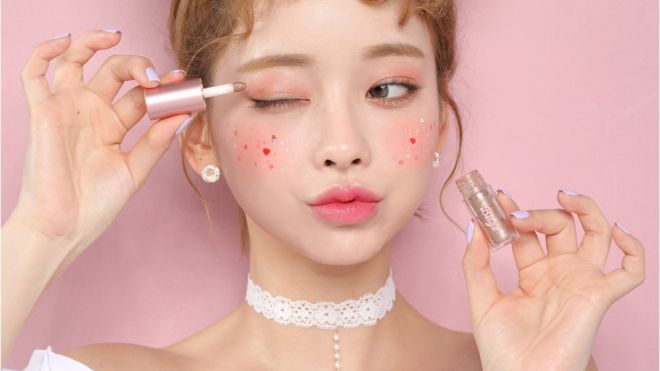
K-Beauty has been the “hot in-thing” on the beauty market for the last few years, each year growing exponentially more popular. People are going crazy for the various face masks, lotions, BB cream, dark spot treatment, CC cream, and many other products that hold a reputation for giving you a “dewy, young-looking face”. Youtubers and beauty bloggers only add to this craze, providing yearly top tens and list of best products. Now, in just about every pharmacy or beauty store, you’ll find a section devoted purely to Korean beauty and Korean companies.

But as with anything, the world of K-beauty has a vicious dark side. But this dark side isn’t an international issue. It only extends to the edges of the South Korean borders.

What do I mean by this? South Korea has interestingly harsh beauty standards, which can range anywhere from having a thin figure to having a certain face shape. Yes, a certain face shape. South Korea is currently known as the “plastic surgery capital of the world”, having the highest rates of plastic surgery per capita of any other country, with over 980,000 operations reported in 2014 (Business Insider, 2015) . The country also attracts hundreds of thousands of “medical tourists”, most of whom come to get cosmetic procedures, according a report by Chang-Won Koh (2017).

No, this isn’t the most alarming thing in the world. Despite the rather high levels of plastic surgery, South Korea ranks third in terms of the total number of plastic surgeries, trailing behind the US and Brazil by over 1,000,000 procedures (WorldAtlas, 2015). But you also have to consider that the population of South Korea ranges just around 55 million people, versus the 325 million in the US and the 209 million in Brazil. But I digress. It’s not so much the plastic surgery itself that’s the issue. It’s the culture surrounding it.

This culture is incredibly strict, and applies much more the girls than boys (although boys are not unaffected). The beauty culture actually even expects people to get plastic surgery to fit an impossible beauty ideal, with the most famous examples of this occurring being the fact that in just about every long-term K-pop idol contract, plastic surgery is one of the requirements.

But the beauty culture doesn’t just stop at plastic surgery. Skin bleaching is also a common problem, with illegal skin bleaching products flooding the beauty market every year in South Korea. There is a harsh expectation to be as white as possible (a result of a long-standing social issue where the nobility were white-skinned while the peasantry were dark-skinned from working in the sun). This expectation doesn’t just exist in South Korea (it exists throughout all of Asia, Africa, and Latin America), but South Korea is known for promoting ads that claim that being dark-skinned is being a failure in life (which has attracted much international backlash). The skin bleaching, which is known to break down melanin and leave skin much more likely to get skin cancer, can be compared to excessive tanning, which also leaves people at risk of the same effects.

But I can’t get on South Korea too harshly. The West also has incredibly high beauty standards, though with slightly less restrictions than South Korea. As I said earlier, the US ranks number one in terms of total amount of plastic surgery per year, having over 4 million procedures in 2015 alone. We also have a problem with tanning products, with products all over the market claiming to let you tan yourself from home, and tanning places existing all over the place. Are we really any better than South Korea?

Artist Portrayals in Media: So Horribly Accurate

In comedy, we’ll always find that artists are either portrayed as air-headed “connected to the earth” white people, or pretentious jerks. That’s how they have always been portrayed since the dawn of the 1990’s and 2000’s, and that’s how they will be portrayed until the end of time. At this point, the portrayals are iconic.

The only problem with these portrayals is how horribly accurate they are. No, really, it’s insanely accurate. Need proof? Go to a modern art museum. Not even that. Just open an art history book or biography. Time and time again, you’ll find that artists tend to be extremely arrogant and pretentious, trying to act like they are on some higher tier of existence than the common folk. This isn’t the case for all artists, but it is the case for a majority of them.

This is especially true in the case of most modern artists, who think they can get away with painting a blank canvas white and selling it for a million dollars. Well, they kind of can, given that the culture surrounding art and art critiques inflates an artist’s ego to the point of no return by going insane over said white-painted canvas. The culture only makes the artist’s attitude that much worse, encouraging them to make paintings that can be done in less than five minutes. Not even paintings, but also sculptures (there was a case where an art piece which was literally a pile of trash was accidentally thrown out by a cleaning lady who didn’t know it was part of the exhibit). The culture helps further the monster. But it doesn’t create it.

No, the artist grows into the stereotype in college, and even high school. They make friends with other artists, learn about art and somehow get it in their head that they are more “unique” and “free” because of it. They invest themselves in their craft, and become infected. Then they get mad when people make fun of said infection. They insist that the stereotypes aren’t true at all, then act exactly like their stereotypes (even down to dressing like them, just without the beret and scarf). It’s almost sad.

But, like I’ve already said, this stereotypes doesn’t apply to all artists. There are a few that lie outside of the stereotype, who are actually fairly normal, and even make fun of the stereotypes and the people who act like them. They are, unfortunately, few and far between.

The American Meme, and Unnecessary Drama

For the past few days, I had been in a funk about writing. I didn’t have any inspiration to write about anything, which was kind of annoying, because I wanted to at least write about something. That was, at least, until I watched the American Meme on Netflix with my friend last night.

God, this documentary was something else. I don’t think I’ve ever rolled my eyes harder than when I watched this. It wasn’t because the documentary was necessarily bad-just filled with whiny, obnoxious people who complained about being social media influencers, while at the same time refusing to leave it.

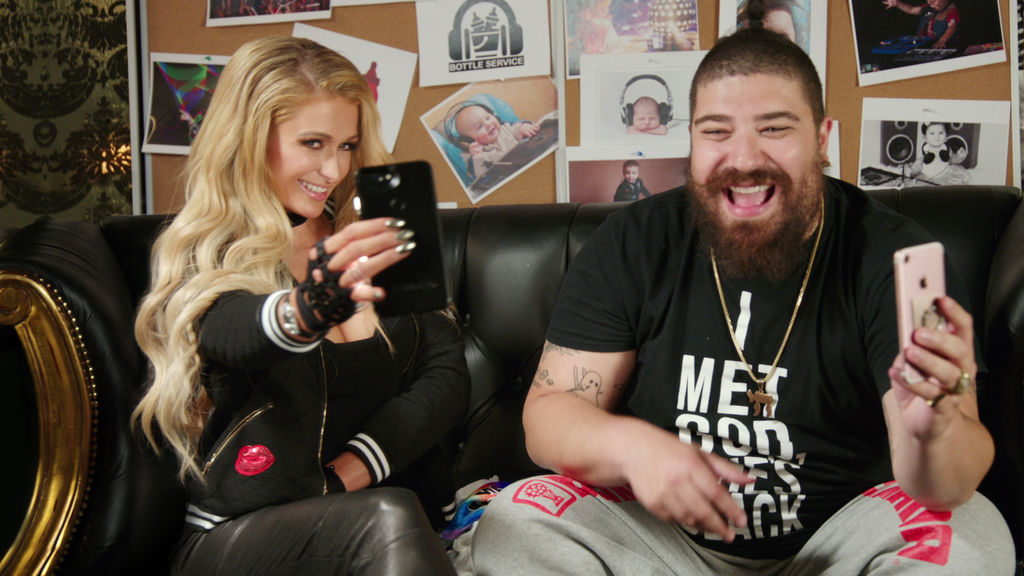
I’m not kidding. Literally ninety percent of the documentary was about these people complaining about being influencers. How they “hate people” or “their life sucks”, but they also continue to do their job because “what else can I do?” The only person I had any real sympathy for was Paris Hilton, who did get chased around by paparazzi, and did have a private sex tape released without her consent. That, I can understand.

But everyone else? I’m sorry, but I have none for them. They’re literally all the same types- kids who move out to LA to make it big, don’t get any parts, and then turn to social media to pay the bills. Then they complain because the pathway they chose sucks and is competitive and fake, but don’t leave or move back home. They claim to be hooked on the attention, which may be true, but seriously, it’s not that hard. Being an influencer is cut-throat. Don’t like it? Leave.

I do realize in writing this that my sympathy may be lessened by the fact that they moved to LA, especially to become actors, which grates on my nerves to no end. I, like most other native Angelinos, hate those kinds of people. The transplants that come here to be in the entertainment industry, then refuse to leave when they get jaded. They increase the traffic, the housing prices, the cost of living. They add to the gentrification of long-standing communities, all the while flaunting how they’re from a small town or some other state. Sorry, but you won’t find sympathy from me.

Another thing that got on my nerves: how these people claimed they had to be crazy to get views, and how everyone in Hollywood dresses up and calls the paparazzi to them now. Which isn’t true in the slightest. Most traditional entertainers (actors, musicians), don’t have the paparazzi coming to them, and don’t get all flashy. They blend into the regular population, eating at restaurants or going to the gym. Most of them stay out of the limelight, going entirely against the claim Mark Henderson made about Hollywood.

And as for social media influencers, I follow plenty of them (and live near a few) that don’t at all do crazy things for the sake of social media. They don’t make fools of themselves, and still get millions of views on a youtube video they release, or an Instagram photo that they send out. This documentary tries to say otherwise, but facts are facts.

This documentary, to a certain extent, was a load of bs. I won’t lie and say that social media is nothing like this (because any creative platform can be pretty cut-throat and strenuous), but the extent to which these people make their claims is so exaggerated. The people interviewed also act like there’s no way out, but then contradict themselves (like Kirill was saying he had ‘no other option’ than to party like crazy for Instagram, and then it goes and talks about how Paris Hilton used her fame to start a bunch of brands), to the point where is just seems ridiculous. To me, the documentary was just a way for people to complain about their lives without actually changing anything about it.
Narcissists: Funny in Pop Culture, Awful in Real Life

There’s nothing like seeing family for the holidays that inspires you to write again. And no, fortunately most of my family are not narcissists (or narcs, as I’ll say throughout the rest of this).

What is a narcissist? There are several definitions. The most common version that we see of narcissism (which is coined from the name “Narcissus”, who was so in love with himself that he slowly starved to death) is narcissistic personality disorder, which can be diagnosed by a therapist. Someone with this disorder is manipulative, self-centered, has a victim complex, and is generally a wretched human being.

NPD is not the only form of narcissism that exists. There is a spectrum for those who have narcissistic tendencies, but generally don’t qualify as narcissists. It’s much more common and obvious to notice by outsiders (people outside the family), and are generally brushed off as negative traits.

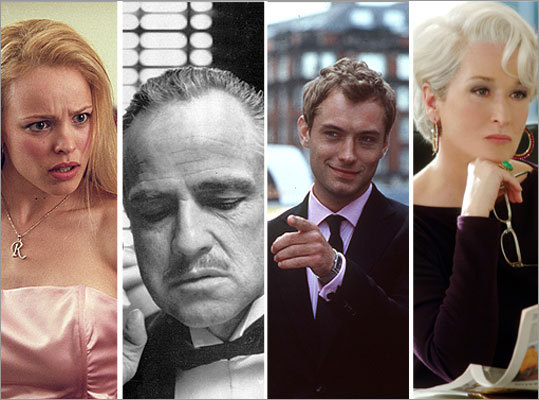
So, I won’t go into any detail, but hanging out with family for the holidays got me thinking about the contrast between how narcs are portrayed in pop culture versus how they are in real life. Narcs in both film and television are often portrayed in a funny light. They’re self-centered, but that in turn makes them the but of the joke as if eventually works out against them. They are obviously bad people, who are bad at getting their way and only put themselves in embarrassing situations because of it. They are a perfect and easy way to add a joke surrounding the rudeness of people.

Narcs in real life, however, are awful and deceptive. They care only about themselves, and not about anyone else, including their own children. A good example of this kind of behavior would be to mention something I’ve witnessed. A kid was asked by an adult what they got for Christmas, to which they responded that they got nothing. Upon the adult investigating further, he found that this was allegedly because money was “tight”, according to one of the kid’s parents. Well, interestingly enough, this person had just come back from not one, but two trips, one on a cruise, and the other to Las Vegas.

The parent in question had also turned down a job offer (that would have offered great pay, great benefits, and a long-term job), in order to go on the cruise. Now that parent complains about not having a job, acting on the permanent victim-complex that narcs seem to have.

That was only a mild example of a narcissist. Scrolling through the subreddit r/raisedbynarcissists, I read about some of the horrors these people faced at the hands of their families, who were narcs. I won’t disclose any of these stories, as I don’t have permission, but I encourage anyone who wants to to view some of the stuff that these people must face.

The point of comparison is that narcs are hardly funny outside of pop culture. Yes, some of their behavior is odd and sparks a good bit of laughter, but for the most part, it is atrocious and scarring. They’re also manipulative, gaining favor and sympathy from others, which in turn turns them against the victims of the narc behavior. They’re not obvious in nature, which also contrasts from their pop culture portrayal, making it much more difficult for people to actually see when someone is a narc.