The Effects of Adults Playing Teenagers

Just about every time a teenager is cast for a show or movie, the role of whatever teenager there is is given to an adult. While it can make things easier (not having to worry about an actual teenagers schoolwork or schedule), this can have drastic affects on actual teenage audiences, who only see teenagers portrayed a certain way. In order to analyze this, I will break this essay down into three parts: how teenagers are casted, how actual teenagers are, and the impact of the portrayals on teenagers. While the portrayal of teenagers has certainly altered in the last five years, it’s still important to understand their previous depictions in pop culture.

1. How Teenagers are Casted

As I mentioned above, teenagers are almost always portrayed by adults. Much more often now they are portrayed by young adults (18-early 20’s), but for a long period of time they were portrayed by adults in their mid-to-late 20’s (sometimes even early thirties). And these adults wouldn’t look all that much like teenagers, either. They looked like exactly what the actors were-full blown adults. Flawless skin, toned bodies, nice hair. They look like polished versions of teenagers. Even the actors now casted to the role of teenagers (who look much more like teenagers) still are polished, and very post-pubescent.

They also act in almost stereotypical ways, with a rebellious streak that is so insane that it’s practically unbelievable (at least, in terms of mine and my friends’ parents). I’m sure there are plenty of parents that don’t actually murder their children whenever they pull a stunt crazy enough to involved the police, but I’ve only seen them appear when I was already in college.

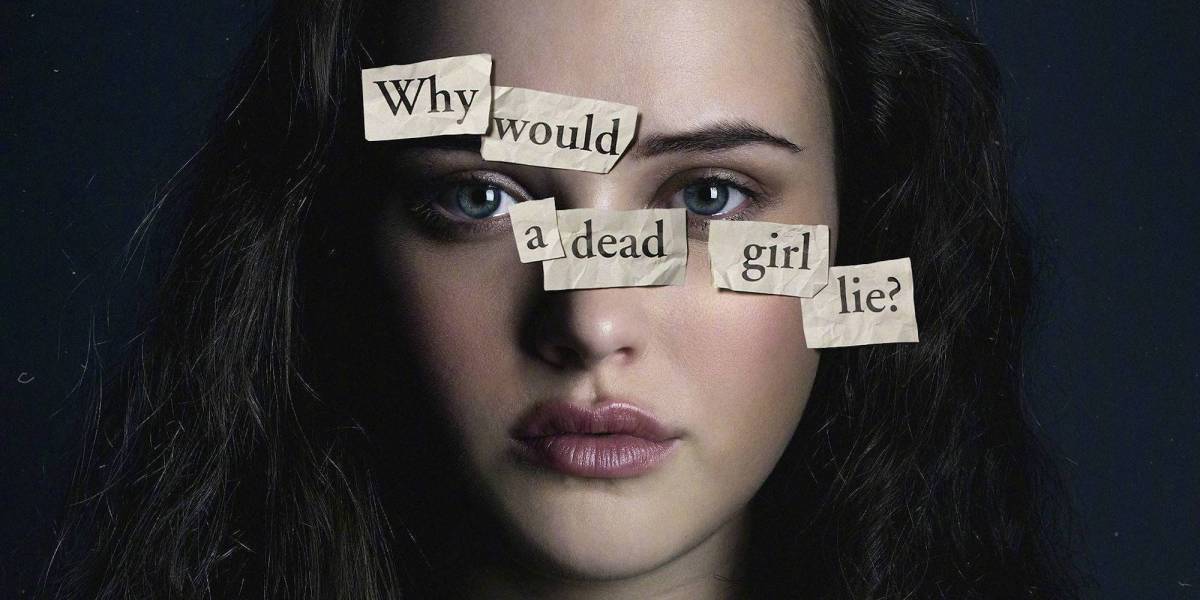
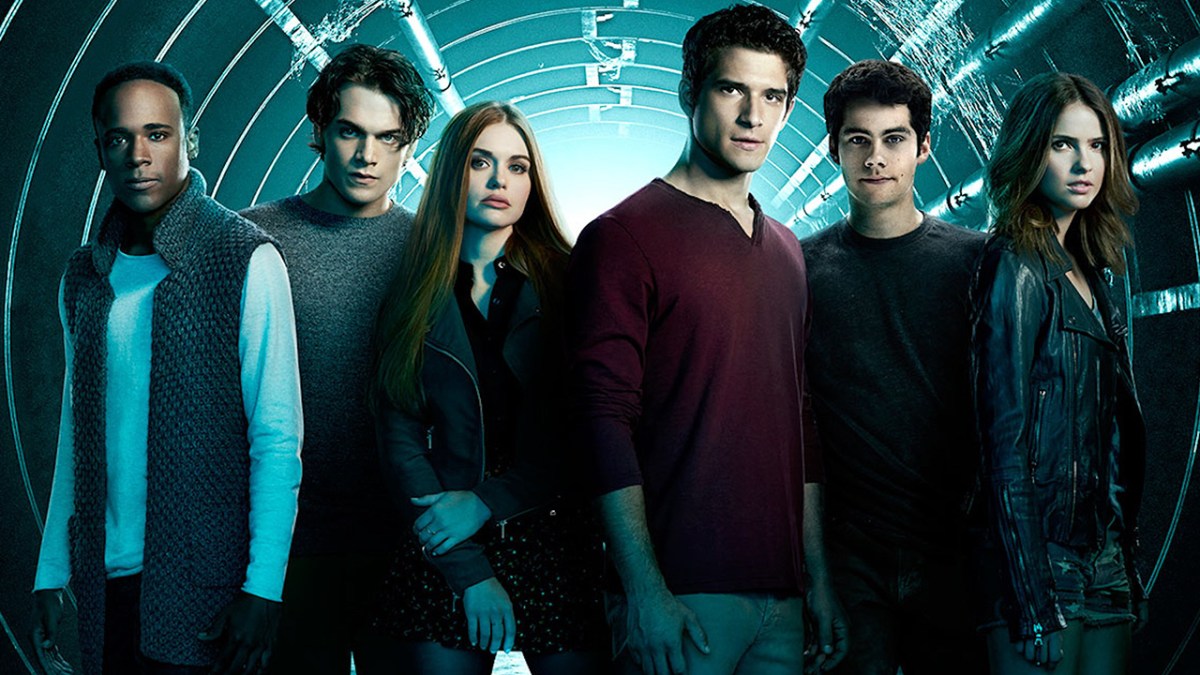
Don’t believe me? Let’s look at two cases: Teen Wolf and 13 Reasons WhyTeen Wolf began airing in 2011, and 13 Reasons Why first aired in 2017. In the former show, the cast are supposed to be freshmen in high school, although the cast definitely look like they should be in college at least. The cast began the show in their early adulthood, however, were so finessed that they pass at all for young teenagers. The main group in the show consists of mostly hot young men with well-toned six-packs, which I had seen in many clips (I’ve never watched the show, leading to my surprise when I found out they were only supposed to be fourteen), and they are incredibly well-dressed.

As for the latter show, the actors look much more like teenagers. They dress more like modern teenagers, they’re supposed to be around 16 or 17, making them much more believable looking. These actors are only in their early twenties, and it shows. The athletes have typical strong figures, but everyone looks normal, and not like supermodels. There is a stark contrast in the way the characters are presented from previous shows, but the fact still remains-they are post-pubescent. They still have perfect skin and hair, still show no signs of changing. Not that they have to, but their presentation is very finessed and flawless.

2. How Actual Teenagers Are

If you’ve ever met a teenager in real life, you’d know that media portrayals of them are grossly misunderstanding. Real teenagers still practically look like children, especially as puberty seems to hit later and later nowadays. They don’t really start looking like adults until senior year, and even then it’s difficult to say they actually look like adults.

Real teenagers have acne. They are awkward, and still adjusting to their own growing bodies. Their fashion sense is still developing (if they have one at all). They get weird haircuts, they wear glasses, and they never have a six-pack. Real teenagers look almost nothing like their polished counterpart portrayed by the media. They act cringy (I’ve had my share of moments), and act in ways that they’ll grow to regret (don’t we all?). They certainly don’t go driving out to the middle of the forest to go monster hunting with their friends at two in the morning.

Most teenagers don’t actively rebel against their parents. There are some, who take advantage of parents who don’t quite know how to discipline their children, but for the most part, most adhere to their parents’ rules. At least, most of the ones I knew, anyhow. No one was able to just do whatever they wanted.

3. The Impact of the Media

During my time, some people tried their best to look nice, but for the most part, people just wore whatever they really wanted. But we were still affected by the way we were portrayed in the media. A distorted view of how we imagine teenagers evolved, with a subconscious pressure to look just like our favorite characters. We begin to try and style ourselves to certain categories, almost stereotyping ourselves into different groups (the “cool” kids, the nerds, the athletes, and everyone in-between). Although it was subtle in my high school, it still existed in other, smaller schools.

More recently, however, I see more and more teenagers trying to look like adults. This is both due in part to media portrayals, and also to the rise of Instagram models and other social media pressures. Teenagers want to stop looking like teenagers, and instead want to skip to adulthood. This was a problem during my times in high school, but I notice that it’s becoming more apparent, especially with the rapid change in appearance that teenagers put on their social media. They try to hide their teenage identity in any way they can, promoting an “older” appearance, and turning away from things that made being a teenager fun. Kids are trying to grow up too quickly, and media portrayals of teenagers only encourage this goal.
The Fun of “Geek” Makeup

Despite the fact that Geek culture has been in the mainstream for nearly a decade, it was only recently that I discovered Geek-inspired makeup. Maybe this is due to the fact that I didn’t like makeup all the much until around two years ago, but it was still strange that I had never heard of it. I’ve been to cons, I’ve involved myself in many fandoms, how did I not hear about it?

Well, this is excluding the main-stream geek culture collections. Of course I’ve seen Star Wars themed lines, and also Hunger Games collections from Cover Girl and L’Oreal. And of course I’ve seen the Disney-inspired makeup. But I had never seen stores purely devoted to producing Geek-inspired makeup.

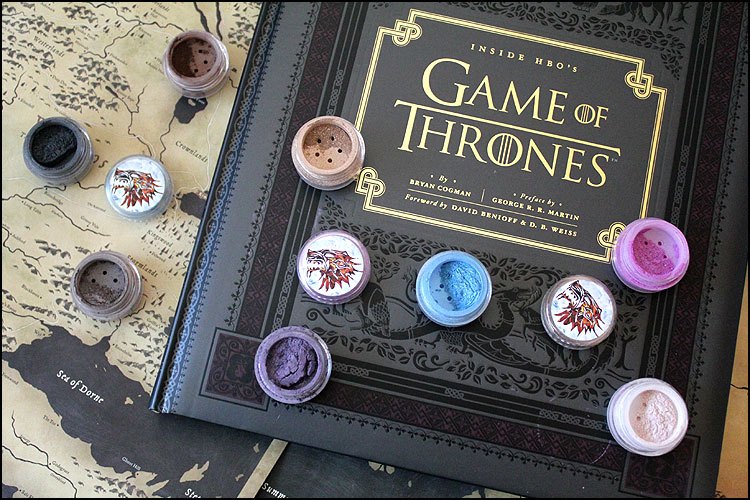
I had only discovered the makeup by chance, stumbling upon Shiro Cosmetics as I was looking for cruelty-free makeup. Looking into their site, I found they had a series of collections based off of popular media and memes, having collections centered around Game of Thrones, Into the Unknown, and Avengers, particularly eye shadows. They have cute little drawings that they come with on top, and lots of funny designs. And the reviews seem to like them.

The discovery of this site led me to start looking around for other Geeky makeup, and I was able to find quite a bit of collections. I found Geek Chic, Espionage Cosmetics, Nerdastic, and Black Pheonix Alchemy Lab, all of which had many items based around pop culture. It was astonishing, especially with the fact that the most of the colors looked so pretty. And most of them were cruelty-free.

The makeup usually has fun names, with fun designs, although if you’re looking for eyeshadow, don’t expect to many pressed palettes. Most of them are loose powder, with a few pressed palettes, which can be a little off-putting for some.

Geek-inspired makeup really started blowing up around 2015, as bigger companies began pushing out lines for the new Star Wars (Force Awakens), inadvertently boosting smaller makeup companies that based their whole existence around Geek culture. While still being considered “underground” and definitely “artisan”, Geek makeup has found its place and audience, and will only continue to grow as more people discover them.

The Genius of Who is America?

Most often the first thing that comes to mind when someone hears the name ‘Sacha Baron Cohen’ is “Oh, the dude from Borat!”. The actor, who has played characters such as Ali G, Bruno, and of course, Borat, gained his permanent recognition after the release of Borat: Cultural Learnings of America for Make Benefit Glorious Nation of Kazakhstan back in 2006. In the film, he duped countless people all across the US, with only a few scenes (such as the kidnapping of Pamela Anderson) being fake. His film gained immense popularity, for both bringing out the honest truth from people, and being hilarious at the same time.

Now he’s back, but this time with a TV show. Taking the role of four different characters (Ricky Sherman, Dr. Nira Cain-N’Degeocello, Billy Wayne Ruddick, and Erran Morad), he goes around to people of a variety of political backgrounds, anywhere from small-town folk to big-time politicians, tricking them into absurd (and sometimes career-ending) situations. This comes into to play when he “teaches” controversial House Rep Jason Spencer Krav Mga, causing the man to shout the N-word and run into him with his bare behind.

Of course, this time it is much harder for Cohen to pull off. With his popularity, more people may recognize him, which has happened in the case of trying to dupe a gun shop owner, who recognized him under all the prosthetic makeup. In another, actually filmed case, part of his prosthetic actually came off, but the couple he was trying to dupe played good sportsmanship and kept running with it. Now that Borat is so recognizable, Cohen needs to use more prosthetics, and be much more careful in how he acts, as to not ruin the joke.

His jokes, however, can be quite brutal, but it’s exactly what the nation needs. He makes fun of both liberals and conservatives, calling out the absurdities on both side, and exaggerating stereotypes in order to confuse and make fun of whomever he’s with. It also shows the audience how absurd people can be, and while some think what he’s doing is too far over the edge, it’s a nice break from the safer political comedy that we’ve seen in the past few years. Everyone else has played it safe, and it’s refreshing to see someone who takes safe and rubs it into the ground.

The best part is, his “offensive humor” is not really all that offensive. It’s how the people take his comments and react that show the ugly side of the comedy. That’s what makes his humor especially genius. He gives people an inch and they take it an run a mile, duping themselves in the process. It leads to some interesting situations (actual police roll up to a ‘staged’ Quinceanera that Cohen had tricked some men into making in order to “trap” illegal immigrants. On a sign out front, he posted their words of what they thought the immigrant would be expecting, and setting up the situation to look like they were trying to lure young girls.

The best part is, he wasn’t the one who came up with the situation: the men were. They thought of what when down at a Quinceanera, and what to do in order to drug and deport any “illegals”. They duped themselves, while he sat on the sidelines. He shows the absurdity of such racism, and how it can easily turn against them.

His form of comedy is, in my opinion, exactly what we need; something brutal and honest, showing the worst sides of everybody in order to get a laugh. And it does, in some cases, show the worst side of everybody (from blatant racists to crazy social justice warriors). No one is safe, and I’m excited to see how the show goes on.

The Rise of Drag Culture

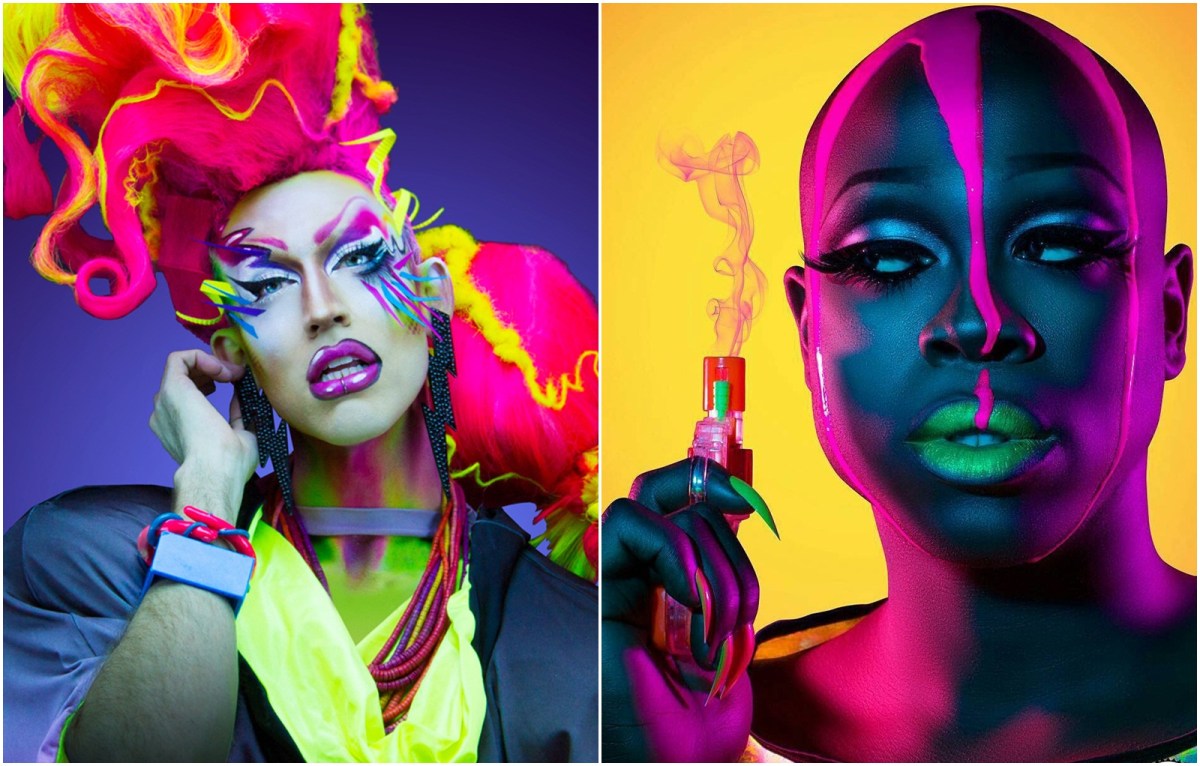
In the US, particularly in major cities, Drag Culture, a subset of the gay culture where (typically) men dress as exaggerated forms of women as a play on gender identity and for entertainment, has grown rapidly in popularity within the last decade. Boosted by the success of Rupaul’s Drag Race, drag culture has faced a resurgence in popularity in pop culture, putting names such as Bianca Del Rio, Chad Michaels, and Latrice Royale alongside Rupaul and Lady Bunny. However, this current rise does not mean that Drag Culture is a new thing. Drag Culture extends far back, much farther than the 1980’s and 1990’s, providing a rich insight into the cultural history of performances.

While the official rise in drag began in the 1870’s, you can look even further back to the times of Greece and Rome, where women were not allowed to act in mainstream performances. Young boys were chosen to play the roles, a factor that continued through the Shakespearean period of performance. This didn’t just exist in Europe, either. In Japan, the famous Kabuki theater historically did not allow women to perform, with the role of those who take the female character being known as the onnagata. They did not have to be young boys, either: they could be all the way into their middle ages, performing the role of a young girl.

The real start for drag culture though did begin, as I said earlier, in the 1870’s. However, they weren’t the iconic LGBT+ performances that we see today. Rather, they were merely men who, wanting to mock women, would dress in exaggerated forms and act as though they were women, representing femininity. The use of drag in LGBT+ communities doesn’t begin until the 1920’s and 1930’s, when the first “gay bars” were established. Members of the queer community could meet there and watch performances, drag included.

Drag Culture would take a hit in the 1950’s and 1960’s, however, as public policy and law began cracking down on the LGBT+ community. In order for a man in drag to not get arrested, he had to wear no less than three articles of male clothing. As a form of protection and activism, the “Imperial Court System” founded by Jose Julio Sarria, came to be. In this system, there was the creation of Drag Balls, a fraternity-type system where “Mother” Drag Queens formed a “house”, taking other drag queens under their wing. These would continue into the modern era, being mentioned by some of the younger queens on Rupaul’s Drag Race.

In the 1980’s, Drag Culture began getting recognized by the general public again (following the LGBT+ Right’s Movement following the events at Stonewall), with prominent queens going on TV shows, movies, and musicals, most notably the role of the Tracy’s Mom in Hairspray being taken by drag queen Divine in the original film. We also start to see the rise of Lady Bunny, being most known for her comedy and DJ skills.

And of course, in the 1990’s, we see the rise of Rupaul. With the release of the hit “Supermodel”, Rupaul changed the Drag game permanently. This would only be added when in 2009 he released the first season of the hit show Rupaul’s Drag Race, which continues to shape the Drag Queen game and allow up-and-coming queens to promote themselves to a massive audience.

Demi Lovato, and the Trials of Rehabilitation

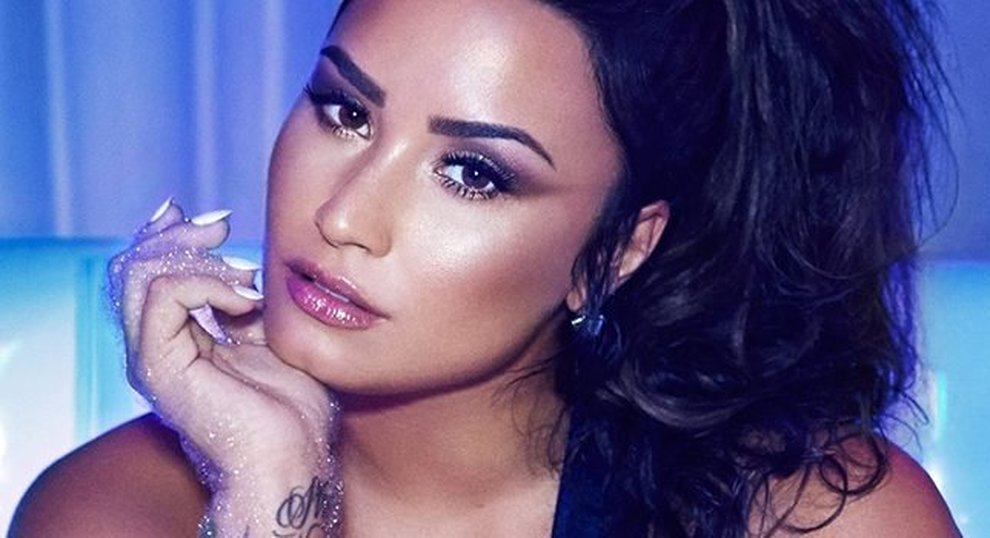
On Tuesday night, singer and former Disney Star was found and admitted to the hospital on assumed drug overdose, after a night of partying with her friends. Fortunately, she has survived the overdose, unlike so many other recent stars that suffered the same fate. But unfortunately, this surprise overdose has come at a shock to many, who had previously believed Lovato to have been sober for a long time.

Well, that is if you didn’t know about one of her newer songs, titled “Sober”, proclaiming her sorrow over her relapse after six years. It was released a month ago, shocking fans with the line “I’m not Sober Anymore” appearing so prominently in the chorus. Her relapse and hospitalization, and the deaths of so many other celebrities, tell of the struggles of overcoming addiction and staying sober.

So, what happened with Demi Lovato? Well, even before finishing her days with Disney, she had fallen into a cocaine and Xanax addiction, to which she eventually went to her first time for. However, she relapsed not long after, and has said in her documentary Simply Complicated that “I hadn’t been ready to get sober” when talking about her first time out of rehab (2017). Not long after, she went to rehab again, this time with a more committed attitude. By the time she became a judge on X-Factor in 2013, she had started living in a “sober” apartment, one with other recovering addicts as they adjust back to living independent lives.

In 2017, Demi Lovato made the aforementioned documentary Simply Complicated, where she documents her struggle with not only drug addiction, but also her bulimia and bipolar disorder. She opens all to her fans, inspiring millions with her heart-felt truth.

In March of this year, Demi Lovato celebrated her sixth year of being sober with a tweet reading “Just officially turned 6 years sober. So grateful for another year of joy, health and happiness. It IS possible.”

With her openness about her struggle and fight for sobriety, many looked up to her as a role model, seeing the image of successful rehabilitation. But with the release of “Sober”, the image of a sober Demi came to a screeching halt. The song revealed that she had relapsed a few months prior to the song’s release, and that culminated into her hospitalization on Tuesday night. Her story is a classic, but sad one, one that happens all too often.

I understand that the idea that Demi Lovato relapsed after 6 years might seem bizarre. The longer you spend without drugs, the less you’ll want them, right? Well, if that was the case, then how was Carrie Fisher found with substances during her autopsy? She may not have died of overdose, but the fact that she did have drugs in her system after being sober for so long does say something.

You see, trying to stay sober doesn’t work with time. It’s a constant battle, one that continues throughout a former addict’s whole life. You see, when you’re an addict, three major parts of the brain are affected: the basil ganglia (positive forms of motivation), the extended amygdala (deals with stressful emotions and thoughts), and the prefontal cortex (deals with decision making). All of these are the most important for fighting addiction, and are also the most affected.

Particularly with cocaine, this comes as a result of a surge of natural neurotransmitters released as a result, disrupting the normal recycling process for the brain. When it suddenly has to function again, it begins to crave that rush. When a person gets stressed, it begins to crave that rush. The brain is complex but lazy, and when faced with problems, it will immediately want what is easily accessible to it. The person has to have a strong enough will to fight the craving, and is not always able to do so.

The Adventures of the Bland Male Protagonist

I’ve already written a bit about some of my qualms with tropes and stereotypes of female protagonists in the past. However, I haven’t spent any time to talk about perhaps one of the biggest tropes among male protagonists that irks me: the boring hero.

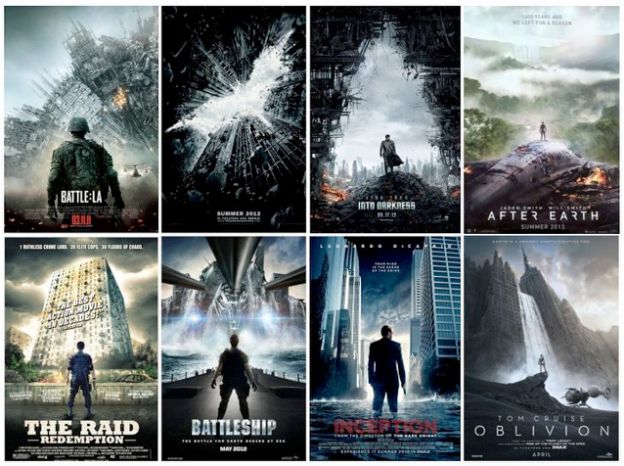
What do I mean by the boring hero? I mean the guy who is in all the action movies and shows that has the same boring and bland personality and backstory, who always becomes the hero and saves the day. He has nothing unique to offer the viewer except that he’s insanely muscular and attractive (but then that becomes a bit unoriginal when that’s how they all look), and is usually just a gritty tough macho guy. He kicks ass and gets the girl, although he doesn’t really provide anything to make the movie or show worth watching.

What makes them stand out to me even more is that usually they are the least interesting thing about the movie. They are the stars of action movies and shows, the ones who keep the story going, and yet everything around them is infinitely more interesting than them. Their personality is like a black hole-they suck the life out of the movie. Literally.

The Boring Hero is seriously one-dimensional; he has no unique background, and he has no character development as the story goes on. Even the female love interest is more interesting, and she has almost the same cookie-cutter personality as the male protagonist. He never gets fleshed out, which drags what might have been an otherwise good movie or TV show down hard.

The Boring Hero doesn’t provide anything of real value to the movie. They seem to stay in place while the story goes around them, despite being the central focus. And they always have that one grand “epiphany” moment, that changes their course and turns them into a hero, with cool music following in the background. But the epiphany is a quick, fleeting moment that almost never appears again. It’s not even a real epiphany, but rather him deciding to act in the typical heroic manner.

The sad part is, this trope even appears in amazing films. Films such as Avatar have been able to hide the fact that the main protagonist is insanely bland and boring through the amazing visuals and characters around them. But that doesn’t change the fact that the main protagonist is so generic that he just becomes another character that the viewer forgets within a week.

Is this trope dying out? No. It’s still strong and present, coming out in films as recent as Solo. Each time the boring hero makes an appearance, there is always something (very, very small) that is supposed to mark them as insanely unique and deep characters, despite them still being bland and generic. A lot of action films and shows want to try and promote themselves as “unique” and “noteworthy”, without putting any effort to actually flesh out their protagonists, particularly the males. It’s a trope that’s gotten old years ago, and definitely needs to kick the bucket.

Documentary Now!, and the Beauty of Subtle Satire

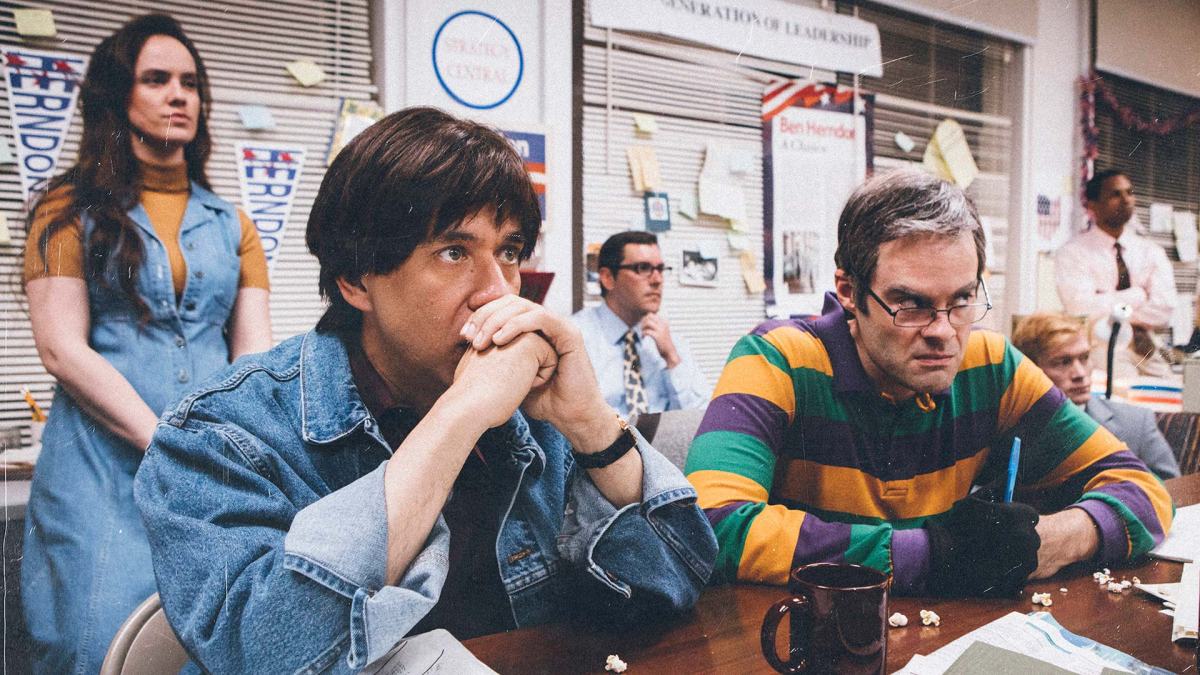
I had almost forgotten about Documentary Now!, until I found the second season on Netflix last night while looking for something to watch. I had always enjoyed the show, and I thought the first two episodes kept their satirical charm. It was at the same time subtle and obvious, with a real appearance and an unreal story line.

Continue reading “Documentary Now!, and the Beauty of Subtle Satire”

How 13 Reasons Why and Twilight Aren’t so Different

The last thing I wanted to see when I went on Netflix a week ago was a trailer for 13 Reasons Why Season Two. Just by watching the first five seconds of the trailer, I already knew the new season was probably worse than the first one, if that was even possible. But I wasn’t about to waste my time by watching it to find out.

Continue reading “How 13 Reasons Why and Twilight Aren’t so Different”