Meet the Man who Spent $100,000 to look like BTS’s Jimin

The TV series Hooked on the Look holds a reputation for its documentation of the extreme in terms of plastic surgery. Having featured figures like the “Real Life Ken Doll” and the Justin Bieber look-alike, having a Londoner named Oli London going to the surgical extremes should be nothing out of the ordinary.

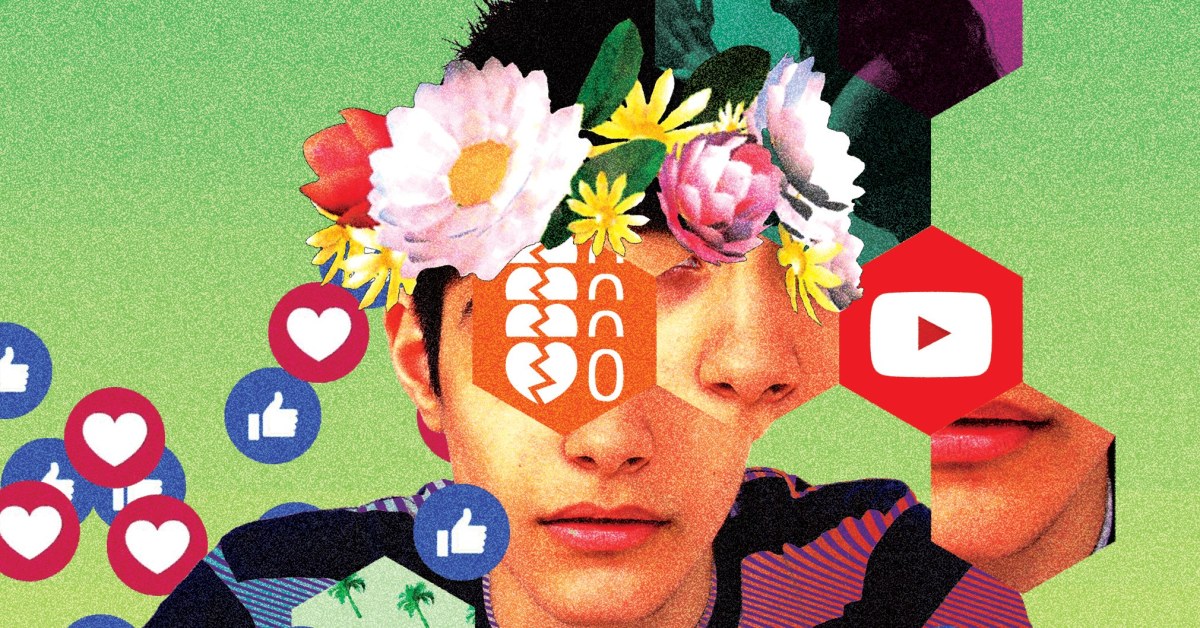
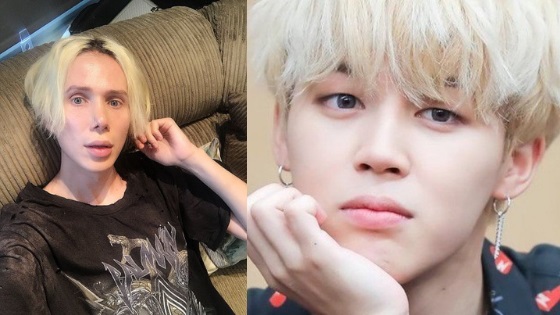
The reason he’s worth noting, however, is for who this man wants to look like. London became a hot topic on social media for the fact that he wants to look like Jimin, one of the lead vocalists from the Kpop group BTS. In essence, the man wants to “change his race”.

This man has gone all out to try and look like the Korean star, from copying his hair, to buying clothes, to getting plenty of procedures to try and emulate Jimin. He’s gotten multiple rhinoplasty procedures, lip fillers, work on his eyes, jaw shaving, and has had all the fatty tissue removed from his chest, among other things. He’s not afraid to spend the money to look like the idol, and he clearly has the money to spend.

Despite all this, London argues that he doesn’t want to change his race, and that he knows that he will always be Caucasian. However, he still wants to try and look Korean because of his love of Jimin (and Kpop idols more generally). In fact, after getting fillers in his eyes and cheeks to look more “like Jimin”, in the show London comments as he looks at himself that he “looks and feels Korean”, which has questionable implications. It brings London into the uncomfortable category of “Koreaboo”, which involves the idolization of Korean culture based on the idea of Kpop and Kdramas, and the fetishization of Koreans.

While London claims he doesn’t want to “be” Korean, he certainly wants to look it, and he especially wants to look like Jimin, which would most likely disturb the actual singer. The Kpop idol already has to deal with sasaengs that follow him and his group around on airplanes and to hotels, and would probably not appreciate hearing that someone has spent an exorbitant amount of money just to look like him.

The End of Game of Thrones: How a Good Show Can End Badly

*Warning for major Game of Thrones spoilers down below*

Last night was the series finale of Game of Thrones, which brought the end of both the show and a decade-long era. The eight-season show was both the most expensive ever produced, clocking in at around $10 million an episode, and the most globally popular.

However, even as the show ends with record viewership, the final two seasons left both fans of the books and of the show extremely disappointed. Episode after episode left a stream of complaints and critiques on social media, culminating in an explosion against the final two episodes.

Many fans wonder: what went wrong? It could be argued that the directors and writers of the show gained too much liberty once the show passed the point where the books have (hopefully temporarily) stopped. The writers and directors were only given a vague idea of where the author George R.R. Martin wanted to go, and had to fill in the rest while wrapping everything up by season eight. With such a colossal and complex plot to wrap up with little idea of where to go, it becomes easy to cut too many corners and create a disappointing ending.

Another argument for what went wrong can be timing. As the show progressed, the seasons got shorter, while the episodes stayed the same length. The show was attempting to eliminate major antagonists like Cersei Lannister and the Night King too quickly in order to wrap up on a planned schedule, which left fans feeling disappointed, and with the sense that wins against the villains were undeserved. It took four seasons to kill Tywin Lannister. It took six to uproot the Boltons from power and take back Winterfell. All of the sudden the Night King, who had been an important antagonist since season 2, is defeated in one single battle? And Cersei, who had been a mastermind of manipulation to maintain power, is killed by falling rocks? The wins feel completely undeserved.

Finally, and possibly the most important argument of where the show could have gone wrong, was the progression of character arcs. Before season 6, the show had the complex and already establish character arcs to work with, which allowed for incredibly interesting characters that attracted viewers. They may have diverged at certain major points, but the characters still acted how they most likely would have in the books.

Once they went beyond that point, they progressively lost sight of those character arcs. They held on pretty well for the sixth season, started getting shaky for the seventh season, and completely threw the characters away for the final season. Jaime Lannister, who had grown so much throughout the seasons, all the sudden was back to being a selfish person only interested in Cersei. All character development was thrown out just before his death, causing outrage among viewers.

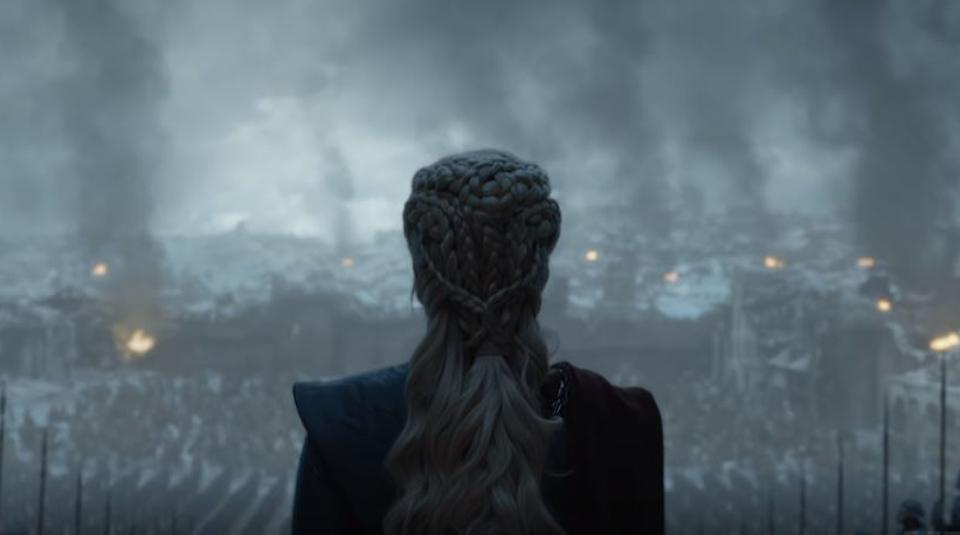
The more notorious case, however, is Daenerys Targaryen. The beloved Mother of Dragons fell quickly into madness, becoming everything she tried to avoid. Which is all fine and well, if it had been properly fleshed out. Rather, her sudden fall to madness was crammed in two episodes, culminating in the final snap and turn to destruction. It was a slap in the face, both for the character and for the viewers. Perhaps if there had been more episodes the develop the madness arc, then there would not have been such an issue as there was. But because it was shoved in the span of a few episodes, it didn’t feel like a deserved fate for Daenerys.

The show overall left a bitter taste in the mouths of many disappointed fans. There have been petitions to change the final season (which is not going to happen), and constant criticisms flowing through social media. People have likened the show’s end to that of How I Met Your Mother and Lost, both of which had very disappointing endings.

BTS Cause an Online Storm with their SNL Performance

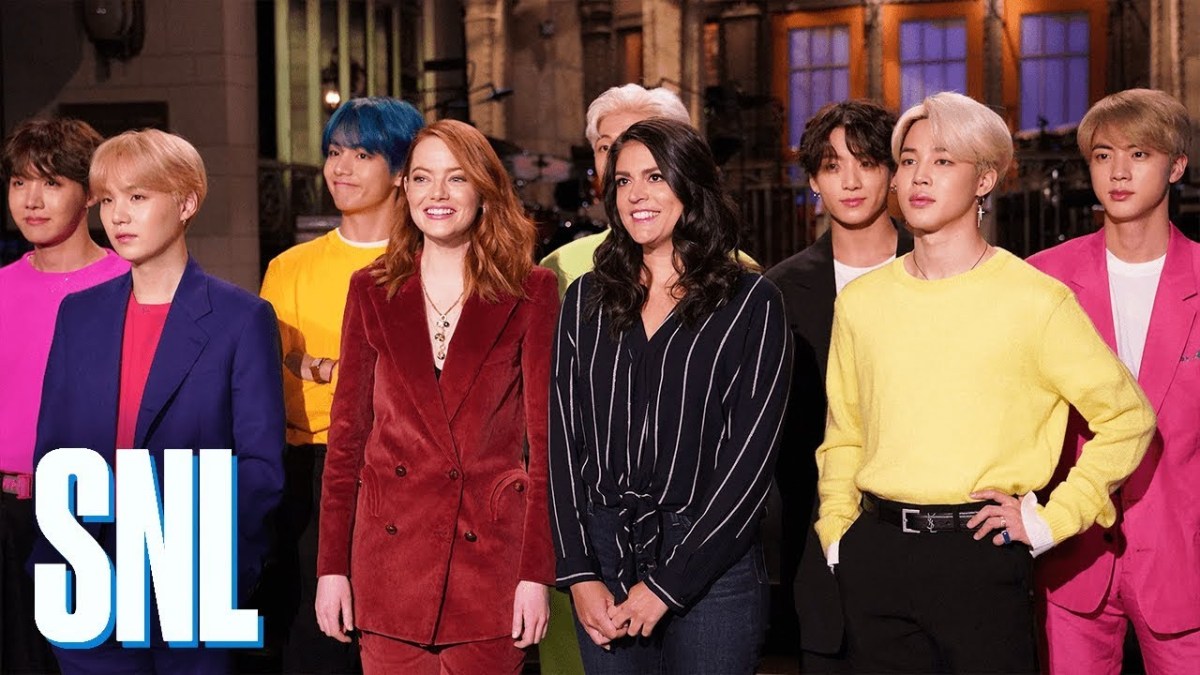
Lat night, Kpop boy band BTS performed on SNL with host Emma Stone, making them the first ever South Korean artists to appear on the show. Their performance was marked by much anticipation, with great excitement from the fans and plenty of advertising from the show itself.

They performed the day after the release of their new album Map of the Soul: Persona, performing their single “Boy with Luv” and their popular “Mic Drop Remix”, causing quite a storm on all social media platforms, namely Twitter. Fans fawned over the perfect choreography and the live singing, and even some mentioned how one of Rm’s outfits was from “Persona: Intro”.

Their performance on the show brought a jump in SNL viewership ratings that hasn’t happened in years. It also put the show as number one on trending lists, another feat for the show.

BTS’s new video for “Boy with Luv”, featuring Halsey, has already broken 116 million views in two days.

Artist Portrayals in Media: So Horribly Accurate

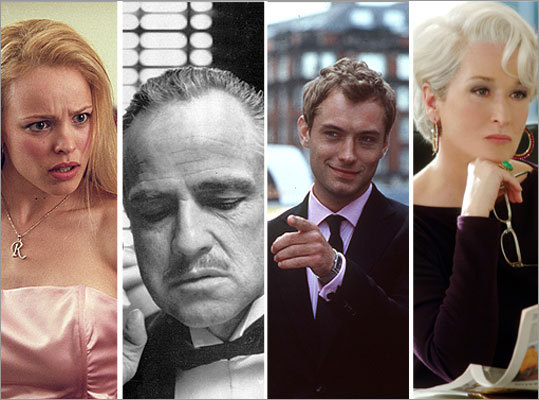
In comedy, we’ll always find that artists are either portrayed as air-headed “connected to the earth” white people, or pretentious jerks. That’s how they have always been portrayed since the dawn of the 1990’s and 2000’s, and that’s how they will be portrayed until the end of time. At this point, the portrayals are iconic.

The only problem with these portrayals is how horribly accurate they are. No, really, it’s insanely accurate. Need proof? Go to a modern art museum. Not even that. Just open an art history book or biography. Time and time again, you’ll find that artists tend to be extremely arrogant and pretentious, trying to act like they are on some higher tier of existence than the common folk. This isn’t the case for all artists, but it is the case for a majority of them.

This is especially true in the case of most modern artists, who think they can get away with painting a blank canvas white and selling it for a million dollars. Well, they kind of can, given that the culture surrounding art and art critiques inflates an artist’s ego to the point of no return by going insane over said white-painted canvas. The culture only makes the artist’s attitude that much worse, encouraging them to make paintings that can be done in less than five minutes. Not even paintings, but also sculptures (there was a case where an art piece which was literally a pile of trash was accidentally thrown out by a cleaning lady who didn’t know it was part of the exhibit). The culture helps further the monster. But it doesn’t create it.

No, the artist grows into the stereotype in college, and even high school. They make friends with other artists, learn about art and somehow get it in their head that they are more “unique” and “free” because of it. They invest themselves in their craft, and become infected. Then they get mad when people make fun of said infection. They insist that the stereotypes aren’t true at all, then act exactly like their stereotypes (even down to dressing like them, just without the beret and scarf). It’s almost sad.

But, like I’ve already said, this stereotypes doesn’t apply to all artists. There are a few that lie outside of the stereotype, who are actually fairly normal, and even make fun of the stereotypes and the people who act like them. They are, unfortunately, few and far between.

Narcissists: Funny in Pop Culture, Awful in Real Life

There’s nothing like seeing family for the holidays that inspires you to write again. And no, fortunately most of my family are not narcissists (or narcs, as I’ll say throughout the rest of this).

What is a narcissist? There are several definitions. The most common version that we see of narcissism (which is coined from the name “Narcissus”, who was so in love with himself that he slowly starved to death) is narcissistic personality disorder, which can be diagnosed by a therapist. Someone with this disorder is manipulative, self-centered, has a victim complex, and is generally a wretched human being.

NPD is not the only form of narcissism that exists. There is a spectrum for those who have narcissistic tendencies, but generally don’t qualify as narcissists. It’s much more common and obvious to notice by outsiders (people outside the family), and are generally brushed off as negative traits.

So, I won’t go into any detail, but hanging out with family for the holidays got me thinking about the contrast between how narcs are portrayed in pop culture versus how they are in real life. Narcs in both film and television are often portrayed in a funny light. They’re self-centered, but that in turn makes them the but of the joke as if eventually works out against them. They are obviously bad people, who are bad at getting their way and only put themselves in embarrassing situations because of it. They are a perfect and easy way to add a joke surrounding the rudeness of people.

Narcs in real life, however, are awful and deceptive. They care only about themselves, and not about anyone else, including their own children. A good example of this kind of behavior would be to mention something I’ve witnessed. A kid was asked by an adult what they got for Christmas, to which they responded that they got nothing. Upon the adult investigating further, he found that this was allegedly because money was “tight”, according to one of the kid’s parents. Well, interestingly enough, this person had just come back from not one, but two trips, one on a cruise, and the other to Las Vegas.

The parent in question had also turned down a job offer (that would have offered great pay, great benefits, and a long-term job), in order to go on the cruise. Now that parent complains about not having a job, acting on the permanent victim-complex that narcs seem to have.

That was only a mild example of a narcissist. Scrolling through the subreddit r/raisedbynarcissists, I read about some of the horrors these people faced at the hands of their families, who were narcs. I won’t disclose any of these stories, as I don’t have permission, but I encourage anyone who wants to to view some of the stuff that these people must face.

The point of comparison is that narcs are hardly funny outside of pop culture. Yes, some of their behavior is odd and sparks a good bit of laughter, but for the most part, it is atrocious and scarring. They’re also manipulative, gaining favor and sympathy from others, which in turn turns them against the victims of the narc behavior. They’re not obvious in nature, which also contrasts from their pop culture portrayal, making it much more difficult for people to actually see when someone is a narc.

What is Black Friday Really?

While this event is portrayed most often as being exclusive to the US, there are actually over 20 other nations that participate in this event. Every year, a few more countries seem to jump on the bandwagon, as well, as the idea of making more money through providing massive sales is becoming increasingly more appealing to international businesses, despite declining sales in the US. But the US is the birth-land of this event, so I will be focusing on it for the sake of fully explaining what it is.

Despite what most stories have you believe, Black Friday started around 1960 in Philadelphia, Pennsylvania, as hordes of suburban shoppers and tourists would flood the city the day after Thanksgiving to be prepared for the Army-Navy football game that happened on that Saturday of each year. Cops were overworked trying to deal with all the people, and shoplifters ran free, causing the term “black friday” to be pinned to the day.

Black Friday didn’t really take off as a national commercial event until the late 1980’s, when companies took advantage of the name and decided to try and make the event appear more positive. The only problem was, that developed an entire culture around bombarding stores in order to get that early holiday shopping done.

I’ll give you a hint about how that happened: pop culture and media advertisements. Stores began advertising their “Black Friday” deals, pushing to the public that it would be a one-day only sale of a lifetime deal. This happened on TV, radio, anything they could push it to that would gain an audience. And it did.

By the 1990’s, you start seeing depictions of it in movies and TV shows, with whole episodes or portions being dedicated to people trying to go Black Friday shopping, waiting in line or getting hindered for some reason. Even going as far as the mid-2000’s, shows, particularly comedy shows, would frame at least one episode about trying and failing to go Black Friday shopping, or going Black Friday shopping and basically participating in a Battle Royal-type scenario because of it. It became ingrained in US pop culture for a long while, only fueling the drive for Black Friday shopping.

Even now, there are still adverts for Black Friday sales. It gets mentioned on the news, on social media, on Youtube channels.  People make memes about it, we hear news about it (especially from Walmart, who is notorious for having straight brawls in their store).
It still gets talked about and remembered, meaning it will not be going away for a long while.

Brand Adverts in K-Dramas

Brand advertisements in Korean dramas (known as K-Dramas) are rather interesting. Their always in the form of rather obvious product placement, contrasting from other types of shows that I’ve seen (Canadian, American, Mexican, Norwegian, etc.). It is very easy to tell when a brand is being product placed within a show, making it look almost comical.

How does product placement in K-Dramas differ from shows from other regions? All shows have brand advertising in some way, shape, or form, as a show of sponsorship and brand advertisements. Product Placement was even made fun of in the movie Wayne’s World, where they obviously showed off different products while saying that they would do no such thing. So what makes product placement in K-Dramas so special?

Well, because of how obvious it is. When a show has product placement, it’s not just an almost-subtle appearance-it’s noticeable. Let’s take two examples-cars and phones. When a phone (often Samsung, a Korean company) is advertised in a show, it’s usually in the form of all the main characters having the newest version of that phone (or, getting an upgrade to that version, if they didn’t have it before). Old phones are made fun of or remarked on as ‘ancient’, calling attention to the phone. By contrast, product placement for phones in shows from other regions are much more subtle, mostly through a particular character’s (only one) use of the phone for interaction. Not all characters have the same phone (there are some exceptions to this, but they are exceptions).

As for cars, they are like phones, in that all the main characters, if they can afford one, has the same car (just different colors). The cars roll up in a cool-shot scene, practically flexing the brand. These cars are also commented on, drawing more attention to the product, especially their luxurious and sleek look. They are obvious and out there for the audience, letting you know that it is definitely a brand advert.

Now, there isn’t anything particularly wrong with having obvious product placement in K-Dramas. If that’s what gets people interesting in the product, then that’s what works. It’s just kind of funny to see the way in which products are placed in K-Dramas, and how it’s so different from other kinds of shows.

Note: This type of advertisement only really applies to the ones that take place in modern South Korea (which is a majority of them).

Good Shows Don’t Always Need Multiple Seasons

Everyone would love to see their new favorite shows have multiple seasons. It’s a natural desire: when people become attached to a show and its characters, they want to see more of it, and want the story to continue. Even though I’ve fallen for this trap myself, I can’t help but look at some shows and think “it really would be fine by itself.”

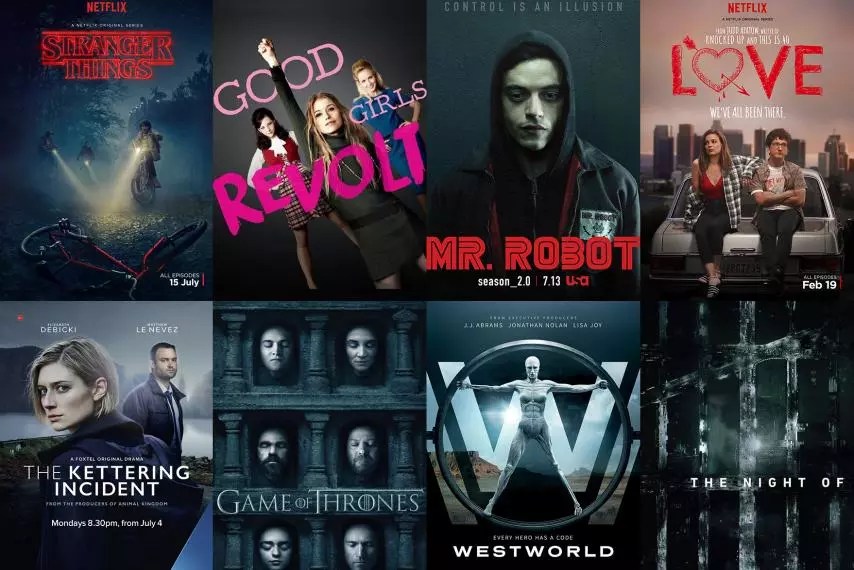
What do I mean? Well, let’s look at Stranger Things. The show, which was a knock-out when the first season came out, had a popular second season, with a third on the way. I have to say that the second season was pretty good. But I, and at the time a lot of other people, thought that Stranger Things would have been perfectly fine as just one season. Why? Well, I thought it wrapped up its arc pretty well. Yeah, there were hints that the show wasn’t over yet, and yeah that there were still things to resolve, but overall I thought it wrapped up pretty well. Honestly, if you had just cut out the Will Byers bit, then you could have ended the show right then and there.

And it’s not just Stranger Things. I’ve seen other shows where I found that the first season wrapped up everything pretty well, and didn’t need anything beyond it. Of course, however, when something is popular enough, the company who made it is going to want to milk the show for all it’s worth. They’ll make season after season, until people lose interest and the show loses money. Which sucks, especially when it was a show you actually liked at the beginning (yes, I liked Supernatural when it was in its prime).

But it’s not only that. Sometimes, when another season is added, it can seem awkward and out of place, especially when it’s working off the old plot. Or directors and writers change, causing characters to change as well, sometimes for the worse. People notice when the character starts acting different, even if it’s a subtle difference. This all sets the second season at a disadvantage, as it not only would have to make the story line from the first season flow, but also maintain what was so great about the first season. It would have to lie up to its predecessor, and when its predecessor was perfect by itself, it’s nearly impossible to.

Now, I’m not saying that just because a show has a good first season that nothing should ever follow. There are plenty of shows that make their following season/seasons just as good as the first, for the most part. As the show starts hitting seasons 9 and 10, then things become tedious. I’m just trying to say that not every show needs a sequel, especially when the first season did such a good job at finishing itself.

The Haunting of Hill House-Paranormal or Just Metaphor?

Beware: Spoilers

Recently, Netflix released a 10-episode series known as The Haunting of Hill House, inspired by the original novel by Shirley Jackson. The show doesn’t center around much of the original plot, however. Rather, it centers around the Crain family (making them the center focus rather than a distant detail), and their troubles in an after the house.

The Crains initially buy the derelict manor in order to flip and sell it, so they could afford to build their own dream home. As time goes on, however, strange things begin to occur around the house, culminating in a “final night” that causes them to leave in a hurry. This night, and life in the house in general, slowly comes together in bits and pieces seen through “character focus” episodes. There is the long-standing mystery of what exactly happened the “final night”, which is solved at the end, but the viewer can’t help but notice that a complex and frayed family dynamic is at the forefront.

Now, throughout the series, there is plenty of the paranormal. There are obvious ghosts, hidden ghosts, even the crazy imagination ghosts. The show lets you know that yes, this is a horror story, making some freaky designs and figures. The ghosts do follow the adult Crain children around, affecting some more than others (Nell and Luke experience the paranormal the most, Steven and Shirley the least). The house has a certain quality about itself as well, seemingly alive and possessive, taking over the minds of Olivia Crain and Nell Crain, and protecting itself against attack. There are multiple levels to the paranormal in this show, providing an especially ghoulish aspect.

In Nell’s episode, however (named the “Bent-Neck Lady”, after the main ghost that haunts her), all this comes into question. Unlike the other siblings, her episode is rife with mental stability issues, as she deals with sleep paralysis, trauma, and anxiety. The youngest Crain’s stable life is ripped out from under her with the death of her husband and a switch to a new therapist. From then her mental health declines rapidly, leading her to enable her twin’s drug addiction and have an argument with her visiting sister. The episode culminates with her returning to the Hill House and committing suicide via dreamlike state , leading to another interesting twist. In the moments before she hung herself, she realized that she had a noose around her neck and she was standing on the edge of a staircase, and got confused and scared. In the moments after, the viewer realizes that she was the “Bent-Neck” Lady, having haunted herself the whole time.

The episode, which works as the halfway point of the series, explains how Nell ended up dying in the house. But it also hints at how the mother, Liv, died in the house as well. Both Luke and the father Hugh blame the house for “killing” Nell and Liv, despite the fact that both were suicides. This could be explained: Nell went into a dreamlike trance, seemingly led by the house into putting the noose around her own neck. As for Liv, she starts seeing ghosts that convince her to kill her family to protect them. From what, is unknown. It’s easy to argue that the house does contain some supernatural capabilities, actively influencing Liv and Nell to their final moments.

However, notice who the house seems to affect. Liv came into the house with an unknown mental illness, marked by migraines that she would get periodically. Her condition was only exaggerated by the fact that Hugh didn’t get the proper help for her, unable to because of stigma against mental illness that plagued the time period. The old house started to get to her, leading her to have sporadic and “possessed” behavior, leading up to her death.

As for Nell, she was also mentally vulnerable, having suffered from trauma and anxiety since she was as young as 6. She was also more prone to being “influenced” by the house, and only was really affected by the house when she was in her most vulnerable state. Luke also, sits in a vulnerable state, and was more prone to being affected by the house due to his struggles with drug addiction.

Also, it can’t help but be noticed that most of the paranormal occurrences occur when the family is divided, following the hill house. Which begs the question-is it really paranormal? Or is it all just a metaphor?

Well, we don’t really know. You could go either way, but you can also say it’s a mix of both. There are shared paranormal experiences among the family, adding a more solid paranormal experience. At the same time, there are individual experiences that are especially tied to mental illness and especially trauma, which solidifies the hypothesis that it’s all a metaphor. All-in-all, it’s never fully explained. Although the cast does like to relate to the metaphor theory, especially as the family is so dysfunctional and traumatized that it would make a great amount of sense.

The Haunting of Hill House is actually a very good show. While it does have its corny shots and moments, it is one that provides multiple layers to its horror, making it perfect to watch in time for Halloween.
How Science Fiction Works Better in TV

I began watching Westworld recently to celebrate turning in my essay, and quickly got invested in it. The world, character arcs, and dynamism of the hosts intrigues me, especially as more of how the whole thing works slowly gets more developed and explained. Seeing how the show introduced its dynamics got me thinking about other sci-fi TV shows, and how they compare to movies of the same genre. The more I thought about it, the more I thought that sci-fi as a genre does much better in the realm of TV than film.

Why is that? Well, sci-fi often involves complex world/story-building when done right, and needs to be set out in a way that doesn’t seem rushed or boring. In film, there is only a two-two and a half hour span to introduce and develop the story and the world. Often times, that means there are aspects that are underdeveloped, rushed, or simply never explained. Which, when portrayed in a particular, more natural way, can work out.

Think of Mad Max: Fury Road. There wasn’t much actual explanation of the post-apocalyptic world, but there was visual representation, paired with just the right amount of explanation where the audience could understand how things worked. Of course, there were aspects left out; but the most important aspects are understood.

Now, the case of Mad Max is a case of sci-fi in films done well. More often than not, however, it takes a film multiple movies in order to explain itself and the world, sometimes dragging out stories that aren’t interesting enough or good past film 1 or 2. Or, in the case where there is only one film, the world is not explained enough, or simply isn’t interesting. Other times the story line is so bad and rushed that the world suffers as a result, too. In any sense, something is missing.

In the case of TV, however, there is a lot more to work with. Worlds can be properly flushed out and can work as an element of intrigue for the audience as it slowly unravels (in good shows, of course). Shows usually have a minimum of eight episodes to work out their world and dynamics, providing much more time and space to develop everything. The added fact that it usually comes out one episode a week even adds more to the suspense, maintaining greater interest than if it came out once every 2+ years. Sci-fi is a large and infinitely creative genre, and needs plenty of space to exist as a valid genre.

Sci-fi has had a long history in both film and movies, but is notably more prolific in TV, and much more recognizable. In the last decade particularly, sci-fi has been on the rise, after a period of falling behind fantasy. Sci-fi in TV shows also has the luxury of existing for longer, as average great shows can have as many as 9 or 10 seasons without appearing old or run-out, a heavy contrast from film. Shows can take on many more story arcs, as well, adding greater levels of complexity that otherwise couldn’t or wouldn’t exist.

Sci-fi can exist in both film and television, and has phenomenal pieces in both sets of media (Star Wars, Star Trek, Stranger Things), paired alongside bad pieces. However, I tend to notice that TV overall has better sci-fi series than film, particularly in recent years, most likely as a result as the care and space provided through TV. TV has provided sci-fi a grander space, and has lent it greater popularity than film, causing the genre to have an overall better quality.

Returning to the World I Knew Before

I don’t know if I’ve indicated before, but I have a long history of being a huge nerd.

Or rather, a geek (yes, there is a difference). I wasn’t the techy “build your own computer and digs math” type, which would have classified me as a nerd (by stereotypical standards). No, I have always preferred pop culture and literature, preferring to spend my time playing games and dabbling in a bit of anime. But the biggest highlight of being a geek was going to conventions.

The two biggest conventions I went to were Wondercon, which functions as a mini-Comic Con, situated in Anaheim, and Anime Expo, the largest Anime convention in North America. I went to these conventions every year from when I was thirteen until I went to college, when scheduling began interfering. It got to a point where I kind of got sick of them.

But in college, things changed. For some reason, I had it in my head that I should “grow out” of my geekiness, or at least keep it more private. Perhaps it was because I looked around and saw all the other geeks around me at school made me uncomfortable. They were just too stereo-typically geeky. That’s not to say that some of my high school friends weren’t, but these guys just fit the bill too well.

The disassociation might also have been partially influenced by the fact that I never fit the bit for someone who was geeky. Yeah, I wear glasses and at one point cut my hair short and dressed less-than-pleasantly, but I’m not talking about that. I’m talking about my face, my figure. I looked more like the kind of person geeks and nerds would wish would be into the same stuff as them. And this isn’t out of an inflation of my own ego. I’ve had enough creepy experiences to know exactly what position I was in. I look more like I belong in a Starbucks.

This was a factor that had always plagued my adolescent years. Especially during the height of gamer gate, where you could get called a fake gamer or fake nerd for just about breathing the “wrong way”. They never judged the people that looked like (stereotypical) geeks and nerds. They judged the people that didn’t.

It didn’t help that my Mom and sister would make fun of me for being a geek. My sister has become more involved in the culture herself in recent years, which has lightened her take on it, but my Mom would always roll her eyes. She still thinks I’m into things that I’m not (i.e: she thinks everything I watch is anime for some reason). She didn’t stop me from being a part of geek culture, but she didn’t much like the fact that I was so into it, either.

So for most of my college years, I kind of kept things under wrap. I stopped investing myself in geek culture for the most part, although I couldn’t help having my closest friends know what I was into. Everything was going fine.

But then, I started to miss the geek world. I started to miss being involved in the newest game, and missed going to conventions. I missed being a geek. I wasn’t going to suddenly stop dressing decent, but I didn’t want to let go of something I actually enjoyed. It was a big part of my life, and it was something cool to do. I got to see artists I follow in person, discover new artists, and find new things that I didn’t know before in geek culture.

So I’ve decided to come back. My Dad says he can get us into Comic Con, and I am planning on going to Anime Expo, so I guess that’s a good start to breaking back in. While I don’t have much time to be “full geek” (I have school and work), I do plan on enjoying the things I once did.

You Can’t Rely on Old Media for Depictions of the West

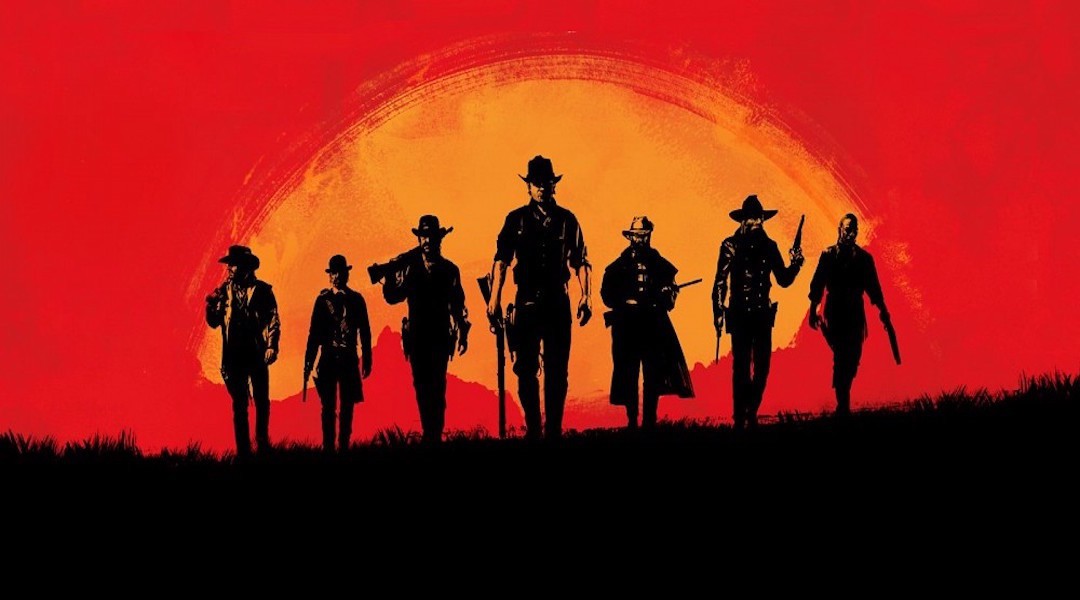
Recently, Rockstar has announced that Red Dead Redemption 2, the sequel to its instant classic of Red Dead Redemption, will add black cowboys, portraying a more realistic perspective of how the Wild West would have been.

However, like all things with time period games, there are those who dissent to having these characters added. Fortunately, it’s not nearly on the same scale as some other games, but it still exists. One argument of the dissent that stuck out to me was the idea of how historically “inaccurate” it was to have black cowboys. These arguments are based off of old Hollywood and TV portrayals of the West, somehow justifying their arguments. If P.O.Cs were not portrayed then, then therefore they simply weren’t actually present, right?

Wrong. Let me give a little insight on the actual realm of the West. The West, with its notoriety for being a “lawless wasteland”, was much more racially open than the rest of the United States. A former part of land owned and controlled by Spain (and later Mexico), the wide and mostly unpopulated expanse had plenty or room for the proliferation of Vaqueros, or the precursor to cowboys.

The Vaquero lifestyle was mostly used by Mexicans and some Natives, who gained influence from the Spanish ranchers on the Missions. However, when the land was won over by the US in the Mexican-American War, the Vaquero stopped being a purely Hispanic profession. Caucasian and later black cowboys began making an appearance on the scene, taking up the Vaquero (later renamed cowboy) lifestyle to live a “free rancher” life.

Black cowboys initially started as slaves tending to their masters’ cattle ranches while they were away at war in Texas, although there were some that escaped West before incorporation into the US to escape their former masters. In this, black Vaqueros gained the skills that would make them invaluable to the cattle industry, allowing them to prosper following the end of the Civil War. As many as 1 in 4 cowboys were Black, travelling throughout the West to help ranchers herd their cattle.

Now, this didn’t make the West some racial paradise, as discrimination against Latinos, Blacks, Native Americans, and later Asians (who came in to help build train tracks that would help connect the Continental US) was still a common phenomenon. But it allowed more freedom than other parts of the US.

Now, with all that in mind, how does this relate to old media? Well, if you’ve watched any spaghetti Western film or TV, you’ll easily notice that the diverse history of the West simply does not exist. If there’s a Native, they’re violent savages killing the poor white woman for fun. The Asians are portrayed as dirty, cheap, and lying. There’s not even a mention of Blacks or Hispanics.

No, the Western shows and films represent and idealized White version of the West, one which claims the cowboy as purely American made, despite its Hispanic origins. It’s about the finding the Classic love in the Wild and Gritty West, centered around White actors in a purely whitewashed realm.

Even as late into the 1990’s, media surrounding the West was heavily geared towards portraying it as white dominant, with only a few outliers that portrayed otherwise. It was only in recent years with Django Unchained, Hateful Eight and Magnificent Seven that the whites-only narrative has fallen back, showing another, previously unacknowledged side of diversity in the Wild West.

Old Media has a particular representation for portraying false narratives, and is unreliable for arguments trying to prove historical accuracy. Media changes stories and narratives all the time for entertainment, especially in older films and TV shows.

The Downfall of Telltale Games

Now, I am a few days late to this whole drama, but that has let me get a glimpse of a little extra content.

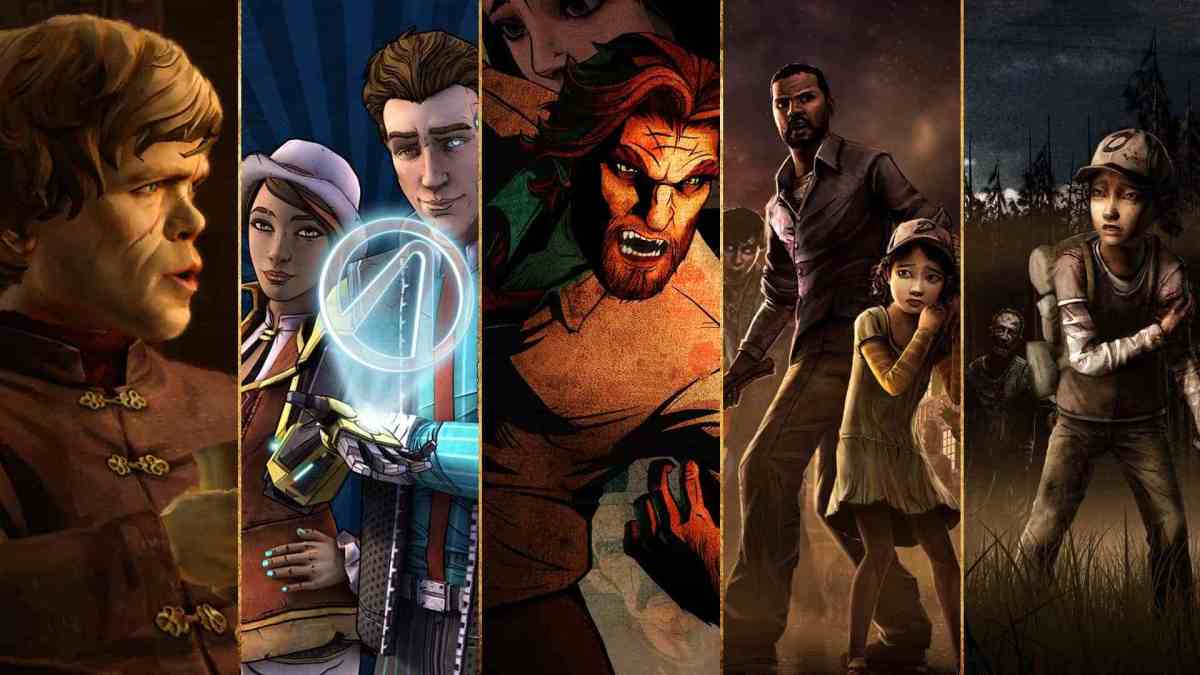
Last week, Telltale games declared that it was going to be shutting down, laying off most of its staff (who were expecting an eventual closure, but not so sudden). Official reports argue that a failed round of funding (the last backer abruptly pulled out) caused the shut down. The company is only staying open in order to finish the Minecraft: Story Mode for Netflix, then is shutting down permanently. This puts a halt to the much anticipated final season of Walking Dead and trashes the production for a Stranger Things game.

While officially, financial problems led to the closure, this development was a long time coming. Telltale games exploded onto the mainstream scene with the insanely popular first season of Walking Dead, released in 2012. Every gamer who was played that game, with streams for the first chapter popping up. As the game had promised that the endings would change based on your actions, people were trying to get the best ending possible. The first season was pretty good at making it seem like it changed based off actions, as well.

However, people quickly realized in the second season that this was not the case. Major events occurred no matter what, taking away the purpose of trying to find different outcomes. Another problem as well was the fact that the only character that remained consistent was Clementine (and later the child), while all other characters seemingly disappeared. Even the spin-off game was a dead end, with none of the characters making it into the actual game. This made it so there was too many characters to get invested in, turning people off.

This also ruined interest in Game of Thrones and Batman, two games that were reportedly good, but too long and unchanging for people to really be invested in. It only goes downhill from there, as Telltale keeps releasing more and more games, none of which had anywhere near the same popularity as the first season of Walking Dead. As a result, the company was merely digging itself into its own grave.

But, it didn’t let that on to its employees. In fact, the company had just hired people weeks before they had the massive layoff, with people even moving across the country in order to come and work. As a result, a massive class-action lawsuit has been filed against the company, as with the sudden layoff with an almost immediate cut-off of benefits, they have violated California labor laws. Some argue that in suing a bankrupt company, they are wasting their time, but it’s important to solidify that these laws apply to gaming companies, who might otherwise think they’re exempt.

How Fandoms Go from Fab to Drab

Fandoms, which are a subculture centered around supporting or following a certain piece of media, are everywhere in Geek culture. Just about every TV show, movie, book series, and more has a fandom, some small, some tremendously big, and many in-between. If something extremely popular is released, usually its fandom explodes for a few months, or even a few years, before mysteriously collapsing and disappearing. If you’ve ever seen this occur, then you have just witnessed a fandom going from fab to drab.

How does this occur? Fandoms have normal lifespans, with the very small ones usually dying out fairly quickly after the piece is released (known as “going dead” in fandom terminology). Medium and large ones that continue in their drab phase can live a long time-I’m talking about decades of survival (Star Wars, Star Trek, Back to the Future). This is all a part of a natural cycle.

However, Fandoms that go from fab to drab have a relatively short and volatile lifespan, which can lead to fall-backs and resurgences, all before their eventual collapse. This usually comes as a result of several factors.

The first is the development is what’s known as toxicity. Every fandom has a few bad eggs. But when there’s enough of them, all attacking people and bullying people over differing ships and opinions, then the fandom gets labelled as “toxic”, both by people outside of the fandom and the few remaining clear-headed people still in the fandom. Fandom is supposed to be about a community coming together, not tearing each other apart. This is an issue that can occur in just about any large fandom, as major groups (particularly shaped around “ships”, or couples that people root for) belittle minor groups, essentially bullying them out of the fandom.

The toxicity does not stop at people in the fandom, either. I remember the days of Superwholock (The combination fandom of Supernatural, Dr. Who, and Sherlock) when the fandom would attack any outsider that questioned them or criticized them, building up their own reputation as toxic. The same thing happened to the Undertale fandom, leading to its demise within only a year of the game being released.

Which leads me to my next point: Hatred towards the fandom. When a fandom is toxic, it not only builds up a bad reputation, but cuts its own supply off of newcomers. When people are discouraged or turned off from joining the fandom, even the largest one will eventually fall. Every fandom needs newcomers to survive; too few or none at all will kill just about any one of them (Superwholock was an interestingly unique case, but in order to explain it in full detail I would need to talk about it separately).

When fandoms are faced with these two issues, they become increasingly volatile, lashing out against others and fully consuming themselves in their toxicity, which only furthers the problem. They solidify their own fate, even if they don’t know it.

Fandoms that once start fab, welcoming all others and becoming a large fandom that bonds over a certain media, can either quickly or slowly turn drab, turning against itself and ruining itself as others watch on. It’s an interesting and prevalent cycle that normally only happens to the biggest and trendiest fandom of the time, providing a serious lesson to others about growing too big too quickly.

The Shows of my Childhood

A few days ago, I sat down and watched Will you be my Neighbor? with some family members. I was hit with a massive wave of nostalgia while doing so, old memories that I had nearly forgotten suddenly coming back up. Which got me thinking about other shows I’ve watched as a kid. I thought I might just say a few as a break from my two week hiatus.

1. Mr. Rogers’ Neighborhood

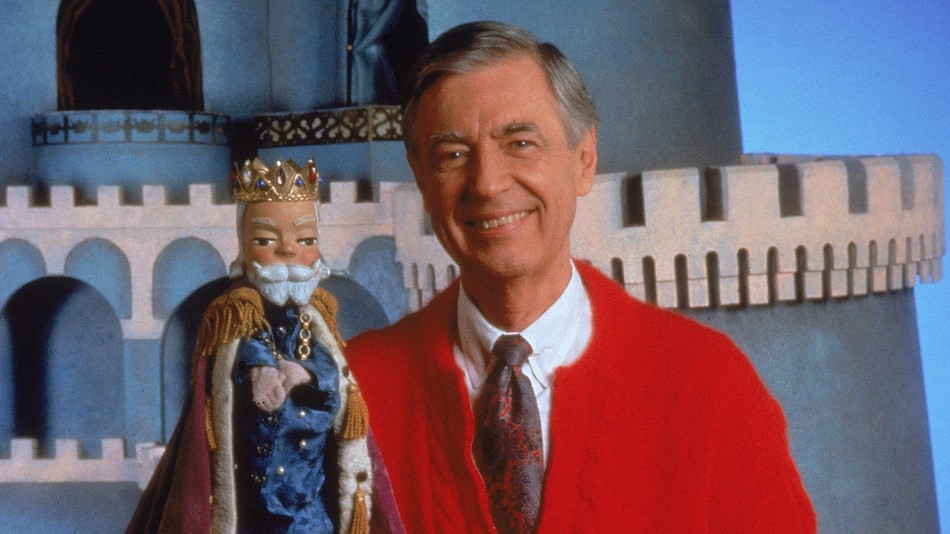
The show premiered in 1968, geared towards treating children like intelligent beings and helping them deal with various issues, from large and political to small and social. It’s hosted by Fred Rogers, who not only shows up in person, but also controls all the puppets, dealing with other cast members. The show ran for over three decades, with the final episode occurring in 2001. I remember watching both the newer episodes and the older ones, although I was very young when I actively watched them. My memory is fading of the show, although I do remember certain parts of different episodes.

2. Teletubbies

While my sister watched Barney, I watched Teletubbies. The show centers around these characters known as “teletubbies”, who have antennas on their heads and TVs on their stomachs, which display real children. The four characters, Tinky Winky, Dipsy, La-La, and Po, each run around and play in an idyllic world, playing all day until a siren raises and calls for them to go to bed. The first episode aired in 1997, and took a break before returning to end in 2016. The show was one of those almost mindless shows, not violent or blatantly bad for children but not really having any substance, either. I liked it, however.

3. Rugrats

This show, premiering in 1991, centers around a baby’s imagination and life from a baby’s point of view. The Rugrats gang go on different adventures at the behest of the older Angelica, although their adventures mostly take place in and around their houses, without them going anywhere. It’s last episode occurred in 2004. It was unique for it’s time, playing with young children’s imagination and entertaining children through their own means. Every episode was something new. I remember watching it almost religiously, loving each and every episode.

4. Spongebob

Of course, how could I forget the biggest hallmark of kid’s television of the early 2000’s? The first episode premiered in 1999, and still continues to this day, centering around the life of Spongbob in the underwater town of Bikini Bottom. In it’s hayday, it was funny and unique, displaying characters who are both stereotypes but are also three dimensional. Even Mr. Krabs, who’s largest character aspect is greed, has character development and other aspects. I can’t speak for the show now, however, as I haven’t watched any episodes since 2008. What I’ve heard is not good news.