California Expands Film Credit, Adds Animation for the First Time

On July 2, 2025, California Governor Gavin Newsom officially approved the expansion of the state’s Film and Television Tax Credit Program, standing alongside labor representatives, entertainment leaders, and state officials. The program, first started in 2009, offers tax incentives for entertainment companies that choose to film in California. It was enacted as a way to try and counter-act the trend of productions leaving not only Los Angeles, but California as a whole, and has been successful to an extent in bringing productions.
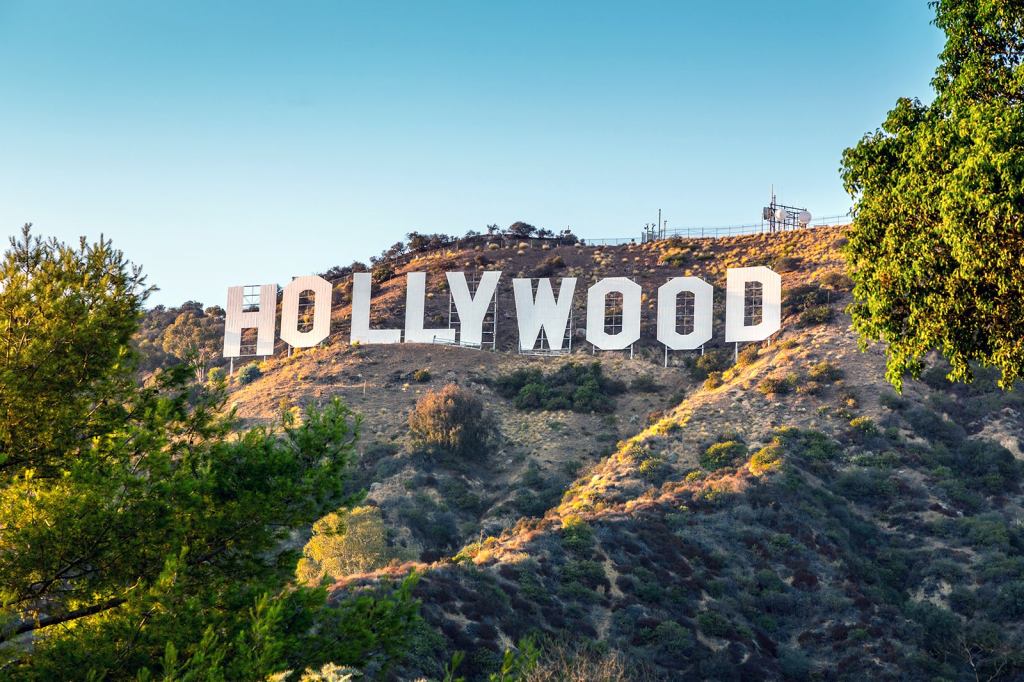
The Hollywood sign in Los Angeles

However, the credit program was far from perfect. In its most recent phase, it offered up to $330 million in a “first come, first serve” basis. Projects that were the quickest to get up and running could get their hands on the tax credit, while those who were slower missed out. This factor created an unfair playing field, with larger more established studios rushing to get their share for readily available projects while smaller studios struggled to catch up. Even worse, there were no separate categories for who could get the tax credits, meaning that animation, which is generally much slower to ramp up than live action, was basically entirely shut out.

Not only that, but as companies found themselves missing out in California, other states and other countries began to offer better and better incentives, which swooped in to sway the companies to go to them. This led to a “production drain” in California that progressively worsened, reaching its peak in the 2020-2024 period. Paired with covid and strike-induced shutdowns, and company cutbacks, and the unemployment rate for entertainment production workers skyrocketed to being one of the worst in decades.

The solution to this problem? The program needed massive changes.

And change it finally has. The process first began on October 27, 2024, when Governor Gavin Newsom suggested a massive overhaul to the Film and Television Tax Credit Program, raising the credit limit to a staggering $750 million per year, more than double the existing limit. If such a change were implemented, it would skyrocket the state’s tax program to be one of the most generous of any state, surpassing New York’s $700 million and only being beaten by Georgia’s limitless credit program.

At the time, the change seemed like a wonderful, but far-fetched dream. California’s budget was tight, and with how bad the state of entertainment was, there was great fear that it was coming too little, too late.

But in 2025, the state legislature began to work with labor unions and entertainment leaders to flesh out the expansion. In June, the legislature passed the expansion with an overwhelming majority. And as of July, the bill is now officially approved.
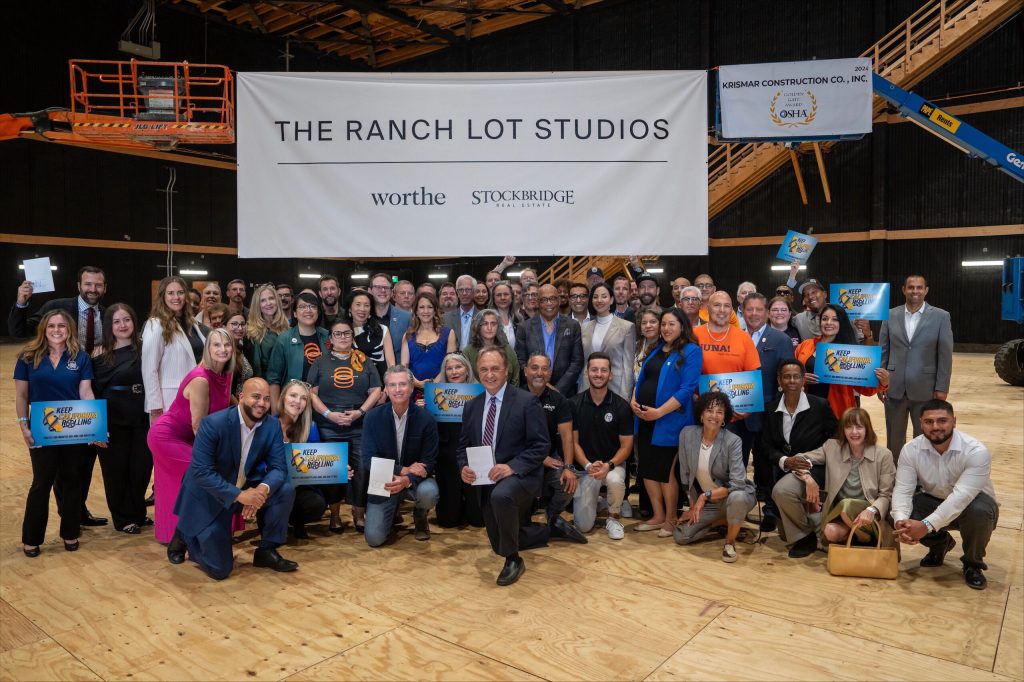
Newsom poses alongside labor representatives, entertainment leaders, and state officials after the passage of the expansion.

But a mere expansion wasn’t the only new element of the program. Alongside it came further adjustments in regards to how the new funds would be allocated, with animation given explicit allocations to prevent any more shut outs. Not only that, but the expansion will also now work to support the film-making ecosystem as a whole, including post-production, scoring, and VFX, which relies heavily on in-state labor.

These new changes are a much-needed adjustment, making the playing field more fair but also allowing for more productions to get their hands on the tax credits and prevent them from having to move out of state. With hope, the new expansion will also help encourage companies to greenlight new productions by helping with budget shortfalls, and help with reducing the unemployment rates for entertainment production.
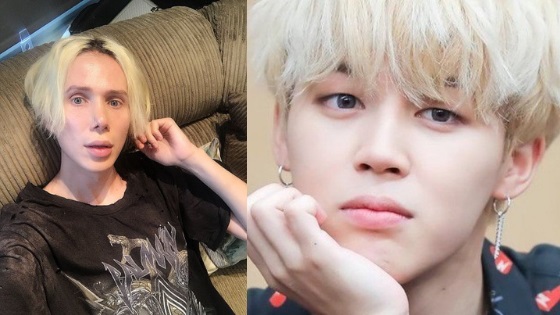
Meet the Man who Spent $100,000 to look like BTS’s Jimin

The TV series Hooked on the Look holds a reputation for its documentation of the extreme in terms of plastic surgery. Having featured figures like the “Real Life Ken Doll” and the Justin Bieber look-alike, having a Londoner named Oli London going to the surgical extremes should be nothing out of the ordinary.

The reason he’s worth noting, however, is for who this man wants to look like. London became a hot topic on social media for the fact that he wants to look like Jimin, one of the lead vocalists from the Kpop group BTS. In essence, the man wants to “change his race”.

This man has gone all out to try and look like the Korean star, from copying his hair, to buying clothes, to getting plenty of procedures to try and emulate Jimin. He’s gotten multiple rhinoplasty procedures, lip fillers, work on his eyes, jaw shaving, and has had all the fatty tissue removed from his chest, among other things. He’s not afraid to spend the money to look like the idol, and he clearly has the money to spend.

Despite all this, London argues that he doesn’t want to change his race, and that he knows that he will always be Caucasian. However, he still wants to try and look Korean because of his love of Jimin (and Kpop idols more generally). In fact, after getting fillers in his eyes and cheeks to look more “like Jimin”, in the show London comments as he looks at himself that he “looks and feels Korean”, which has questionable implications. It brings London into the uncomfortable category of “Koreaboo”, which involves the idolization of Korean culture based on the idea of Kpop and Kdramas, and the fetishization of Koreans.

While London claims he doesn’t want to “be” Korean, he certainly wants to look it, and he especially wants to look like Jimin, which would most likely disturb the actual singer. The Kpop idol already has to deal with sasaengs that follow him and his group around on airplanes and to hotels, and would probably not appreciate hearing that someone has spent an exorbitant amount of money just to look like him.

Director Pushes Back the Release Date for the ‘Sonic’ Film

This past weekend, director Jeff Fowler announced that the release of the Sonic film to February 14, 2020, three months after the originally planned release date.

The announcement brought relief to the art and animation communities, who had been anxiously searching for updates since the heavily demanded redesign of the Sonic character was announced. Messages of happiness from the communities rounded about social media, all of them positive towards the push back date. Even some memes were made, joking about how people could now take out their “hot date” to see Sonic on Valentine’s Day, noting that the release date now falls on the holiday.

Aside from the jokes and happiness, some artists and animators have pointed out the fact that Paramount actually listened to people’s demands to push back the release day and prevent their artists from being “crunched” and overworked, relating it to how the gaming industry, which is notorious for “crunching” their workers, now has no excuse to do so.

Both the movie and gaming industries have a long history in overworking their animators, arguing that the “crunch” was necessary in order to release games and films in a timely manner. Their claims for necessary “crunching” have previously been met with dissatisfaction, but begrudging acceptance, particularly as the animators did not have the legal protection to stand their ground. With the announcement of the push back, however, the “necessity” falls under great question.

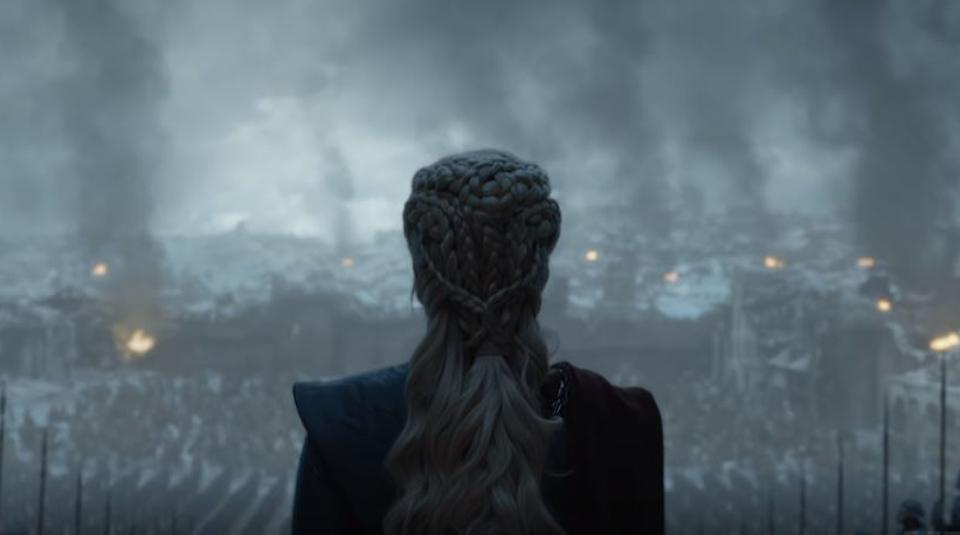
The End of Game of Thrones: How a Good Show Can End Badly

*Warning for major Game of Thrones spoilers down below*

Last night was the series finale of Game of Thrones, which brought the end of both the show and a decade-long era. The eight-season show was both the most expensive ever produced, clocking in at around $10 million an episode, and the most globally popular.

However, even as the show ends with record viewership, the final two seasons left both fans of the books and of the show extremely disappointed. Episode after episode left a stream of complaints and critiques on social media, culminating in an explosion against the final two episodes.

Many fans wonder: what went wrong? It could be argued that the directors and writers of the show gained too much liberty once the show passed the point where the books have (hopefully temporarily) stopped. The writers and directors were only given a vague idea of where the author George R.R. Martin wanted to go, and had to fill in the rest while wrapping everything up by season eight. With such a colossal and complex plot to wrap up with little idea of where to go, it becomes easy to cut too many corners and create a disappointing ending.

Another argument for what went wrong can be timing. As the show progressed, the seasons got shorter, while the episodes stayed the same length. The show was attempting to eliminate major antagonists like Cersei Lannister and the Night King too quickly in order to wrap up on a planned schedule, which left fans feeling disappointed, and with the sense that wins against the villains were undeserved. It took four seasons to kill Tywin Lannister. It took six to uproot the Boltons from power and take back Winterfell. All of the sudden the Night King, who had been an important antagonist since season 2, is defeated in one single battle? And Cersei, who had been a mastermind of manipulation to maintain power, is killed by falling rocks? The wins feel completely undeserved.

Finally, and possibly the most important argument of where the show could have gone wrong, was the progression of character arcs. Before season 6, the show had the complex and already establish character arcs to work with, which allowed for incredibly interesting characters that attracted viewers. They may have diverged at certain major points, but the characters still acted how they most likely would have in the books.

Once they went beyond that point, they progressively lost sight of those character arcs. They held on pretty well for the sixth season, started getting shaky for the seventh season, and completely threw the characters away for the final season. Jaime Lannister, who had grown so much throughout the seasons, all the sudden was back to being a selfish person only interested in Cersei. All character development was thrown out just before his death, causing outrage among viewers.

The more notorious case, however, is Daenerys Targaryen. The beloved Mother of Dragons fell quickly into madness, becoming everything she tried to avoid. Which is all fine and well, if it had been properly fleshed out. Rather, her sudden fall to madness was crammed in two episodes, culminating in the final snap and turn to destruction. It was a slap in the face, both for the character and for the viewers. Perhaps if there had been more episodes the develop the madness arc, then there would not have been such an issue as there was. But because it was shoved in the span of a few episodes, it didn’t feel like a deserved fate for Daenerys.

The show overall left a bitter taste in the mouths of many disappointed fans. There have been petitions to change the final season (which is not going to happen), and constant criticisms flowing through social media. People have likened the show’s end to that of How I Met Your Mother and Lost, both of which had very disappointing endings.

Some Highlights from the 2019 Met Gala

Today in New York was the 2019 Met Gala, an event that is not only the place to dress in creative outfits fitting each year’s theme, but also where funds are raised for the Metropolitan Museum of Art’s Fashion Institute. The Gala also marks the opening of the annual fashion exhibit, last year having been “Heavenly Bodies: Fashion and the Catholic Imagination”.

This year, celebrities had outfits designed based on their interpretation of “Camp: Notes on Fashion”.

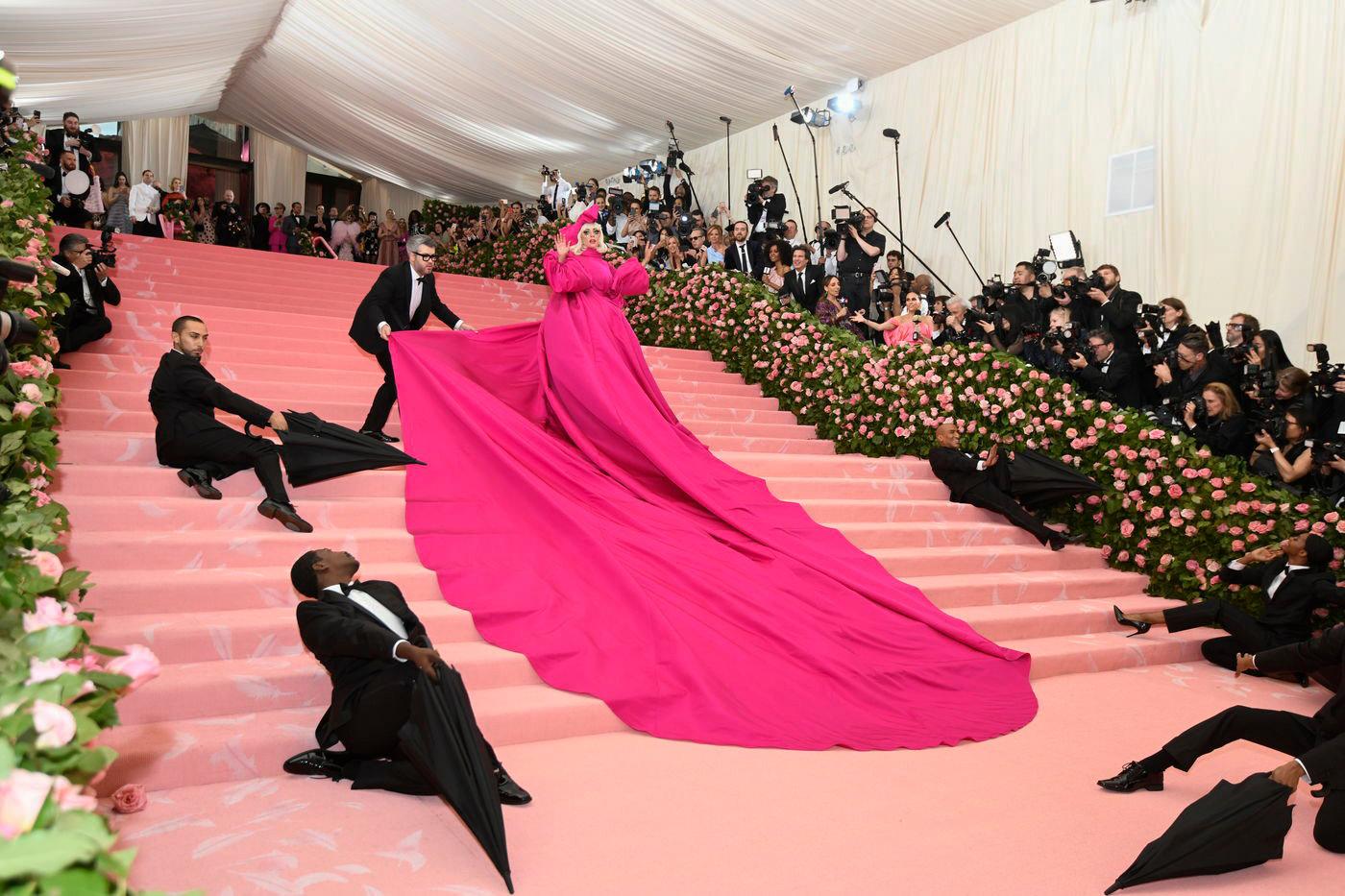
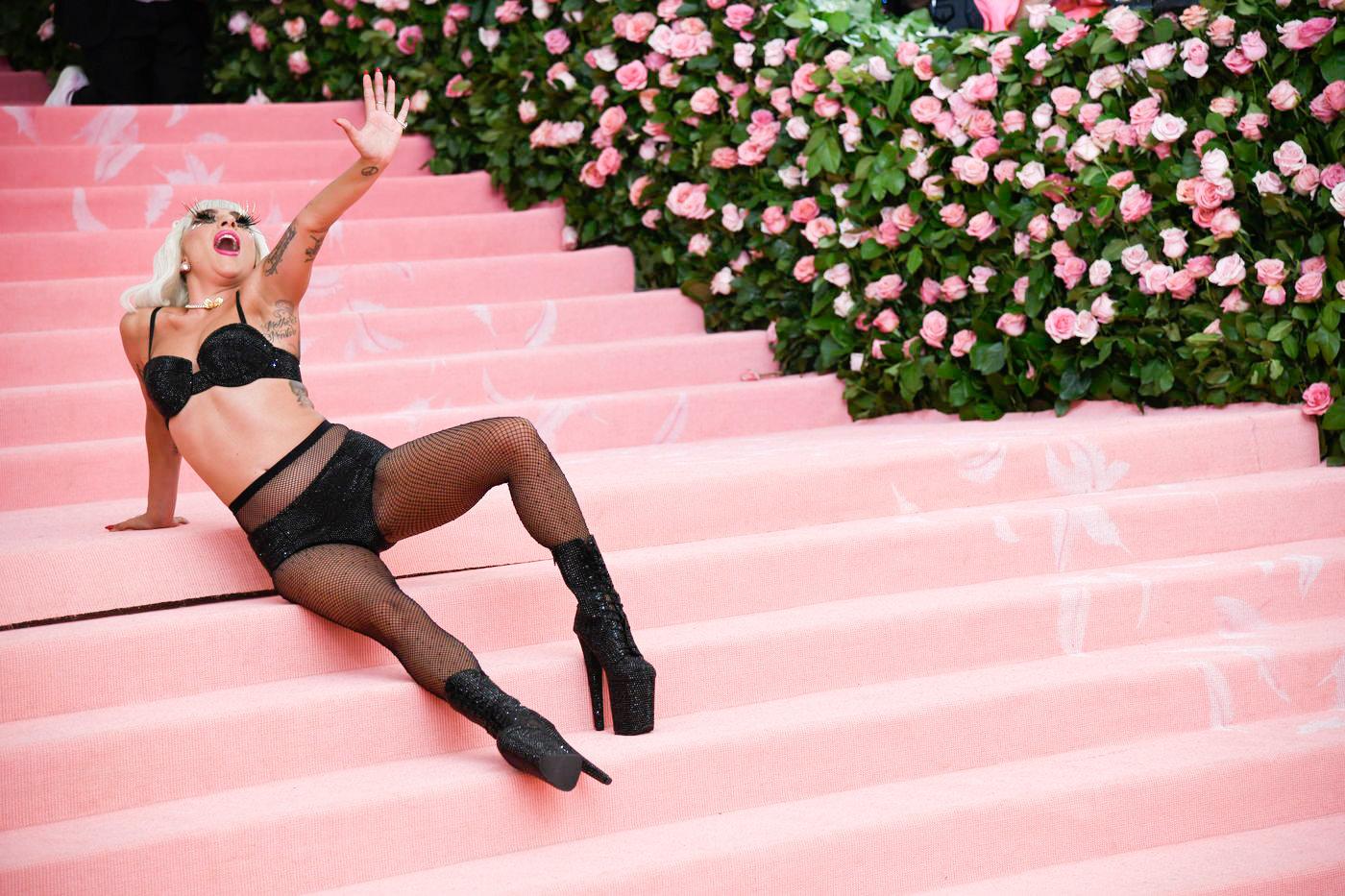
Lady Gaga: Tonight, the host donned four different outfits on the carpet, beginning with a large billowing pink dress.

Gaga’s 1st outfit
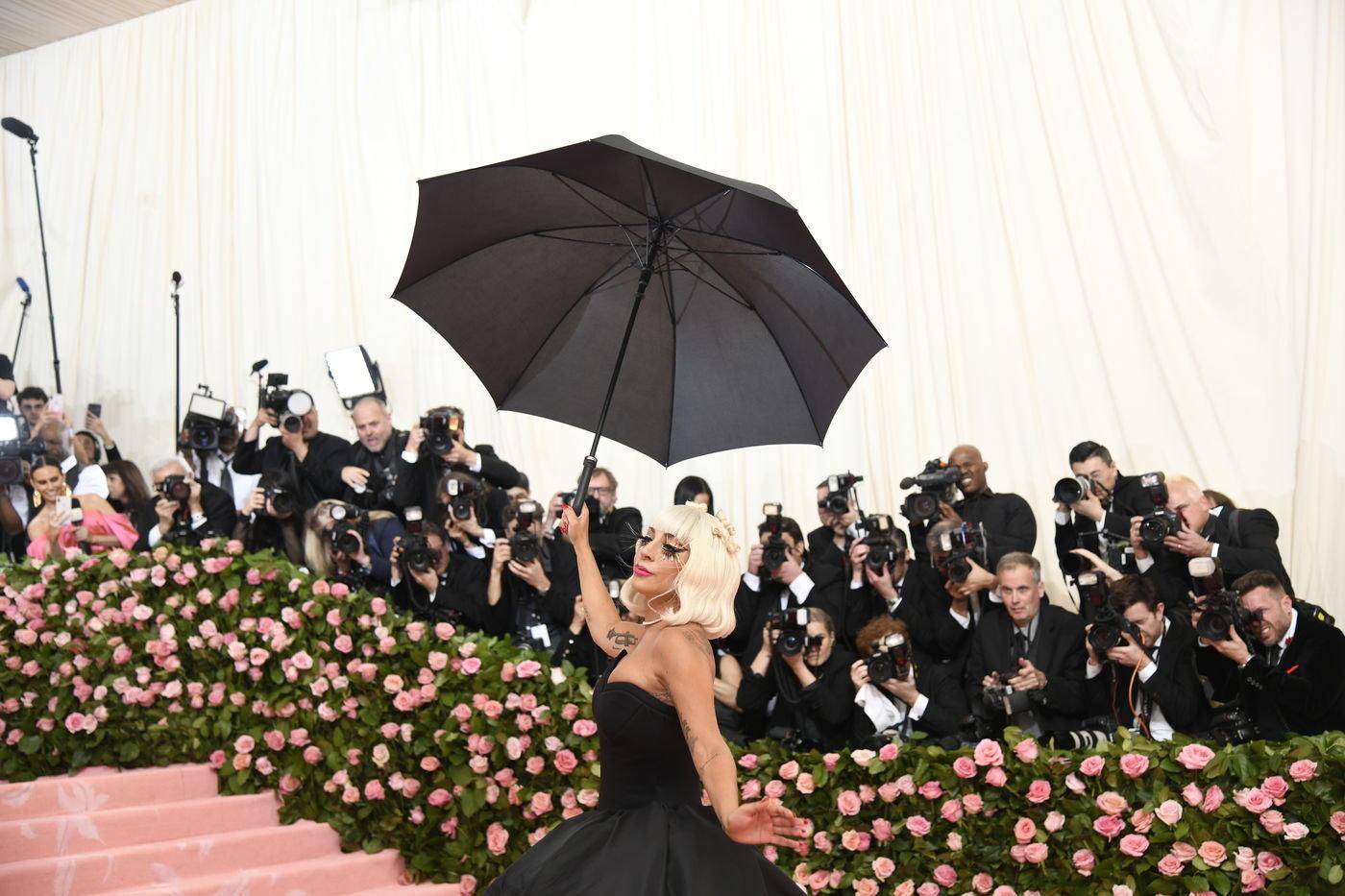
Gaga’s 2nd outfit of the carpet.
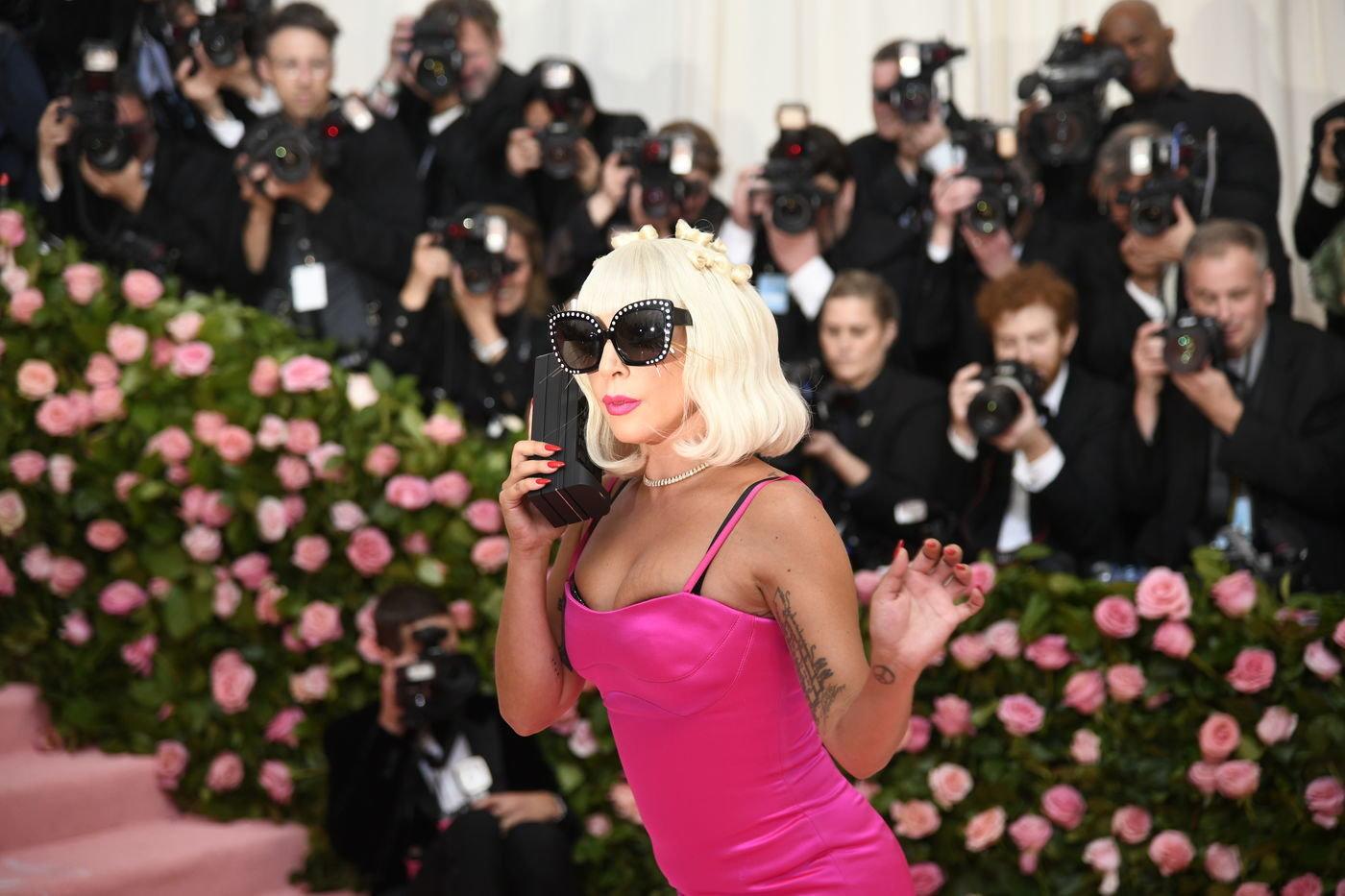
Gaga’s 3rd look of the carpet-once again in pink.
Gaga’s 4th and final look, stripped down and black.

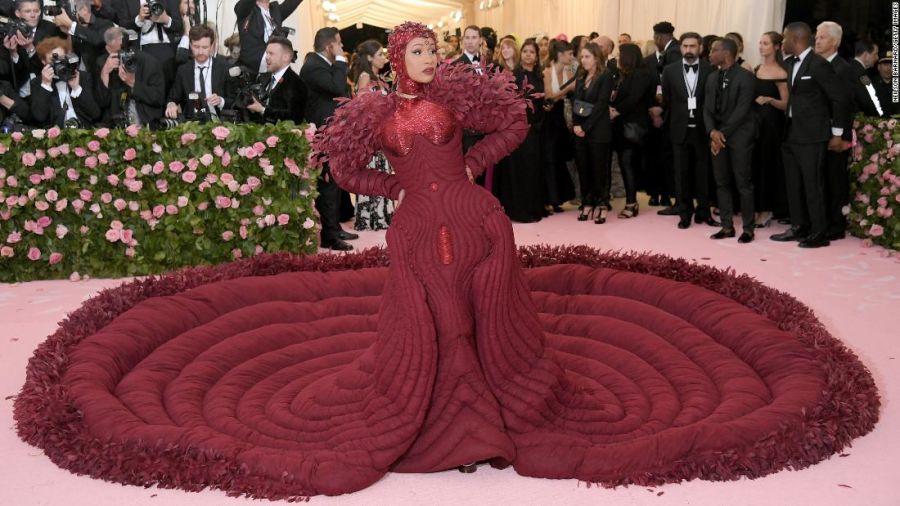
Cardi B wore a red dress that flowed out to a large circular trail tipped with feathers. The dress reportedly took 2,000 hours to make.

Cardi B in a dress designed by Thom Browne

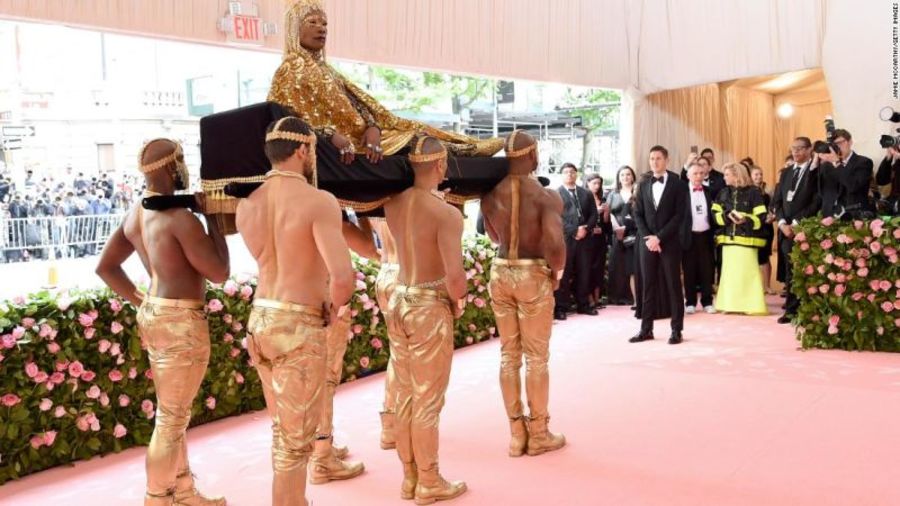
Billy Porter, dressed in gold, came down the carpet carried by six shirtless men in a form reminiscent of the Egyptian Sun God Ra.

Billy Porter riding atop his carrier down the carpet.

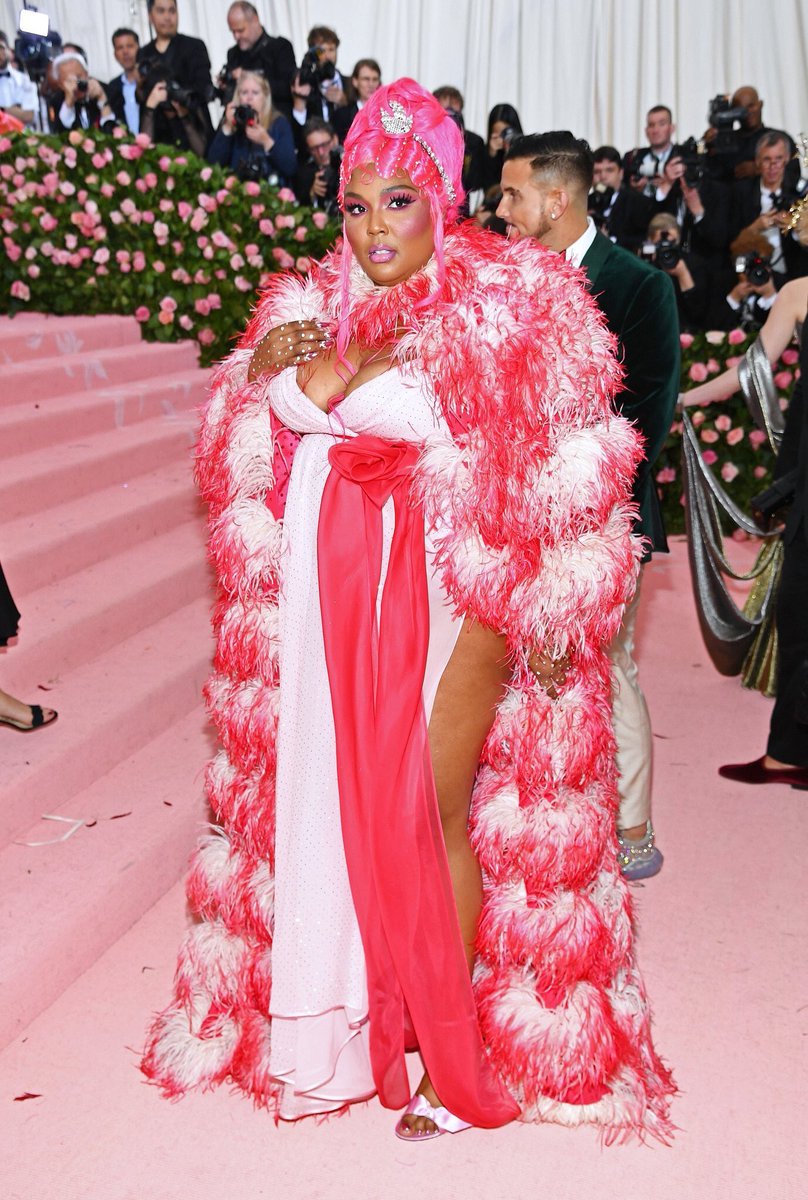
Lizzo joined the gala dressed head-to-toe in pink, notably matching the pink carpet. What really caught people’s attention was the unveiling of her neon pink hair, after having recently appeared at the GLAAD’s in neon green.

Lizzo showing off her stunningly bright pink look.

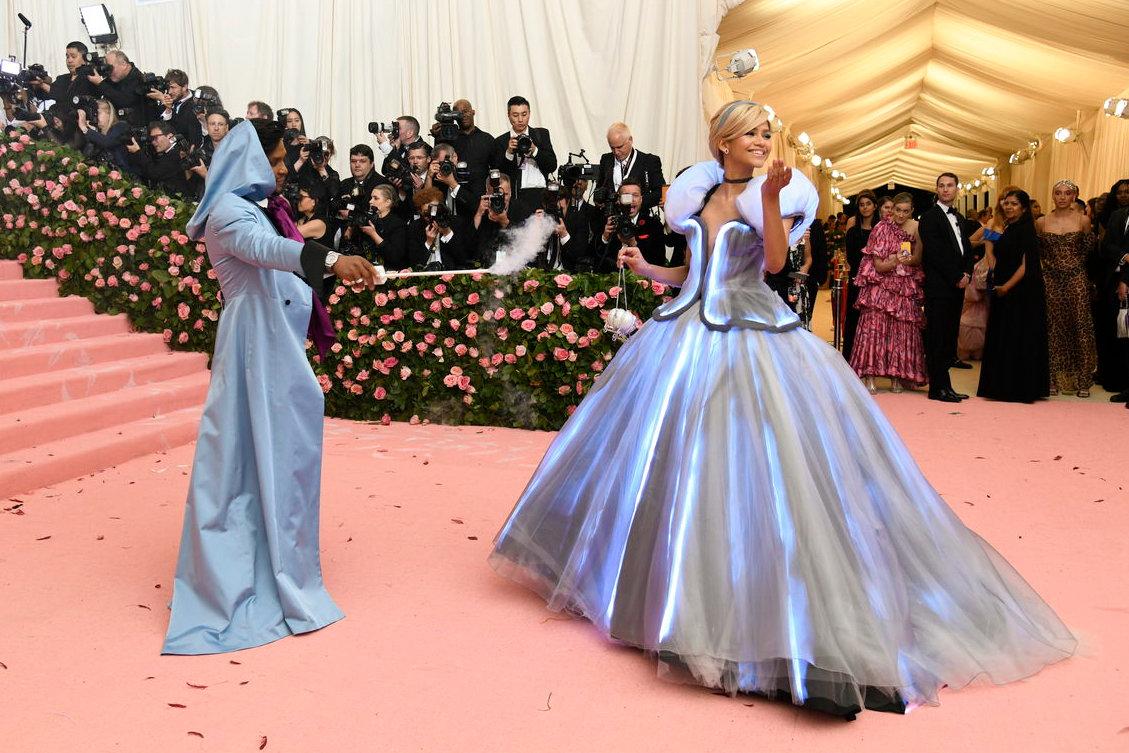
Zendaya got to live the fairy tale life for a moment, wearing a replica of the original Disney’s Cinderella dress. She even came with her own Fairy Godmother.

Zendaya posing with the Fairy God Mother, who is pointing a smoking wand at her.

‘Sonic’ Director Agrees to Change Design of Sonic

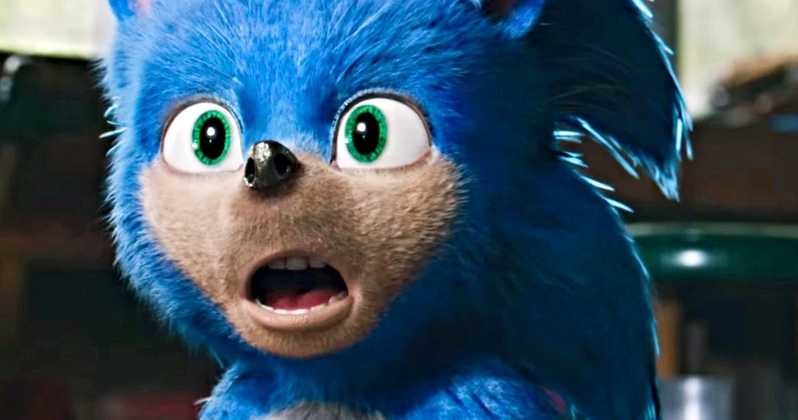
Earlier this week, the first trailer for the new live-action Sonic was released, leading to a wave of criticism from the internet. The model of Sonic that appeared in the trailer was thought to be much worse than what had been seen in teaser posters, with the classic hedgehog looking like a weird fuzzy nightmare with human teeth.

The new trailer led to floods of memes, particularly surrounding the actor Jim Carrey, who is set to play the antagonist Eggman, saying that he will “carry the whole movie”. It also led to many artists editing the Sonic design to appear much more like his classic model from the games, leading to questions of how one artist can make a better design for a character in seemingly a few hours, when a company spent years making a monstrous design.

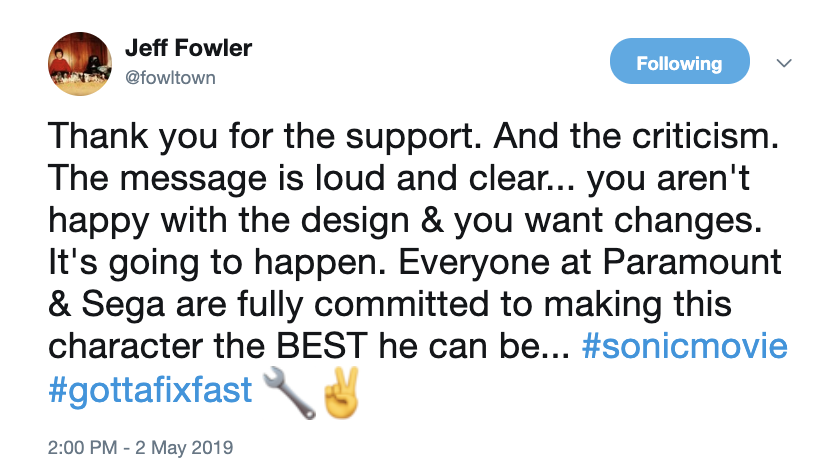
Well, the level of criticism seemed to reach the director, who understood what he needed to do loud and clear. Yesterday via Twitter Jeff Fowler announced that they would be changing the Sonic model to make him appear more like his classic features, which he imagines would appease fans and critics.

The announcement comes just six months before the supposed release date of the film, which excites some, but worries others, particularly artists. The media industry is rife with exploitation for artists, especially as these artists cannot unionize and advocate for themselves. The idea that they would have to change the main character’s model in just six months, with no announced push-back date, leaves the very great and dangerous possibility that these artists will be forced to work overtime for little pay in order to fix the design.

It’s not as though the artists can protest for better work conditions, either. With the media industry being so competitive, these artists can face harsh punishment for pushing back, or even get fired, and be replaced by someone willing to work the hard hours. It leaves the artists in a classic position of either doing what they’re forced to, or find themselves without a job.

The announcement to change the Sonic model comes only a week after developers and artists expose the exploitative work conditions in trying to quickly crunch out new content for the popular game Fortnite.

BTS Cause an Online Storm with their SNL Performance

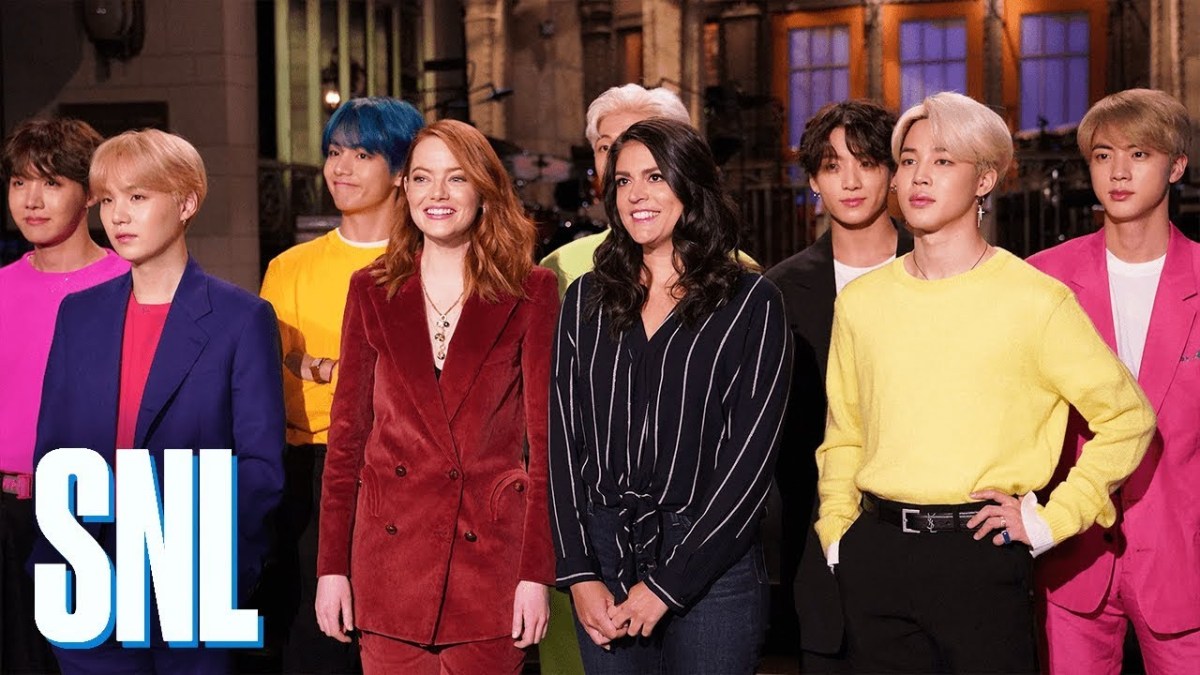
Lat night, Kpop boy band BTS performed on SNL with host Emma Stone, making them the first ever South Korean artists to appear on the show. Their performance was marked by much anticipation, with great excitement from the fans and plenty of advertising from the show itself.

They performed the day after the release of their new album Map of the Soul: Persona, performing their single “Boy with Luv” and their popular “Mic Drop Remix”, causing quite a storm on all social media platforms, namely Twitter. Fans fawned over the perfect choreography and the live singing, and even some mentioned how one of Rm’s outfits was from “Persona: Intro”.

Their performance on the show brought a jump in SNL viewership ratings that hasn’t happened in years. It also put the show as number one on trending lists, another feat for the show.

BTS’s new video for “Boy with Luv”, featuring Halsey, has already broken 116 million views in two days.

Government Crackdowns on Chinese Pop

Chinese-Pop, despite its popularity within China, Taiwan, and Hong Kong, is rarely though of in the rest of the world. The genre lies continually in the shadows of the longstanding J-Pop, and the now booming K-Pop industries, although it has in recent years drawn more attention.

C-Pop has drawn an increasing amount of attention in recent years as it has come under the eye of government scrutiny for its “moral divergence”. The government, under Xi Jinping’s regime, has pushed for a return to more traditional Confucian morals, which argues a loyalty to hierarchy, and is used as a rejection of Western influence, and has recently turned its attention towards “cleansing” Chinese popular culture.

Back in January of 2018, the Chinese media regulator came out with an edict that said Chinese TV shows “should not feature actors with tattoos (or depict) hip hop culture, sub-culture and immoral culture,” in essence bringing the growing heyday of Chinese hip hop to a grinding halt. Hip Hop, which originated in the urban black population in the US, is a prime target for the “moral straightening” program that the Chinese government is aiming to implement, as it exists as the epitome of Western influence

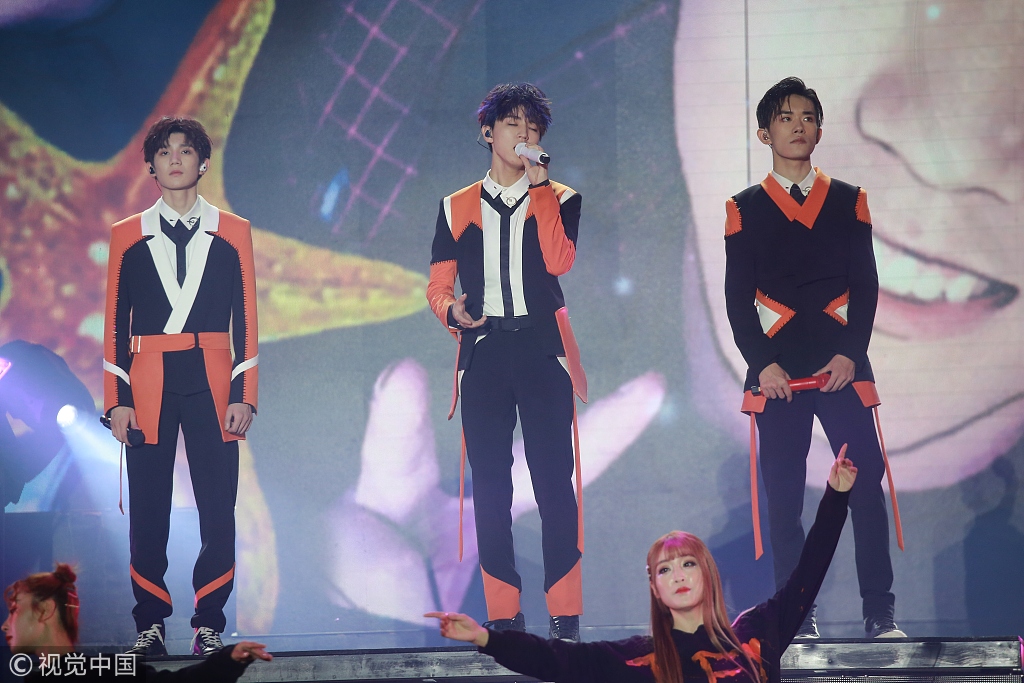
Another, more recent possible act by the government, was the blurring of men’s pierced ears in January 2019. Both actors and C-Pop singers alike are now appearing on TV with blurred earlobes, which almost immediately drew criticisms from fans. The fans argued that the blurring of earrings, which was never explicitly implemented by the government (although most likely heavily suggested) reinforced the traditional, outdated standards of beauty for men and women.

In the regions outside of the major cities, the move to blur the earrings for the most part seems to have support, as traditional beliefs of hierarchy and gender still dominate. Men wearing earrings, to the rural population, was seen as “degrading” to the social status and strength of men.

The government is suspected with having a heavy hand in the decision to blur the earrings, as it would be another feature of the “moral straightening” of Chinese pop culture, and would function as a rejection again of Western culture.

The Game of Skin Bleaching Roulette in Africa

Skin lightening and bleaching is a multi-billion dollar industry that has been on the rise for the past decade-much to the alarm of medical professionals. Particularly in Asia and Africa, skin bleaching ads and commercials are common, promoting products that will guarantee paler, flawless skin-a factor that is often seen as a key to success. However, these products are almost always unregulated, and include ingredients such as mercury, hydroquinone and derivatives, topical steroids, and resorcinol, all of which can cause irreversible skin damage with constant use. These ingredients are also known to break down melanin in the process of bleaching, leaving people more prone to developing skin cancer, particularly in hotter climates.

Products like these can create serious issues, particularly when considering the fact that 1 in 3 women on the African continent use, or have used skin bleaching products, according to a study by the University of Cape Town. Skin bleaching is especially an issue in South Africa, where black market skin bleaching products proliferate, leaving people at a higher risk of damaging their skin. It doesn’t matter that South Africa is one of the few countries in Africa that implements regulations of skin bleaching products produced within the country; black market imports pop up faster than they can be confiscated.

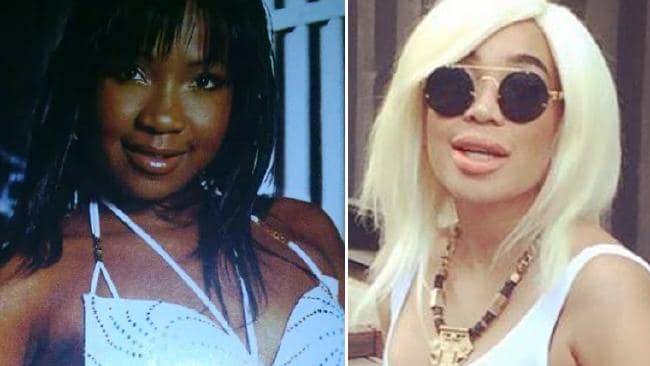
One celebrity in South Africa has gained quite a bit of attention for her skin bleaching, which has drawn harsh criticisms for encouraging young girls to lighten their skin as well. Musician Nomasonto “Mshoza” Mnisi has gained attention for becoming several shades lighter through her skin bleaching treatments, contrasting from her darker appearance from when she first premiered as an artist. She says her new skin makes her feel beautiful and more confident, which can portray badly to darker-skinned South Africans, particularly those already insecure about their appearance.

Mnisi shrugs off criticisms of her appearance, arguing that her choice of skin bleaching is a personal choice, comparing the procedures, which cost around 5,000 rand ($590 USD) each to getting a nose job or breast implants. Unlike much of the rest of the populace both in South Africa and the rest of the continent, the 30-year-old musician uses high-end skin bleaching products, which tend to be much safer than their black market counterparts.

The dangers of using skin bleaching products, particularly non-regulated ones, is that they can cause blood cancers, liver and kidney cancers, and a severe skin condition known as ochronosis, a form of hyper-pigmentation in which the skin turns a dark purple shade, according to a researcher at the University of Cape Town. Few people know of these dangers, however, and the increase in demand is troubling. The World Health Organization has reported that 77% of Nigerian women have used skin bleaching products, the highest of any African country, followed by Togo at 59%, South Africa at 35%, and Mali at 25%. Men are also starting to use skin whitening creams, which is only adding to the increasing demand for the products.

Although it is difficult to pinpoint one sole reason for why people bleach their skin, psychologists say that low self-esteem, and some degree of self-hatred, are common among reasons. Having lighter skin is more desirable throughout the African continent, a result of over 100 years of colonial rule, and with continued discrimination against those with dark skin in terms of education, pop culture, society, and jobs, people desire to lighten their skin and make themselves more “desirable”. The perceptions against darker skin are deeply entrenched into African society and pop culture, which keeps the demand for skin bleaching products alive.

KPop is Now in the West, and it’s Here to Stay

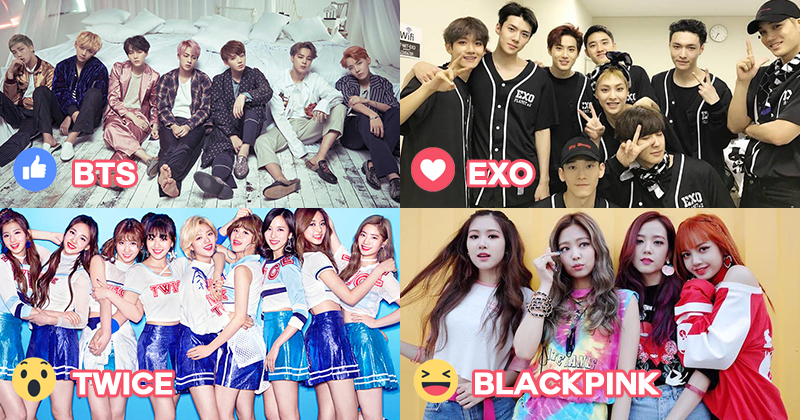
The Western pop culture realm was severely shaken up when in 2017 BTS was nominated for a Billboard Music Award, and won. They were the first Korean artists to get nominated for a Western Music award, and were met with a mix of both excitement from their fans and confusion from the general populace. Social media was flooded with questions about who BTS was, and why/how they got nominated in the first place.

Two years later, and Kpop has not only exploded in popularity, but is slowly melding its way into Western music. Artists such as Steve Aoki, Nicki Minaj, Jason Derulo, and Dua Lipa have collaborated with some of the most popular Kpop groups, mixing both Korean and English in a way that had only previous been done with Latin music. Just last week Jason Derulo came out with a song and music video featuring LAY and NCT 127, the former being a Kpop singer and the latter being a Kpop group, called “Shut Up, Let’s Dance”.

Kpop is working its way into Western music, though at a much slower rate relative to the explosion in popularity among Western audiences. The rapid growth in fans of Kpop is rather astonishing, as in just a few months the rate of Kpop fans have skyrocketed, and social media interactions with Kpop groups. For both BTS’s and EXO’s twitters, the rate of interaction with the accounts by fans beat expected interactions by a longshot in 2018, beating out top western artists such as Beyonce and Justin Bieber.

Kpop groups have even made their way into Western advertisements, as BTS has both been on the cover of Billboard magazine and modeled for Vogue. The most popular female group at the moment, Blackpink, just appeared on the cover of Billboard magazine as well, having some of the highest amount of streams on Spotify. Their latest song “Ddu Du Ddu Du” also has topped 695 million views on Youtube, making it one of the most listened to Kpop songs globally.

Kpop is pushing its way into Western Music, and, at least for the time being, it’s here to stay. It’ll be interesting to see how Western music awards, particularly awards such as the Grammy’s, will adapt to the rising popularity of Kpop. Will it add a category specifically for Kpop, which they did for Latin music? Or will they simply meld it in to the preexisting categories, as what occurred with BTS this february? It’ll be interesting to see where the next few years takes us.

Artist Portrayals in Media: So Horribly Accurate

In comedy, we’ll always find that artists are either portrayed as air-headed “connected to the earth” white people, or pretentious jerks. That’s how they have always been portrayed since the dawn of the 1990’s and 2000’s, and that’s how they will be portrayed until the end of time. At this point, the portrayals are iconic.

The only problem with these portrayals is how horribly accurate they are. No, really, it’s insanely accurate. Need proof? Go to a modern art museum. Not even that. Just open an art history book or biography. Time and time again, you’ll find that artists tend to be extremely arrogant and pretentious, trying to act like they are on some higher tier of existence than the common folk. This isn’t the case for all artists, but it is the case for a majority of them.

This is especially true in the case of most modern artists, who think they can get away with painting a blank canvas white and selling it for a million dollars. Well, they kind of can, given that the culture surrounding art and art critiques inflates an artist’s ego to the point of no return by going insane over said white-painted canvas. The culture only makes the artist’s attitude that much worse, encouraging them to make paintings that can be done in less than five minutes. Not even paintings, but also sculptures (there was a case where an art piece which was literally a pile of trash was accidentally thrown out by a cleaning lady who didn’t know it was part of the exhibit). The culture helps further the monster. But it doesn’t create it.

No, the artist grows into the stereotype in college, and even high school. They make friends with other artists, learn about art and somehow get it in their head that they are more “unique” and “free” because of it. They invest themselves in their craft, and become infected. Then they get mad when people make fun of said infection. They insist that the stereotypes aren’t true at all, then act exactly like their stereotypes (even down to dressing like them, just without the beret and scarf). It’s almost sad.

But, like I’ve already said, this stereotypes doesn’t apply to all artists. There are a few that lie outside of the stereotype, who are actually fairly normal, and even make fun of the stereotypes and the people who act like them. They are, unfortunately, few and far between.

The American Meme, and Unnecessary Drama

For the past few days, I had been in a funk about writing. I didn’t have any inspiration to write about anything, which was kind of annoying, because I wanted to at least write about something. That was, at least, until I watched the American Meme on Netflix with my friend last night.

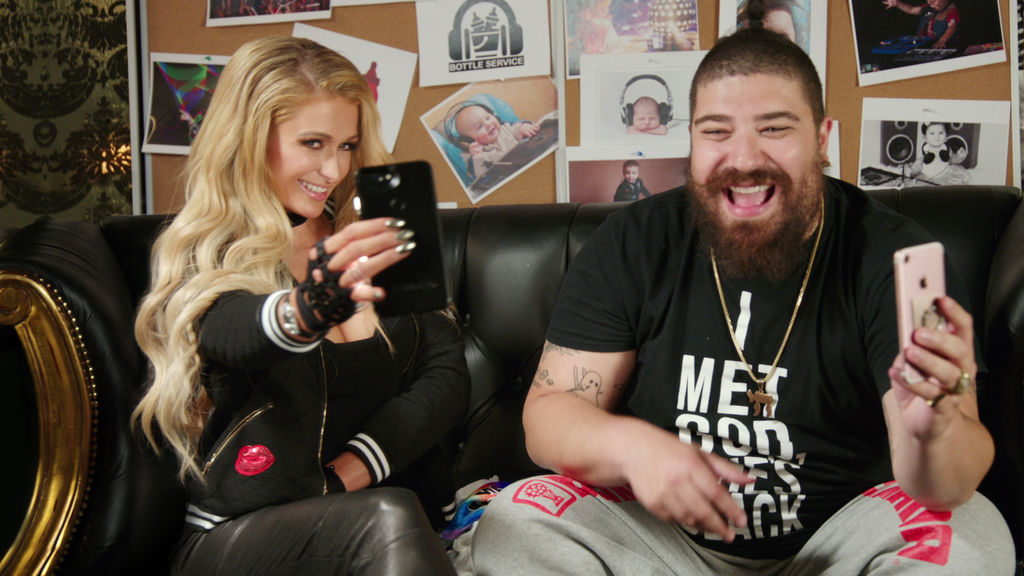
God, this documentary was something else. I don’t think I’ve ever rolled my eyes harder than when I watched this. It wasn’t because the documentary was necessarily bad-just filled with whiny, obnoxious people who complained about being social media influencers, while at the same time refusing to leave it.

I’m not kidding. Literally ninety percent of the documentary was about these people complaining about being influencers. How they “hate people” or “their life sucks”, but they also continue to do their job because “what else can I do?” The only person I had any real sympathy for was Paris Hilton, who did get chased around by paparazzi, and did have a private sex tape released without her consent. That, I can understand.

But everyone else? I’m sorry, but I have none for them. They’re literally all the same types- kids who move out to LA to make it big, don’t get any parts, and then turn to social media to pay the bills. Then they complain because the pathway they chose sucks and is competitive and fake, but don’t leave or move back home. They claim to be hooked on the attention, which may be true, but seriously, it’s not that hard. Being an influencer is cut-throat. Don’t like it? Leave.

I do realize in writing this that my sympathy may be lessened by the fact that they moved to LA, especially to become actors, which grates on my nerves to no end. I, like most other native Angelinos, hate those kinds of people. The transplants that come here to be in the entertainment industry, then refuse to leave when they get jaded. They increase the traffic, the housing prices, the cost of living. They add to the gentrification of long-standing communities, all the while flaunting how they’re from a small town or some other state. Sorry, but you won’t find sympathy from me.

Another thing that got on my nerves: how these people claimed they had to be crazy to get views, and how everyone in Hollywood dresses up and calls the paparazzi to them now. Which isn’t true in the slightest. Most traditional entertainers (actors, musicians), don’t have the paparazzi coming to them, and don’t get all flashy. They blend into the regular population, eating at restaurants or going to the gym. Most of them stay out of the limelight, going entirely against the claim Mark Henderson made about Hollywood.

And as for social media influencers, I follow plenty of them (and live near a few) that don’t at all do crazy things for the sake of social media. They don’t make fools of themselves, and still get millions of views on a youtube video they release, or an Instagram photo that they send out. This documentary tries to say otherwise, but facts are facts.

This documentary, to a certain extent, was a load of bs. I won’t lie and say that social media is nothing like this (because any creative platform can be pretty cut-throat and strenuous), but the extent to which these people make their claims is so exaggerated. The people interviewed also act like there’s no way out, but then contradict themselves (like Kirill was saying he had ‘no other option’ than to party like crazy for Instagram, and then it goes and talks about how Paris Hilton used her fame to start a bunch of brands), to the point where is just seems ridiculous. To me, the documentary was just a way for people to complain about their lives without actually changing anything about it.

Narcissists: Funny in Pop Culture, Awful in Real Life

There’s nothing like seeing family for the holidays that inspires you to write again. And no, fortunately most of my family are not narcissists (or narcs, as I’ll say throughout the rest of this).

What is a narcissist? There are several definitions. The most common version that we see of narcissism (which is coined from the name “Narcissus”, who was so in love with himself that he slowly starved to death) is narcissistic personality disorder, which can be diagnosed by a therapist. Someone with this disorder is manipulative, self-centered, has a victim complex, and is generally a wretched human being.

NPD is not the only form of narcissism that exists. There is a spectrum for those who have narcissistic tendencies, but generally don’t qualify as narcissists. It’s much more common and obvious to notice by outsiders (people outside the family), and are generally brushed off as negative traits.

So, I won’t go into any detail, but hanging out with family for the holidays got me thinking about the contrast between how narcs are portrayed in pop culture versus how they are in real life. Narcs in both film and television are often portrayed in a funny light. They’re self-centered, but that in turn makes them the but of the joke as if eventually works out against them. They are obviously bad people, who are bad at getting their way and only put themselves in embarrassing situations because of it. They are a perfect and easy way to add a joke surrounding the rudeness of people.

Narcs in real life, however, are awful and deceptive. They care only about themselves, and not about anyone else, including their own children. A good example of this kind of behavior would be to mention something I’ve witnessed. A kid was asked by an adult what they got for Christmas, to which they responded that they got nothing. Upon the adult investigating further, he found that this was allegedly because money was “tight”, according to one of the kid’s parents. Well, interestingly enough, this person had just come back from not one, but two trips, one on a cruise, and the other to Las Vegas.

The parent in question had also turned down a job offer (that would have offered great pay, great benefits, and a long-term job), in order to go on the cruise. Now that parent complains about not having a job, acting on the permanent victim-complex that narcs seem to have.

That was only a mild example of a narcissist. Scrolling through the subreddit r/raisedbynarcissists, I read about some of the horrors these people faced at the hands of their families, who were narcs. I won’t disclose any of these stories, as I don’t have permission, but I encourage anyone who wants to to view some of the stuff that these people must face.

The point of comparison is that narcs are hardly funny outside of pop culture. Yes, some of their behavior is odd and sparks a good bit of laughter, but for the most part, it is atrocious and scarring. They’re also manipulative, gaining favor and sympathy from others, which in turn turns them against the victims of the narc behavior. They’re not obvious in nature, which also contrasts from their pop culture portrayal, making it much more difficult for people to actually see when someone is a narc.

Strange and Unusual Incidents at Universal

Having already spoken about strange incidents that occurred at Disneyland park, I felt that it would only be fair if I also spoke about strange events that occurred at one of LA’s other big parks, Universal Studios. This amusement park is about ten years younger than Disney, but has had a surprisingly little amount of incidents within the Hollywood location. This may be a result of the fact that the park focuses more on attractions than actual rides, but that wouldn’t entirely explain the low amount of incidents. I’ll try to focus on the strange ones, but it seems stranger to me just how few incidents there were.

Universal Fat-Shaming

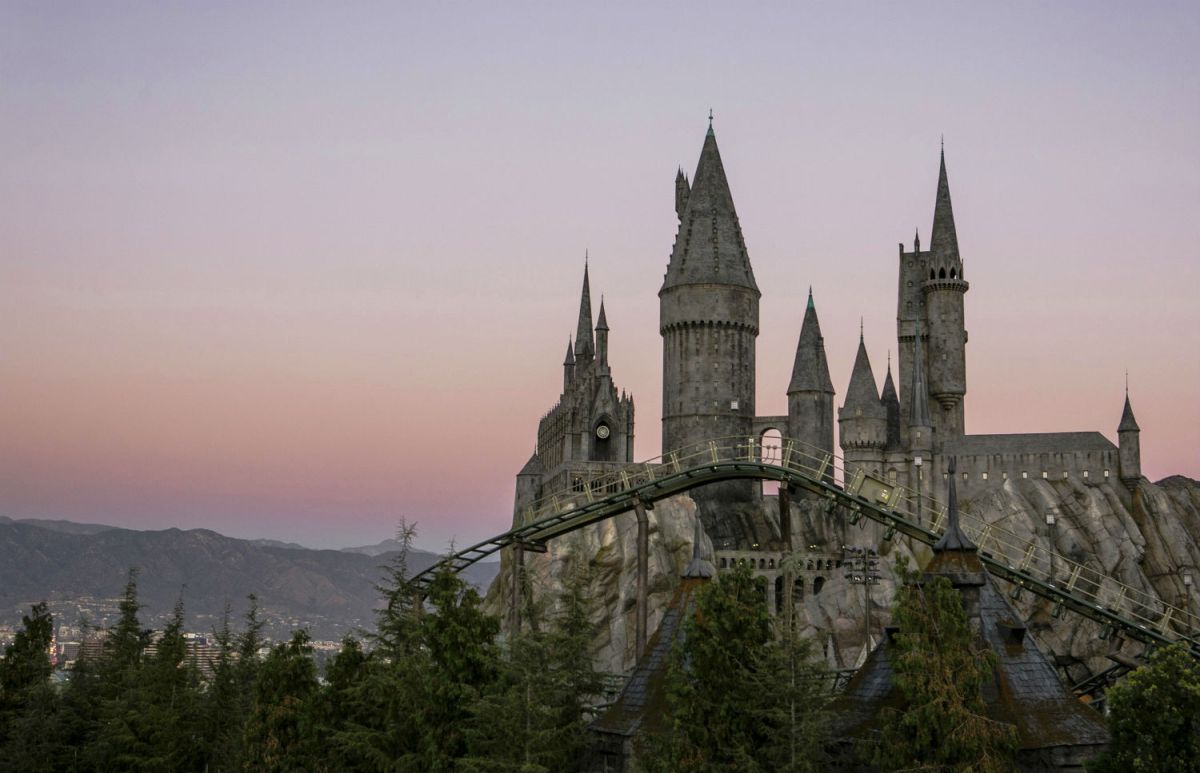
Now, Harry Potter World has been open for a number of years in both the Orlando and the Hollywood location. However, it is only very recently that one of Hollywood attractions, a ride that occurs inside the Hogwarts castle, has started to come under fire by some plus-sized people, who complain that the ride was too small for them. The seats on this ride, which are standard engineered to only hold up to a certain weight (as the attraction flips the rider both onto their back and stomach), could not seat these people, leading to a few videos on Youtube. This is not an easily solvable issue, as the seat can only be adjusted so much before it can no longer be safely compatible with both plus-sized and extremely thin people.

Backlot Fires

There have been 9 backlot fires throughout Universal Studio’s history. Most notably, however, is the most recent fire, which demolished the original King Kong portion of the studio tours, as well as several other sections of the tour. It made the news for the amount of damage it caused (though no one was hurt), leading to the rebuilding and developing of the whole section.

Runaway Railway

In 2016, one of the Studio Backlot tour trams ran into a sign that was protruding from a railway section. No one died, and those injured were quickly taken care of on the scene. How the sign poked out is unknown.

Strange Disneyland Incidents

Disneyland, despite its uptight nature about making sure everything is functioning and clean, has had its fair share of strange and bizarre accidents and malfunctions. The park has made headlines for having events such as a “selfie-stick shutdown” and a massive measles outbreak, plus many more that aren’t even mentioned. I’d thought I’d list a few of the strangest/funniest incidents that occurred within the resort.

Selfie-Stick Fiasco

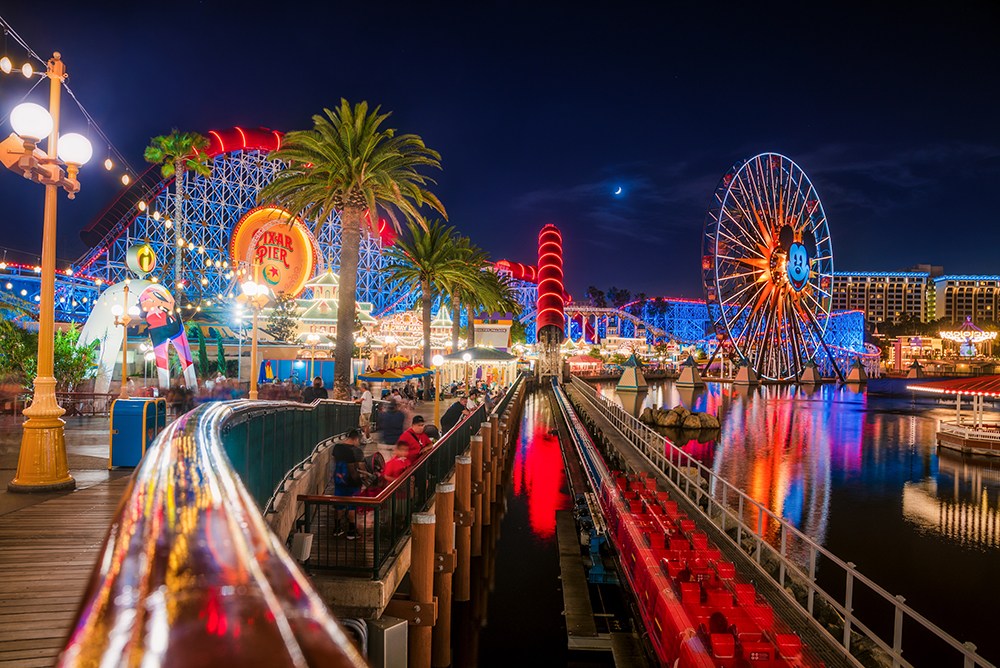
The Incredicoaster (known formerly as California Screamin’) was shut down not once, but twice, after a passenger tried bringing a selfie stick with them on the ride. The first time this happened occurred in 2015, prompting the later ban on selfie-sticks in the Disneyland park. The second time occurred a year later, leading to the ride being shut down and evacuated for an hour.

Drunk Superman

In 2012, a reportedly drunk 53-year-old man attempted to attack a worker at the Twilight Zone Tower of Terror (now Guardians of the Galaxy). The worker pepper-sprayed the man multiple times in the face, but rather than deter the man, it only angered him more. It took several guests to subdue the man until security arrived. Why the man attacked is unknown. But you can watch what the fight on Youtube.

Vaccination Station

In 2014, a whopping 40 people contracted measles at the Disneyland park, causing an outbreak. Despite public speculation, the patient zero is thought to be an international visitor. The impact of the outbreak still left its mark, however, as it led to a Senate bill requiring vaccinations in schools.

The First Fatality

Disneyland’s reported first fatality occurred in 1964, when a fifteen-year-old boy stood up on the Matterhorn and fell out. The boy died of his injuries three days later in the hospital. It was reported that his harnesses were undone by his companion.

Mickey Mouse Drop

In 1972, four teenage girls were riding on the PeopleMover when one of the girls lost her Mickey ears cap. She and her cousin jumped off of their car to retrieve it, before realizing that they had to get on another cart. While the original girl made it onto a car, her cousin found a tunnel exit and ran through it, only to fall 30 feet (9 m) into a guard rail and onto concrete. She survived with many broken bones, and sued Disney for their negligence about the exit warning.